

Rain can reveal weaknesses that remain invisible during a normal test drive. A sunroof may work perfectly on a dry day, yet clogged drains, damaged seals, poorly fitted glass, or blocked drainage channels can eventually send water into the headliner, pillars, carpets, or electrical components.
Some vehicles have developed documented water-intrusion concerns involving their roof systems, while others have demonstrated better resistance when their drainage and sealing systems are properly maintained.
This article looks at both sides, highlighting five vehicles with documented roof-water concerns and five that provide stronger confidence against rain-related cabin problems.
5 Cars Where Rain Can Become a Cabin Problem
1. BMW X5
The BMW X5 is an excellent example of how a sophisticated panoramic roof can create several potential routes for water intrusion. BMW issued a service bulletin covering X5 models along with several related BMW SUVs and specifically described multiple possible causes of water entering the vehicle from the sunroof area.
The bulletin identifies incorrectly adjusted sunroof glass panels, damaged perimeter seals, damaged support foam, and damaged side seals as possible sources.
It also specifically lists panoramic-roof drains that are improperly installed, clogged, or kinked. That combination makes the X5 particularly relevant to this article because the problem is not necessarily caused by one defective component.
A panoramic roof has to move, seal, and drain water while maintaining proper alignment. If the glass is incorrectly adjusted, excessive water can enter the drainage system. If the drains cannot carry that water away quickly enough, it can overflow into the cabin. BMW notes that the roof and drains are capable of handling only a certain volume of water.
This is why an X5 with a water leak should not automatically be blamed on a single bad seal. Several areas need to be checked.
For used buyers, the first warning signs can appear above the occupants’ heads. A damp headliner, water marks around the roof opening, or a musty smell may indicate previous moisture intrusion. Carpeting should also be checked carefully because water can travel away from the original entry point before becoming noticeable.

The X5 belongs in this group because BMW’s own diagnostic information confirms multiple potential water-entry points. That does not mean every X5 will leak, but it makes the roof system an area worth inspecting carefully on an older or heavily used example.
2. Volkswagen Golf
The Volkswagen Golf has also had documented panoramic-roof water-leak concerns, particularly on certain 2015 to 2017 Golf and GTI models equipped with sunroofs. Volkswagen issued a technical bulletin specifically titled “Water leak from the Sunroof (Panoramic Roof).”
The problem is important because the Golf’s roof system can allow water into the vehicle when drainage does not function correctly. Volkswagen’s documentation identifies the issue on specific Golf and GTI vehicles equipped with a sunroof, making this more than a collection of isolated owner anecdotes.
Panoramic roofs depend heavily on drainage channels because the glass itself is not expected to block every drop of water indefinitely. Once water reaches the roof tray, it must be directed away through the drain system. Any restriction can allow water to collect where it should not.
The Golf therefore deserves attention from used-car shoppers considering one of these model years with the optional roof. A vehicle that has spent years outside in wet conditions should receive a particularly careful inspection.
The headliner is an obvious place to begin. Watermarks around the roof opening, sun visors, or overhead lights can suggest previous leakage. However, buyers should also inspect the carpets because water can travel through trim and insulation before reaching the floor.
The reason this model belongs in the leak-prone group is not that every Golf or GTI develops the condition. Volkswagen’s bulletin applies to particular model years and configurations, meaning buyers need to pay attention to equipment and production details rather than assuming the issue affects every example.
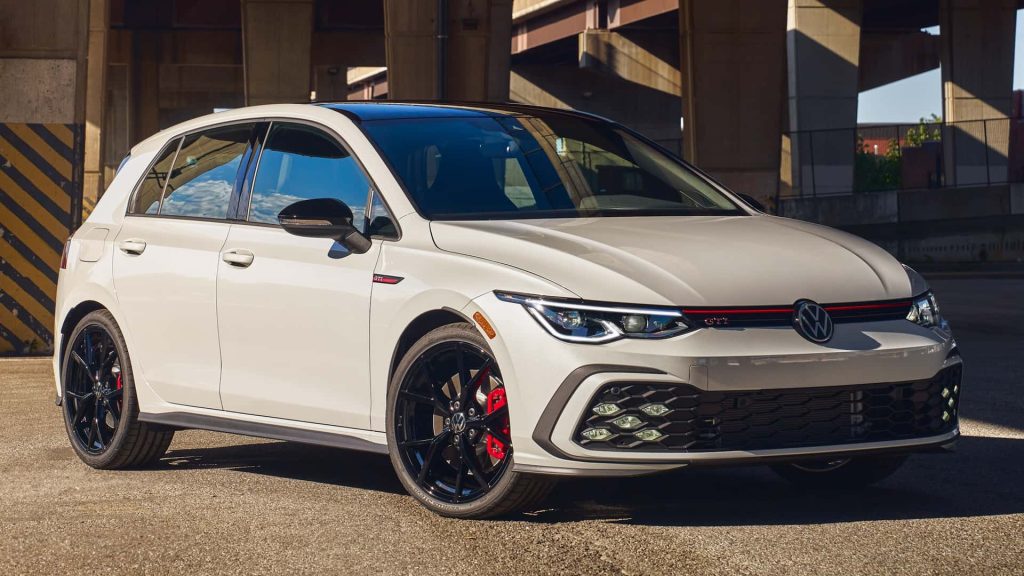
A properly repaired car can remain perfectly usable. The concern is greatest when buying an older example with an unknown maintenance history, because an unresolved leak can cause damage long after the original source has become difficult to identify.
The golf demonstrates why a panoramic roof should be treated as a mechanical and drainage system, not simply as a large piece of glass.
3. Toyota Sienna
The Toyota Sienna is another model worth checking carefully when shopping for an older vehicle equipped with a sunroof. Toyota has issued service information addressing water leaks associated with the sunroof drain system on certain Sienna models, making the roof drainage path an important inspection point rather than something buyers should overlook.
The basic problem is familiar with many sunroof-equipped vehicles. Water can enter the area around the glass during normal rainfall and is supposed to travel through dedicated channels before leaving the vehicle through drain tubes. If the drainage path becomes restricted, water can accumulate and eventually find its way into the cabin.
That distinction matters because a leaking Sienna may not immediately show an obvious puddle. Moisture can first appear around the headliner or roof trim before migrating down the pillars and into the carpeting. By the time a wet floor becomes noticeable, the original entry point may be difficult to identify.
The Sienna’s family-oriented design makes this particularly relevant. Minivans frequently carry children, luggage, and passengers in all three rows, so a roof leak can affect much more than the driver’s immediate surroundings. Water reaching carpeting or insulation can create persistent dampness and unpleasant odors.
A used Sienna should therefore be checked after rainfall or during a controlled water test. Look around the sunroof opening, overhead trim, and pillars for discoloration. The carpets should also be pressed for dampness, particularly near the edges and underneath floor mats.
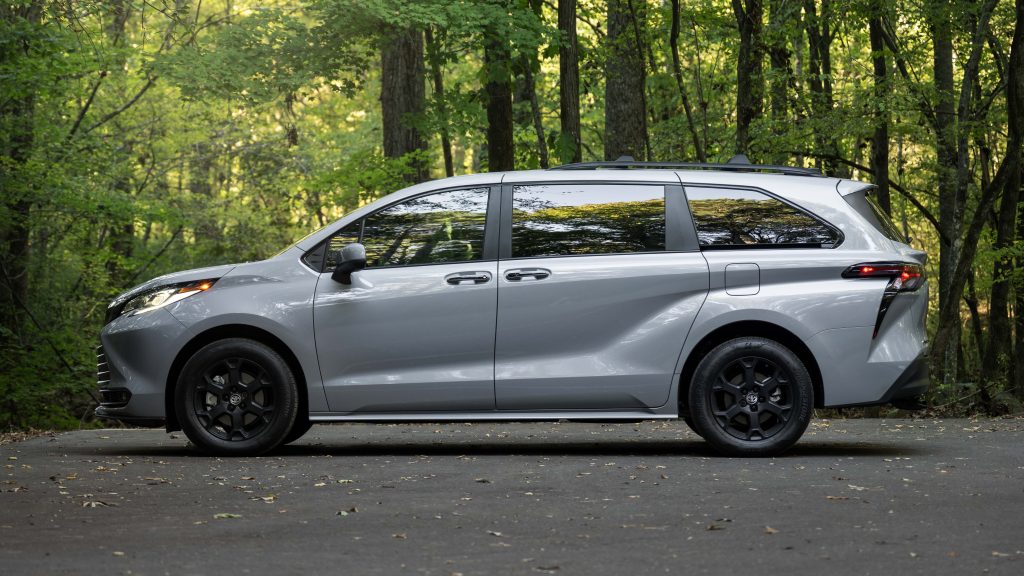
The reason for including the Sienna is not to suggest that every example leaks. Instead, its documented roof-drain concerns make the system worth inspecting on an older vehicle. A clean, dry example with properly functioning drains can remain trouble-free, while an ignored drainage problem can turn into a much more expensive repair.
4. Chevrolet Traverse
The Chevrolet Traverse demonstrates how panoramic-roof water problems can involve drainage rather than the glass itself. General Motors has issued service information for water leaks involving sunroof-equipped vehicles, with roof drains and their routing among the areas technicians may need to inspect.
The underlying principle is straightforward. A sunroof system is designed to collect water and send it through drainage channels. When those channels become blocked, or water cannot travel through them correctly, the excess moisture can escape into areas of the cabin that were never intended to get wet.
On a large SUV such as the Traverse, identifying the source can be particularly difficult. The roof opening sits far above the floor, while trim panels, pillars, and insulation provide multiple paths for moisture to travel. A leak may therefore become visible several inches or even feet away from where the water first entered.
That is why a damp headliner should never be dismissed as a minor cosmetic issue. Water around the overhead console, roof trim, or sun visors can indicate that the drainage system needs attention. A musty smell is another warning sign, particularly when it remains after the vehicle has been sitting in dry conditions.
The Traverse is included here because its panoramic roof adds complexity to the water-management system. More glass and a larger roof opening mean more seals, channels, and drainage components have to remain correctly positioned.
For used buyers, checking the roof should be part of the inspection whenever a Traverse has a panoramic sunroof. Open and close the glass, inspect the surrounding seals, and look for discoloration around the headliner. The floor should also be checked for dampness because water can travel down the pillars before reaching the carpet.
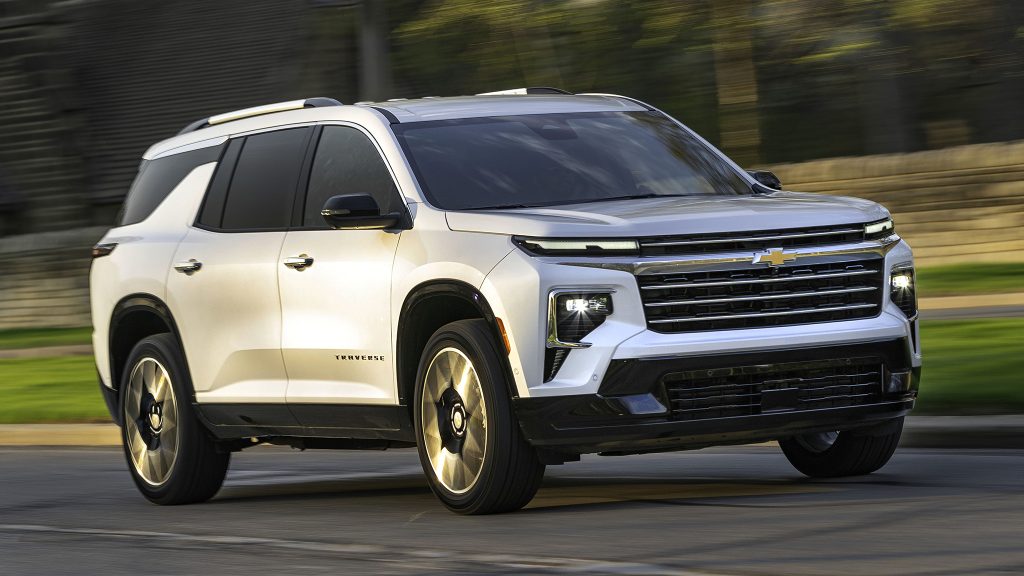
A properly maintained Traverse does not have to be a leak-prone vehicle. The concern is that an ignored drainage problem can eventually become an expensive cabin repair, making early detection much more valuable than dealing with water damage after a major storm.
5. Ford Escape
The Ford Escape provides another documented example of how water can enter a vehicle through the roof area and leave visible evidence inside the cabin.
Ford issued a technical service bulletin covering 2013 to 2018 Escape models, stating that some vehicles could develop water-stained headliners after experiencing a leak from areas including the roof opening panel, fixed glass, roof rails, or roof ditch moldings.
That bulletin is important because it shows how difficult roof-water problems can be to trace. The headliner stain is not necessarily the location where water first entered. Moisture can travel along the roof structure before reaching the fabric, meaning a technician may need to investigate several possible entry points.
The Escape’s roof opening system, therefore, deserves careful attention on an older example. A buyer should inspect the headliner around the sunroof opening, particularly for brownish discoloration, sagging fabric, or marks that appear to have been cleaned previously. The roof rails and surrounding trim also deserve a close look.
Water stains can sometimes be dismissed as cosmetic, but that can be a mistake. Persistent moisture can reach insulation and carpeting, creating a damp smell and potentially contributing to longer-term problems.
The Escape is not being labeled as a vehicle that inevitably leaks. Ford’s bulletin applies to some vehicles and describes the condition after a water leak has already occurred. That distinction matters because individual vehicle history, weather exposure, and previous repairs can make a major difference.

For used buyers, the key lesson is simple: inspect the roof and headliner as carefully as the engine bay. A clean-looking Escape with a dry cabin may have no meaningful issue, while one showing unexplained roof stains deserves further investigation before purchase.
5 That Resist It
1. Honda Accord
The Honda Accord is a strong candidate for the low-drama side of this comparison because its conventional moonroof design avoids some of the additional complexity associated with enormous panoramic roof systems. A smaller opening generally means less glass, fewer moving sections, and a more contained drainage area to maintain.
That does not make the Accord immune to water intrusion. Any moonroof can develop a leak if its drains become clogged or if the surrounding weatherstripping is damaged. However, the Accord has not developed the same prominent reputation for widespread chronic moonroof leakage associated with some other vehicles in this article.
Its simpler arrangement can be an advantage for long-term ownership. The glass panel is surrounded by a defined seal and drainage tray, while water that reaches the tray can be directed through dedicated drain passages.
Keeping those passages clear is still essential, particularly for vehicles parked beneath trees or driven in areas where leaves and debris accumulate.
The Accord’s popularity also means used examples are available in large numbers, giving buyers the opportunity to be selective. There is little reason to accept a car with a stained headliner or damp carpeting when another example can be found with a completely dry cabin.
Inspection should still focus on the areas where trouble first becomes visible. Look around the moonroof opening for discoloration, inspect the headliner near the front corners, and check the floor beneath the carpets. Opening the roof and examining the rubber seal can also reveal cracking or obvious damage.
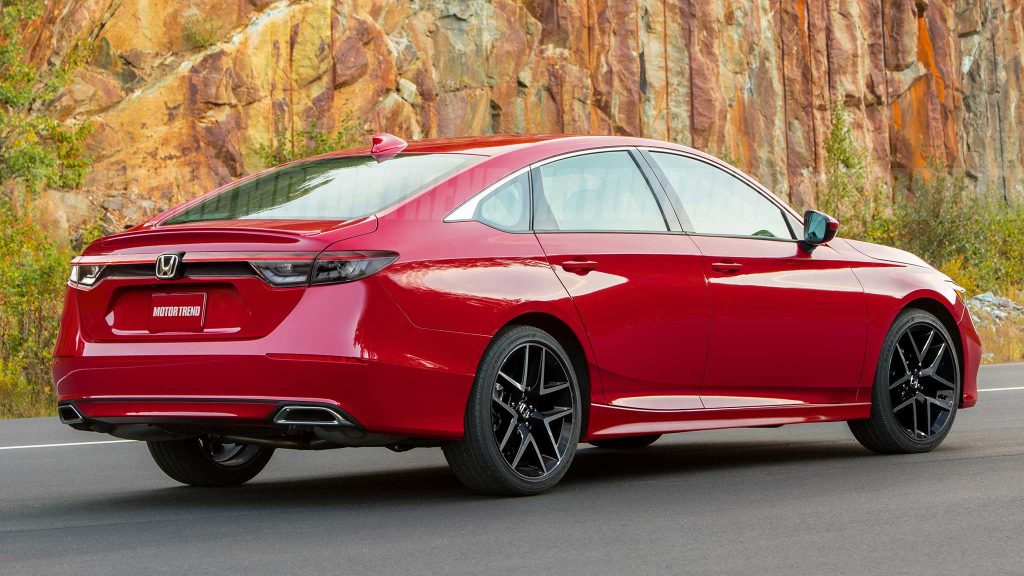
The Accord earns its place here because it represents a more conventional approach to providing a moonroof without making a huge panoramic assembly central to the vehicle’s cabin design.
For buyers who want the extra light and ventilation of a roof opening while keeping long-term complexity relatively manageable, that can be an appealing combination.
2. Toyota Highlander
The Toyota Highlander earns a place among the vehicles that generally provide a more reassuring roof-water setup, particularly when compared with models that have developed extensive complaints about panoramic-roof leaks.
Its sunroof system still requires maintenance, but the Highlander’s roof design and Toyota’s established approach to drainage make it a sensible choice for buyers who want the extra light without making water intrusion a defining concern.
One advantage is that many Highlander configurations use a conventional moonroof rather than an enormous multi-panel panoramic assembly. That reduces the number of large moving glass sections and sealing interfaces that have to remain perfectly aligned over many years.
Fewer complex components do not eliminate the possibility of a leak, but they can reduce the number of places where problems can develop.
The Highlander is also a vehicle commonly used as a family hauler, so keeping the cabin dry is especially important. Wet carpets or headliner material can quickly become noticeable when children, luggage, and passengers are regularly inside the vehicle.
A used Highlander should still receive a proper roof inspection. Check the headliner around the opening, inspect the rubber seal for deterioration, and look for any staining around the overhead console. The carpets should feel completely dry, including underneath the floor mats.
The reason for including the Highlander is its relatively conventional approach to the sunroof and its reputation as a long-term family vehicle. It offers the benefit of an opening roof without making an elaborate panoramic system central to every configuration.

For buyers in rainy regions, that can be a worthwhile advantage. The Highlander is not guaranteed to remain leak-free forever, but a properly maintained example with clear drains and intact seals can provide a considerably less troublesome ownership experience than a vehicle with a documented history of recurring roof-water problems.
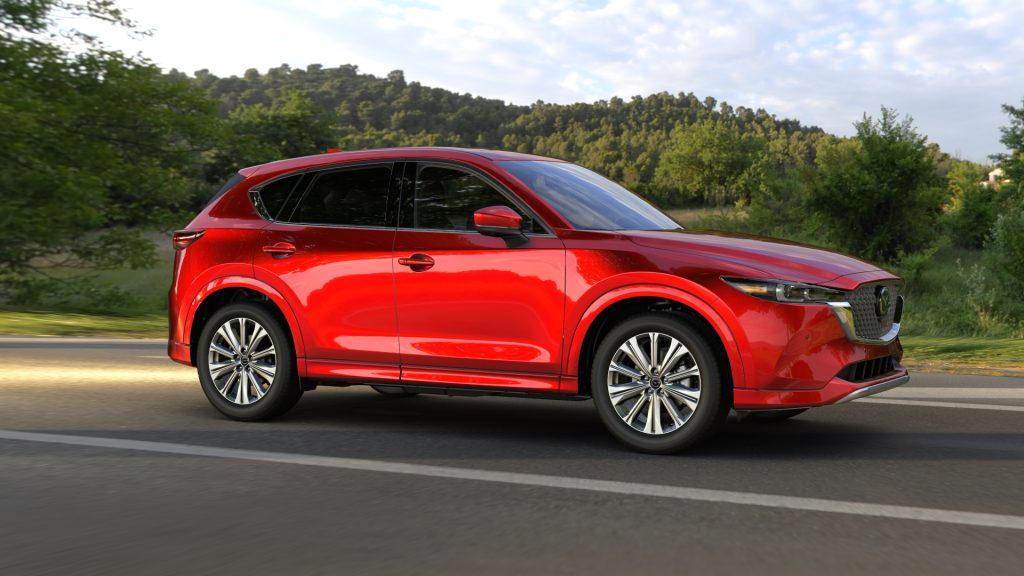
3. Mazda CX-5
The Mazda CX-5 takes a similarly restrained approach to the roof opening, and that simplicity is one reason it makes sense in a discussion about keeping rain outside the cabin. Unlike some large SUVs and luxury vehicles that use extensive panoramic roof assemblies, the CX-5 has generally offered a more conventional moonroof arrangement.
That matters because every additional panel, moving section, and drainage channel creates another component that must remain correctly sealed and positioned. A simpler roof system does not guarantee perfect water resistance, but it can make long-term maintenance less complicated.
The CX-5 also benefits from a cabin design that does not depend on a giant glass roof to create an airy atmosphere. The roof opening provides additional light and ventilation while remaining relatively contained. For an owner who wants a sunroof but is concerned about long-term water management, that can be a sensible compromise.
A used CX-5 should nevertheless be inspected carefully, especially if it has spent years outside. Leaves and debris can accumulate around the drainage area, while repeated exposure to ultraviolet light can eventually affect rubber components. Any signs of moisture around the headliner should be investigated before purchase.
Look closely at the front corners of the roof opening, where drainage paths are typically located. Examine the surrounding fabric for discoloration and check the carpet near the front pillars. A damp smell can also be a warning sign even when no visible stain is present.
The CX-5 earns its position because it demonstrates that a manufacturer can offer a desirable roof opening without relying on an especially complicated panoramic arrangement. Its relatively straightforward setup gives owners fewer elaborate components to worry about.
For used buyers, that does not remove the need for maintenance. Keeping the drainage paths clear remains essential.
But when comparing vehicles with different roof designs, the CX-5’s more conventional approach can make it an appealing option for anyone who wants sunlight above the cabin without taking on unnecessary complexity.
4. Subaru Outback
The Subaru Outback is another vehicle that fits this group because its roof system has generally avoided becoming synonymous with chronic water intrusion.
The Outback has offered moonroof and panoramic-style roof options across different generations, but its roof design has remained relatively conventional compared with some of the more elaborate multi-panel systems found in larger luxury SUVs.
That distinction can matter over time. Every roof opening has seals and drainage channels, but a simpler arrangement can mean fewer complicated components that need to remain perfectly aligned.
For an owner, routine maintenance becomes more straightforward because keeping the drainage paths clear is usually more important than managing a highly complex roof mechanism.
The Outback is also frequently used in conditions that can challenge drainage systems. Owners may park beneath trees, travel through muddy environments, or carry outdoor equipment on the roof. Leaves, dirt, and other debris can eventually reach the drainage channels, making periodic cleaning important even when the vehicle has never shown a leak.
A used Outback should therefore be inspected with particular attention to the headliner and upper sections of the pillars. Any water marks, discoloration, or unusual dampness should prompt further investigation. The carpet should also be checked around the front footwells because water can travel down from the roof before becoming visible.
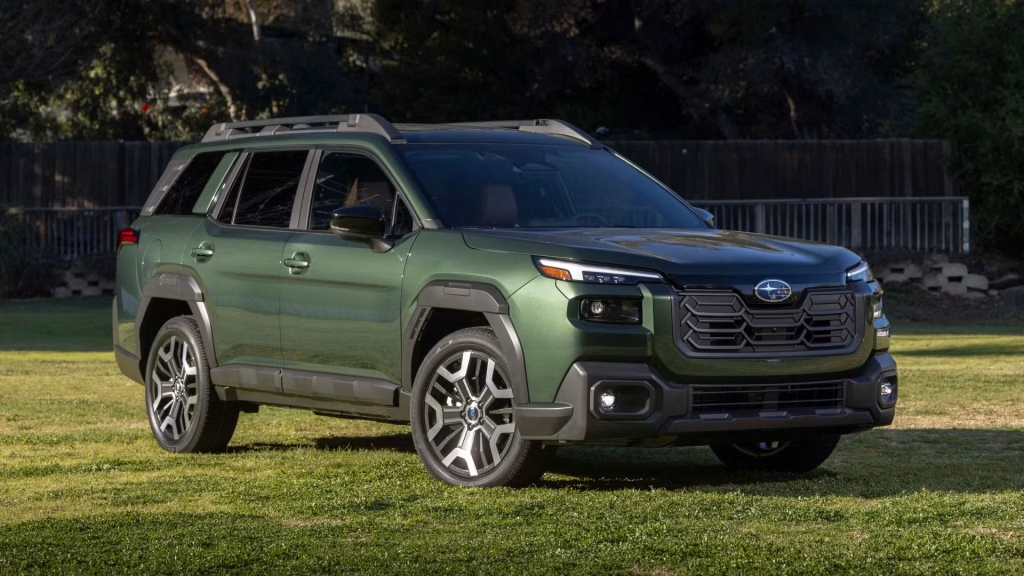
The Outback earns its place here because it combines a practical roof design with a vehicle philosophy built around year-round use. Subaru has not positioned the roof as an extravagant luxury feature that dominates the cabin. Instead, it remains a useful addition to a practical vehicle.
That makes the Outback an appealing option for buyers who want a sunroof while keeping the potential for complicated water-management problems relatively low. It still needs proper care, but a clean, well-maintained example can provide plenty of confidence when rainy weather arrives.
5. Honda CR-V
The Honda CR-V completes the group because its conventional moonroof design provides a relatively straightforward way to add an open-air feature without relying on an enormous panoramic assembly. That matters when considering long-term water resistance, since the drainage system has fewer large moving sections and sealing interfaces to manage.
The CR-V has also established itself as a practical family crossover, so keeping water away from the cabin is particularly important. These vehicles regularly carry passengers, groceries, luggage, and outdoor equipment. A roof leak can therefore become more than a minor inconvenience if moisture reaches the carpeting or insulation.
Like every vehicle with a moonroof, the CR-V still depends on clear drainage passages. Leaves, dirt, and other debris can collect around the roof opening, eventually restricting the channels that carry rainwater away. A blocked drain can produce symptoms that initially look like a bad seal, even though the actual problem is the drainage path.
That is why a used CR-V should be inspected carefully before purchase. Open and close the moonroof and listen for unusual noises from the mechanism. Examine the rubber seal for cracks or obvious deterioration, then look around the headliner for water marks. The carpet should be completely dry, particularly near the front pillars and underneath the floor mats.
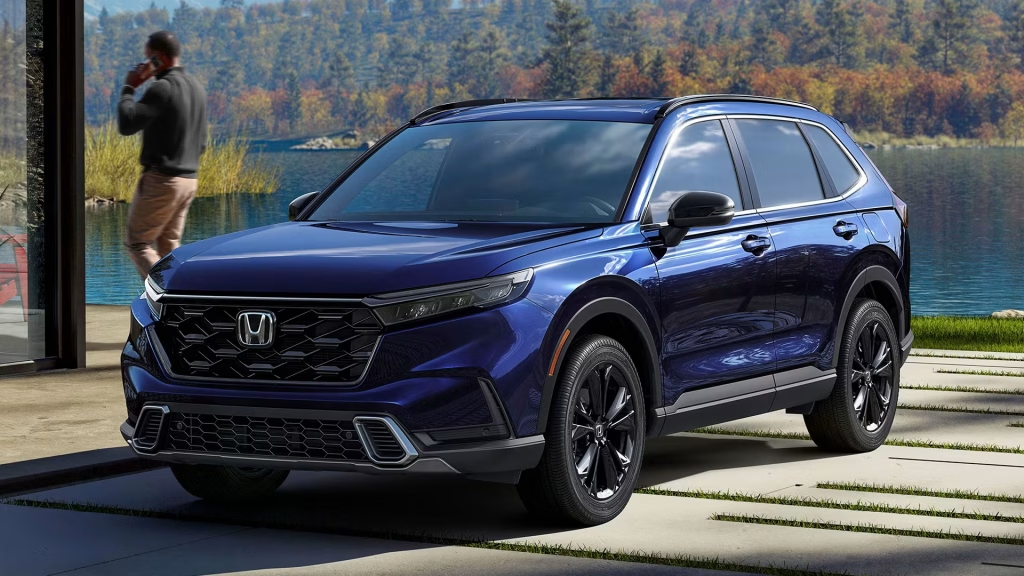
The CR-V earns its place here because its roof system does not have the same level of complexity associated with many large panoramic designs. That simplicity can make long-term ownership easier, provided the drainage system receives basic maintenance.
It would be inaccurate to call the CR-V completely leak-proof. Any sunroof can eventually develop problems if seals deteriorate or drains become blocked.
However, a properly maintained CR-V offers a sensible combination of roof functionality and relatively straightforward water management, making it a strong choice for buyers who want a sunroof without making water intrusion a major ownership concern.
