
There is something special about hearing an engine respond naturally to the throttle, with intake noise, mechanical character, and exhaust tone building together as the revs rise. Some cars still deliver that experience without relying heavily on synthesized cabin audio.
Others use microphones, speakers, sound generators, or resonators to make the powertrain sound more aggressive from the driver’s seat. Both approaches can make a car more entertaining, but they create very different experiences.
This article looks at five cars where the mechanical soundtrack is a major part of the experience and five where technology helps create or amplify what drivers hear.
5 Cars With Real Engine Sound
1. Lexus LFA
The Lexus LFA is one of the clearest examples of a manufacturer treating genuine engine sound as an essential part of the driving experience. Its naturally aspirated 4.8-liter V10 was developed to rev extremely quickly, and Lexus worked with Yamaha’s musical-instrument division to shape how the engine’s real sound reached the driver.
That detail is important because the LFA was not simply given a loud exhaust and left to its own devices. Lexus engineers deliberately designed the acoustic experience around the V10’s natural character.
Yamaha helped tune the cabin so the driver could experience the engine across its rev range, while sound channels directed genuine mechanical and intake noise toward the occupants.
The result is one of the most recognizable engine sounds ever produced by a road car. The V10 rises through the rev range with an unusually smooth and urgent character, and its pitch changes rapidly as the engine approaches its high-rpm limit.
That connection between sound and mechanical response is why the LFA belongs in this category. The soundtrack is not simply an audio recording being played through the speakers. It comes from the engine itself, with the cabin engineered to make that real sound more prominent.

The distinction becomes obvious when the throttle is released. The engine note immediately changes with rpm, load, and throttle position because the sound is physically generated by the powertrain. There is no need to synchronize an artificial recording with the engine.
The LFA therefore represents an old-school idea executed with sophisticated engineering: if the engine sounds extraordinary, the job is not to invent a soundtrack but to make sure the driver can hear the real one.
2. Chevrolet Corvette Z06
The Chevrolet Corvette Z06 provides a very different version of the same philosophy. Its 5.5-liter naturally aspirated flat-plane-crank V8 produces a distinctive high-rpm sound that is deeply connected to the engine’s physical design and its exhaust system.
Unlike a turbocharged engine that uses exhaust-driven turbines to build boost, the Z06’s naturally aspirated V8 has a more direct relationship between throttle input, engine speed, and exhaust character. As the revs climb, the sound becomes increasingly intense, giving the driver an immediate acoustic indication of what the engine is doing.
The Z06’s exhaust system also gives the driver control over how much of that genuine sound reaches the outside world. Different exhaust modes alter the path through the mufflers, allowing the character to become quieter or considerably more aggressive.
MotorTrend described the Z06’s sound as a major part of its sensory appeal and noted that the Bose audio system only slightly enhances what is fundamentally an extremely distinctive mechanical soundtrack.
That distinction is important for this list. The Corvette’s engine does not need an artificial V8 recording to convince the driver that something serious is happening behind the cockpit. The actual 5.5-liter engine produces the high-frequency howl associated with the car.
The sound also changes naturally with driving conditions. Gentle throttle produces a restrained note, while climbing toward the engine’s upper rev range transforms the character dramatically. Because the sound originates from the engine and exhaust, it follows the physical behavior of the car.

That makes the Z06 a strong modern example of genuine engine sound. It demonstrates that sophisticated electronics and advanced exhaust control do not necessarily require manufacturers to manufacture the soundtrack electronically. Sometimes the best solution is simply to let an extraordinary engine make the noise itself.
3. Porsche 911 GT3
The Porsche 911 GT3 is another car where the engine itself provides much of the drama. Its naturally aspirated 4.0-liter flat-six has a distinctive sound that changes dramatically as the tachometer climbs, and the connection between throttle input and engine response makes the soundtrack feel inseparable from the driving experience.
The GT3’s appeal begins with its naturally aspirated configuration. Without turbochargers moderating the exhaust flow and adding another layer between throttle input and engine response, the flat-six has a direct, immediate character.
Porsche allows that mechanical personality to remain prominent rather than hiding it beneath heavy insulation.
The engine’s high-revving nature is particularly important. At low speeds, the GT3 can sound relatively restrained, but the character changes as the revs build.
The intake becomes more pronounced, the exhaust note sharpens, and the engine develops a harder-edged tone toward the top of its operating range. That progression gives the driver useful acoustic feedback without requiring a synthesized soundtrack.
Porsche has also engineered the GT3’s intake and exhaust systems carefully, so calling the sound completely untouched would be misleading.
Acoustic tuning is still part of the engineering process. The important distinction is that those systems are shaping sounds produced by the actual engine rather than creating a separate artificial engine note.

That makes the GT3 especially rewarding for enthusiasts who value authenticity. The sound follows the mechanical reality of the car. Change the throttle, gear, or engine speed, and the character changes with it.
The result is a sports car where the soundtrack feels like a consequence of the engineering rather than an entertainment feature added afterward. That genuine connection is exactly why the 911 GT3 belongs among cars whose engine sound remains a major part of the driving experience.
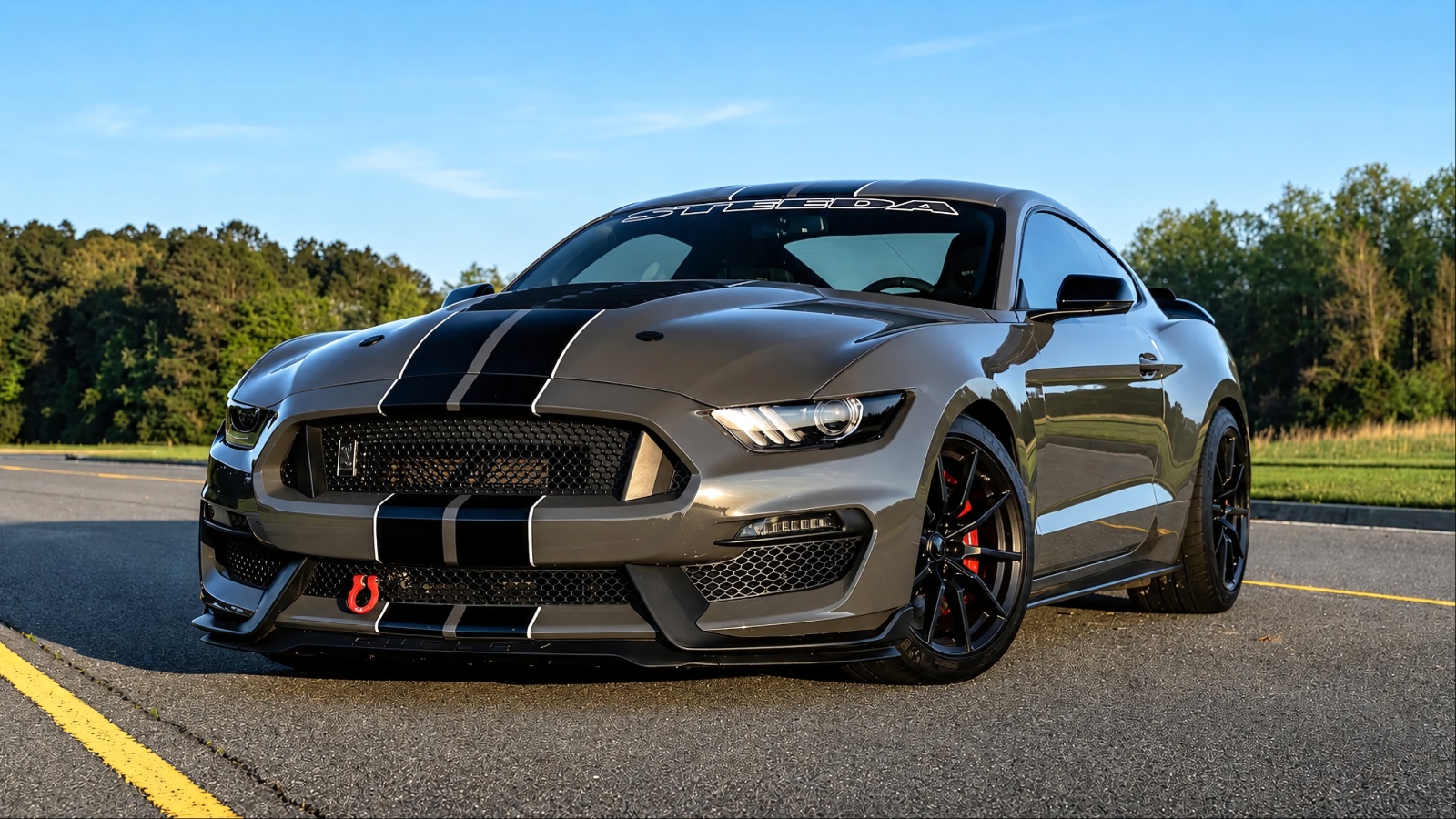
4. Ford Mustang Shelby GT350
The Ford Mustang Shelby GT350 offers one of the most distinctive naturally aspirated V8 soundtracks from a modern American performance car.
Its 5.2-liter Voodoo V8 uses a flat-plane crankshaft, an unusual configuration for a production American V8, and that mechanical layout gives the Mustang a character that is noticeably different from the traditional cross-plane V8 sound.
The engine’s unusual firing characteristics contribute to a sharper, more exotic exhaust note. Instead of relying on an artificial recording to make the car sound aggressive, the GT350 gets its personality directly from the V8’s architecture, intake system, and exhaust.
That is important because the GT350 was designed around the idea that the engine should be part of the entertainment. The naturally aspirated powertrain revs high for a large-displacement American V8, and the sound builds with the engine rather than appearing independently of what the mechanical components are doing.
The exhaust system also plays a major role. Different driving modes can alter the car’s exhaust behavior, but the underlying sound remains generated by the actual engine and exhaust hardware. The driver therefore hears a genuine response to throttle position, engine speed, and load.
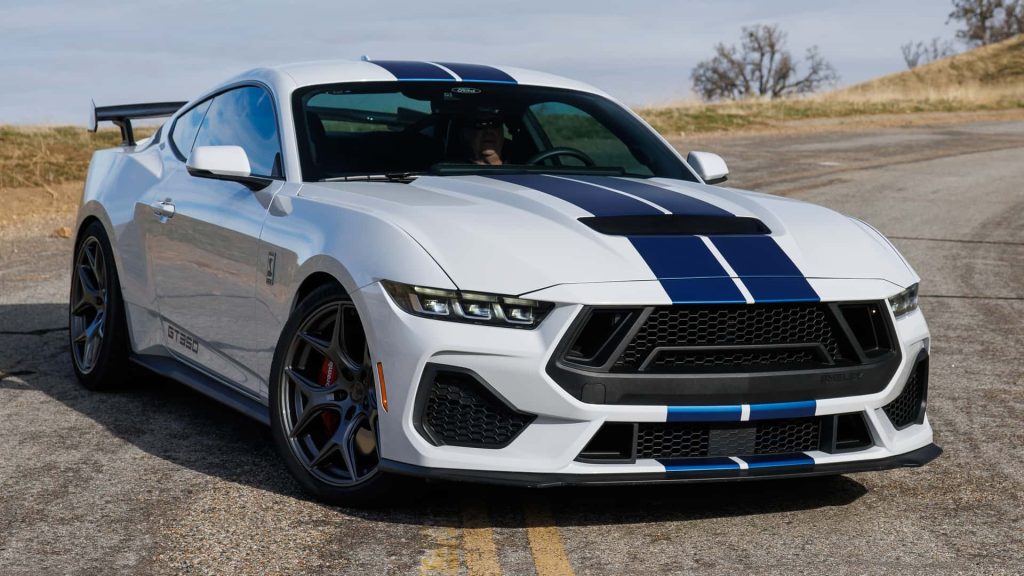
The GT350 is especially interesting in this comparison because its sound does not fit the stereotype of a traditional Mustang V8. The flat-plane design produces a higher-pitched, more exotic character, helping the car sound closer to some European performance engines than the familiar rumble associated with conventional American V8s.
That makes it an important example of authentic engine sound. The noise is not simply there to make the car seem faster. It reflects a fundamental mechanical choice Ford made when developing the Voodoo engine.
For enthusiasts, that relationship is part of what makes the GT350 memorable. The rising pitch, mechanical urgency, and unmistakable exhaust character all come directly from the engine’s design, giving the driver a soundtrack that feels genuinely connected to the machine.
5. Ferrari 458 Italia
The Ferrari 458 Italia is one of the strongest modern examples of a performance car whose identity is closely tied to the sound of its actual engine. Its naturally aspirated 4.5-liter V8 was designed to deliver a high-revving character, and the soundtrack changes dramatically as the engine approaches its upper rev range.
Unlike a turbocharged powertrain, the 458’s naturally aspirated V8 does not rely on forced induction to build its power. The engine responds directly to throttle input, and the exhaust note rises naturally with engine speed. That creates a particularly clear relationship between what the driver hears and what the engine is physically doing.
Ferrari also spent considerable effort developing the 458’s intake and exhaust systems. The objective was not simply to make the car loud. The acoustic character was part of the car’s performance identity, with the engine’s induction and exhaust sounds contributing to the experience from inside and outside the vehicle.
The high-revving nature of the V8 is central to that experience. At lower engine speeds, the 458 can sound relatively composed. As the revs climb, the pitch rises rapidly until the car produces the sharp, unmistakable sound associated with Ferrari’s naturally aspirated V8s.
That progression is why the 458 deserves to be included here. The driver is not hearing a simulated performance soundtrack disconnected from the powertrain. The sound changes because the engine is actually changing speed, airflow, and exhaust output.
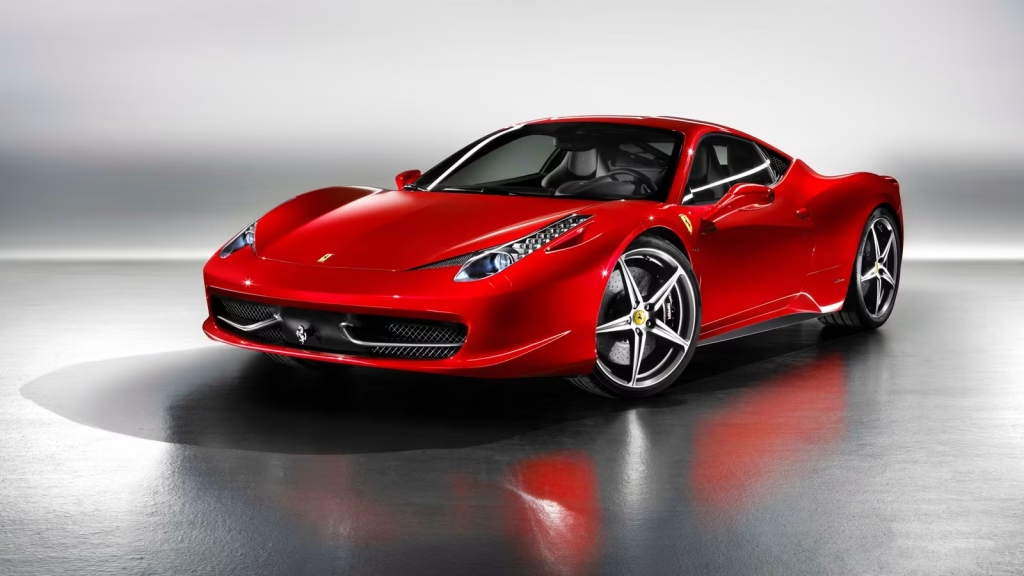
The 458 Italia also represents the end of an important era for Ferrari. Later Ferrari performance cars increasingly adopted turbocharging, making the naturally aspirated 458 particularly significant to enthusiasts who value a direct connection between engine behavior and sound.
Its mechanical soundtrack remains one of the defining characteristics of the car, proving that sometimes the most effective audio system in a performance vehicle is the engine itself.
5 Cars Piping It In
1. BMW M5
The BMW M5 is a particularly interesting example because its performance soundtrack combines genuine mechanical noise with electronically enhanced sound. BMW’s Active Sound Design system can generate an engine sound through the vehicle’s speakers, with the intensity changing according to throttle position, engine speed, and selected driving mode.
That means the sound reaching the driver’s ears is not necessarily identical to what someone standing outside the car hears. The actual engine and exhaust still produce their own sounds, but the cabin can receive an additional layer designed to make the powertrain feel more aggressive.
BMW introduced Active Sound Design across several of its performance models as cabins became quieter and engines became increasingly refined. In the M5, the system helps compensate for insulation and other measures that reduce the mechanical soundtrack reaching occupants.
The approach makes particular sense in a car expected to function both as a serious performance machine and as a comfortable daily driver. During relaxed driving, the cabin can remain relatively subdued. Switch to a sportier mode, however, and the sound becomes more prominent, giving the driver additional acoustic feedback.
This is why the M5 belongs in this group. The vehicle’s sound is not simply a microphone recording of an engine being played back unchanged. BMW’s system responds dynamically to the vehicle’s operating conditions, creating a synthesized or enhanced layer that follows the real powertrain.
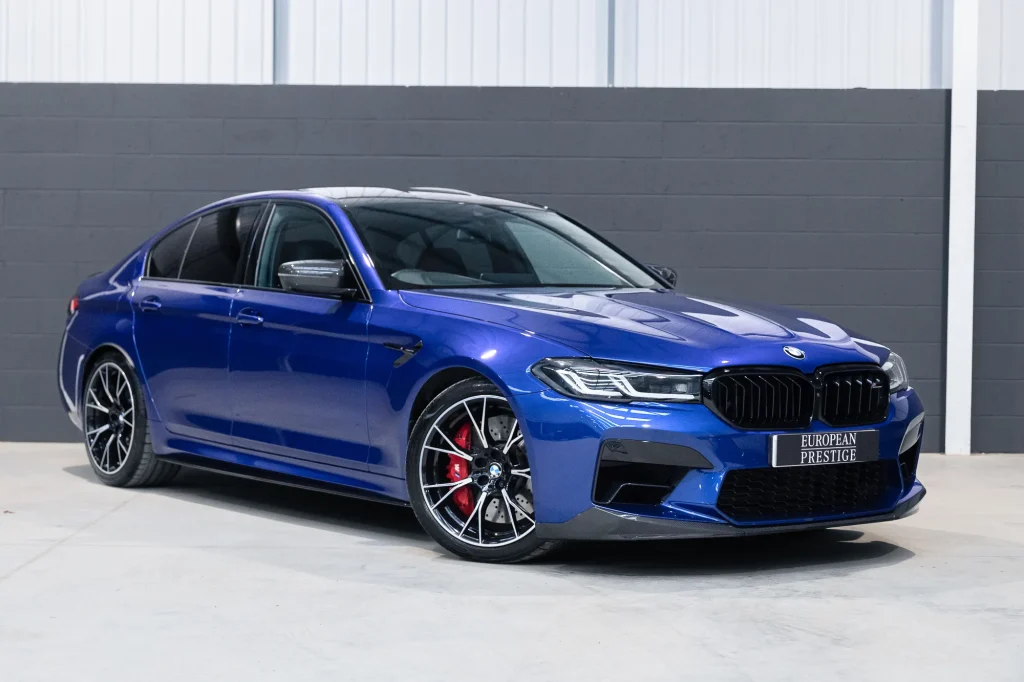
For enthusiasts, that distinction can be controversial. Some appreciate the additional drama, while others prefer to hear only what the engine and exhaust naturally produce. Regardless of preference, the M5 demonstrates how manufacturers have increasingly used electronics to maintain a performance-oriented soundtrack inside increasingly insulated cabins.
2. Volkswagen Golf GTI
The Volkswagen Golf GTI takes a different approach to creating a more engaging sound inside the cabin. Certain generations use Volkswagen’s Soundaktor system, an electronically controlled sound generator designed to reproduce or amplify engine-related frequencies for the occupants.
The system became particularly noticeable in modern GTI models because the actual powertrain was becoming quieter. Turbocharging and extensive cabin insulation improved refinement, but they also reduced some of the raw mechanical character that enthusiasts traditionally associate with a performance hatchback.
Volkswagen’s solution was not simply to make the exhaust louder. Instead, the Soundaktor could transmit an enhanced engine sound into the cabin, with the intensity changing according to driving conditions. That allowed the GTI to remain relatively civilized during normal driving while providing a stronger acoustic impression in sportier situations.
This makes the GTI an interesting example because its exterior sound and interior sound can be quite different. Someone standing outside the car does not necessarily hear the same soundtrack that the driver experiences. Inside, the electronically generated component adds emphasis to the engine’s natural character.
The system also demonstrates why artificial engine sound became increasingly common as manufacturers pursued quieter cars. A modern GTI needs to satisfy drivers who want a refined commuter while still feeling like a performance model.
Sound enhancement provides a relatively simple way to create that contrast without making the physical exhaust system excessively loud.
For enthusiasts, the system can be either a clever solution or an unnecessary layer of artificiality. Either way, it is an important part of understanding how modern performance cars create their cabin personality.
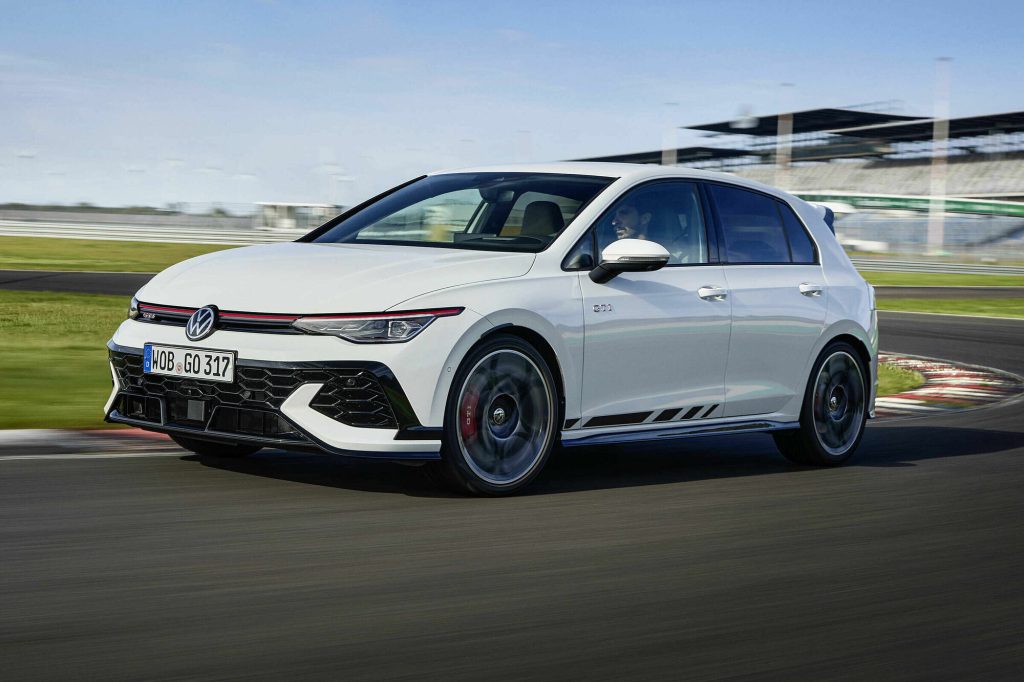
The GTI therefore belongs on this list because the sound reaching the driver is deliberately influenced by electronics. The real engine remains the source of the car’s mechanical character, but technology helps turn that character into something considerably more noticeable from behind the wheel.
3. Audi S5
The Audi S5 is another good example of how modern performance cars use technology to make a quieter powertrain sound more dramatic from the driver’s seat.
Audi has used its Soundaktor system on various performance models to provide an enhanced engine note inside the cabin, allowing the driving experience to feel more energetic without requiring the actual exhaust system to remain loud at all times.
The concept is particularly useful in a car such as the S5 because it has to perform two very different jobs. It needs to feel sporty when the driver wants to push it, yet it also needs to function as a comfortable premium vehicle during commuting and highway travel.
Heavy insulation helps with the second objective, but that same insulation can suppress the mechanical sounds enthusiasts expect from a performance car.
Electronic sound enhancement provides a compromise. The S5 can remain relatively quiet during relaxed driving, while its selected performance settings can produce a more pronounced engine character.
The system responds to factors such as engine speed and throttle input, meaning the enhanced sound changes as the car is driven rather than simply playing a fixed recording.
That distinction makes the S5 different from a car whose entire acoustic personality comes naturally from its exhaust. Some of what the driver hears is deliberately generated or amplified to create a stronger impression of performance.
The system also highlights how manufacturers have adapted to modern powertrains. Turbocharged engines can produce impressive power while sounding less dramatic than their naturally aspirated predecessors.
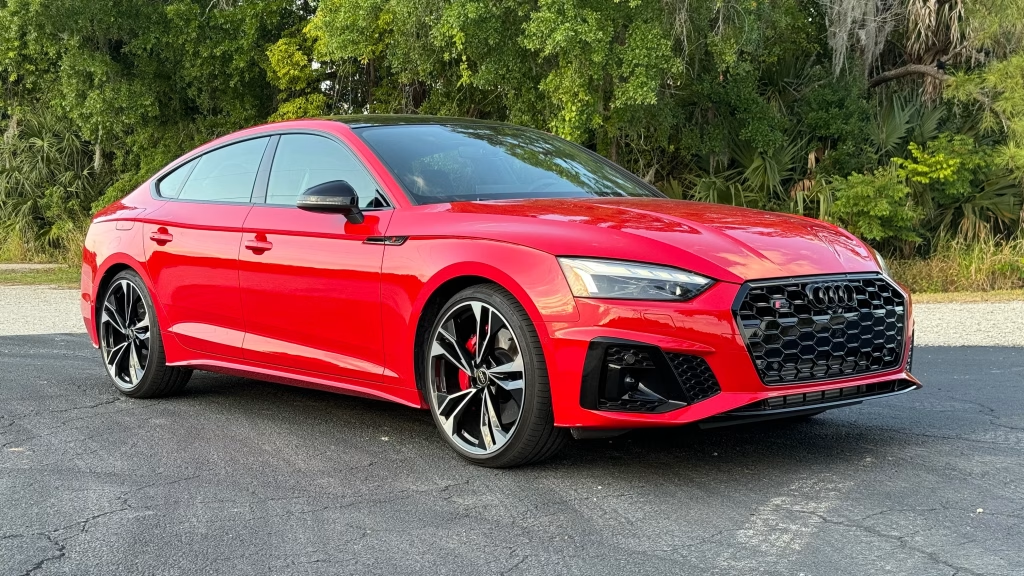
Adding an electronic component allows engineers to give the driver some of that missing acoustic excitement without sacrificing the refinement expected from a luxury coupe or sport sedan.
For buyers, the S5 is therefore an interesting middle ground. The engine and exhaust still make real sounds, but the cabin experience is intentionally shaped by electronics. That makes it a clear example of how modern performance cars can “pipe in” part of their soundtrack while retaining genuine mechanical noise underneath.
4. Ford Mustang GT
The Ford Mustang GT takes the idea of enhanced engine sound in a distinctly American direction. Its V8 produces a genuine exhaust and intake soundtrack, but Ford has also used electronic sound enhancement in modern Mustang generations to make the engine’s presence more noticeable inside the cabin.
That approach is understandable because the Mustang has a strong acoustic identity to protect. Buyers expect a V8 Mustang to sound powerful, yet modern cabins are significantly quieter than those of older muscle cars. More insulation improves comfort, but it can also isolate the occupants from the very sound that helps define the car.
Ford’s solution on certain modern Mustangs has included electronically generated or amplified engine sound through the audio system. The effect is tied to engine operation, allowing the cabin soundtrack to become more prominent as the driver accelerates or selects sportier settings.
The important distinction is that the Mustang GT does not depend entirely on artificial sound. The 5.0-liter V8 produces a genuine exhaust note that remains audible outside the vehicle. The electronic component supplements that sound inside the cabin, giving the driver a more pronounced impression than the raw mechanical noise alone might provide.
This makes the Mustang particularly interesting for this article because it demonstrates how “piping it in” can coexist with a genuinely characterful engine. The driver is not being given a completely fabricated soundtrack. Instead, technology adds another layer to an already distinctive mechanical sound.
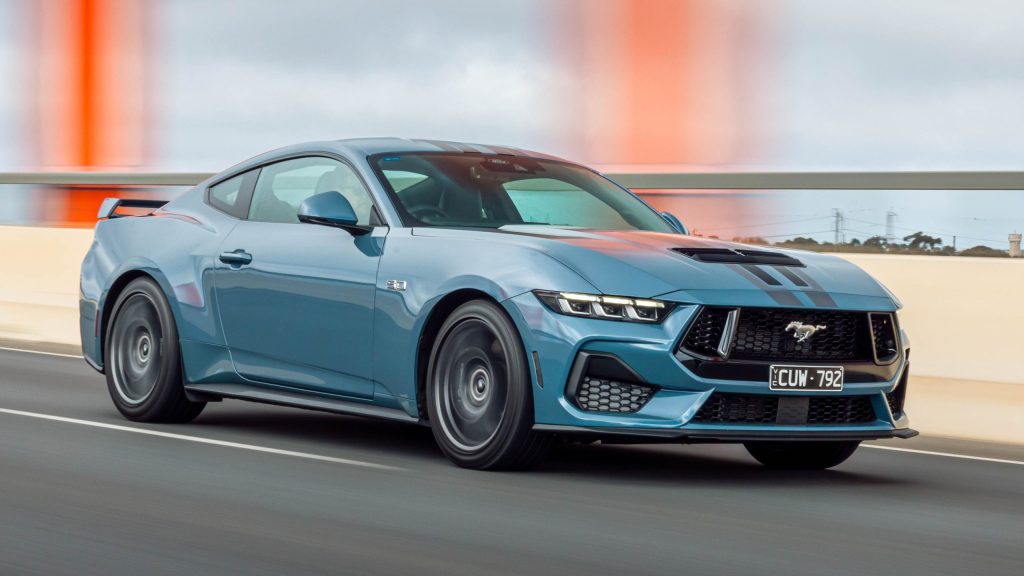
The arrangement also provides Ford with flexibility. The car can remain comfortable and relatively subdued during ordinary driving while still delivering the acoustic drama expected from a performance Mustang when the driver wants it.
For enthusiasts, that creates a debate about authenticity. Some will prefer the raw V8 sound without electronic assistance, while others will appreciate the additional volume and drama from the driver’s seat.
Either way, the Mustang GT shows why sound enhancement became increasingly common. Modern performance cars are expected to be refined and exciting at the same time, and electronic assistance gives manufacturers a way to satisfy both demands.
5. BMW M4
The BMW M4 is another performance car where the sound reaching the driver can include an electronically enhanced component.
BMW’s Active Sound Design system is used to supplement the natural sound of the engine and exhaust, particularly because modern turbocharged powertrains and extensive insulation can make the cabin quieter than enthusiasts expect.
The M4 still produces genuine mechanical noise from its twin-turbocharged inline-six, but the cabin can receive additional sound through the audio system. The intensity changes with engine speed, throttle input, and driving mode, creating a more pronounced soundtrack when the driver selects a sportier setting.
That makes the M4 different from a naturally aspirated sports car whose entire personality comes directly from its exhaust and intake. Some of what the driver hears has been deliberately shaped by software and electronics.
The reason for this approach is understandable. The M4 needs to be comfortable enough for everyday use while still feeling dramatic when driven aggressively. Increasing actual exhaust volume would compromise refinement, whereas electronic enhancement allows BMW to create a stronger cabin experience without making the exterior permanently louder.
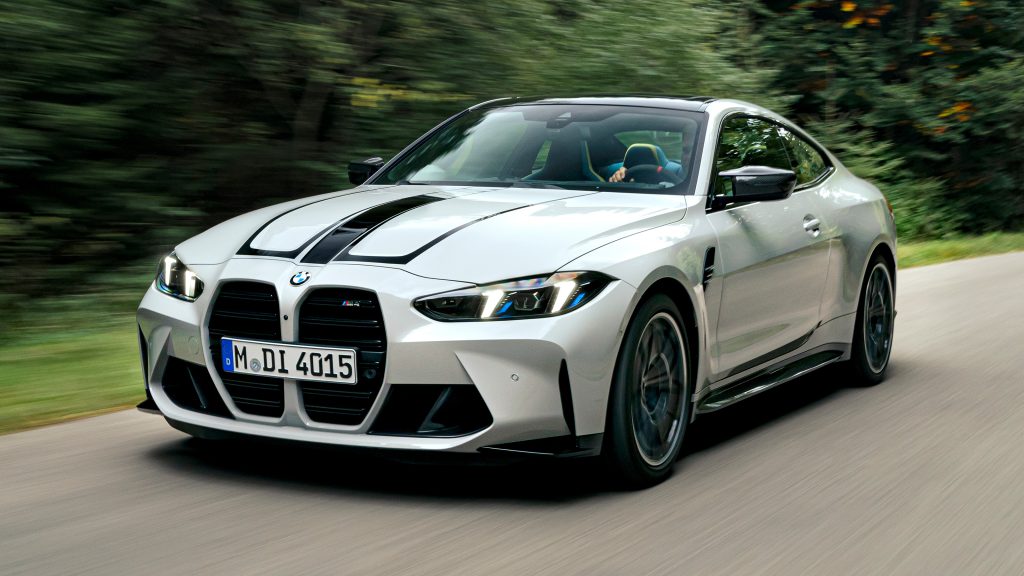
For enthusiasts, the system remains a matter of preference. Some drivers appreciate the added drama, while others would rather hear only the sounds produced naturally by the engine.
The M4 therefore fits this category because it represents the modern compromise between performance and refinement. Its real engine provides the foundation, but technology adds another layer, proving that the soundtrack heard from the driver’s seat is not always produced entirely by the hardware under the hood.
