Windshield wipers are easy to overlook until rain, snow, or road spray makes visibility difficult. A well-designed system should clear a broad portion of the windshield, keep the driver’s primary viewing area clean, and minimize the un-wiped sections that can become distracting during bad weather.
Some vehicles use clever wiper geometry, longer blades, or unusual arm arrangements to cover much of the glass.
Others leave noticeable areas untouched, particularly around the edges or corners. This comparison looks at five vehicles praised for effective windshield coverage and five where the wiper pattern can leave more noticeable blind areas.
5 Cars Whose Wipers Clear the Whole Screen
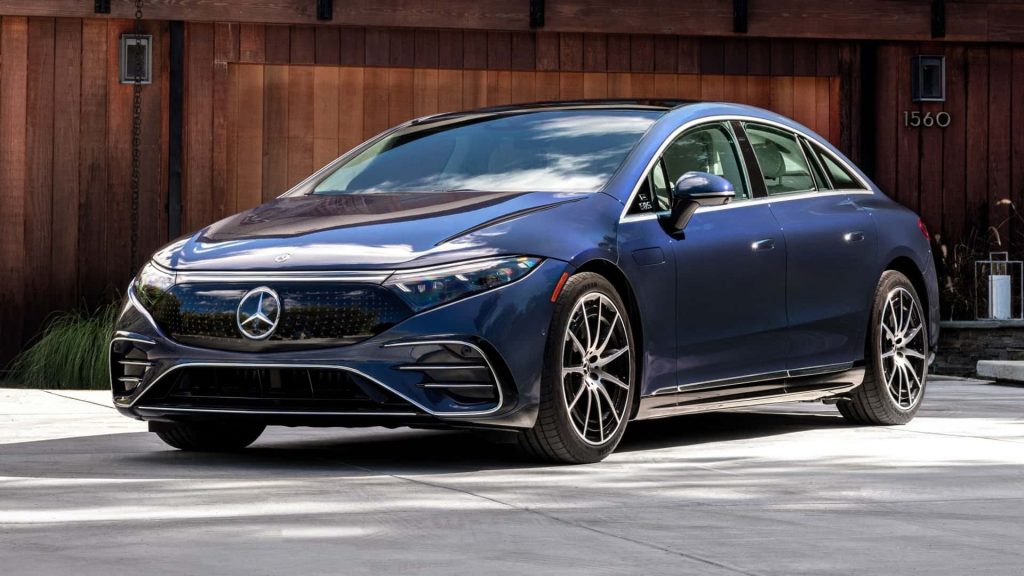
1. Mercedes-Benz EQS
The Mercedes-Benz EQS demonstrates how an advanced vehicle can use sophisticated windshield-wiper engineering to maintain visibility across a large windshield. Its long, wide glass area creates a substantial challenge because the wipers need to clear enough surface for both the driver and front passenger without creating excessive unwiped sections.
Mercedes-Benz uses a conventional-looking system with carefully positioned arms and long blades, but the sweep is designed around the shape of the windshield rather than simply maximizing blade length. The result is a broad cleared area that keeps the primary forward view usable during heavy rain.
This is particularly valuable in the EQS because the windshield is a major part of the vehicle’s aerodynamic shape. A low, sleek front end helps efficiency, but it also means the windshield has a broad, sweeping profile. Wiper placement therefore has to work within a carefully controlled aerodynamic package.
The system also has to cope with modern driving conditions where rain, road spray, and grime can accumulate rapidly. A strong sweep pattern reduces the amount of manual cleaning the driver needs to do during a storm.
The EQS earns its place here because its wiper system reflects the same attention to visibility and aerodynamics applied throughout the vehicle. The goal is not merely to make the wipers functional. Their movement is integrated into a large, highly shaped windshield while still maintaining a broad field of cleared glass.
For drivers who frequently encounter heavy rain, that coverage can be particularly useful. The windshield remains one of the most important visual surfaces in any vehicle, and the EQS demonstrates how careful wiper positioning can make a large glass area easier to keep clear.
2. Tesla Model 3
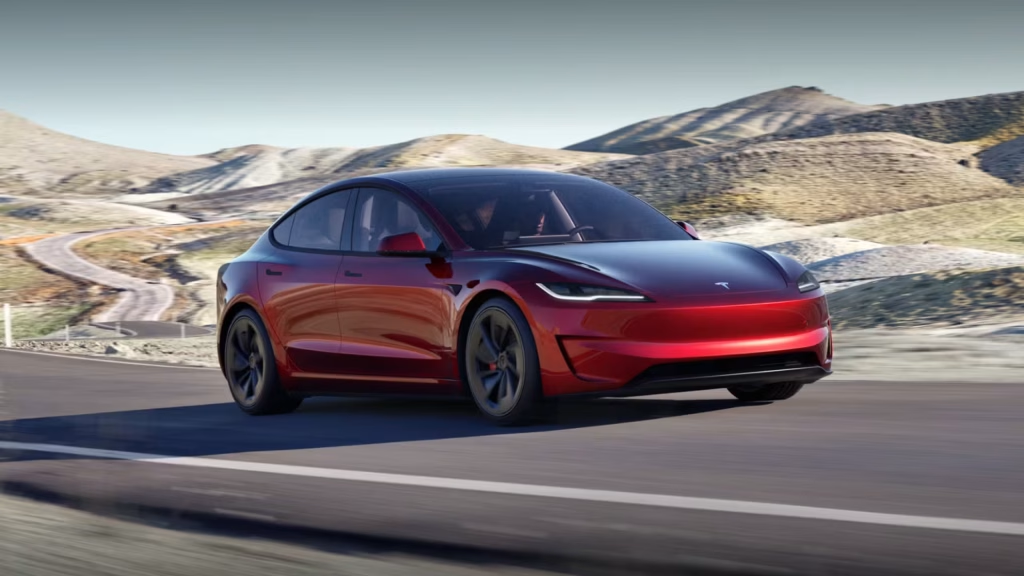
The Tesla Model 3 uses a dual-wiper arrangement designed around its large windshield and low hood line. Because the vehicle’s windshield extends deeply into the roof area, maintaining usable visibility requires the blades to sweep a substantial portion of the glass without interfering with the surrounding bodywork.
The wipers move across the windshield in opposing arcs, creating a broad cleared region directly in front of the occupants. Their sweep prioritizes the driver’s and passenger’s main viewing zones rather than attempting to reach every extreme edge of the glass.
That distinction is important during heavy rain. The most valuable part of a wiper pattern is not necessarily the outermost corner of the windshield. What matters most is whether water is removed from the areas the driver uses to judge traffic, lane position, and road conditions.
The Model 3’s aerodynamic design also makes the wiper arrangement interesting. Its low nose and smooth bodywork leave relatively little conventional hood area, so the wipers sit in a carefully engineered position at the base of the glass.
The system has to clear water quickly while avoiding unnecessary aerodynamic disruption. At highway speeds, that balance becomes increasingly important because rain can accumulate rapidly and airflow can influence how water moves across the windshield.
The Model 3 therefore earns its place because its wiper geometry is designed around a large, aerodynamic windshield rather than simply using an ordinary setup. The result is broad coverage of the primary viewing area.
For owners, blade condition remains crucial. Even a well-designed sweep pattern cannot compensate for worn rubber, damaged blades, or debris on the glass. But when the components are maintained properly, the Model 3’s system provides strong coverage where visibility matters most.
3. Volvo XC90
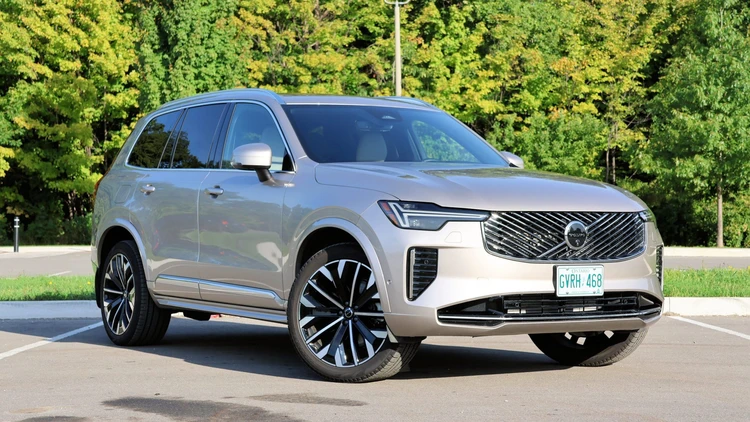
The Volvo XC90 takes a carefully engineered approach to windshield visibility, using a conventional twin-wiper arrangement with long blades and a sweep pattern designed around the broad windshield. The system prioritizes the driver’s forward viewing area, which is where clean glass matters most when rain becomes heavy.
One reason the XC90 works well in this area is the shape of its windshield. The glass provides a wide field of view, but the upper corners and outer edges extend considerably beyond the driver’s direct line of sight.
Rather than wasting the wiper’s movement trying to reach every extreme edge, Volvo’s setup concentrates its sweep across the areas most important for driving.
That becomes particularly useful during highway travel. Water can accumulate quickly when vehicles are moving through heavy rain, and road spray from trucks can briefly cover a large section of the glass. A broad sweep allows the driver to regain a clear view quickly.
The XC90 also benefits from a washer system designed to work with the wiper movement. When dirt, salt, or road grime mixes with rainwater, simply moving the blades across the glass is not enough. Adequate washer fluid distribution helps the blades remove contamination rather than dragging it across the windshield.
Its relatively upright windshield further helps maintain a predictable wiping pattern. There are fewer extreme curves for the blades to negotiate compared with some highly aerodynamic vehicles.
The XC90 earns its place because its wiper system focuses on practical visibility rather than gimmicks. The result is a large, useful area of clean glass in front of the occupants, which is exactly what matters when weather turns difficult.
4. Honda Civic
The Honda Civic demonstrates how an ordinary compact car can still have an effective windshield-wiper layout without requiring an elaborate system. Its conventional two-blade arrangement is designed to clear the main viewing area in front of the driver and passenger while leaving relatively little unnecessary obstruction within the central field of vision.
That becomes especially useful because the Civic is commonly driven in a wide variety of conditions. A commuter can encounter light rain on a suburban road, heavy downpours on an interstate, or road spray in dense traffic during the same week. The wipers therefore need to provide consistent coverage rather than simply perform well under one particular condition.
The blade lengths and pivot positions are matched to the windshield’s proportions. As the arms move, the blades sweep across a large portion of the glass, with the driver’s side receiving particularly important coverage.
The system’s conventional design also makes maintenance straightforward. Replacement blades are widely available, and owners do not have to deal with an unusual multi-arm mechanism. Keeping the rubber edges in good condition can preserve the intended sweep pattern for a long time.
The Civic is included because good windshield coverage does not require an exotic vehicle. Its design shows how careful positioning of ordinary wiper components can provide an effective result.
For the driver, the benefit is most noticeable when rain becomes persistent. Instead of leaving a large distracting patch directly in front of the steering wheel, the wipers repeatedly clear the area needed to identify vehicles, lane markings, and road hazards.
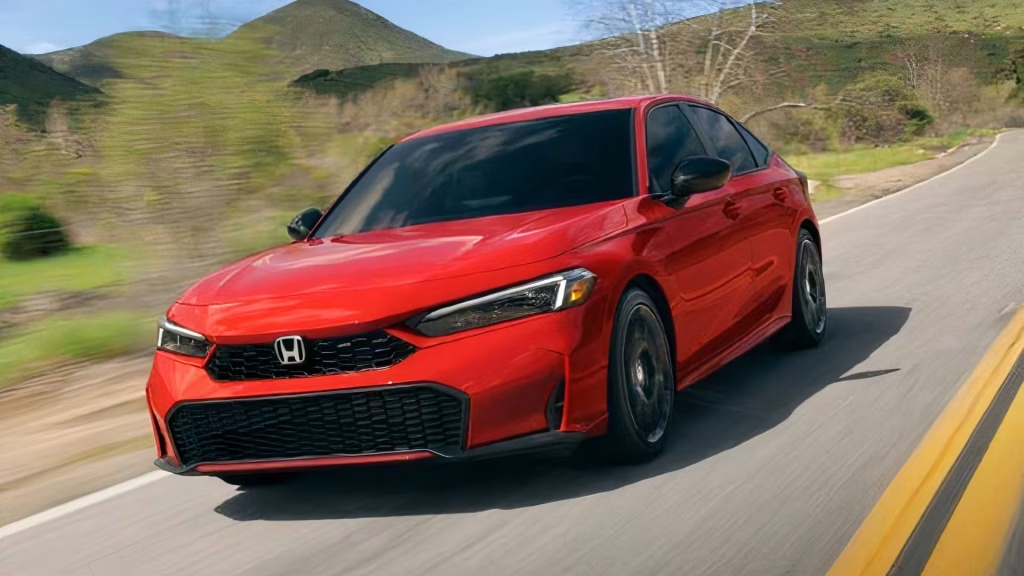
That makes the Civic a strong example of practical wiper engineering. It may not have the most complicated system on the market, but its straightforward arrangement concentrates cleaning where it matters most and keeps the driver’s forward view usable when weather deteriorates.
5. Subaru Outback
The Subaru Outback is a practical example of a vehicle that prioritizes a broad, useful field of forward visibility. Its windshield is relatively large, and the conventional wiper arrangement is designed to sweep across the portions of glass most important to the driver rather than leaving a substantial obstruction directly in the primary viewing area.
That matters particularly in the conditions where the Outback is most likely to be used. Rain, road spray, mud, and winter grime can quickly cover a windshield, especially when the vehicle is traveling on rural roads or behind larger traffic. A broad wiping pattern helps restore visibility quickly after each pass.
The Outback’s relatively upright windshield also gives the wiper blades a predictable surface to work across. There are fewer extreme curves than on some aggressively styled vehicles, allowing the blades to maintain consistent contact with the glass throughout their movement.
Another advantage is the vehicle’s practical washer system. Wipers can only perform properly when the glass is sufficiently lubricated and the washer fluid reaches the dirty areas. During winter driving, this becomes even more important because salt and road grime can form a stubborn film that rain alone cannot remove.
The Outback earns its place because its wiper system complements the vehicle’s broader emphasis on visibility and practicality. It is designed to give the driver a clear forward view rather than prioritizing an unusual or flashy mechanism.
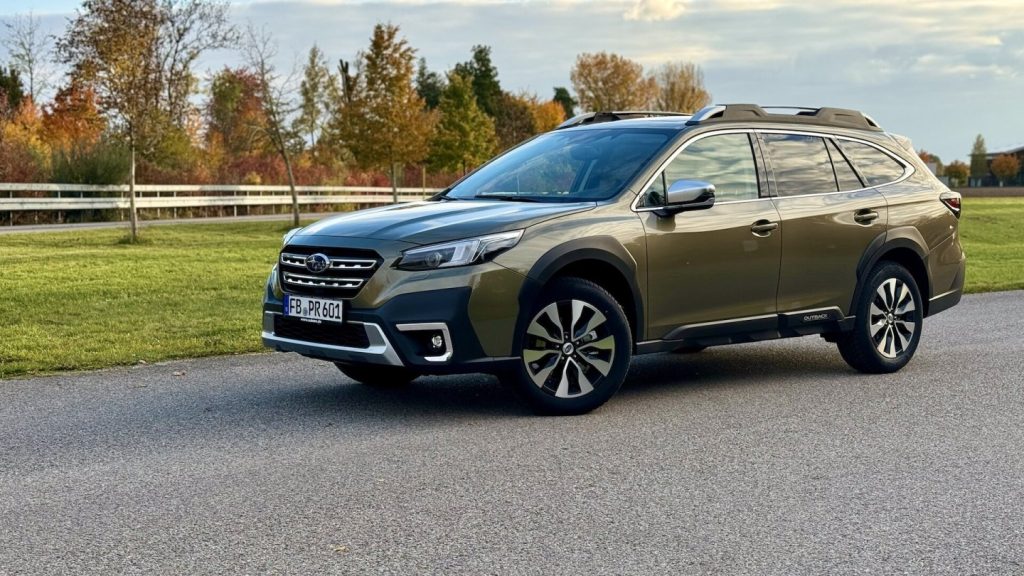
For drivers who regularly encounter changing weather, that can make a noticeable difference. The wipers do not need to cover literally every millimeter of the windshield. They need to keep the driver’s important viewing zones clean, and the Outback’s setup is well suited to that task.
5 With Blind Corners
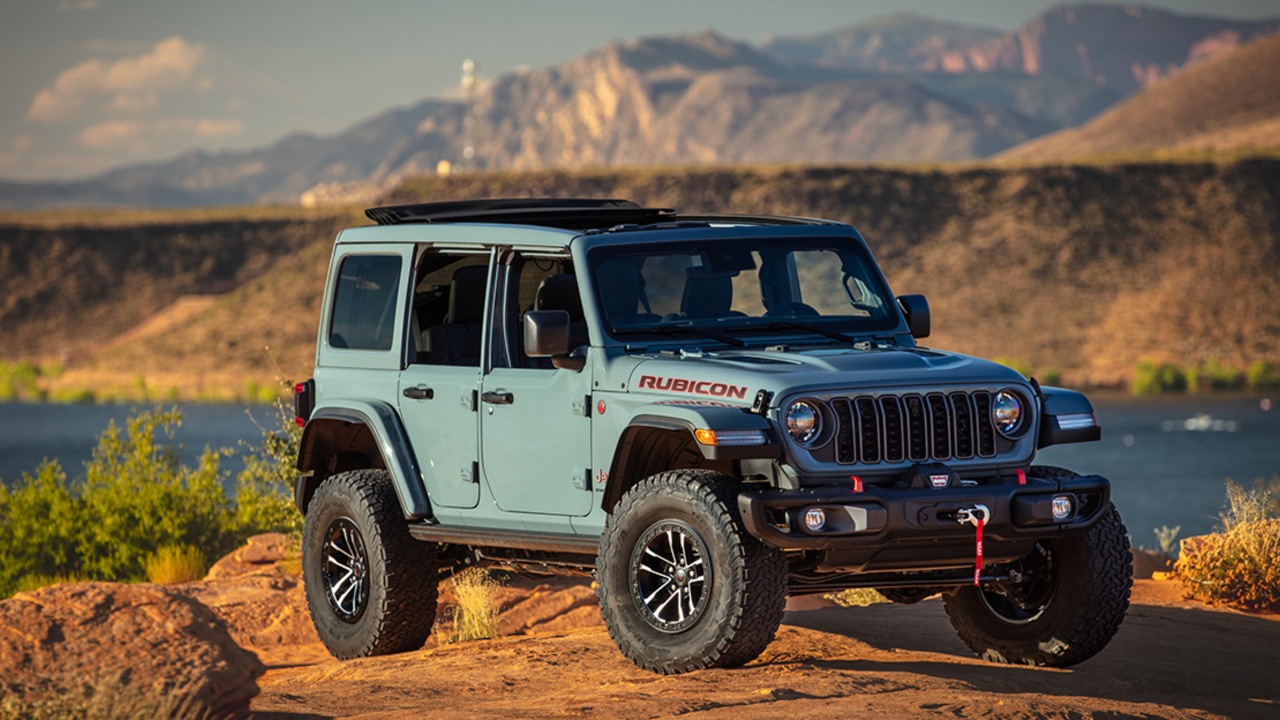
1. Jeep Wrangler
The Jeep Wrangler’s upright windshield and distinctive wiper arrangement create a different visibility challenge from modern aerodynamic vehicles. Its windshield is relatively flat and vertical, but the wipers operate within limited arcs that leave noticeable sections toward the edges of the glass untouched.
The design is closely tied to the Wrangler’s removable windshield and rugged construction. The vehicle is engineered around off-road functionality and durability rather than maximizing every square inch of windshield coverage.
During moderate rain, the unwiped areas may not be particularly distracting because the central portion of the windshield remains clear. In a heavy downpour, however, water can accumulate across the outer sections while the wipers repeatedly sweep the same central paths.
The effect becomes more noticeable when the driver is negotiating curves or checking traffic toward the sides. A patch of rain-covered glass near the edge can reduce clarity precisely when the driver wants to look beyond the normal forward-facing position.
The Wrangler’s windshield shape also leaves less room for the kind of long sweeping arcs used by some modern cars. The wiper arms have to remain within the constraints of the folding windshield and surrounding bodywork.
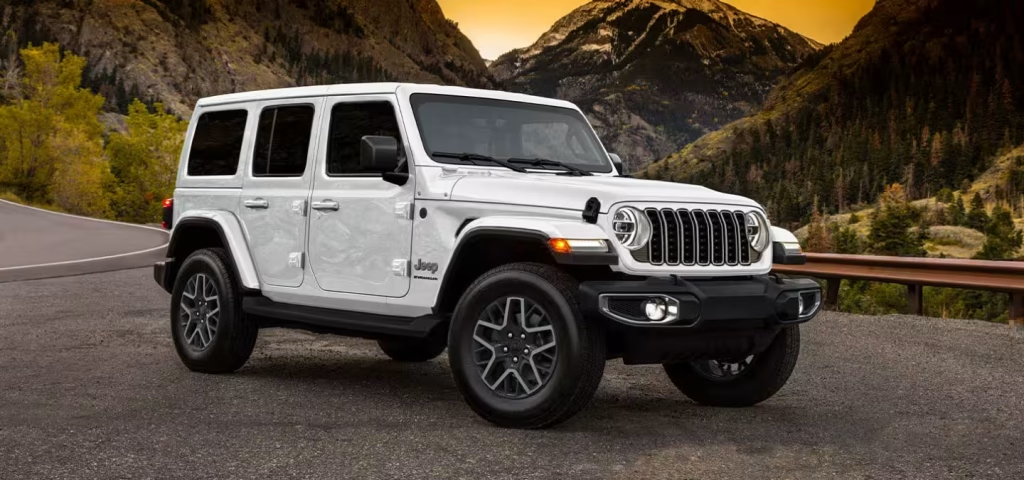
That makes the Wrangler an interesting example because its limitations are closely connected to its design philosophy. The vehicle was not created primarily as a rain-focused commuter car. Its windshield arrangement is part of a broader package built around removable panels, off-road capability, and ruggedness.
For owners, the solution is mostly practical. Keeping the blades fresh, using quality washer fluid, and cleaning the glass regularly can reduce the effect of the unwiped areas. But the underlying sweep pattern remains, meaning some corners will inevitably stay outside the wipers’ reach.
2. Tesla Model X
The Tesla Model X has an unusually large windshield, and that creates a challenge for its wiper system. The expansive glass provides excellent forward visibility when conditions are clear, but the wiper blades cannot physically cover every part of such a large surface. As a result, portions near the outer edges can remain untouched during a normal sweep.
The issue becomes more noticeable during heavy rain. Water can continue collecting in areas outside the blades’ primary arcs, creating sections of wet glass that contrast sharply with the cleared area in front of the driver. That contrast can become distracting when visibility is already reduced.
The Model X’s steeply sloped windshield also makes wiper geometry more complicated. The blades have to travel across a broad surface while remaining properly positioned at the base of the glass when not in use. Tesla therefore has to balance coverage with aerodynamic considerations and the physical limitations of the large windshield.
Another factor is the size of the glass itself. Because the windshield extends unusually far upward, the difference between the cleaned and untouched sections can be visually obvious. A small amount of rain at the outer edge may not matter, but during a severe storm those areas can become increasingly cloudy.
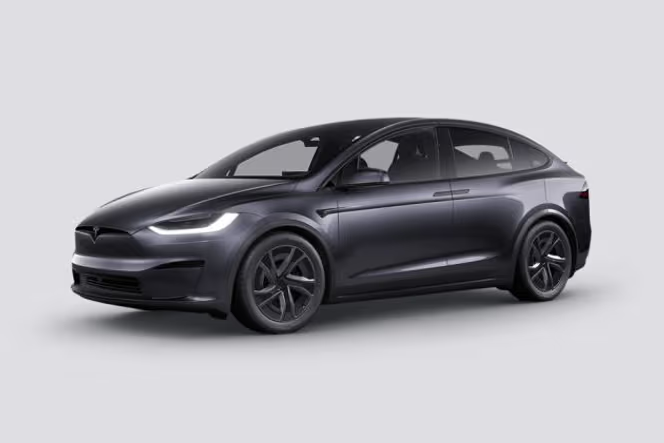
This does not mean the Model X provides poor forward visibility. The central portion of the windshield receives the attention of the wipers and remains the most important area for driving.
The Model X is included because its enormous windshield creates unavoidable trade-offs. The same expansive glass that makes the cabin feel open also gives the wiper system more territory to manage, leaving some areas outside its practical sweep.
3. Toyota Prius
The Toyota Prius has a highly aerodynamic windshield design, and its shape creates some limitations in how the wipers can cover the glass. The windshield stretches deeply into the roofline, providing a broad forward view but also requiring the wiper system to operate within a carefully defined area at the base of the glass.
The result is a cleared central viewing zone accompanied by sections toward the edges that can remain wet during heavy rain. Those areas are generally outside the driver’s most important line of sight, but they become easier to notice when water is falling heavily, or road spray is present.
Aerodynamics play an important role in the Prius. Toyota designed the vehicle around reducing air resistance, and the windshield contributes significantly to that shape. The wipers therefore have to fit into a system where their parked position and movement are carefully integrated with the surrounding bodywork.
During normal rainfall, the arrangement works adequately for the main driving area. Problems become more apparent when the driver needs to look farther toward the side of the windshield, particularly during lane changes or while negotiating curves.
The Prius also illustrates why wiper performance should not be judged simply by asking whether the windshield gets wet. Every system leaves some portion of the glass untouched. The more important question is whether those untouched areas interfere with useful visibility.
For most driving, the Prius’s central sweep remains effective. Yet its distinctive windshield shape means the outer sections can become noticeably wetter during a storm.
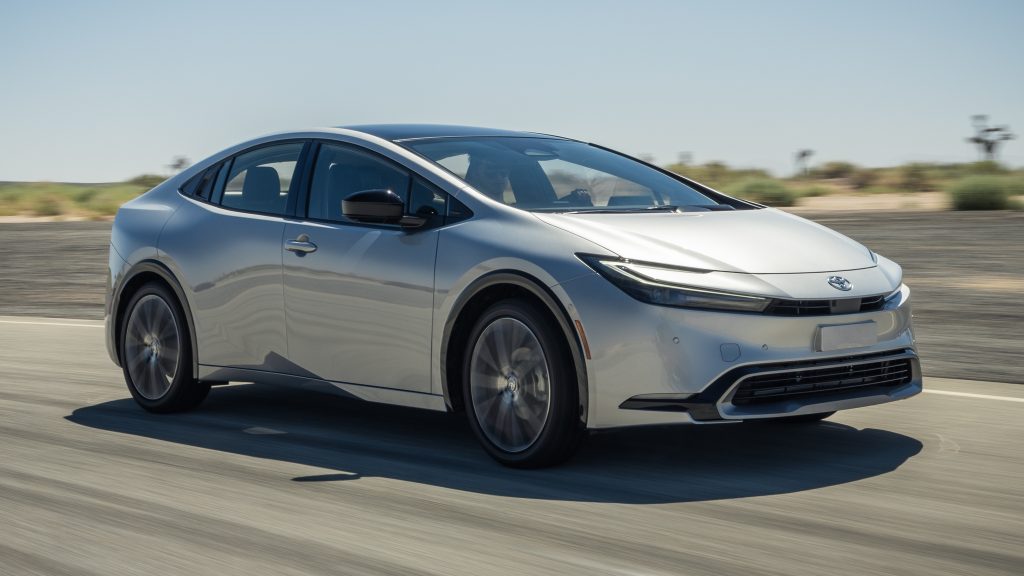
That makes the Prius worth including in this group. Its aerodynamic design brings major efficiency benefits, but the shape also creates compromises for windshield wiping. Buyers who frequently drive through heavy rain should be aware that the wipers prioritize the primary viewing area rather than attempting to clear every corner of the large windshield.
4. Ford Bronco
The Ford Bronco has a windshield design shaped heavily by its off-road mission, and that creates some compromises when it comes to wiper coverage. Its relatively upright glass and distinctive body structure limit the sweep area, leaving portions toward the edges that can remain wet during heavy rain.
The issue is most noticeable when rainfall becomes intense enough that water quickly returns to the windshield between each sweep. The central viewing area can remain reasonably clear, but the outer sections may accumulate enough water to become visibly different from the area being cleaned.
The Bronco’s windshield also has to accommodate removable roof and door components, along with the vehicle’s rugged construction. That means engineers have less freedom to use the expansive sweeping patterns found on conventional road-focused vehicles.
For normal driving, the unwiped sections are usually outside the most important forward viewing zone. However, they can become more relevant when the driver looks toward the edges of the windshield during turns or when checking surrounding traffic.
This is a useful example of engineering priorities. The Bronco was developed to provide off-road capability, removable body panels and a distinctive upright driving position. Maximum windshield wiping coverage was not the only consideration.
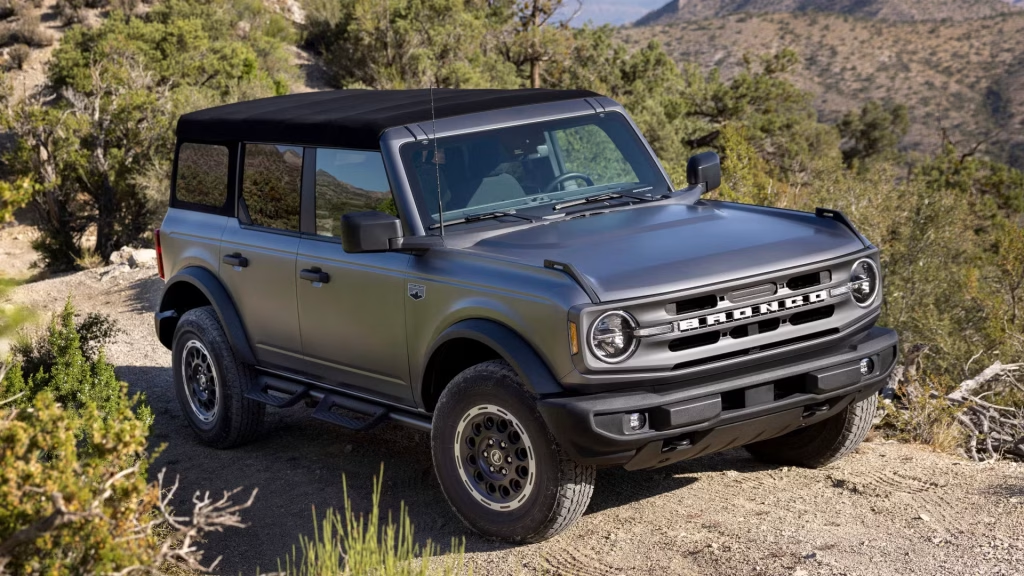
Owners can reduce the problem by keeping the glass clean and replacing worn blades promptly. A fresh blade produces a much sharper edge and prevents the remaining wiped area from becoming streaky.
The Bronco therefore belongs in this group because its physical design creates unavoidable limitations in windshield coverage. It remains highly functional in wet conditions, but drivers should expect some areas outside the main sweep to remain wet, particularly during heavy rain.
5. Chevrolet Corvette
The Chevrolet Corvette presents a different reason for having less-than-perfect windshield coverage. Its low, sharply curved windshield is designed around aerodynamics and the driver’s seating position, leaving the wiper system with a relatively specific area through which it can operate.
The wipers prioritize the central viewing region, which is appropriate because that is where the driver spends most of the time looking. However, portions toward the extreme sides and upper corners can remain outside the sweep. During light rain, this is rarely significant. Heavy rainfall can make the difference more apparent.
The Corvette’s low driving position also changes the way the driver interacts with the windshield. Because the cockpit is positioned close to the glass, even relatively small amounts of water or streaking can become noticeable.
The shape of the hood and windshield further limits how far the wiper blades can travel. Engineers have to prevent the arms from interfering with the bodywork while keeping them low enough when parked to preserve the car’s aerodynamic appearance.
That creates a compromise between styling, airflow, and visibility. The Corvette’s windshield contributes to its sleek profile, but the same shape gives the wiper system a more constrained operating environment than a conventional sedan.
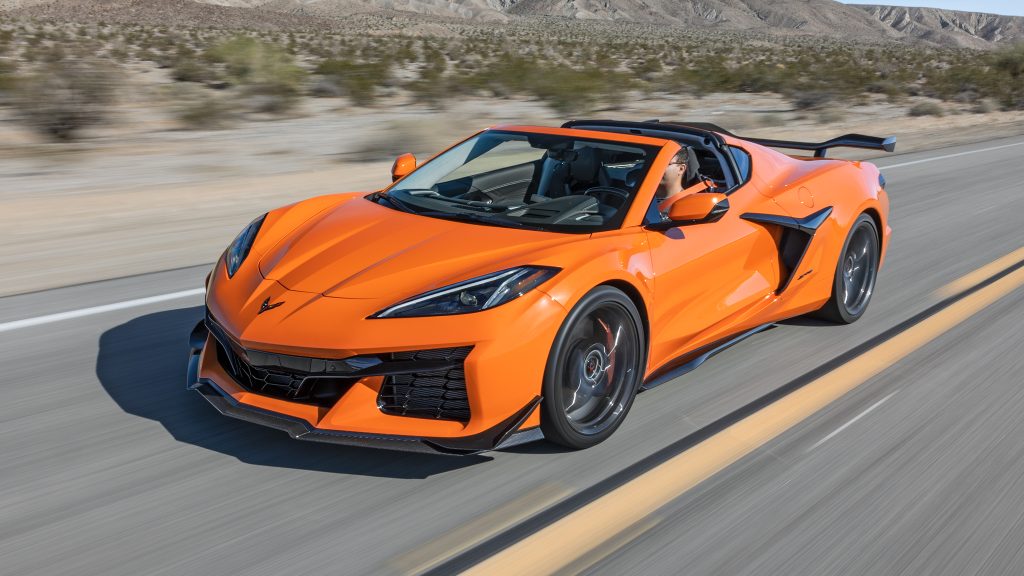
The car is therefore included not because its wipers are ineffective, but because its sports-car proportions make complete windshield coverage impractical. The most important portion of the glass receives the strongest attention, while peripheral areas can remain wet.
For drivers who regularly use a Corvette in poor weather, good blades and clean glass become especially important. Maintaining the system can minimize streaking and help preserve the maximum usable viewing area.
The Corvette demonstrates that even highly engineered vehicles must make compromises. In this case, aerodynamic shape and sports-car proportions take priority over wiping every outer section of the windshield.