
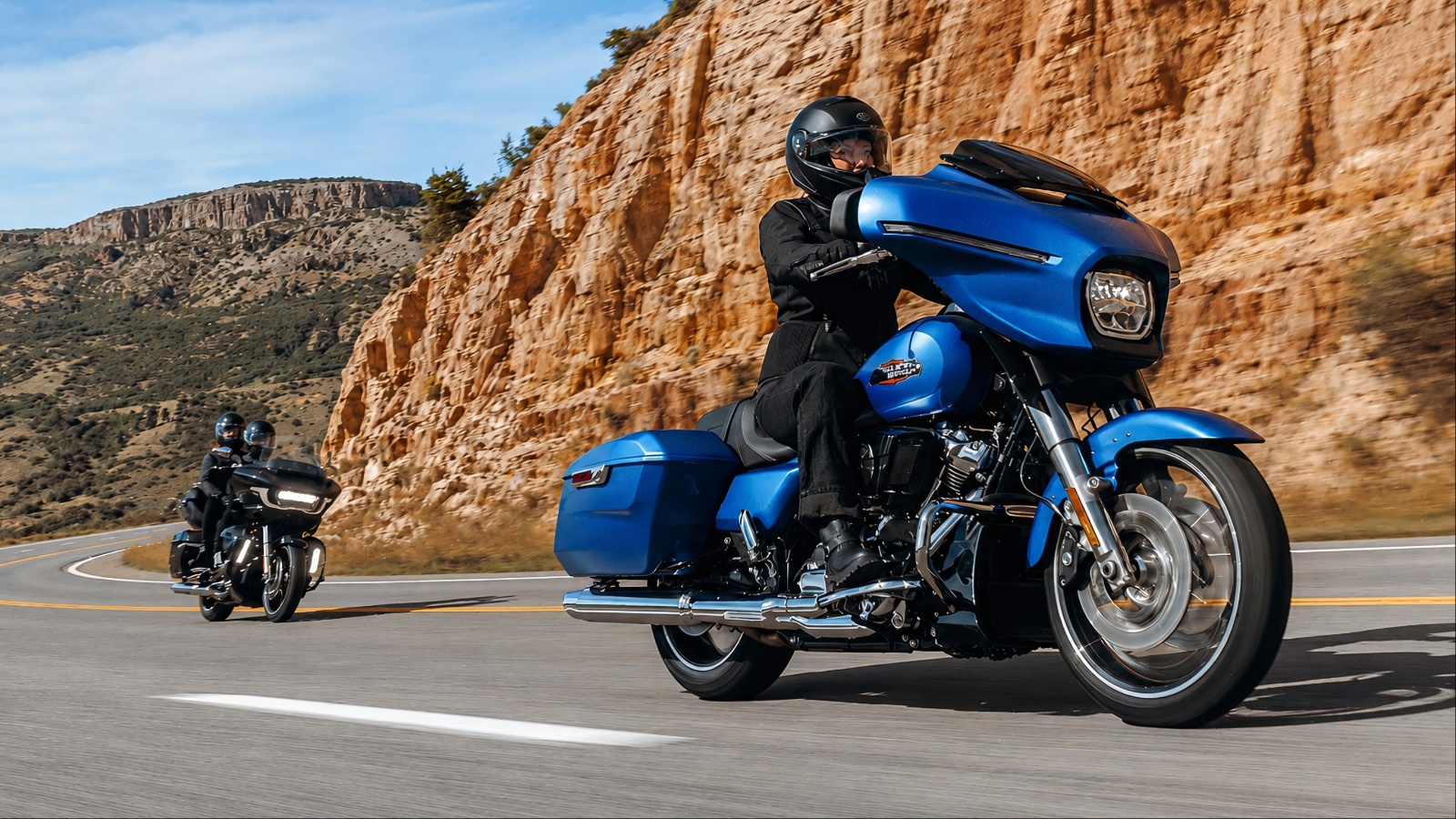
The Harley-Davidson Street Glide is famous for its Batwing fairing, Milwaukee-Eight V-twin, touring comfort, and unmistakable American styling. Yet the modern Street Glide contains far more technology and engineering than its traditional appearance suggests.
The 2026 U.S.-market model combines a 117-cubic-inch Milwaukee-Eight engine with a 12.3-inch Skyline OS display, rider safety technology, adjustable suspension, advanced lighting, and aerodynamic development.
Some of these features are easy to notice, while others remain hidden behind familiar controls and bodywork. For riders who want to understand what makes the Street Glide more than a traditional highway cruiser, these ten lesser-known features reveal some of the motorcycle’s most useful details.
1. The Batwing Fairing Was Developed to Reduce Helmet Buffeting
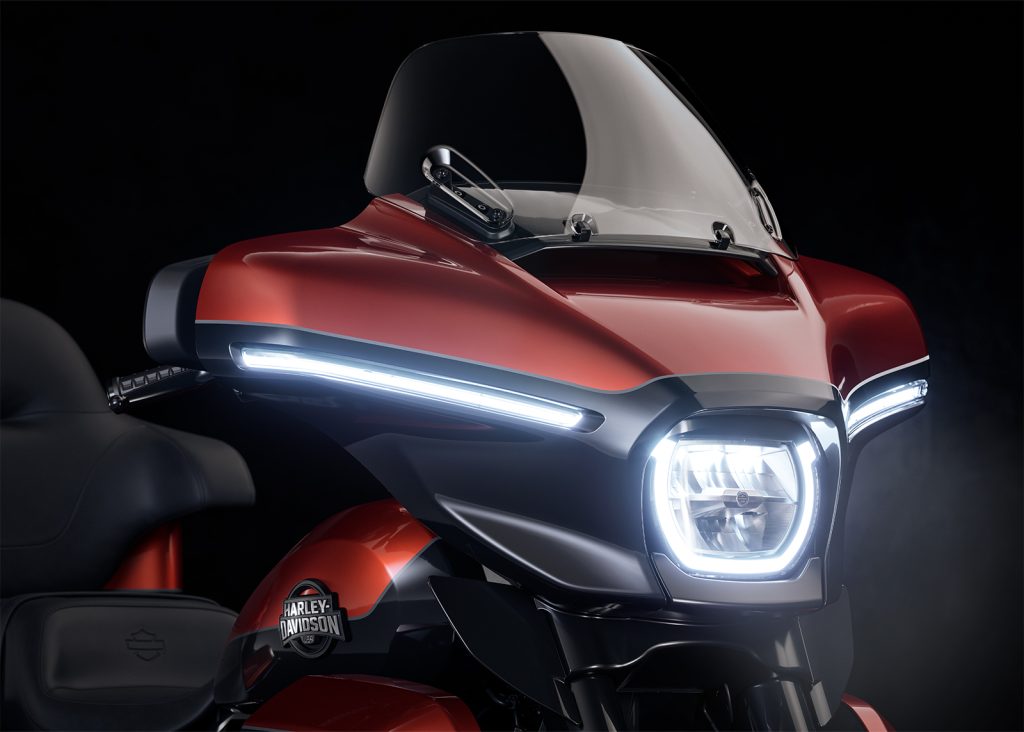
The Street Glide’s Batwing fairing is probably the first thing people notice, but its purpose goes well beyond giving the motorcycle its signature appearance. Harley-Davidson redesigned the fairing using computational fluid dynamics, or CFD, to manage airflow around the rider.
The company specifically says the redesigned shape pushes cleaner air around the rider, helping reduce helmet buffeting while also improving aerodynamic performance.
That detail matters because wind management can dramatically affect comfort during a long ride. A touring motorcycle may spend hours traveling at highway speeds, and constant turbulence around the helmet can become tiring even when the rider is otherwise comfortable.
Instead of simply making the fairing larger, Harley-Davidson focused on how air moves across and around it.
The fairing also houses several components that are essential to the Street Glide’s modern identity. The headlight, turn signals, windshield area, speakers, and large infotainment display all work within the fairing’s design. That makes the component a combination of an aerodynamic device, protective structure, lighting housing, and cockpit centerpiece.
The engineering is particularly interesting because the Street Glide retains the recognizable Batwing silhouette while adopting a much more modern development process. A rider looking at the motorcycle may see a traditional Harley-Davidson touring design, but the airflow management was developed with computer-based aerodynamic analysis.
The benefit becomes most noticeable on extended highway journeys. Reduced turbulence can help make the rider’s helmet environment calmer and reduce the constant physical effort associated with fighting turbulent air.
This is therefore one of the Street Glide’s genuinely hidden features. The fairing looks like styling, but a significant portion of its design exists to control airflow. Harley-Davidson has essentially turned one of the motorcycle’s most recognizable visual elements into an aerodynamic tool.
2. The Rear Suspension Can Be Adjusted for Different Loads
A Street Glide can carry considerably more weight than a motorcycle used primarily for short solo trips. Rider equipment, luggage, accessories, and a passenger can all change the load placed on the rear suspension.
Harley-Davidson addresses that requirement with adjustable rear suspension, a feature that can be easy to overlook because it does not involve an electronic menu or a prominent button on the handlebar.
The 2026 Street Glide uses dual outboard emulsion rear shocks with preload adjustability. Harley-Davidson lists approximately 3 inches of rear-wheel travel for the system. At the front, the motorcycle uses a 49 mm Dual Bending Valve fork with approximately 4.6 inches of wheel travel, according to the company’s U.S. specifications.
Preload adjustment is particularly useful on a touring motorcycle because the weight carried by the bike can change dramatically from one trip to another. A rider traveling alone with little luggage places a very different load on the suspension compared with two people carrying equipment for a multi-day trip.
Changing preload alters the spring’s starting position and helps the suspension maintain appropriate ride height when the load changes. It does not turn the motorcycle into an electronically adaptive suspension system, and riders still need to use the correct setting for their circumstances.
The feature also demonstrates how the Street Glide is designed around real touring use rather than simply looking like a touring motorcycle. A machine intended to cover long distances has to cope with changing loads, varying pavement, and different riding conditions.
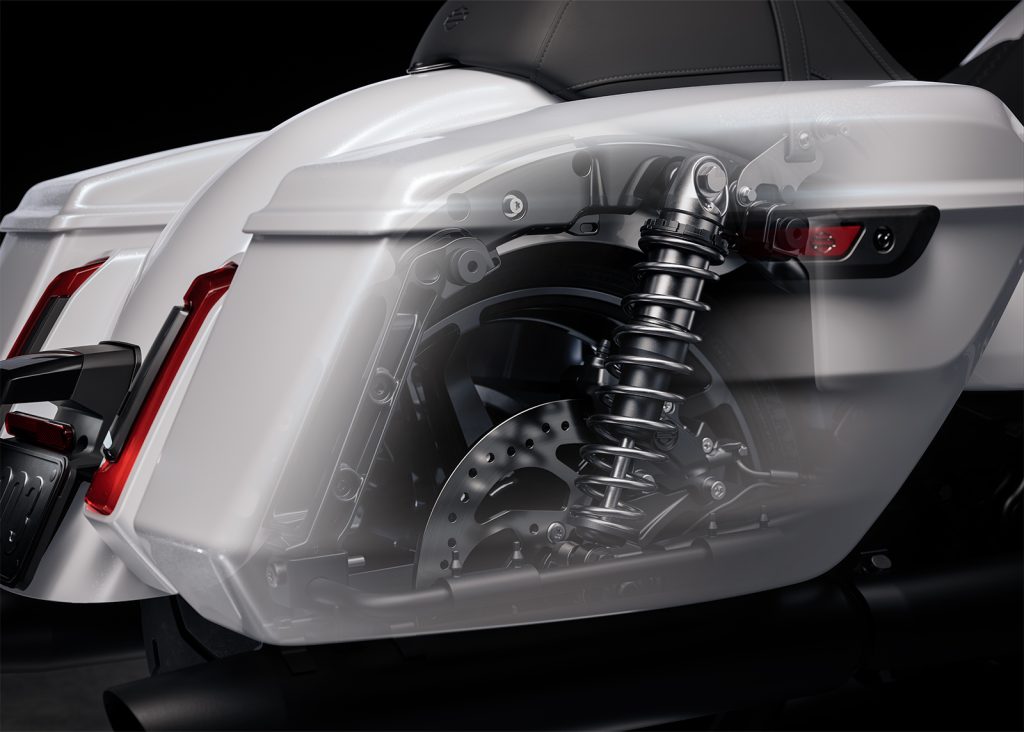
The adjustment is easy to miss during a showroom inspection because it sits away from the main cockpit. There is no large display announcing it. Yet it can make a meaningful difference to how the motorcycle feels when carrying additional weight.
For owners who regularly switch between solo commuting and fully loaded road trips, understanding the rear preload adjustment can be much more valuable than many of the Street Glide’s more visible technology features.
3. The 12.3-Inch Display Can Replace Most Traditional Gauges
The Street Glide’s large infotainment screen looks like a modern touchscreen, but its role goes far beyond entertainment. Harley-Davidson’s Skyline OS system uses a 12.3-inch color display in place of the conventional collection of separate analog gauges.
That makes the screen one of the most significant changes hidden within the Street Glide’s familiar touring design.
Instead of dedicating separate physical instruments to speed, engine information, navigation, and entertainment, the Street Glide brings much of that information together on one display. Riders can configure the interface to show the information they consider most important while riding.
The system provides several display options, allowing the rider to choose different layouts depending on the situation. Harley-Davidson says Skyline OS supports navigation, audio, vehicle information, Bluetooth connectivity, and other functions through the display.
This means the screen acts as the motorcycle’s central information hub rather than simply functioning as a radio screen.
The navigation capability is particularly useful for touring riders. A large built-in display means the rider can receive route information without relying entirely on a separate aftermarket navigation device. The system can also connect with compatible smartphones, expanding its usefulness beyond the motorcycle’s own functions.
There is an important distinction between having a large screen and having a useful motorcycle interface. The Street Glide’s display is integrated into the motorcycle’s controls and information architecture, allowing the rider to manage several functions without installing multiple aftermarket devices.
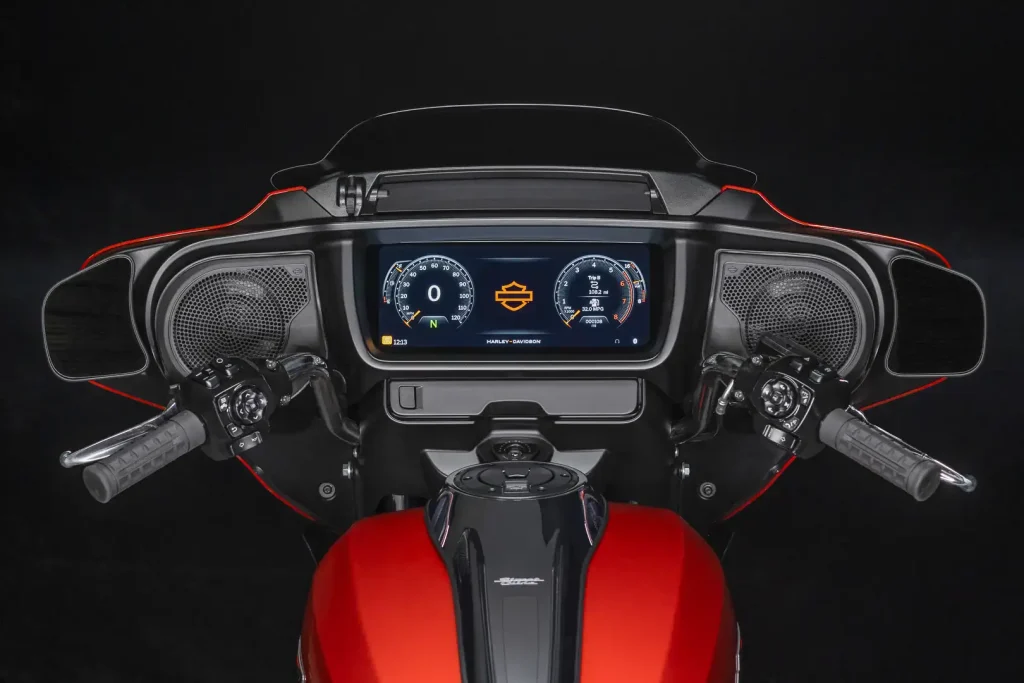
The screen can also be configured to present different types of information depending on the selected display view. That allows riders who prefer a simpler interface to avoid having every available function displayed simultaneously.
For a motorcycle that still looks unmistakably like a traditional Harley-Davidson touring machine, the technology underneath is considerably more modern than the styling suggests. The 12.3-inch screen is effectively the motorcycle’s digital dashboard, navigation system, and entertainment interface in one package.
That makes it one of the Street Glide’s most important hidden features, even though it sits directly in front of the rider.
4. The Street Glide Has Multiple Customizable Ride Modes
The Street Glide’s Milwaukee-Eight 117 engine is a major part of its personality, but riders can alter how the motorcycle responds through selectable ride modes. This feature is easy to overlook because the motorcycle does not visually advertise itself as an electronics-heavy machine.
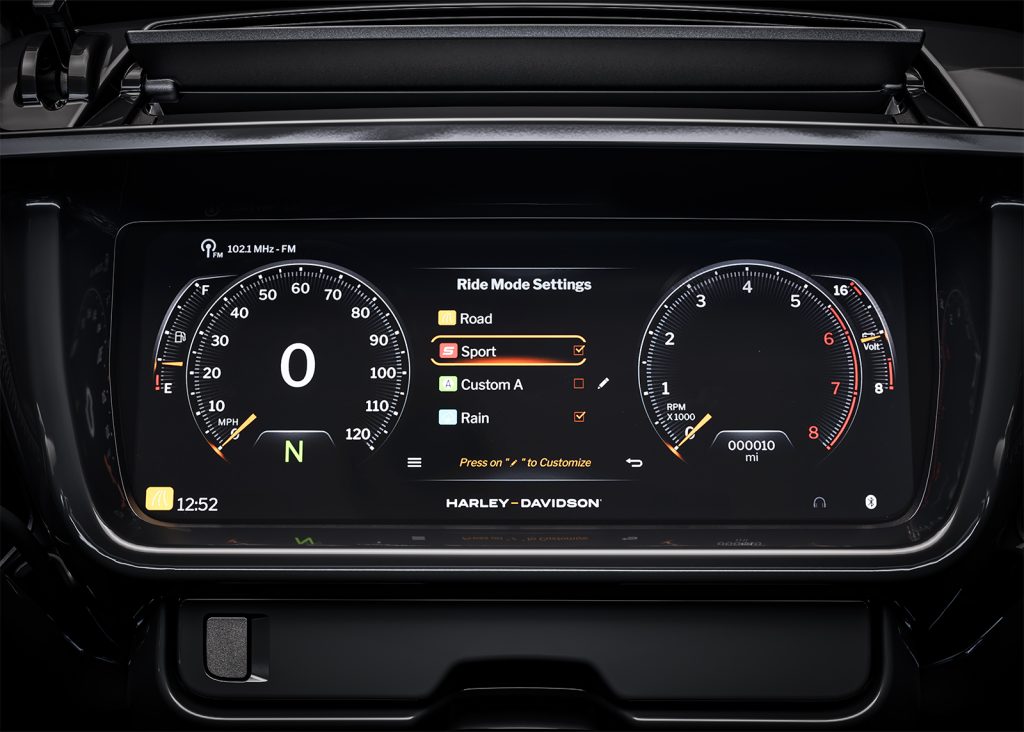
Harley-Davidson provides selectable ride modes that electronically manage the motorcycle’s engine characteristics and, where applicable, the response of its electronic systems. The available modes on the current Street Glide include Road, Rain, Sport, and Custom options, giving riders different ways to tailor the motorcycle’s behavior.
Road is intended as the everyday setting, providing the balanced response most riders will use for normal conditions. Rain reduces the aggressiveness of the motorcycle’s response and is intended for situations where traction may be compromised.
Sport sharpens throttle response and allows the rider to make greater use of the engine’s performance characteristics.
The custom mode is where the system becomes particularly interesting. Rather than forcing every rider into one factory-defined personality, Harley-Davidson allows selected characteristics to be customized. Depending on the specific configuration, this can alter aspects such as throttle response and engine braking.
These modes are not equivalent to simply changing transmission gears. They modify the motorcycle’s electronic control strategy, meaning the same physical engine can deliver a noticeably different response depending on the selected setting.
For touring riders, this can be useful because road conditions can change substantially during a long trip. A motorcycle leaving a dry interstate may eventually encounter rain, wet pavement, or winding roads. Having different calibrated responses gives the rider another tool for adapting to those conditions.
The system is also a good example of how modern Harley-Davidson motorcycles combine traditional mechanical character with electronic control. The Street Glide still has the feel of a large V-twin touring motorcycle, but riders can adjust how that engine behaves without modifying mechanical components.
It is therefore much more than a convenience feature. Ride modes give the Street Glide several distinct personalities while keeping the same underlying motorcycle.
5. Vehicle Hold Control Keeps the Bike Stationary on Hills
One of the most useful features on the Street Glide is also one that many riders may not immediately realize is available. Harley-Davidson equips the motorcycle with Vehicle Hold Control, or VHC, a system designed to temporarily hold the brakes after the rider has stopped.
It can be particularly helpful on steep hills, ramps, or other situations where keeping a large touring motorcycle stationary with the brake lever can become awkward.
Using VHC is straightforward. After coming to a complete stop, the rider applies the brake control with additional pressure. The system can then maintain braking force after the rider releases the control, allowing the motorcycle to remain stationary until the rider is ready to move.
That can be especially valuable with the Street Glide because Harley-Davidson lists its running weight at 811 pounds. A motorcycle of that size can require considerably more effort to control on an incline than a lightweight commuter bike.

The feature is not intended to replace the parking brake or kickstand. Instead, it is a temporary convenience designed primarily for situations such as hill starts. When the rider begins moving again, the system releases the braking force.
It is the sort of technology that becomes more valuable after a rider encounters the situation it was designed to solve. A steep parking-garage exit or traffic stop on an incline can suddenly make VHC feel far more useful than it appeared during a showroom demonstration.
6. The Street Glide Uses Cornering-Aware Traction and Braking Technology
The Street Glide’s electronic safety package goes much further than conventional straight-line ABS. Harley-Davidson’s Rider Safety Enhancements include systems that take the motorcycle’s lean angle into consideration, allowing braking and traction-control functions to respond differently when the motorcycle is cornering.
One of these is Cornering Enhanced Traction Control, or C-TCS. It is designed to reduce excessive rear-wheel spin during acceleration and can account for the motorcycle’s cornering condition. That is important because available traction can change when a motorcycle is leaned over compared with when it is traveling upright.
The braking side receives similar treatment. Cornering Enhanced ABS can account for lean angle when controlling braking pressure, while Cornering Enhanced Electronic Linked Braking can adjust the balance between front and rear braking during cornering.
These systems are intended to help the motorcycle maintain the rider’s intended path during braking situations.
There is also Cornering Drag-Torque Slip Control. It is designed to help manage rear-wheel slip that can occur when the rider abruptly closes the throttle or makes a quick downshift, particularly on wet or slippery surfaces.
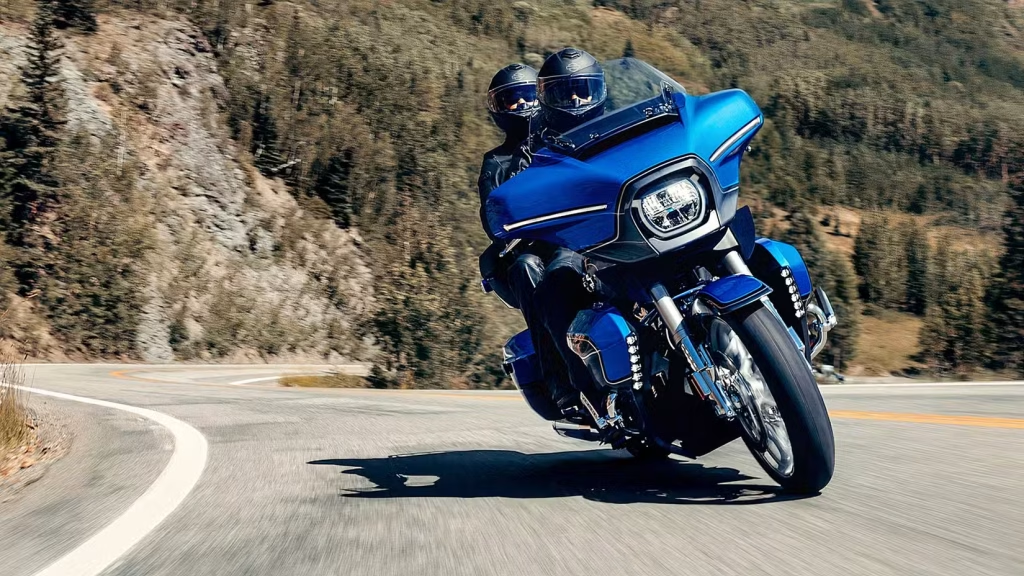
These systems operate largely in the background, so a rider may never consciously notice them during normal conditions. That is precisely the point. They are designed to intervene when circumstances become more difficult, rather than constantly changing how the motorcycle feels during ordinary riding.
For a large touring motorcycle that may encounter rain, uneven pavement, changing grip, and unfamiliar roads during long-distance travel, this electronic assistance adds another layer of control.
7. The Street Glide Has All-LED Signature Lighting
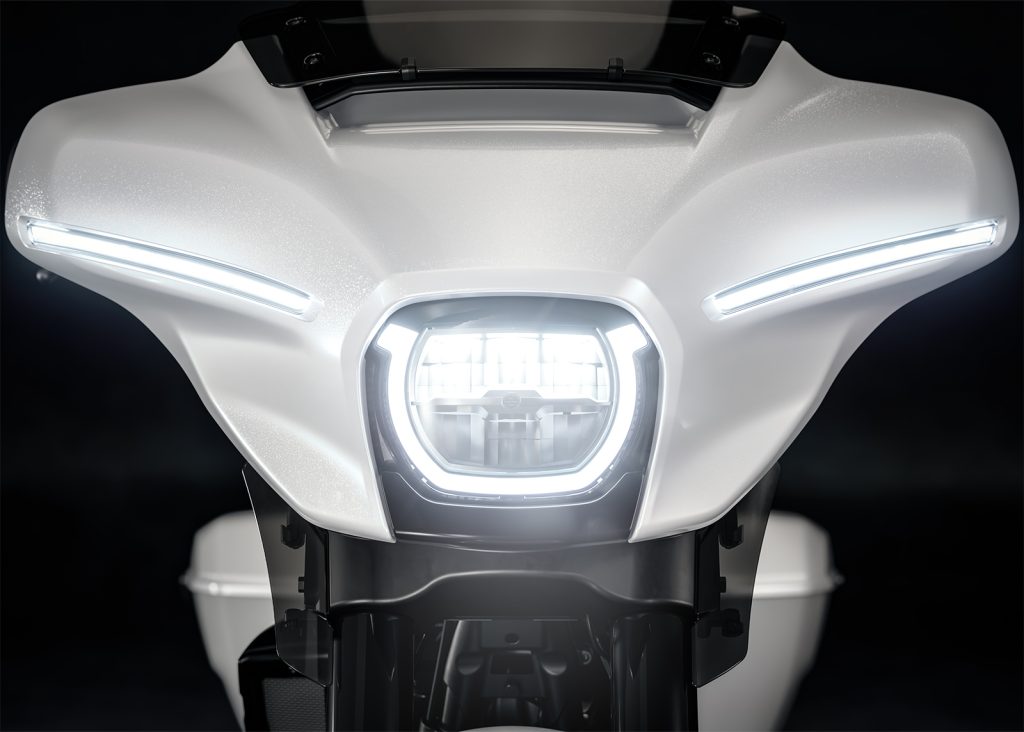
The Street Glide’s lighting system is easy to mistake for a styling exercise, especially because the motorcycle’s front end is dominated by its familiar fairing. In reality, Harley-Davidson equips the 2026 U.S. Street Glide with LED lighting throughout the motorcycle. The headlamp, front signals, rear turn signals, and tail and brake lighting all use LED technology.
The headlamp also incorporates a daytime running light, giving the motorcycle a distinctive lighting signature while improving its visibility to other road users. Harley-Davidson integrates the lighting into the redesigned fairing rather than using separate, bulky housings, which helps maintain the clean appearance of the front end.
LED lighting brings practical advantages as well. The technology generally requires less electrical power than traditional incandescent bulbs and allows designers to create compact lighting assemblies. On a motorcycle that already has a large amount of equipment packed into its fairing, that packaging flexibility is useful.
The hidden part is how many lighting functions are integrated into the design. The rider is not simply getting an LED headlamp. The entire exterior lighting system uses LED technology, creating a consistent setup from front to rear.
For riders who spend significant time traveling after sunset or through changing weather, dependable lighting becomes particularly important. The Street Glide’s lighting system is therefore doing much more than making the motorcycle recognizable from a distance.
It also demonstrates how Harley-Davidson has modernized the Street Glide without abandoning its traditional identity. The motorcycle still has the recognizable profile associated with the name, but the lighting technology underneath is distinctly contemporary.
8. Apple CarPlay Works Through the Skyline OS System
The Street Glide’s infotainment system can do much more than play music. Its 12.3-inch full-color TFT display runs Harley-Davidson’s Skyline OS, which supports smartphone connectivity and Apple CarPlay.
That means compatible iPhone users can bring supported phone functions and applications into the motorcycle’s integrated interface rather than relying entirely on a separate phone mounted to the handlebars.
Harley-Davidson lists Apple CarPlay connectivity among the Street Glide’s infotainment capabilities, along with Bluetooth functionality. The system also includes USB connectivity, allowing compatible smartphones to connect through the motorcycle’s USB-C interface.
This becomes particularly useful on longer rides because the motorcycle can serve as a centralized control point for navigation, communication, and entertainment. Instead of adding several aftermarket devices around the cockpit, riders can use the factory system for many of the functions they would otherwise handle separately.
The display itself replaces traditional gauges, so the same screen that provides vehicle information also handles infotainment functions. That integration gives the Street Glide a much cleaner cockpit than would be possible with multiple independent accessories.
The system is not simply an oversized radio screen either. Harley-Davidson provides embedded navigation as part of the Skyline OS setup, while Apple CarPlay adds another route to navigation and media functionality for compatible users.
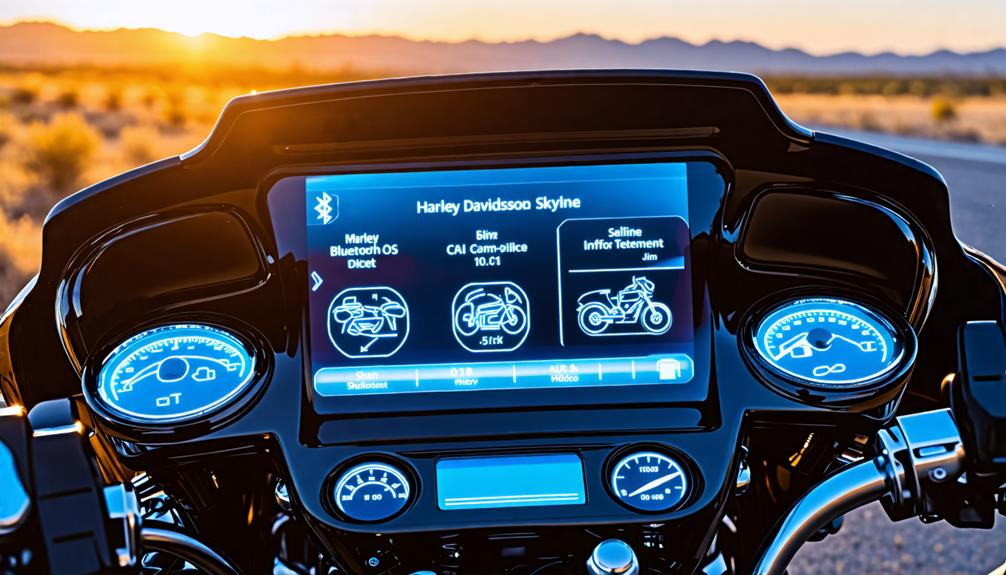
For touring riders, that integration can be valuable because long-distance travel often involves constantly changing routes, phone calls, music, and navigation instructions. Having these functions built into the motorcycle reduces the need to interact directly with a phone while riding.
It is another example of how the Street Glide combines traditional touring hardware with technology that would have been unusual on a Harley-Davidson touring motorcycle only a few generations ago.
9. Tire Pressure Monitoring Gives You an Early Warning
A feature that can be easy to overlook on the Street Glide is its Tire Pressure Monitoring System, or TPMS. Harley-Davidson includes TPMS as part of the motorcycle’s Rider Safety Enhancements, and the system communicates tire-pressure information through the motorcycle’s display.
It can alert the rider when tire pressure is too low or too high, allowing the rider to address a problem before it becomes more serious.
That is particularly useful on a large touring motorcycle because tire condition has a direct effect on handling, braking, comfort, and tire life. The Street Glide is designed to carry a rider and substantial touring equipment, so maintaining the correct tire pressure is important when the motorcycle is loaded for a long trip.
The system is also useful because tire pressure can change with temperature. A motorcycle leaving home on a cool morning may experience different tire-pressure readings after several hours of riding. TPMS gives the rider a convenient way to keep track of what is happening without manually checking pressure every few miles.
Harley-Davidson does not present TPMS as a replacement for physically inspecting the tires. Instead, it functions as an additional warning system. Riders should still check tire condition and pressure using the appropriate procedure, particularly before beginning a long journey.
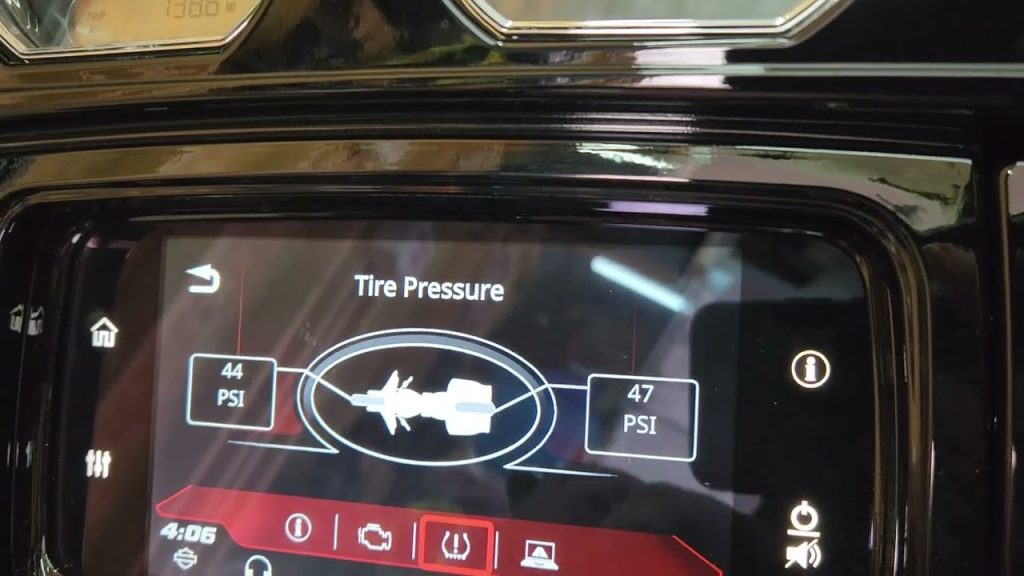
The information being displayed through the Skyline OS system is what makes this feature easy to miss. Riders may spend most of their attention on navigation, music, or speed information without realizing that tire-pressure data is also available through the same digital interface.
For a motorcycle designed to cover hundreds of miles in a day, that small piece of information can become extremely valuable.
10. The Engine Uses Liquid-Cooled Cylinder Heads
The Street Glide may retain the unmistakable appearance and sound associated with a large Harley-Davidson V-twin, but its Milwaukee-Eight 117 engine contains a cooling system that is easy to miss.
The 2026 Street Glide uses liquid-cooled cylinder heads, with a center-mounted radiator incorporated into the motorcycle’s design. Harley-Davidson says this arrangement helps manage engine temperatures while also improving rider comfort when conditions become demanding.
This is significant because the motorcycle does not look like a conventional liquid-cooled touring bike. There is no large radiator dominating the front of the motorcycle. Instead, Harley-Davidson has integrated the cooling hardware into the Street Glide’s existing architecture.
The 117-cubic-inch Milwaukee-Eight produces 105 horsepower and 130 lb-ft of torque in the 2026 U.S. Street Glide. That level of output from a large-displacement touring engine creates substantial heat, particularly when the motorcycle is moving slowly in traffic or operating in hot weather.
Liquid cooling around the cylinder-head area helps control temperatures where heat management is especially important. The center-mounted radiator also allows Harley-Davidson to manage the engine without abandoning the visual character that buyers expect from a Street Glide.
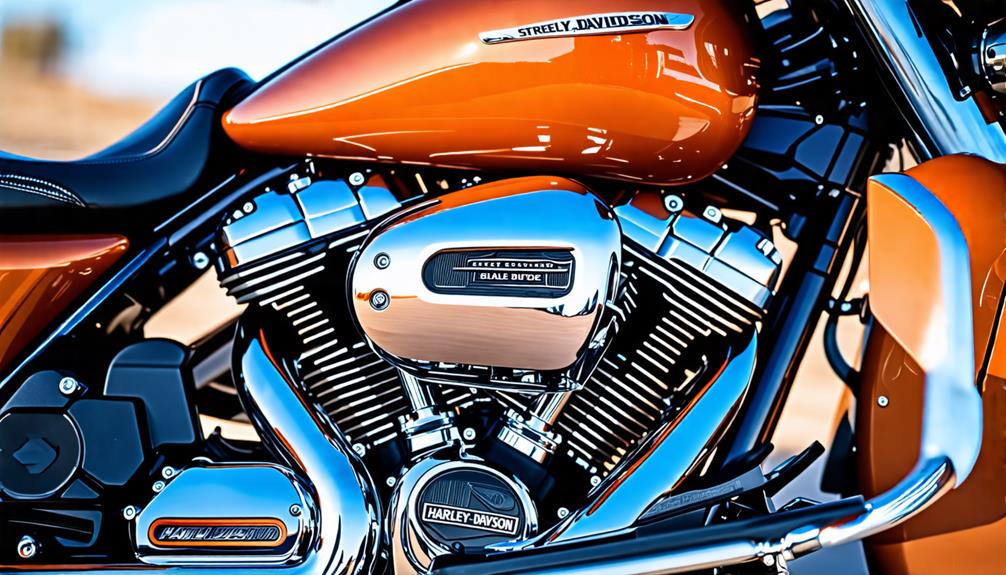
For riders, the benefit can be most noticeable during slow urban riding, stop-and-go traffic, or hot-weather touring. The cooling system is working in the background while the rider continues to experience the familiar V-twin character.
This is perhaps one of the best examples of how modern engineering can hide beneath traditional motorcycle styling. From a distance, the Street Glide still looks unmistakably like a Harley-Davidson touring machine.
Underneath that familiar appearance, however, the Milwaukee-Eight 117 uses liquid-cooled cylinder heads to help keep temperatures under control.
