Texas doesn’t do mild weather. When summer rolls around, thermometers regularly climb past 100°F, and your car feels every bit of it, whether you notice or not. Cooling systems strain, batteries lose their patience, and electrical components that seemed fine in April suddenly start acting up in July. No vehicle comes with a guarantee against hot-weather trouble, but some models carry known weaknesses that tend to surface, or worsen, once the heat really sets in.
This list breaks down ten cars with documented issues that Texas summers have a way of exposing. If you own one of these, or you’re shopping used and considering one, here’s what to watch for before the temperature gauge starts climbing right alongside the outside air.
1. Nissan Leaf (2011-2017)
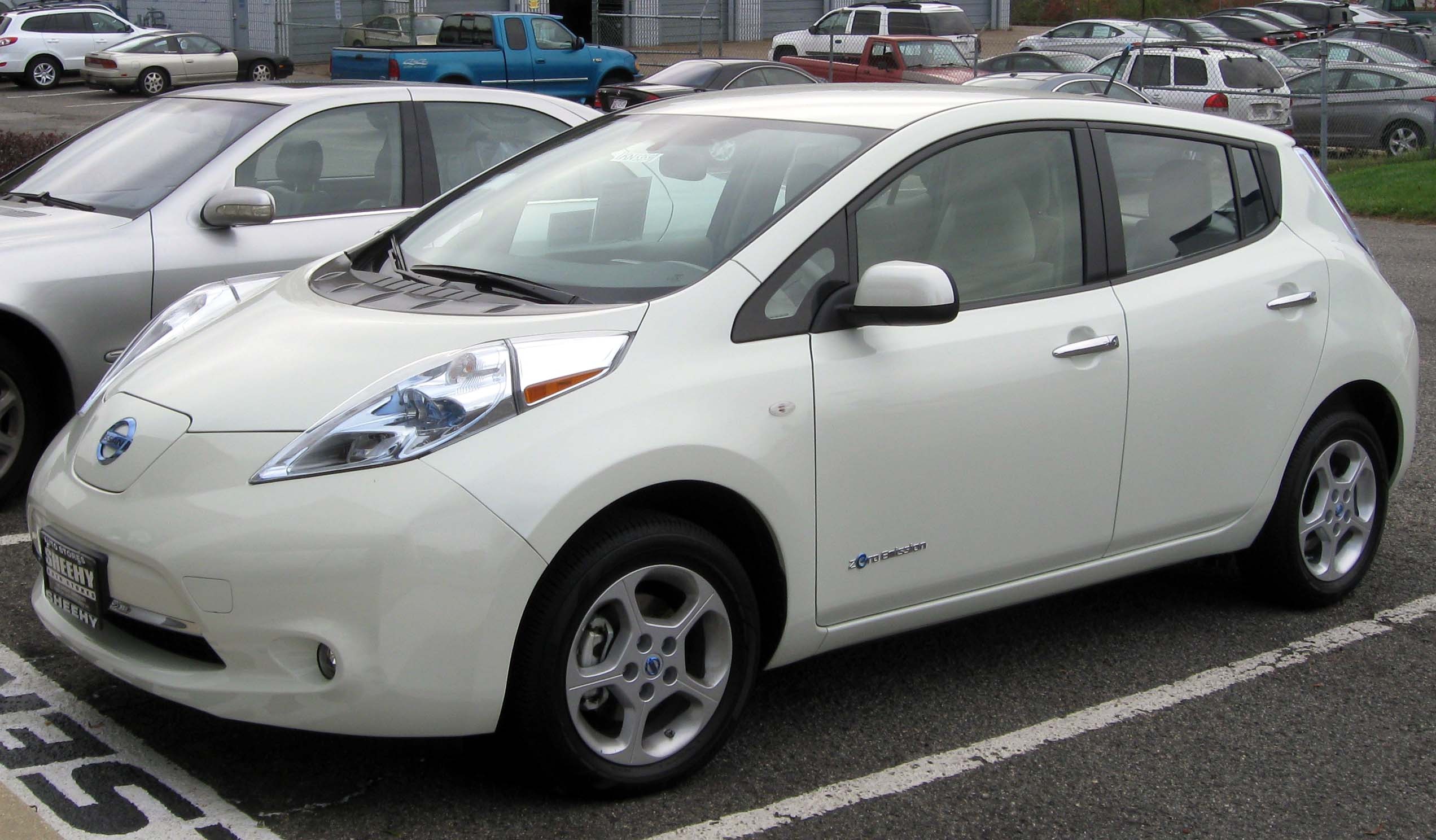
The first Nissan Leaf was an important early electric vehicle, but its battery cooling setup can be a concern in very hot places such as Texas. This generation uses passive air cooling instead of a liquid system, leaving the battery more exposed to prolonged periods of extreme heat.
High temperatures can place extra stress on lithium-ion batteries. Since there is no active cooling system to control the pack temperature, the battery can retain more heat during long periods of hot weather. The problem can become worse when the vehicle sits outside in direct sunlight for several hours.
Drivers in hotter regions have reported faster battery capacity loss than owners in cooler areas. As the battery ages, this can lead to shorter driving range and weaker performance. Cars that have spent many summers exposed to extreme temperatures may be affected more than vehicles operated in milder conditions.
Anyone shopping for a used first-generation Leaf in Texas should pay close attention to the battery’s condition before buying. Years of exposure to high temperatures can leave an older battery with much less usable capacity than it originally had.
A proper battery health check can help reveal how much capacity remains and whether the vehicle is still suitable for the buyer’s needs. This check is especially useful when purchasing an older Leaf because replacing a worn battery can be expensive compared with the value of the car.
2. Chevrolet Cruze (2011-2014, 1.4L)
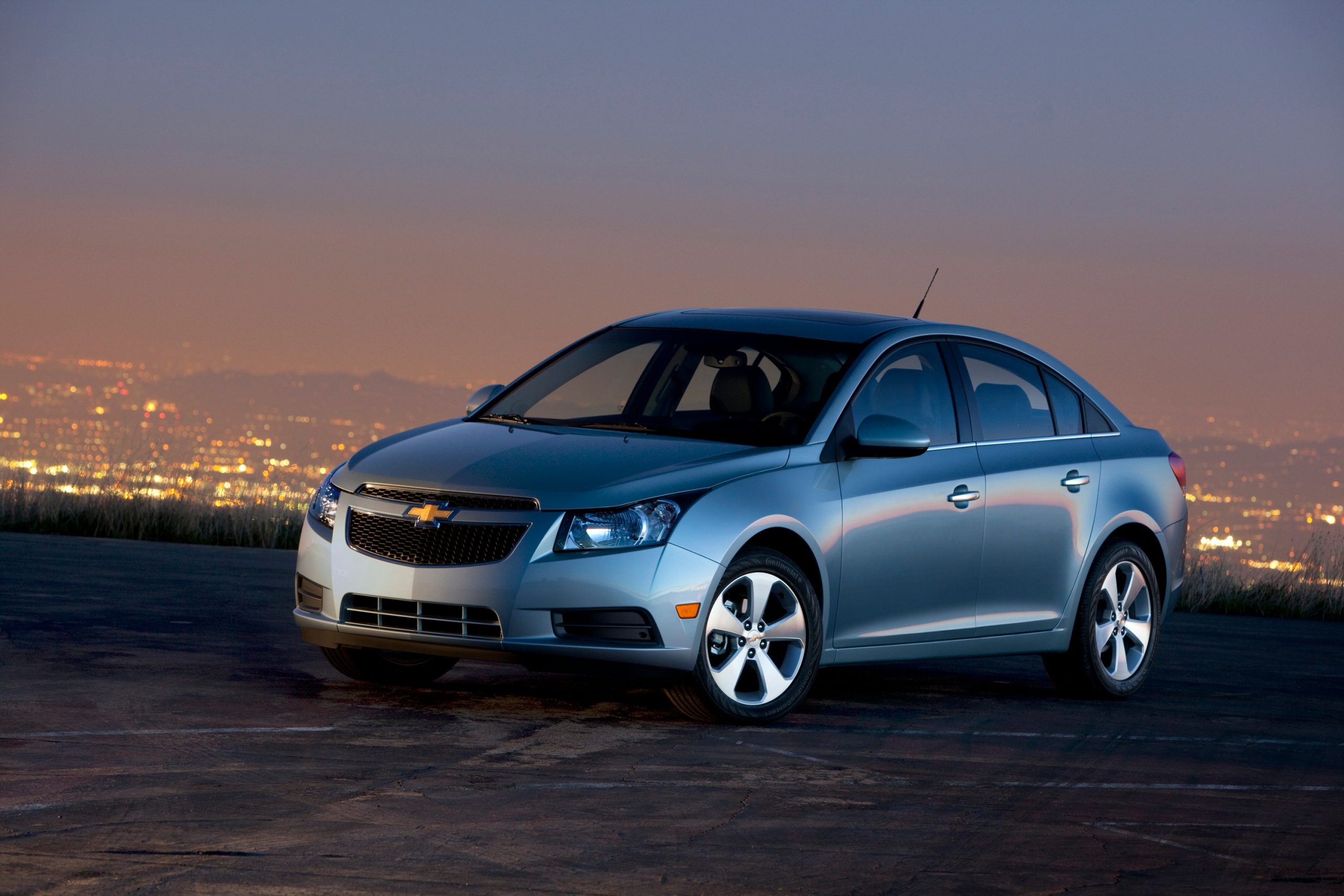
A coolant leak may not seem serious at first, but it can become a major concern for owners of certain Chevrolet Cruze models with the 1.4L engine. GM issued a customer bulletin covering water pump coolant leaks in some of these vehicles, confirming that the problem deserves attention.
When coolant slowly escapes, the engine gradually loses part of its ability to control temperature. Under normal conditions, a small leak might take time to cause trouble. Texas summer heat makes the situation more demanding because the cooling system already has to work harder to keep the engine within its proper operating range.
Drivers should watch for early signs of coolant loss. A sweet smell around the engine bay, a coolant level that keeps dropping, or changes in the temperature gauge can indicate that something is wrong. Ignoring these symptoms could allow the engine to overheat, especially during very hot weather or long periods in traffic.
Cruze owners in Texas should therefore check the coolant level regularly and have any suspected leak inspected without delay. It is also worth checking whether the vehicle received any previous repairs related to the water pump.
A small coolant leak can be easier and cheaper to address than an overheated engine. Anyone buying a used Cruze with the affected 1.4L engine should review its service history and have the cooling system inspected before purchase.
Taking these steps can help prevent an avoidable roadside problem during the hottest Texas summer months for many drivers.
3. Tesla Model S (2012-2015)
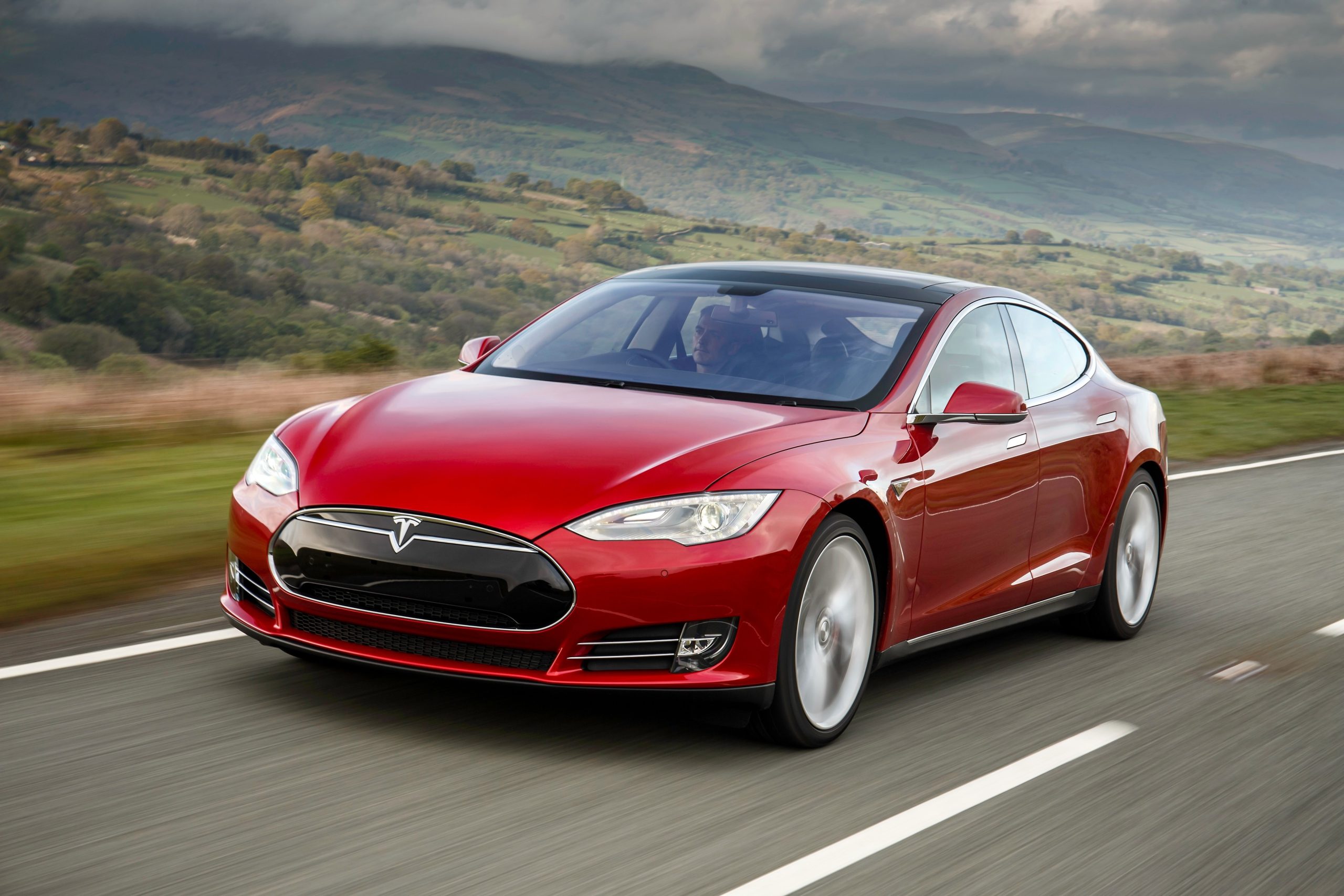
Electric vehicles bring their own set of quirks, and early Tesla Model S owners discovered one of the more frustrating ones firsthand. These cars used an NVIDIA-based media control unit paired with eMMC flash memory, a combination that turned out to have a premature failure tendency as the hardware aged.
When that MCU fails, it doesn’t just take away your entertainment screen. The center touchscreen controls a surprising number of core functions in these vehicles, including HVAC settings and the rearview camera display. Losing that screen means losing convenient access to climate controls, which becomes a real problem when you’re trying to cool down a cabin that’s been sitting in Texas sun.
This wasn’t a minor, isolated complaint either. The National Highway Traffic Safety Administration investigated the issue and documented thousands of related complaints alongside replacement claims, giving this problem a level of official recognition that few owner grievances ever receive.
Heat likely plays a role in accelerating flash memory wear, given how electronic components generally degrade faster under sustained high temperatures. For Texas owners of these early Model S vehicles, an aging MCU showing early glitches deserves attention before it fails during a summer drive.
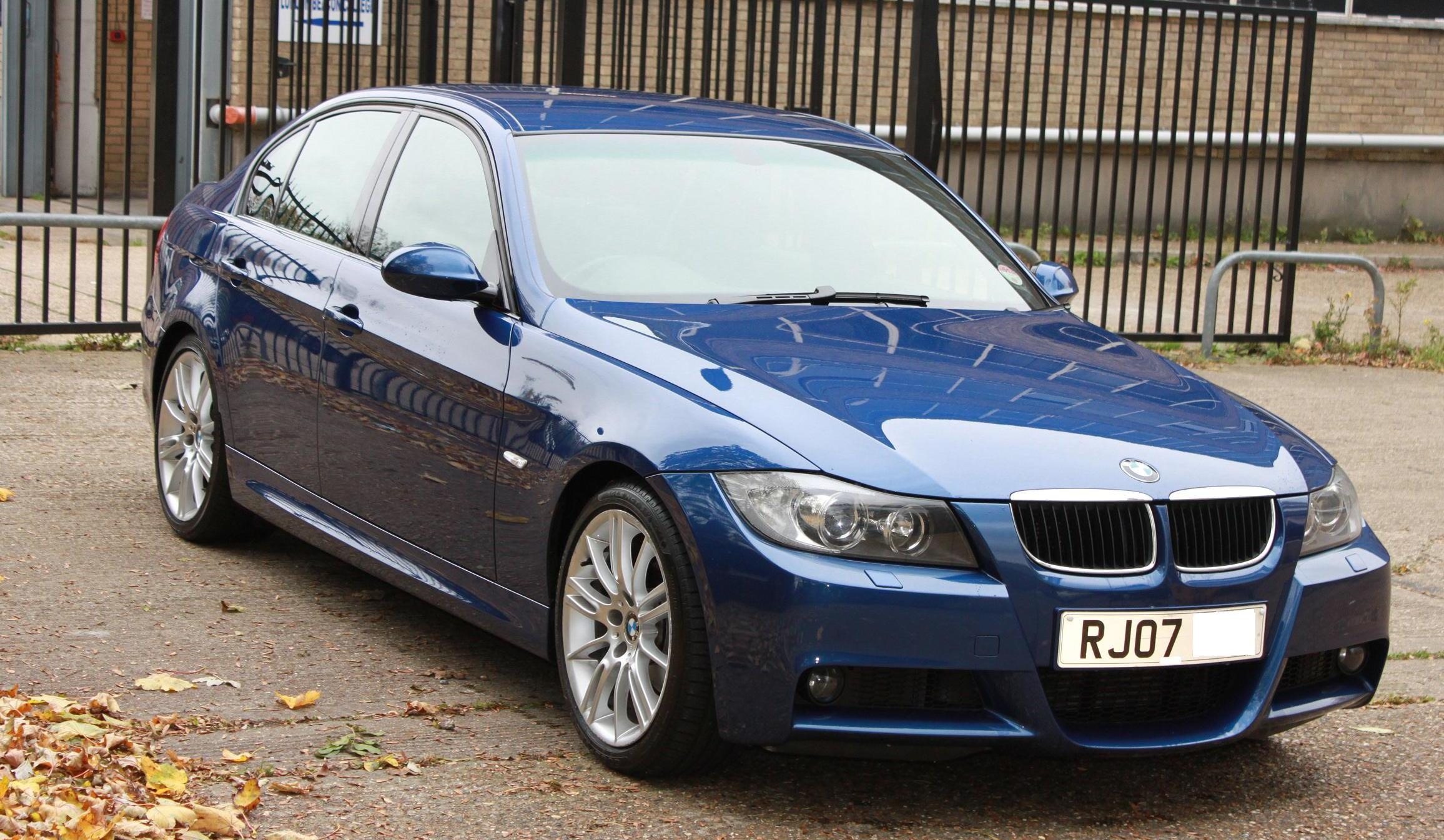
4. BMW 3 Series (2007-2016)
German engineering carries a certain reputation, but even well-regarded platforms have material choices that don’t hold up forever, especially somewhere as hot as Texas. Several 3 Series generations from this span use plastic components throughout the cooling system, including expansion tanks and various connecting parts.
Plastic simply doesn’t handle repeated heat cycling the way metal does. Every summer, these components expand and contract as temperatures swing between a hot engine bay and cooler ambient air, and over years of this cycling, the plastic gradually becomes brittle. Cracks develop. Small leaks start.
None of this happens overnight. It’s a gradual process that tends to catch up with owners around the seven-to-ten-year mark, right when many of these BMWs are still on the road as reliable daily drivers, just without their original cooling components intact.
Once cracks or leaks develop, coolant loss follows, which raises the risk of overheating considerably during Texas summer conditions, where the cooling system already works overtime just handling ambient heat.
Owners of these generations should have their cooling system components inspected regularly, particularly as the vehicle ages past the decade mark, well before a roadside breakdown forces the issue.
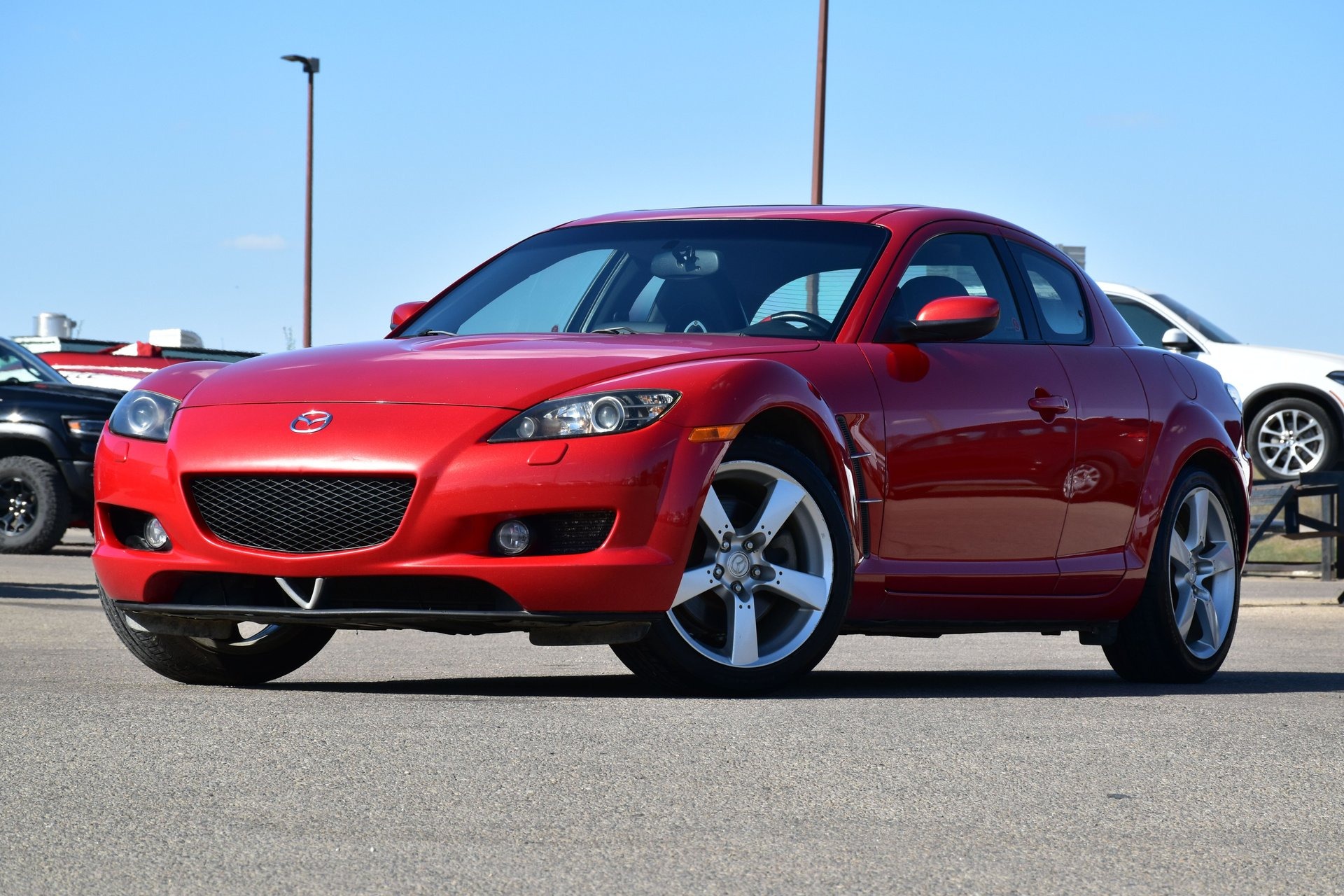
5. Mazda RX-8 (2004-2011)
The Mazda RX-8 is known for its distinctive rotary engine, but that design can bring starting problems when the engine becomes very hot. Some RX-8 owners have experienced situations where the car starts normally when cold but struggles to restart after reaching operating temperature.
Several mechanical issues can contribute to this problem. Low engine compression, a weak starter motor, and ignition system faults can make hot starting more difficult. When temperatures rise, an engine with an existing weakness may have an even harder time starting properly.
This can become especially frustrating during a hot Texas afternoon. A driver may park the RX-8 for a short period, return to the vehicle, and find that the engine suddenly refuses to start. The car may have worked normally earlier that same day, making the problem difficult to predict.
Not every RX-8 develops hot-start trouble, but buyers should still take the issue seriously when considering an older example. The condition of the rotary engine plays a major role in how reliably the car starts, particularly after it has been driven long enough to become fully warm.
Anyone shopping for an RX-8 in a hot climate should arrange a proper inspection before purchasing. A compression test can provide useful information about engine condition, while checking the starter can reveal whether it is strong enough to crank the engine properly when hot.
Checking maintenance records is also helpful. An RX-8 that has been properly serviced and has a healthy engine and starter is less likely to leave its owner stranded during a hot summer day.
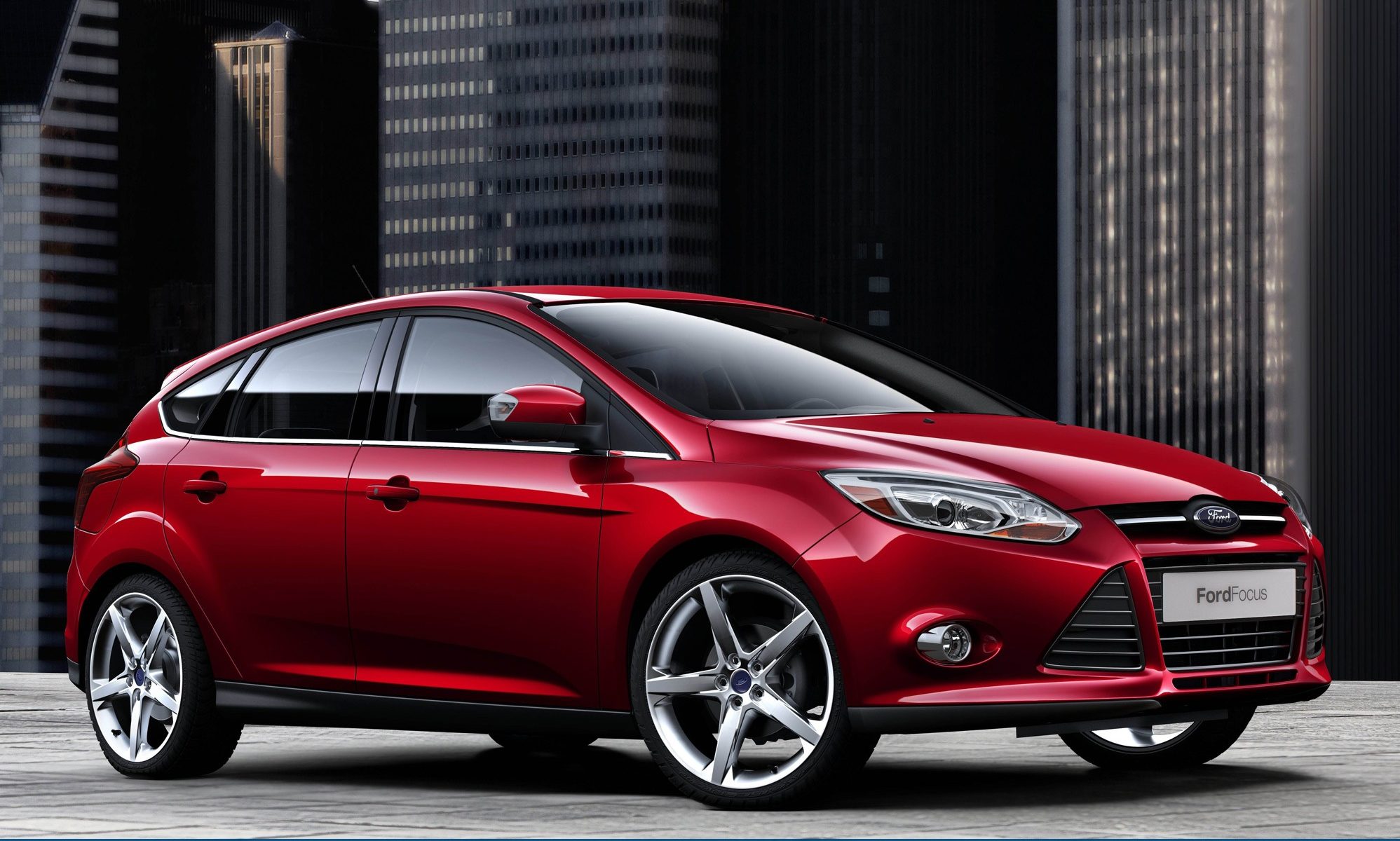
6. Ford Focus (2011-2016, PowerShift automatic)
Ford’s PowerShift dual clutch transmission has caused plenty of frustration for Focus owners from these model years. The problem is not caused by hot weather alone. Instead, the transmission already has known reliability concerns, while high temperatures can place additional pressure on its components and electronic controls.
Unlike a conventional automatic transmission, a dual clutch system uses clutch packs to manage power between the engine and wheels. This design can produce more heat during normal driving, particularly when the car spends a lot of time in traffic.
In Texas, where summer temperatures can climb well above 100 degrees Fahrenheit, heavy traffic in cities such as Houston and Dallas can make those conditions even tougher. Many Focus owners have complained about shaking, hesitation, rough gear changes, and unpredictable transmission behavior.
These complaints have been reported in different climates, so it would be misleading to blame Texas weather for the original problem. The transmission’s design and existing mechanical issues are the main concerns.
Extreme heat can still make things harder for a transmission that is already having trouble. Additional thermal pressure may contribute to faster clutch wear or cause electronic control problems to appear sooner. Cars that spend long periods crawling through traffic during very hot weather may therefore experience more stress.
For Texas drivers considering one of these Focus models, the transmission deserves careful attention. A thorough inspection and road test can help identify warning signs before a purchase. Checking service records is also useful because proper maintenance can reveal whether previous transmission problems were addressed properly.
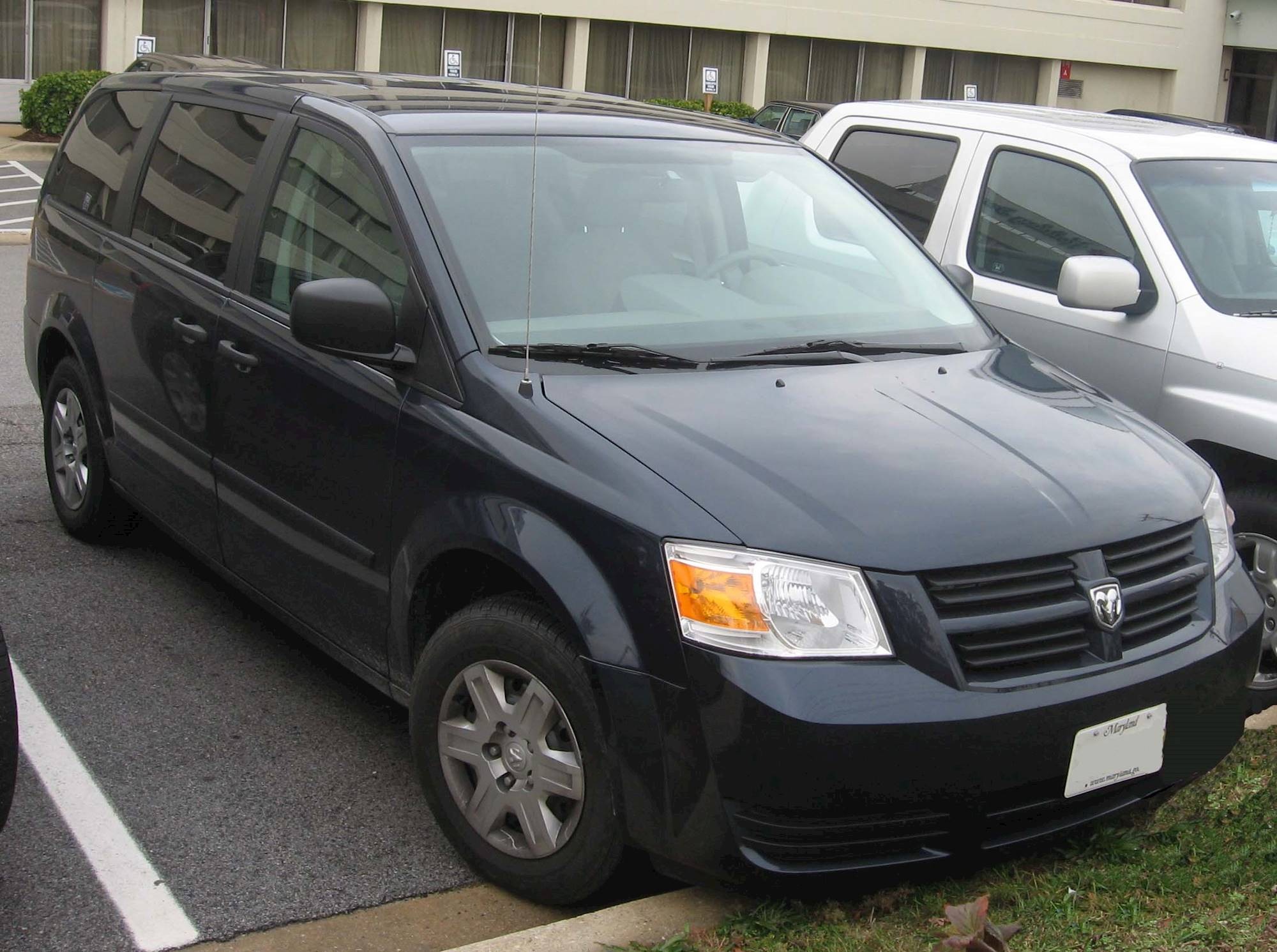
7. Dodge Grand Caravan (2008-2016)
Minivans see a lot of daily use, hauling kids, groceries, and everything in between, which makes reliability especially important for anyone driving a Grand Caravan from these years. Certain vehicles in this range have experienced electrical and TIPM-related problems, TIPM referring to the Totally Integrated Power Module that manages numerous electrical functions throughout the vehicle.
When that module develops faults, the consequences can touch several systems at once: starting problems, fuel delivery interruptions, and other electrical malfunctions that seem to appear without an obvious pattern. That unpredictability is part of what makes TIPM issues so frustrating for owners trying to diagnose them.
Here’s where accuracy matters. Texas heat doesn’t directly cause TIPM failure on its own. The more honest description is that this represents an existing reliability weakness within the vehicle’s design, one that harsh conditions, including sustained high temperatures, may aggravate or bring to the surface sooner than they would in a milder climate.
Owners of these Grand Caravan model years driving through Texas summers should pay attention to any unusual electrical behavior: flickering dashboard lights, intermittent starting trouble, or fuel system hesitation. Catching TIPM-related symptoms early tends to prevent a minor annoyance from turning into a stranded-in-the-heat situation.
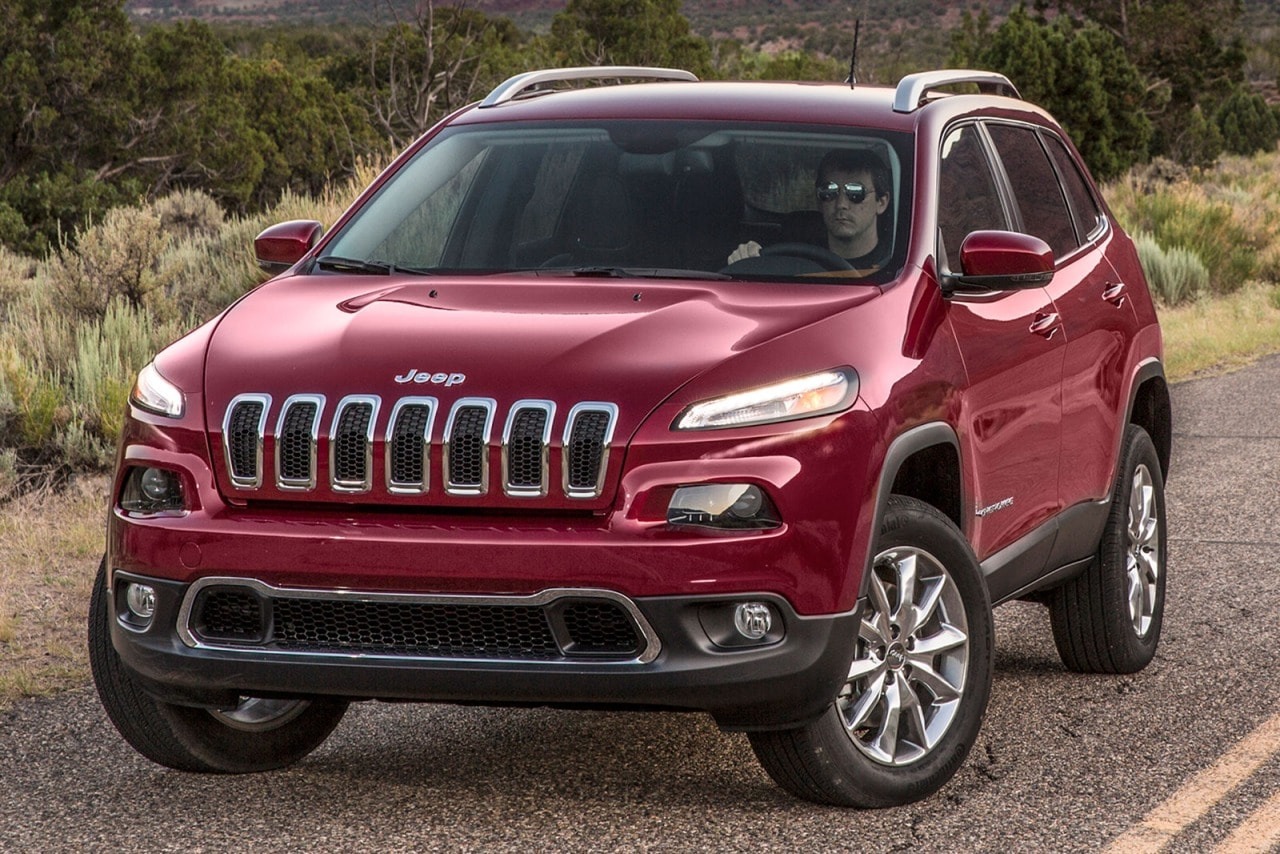
8. Jeep Cherokee (2014-2019)
Jeep Cherokee models from this generation have experienced concerns involving their transmissions and electronic systems. Hot Texas weather does not create these problems by itself, but high temperatures can place extra pressure on parts that already have known reliability issues.
When temperatures remain high for long periods, transmission fluid can become less effective at protecting internal components. Electrical wiring and insulation can also age faster when exposed to repeated heat.
Electronic modules may face additional thermal stress as temperatures rise, especially when a vehicle spends hours parked outside or crawling through heavy traffic. These conditions can make existing problems easier to notice.
A Cherokee with transmission hesitation or rough gear changes may behave worse during a very hot Texas summer than it would in a cooler climate. Similarly, electronic faults that happen occasionally may become more frequent when components are operating under greater thermal pressure.
Drivers should pay attention to warning signs such as unusual transmission behavior, warning lights, delayed gear engagement, or unexpected electronic messages. Ignoring these symptoms can allow a relatively manageable problem to develop into a more expensive repair.
Regular maintenance is particularly important for Cherokee owners who drive through Texas summers. Checking the transmission fluid, inspecting electrical connections, and keeping up with scheduled service can help reduce the chance of a serious breakdown.
For anyone buying a used Cherokee from these model years, service records are worth checking carefully. A professional inspection can also identify existing transmission or electrical problems before they become major expenses.
High temperatures can be demanding, but a well-maintained vehicle is better prepared to handle them.
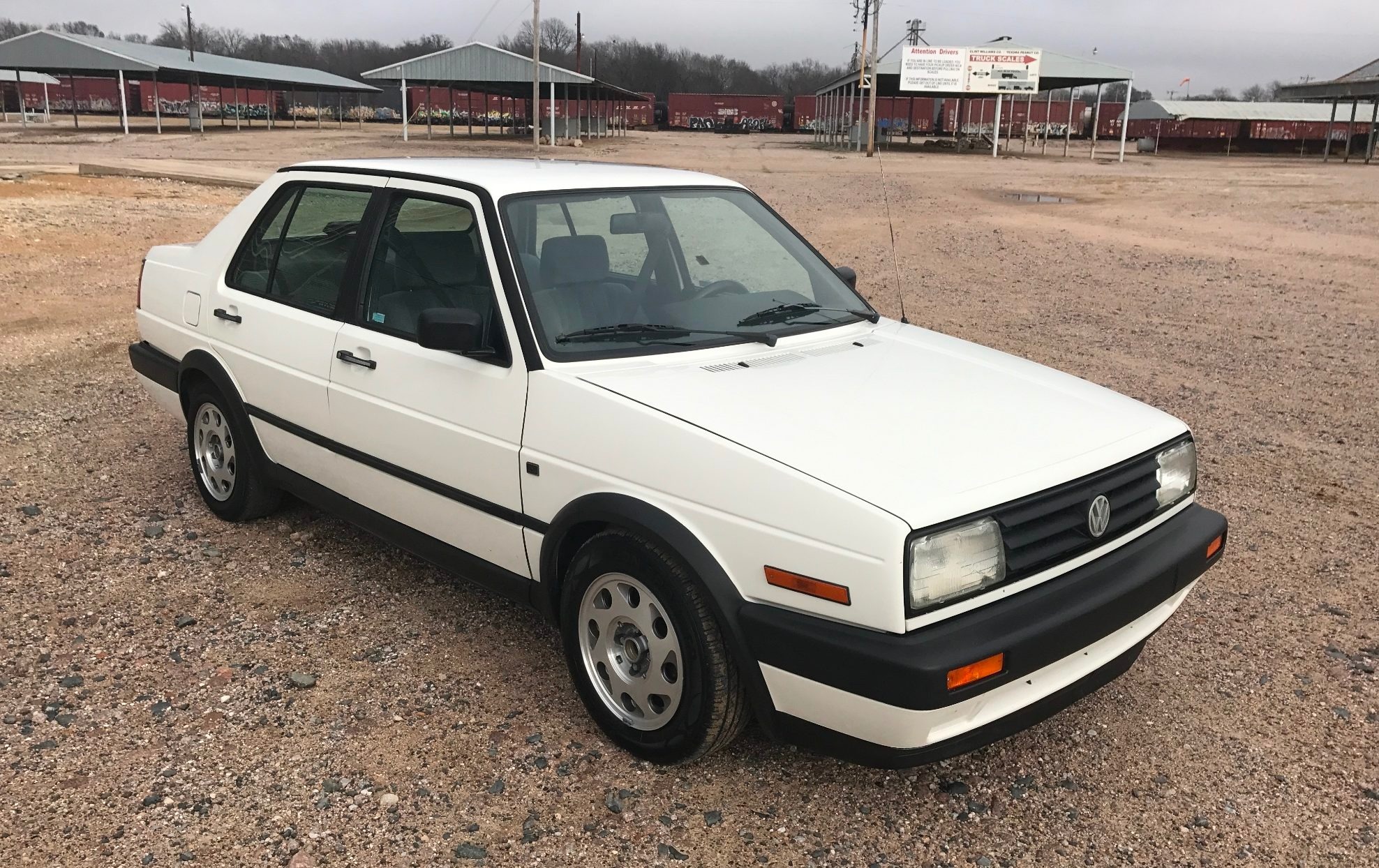
9. Volkswagen Jetta (older models)
As vehicles get older, their electrical and cooling components can become less dependable, and older Volkswagen Jetta models may show these issues more clearly during very hot Texas summers. Years of use can weaken batteries, starters, sensors, wiring, and other parts that help the car start and operate properly.
A component that is already worn does not need much additional pressure before it stops working. Extreme heat can provide that extra pressure. High temperatures can place additional demands on an aging battery, while a starter that is already becoming weak may struggle even more when the engine compartment becomes extremely hot.
Electrical connections can also cause trouble when they have corrosion, loose terminals, or damaged wiring. These problems may remain unnoticed during normal weather but become obvious when temperatures rise sharply.
That is why an older Jetta can operate normally for weeks before suddenly having trouble starting during the hottest part of summer. Drivers may notice symptoms such as slow engine cranking, clicking sounds when turning the ignition, dim electrical accessories, or occasional starting delays.
These warning signs should not be ignored, especially before a period of extreme heat. Owners can reduce the chance of being stranded by having the battery tested, checking the charging system, inspecting electrical connections, and examining the starter before summer temperatures reach their highest levels.
Replacing a weak component early is usually easier than dealing with a vehicle that refuses to start in a hot parking lot. Anyone buying an older Jetta should also request service records and arrange a professional inspection before making a purchase.
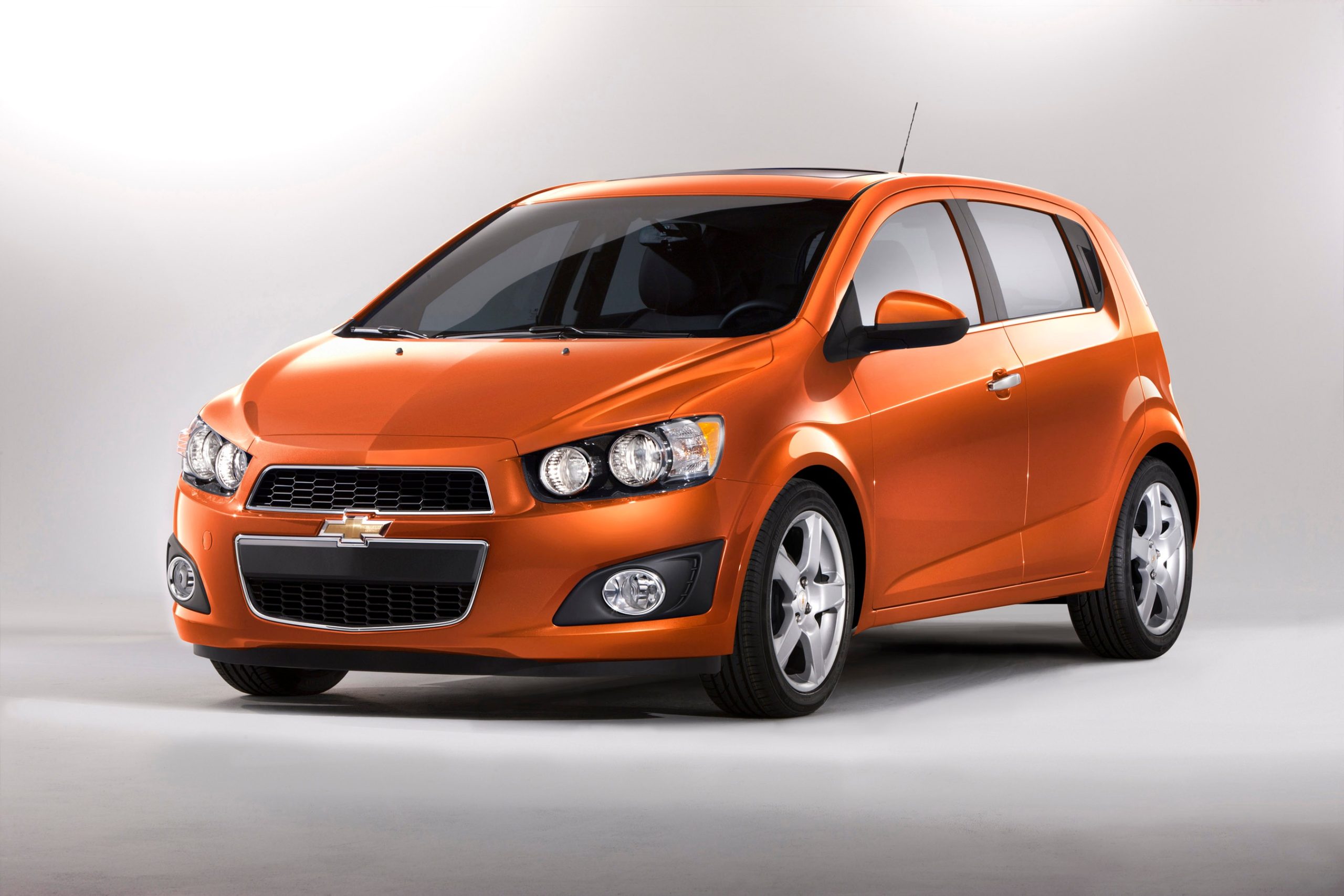
10. Chevrolet Sonic (2012-2014, 1.4L)
The Sonic shares more than just an engine size with its Cruze sibling. Certain 1.4L models from these years were affected by the same water-pump coolant-leak concern, a problem serious enough that General Motors’ bulletin specifically named these model years and engines as part of the affected group.
Coolant loss follows a familiar, troubling path once it starts. Reduced coolant means reduced cooling capacity, and reduced cooling capacity means your engine has less buffer against overheating, particularly during extreme summer conditions where ambient temperatures alone already push cooling systems close to their working limits.
Texas drivers face a tougher version of this problem than owners in milder climates might. A coolant leak that causes minor annoyance during a Midwest summer could push a Sonic engine toward genuine overheating risk during a Texas heat wave, where triple-digit days stretch on for weeks at a time.
Given that GM formally acknowledged this issue through an official bulletin, owners of affected Sonic models have a documented reason to stay vigilant. Regular coolant level checks throughout summer, along with prompt attention to any dashboard temperature warnings, offer a straightforward way to avoid getting stranded during Texas’s most demanding driving season.