
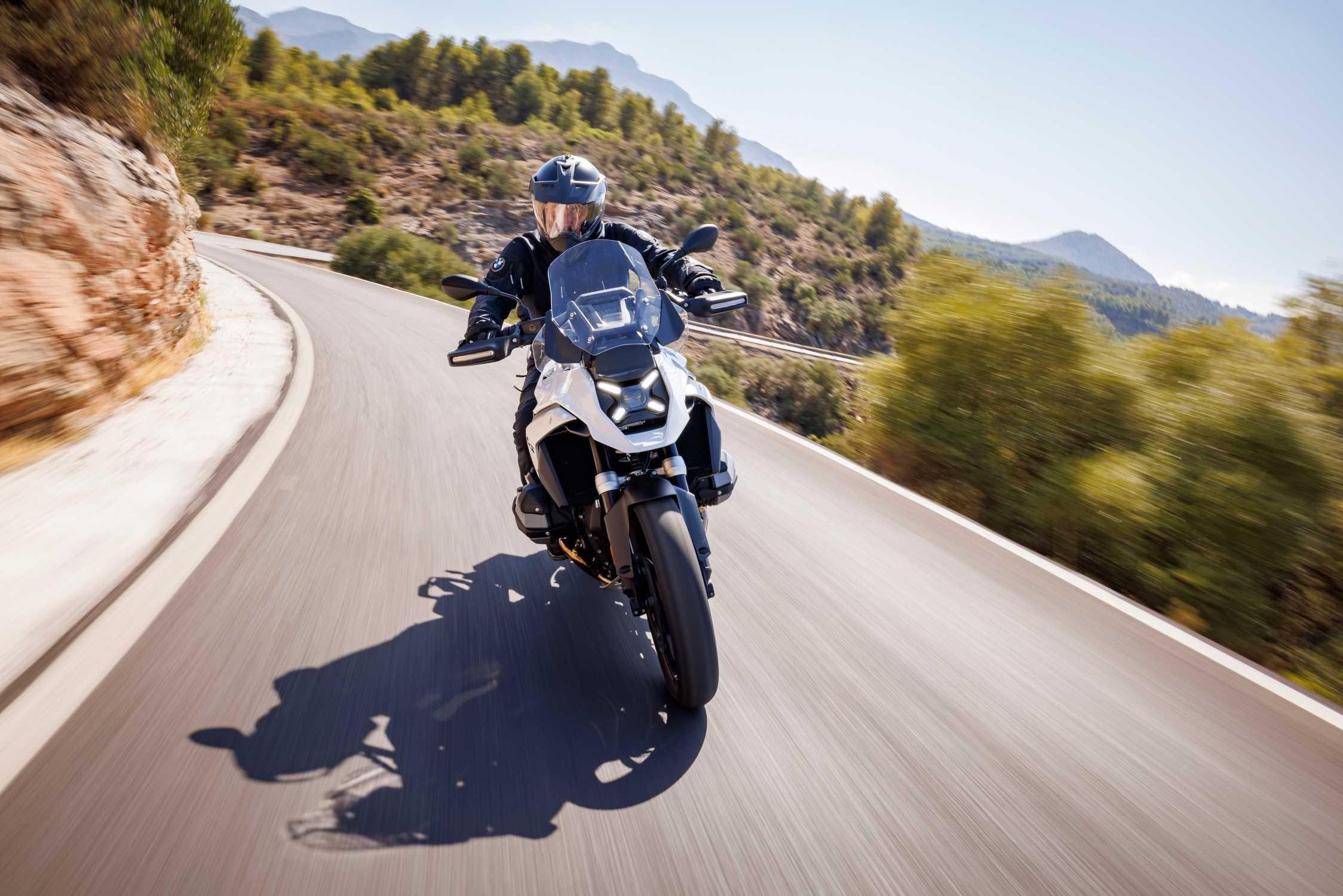
Most riders know the R 1300 GS for its new boxer engine. They know it makes 145 horsepower and weighs 26 pounds less than before. But underneath that headline story sits a layer of quieter engineering. BMW built systems into this bike that most owners never fully explore.
Some of these features solve problems riders didn’t know they had. Others quietly work in the background, never announcing themselves at all. This article digs past the spec sheet. It looks at the smaller, smarter systems tucked into the R 1300 GS.
From height-adjusting suspension to hidden emergency call systems, these details matter. They shape how the bike actually feels on a real ride. Each feature here was engineered with a specific rider problem in mind. Together, they explain why the GS still leads its class.
This is not a list of horsepower numbers or top speeds. It is a look at the thoughtful, often invisible technology underneath. Read on to discover twelve features that rarely make headlines. They deserve far more attention than they usually get.
1. Adaptive Vehicle Height Control
This is one of the GS’s cleverest hidden systems. It automatically lowers the bike as you slow to a stop. A hydraulic cylinder sits on each shock assembly, front and rear. A small motor pump unit sends pressure through these cylinders on demand.
At standstill, seat height drops from 33.46 inches down to 32.28 inches. That difference lets more riders get both feet flat on the ground. Once you pull away, the system quietly raises the chassis again. Full suspension travel and ground clearance return within about three seconds.
This means off-road capability is never sacrificed for everyday confidence. The bike gives you low-speed ease without touching high-speed composure.
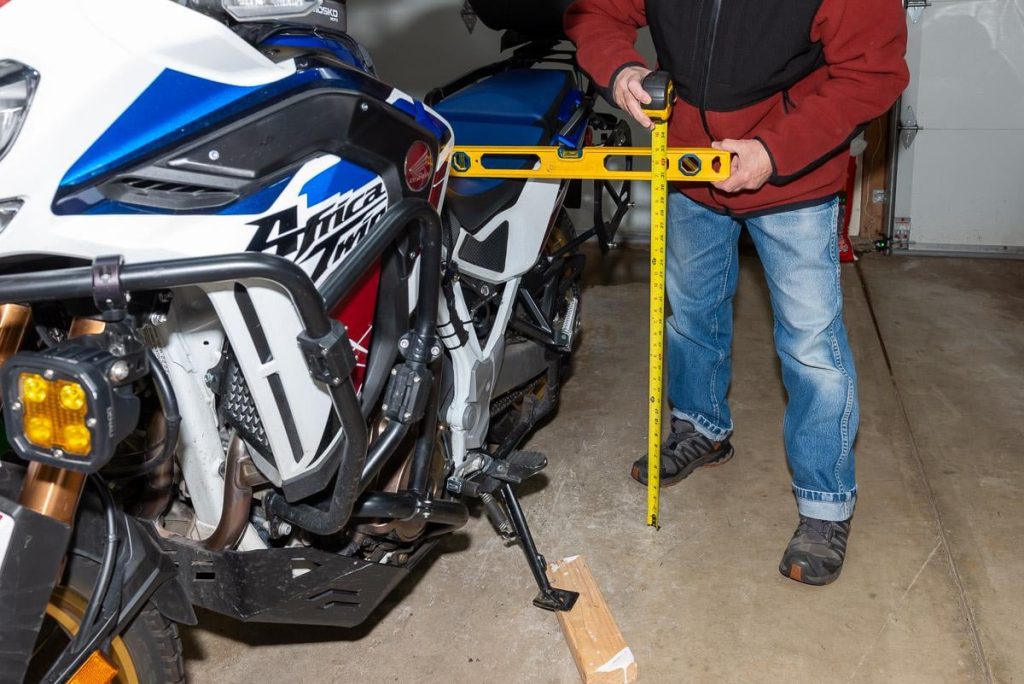
An optional “Comfort” version lowers the standard ride height by 20mm further. This suits shorter riders who still want the GS’s off-road ability. Most owners feel the transition without ever noticing the mechanism working. It simply feels like the bike understands what moment they’re in.
Very few adventure bikes offer anything close to this level of automation. It remains one of the GS’s most underrated engineering achievements today.
2. Comfort Prop-Up and Jacking Aid
Loading a fully packed GS onto its center stand used to be tough. Adventure bikes are heavy, and luggage adds significant extra weight. BMW solved this using the same height-control hardware from the suspension. Folding out the center stand triggers the chassis to self-align.
This dramatically reduces the physical effort needed to prop the bike up. Riders with less upper body strength benefit the most from this. The system only works with ignition switched on and height control fitted.
Repeated use can drain the battery if done too many times. If that happens, cycling the ignition off and on resets the function. It’s a small caveat for what is otherwise a major convenience.
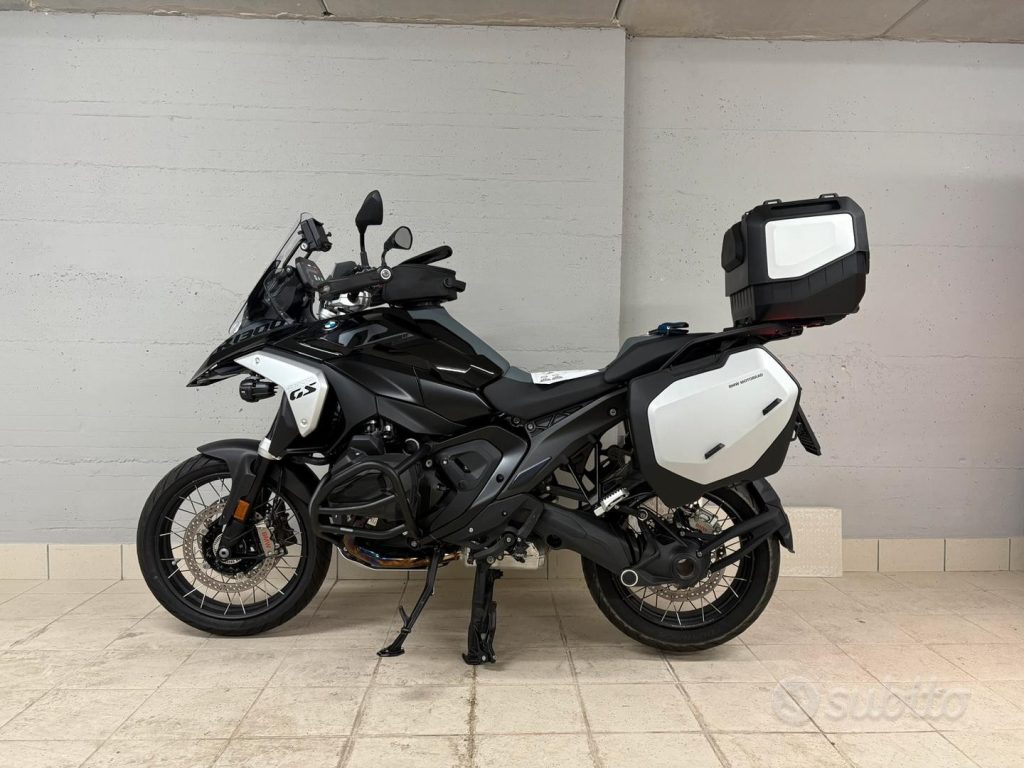
This feature rarely appears in marketing materials or brochure highlights. Yet longtime GS owners often call it one of their favorite additions. Two-up touring with full luggage used to strain even experienced riders. Now the bike essentially helps lift and stabilize itself during parking. It’s mechanical empathy, built quietly into the chassis design.
3. Engine Drag Torque Control (MSR)
Most riders have felt a rear wheel skip during aggressive downshifting. This happens when engine braking overwhelms available rear-tire traction suddenly.
MSR was built specifically to prevent that unstable, unsettling moment. It detects excessive rear brake slip caused by engine drag torque. When triggered, the system opens the throttle valves almost instantly. This equalizes drag torque and stabilizes the chassis within milliseconds.
The response actually changes depending on which riding mode is selected. In Eco, Rain, and Road modes, MSR prioritizes maximum stability always. In Dynamic and Dynamic Pro modes, slightly more slip is permitted. This preserves a sportier, more connected feel for experienced riders.
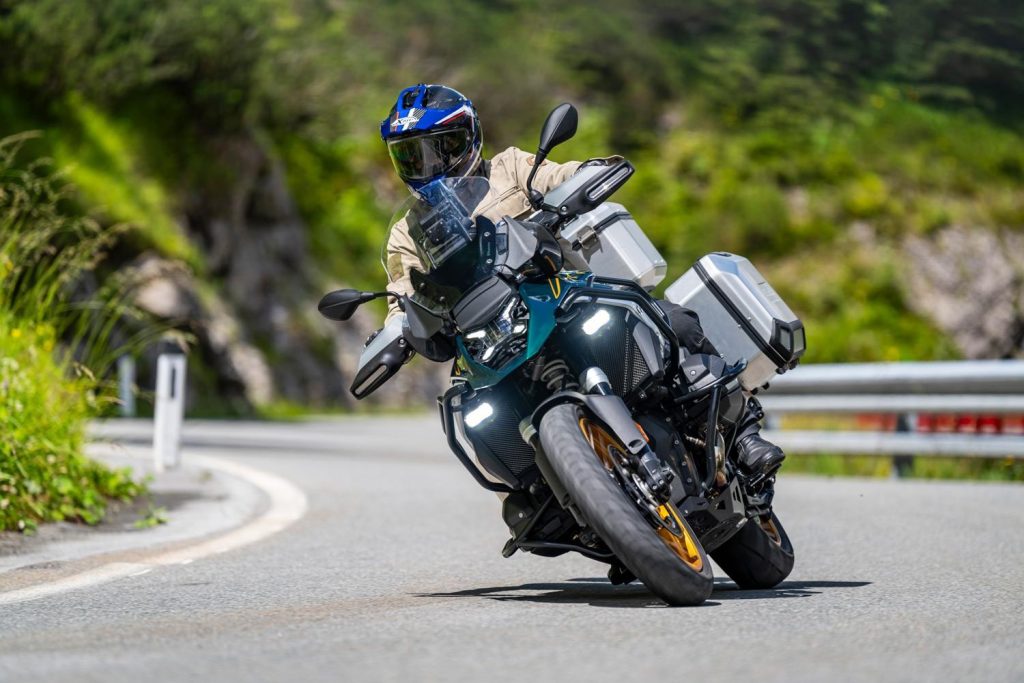
In Enduro mode, drag torque reduction becomes minimal by design. This lets skilled off-road riders use engine braking for traction control. In Enduro Pro, the system deactivates completely for full manual control.
Advanced riders can then manage wheel slip entirely on their own terms. Most riders never consciously notice MSR working during normal riding. That invisibility is exactly the point of good safety engineering.
4. Hill Start Control (HSC)
Hill starts on a loaded adventure bike can be genuinely stressful. Balancing throttle, clutch, and brake while stopped uphill takes real skill. Hill Start Control removes much of that pressure from the rider. A firm squeeze of either brake lever activates the holding function.
The system then holds the bike in place without any rider input. This works even carrying a passenger and a full set of luggage. Deactivation happens automatically the moment you apply throttle again.
There’s no separate button to remember or extra step to manage. This is standard equipment across the entire R 1300 GS lineup. Many competing adventure bikes still charge extra for similar functionality.
It becomes especially valuable during multi-day trips through mountainous terrain. Steep fuel stops or trailhead parking spots stop feeling intimidating.
New riders benefit enormously from this confidence-building safety net. Experienced tourers appreciate it just as much on long, tiring days. It’s a small system that quietly removes one common source of stress.
5. Automated Shift Assistant (ASA)
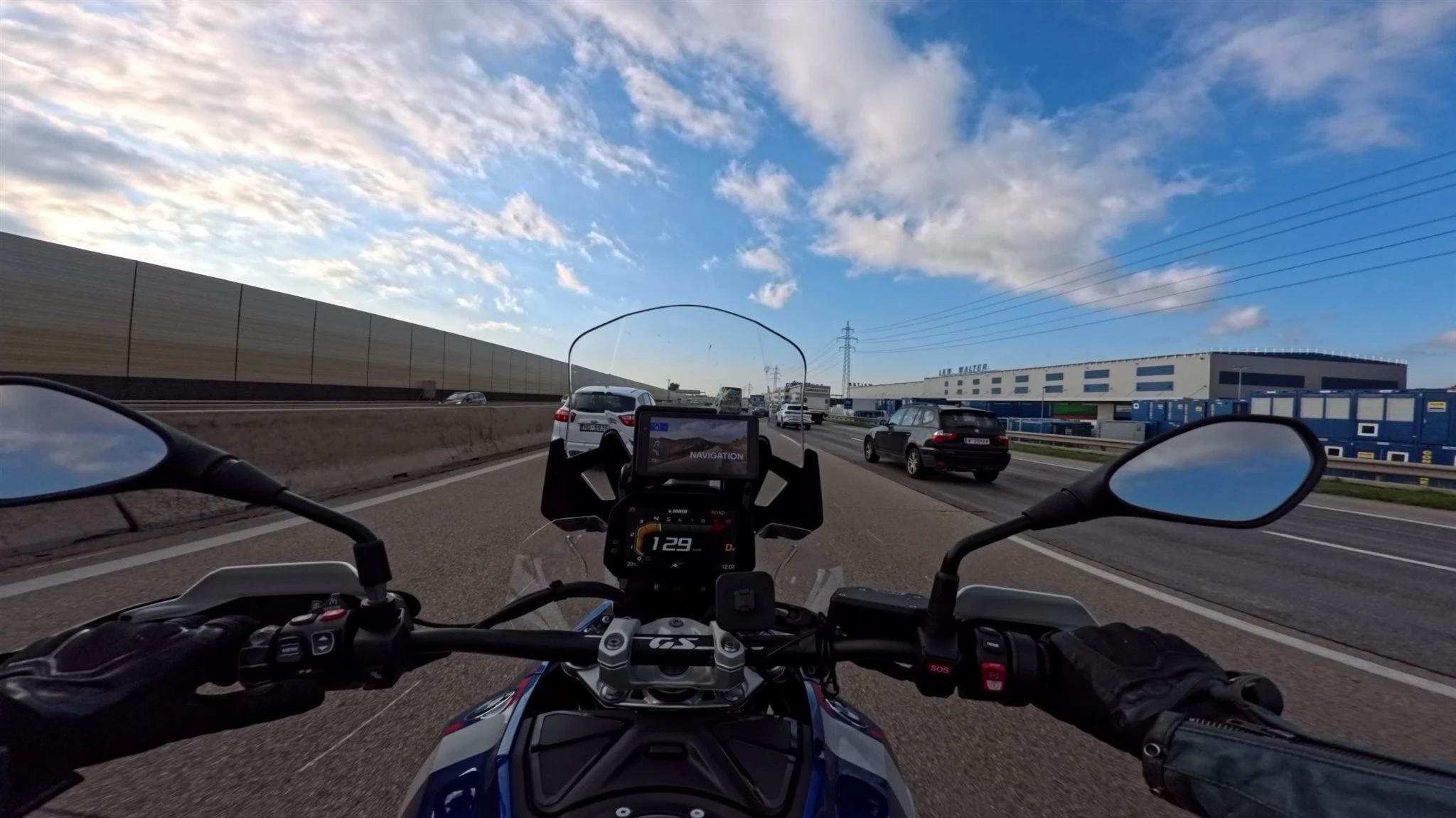
ASA is arguably the most overlooked technology on the new GS. It’s an optional, fully automated clutch system for the transmission. Riders can still shift manually using the conventional foot lever. Alternatively, the system can shift automatically without any clutch input at all.
BMW designed the system to adapt shift behavior to riding style. It learns whether a rider prefers relaxed touring or sportier transitions. This effectively eliminates the risk of stalling from mistimed gear changes.
That’s particularly useful in slow, technical off-road sections. Unlike a traditional automatic gearbox, ASA still uses a conventional transmission. It simply removes the clutch lever from the rider’s list of tasks.
Long-distance touring riders often find this reduces fatigue significantly. Fewer hand movements over a twelve-hour day add up considerably. Off-road specialists sometimes prefer to disable it for full manual control. BMW built the system flexible enough to satisfy both riding styles. Few adventure bikes on the market offer anything this sophisticated.
6. Headlight Pro Adaptive Cornering Light
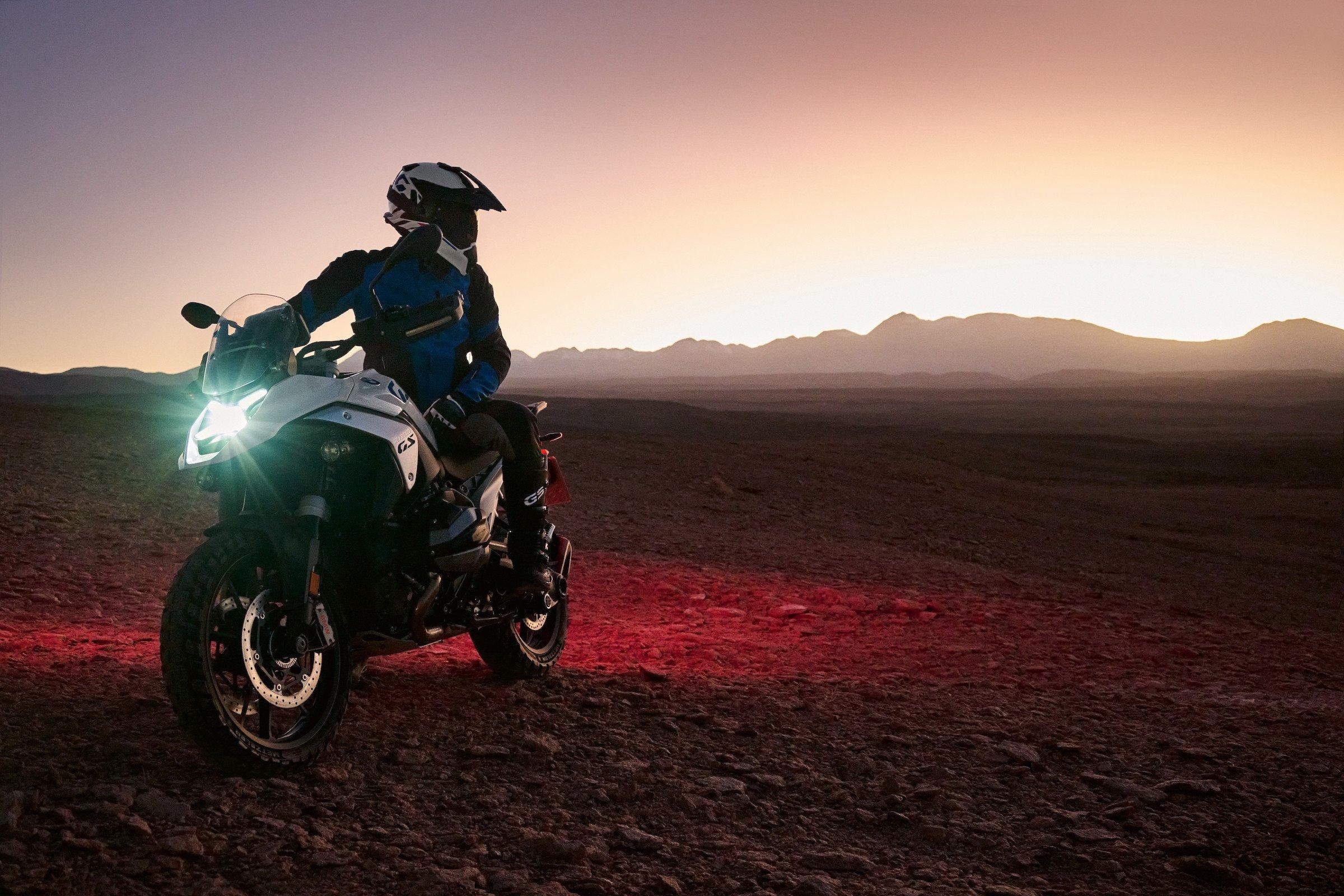
The standard R 1300 GS already features a Matrix LED headlight. Headlight Pro adds an adaptive turning function on top of that. As the bike leans into a corner, the headlight beam pivots too. This keeps the road illuminated through the apex, not just straight ahead.
Lean-angle sensors already used for traction control feed this system. No extra hardware beyond the headlight unit itself is required. Night riding on unfamiliar, winding roads benefits enormously from this feature.
Blind corners become noticeably less intimidating with proper beam coverage. This technology traces back to systems first seen in BMW’s cars. Adapting it to a leaning motorcycle required completely different engineering.
It remains optional equipment rather than standard across all trims. Many buyers skip it, unaware of how much it improves visibility. Riders who tour extensively after dark consistently rate this among their favorites.
It transforms unlit backroads from cautious crawls into confident rides. Very few adventure motorcycles offer true cornering-adaptive lighting like this.
7. Keyless Ride with Backup Ring Antenna
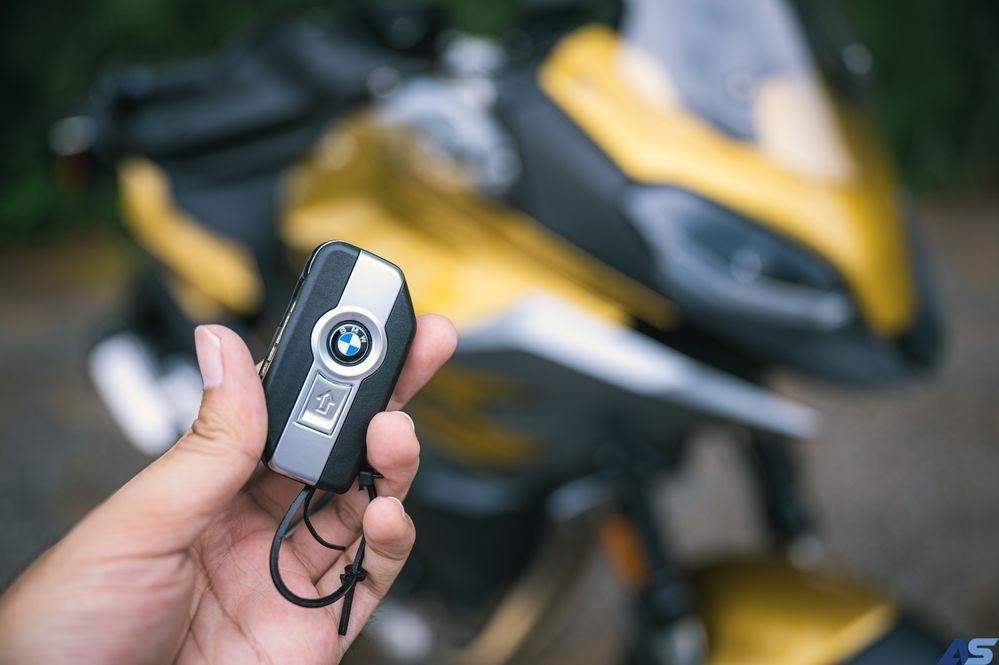
Keyless Ride lets riders start, lock, and unlock without a physical key. A radio-operated fob handles ignition, steering lock, and fuel cap access. But BMW built in a clever backup for a rare situation. If the fob’s battery dies, the bike can still be started. A spare key is placed into a ring aerial mounted under the seat. This lets the immobilizer read the key’s chip directly, bypassing the radio signal.
Most owners never learn this trick exists until they genuinely need it. It’s the kind of detail that only surfaces during real trouble. The fob itself uses an LED to indicate its remaining battery charge. Catching a low battery early avoids getting stranded somewhere remote.
This system also secures the steering head and fuel filler electronically. Fewer physical locks mean fewer parts that can wear or fail. For riders touring through remote regions, this backup matters enormously. A dead fob far from a dealer would otherwise end the trip. It’s a small, thoughtful redundancy hidden deep in the ownership manual.
8. Riding Modes Pro Customization
Every R 1300 GS ships with four standard riding modes included. These cover Rain, Road, Eco, and off-road-focused Enduro settings. Riding Modes Pro adds three more: Dynamic, Dynamic Pro, and Enduro Pro.
Each fine-tunes throttle response, traction control, and suspension behavior differently. What’s less known is how deeply riders can customize mode selection. The settings menu allows choosing between two and four active modes.
This means a rider can strip the list down to just two. Eco and Road might be all a commuter ever actually needs. Alternatively, a rider chasing performance can load Dynamic and Dynamic Pro instead. Off-road adventurers might prioritize Enduro and Enduro Pro exclusively.
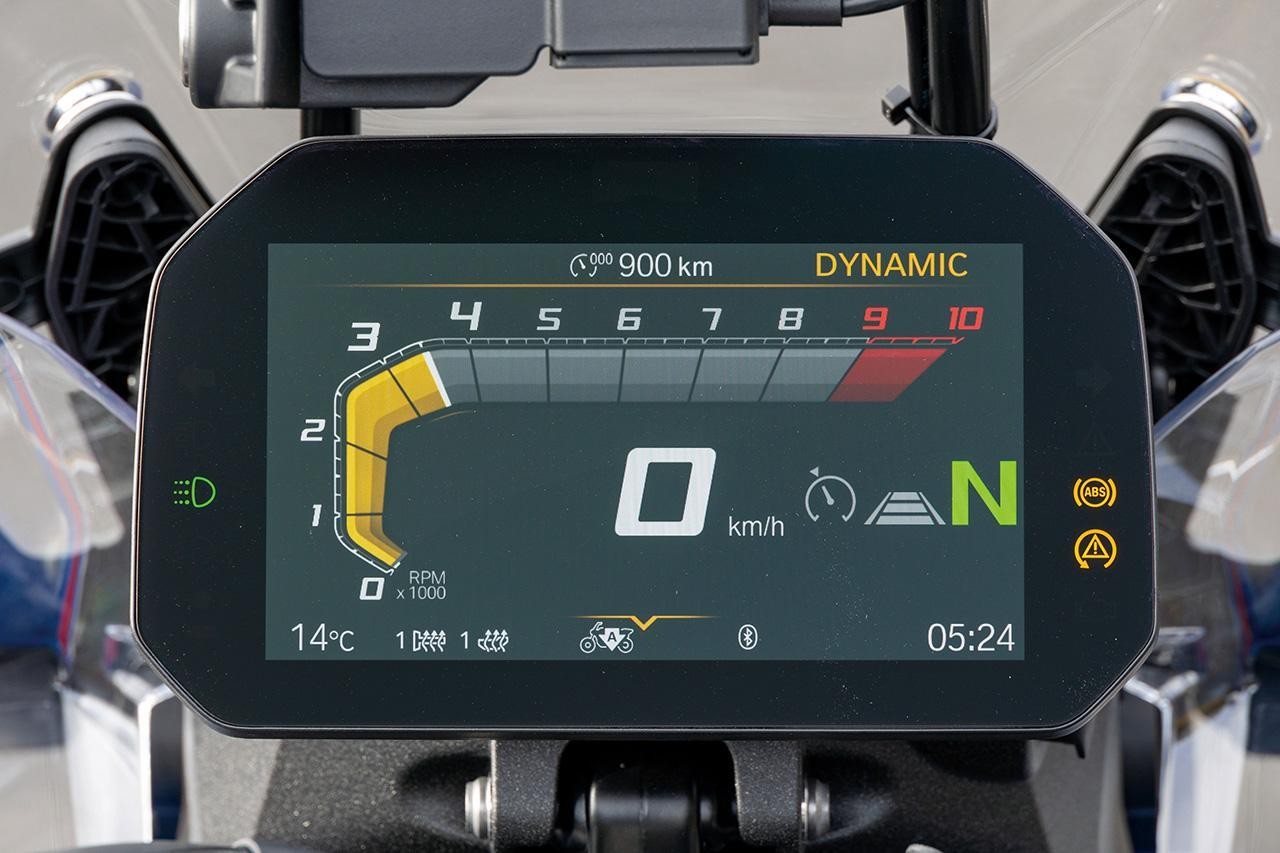
Dynamic Pro and Enduro Pro also allow further individual parameter adjustment. Traction intervention and throttle mapping can be tuned within each mode.
This flexibility rarely gets mentioned in typical dealership walkarounds. Most new owners simply cycle through default settings without exploring further. Spending an afternoon in the menu system genuinely transforms the ownership experience.
9. Intelligent Emergency Call
Hidden within the GS’s electronics is a genuinely life-saving system. Intelligent Emergency Call automatically detects a crash using onboard sensors.
When a serious impact or tip-over is detected, it acts immediately. The system contacts an emergency response center without any rider input. GPS location data gets transmitted automatically along with the alert. This matters enormously for riders on remote, sparsely traveled roads.
Solo adventure touring carries real risk if something goes wrong unnoticed. This system was designed specifically to close that dangerous gap. Riders can also trigger the call manually if they witness an accident. A dedicated button makes activation simple, even while wearing gloves.
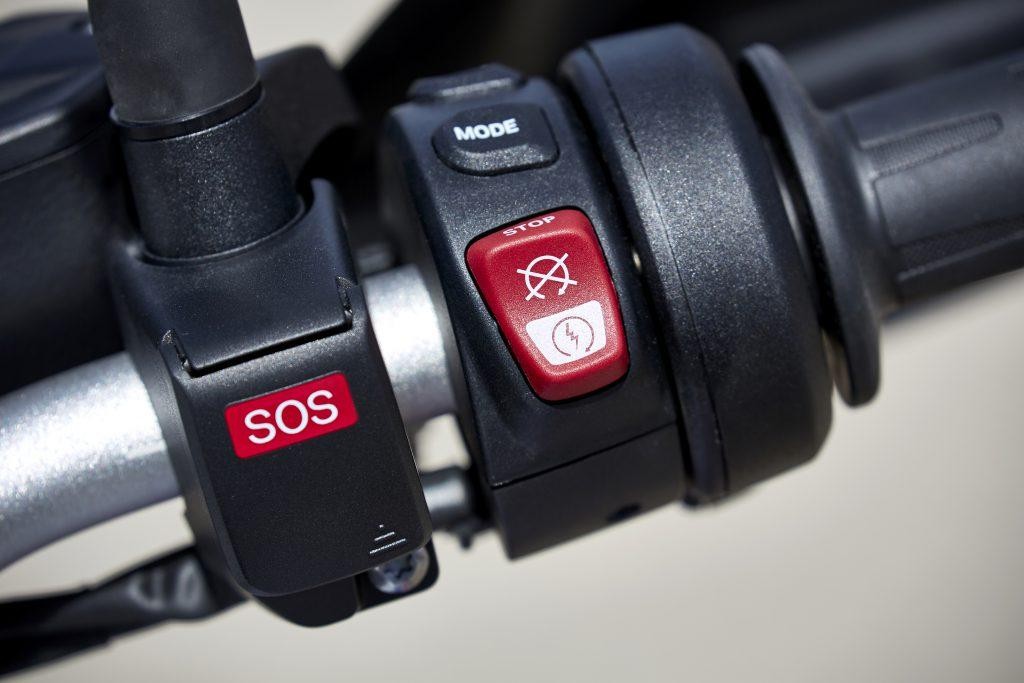
The feature relies on a paired smartphone and the BMW Motorrad app. Without that connection established, functionality becomes significantly more limited.
Many owners set up their phone once and quickly forget it exists. That’s precisely the point of a well-designed safety background system. It’s easy to overlook until the exact moment it becomes essential.
10. Dynamic Brake Control (DBC)
Panic braking on a loaded adventure bike can get genuinely dangerous. Riders sometimes grab too much front brake and not enough rear. Dynamic Brake Control was built to manage exactly this scenario. It detects rapid, hard brake lever application consistent with an emergency stop.
Once triggered, the system automatically optimizes brake force distribution front and rear. This happens instantly, working alongside the bike’s full Integral ABS Pro.
The goal is maximum stopping power without destabilizing the chassis. This matters even more with a passenger and luggage adding weight. DBC works quietly in the background during nearly every ride. Most riders never consciously trigger it during normal, controlled braking.
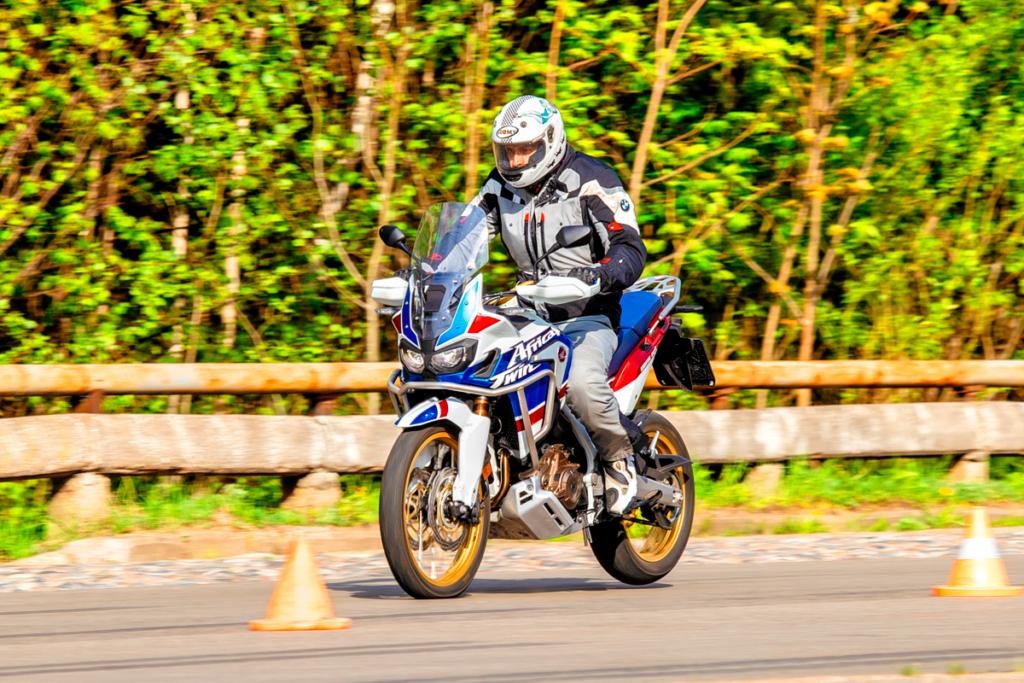
It only becomes noticeable in a genuine, high-stress emergency situation. That’s exactly when a rider has no bandwidth to think about technique. Combined with cornering ABS, this creates a remarkably comprehensive safety net. Few adventure bikes integrate braking intelligence this thoroughly across systems.
11. ShiftCam Variable Valve Timing
Deep inside the new boxer engine sits BMW’s ShiftCam technology. It’s easy to overlook since it lives entirely inside the crankcase. ShiftCam allows the intake camshaft to switch between two distinct profiles. One profile favors low-end torque and smooth, everyday rideability.
The second profile favors higher-rpm power and stronger top-end performance. The engine automatically selects between them based on load and rpm.
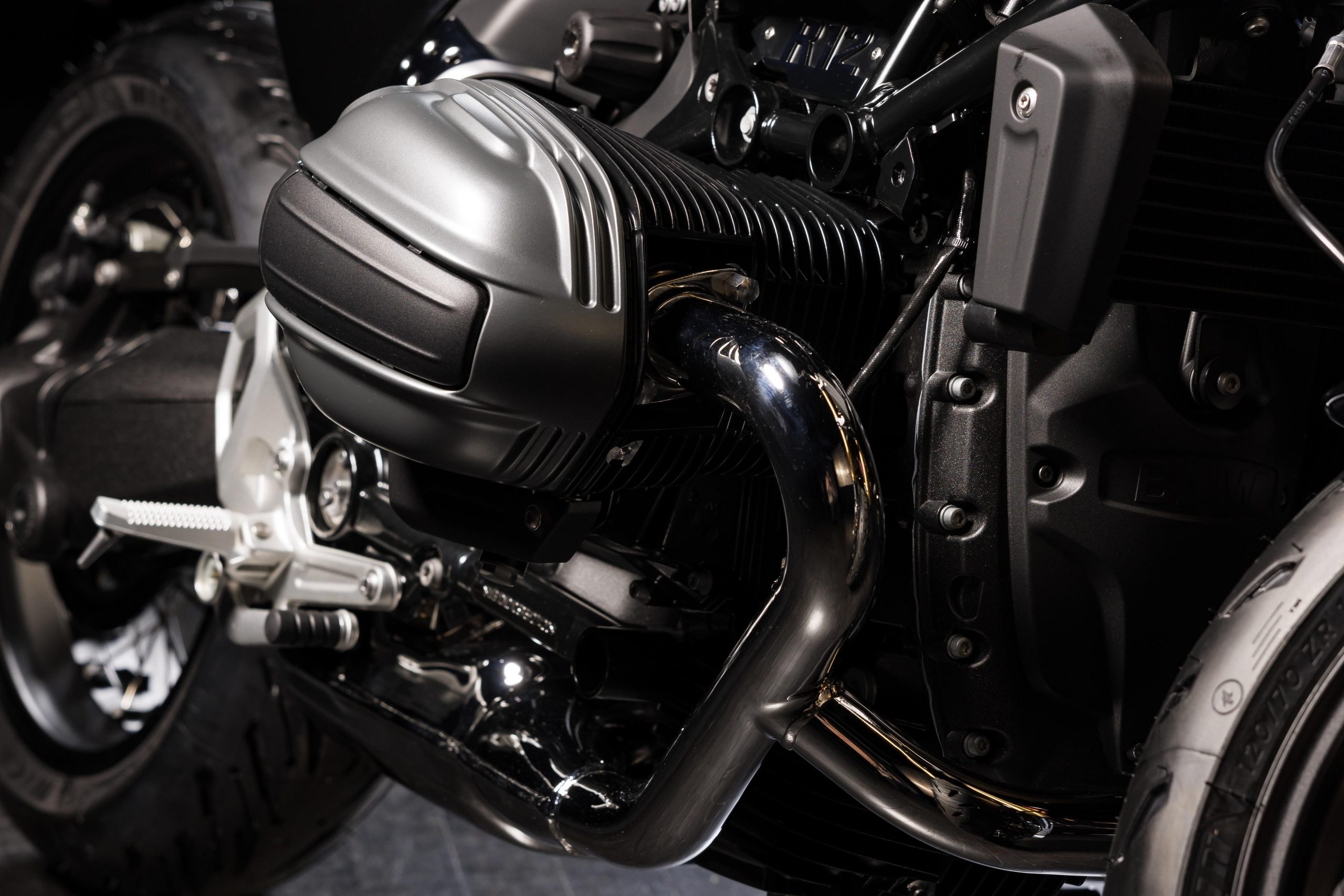
Intake valves measure 44mm, with exhaust valves sized at 35.6mm. This larger valve architecture supports the engine’s higher output. The system allows the R 1300 GS to make more power than before. Remarkably, it does this while maintaining similar real-world fuel economy.
This technology first appeared on smaller BMW boxer engines years earlier. Its expansion to the flagship GS required substantial re-engineering work.
Most riders simply feel a smooth, broad spread of usable power. Few realize a camshaft is physically shifting profiles beneath them mid-ride. It’s a genuinely elegant piece of hidden mechanical engineering.
12. Battery Guard via the BMW Motorrad App
Adventure bikes often sit unused for weeks between longer trips. Battery drain during storage remains a common, frustrating ownership problem. The R 1300 GS uses a lithium-ion starter battery paired with Battery Guard. This system continuously monitors battery charge state and health.
Through the BMW Motorrad Connected app, owners can check status remotely. There’s no need to physically inspect the bike or attach a tester. If charge drops below a safe threshold, the system can alert the rider. This helps prevent a dead battery from ruining a planned departure.
Because features like Keyless Ride and height control draw constant power, this matters. Electronic convenience features quietly increase a bike’s parasitic battery draw over time.
Battery Guard essentially offsets that risk through proactive digital monitoring. It’s a quiet software feature working alongside sophisticated hardware underneath.
Owners who tour infrequently benefit most from this kind of oversight. It catches problems long before they become an inconvenient surprise. Like several features here, its value is invisible until genuinely needed.
