Luxury cars promise comfort, performance, advanced technology, and prestige, but experienced mechanics often judge them by a different standard. They look beyond polished interiors and impressive badges to study reliability, repair access, parts costs, engine design, transmission behavior, and long-term ownership risks.
That perspective can reveal why some expensive cars earn respect in professional garages while others create caution. A mechanic who works on premium vehicles every week usually knows which models make sense after the warranty expires.
This article examines four luxury cars mechanics tend to appreciate as used purchases and four that can make ownership considerably more complicated for budget-conscious drivers over time.
Luxury Cars Mechanics Tend to Buy
1. Lexus LS
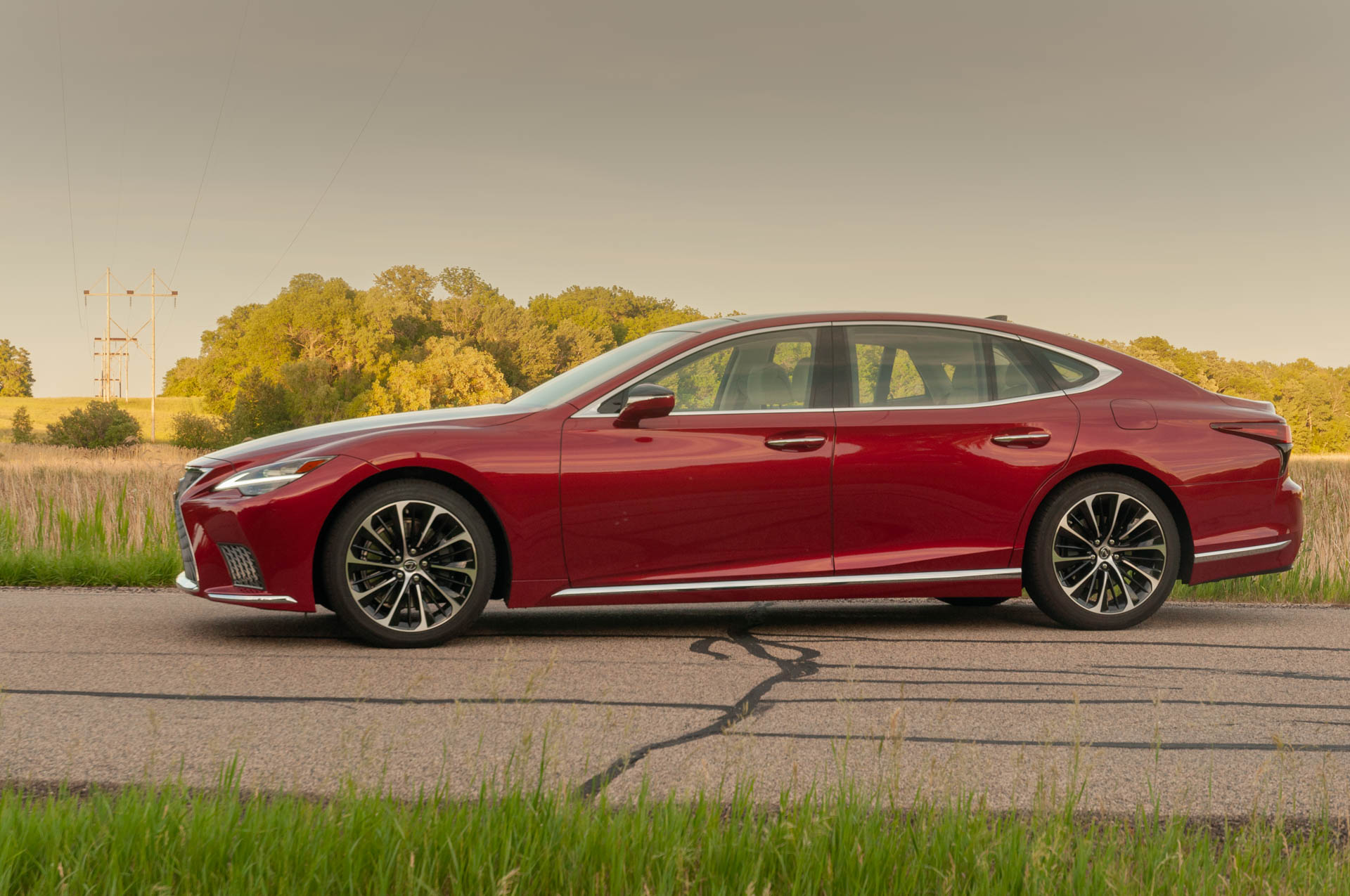
The Lexus LS has built a strong reputation among automotive professionals because it combines luxury with a generally conservative approach to engineering. Models such as the LS 400, LS 430, LS 460, and later LS generations have offered refined cabins, smooth power delivery, and substantial build quality.
Mechanics often appreciate Toyota’s engineering culture, especially when comparing the LS with similarly priced European sedans from the same periods.
A well-maintained LS may accumulate substantial mileage without requiring the kind of frequent attention that some high-performance luxury vehicles demand. Its appeal comes from the fact that comfort does not necessarily require excessive mechanical complexity.
The LS 400 is particularly respected among technicians and long-term owners. Its 1UZ-FE V8 became famous for smooth operation, durable construction, and careful engineering. The engine was not designed primarily to chase extreme horsepower figures, which helped support its reputation for longevity.
Later LS models became more technologically sophisticated, so their maintenance requirements can be greater, but the fundamental approach remained focused on refinement and durability. Mechanics who buy older luxury cars often understand that a simpler and well-engineered powertrain can be more valuable than a dramatic specification sheet.
Parts availability also matters when a luxury car reaches its second or third owner. Lexus shares engineering and manufacturing resources with Toyota, giving many models access to an established parts network. That does not mean every LS component is inexpensive.
Luxury suspension systems, electronic modules, air-conditioning components, and body parts can still cost significant amounts. The difference is that routine mechanical work is often more predictable. A technician familiar with Toyota and Lexus vehicles may already understand many of the systems involved, reducing diagnostic uncertainty.
Another advantage is the LS driving experience. It provides the quiet ride, spacious cabin, and smooth acceleration expected from a premium sedan without relying entirely on aggressive performance technology. For someone purchasing a used luxury car, that balance can make sense.
A buyer may sacrifice some of the excitement offered by a German performance sedan, yet gain a vehicle that feels relaxed and substantial. Mechanics often value this type of compromise because they know how quickly performance-oriented hardware can increase maintenance expenses as a vehicle ages.
The key condition is maintenance history. Even a highly regarded Lexus can become expensive if previous owners ignored fluids, cooling-system problems, suspension wear, or electrical faults. A mechanic is more likely to purchase an LS after a proper inspection than simply choosing it because of the badge.
Service records, fluid condition, engine behavior, transmission operation, suspension health, and electronic functions should all be checked. When the right example is found, the LS can provide a compelling combination of luxury, durability, and long-term usability.
2. Lexus GX
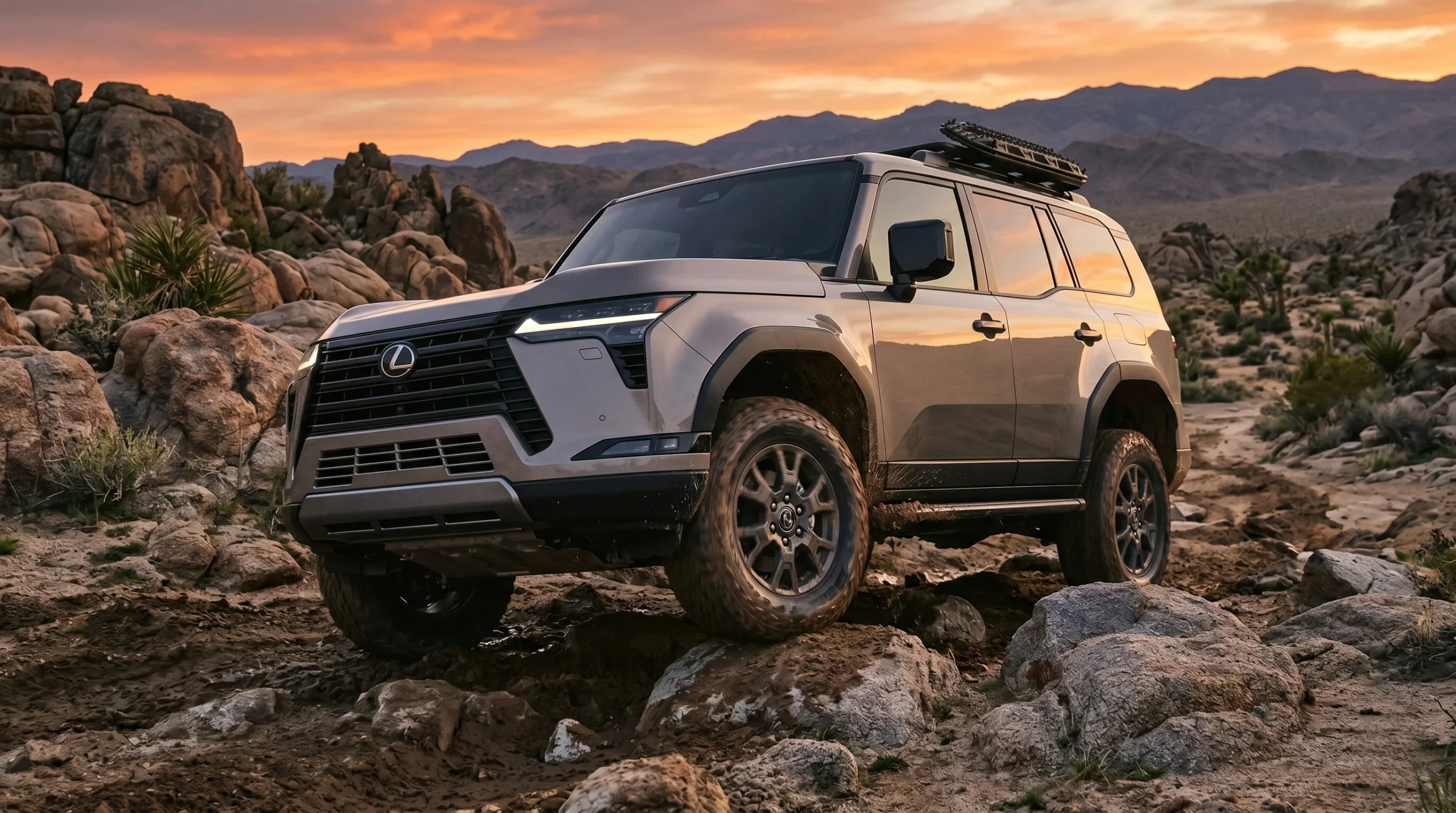
The Lexus GX appeals to mechanics for a different reason. It combines luxury equipment with a body-on-frame platform and hardware designed for demanding driving conditions. The GX has strong connections to Toyota’s global SUV engineering, particularly the Land Cruiser Prado family.
That relationship gives the vehicle a reputation for toughness that many luxury crossovers cannot easily match. For buyers who want premium comfort but also value mechanical durability, the GX can be an attractive used vehicle.
The body-on-frame design contributes to the GX’s distinctive character. It is heavier and less car-like than many modern luxury SUVs, but that construction supports towing and off-road use. A mechanic may appreciate the straightforward nature of many chassis components because they are designed for durability rather than minimum weight.
The suspension, drivetrain, and four-wheel-drive system can still be sophisticated, but the underlying architecture is built around demanding conditions. This gives the GX a different ownership proposition from a low-slung luxury crossover.
Toyota’s V8-powered GX models also earned considerable respect for their durability. The 4.7-liter and later 4.6-liter V8 engines were designed for smooth operation and substantial service life. Regular oil changes, cooling-system maintenance, timing-belt service on applicable engines, and attention to drivetrain fluids remain essential.
A durable engine is not a substitute for maintenance. Mechanics know that neglect can turn a reliable SUV into an expensive repair project regardless of its reputation.
There is also a practical reason some technicians favor the GX. The vehicle has a strong enthusiast and owner community, which supports the availability of service information, aftermarket components, technical discussions, and repair experience. That knowledge can make diagnosing older vehicles easier.
A mechanic who has seen hundreds of GX models can often recognize common wear patterns quickly. Familiarity is valuable when working on an aging luxury vehicle because diagnostic time can become a significant part of the repair bill.
The GX is not perfect. Fuel economy is generally poor compared with smaller luxury crossovers, and its heavy construction can accelerate wear on brakes, tires, and suspension components. Some advanced features can also become costly with age.
Still, mechanics who want a luxury SUV for long-term ownership often view the GX as a sensible choice because its core mechanical design prioritizes durability. A carefully inspected example with complete maintenance records can offer premium comfort without abandoning the rugged engineering found underneath.
3. Acura TL
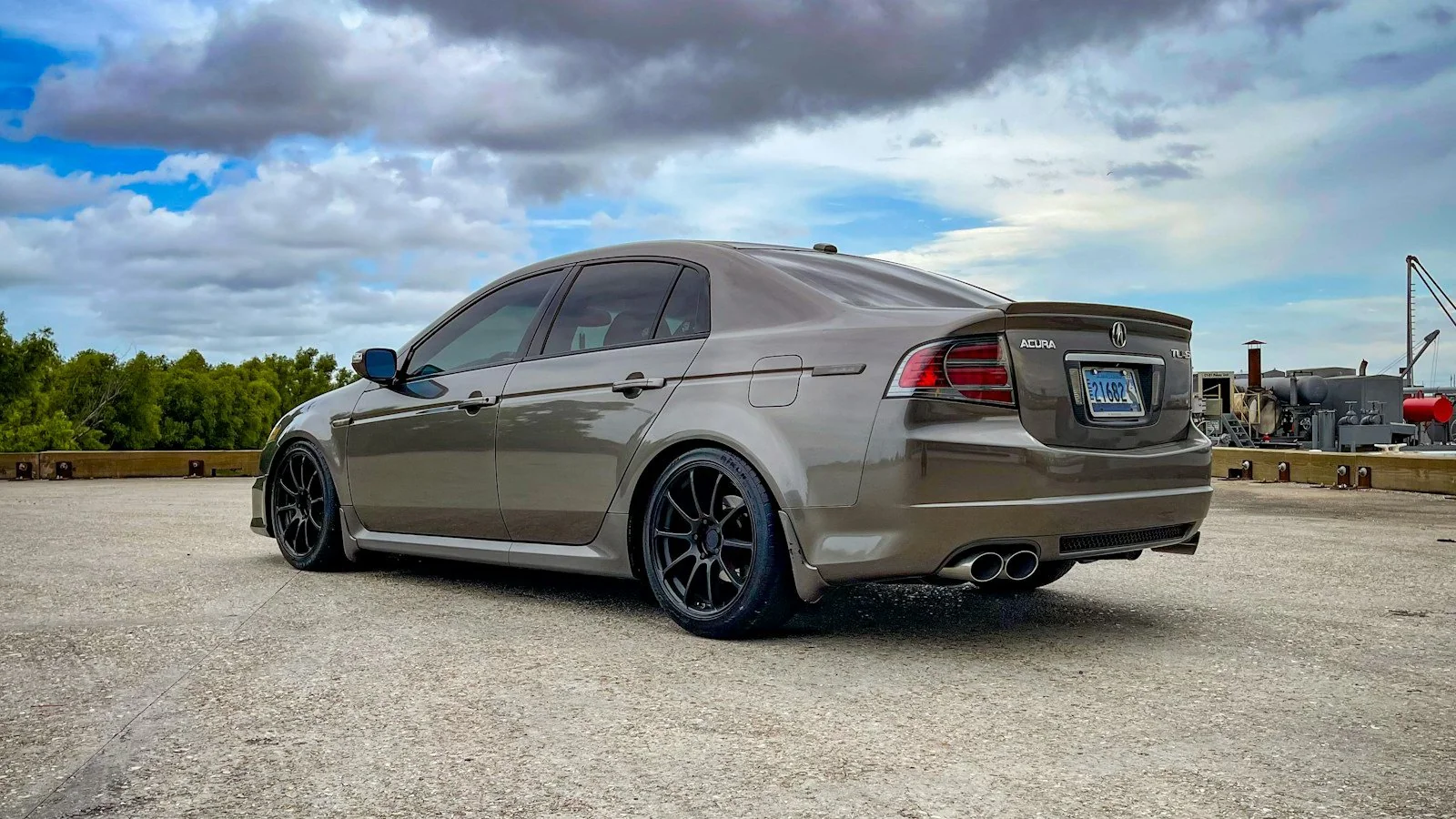
The Acura TL represents a different type of mechanic-friendly luxury car. Rather than using a huge engine or an elaborate chassis, it combines Honda engineering with premium equipment and strong road manners.
Various TL generations used naturally aspirated V6 engines, automatic transmissions, and relatively conventional front-wheel-drive layouts. That formula can make the car easier to understand and maintain than some higher-end European competitors.
Honda and Acura vehicles have long benefited from broad mechanical familiarity among independent repair shops. Many technicians have extensive experience with Honda V6 engines, suspension components, braking systems, and electrical architecture.
This matters because labor costs can become a major expense once a luxury vehicle ages. A model that many mechanics know well may require less diagnostic time and may have a wider range of replacement parts.
The TL also offers an important advantage for used-car buyers: it can deliver genuine luxury without requiring the purchase price of a modern flagship sedan. Heated seats, premium audio, leather upholstery, navigation, strong climate control, and powerful V6 engines were available on various generations.
A buyer can therefore experience many premium features while spending considerably less than the original retail price. Mechanics often understand that depreciation can make certain older luxury cars unusually attractive, provided their mechanical condition is sound.
There are known issues that deserve attention. Some Acura TL generations and engines have had specific concerns involving transmissions, oil consumption, engine mounts, suspension components, electrical equipment, and other age-related problems.
These issues vary by model year and engine configuration, so buyers should research the exact vehicle rather than assuming every TL has identical reliability. A pre-purchase inspection remains essential. Mechanics typically look at transmission behavior, fluid condition, steering components, suspension wear, leaks, cooling systems, and evidence of neglected maintenance.
The TL makes sense for a mechanic who wants an inexpensive path into premium ownership and is willing to choose carefully. It does not have the prestige or isolation of a large flagship sedan, but it offers a strong balance of performance, comfort, practicality, and repair familiarity.
The best examples are those with documented servicing and reasonable mileage for their age. When maintenance has been handled properly, the TL can deliver much of the experience buyers expect from a luxury sedan without bringing every expensive feature found in more complicated rivals.
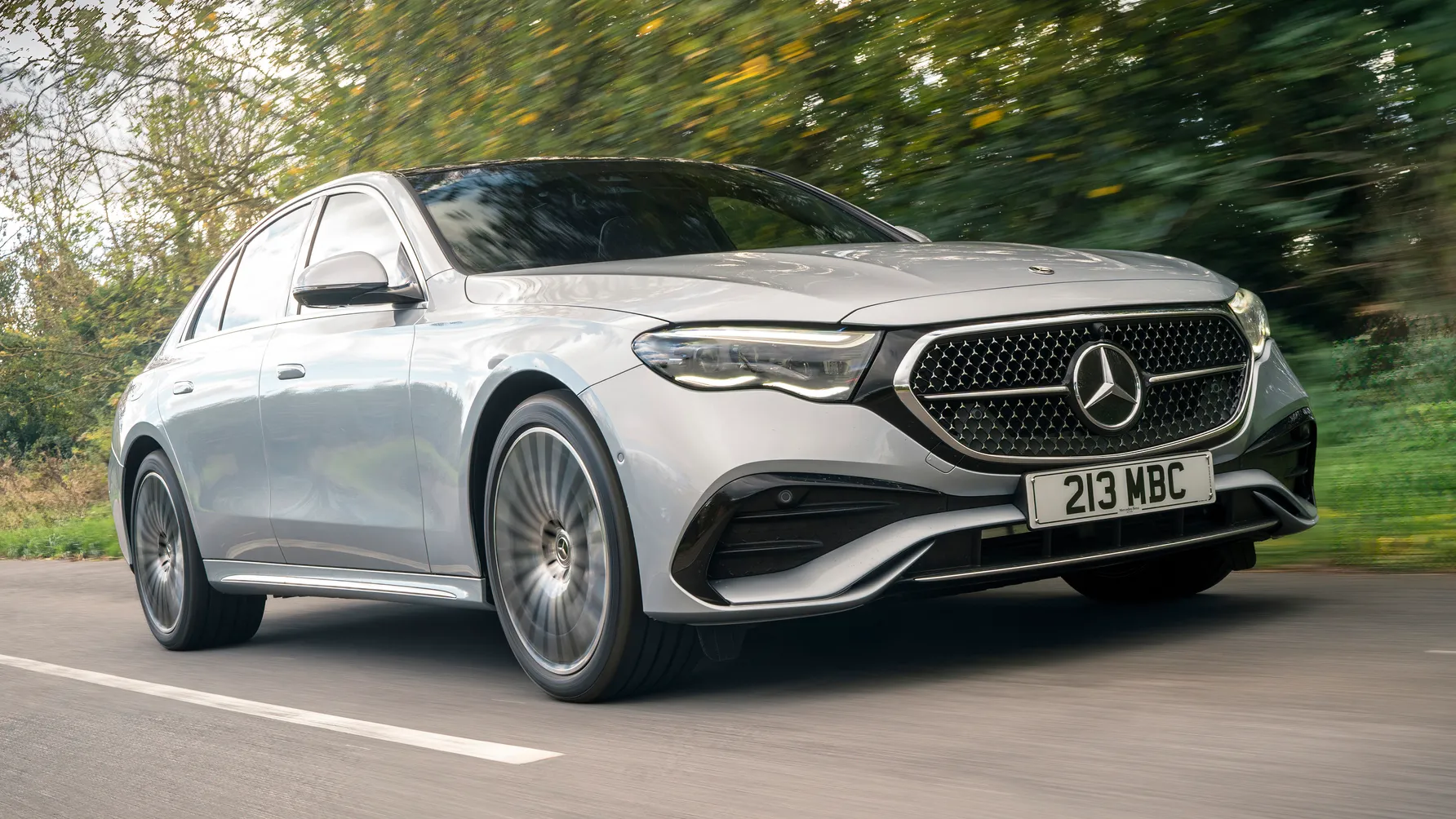
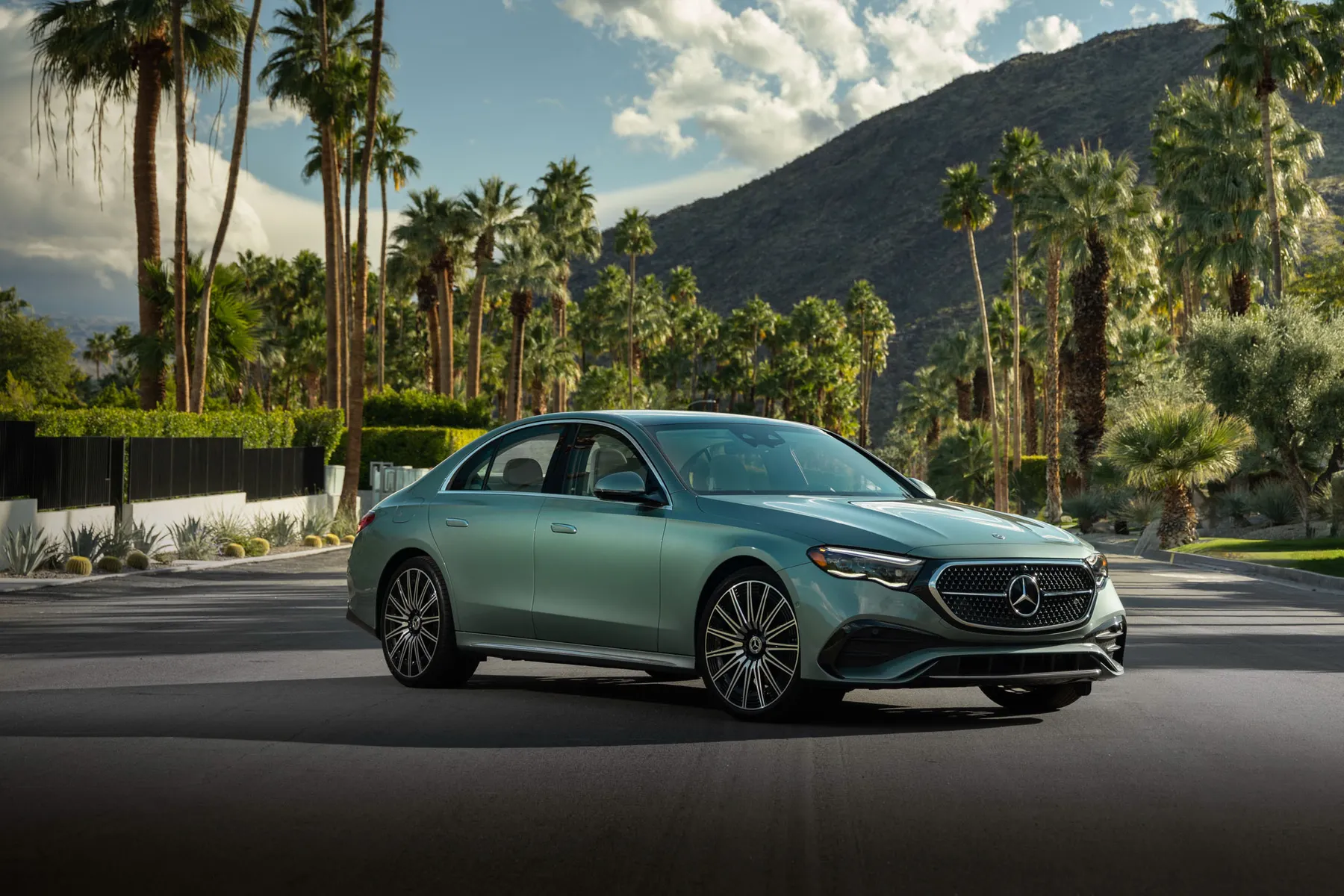
4. Mercedes-Benz E-Class
The Mercedes-Benz E-Class might seem like an unusual choice for a mechanic-friendly luxury car because Mercedes vehicles are often associated with expensive repairs.
The reality is more nuanced. Certain E-Class generations can be remarkably durable when maintained properly, and mechanics who understand these cars may specifically seek well-kept examples. The key is choosing the right generation, engine, and service history rather than buying the cheapest Mercedes available.
Older E-Class models gained respect for solid construction and engineering. The W124 generation, for example, is widely remembered for robust mechanical design and durable interiors. Later generations introduced substantially more electronics, turbocharging, complex suspension systems, and advanced comfort equipment.
Those additions improved performance and convenience, but they also created more potential failure points. A knowledgeable mechanic understands this progression and evaluates the individual car rather than treating the Mercedes badge as either universally good or universally bad.
Diesel E-Class models have also attracted long-term owners because certain Mercedes diesel engines were designed with durability in mind. Their characteristics differ significantly from modern gasoline turbocharged engines, and maintenance requirements vary by generation.
Older diesel technology can be robust, but age itself becomes a major factor. Rubber components, fuel systems, electrical wiring, cooling components, seals, and suspension parts can deteriorate even when the engine remains healthy.
The biggest advantage for a mechanic is often access to knowledge. Mercedes has a large enthusiast community, extensive technical documentation, and a substantial independent repair network.
A specialist who regularly services these cars can diagnose problems much more efficiently than a shop seeing an unfamiliar vehicle for the first time. This can change the economics of ownership considerably.
A complicated luxury vehicle in the hands of a specialist may be manageable, while the same vehicle at an expensive dealership can become a very different financial proposition.
Luxury Cars Mechanics May Refuse
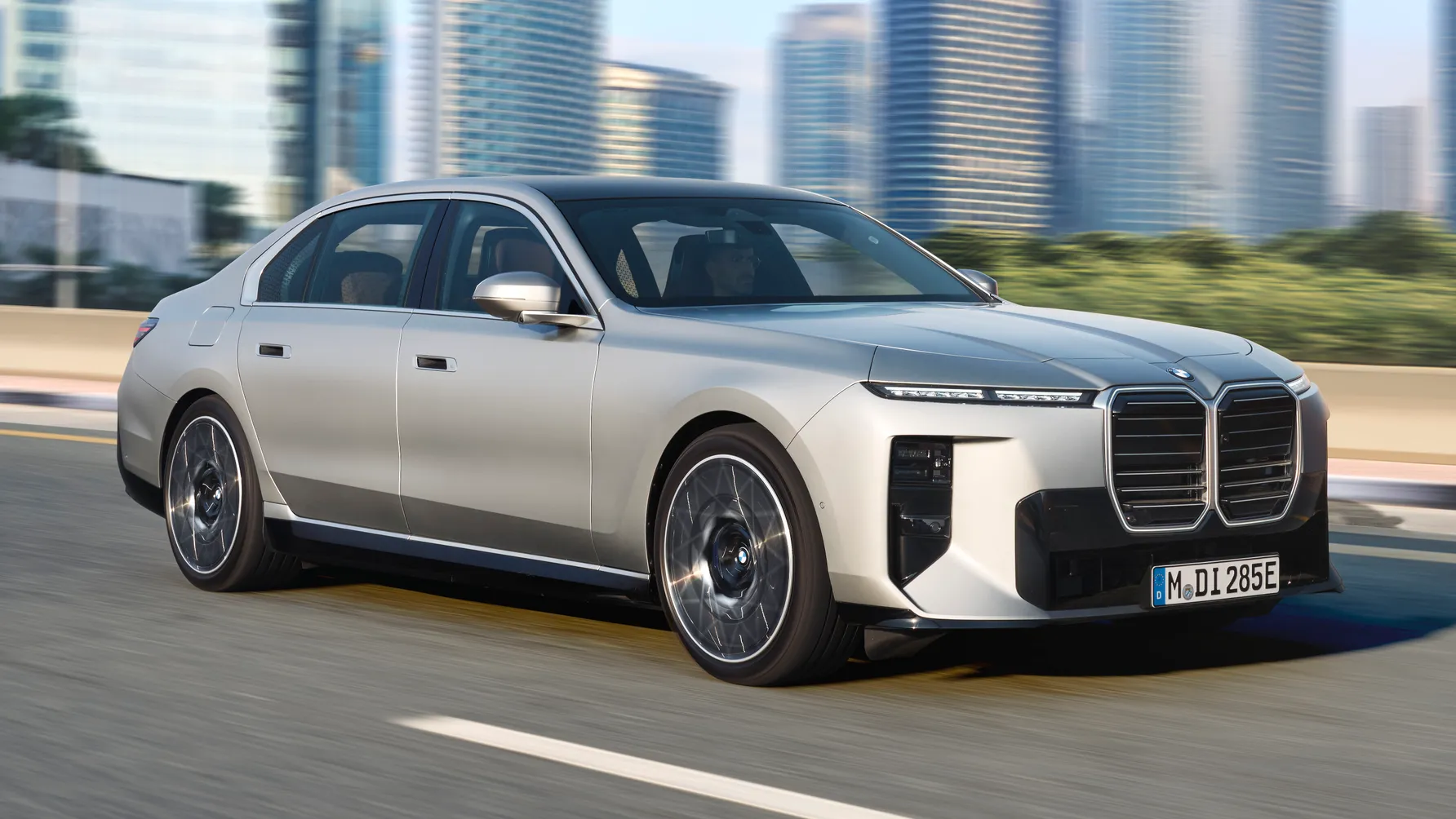
1. BMW 7 Series
The BMW 7 Series offers impressive technology, performance, comfort, and driving dynamics, but those same qualities can make ownership difficult after years of use.
A flagship BMW contains numerous electronic systems, advanced suspension components, sophisticated climate-control equipment, and powerful engines. These systems provide an exceptional experience when functioning correctly. Once multiple components begin aging simultaneously, repair bills can rise rapidly.
Certain 7 Series generations have developed reputations for complicated electrical problems and expensive mechanical repairs. Issues can involve cooling systems, suspension components, oil leaks, electronic modules, turbochargers, transmission components, and engine-specific weaknesses.
The exact concerns depend heavily on generation and powertrain. A blanket statement that every 7 Series is unreliable would be inaccurate, but mechanics recognize that the potential cost of failure is much higher than the price of many used examples suggests.
Depreciation makes this problem particularly noticeable. A 7 Series that originally cost well into six figures can eventually be purchased for a fraction of its new price. The repair costs, however, do not necessarily fall at the same rate.
A replacement suspension component, electronic module, cooling-system repair, or specialized engine repair can still reflect the engineering and component costs of a premium flagship. This creates the classic problem of buying a cheap luxury car that still requires expensive luxury-car repairs.
Mechanics also consider diagnostic complexity. Modern BMWs depend heavily on electronic communication between control modules. A warning light may not point directly to the failed component.
Proper diagnosis can require specialized scanning equipment, software knowledge, electrical testing, and considerable labor. Guessing and replacing parts can become extremely expensive. A specialist may handle these problems efficiently, but an ordinary owner without access to a knowledgeable shop faces greater risk.
For that reason, many mechanics would avoid buying an aging 7 Series as a daily driver unless they specifically wanted the project and had a repair budget.
A well-maintained example can still be a superb automobile, but buyers need financial reserves. The cheapest 7 Series on a classified listing is rarely the safest purchase. Mechanics know that luxury depreciation does not turn luxury maintenance into economy-car maintenance.
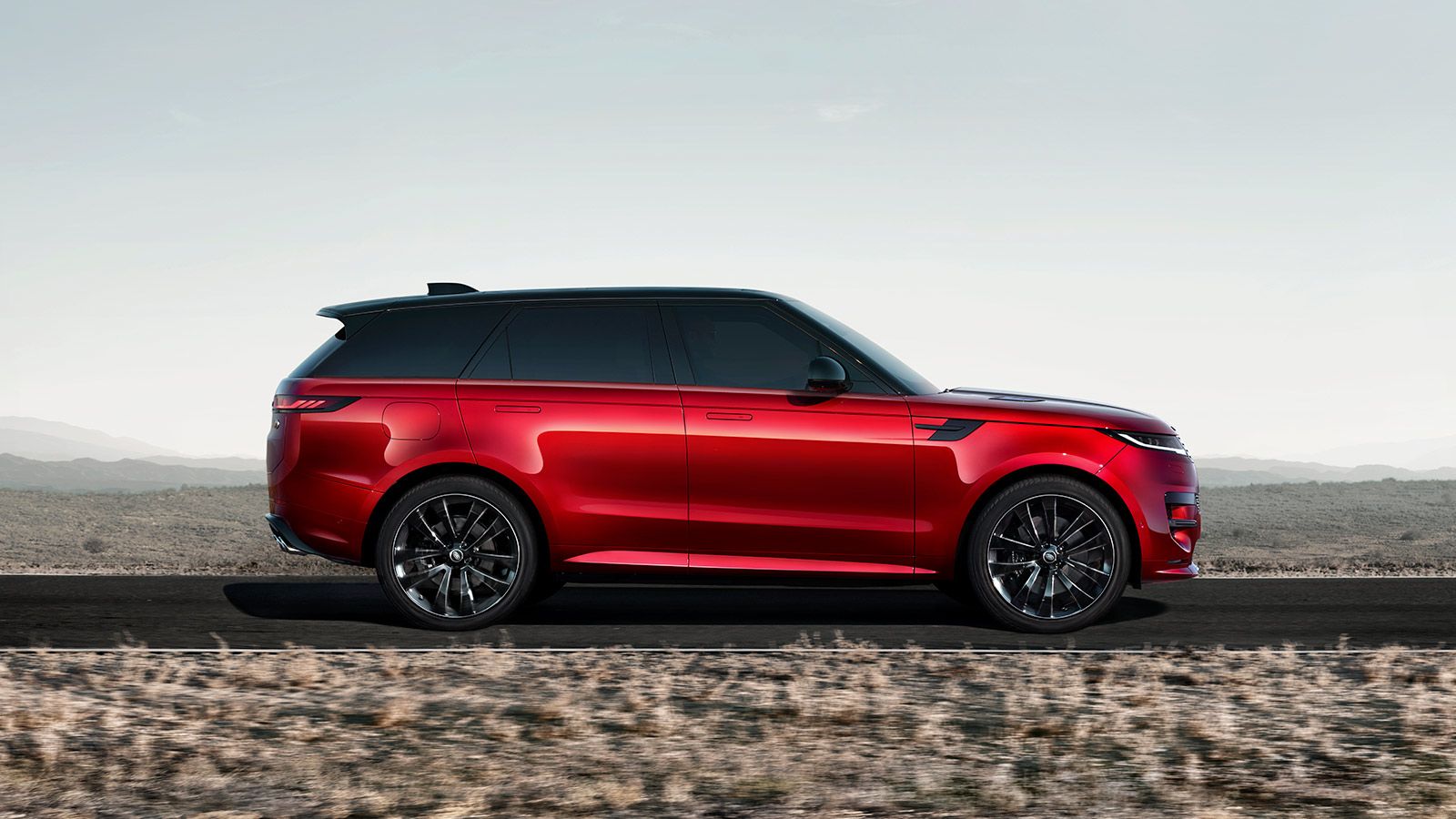
2. Range Rover
Range Rover vehicles deliver exceptional cabin quality, commanding road presence, strong off-road capability, and sophisticated technology. They also contain a large number of systems that can become expensive as mileage and age increase.
Mechanics who work on luxury SUVs often understand that the purchase price is only the beginning of the financial calculation. Air suspension, electronics, cooling systems, drivetrain components, and complex interiors can all contribute to long-term expenses.
Air suspension is particularly important. It provides the smooth ride and adjustable height that help give Range Rover models their distinctive character. The system relies on compressors, air springs, valves, sensors, lines, and electronic controls.
When these components are healthy, the result can be excellent ride comfort. When problems develop, diagnosis and repair can become expensive. A vehicle sitting low at one corner or repeatedly activating suspension warnings should be treated as a serious inspection concern.
Engine and cooling-system issues also deserve careful consideration, with concerns varying by generation and engine. Turbocharged and supercharged powertrains can generate substantial heat and place additional demands on cooling components.
Leaks, overheating, oil issues, and electrical faults can turn into major repairs if ignored. Mechanics therefore pay close attention to maintenance records and signs of previous overheating. A clean interior does not tell the story of what has happened underneath the hood.
Electrical complexity is another factor. Range Rover models can include extensive driver-assistance equipment, infotainment systems, climate controls, powered seats, electronic parking systems, cameras, sensors, and body-control modules.
A fault in one system may affect several functions. Water intrusion, battery problems, poor voltage, and aging wiring can also create strange symptoms. Technicians know that chasing intermittent electrical problems can consume substantial labor time.
Range Rover ownership can still be rewarding for someone prepared for the costs. The problem arises when a buyer purchases a heavily depreciated model expecting ordinary used-SUV expenses.
Mechanics often refuse that gamble because they have seen the consequences of deferred maintenance. A newer, well-documented vehicle with warranty coverage can make far more financial sense than an inexpensive older example with unknown history.
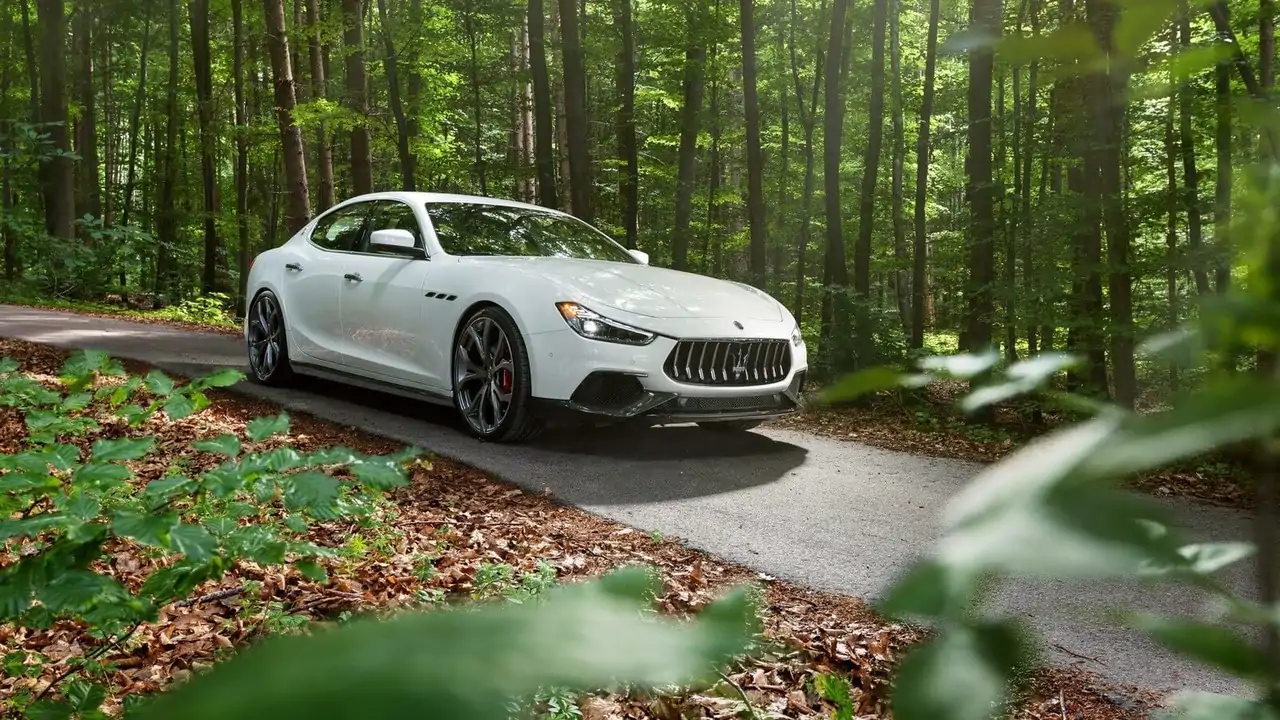
3. Maserati Ghibli
The Maserati Ghibli combines Italian styling with a sporty character and premium interior, which makes it attractive to buyers seeking something different from the usual German luxury sedans.
The concern for mechanics is not that every Ghibli is destined for failure. Rather, the combination of premium parts, complex electronics, performance hardware, and relatively low production volume can make certain repairs costly.
Parts availability can be an important consideration with less common luxury vehicles. High-volume brands benefit from large supplier networks and extensive aftermarket support.
Maserati components can be more specialized, and some repairs may require parts or expertise that are less readily available. A technician may need additional time to source components or research a particular system. That additional effort can translate directly into a higher repair bill.
The Ghibli’s engines and transmissions also require disciplined maintenance. Modern turbocharged engines depend on correct oil specifications, proper service intervals, effective cooling, and healthy sensors and control systems.
Ignoring warning signs can turn a relatively manageable issue into a major repair. Mechanics tend to be particularly cautious about vehicles with incomplete records because performance cars are often driven harder than ordinary commuter sedans.
Depreciation creates a similar trap to the BMW 7 Series. Used Maserati models can become surprisingly affordable compared with their original prices. A buyer may see a luxury performance sedan selling for the price of a much newer mainstream vehicle and assume the deal is too good to miss.
The mechanic sees the opposite question: how much money should be reserved after the purchase for repairs, maintenance, tires, brakes, fluids, and unexpected failures?
A carefully maintained Ghibli can certainly be enjoyable, and buyers who prioritize style and driving character may accept the additional expense. For a mechanic seeking dependable transportation, however, the equation is less appealing.
The car’s strengths are emotional and experiential, while its weaknesses become increasingly important as it ages. Unless the buyer has a strong maintenance budget and access to a Maserati-capable specialist, many technicians would choose a simpler luxury sedan instead.
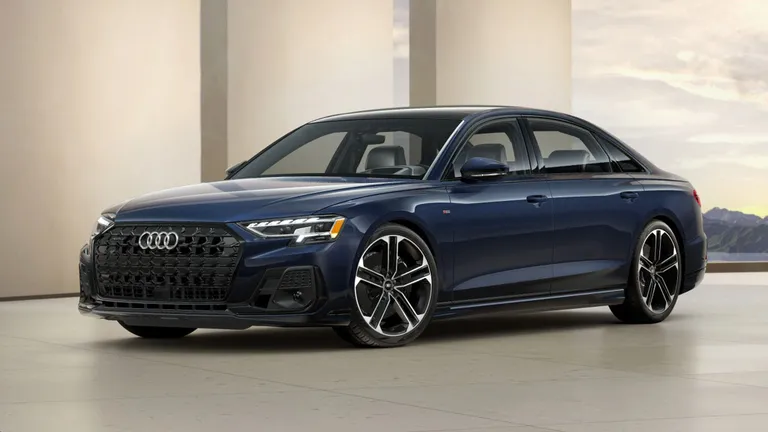
4. Audi A8
The Audi A8 is a technological showcase. Its aluminum-intensive construction, sophisticated all-wheel-drive systems, powerful engines, advanced electronics, luxury appointments, and available air suspension create an impressive driving experience.
These features also explain why mechanics can become cautious about older A8 models. The vehicle contains many systems that work together, and several can become expensive when they reach the later stages of their service life.
Air suspension is a major consideration. Like other luxury vehicles that use electronically controlled air systems, the A8 relies on multiple components to maintain ride height and comfort. Air springs, compressors, valves, sensors, and control electronics can wear out.
Repairing one component may be manageable, but several aging parts can create a large bill. Mechanics therefore inspect the suspension carefully and look for warning messages, uneven ride height, unusual compressor activity, or evidence of previous repairs.
The powertrains can also be demanding. Different A8 generations have used a range of engines, including V8 and W12 configurations, with specific reliability characteristics. Larger engines generally contain more components and can require more labor when major work is needed.
A W12 is an especially clear example of engineering complexity. Its smoothness and performance are remarkable, but access to components can be difficult, and labor can become expensive.
Audi’s electronic architecture adds another layer. Luxury flagship sedans can contain numerous control modules, sensors, cameras, infotainment components, comfort systems, and driver-assistance features.
A weak battery or electrical fault can sometimes create a surprising collection of warning messages. Proper diagnosis is essential because replacing modules without confirming the root cause can waste money. Mechanics who regularly service Audi vehicles may have the tools and knowledge to handle these systems, but general repair shops may not.