
Modern car immobilizers are designed to prevent unauthorized engine starts by checking whether the vehicle recognizes a valid key or electronic credential. Yet determined criminals may still target weaknesses around the wider vehicle security system.
This article examines eight broad ways vehicle theft can occur even when an immobilizer is fitted, focusing on security concepts rather than instructions that could enable theft. Understanding these risks can help owners make better choices about key storage, software updates, physical protection, parking habits, and professional security equipment.
A layered approach remains important because no single security feature can address every possible attack against a modern vehicle.
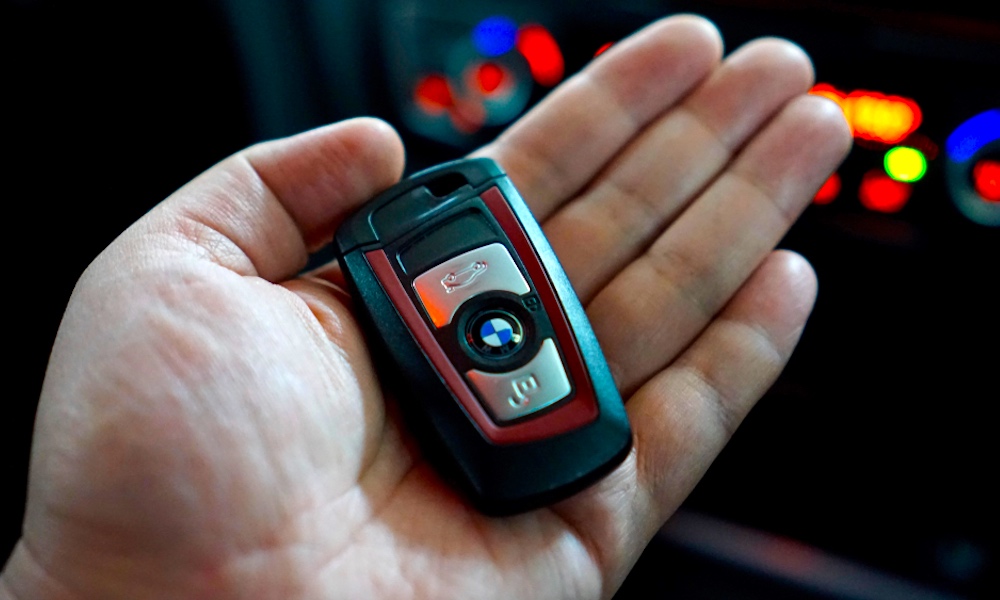
1. Keyless Entry Relay Attacks
Keyless vehicle systems have introduced a security challenge that does not always involve defeating the immobilizer itself. Many modern cars allow the driver to unlock the vehicle and start it without physically inserting a key. The system relies on communication between the vehicle and an electronic key, usually through short-range wireless signals.
In a relay attack, criminals attempt to manipulate the communication path so the vehicle behaves as though the legitimate key is nearby. The immobilizer may then operate normally because it believes the authorized credential is present.
This distinction is important when discussing modern vehicle theft. The immobilizer can be functioning exactly as designed while the surrounding communication system is being abused. Criminals are not necessarily breaking the engine lock directly. Instead, they may target the process used to establish that an authorized key is available.
The risk varies significantly between vehicle models, generations of keyless technology, and security implementations. Owners should therefore check whether their specific vehicle has known vulnerabilities rather than assuming that every keyless system carries the same level of exposure.
Drivers can reduce some relay-related risks by storing electronic keys away from doors, windows, and exterior walls when the vehicle manufacturer recommends doing so.
Some vehicles also provide a setting that disables passive keyless entry when the vehicle is parked. Certain keys include sleep or motion-based features that reduce wireless activity when the key has remained stationary. Checking the owner’s manual is useful because the available controls differ between manufacturers and model years.
A faraday-style key pouch may also help reduce unwanted wireless communication when it is properly designed and functioning correctly. Owners should test any protective pouch rather than assuming that its presence guarantees protection.
The pouch should be checked periodically because wear, poor construction, or improper closure can reduce its effectiveness. These measures are most useful as part of a broader security strategy rather than as a replacement for other precautions.
Vehicle manufacturers continue to improve keyless systems through changes in authentication, encryption, motion detection, and communication protocols. Buyers considering a newer vehicle can ask dealers or manufacturers about the security features used by a particular model.
Existing owners can also check for software updates and security campaigns. The central lesson is simple: an immobilizer is only part of a vehicle’s security architecture, and protecting the electronic key is an important part of protecting the car itself.
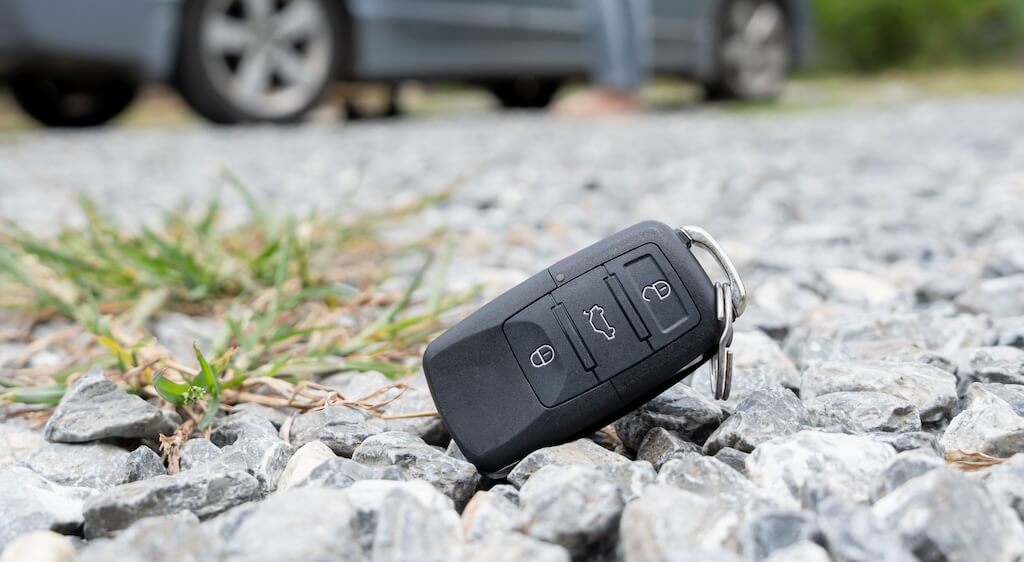
2. Stolen or Compromised Keys
A sophisticated electronic immobilizer provides little protection when criminals obtain a legitimate key or gain access to credentials that the vehicle accepts.
This is fundamentally different from electronically defeating the immobilizer. From the vehicle’s perspective, an authorized credential is being presented, so the normal authentication process may proceed. Lost keys, stolen spare keys, or improperly protected digital credentials can therefore create a serious security problem.
Key security begins with basic ownership habits. Drivers should know how many physical and electronic keys exist for their vehicle and where those keys are stored.
When purchasing a used car, it is sensible to ask how many keys were supplied and whether missing keys can be removed from the vehicle’s authorization system. The exact procedure varies by manufacturer and model, so it should be handled through an authorized dealer or qualified automotive locksmith.
Digital vehicle access creates additional considerations. Some newer vehicles can use smartphones or other connected devices as credentials. These systems may include strong authentication, but account security still matters.
Owners should use unique passwords, enable available multifactor authentication, and protect the phone or account associated with the vehicle. A compromised account can create risks that are separate from traditional physical key theft.
Spare keys deserve particular attention. Many owners keep an extra key in an obvious place because convenience seems harmless. If someone gains access to the home or finds the spare key, that convenience can become a security weakness. Spare keys should be stored securely, and their existence should be considered when assessing the security of the vehicle.
If a key is lost or stolen, owners should contact the manufacturer, dealership, or qualified locksmith promptly. Depending on the vehicle, it may be possible to remove the missing credential from the authorized list and program a replacement.
Delaying action can leave an unknown credential active. Good key management therefore remains essential even when a vehicle uses sophisticated immobilizer technology.
3. Electronic Weaknesses and Software Vulnerabilities
Modern vehicles are increasingly dependent on software. Engine control systems, body controllers, key management modules, infotainment systems, telematics equipment, and connected services may all communicate with each other.
This creates powerful functionality, but it also means that vehicle security depends partly on the quality of the software and the protections surrounding it.
A software vulnerability can potentially create a path toward unauthorized vehicle functions without requiring criminals to physically damage the immobilizer. Security researchers regularly study automotive systems to identify weaknesses before criminals can exploit them.
Responsible disclosure programs allow manufacturers and researchers to address serious problems through patches, design changes, or revised procedures.
Software updates therefore have a genuine security purpose. Some vehicle owners think of updates only as improvements to navigation, entertainment, or performance.
In reality, manufacturers can also release updates that address security vulnerabilities. Owners should pay attention to official notices and use manufacturer-approved update processes whenever available.
Connected vehicles deserve additional attention because they may communicate with external services. Remote access can provide useful functions such as locating a vehicle, checking its status, or controlling selected features. These capabilities also make account security important.
Owners should secure associated mobile applications, email accounts, and devices because the vehicle’s security can depend partly on the protection of those services.
Consumers can also benefit from asking manufacturers about security support when purchasing a connected vehicle. Questions about update availability, support duration, vulnerability reporting, and account protection can reveal how seriously a company approaches cybersecurity.
A modern immobilizer is strongest when it forms part of a regularly maintained security system rather than remaining unchanged throughout the vehicle’s entire lifetime.
4. Attacks on Supporting Vehicle Systems
The immobilizer does not operate in isolation. Modern vehicles contain numerous electronic control units and communication networks that allow different systems to exchange information.
A weakness in another component can sometimes become relevant to vehicle security if it provides an unexpected route toward functions that should normally be restricted.
This is why automotive cybersecurity is broader than protecting a single immobilizer module. Manufacturers must consider how components interact, how messages are authenticated, and whether a compromised device can influence security-critical functions.
Security engineering often relies on segmentation, authentication, access controls, monitoring, and careful validation of messages between systems.
For vehicle owners, the practical lesson is that aftermarket electronics deserve careful consideration. Poorly installed accessories, unauthorized modifications, or low-quality electronic equipment may create unnecessary risks. Devices connected to diagnostic interfaces or vehicle networks should come from reputable sources and be installed according to manufacturer guidance.
Professional repair facilities also have an important role. Technicians working on modern vehicles may need specialized equipment and current software to diagnose and program electronic systems correctly.
Owners should choose reputable workshops and ask questions when unfamiliar electronic modifications are proposed.
Manufacturers continue to strengthen vehicle networks through better isolation and authentication. Security testing has also become an important part of automotive development. While ordinary drivers cannot inspect the vehicle’s internal architecture, they can reduce unnecessary exposure by avoiding questionable modifications and keeping connected equipment under control.
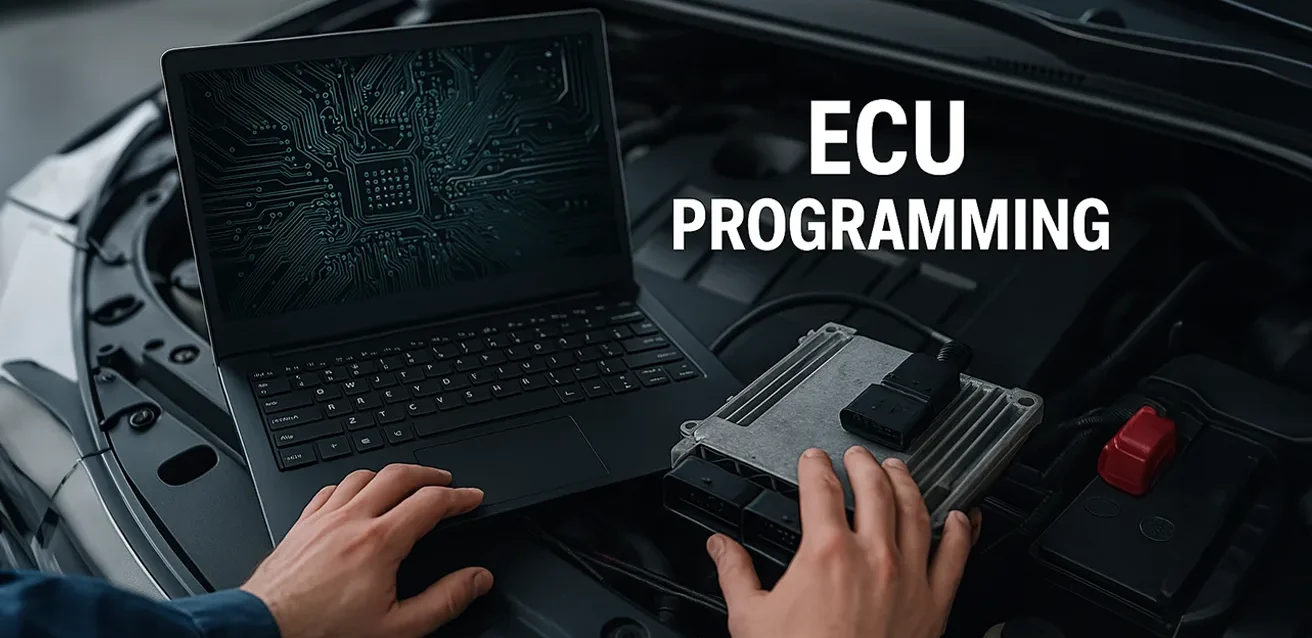
5. Diagnostic and Programming Abuse
Professional diagnostic equipment is necessary for legitimate automotive repair. Technicians use specialized tools to diagnose faults, configure electronic modules, program replacement components, and perform maintenance procedures. Because these tools can access sensitive vehicle functions, criminals may attempt to abuse similar capabilities.
This does not mean that every diagnostic device represents a security threat. Properly controlled equipment, authenticated technicians, manufacturer systems, and secure programming procedures can make unauthorized access substantially harder.
The risk depends on the vehicle, the equipment, the credentials required, and the security architecture used by the manufacturer.
Vehicle owners should be cautious when handing over keys or documents to unfamiliar individuals. A reputable repair business should be able to explain its services and provide appropriate records. Owners can also ask whether programming work has been performed and whether any new keys or credentials were added during servicing.
Used vehicles deserve particular attention because ownership can change several times during their lifespan.
A previous owner may have retained a spare credential, or an old authorization entry may remain active depending on the manufacturer’s system. Having the vehicle’s key inventory checked and updating credentials when appropriate can improve security.
Modern manufacturers are introducing stronger authentication and access controls for sensitive programming operations.
These measures can limit who is able to perform certain functions. Still, vehicle security depends on both technology and process. Careful ownership records, trustworthy service providers, and prompt action after lost credentials remain valuable safeguards.
6. Physical Access Can Still Matter
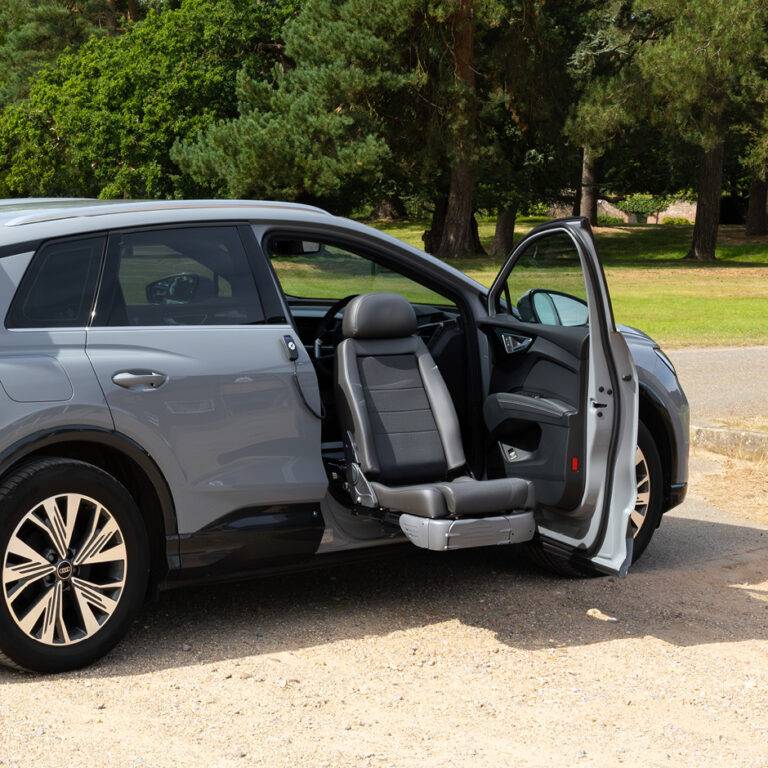
Electronic security often receives the most attention, but physical access remains relevant. A criminal may first gain entry to a vehicle without immediately attempting to start it. Once inside, they may target personal property, electronic equipment, or components associated with vehicle security.
Physical security also includes the environment surrounding the car. A vehicle parked in a poorly lit location with little activity may attract more attention than the same vehicle parked in a secure, monitored area. Security cameras, controlled-access parking, gates, and visible lighting can discourage opportunistic crime.
Steering locks provide an additional physical barrier on vehicles that can accommodate them. They do not replace an immobilizer, but they can increase the effort required to move a vehicle. Their value comes from layering a visible mechanical obstacle on top of electronic protections.
Garage security matters too. A locked garage can provide meaningful protection by keeping the vehicle out of public view and adding another barrier. Homeowners should also consider whether garage remotes, house keys, and vehicle keys are stored together in ways that could create unnecessary exposure.
The broader principle is layered defense. An immobilizer is designed to restrict unauthorized engine operation, while physical barriers, secure parking, lighting, and controlled access address different parts of the theft problem. Combining these measures can make a vehicle less attractive to criminals who are looking for an easy target.

7. Social Engineering and Deception
Not every vehicle theft depends on sophisticated electronics. Criminals may use deception to obtain keys, personal information, access credentials, or cooperation from people who believe they are dealing with legitimate representatives. This is known as social engineering, and it can bypass technical safeguards by targeting human behavior.
For example, someone may impersonate a service employee, buyer, delivery worker, or other trusted person to gain information.
Owners should be cautious when strangers request vehicle documents, security codes, account credentials, or access to electronic devices. Legitimate organizations generally have established processes for sensitive requests.
Online vehicle listings can create additional opportunities for deception. Sellers should avoid sharing unnecessary personal information and should meet prospective buyers in safe locations. Buyers should also be cautious about unusual requests involving remote access, account credentials, or rushed transactions.
Connected vehicle accounts deserve the same protection as banking or email accounts. Password reuse creates avoidable risks because a breach at an unrelated website could expose credentials that are also used for vehicle services.
A unique password and multifactor authentication can reduce this type of exposure when those features are available.
Education is therefore a meaningful part of vehicle security. Owners who understand common deception tactics are less likely to surrender sensitive information or access unnecessarily. Technology can provide strong protection, but secure habits remain an important final layer.
8. Theft Through Legitimate Access Opportunities
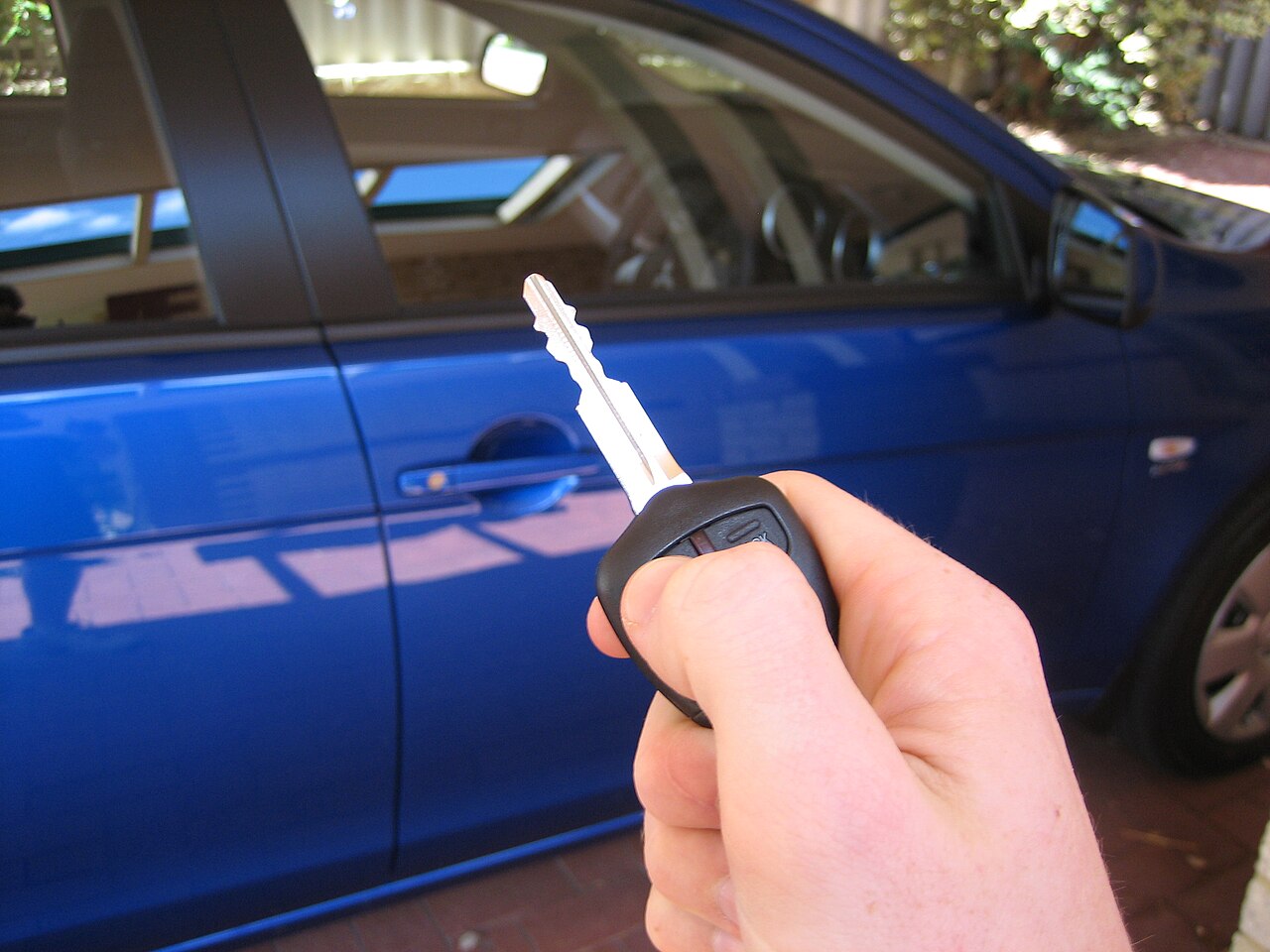
Criminals may sometimes exploit circumstances that provide legitimate access to a vehicle. This could involve situations where keys are temporarily handed over, a vehicle is left unattended with access available, or information about the vehicle’s security arrangements becomes known to unauthorized people.
The risk increases when ownership routines are predictable. Leaving keys in the same exposed location, parking in the same unsecured area, or sharing access with numerous people can make security more difficult to manage. Owners should think about who has access and whether that access is still necessary.
Businesses and households with multiple drivers face additional challenges. Fleet vehicles, family cars, rental vehicles, and shared vehicles may have several people who can legitimately access them. Maintaining accurate records of keys and digital credentials becomes particularly important in these situations.
When a vehicle changes ownership, access should be reset as thoroughly as the manufacturer permits. This can include removing previous digital accounts, checking physical keys, reviewing connected services, and completing recommended ownership-transfer procedures. The precise process varies by manufacturer.
A modern immobilizer can provide strong protection, but security works best when technology and everyday practices support each other. Restricting unnecessary access, managing credentials carefully, and reviewing security after ownership changes can close gaps that electronic hardware alone cannot address.
9. Exploiting Weaknesses in Connected Vehicle Accounts
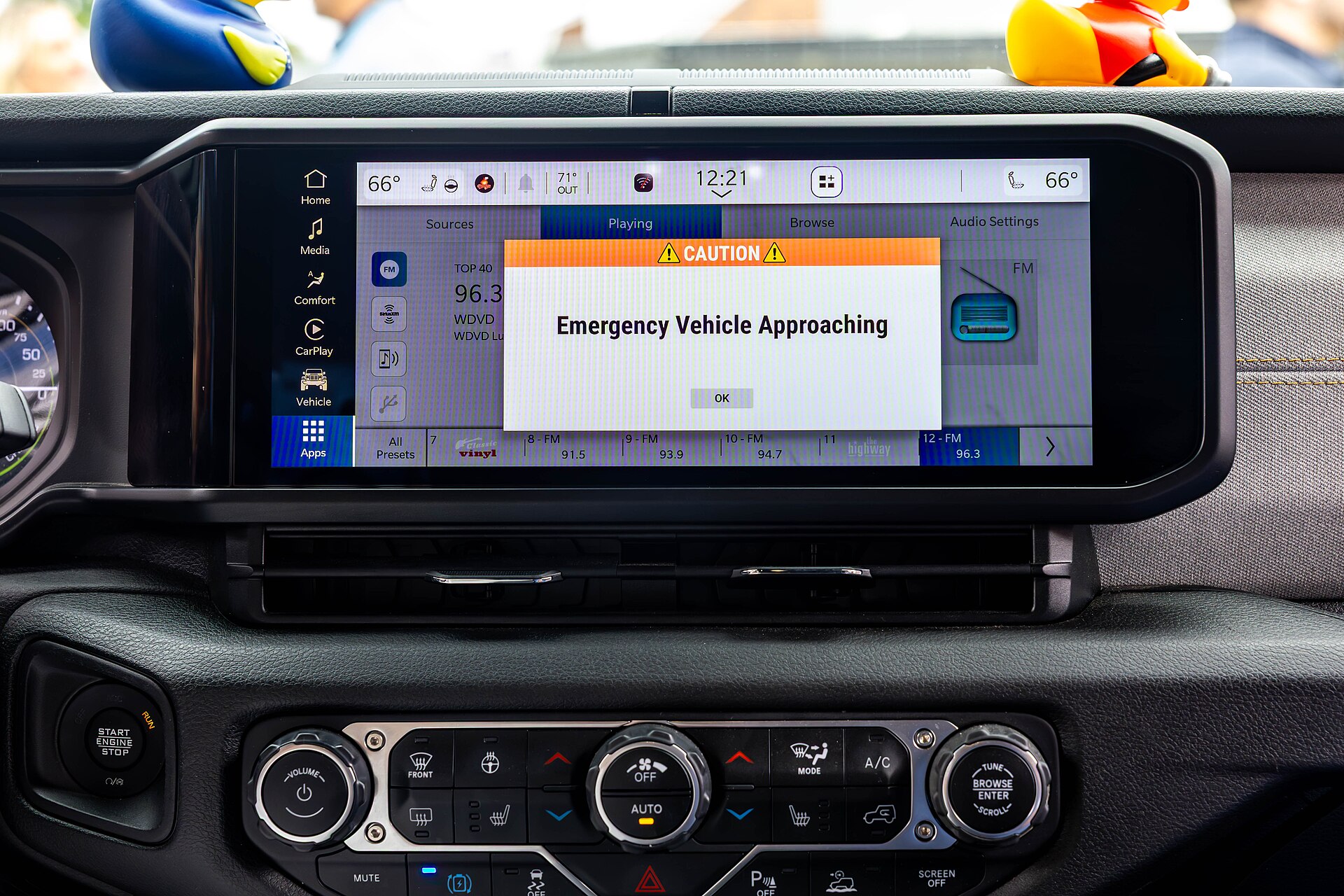
Connected vehicle services have added useful features such as remote locking, vehicle location, maintenance notifications, and smartphone-based access.
These services can also introduce another area that owners need to protect. If an unauthorized person gains access to a connected account, the risk may extend beyond the physical key. The exact capabilities available through an account depend on the manufacturer, vehicle model, subscription, and security settings.
Account protection starts with basic digital hygiene. Owners should use a unique password for their vehicle account and activate multifactor authentication when the manufacturer provides it.
Email accounts associated with vehicle services should also receive strong protection because password-reset systems may depend on them. Sharing credentials with other people can make it harder to determine who has access and whether an account remains secure.
Vehicle apps should be installed only from trusted sources, and owners should keep their phones updated. A compromised phone can create risks for many services at once, including connected vehicle applications.
Screen locks, biometric authentication, and device-level security features can provide additional protection. Owners should also review which devices remain signed in to their vehicle account.
Ownership changes require particular care. When selling or transferring a vehicle, the previous owner’s connected account should be removed according to the manufacturer’s official process. A new owner should then establish their own account and verify that previous users no longer have access. This process can be just as important as transferring the physical keys.
Connected services should therefore be treated as part of the vehicle’s security system.
An immobilizer can prevent an unauthorized engine start under normal conditions, but account credentials can influence other aspects of vehicle access and control. Protecting digital accounts helps reduce the number of opportunities available to criminals.

10. Targeting High-Value Vehicles Through Theft Networks
Professional vehicle theft is not always a random event. Organized criminals may select particular makes, models, trims, or components because they have strong resale value or established demand in illegal markets. This means a vehicle with an effective immobilizer can still become a target because its value makes the effort worthwhile.
Criminal networks can also specialize in particular vehicle systems. Knowledge of common security weaknesses may spread among offenders, while stolen vehicles can be moved quickly through established networks.
Owners should therefore consider the theft risk associated with their specific vehicle rather than assuming that all modern cars face identical threats.
Vehicle visibility can influence risk as well. A high-value vehicle that is repeatedly parked in the same exposed location may attract unwanted attention. Secure parking, controlled-access facilities, garages, and surveillance can reduce opportunities for criminals to observe routines and approach the vehicle without being noticed.
Additional tracking equipment may provide another layer of protection. Depending on the device and vehicle, a tracker can help identify a vehicle’s location after unauthorized movement.
Tracking should not be viewed as a substitute for prevention, since recovery is different from preventing a theft in the first place. Owners should also understand the privacy and battery considerations associated with any tracking system.
Insurance requirements are worth reviewing as well. Some insurers may recommend or require particular security measures for certain vehicles, especially higher-value models.
Owners should keep records of installed security equipment and follow applicable insurance conditions. Combining an immobilizer with secure parking, careful key management, account protection, tracking, and sensible daily habits can make the vehicle a harder target for organized theft.