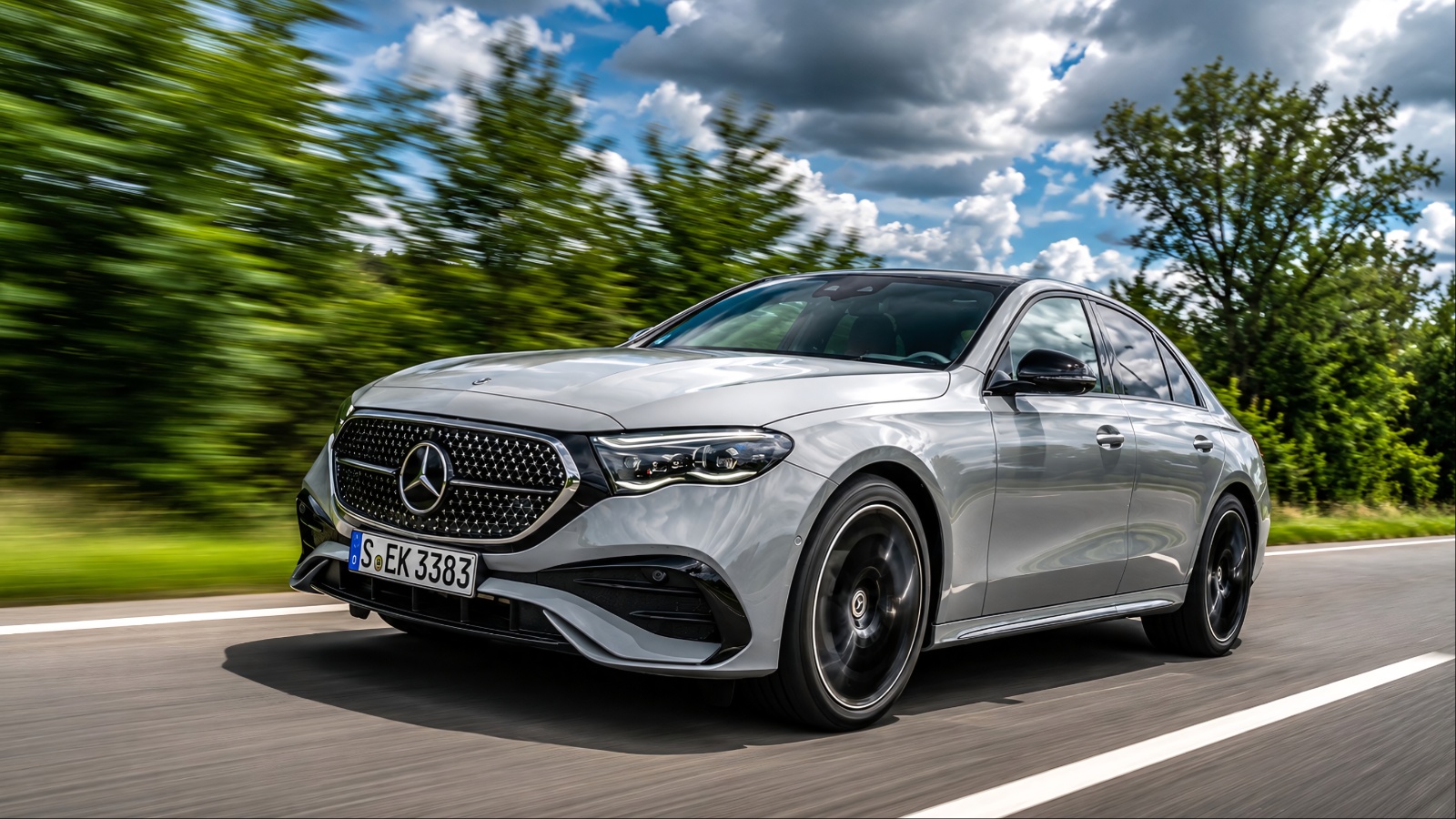
Luxury cars can make a used-car shopper feel like they have found a bargain. A vehicle that originally cost $60,000 or $80,000 can sometimes be purchased years later for a fraction of its original price.
The problem is that depreciation does not necessarily make maintenance cheaper. Complex engines, expensive electronics, air suspension, specialized parts, and higher labor rates can turn a cheap luxury car into an expensive ownership project.
To separate the smart purchases from the potential money pits, this list uses U.S. repair-cost and reliability data from RepairPal, along with current ownership estimates where available. The goal is simple: identify luxury cars that give you premium features without making your mechanic the most important person in your life.
1. Lexus ES 350
The Lexus ES 350 is the kind of luxury car that can make a used-car buyer feel unusually confident. It delivers the quiet cabin, comfortable ride, premium interior, and refinement expected from a luxury sedan without carrying the repair reputation associated with some European competitors.
RepairPal gives the ES 350 a 4.0 out of 5.0 reliability rating, placing it fourth among 31 luxury midsize cars. More importantly for someone buying a used example, RepairPal estimates average annual repair and maintenance costs at just $468.
That figure is considerably lower than the $739 annual average for luxury midsize cars cited by RepairPal. The ES 350 also averages about 0.6 unscheduled repair visits per year, while only 6% of repairs are classified as severe.
Those numbers make a strong case for calling the ES 350 a smart used luxury purchase rather than simply a cheap luxury car.
The mechanical formula helps. The ES uses a naturally aspirated V6 in many of the model years that dominate the used market, avoiding some of the additional complexity associated with highly stressed turbocharged engines.
It is not maintenance-free, and age, mileage, neglected fluid changes, suspension wear, and electrical problems can still create expensive bills.
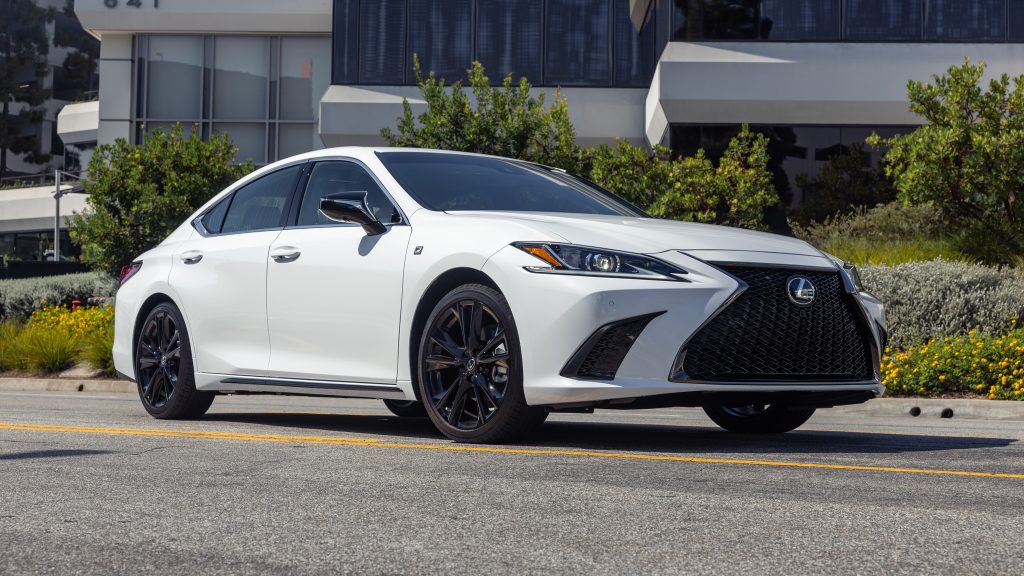
What makes this Lexus particularly appealing is the relationship between purchase price and likely ownership expense. You can buy an older ES for substantially less than its original MSRP while retaining the comfort and equipment that made it a luxury sedan in the first place.
For buyers who want premium transportation without premium repair drama, the ES 350 is one of the strongest places to start.
2. Lexus ES 300h
The Lexus ES 300h takes the ES formula and adds hybrid technology without turning the ownership equation upside down.
That is important because hybrid systems can make some buyers nervous when shopping used. The battery pack, electric motors, and additional electronics sound expensive, but the available U.S. reliability data for the ES 300h paints a surprisingly reassuring picture.
RepairPal gives the ES 300h a 4.5 out of 5.0 reliability rating, placing it third among 31 luxury midsize cars. Its average annual repair and maintenance cost is $524, compared with $739 for the average luxury midsize car and $652 across all vehicles. RepairPal also records an average of only 0.4 unscheduled repair visits per year.
That does not mean an aging ES 300h is immune from expensive repairs. Hybrid battery problems, cooling-system components, electronic modules, suspension parts, and normal wear items can eventually require attention. The key advantage is that the available repair data does not show the ES 300h behaving like a mechanical disaster waiting to happen.
The hybrid system can also reduce fuel consumption compared with a conventional luxury sedan, particularly in city driving. That gives owners another potential advantage beyond reliability.
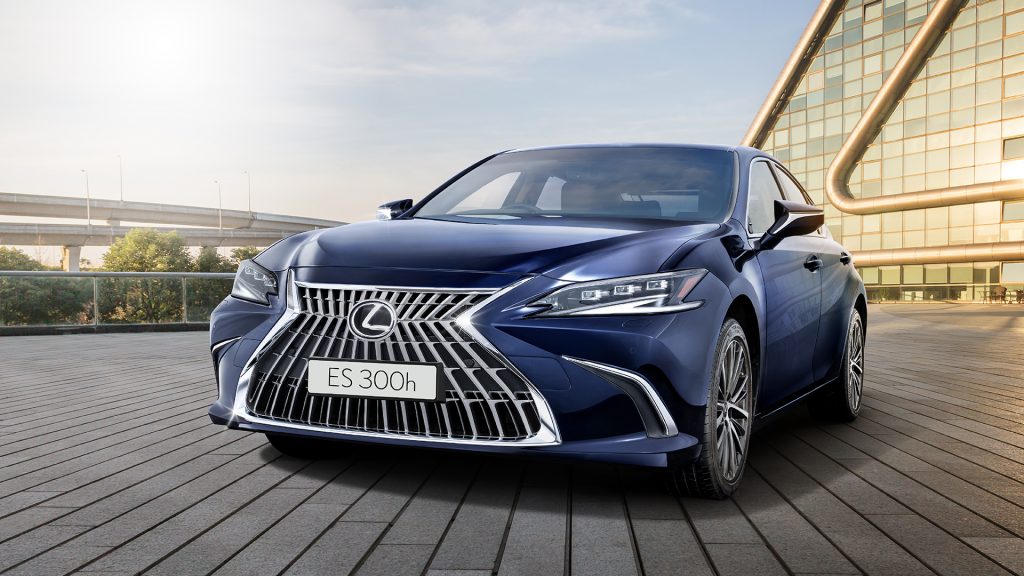
For a used buyer, service history matters enormously. A well-maintained ES 300h with documented maintenance is a very different proposition from a neglected high-mileage example purchased solely because it looks cheap.
The ES 300h is therefore a strong candidate for the “smart buy” side of this mechanic test. It gives you Lexus comfort, hybrid efficiency, and strong reliability data without requiring you to accept the assumption that hybrid technology automatically means frightening repair bills.
3. Acura TLX
If the goal is to buy a luxury sedan without turning routine ownership into a financial headache, the Acura TLX deserves serious attention. RepairPal currently gives the TLX a 4.5 out of 5.0 reliability rating, ranking it first among 31 luxury midsize cars. Its average annual repair and maintenance cost is $440, compared with $739 for the luxury midsize category.
The frequency numbers are even more encouraging. RepairPal says TLX owners average about 0.2 unscheduled repair visits per year, while only 6% of repairs are classified as severe. The category averages are 0.6 visits and 12% severe repairs.
That suggests the TLX is not merely inexpensive when something breaks but also relatively unlikely to require serious unscheduled work.
That does not make every TLX a guaranteed bargain. Used examples can still have worn suspension components, brake-system repairs, air-conditioning problems, or electronic faults.
RepairPal lists an AC condenser replacement at roughly $675 to $835 and an oil-pump replacement at approximately $1,797 to $2,318, showing that individual repairs can still become expensive.
The smart-buy angle comes from the balance between premium equipment and relatively manageable ownership costs. The TLX gives buyers a luxury-brand cabin, strong performance, and sophisticated technology without the repair-cost profile associated with some European rivals.
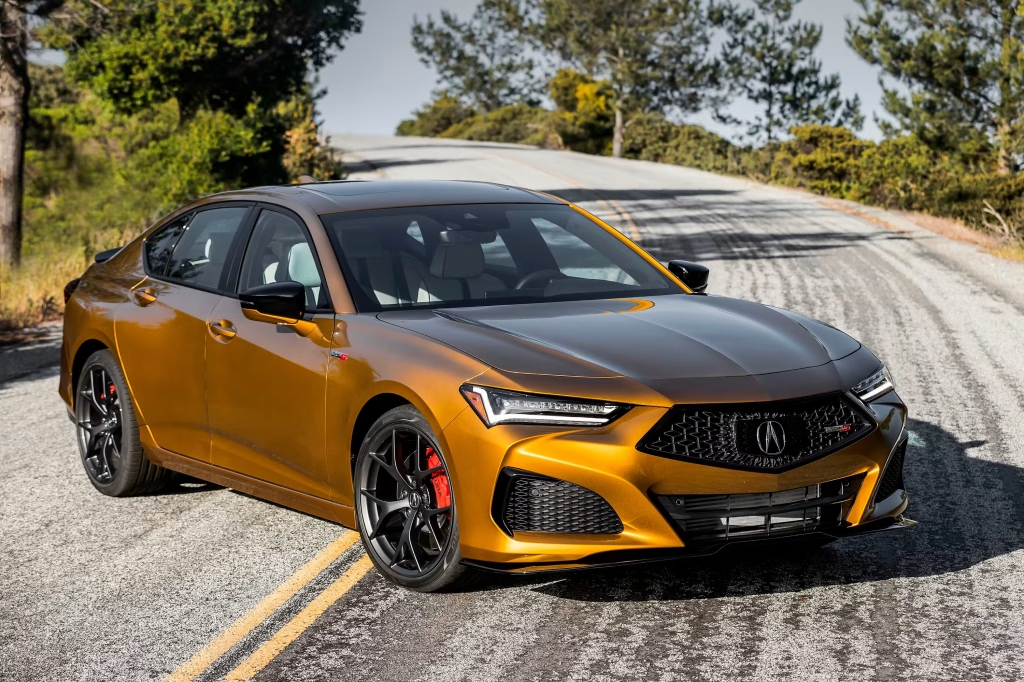
A thorough inspection remains essential. Service records, accident history, tire condition, suspension wear, and evidence of neglected maintenance can matter more than the badge on the hood.
For someone entering the used luxury market, the TLX is one of the cars that makes the most sense when judged by the mechanic’s invoice rather than the showroom price.
4. BMW 3 Series
The BMW 3 Series is where this mechanic test becomes much more interesting. The car offers the driving experience buyers expect from a luxury sports sedan, but its ownership equation is less forgiving than the Acura and Lexus models above.
RepairPal’s current BMW data shows the brand averaging $968 per year for repair and maintenance, compared with $652 across all vehicles. BMW also averages about 0.9 unscheduled repair visits per year, and 15% of repairs are classified as severe.
Those are brand-level figures rather than 3 Series-specific statistics, so they should not be treated as a precise prediction for every 3 Series. Still, they highlight why buying a used BMW requires more financial preparation than simply finding the lowest purchase price.
The 3 Series combines sophisticated electronics, turbocharged engines, tightly packaged mechanical components, and premium parts. When everything works properly, that engineering contributes to its excellent driving character.
When an expensive component fails outside warranty, however, the bill can quickly erase the savings created by buying the car used.
That does not make the 3 Series a bad purchase. A carefully maintained example with complete service records can be an excellent luxury performance sedan. The danger comes from buying the cheapest example available and assuming its low selling price means low ownership costs.
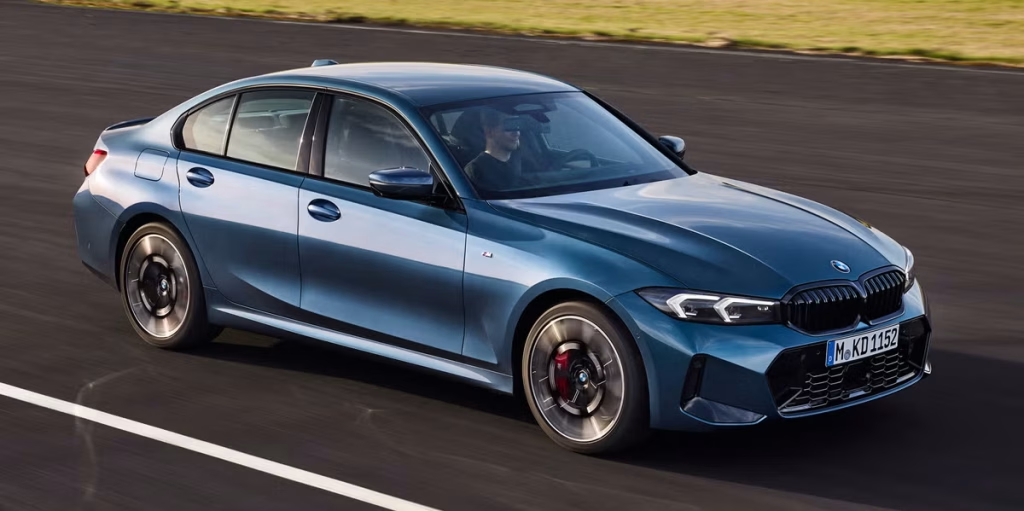
A pre-purchase inspection by a technician familiar with BMWs is particularly valuable. Checking for oil leaks, cooling-system condition, suspension wear, diagnostic faults, and evidence of previous repairs can reveal problems that are invisible during a short test drive.
For buyers who prioritize driving enjoyment and are willing to budget appropriately, the 3 Series remains compelling. For someone looking for the lowest possible repair exposure, however, the Lexus ES or Acura TLX makes a stronger case.
5. Audi A6
The Audi A6 sits in the middle of the mechanic test, which is exactly what makes it interesting. It is not an automatic “avoid” recommendation, but it is also not the kind of used luxury car where a buyer should focus only on the purchase price.
RepairPal gives the A6 a 3.5 out of 5.0 reliability rating, ranking it eighth among 30 luxury full-size cars. Its average annual repair cost is $913, compared with $976 for the luxury full-size category and $652 across all vehicles.
The encouraging part is repair frequency. RepairPal reports that A6 owners average about 0.28 unscheduled repair visits per year, compared with 0.8 for the luxury full-size segment. Only 12% of repairs are classified as severe, matching the average for all vehicles.
So why isn’t the A6 an obvious smart buy? The answer is the price of individual repairs. A relatively low number of shop visits does not guarantee cheap ownership when the vehicle uses sophisticated electronics, turbocharged engines, advanced suspension systems, and premium components.
A single major repair can erase the savings created by several years of relatively quiet ownership.
That makes condition and service history particularly important. A well-maintained A6 with documented fluid services, proper repairs, and a clean diagnostic scan can make considerably more sense than a neglected example that looks inexpensive on a used-car lot.
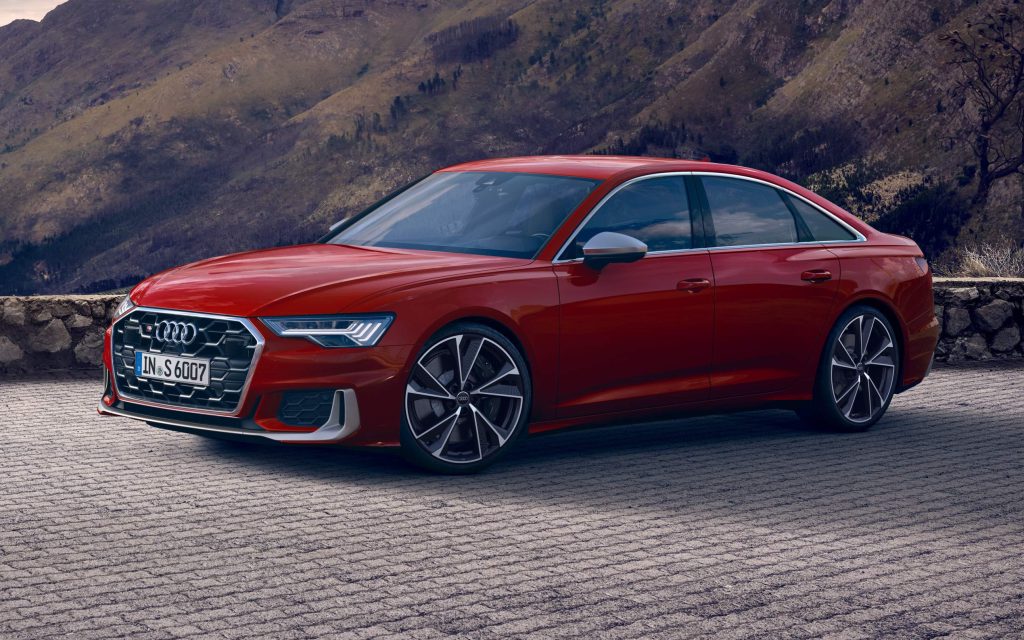
For buyers who want German luxury but cannot tolerate frequent repairs, the A6 deserves careful consideration rather than an automatic rejection. It is a more balanced proposition than some of the costliest European cars, but its maintenance budget should still be higher than that of an Acura or Lexus.
6. Jaguar XF
The Jaguar XF is where the mechanic test starts leaning heavily toward the “costly mistake” side. The car offers exactly the qualities buyers want from a British luxury sedan: distinctive styling, a sophisticated cabin, strong road manners, and an experience that feels different from the typical German or Japanese executive car.
The problem is that the ownership numbers are substantially less attractive. RepairPal gives the XF a 3.0 out of 5.0 reliability rating, ranking it 22nd among 31 luxury midsize cars. Its average annual repair and maintenance cost is $1,066, significantly higher than the $739 average for luxury midsize cars and $652 across all vehicles.
The individual repair figures explain why an inexpensive used XF can become expensive surprisingly quickly. RepairPal lists an estimated $1,079 to $1,352 for a water-pump replacement, $2,831 to $2,945 for a catalytic-converter replacement, and $3,236 to $4,440 for a timing-chain-tensioner replacement.
None of those repairs means every XF will require them. They simply demonstrate how quickly the economics can change when a premium component fails.
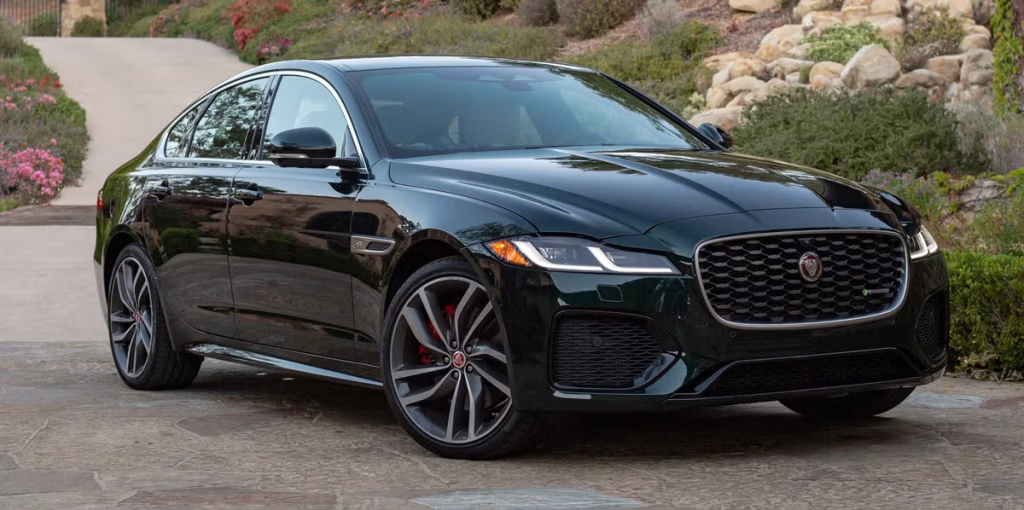
There is another issue worth considering: Jaguar’s brand-level RepairPal rating is 2.5 out of 5.0, with an average annual repair cost of $1,123 and a 14% probability that a repair will be severe.
The XF can still be an appealing used luxury car for someone who finds a meticulously maintained example and has money reserved for unexpected repairs. But buying one because the used price looks unbelievably low can be a trap.
7. Mercedes-Benz E-Class
The Mercedes-Benz E-Class is a classic example of a luxury car that can be a smart purchase when chosen carefully, but a painful mistake when bought without considering long-term repair costs.
RepairPal gives the E350 a 3.5 out of 5.0 reliability rating, with an average annual repair and maintenance cost of $788. That is below the $976 average for luxury full-size cars, although it remains above the $652 average across all vehicles.
The repair frequency is actually respectable. E350 owners average about 0.6 unscheduled repair visits annually, compared with 0.8 for the luxury full-size category. RepairPal also puts the probability of a severe repair at 13%, slightly below the segment’s 14% figure.
The catch is that a Mercedes repair does not have to happen frequently to become expensive. Premium parts and specialized labor can make individual jobs substantially more costly than repairs on a mainstream sedan.
RepairPal also lists reported issues, including rough shifting associated with certain seven-speed automatic transmissions and camshaft-adjuster solenoid failures.
That makes maintenance history extremely important. A used E-Class with documented servicing, correct fluids, and evidence of timely repairs can be a far better proposition than an identical-looking car that was neglected by its previous owner.
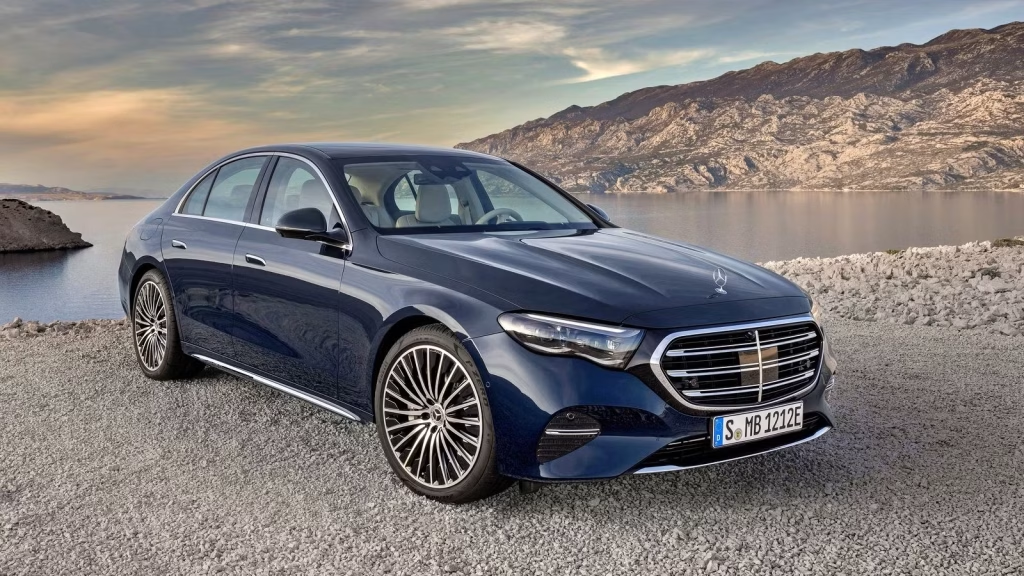
The E-Class therefore lands somewhere between the smart buys and costly mistakes. It delivers genuine luxury and strong long-distance comfort, but buyers should keep a dedicated repair reserve rather than assuming its used price represents the complete cost of ownership.
8. Genesis G80
The Genesis G80 is one of the more interesting choices for someone who wants a luxury sedan without automatically accepting European-level maintenance costs.
RepairPal’s data for the Genesis brand shows an average annual repair and maintenance cost of $524, well below the $976 average for luxury full-size cars. The brand also averages about 0.6 unscheduled repair visits per year.
The G80 itself can still generate expensive individual bills. RepairPal’s data for a 2017 G80, for example, shows an average annual repair cost of $689, while individual jobs can range from several hundred dollars to more than $1,000. A water-pump replacement is estimated at $838 to $1,168, while an oxygen-sensor replacement is listed at $1,023 to $1,087.
That is the important distinction. The G80 is not cheap to repair in the way a basic economy car might be cheap. Instead, it can offer a more favorable combination of luxury equipment and ownership expenses than several established European competitors.
The used market makes this particularly appealing. Depreciation can make older G80 models surprisingly affordable, allowing buyers to access a quiet cabin, premium materials, strong engines, and extensive equipment for substantially less than the original purchase price.
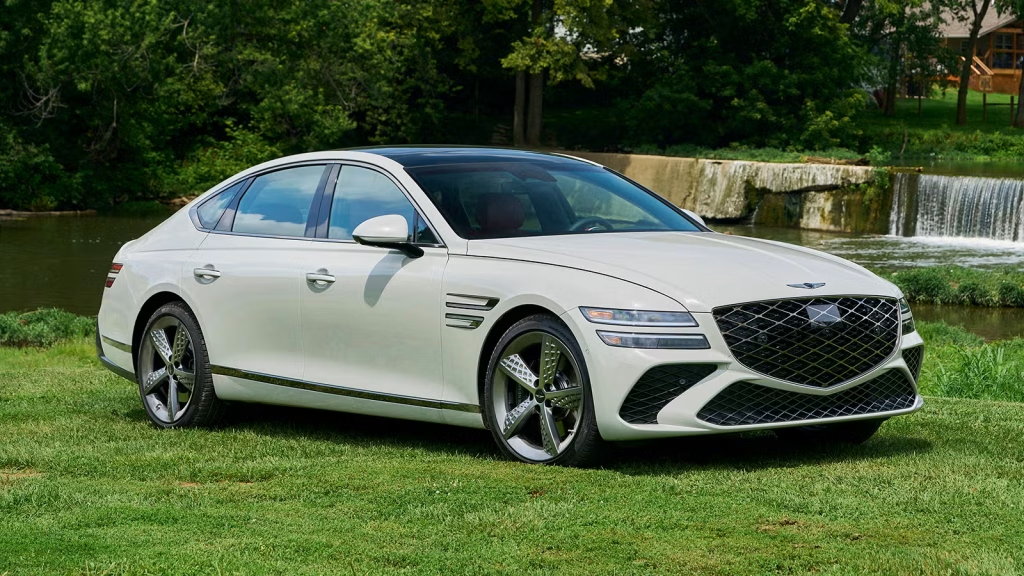
But buyers should not confuse a lower used price with immunity from luxury car expenses. A neglected G80 can still require significant investment, especially as mileage increases. A pre-purchase inspection and complete service records should be considered essential.
For someone looking for a premium sedan with a more manageable repair profile, the G80 deserves attention. It is one of the rare cars where the luxury experience does not necessarily have to come with the highest possible mechanic bills.
9. Volvo S90
The Volvo S90 presents a more complicated verdict because the available U.S. repair data is not strong enough to give the model a formal RepairPal reliability score.
RepairPal currently says there is insufficient statistical data to rate the S90 specifically, so it would be misleading to assign it a reliability ranking that the source does not provide. The luxury full-size category itself averages $976 in annual repair costs.
That does not mean the S90 is necessarily unreliable. Volvo as a brand currently carries a 3.5 out of 5.0 RepairPal reliability rating, with an average annual repair cost of $769, about 0.5 unscheduled repair visits per year, and a 9% probability of a severe repair.
The S90 can still produce substantial bills when something major fails. RepairPal’s current estimate for a 2025 S90 shows a powertrain control module replacement at approximately $2,187 to $2,287, while an ABS control module replacement is estimated at $1,163 to $1,349. A water pump replacement is listed at $709 to $887.
Those numbers explain why the S90 belongs in the middle of this mechanic test rather than being labeled a guaranteed bargain. Its sophisticated electrical architecture and premium equipment can make individual repairs expensive even if routine ownership is relatively manageable.
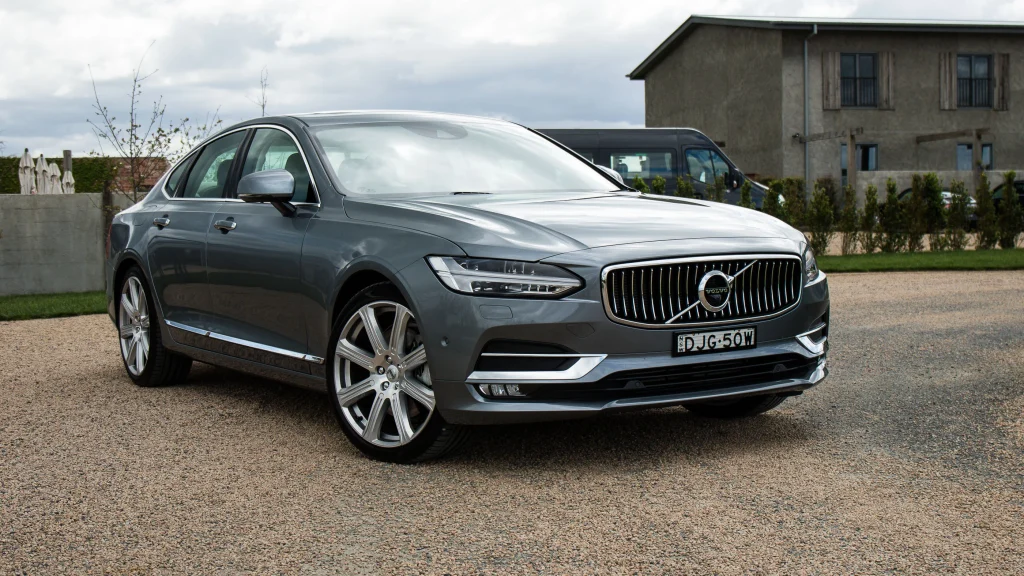
A used S90 can make sense when the purchase price reflects its age and the vehicle comes with comprehensive service documentation. The buyer should also scan the car electronically before purchasing it because warning lights and stored faults can reveal problems that a conventional test drive will miss.
The S90 is therefore a calculated purchase. It can deliver a refined, comfortable luxury experience, but buyers should not mistake Volvo’s reputation for safety and comfort for immunity from premium repair bills.
10. Porsche Panamera
The Porsche Panamera is the car on this list that most clearly demonstrates how a cheap luxury-car purchase can become an expensive mechanic relationship.
A used Panamera can look incredibly tempting because depreciation has pushed older examples far below their original prices. The problem is that Porsche’s sophisticated engineering does not become inexpensive simply because the car has become affordable on the used market.
RepairPal currently estimates average annual repair and maintenance costs for the Panamera at $1,252. The site’s data also lists several repairs that can become extremely expensive.
An active-suspension air-spring control-solenoid replacement is estimated at $1,360 to $1,513, while an exhaust-manifold replacement is approximately $3,738 to $4,071. A fuel-tank replacement can reach $5,633 to $6,575.
Older examples can be even more intimidating. RepairPal’s data for a 2010 Panamera shows an average annual repair cost of $1,278, while a suspension shock or strut replacement is estimated at an extraordinary $8,988 to $9,412.
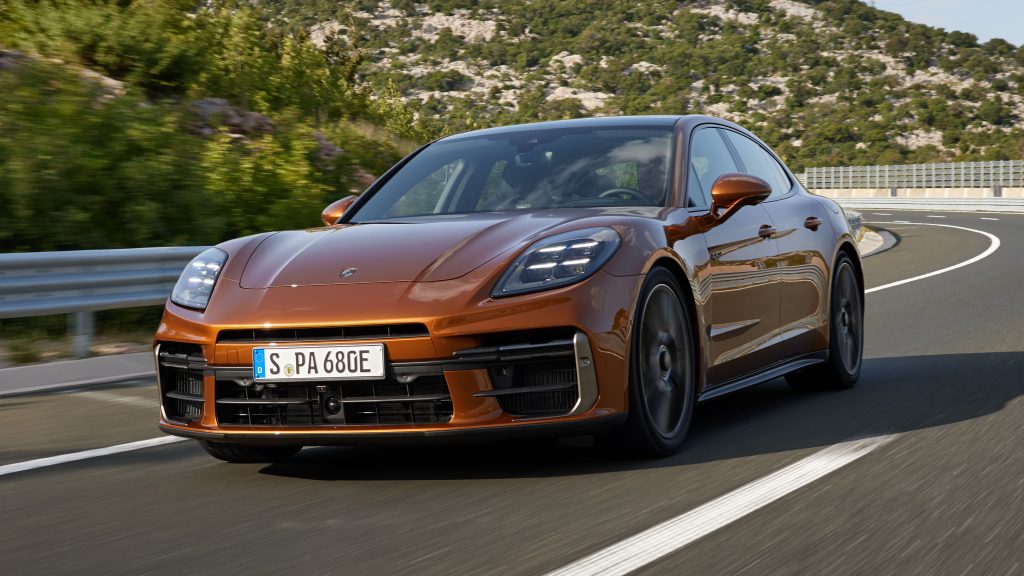
That is the central warning for buyers. The Panamera can be an outstanding performance luxury car, but its used purchase price does not reflect the cost of maintaining every system at Porsche standards.
It can still make sense for an enthusiast with a substantial repair reserve, excellent service records, and access to a specialist familiar with Porsche vehicles. It is a poor choice for someone who is stretching their budget just to afford the purchase price.
The Panamera proves that depreciation can create an illusion. A $100,000-plus luxury car selling for a fraction of its original price may look like a bargain, but its maintenance requirements can still resemble those of a six-figure performance machine.