
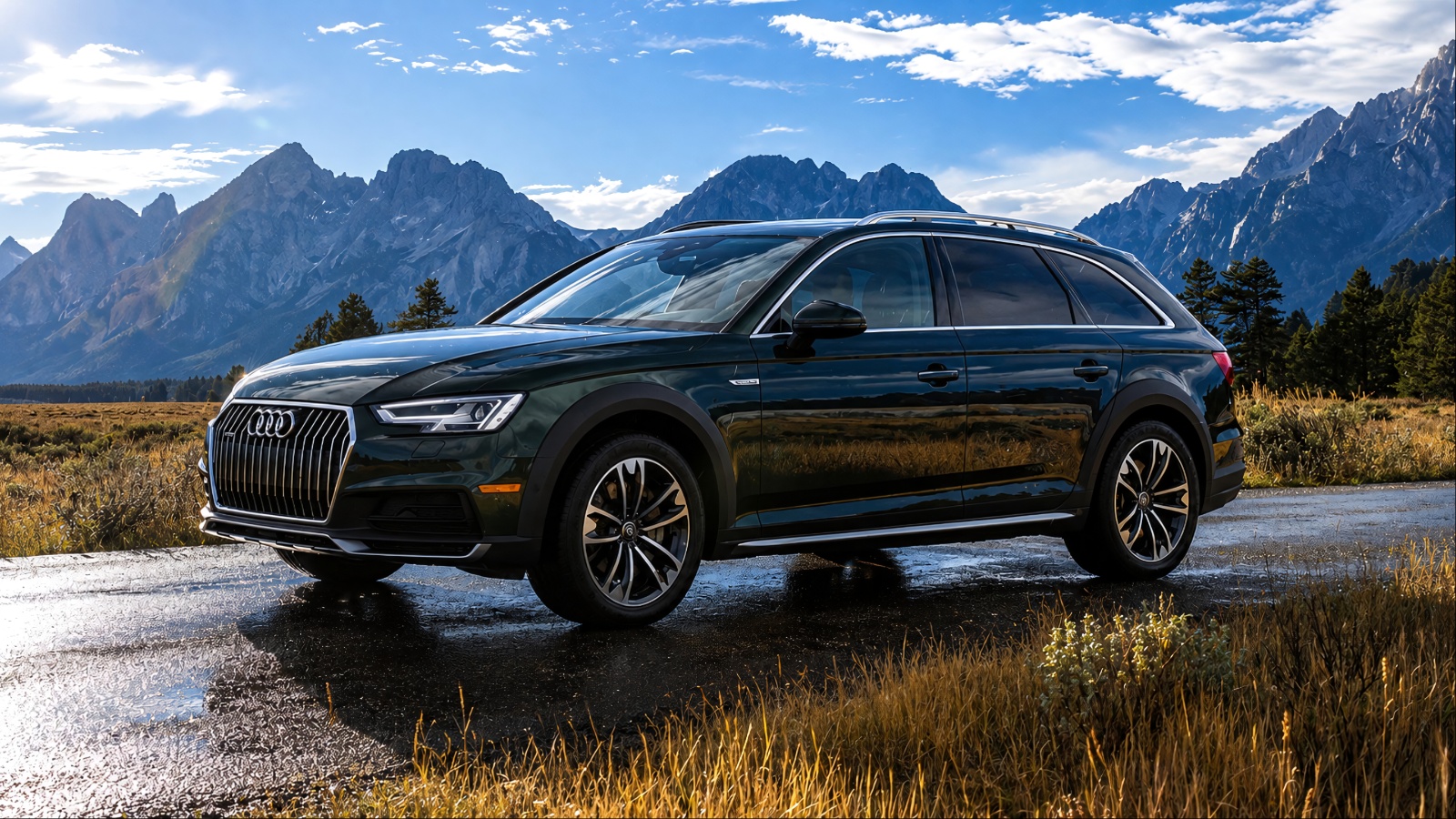
Gravel roads can expose weaknesses that remain hidden during normal city driving. Loose stones, uneven surfaces, washboard sections, potholes, dust, and sudden changes in traction demand more from a vehicle’s suspension, tires, steering, and ground clearance.
A car does not need to be an off-road SUV to handle gravel confidently, but some models are clearly better suited to the job than others. This guide compares five cars that can cope well with regular gravel-road driving and five that are less comfortable on loose or uneven surfaces.
The focus is on ground clearance, suspension design, traction, tire characteristics, ride quality, and practical durability.
5 Cars That Handle a Gravel Road
1. Subaru Outback
The Subaru Outback is one of the easiest cars to recommend for gravel roads because its design sits between a conventional wagon and an SUV.
Its standard all-wheel-drive system provides useful traction when loose gravel reduces grip, while approximately 8.7 inches of ground clearance gives the vehicle more room to deal with potholes, ruts, and uneven surfaces.
The Outback’s suspension is also tuned for a broad range of road conditions rather than purely smooth pavement. That makes it capable of absorbing repeated bumps without transmitting every impact directly into the cabin.
Tire selection matters, but the Outback’s relatively tall body and useful sidewall height on many factory configurations provide additional protection against sharp impacts. Drivers should still avoid treating gravel roads like trails because high-speed impacts can damage wheels, tires, or suspension components.
Another advantage is stability. The vehicle’s longer wheelbase and low center of gravity give it predictable behavior when traveling over loose surfaces. The driver can maintain a steady pace without the nervous steering response associated with some low-slung cars.
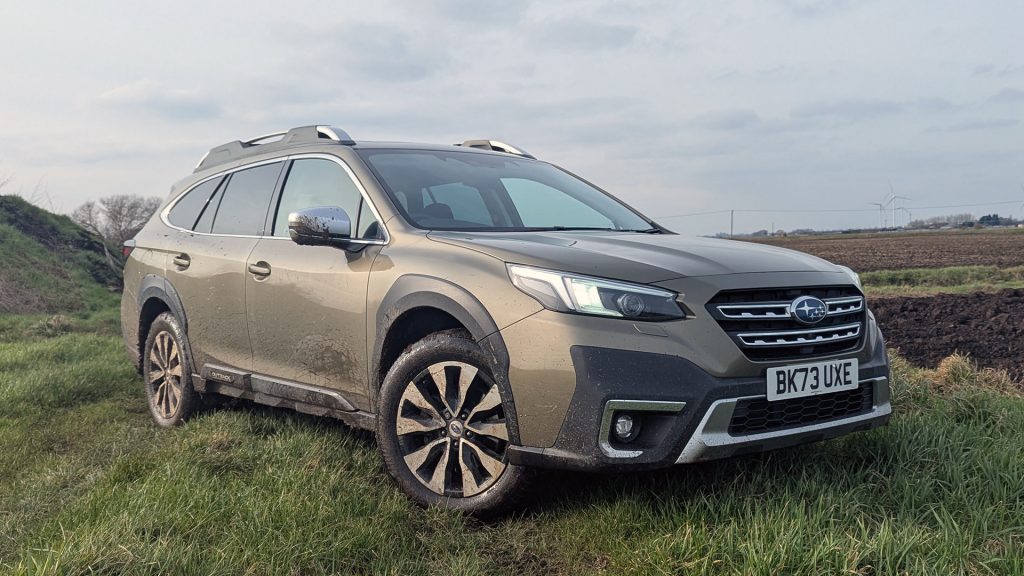
For someone who regularly travels to rural homes, campsites, hiking areas, or properties connected by unpaved roads, the Outback provides a strong combination of comfort and capability. It does not require the compromises of a traditional off-road vehicle while still providing meaningful protection against rougher surfaces.
The Outback earns this position because gravel-road ability is built into its basic design rather than being an afterthought.
2. Subaru Impreza
The Subaru Impreza proves that a car does not need SUV-like proportions to perform well on gravel. Its standard symmetrical all-wheel-drive system gives it a useful advantage when traction becomes inconsistent, while its relatively compact dimensions make it easy to position on narrow rural roads.
The Impreza’s lower ground clearance compared with an Outback means it cannot tolerate deep ruts or large rocks as confidently. However, on maintained gravel roads, the combination of AWD, predictable handling, and a compliant suspension makes it surprisingly capable.
One reason the Impreza works well is its stability. When loose gravel causes the front tires to search for grip, the all-wheel-drive system can distribute power between the wheels to help maintain forward movement. That becomes particularly useful on uphill sections where a conventional two-wheel-drive sedan might struggle.
Its compact size also reduces the temptation to carry excessive speed. The vehicle feels manageable on narrow roads, while its steering remains relatively predictable when the surface becomes loose.
Owners should still consider tire choice carefully. A highway-oriented tire can reduce the vehicle’s advantage on rough gravel, while a tire with stronger sidewalls and more appropriate tread can improve confidence. Underbody protection should also be considered if the roads are significantly rougher than ordinary maintained gravel.
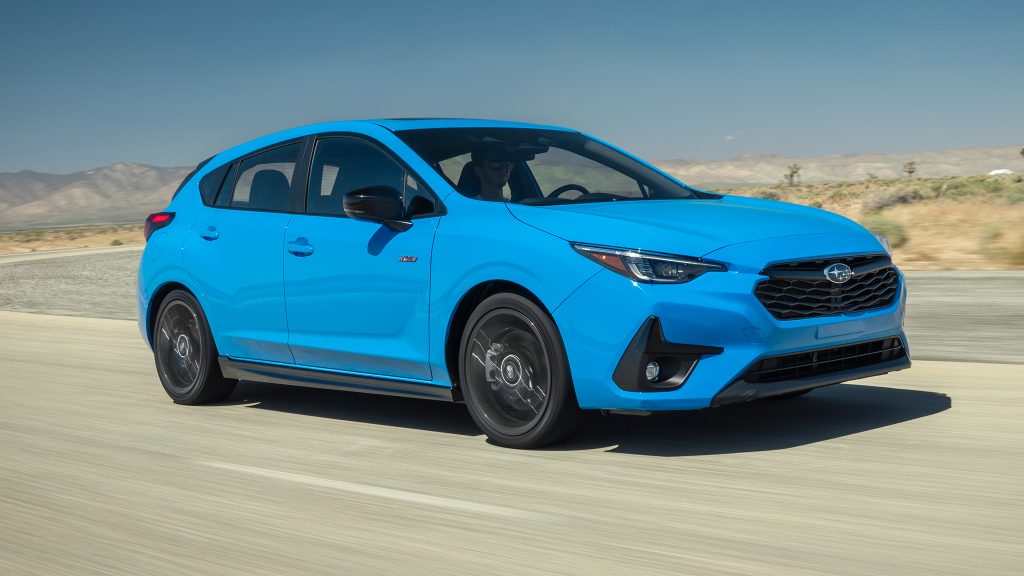
The Impreza is not an off-road vehicle, and it should not be treated as one. Its strength lies in handling the type of gravel road that connects rural properties, campsites, and small communities.
For drivers who want a normal compact car but occasionally face unpaved roads, the Impreza offers an unusually useful combination of traction and everyday practicality.
3. Volvo V60 Cross Country
The Volvo V60 Cross Country is designed for drivers who want wagon practicality without being restricted to perfectly paved roads.
Its raised ride height gives it more clearance than a conventional luxury wagon, while standard all-wheel drive helps maintain traction when loose gravel reduces grip. That combination makes it a particularly useful choice for long rural drives.
The suspension is another reason it works well away from pavement. The cross-country version is tuned with rougher surfaces in mind, allowing the vehicle to absorb smaller bumps without becoming excessively unsettled. This is important on gravel because the surface can change repeatedly within a few hundred yards.
Its relatively long body also contributes to predictable highway behavior, while the wagon shape keeps the center of gravity lower than many traditional SUVs. That helps the car feel stable when moving between paved and unpaved roads.
Tires remain important. The standard setup is designed for a mixture of road conditions rather than aggressive off-road use, so drivers should still avoid deep ruts, large rocks, and mud. Gravel roads that are regularly maintained are where this Volvo makes the most sense.
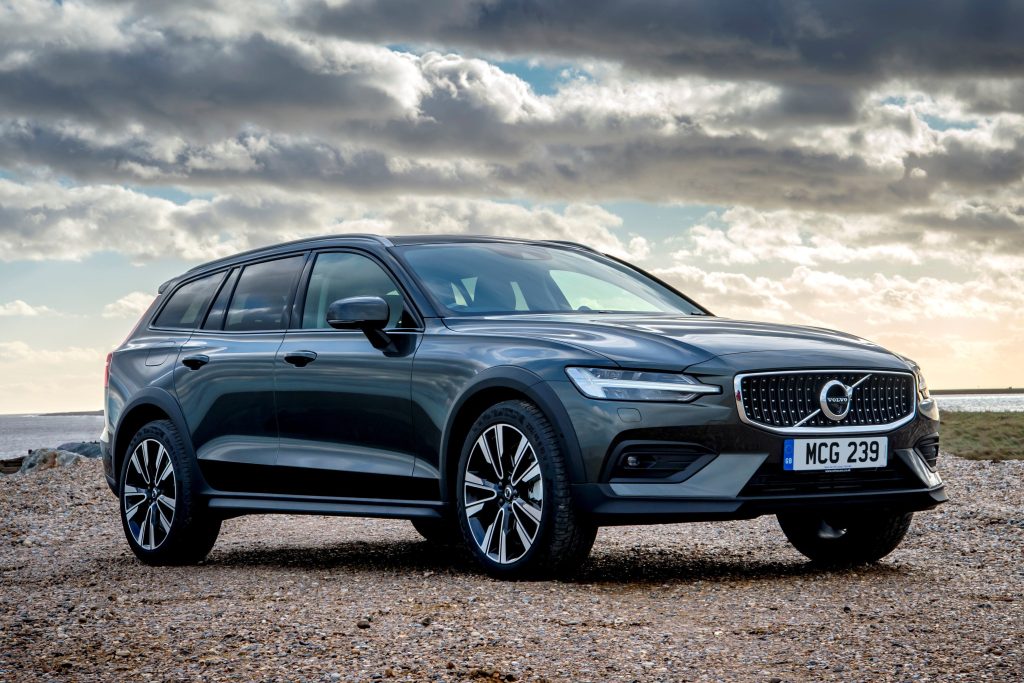
The V60 Cross Country is particularly attractive to buyers who want comfort and premium materials but do not want to give up the ability to reach remote cabins, trailheads, or rural properties. It provides a softer transition between luxury-road driving and occasional unpaved travel.
Its biggest strength is balance. The vehicle does not become an uncomfortable off-road machine simply to gain extra clearance. Instead, Volvo gives it enough additional capability to deal with surfaces that would make an ordinary luxury wagon uncomfortable.
4. Toyota Prius
The Toyota Prius may seem like an unusual candidate for gravel-road driving, but its ability to handle maintained unpaved surfaces is better than its low-profile image suggests. Recent versions can be equipped with all-wheel drive, giving the hybrid an additional advantage when loose gravel reduces traction.
The Prius is not intended for serious off-road use, and its ground clearance remains limited compared with dedicated crossovers. That distinction matters. The vehicle can comfortably handle maintained gravel roads, but deep ruts, large rocks, and rough construction roads should be avoided.
Its hybrid powertrain can actually be useful on loose surfaces because electric motor torque arrives immediately. Smooth throttle application is important on gravel, and the Prius can provide predictable low-speed acceleration without requiring the driver to build engine revs before moving forward.
The vehicle’s relatively low center of gravity also contributes to stable handling. Drivers should nevertheless reduce speed because loose gravel can extend braking distances and reduce cornering grip.
Tire condition becomes particularly important with a Prius. Worn tires can undermine the traction advantages of the all-wheel-drive system, while properly maintained tires can make a significant difference on loose surfaces.
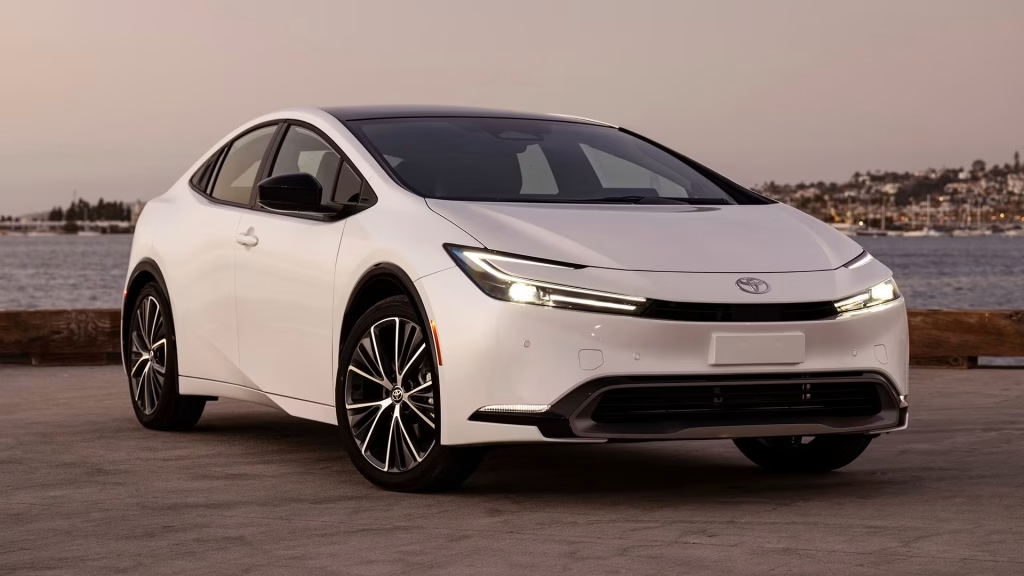
For rural commuters who encounter several miles of gravel before reaching pavement, the Prius can be a surprisingly sensible choice. It retains the fuel-saving benefits of a hybrid while offering more flexibility than many buyers expect.
The key is understanding its limits. This is a car for maintained gravel, not deep mud or heavily rutted trails. Within that boundary, its available AWD, immediate electric torque, and stable chassis make it more capable than its economy-car reputation suggests.
5. Audi A4 Allroad
The Audi A4 Allroad demonstrates how a luxury wagon can provide meaningful gravel-road capability without abandoning premium-road manners. Its raised suspension gives it more clearance than a standard A4, while Audi’s quattro all-wheel-drive system provides additional traction when loose stones reduce grip.
The vehicle is particularly comfortable on long stretches of mixed pavement and gravel. Its suspension absorbs smaller surface imperfections, while the wagon’s lower center of gravity keeps it composed when compared with taller SUVs.
The turbocharged engine also provides strong low-end response, which is useful when climbing loose inclines. The driver does not need to push the engine aggressively to maintain momentum, and the all-wheel-drive system can help distribute available traction.
There are limitations. The A4 Allroad is still a luxury vehicle with expensive wheels, tires, and suspension components. Drivers should not treat it like a dedicated off-road machine. Large rocks and deep potholes can damage components that are costly to replace.
For maintained gravel roads, however, the Allroad makes considerable sense. It can carry passengers and luggage comfortably while giving owners enough additional capability to reach rural destinations that might be uncomfortable in a standard luxury sedan.
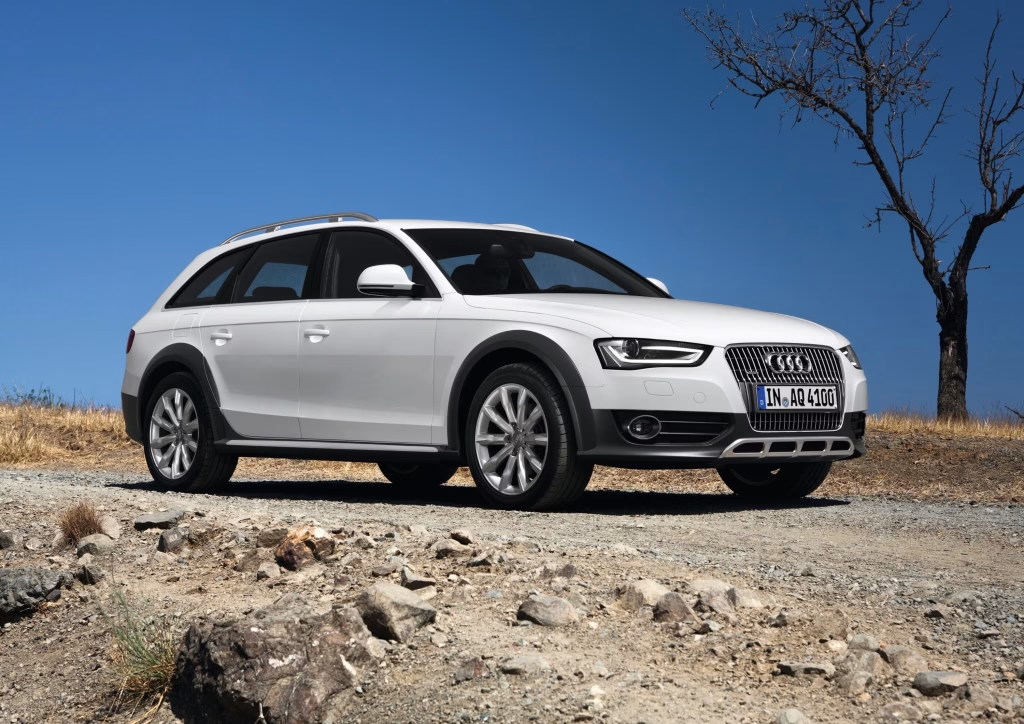
The combination of ground clearance, AWD, and wagon practicality is what makes it stand out. Someone who spends most of the week on pavement but occasionally travels to a cabin, vineyard, campground, or rural property can benefit from the vehicle’s broader range of abilities.
5 Cars That Do Not Handle a Gravel Road Well
1. Chevrolet Corvette
The Chevrolet Corvette is engineered around performance on smooth pavement, not repeated gravel-road travel. Its low ground clearance, wide performance tires, stiff suspension tuning, and rear-wheel-drive layout make loose surfaces considerably less appealing than they are in a raised crossover or wagon.
The low seating position is part of the car’s performance identity, but it creates an obvious disadvantage when a gravel road develops potholes, exposed rocks, or deep depressions. A poorly placed rock can contact the underside, while loose material can be thrown against the bodywork by the wide tires.
Traction is another consideration. High-performance tires are designed primarily to maximize grip on pavement. They can provide excellent performance on dry asphalt but are not optimized for loose gravel. Sudden throttle inputs can cause the rear tires to break traction more easily than they would on a vehicle with all-wheel drive and more appropriate tires.
The suspension creates a similar compromise. Firm tuning helps control body movement during hard cornering, yet repeated impacts from corrugated gravel can make the ride uncomfortable and place additional stress on wheels and suspension components.
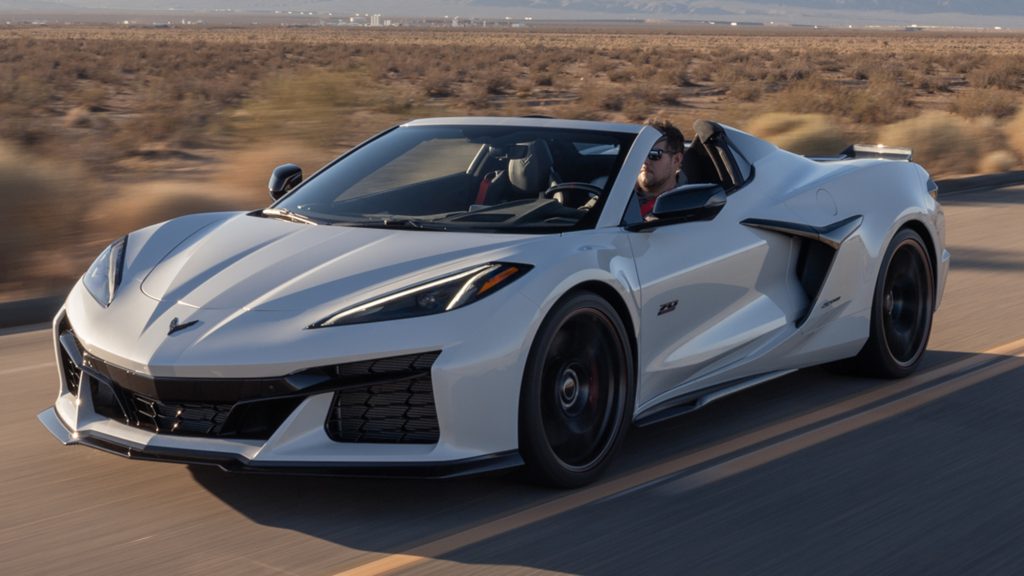
A Corvette can certainly cross a maintained gravel road at low speed. The concern is repeated use, particularly when the surface is rough.
For owners who live on a short gravel driveway, careful driving is usually enough. Anyone who regularly travels long unpaved routes should consider a vehicle with greater clearance and more forgiving suspension.
2. BMW M3
The BMW M3 is another vehicle whose strengths become disadvantages on gravel. Its performance-oriented suspension, wide tires, low ride height, and rear-biased driving character are designed to provide precise control on pavement rather than comfort over loose surfaces.
A gravel road introduces unpredictable traction. Small stones can reduce grip under braking and acceleration, while uneven pavement can unsettle the car when it is driven too quickly. The M3’s performance tires are excellent for dry-road handling but are not designed to provide the same confidence on loose material as more versatile all-season or all-terrain tires.
The car’s low profile also creates a greater risk of scraping. Deep potholes, exposed rocks, and abrupt elevation changes can put the underbody closer to the road than a typical crossover.
Wheel protection is another concern. Large performance wheels often use relatively short tire sidewalls, leaving less cushioning between the rim and a sharp-edged pothole. A hard impact can damage a tire or bend a wheel.
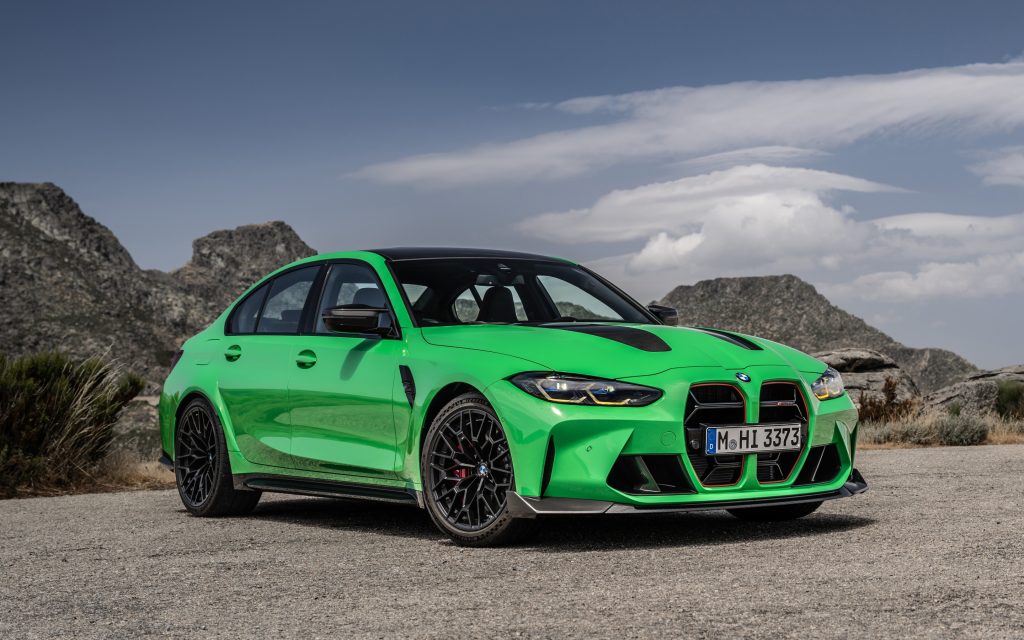
None of these characteristics make the M3 unsuitable for a brief gravel section. The car can travel across one if the driver slows down and pays attention to the road. The issue is repeated use.
Someone who regularly commutes over several miles of rough gravel would be better served by a vehicle with more ground clearance and softer suspension tuning. The M3’s engineering is exceptional for its intended environment, but gravel roads are not that environment.
3. Porsche 911
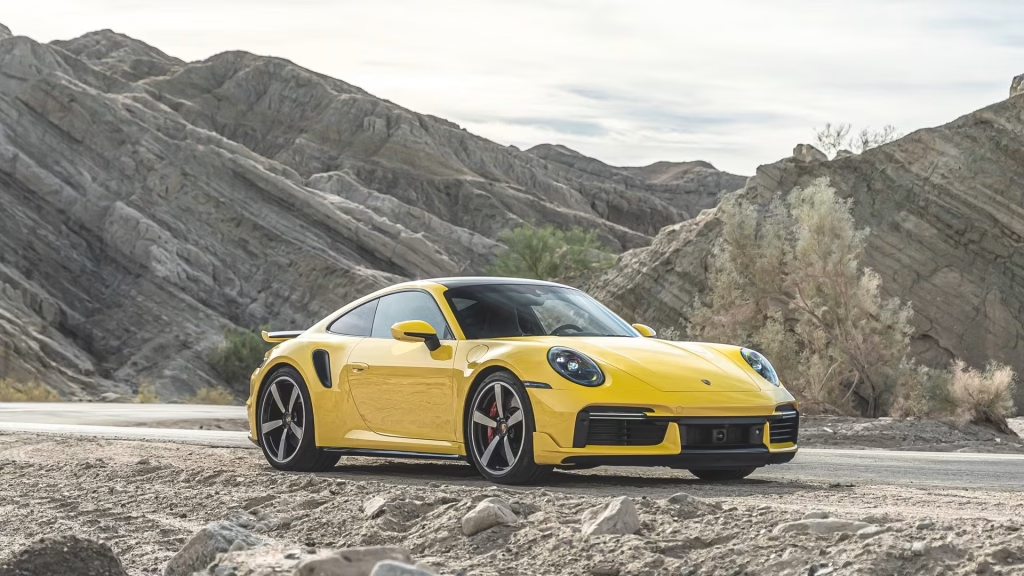
The Porsche 911 is famous for precision, stability, and high-speed performance, but those same characteristics make it a poor choice for regular gravel-road use. Its low ride height leaves limited room for uneven surfaces, while performance-oriented tires and suspension prioritize pavement grip.
A gravel road can expose the car to several risks. Loose stones can be thrown against the body, potholes can produce sharp suspension impacts, and exposed rocks can threaten the underside. Drivers must also be careful with throttle application because loose material can reduce traction when accelerating.
The rear-engine layout gives the 911 excellent traction characteristics on many paved surfaces, but it does not transform the sports car into an off-road vehicle. The car remains highly dependent on careful tire selection and controlled driving when the road becomes loose.
Its wheels are another vulnerability. Performance versions can use large wheels paired with low-profile tires, leaving limited sidewall protection against sharp potholes. A wheel that survives a smooth highway may face a much harsher environment on rough gravel.
Porsche does produce variants with greater ground clearance and more adventurous capabilities, but a standard 911 should not be confused with them.
For a driver who encounters a short gravel driveway, careful low-speed driving can prevent problems. Regular use is a different matter. The 911 is best kept on surfaces where its steering, braking, suspension, and tire technology can deliver the characteristics for which it was designed.
4. Mercedes-AMG GT
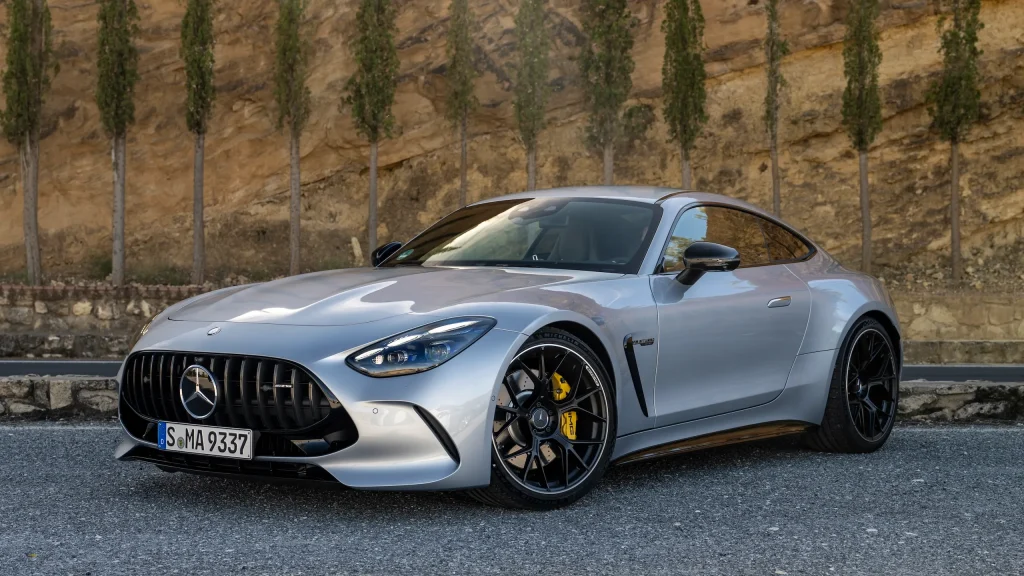
The Mercedes-AMG GT is built around the idea of high-performance grand touring, making smooth pavement its natural environment. Its low stance, wide tires, firm suspension, and powerful rear-drive-oriented configuration do not translate particularly well to long gravel roads.
Ground clearance is the first obvious issue. Uneven gravel can include dips, ridges, and exposed stones that a low sports car has to approach carefully. Scraping the underside can become a genuine concern when road conditions deteriorate.
The tires create another limitation. High-performance rubber provides enormous grip on appropriate pavement but is not designed for loose surfaces. Gravel reduces the consistency of the contact patch, making sudden braking or acceleration less predictable.
Large wheels and low-profile tires also reduce the amount of cushioning available when hitting potholes. A driver who travels too quickly over a rough section could damage a tire or wheel.
The AMG GT’s sophisticated suspension is excellent for controlling body movement on paved roads, but gravel introduces repeated small impacts that can make the ride harsh. The vehicle may also require more careful steering inputs because loose stones can change the car’s behavior during cornering.
This does not make the AMG GT incapable of crossing an unpaved road. A cautious driver can get through a maintained gravel section without difficulty. The problem is using the car regularly in an environment where its expensive performance components face unnecessary stress.
For owners who occasionally need to reach a gravel driveway, caution is enough. For frequent gravel travel, a raised vehicle with more forgiving tires and suspension would be a considerably better fit.
5. Toyota GR86
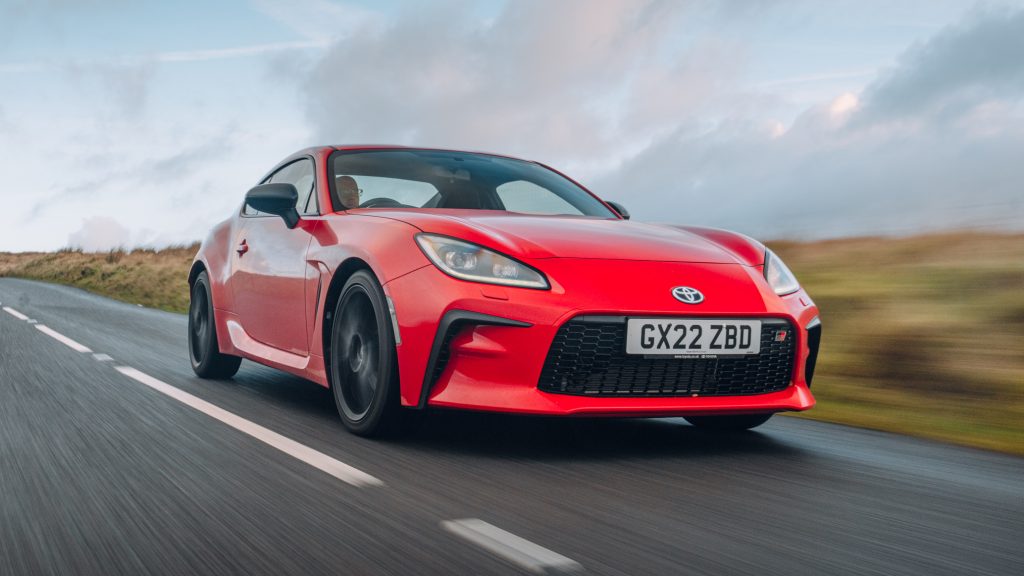
The Toyota GR86 is much less expensive than the other performance cars on this list, but its lightweight sports-car design still makes it poorly suited to regular gravel-road driving. Its low ride height, rear-wheel drive, firm suspension, and performance-oriented tires are all optimized for pavement.
The GR86’s 2.4-liter naturally aspirated flat-four produces 228 horsepower and 184 lb-ft of torque. That power is perfectly suited to a lightweight sports car, but the vehicle’s low stance means drivers need to pay close attention to potholes, rocks, and sudden changes in road height.
Rear-wheel drive can also make loose surfaces more demanding. Gentle throttle inputs are essential because sudden acceleration can cause the rear tires to lose grip. An experienced driver can manage this, but the car still lacks the clearance and traction systems that make gravel easier in more suitable vehicles.
Its suspension tuning provides excellent feedback on paved roads but can become harsh over corrugated gravel. Repeated impacts can also place additional stress on wheels and tires.
The GR86 is therefore not a bad vehicle. It simply has a very specific purpose. It rewards drivers who value lightweight handling, a low seating position, and predictable behavior on pavement.
A short gravel driveway should not be a deal breaker. Regularly driving several miles of rough gravel is another story. For that kind of use, a Subaru Outback, Impreza, or another vehicle with greater clearance and more versatile traction would be much more appropriate.
