
The title needs one important qualification: there are very few vehicles that are literally impossible to insure in every U.S. state and with every insurer. The real problem is that certain vehicles can be refused by mainstream insurers, restricted to liability-only coverage, or accepted only through specialty insurance.
Salvage titles are the clearest example. Progressive states that it does not insure salvage-title cars, while rebuilt-title vehicles may receive only limited coverage depending on the insurer.
Specialty insurers also impose strict rules on collector, modified, racing, and unusual vehicles. The ten examples below focus on vehicles that can be extremely difficult to insure through ordinary U.S. auto policies.
1. Salvage-Title Vehicles
A salvage-title vehicle is probably the closest thing to a car that mainstream insurers may simply refuse to cover. Progressive states directly that it does not insure salvage cars.
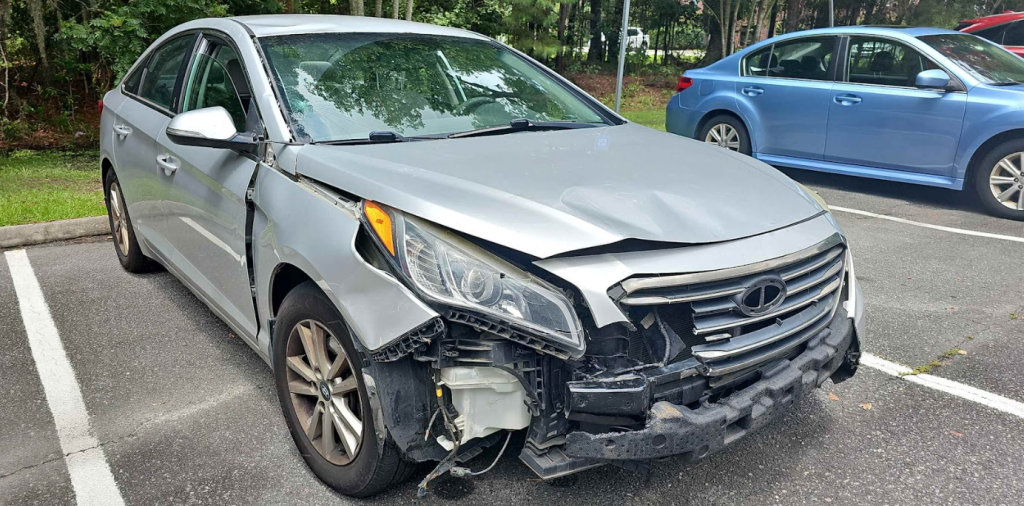
The reason begins with the vehicle’s history: a salvage title generally means an insurer previously determined that the vehicle was a total loss. That could have resulted from a crash, flood, fire, theft recovery, or another major event.
The problem for an insurer is not necessarily that the vehicle can never be repaired. Instead, it is difficult to establish exactly what damage remains, what repairs were performed, and whether hidden structural or mechanical problems could contribute to a future claim.
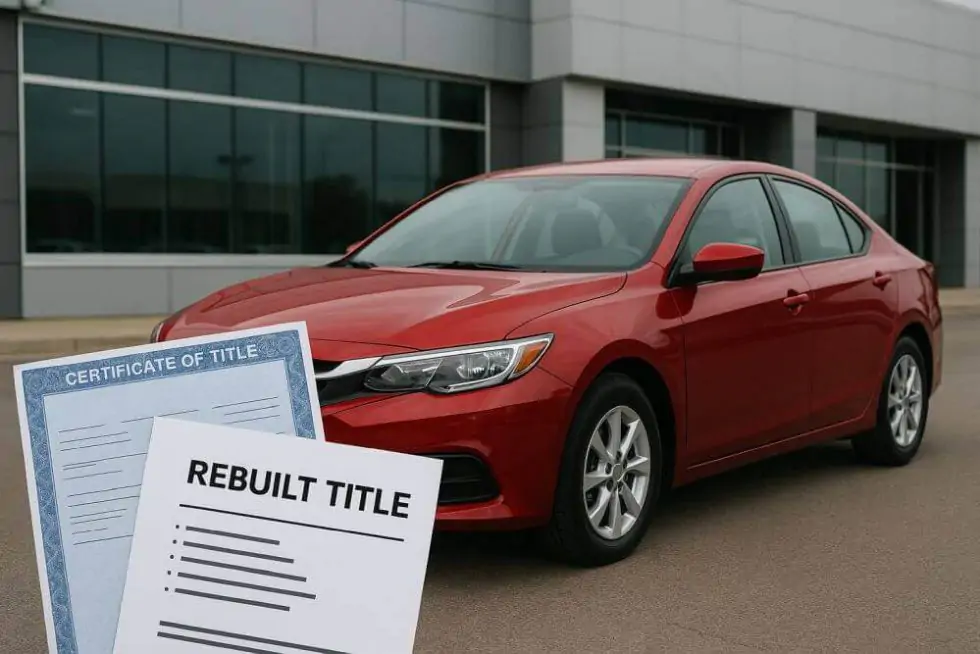
A salvage vehicle can potentially return to the road after being rebuilt and passing the applicable state inspection process. At that point, it may receive a rebuilt or reconstructed title, depending on the state’s terminology. But that does not automatically make it equivalent to a clean-title vehicle in the eyes of insurance companies.
Progressive explains that rebuilt-title vehicles can generally obtain liability coverage if the insurer accepts them, but comprehensive and collision coverage may be unavailable. Some insurers may also charge more because of the vehicle’s history.
That creates a major financial problem for a buyer. Paying a surprisingly low price for a rebuilt vehicle may seem attractive until the owner discovers that protecting the car against theft, fire, hail, or another collision is difficult or impossible.
The key lesson is that a salvage title does not necessarily mean “uninsurable forever.” It means the normal insurance market may not want the risk, and obtaining full coverage can become significantly harder.
2. Cars With Rebuilt Titles
A rebuilt-title car sits in a strange position. Unlike a vehicle that still carries a salvage title, it has usually been repaired and inspected sufficiently to return to legal road use. Yet its previous total-loss history can make insurance considerably more complicated.
Progressive says not all insurers offer coverage for rebuilt-title vehicles, and companies that do accept them may limit the types of coverage available. Liability insurance may be available, while comprehensive and collision coverage can depend on the insurer’s underwriting rules.
The reason is straightforward from an insurer’s perspective. When a rebuilt car is involved in another accident, determining which damage is new and which damage existed before the latest incident can be difficult. That makes the vehicle harder to value and creates additional uncertainty when settling a physical-damage claim.
For example, imagine a rebuilt vehicle previously suffered major front-end damage. Even if it passes a state inspection, an insurer may have concerns about whether future damage to the same area resulted from the new accident or the earlier repair.
That does not mean every rebuilt car is dangerous or poorly repaired. Some are restored carefully by professionals and can provide years of reliable transportation. The insurance problem is primarily about documentation, valuation, and risk.
Buyers should therefore contact an insurer before purchasing a rebuilt vehicle rather than assuming coverage will be available afterward. They should ask specifically whether liability, comprehensive, collision, uninsured motorist, and other required coverages can be written for that VIN and title status.
A low purchase price can become much less attractive if full physical-damage coverage is unavailable. The car may be perfectly legal to drive while still being difficult to insure, the way a conventional clean-title vehicle would be.
3. Flood-Damaged Vehicles With Salvage Titles
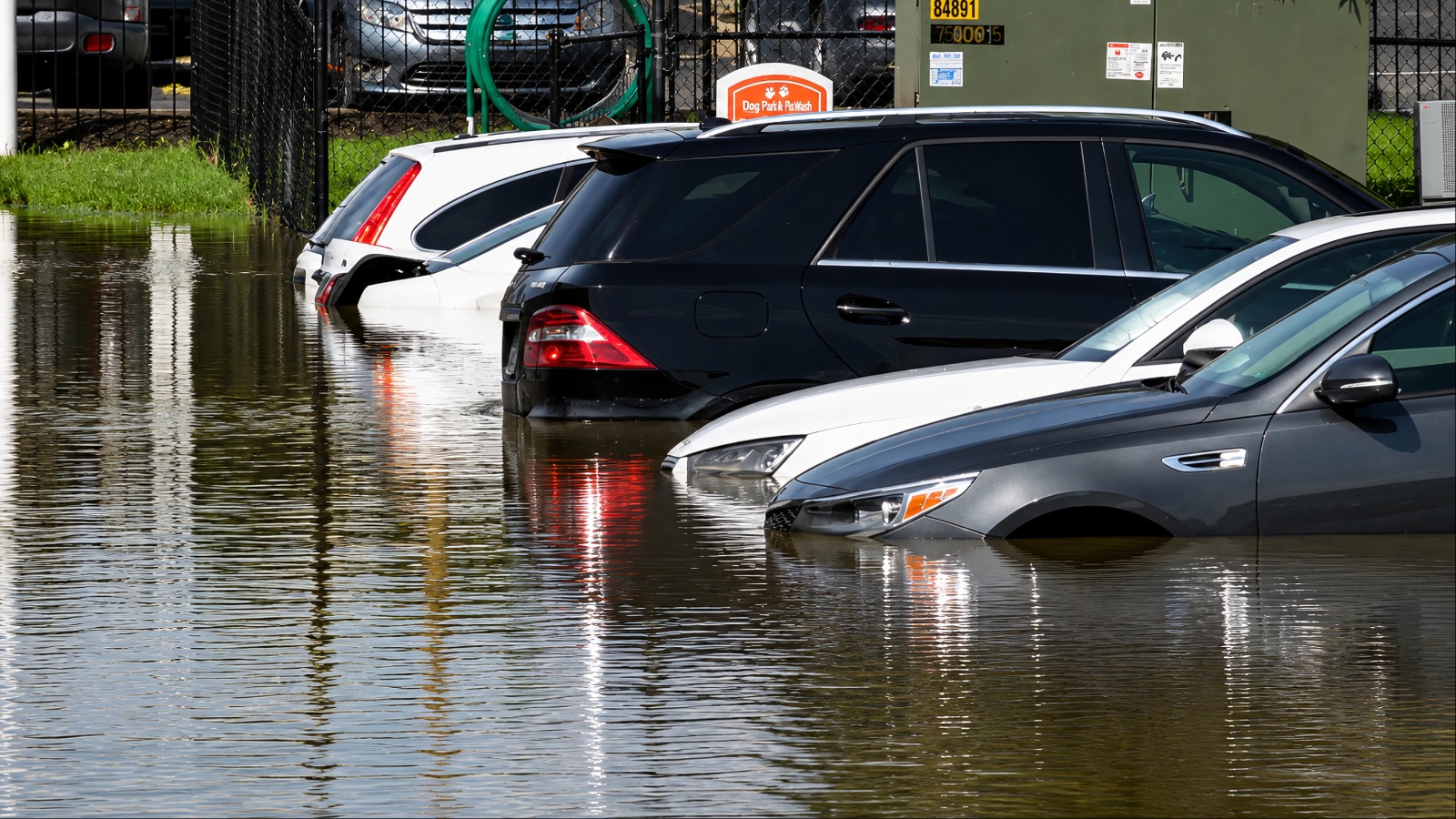
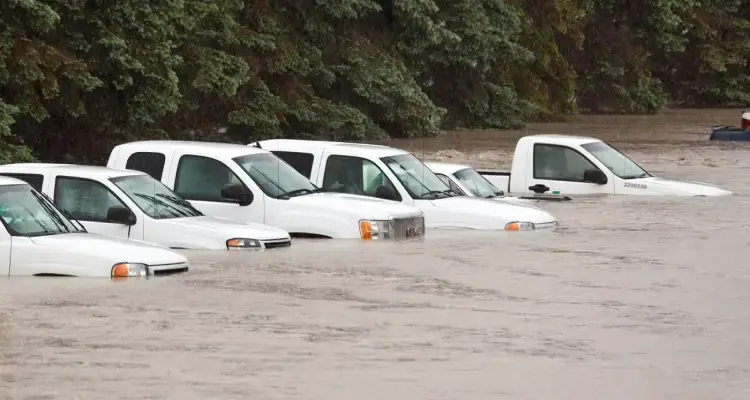
Flood damage can create one of the biggest insurance problems in the used-car market, particularly when the vehicle ends up with a salvage title.
Water can affect electrical wiring, control modules, sensors, airbags, connectors, carpeting, drivetrain components, and other systems that may continue developing problems long after the vehicle appears to run normally.
The insurance difficulty becomes much clearer when the vehicle receives a salvage designation. Progressive states that it does not insure salvage-title cars.
Once a vehicle has been declared a total loss, it generally must be rebuilt and pass the applicable state requirements before it can return to the road. Even after receiving a rebuilt title, insurance options may remain limited.
Flood damage is particularly troublesome because determining the true extent of electrical deterioration can be difficult. A vehicle might start and drive after being dried out, yet corrosion inside connectors or electronic modules can create failures months later.
Progressive notes that comprehensive coverage can cover flood damage to an otherwise properly insured vehicle. However, if a flood-damaged vehicle becomes a salvage vehicle, obtaining collision and comprehensive coverage afterward can become much harder because insurers may have difficulty determining the vehicle’s condition and value.
That distinction is critical for buyers browsing auction listings. A very low price does not necessarily represent a bargain if the vehicle cannot receive the same insurance protection as a clean-title car.
A rebuilt flood-damaged vehicle can potentially be insured by some companies, but buyers should obtain confirmation using the actual VIN before purchasing it. Otherwise, they could discover that the car can be registered and driven but cannot receive the physical-damage coverage they expected.
4. Non-Repairable or Junk-Titled Vehicles
A non-repairable vehicle presents an even more fundamental problem than an ordinary salvage car. The terminology varies between states, but some jurisdictions use designations such as “non-repairable,” “junk,” or “parts only” for vehicles that cannot legally return to normal road use.
Progressive explains that a non-repairable vehicle is different from an ordinary salvage vehicle that can potentially be rebuilt. Its guidance notes that vehicles carrying a non-repairable or parts-only designation cannot be legally restored and operated on public roads.
That creates an obvious insurance problem. Standard automobile insurance exists to protect vehicles being legally operated as road-going transportation. If a vehicle cannot legally be registered or driven on public roads, ordinary personal auto insurance is not a practical substitute for road-use coverage.
This category can include vehicles that suffered catastrophic damage, were declared beyond economical repair, or were otherwise designated for dismantling. The exact threshold and terminology are determined by individual states, so the legal status of a particular vehicle has to be checked against the state that issued its title.
The biggest mistake a buyer can make is assuming that every salvage vehicle can eventually become a rebuilt vehicle. That is not true. Some titles specifically indicate that the vehicle is permanently restricted to parts or scrap.
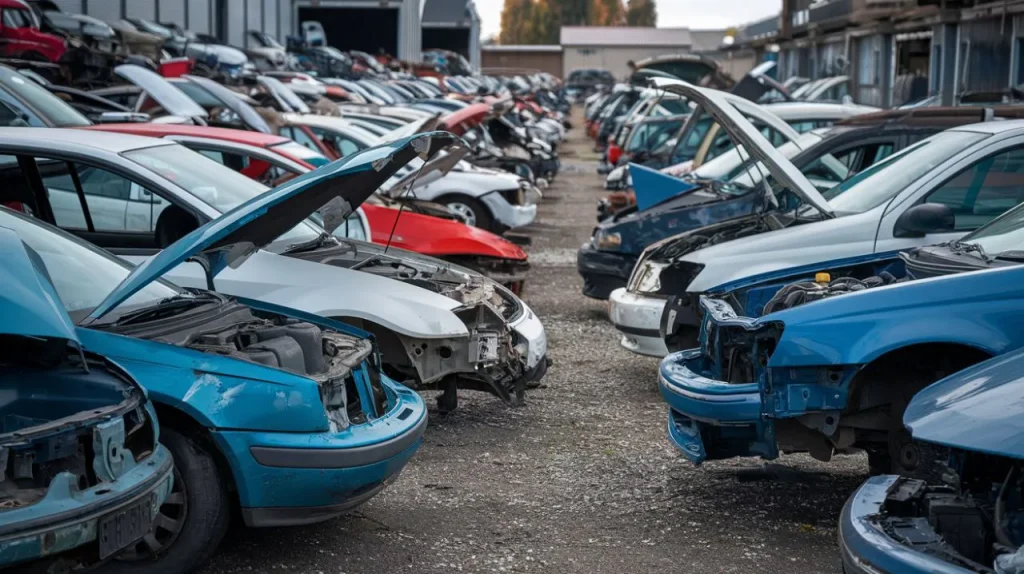
A non-repairable car may still have value. Its engine, transmission, wheels, interior, electronics, or body components could be useful as replacement parts. But that is completely different from buying a vehicle for normal transportation.
Insurance, therefore, is not the only issue. Registration, inspection, titling, and legal road use can all become impossible.
Anyone considering an extremely cheap auction vehicle should examine the exact title brand before bidding. A car advertised as “damaged” or “salvage” can have a completely different legal future depending on the specific title designation.
5. Limited-Production Exotic Cars
Limited-production exotic cars can be difficult to place with a conventional U.S. auto insurer because their replacement and repair costs can be far removed from those of ordinary vehicles.
New York’s Department of Financial Services specifically identifies limited-production makes and models as a category that some insurers may refuse or restrict, while noting that very high-value vehicles can also be difficult for standard carriers to underwrite.
The problem is not simply horsepower. An exotic may require specialized parts, manufacturer-specific repair procedures, carbon-fiber body panels, unusual paintwork, or components that are difficult to source.
A relatively minor accident can therefore produce a claim substantially larger than a comparable accident involving an ordinary sedan.
Progressive illustrates the issue from another angle. The insurer says it does not insure vehicles valued above $150,000 and suggests that owners of more expensive vehicles consider specialty insurance.
That does not mean a $150,000-plus vehicle is impossible to insure in America. Specialty insurers exist specifically because conventional carriers may not want these risks. Hagerty, for example, offers specialty coverage for exotic and special-interest vehicles under its collector programs, subject to eligibility requirements.

The buyer therefore needs to arrange insurance before purchasing the car, not after signing the paperwork. A VIN-specific quote is especially important because two visually similar vehicles can have very different values depending on trim, options, production numbers, and provenance.
An exotic car can be completely legal to drive and still be difficult to insure through an ordinary personal auto policy. The restriction is usually an underwriting decision rather than a nationwide legal ban.
6. Purpose-Built Race Cars
A purpose-built race car is perhaps the clearest example of a vehicle that cannot simply be treated like a normal road car for insurance purposes. Cars designed exclusively for competition may lack equipment required for ordinary road use, and their intended operation presents a fundamentally different risk from commuting on public streets.
Hagerty specifically offers motorsports insurance for race cars, dragsters, pro-street vehicles, and other competition vehicles, but its coverage is structured around how the vehicle is used.
Purpose-built race cars can receive limited collision and comprehensive-style protection while being transported, stored, or kept in the paddock. Coverage does not apply while the vehicle is actually racing.
That distinction is critical. A standard personal auto policy is generally not designed to cover competitive driving, where the risk of an accident is fundamentally different from ordinary road use.
Hagerty likewise states that its regular program is not designed to provide coverage while vehicles are being raced, although separate motorsports products are available.
A street-legal race car can occupy a different position. Hagerty says full coverage can be available for street-legal race cars used on public roads, subject to the applicable state and policy requirements.
That makes the phrase “cannot insure” somewhat misleading. A race car is not necessarily uninsurable. It is simply unlikely to fit a conventional everyday auto policy in the same way as a normal production vehicle.
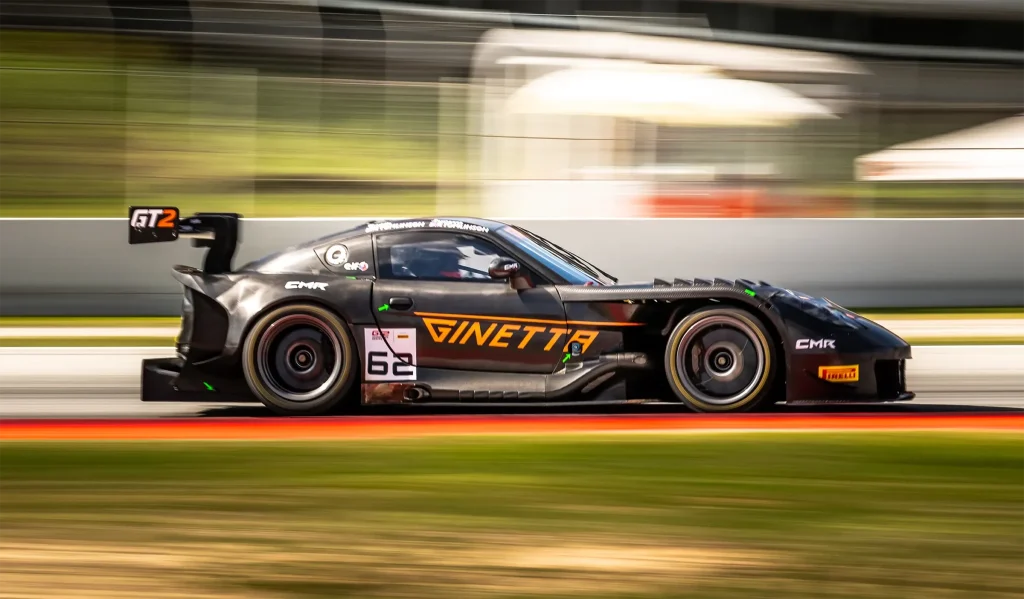
Anyone buying a dedicated track machine should therefore arrange specialized coverage for transportation, storage, theft, fire, and other risks, and separately investigate track-day or competition coverage when needed.
7. Highly Modified Performance Cars
A heavily modified performance car can be perfectly legal to drive and still be difficult to insure through a conventional auto policy. The problem is that standard insurance is generally designed around a vehicle’s factory configuration, while substantial modifications can change both the vehicle’s value and the potential cost of repairing it.
Progressive says modifications such as turbochargers, suspension upgrades, custom paint, specialized wheels, and other aftermarket equipment may require an endorsement or a separate custom-car policy. It also notes that some insurers will not cover vehicles whose performance has been significantly increased.
New York’s Department of Financial Services goes further by identifying customized or modified vehicles as a category that some insurers may refuse or accept only under restrictive conditions.
Its guidance says insurers may consider factors such as high repair costs, unusual construction, or limited availability of replacement parts when deciding whether to write a policy.
The biggest mistake is assuming that your existing policy automatically covers every modification. Imagine buying a Mustang, adding a supercharger, expensive wheels, upgraded suspension, and $15,000 worth of custom bodywork.
If the insurer is unaware of those changes and the vehicle is later totaled, the standard policy may not reimburse the full amount spent on modifications.
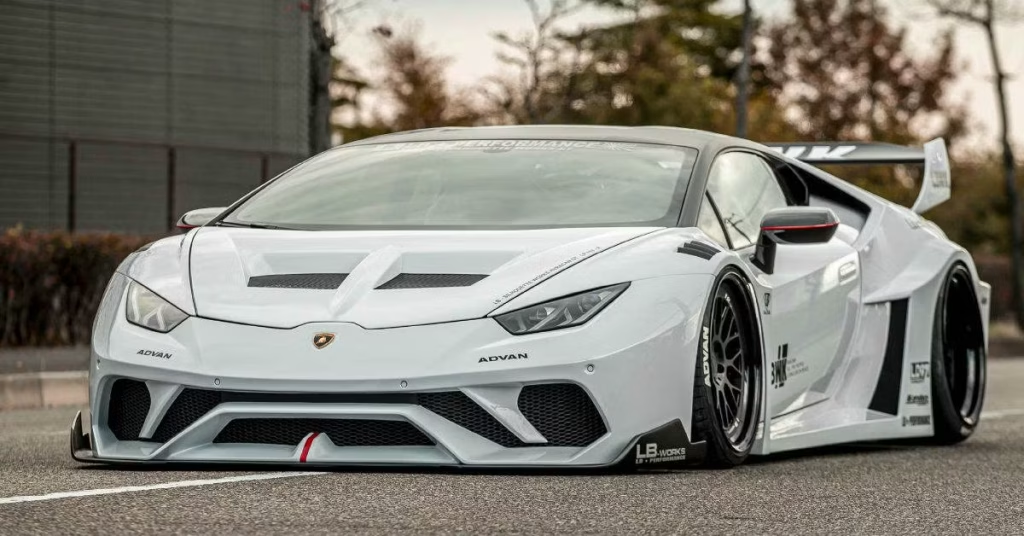
Specialty insurance can provide a solution. Hagerty specifically offers coverage for modified vehicles, including hot rods, restomods, pro-street builds, custom imports, and other heavily modified cars. Its policies can account for the additional value created by the modifications.
The lesson is simple: modification does not make a vehicle uninsurable, but it can move the car outside the normal insurance market.
8. Kit Cars and Replica Vehicles
Kit cars and replicas can be among the most difficult vehicles to insure through a conventional auto policy because they do not fit neatly into the normal definition of a mass-produced automobile.
A replica may resemble a famous sports car, while its underlying chassis, engine, body, and construction can be completely different from the original vehicle.
New York’s Department of Financial Services specifically lists kit cars and replicas among vehicle categories that some insurers may refuse to cover or accept only under strict conditions.
The department also identifies experimental vehicles, gray-market vehicles, limited-production models, and racing vehicles as categories that can create underwriting difficulties.
The challenge is valuation. With an ordinary production car, an insurer can use extensive market data to establish a vehicle’s approximate value. A one-off replica with thousands of dollars invested in custom components is much harder to price accurately.
That does not mean replica owners have no insurance options. Hagerty’s specialty insurance program specifically includes replicas among the types of modified and collector vehicles it can cover. The company says specialty coverage can account for the added value created by modifications and custom work.
Documentation becomes particularly important. Owners should retain receipts for engines, transmissions, bodywork, paint, wheels, interior components, and other expensive equipment. Photographs can also help establish the vehicle’s condition and specification.

A standard insurer may see a vehicle with an unusual VIN or construction history and simply decline the risk. A specialty insurer, by contrast, is specifically set up to evaluate unusual vehicles.
Therefore, the problem is not that kit cars are impossible to insure in America. The problem is that finding appropriate coverage can require a specialty carrier rather than a standard insurer.
9. Gray-Market Vehicles
A gray-market vehicle is one of the clearest examples of a car that can be perfectly desirable to an enthusiast while being difficult to insure through ordinary U.S. insurance channels. These vehicles were originally built for a foreign market rather than being officially imported and certified for the United States.
The New York Department of Financial Services specifically lists gray-market vehicles among categories that some insurers may refuse to insure or may accept only under restrictive conditions. The department explains that these vehicles may not meet U.S. federal emissions or safety standards, creating additional underwriting concerns.
The insurance problem can go beyond legality. Replacement parts may be difficult to obtain, repair procedures may differ from U.S.-market versions, and there may be limited pricing data available to establish the vehicle’s actual cash value.
An insurer that can easily estimate the value and repair cost of a common U.S.-market vehicle may have far less information for a rare imported model.
That does not mean every foreign-market vehicle is impossible to insure. Once properly imported, modified when required, and legally titled, specialty insurers may be willing to consider it. The challenge is finding a company willing to accept the specific vehicle and provide the coverage the owner actually needs.
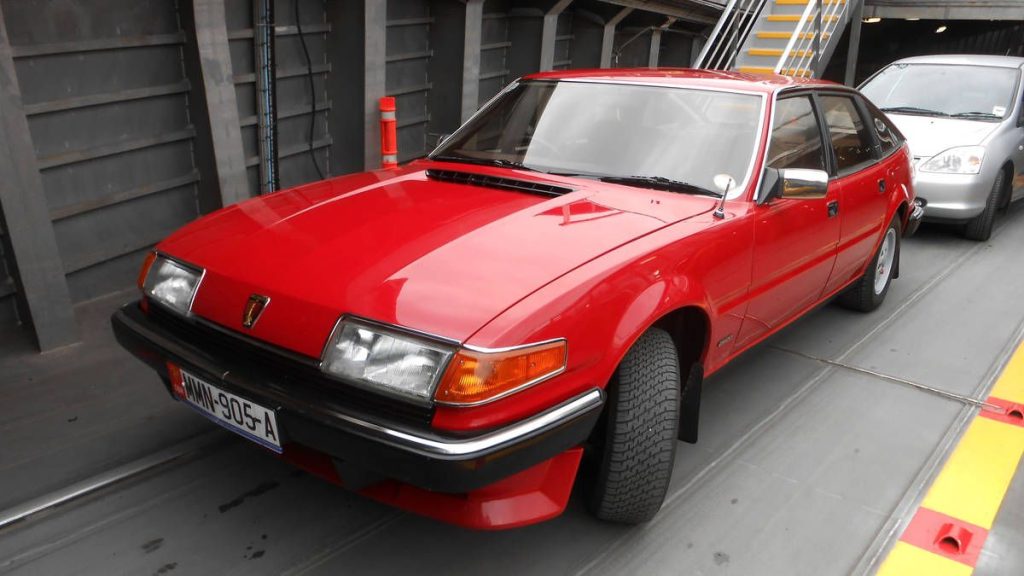
This is why insurance should be arranged before buying a gray-market car. A VIN-specific quote is much more useful than asking an insurer whether it generally covers imported vehicles.
The potential bargain can disappear quickly if the owner discovers that only liability coverage is available or that physical-damage coverage requires a specialty policy with unusual terms.
10. Converted School Buses
A converted school bus may look like a clever way to create an inexpensive recreational vehicle, but getting it insured can be much harder than building it.
Progressive states that many insurers, including Progressive itself, do not insure converted school buses. Coverage can depend on the vehicle’s age, condition, and how the conversion was performed.
The difficulty comes from the fact that the vehicle has changed substantially from its original purpose. A school bus was manufactured and rated as a passenger-carrying commercial vehicle. After conversion, it might contain a bedroom, kitchen, electrical system, water tanks, solar equipment, propane appliances, or other modifications.
That creates a complicated underwriting question. An insurer needs to know what the vehicle is now, how much it is worth, and how it will be used. A professionally converted recreational vehicle with documented work can present a very different risk from a bus converted by an owner using homemade electrical and plumbing installations.
Progressive specifically recommends obtaining insurance during the conversion process rather than waiting until the project is finished. That is important because an uninsured vehicle can suffer theft, fire, or other damage while sitting at a property or undergoing construction.
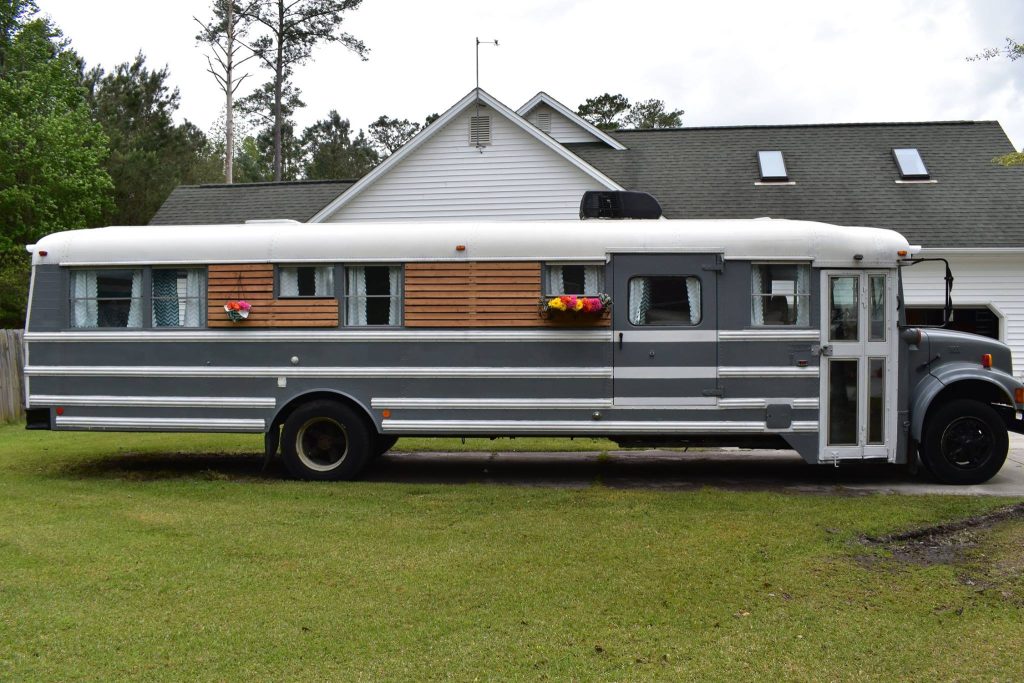
The finished conversion may also need to meet state requirements before it can be registered and used as an RV. Those rules vary considerably by state.
A converted school bus, therefore, is not universally uninsurable in America. Specialty providers and independent agents may be able to arrange coverage, but standard auto insurance is often not an option.
For anyone considering a bus conversion, insurance should be treated as part of the project budget from the beginning, not as paperwork to handle after the final screw is installed.
