
A truck does not have to be overloaded to be prohibited from a road. Across the United States, bridges, parkways, local streets, and other restricted routes can impose lower weight limits than the federal Interstate maximum.
Federal rules generally allow up to 80,000 pounds gross vehicle weight on the Interstate System, but axle limits and the Bridge Formula can produce lower legal weights. Local authorities can also post even lower limits for specific structures or roads.
That means a truck perfectly legal on one highway can be prohibited from another without changing its load. The following examples show which truck types commonly face these restrictions and why.
1. Heavy-Duty Class 8 Tractor-Trailers
A fully loaded Class 8 tractor-trailer is the most obvious vehicle to encounter weight restrictions because its legal operating weight can approach the federal interstate ceiling.
Federal rules generally allow a maximum gross vehicle weight of 80,000 pounds on the Interstate System, with a 20,000-pound single-axle limit and a 34,000-pound tandem-axle limit. The bridge formula can impose a lower limit depending on axle spacing and weight distribution.
That means an 80,000-pound tractor-trailer is not automatically legal everywhere simply because 80,000 pounds is the familiar federal number. A particular bridge may have a posted limit below that figure, and the truck must obey the lower restriction.
FHWA explains that the Bridge Formula exists specifically to control how much weight can be concentrated across a bridge based on the number and spacing of axles.
Local roads create another problem. New York City, for example, allows a maximum vehicle weight of 80,000 pounds or less depending on axle spacing, while bridges and viaducts can have lower posted limits. The city requires commercial vehicles to use designated truck routes and prohibits commercial vehicles from most parkways.
For a tractor-trailer driver, the lesson is simple: the legal weight is determined by the specific route, axle configuration, bridge restrictions, and posted signs, not merely by the truck’s maximum rated capacity.
2. Tri-Axle Dump Trucks
Tri-axle dump trucks can encounter weight restrictions even when their total weight is below the familiar 80,000-pound Interstate figure. The reason is that truck weight laws do not depend solely on gross vehicle weight. Individual axle loads and the distance between axles also matter.
The federal interstate limits include 20,000 pounds for a single axle and 34,000 pounds for a tandem axle. The Bridge Formula then determines permissible weight for groups of two or more consecutive axles based on axle count and the distance between the outer axles.
A tri-axle dump truck carrying a heavy load can therefore run into restrictions on bridges or local roads designed for lighter vehicles. Even when the truck’s gross weight appears acceptable, concentrating too much weight over a particular axle group can create a violation.
This is why construction companies and drivers must pay attention to weight distribution rather than simply asking how much material the dump body can hold. Gravel, asphalt, soil, demolition debris, and other dense materials can add thousands of pounds surprisingly quickly.
New York City illustrates how local enforcement can become particularly strict. The city publishes specific axle and gross-weight rules, and bridges or viaducts may carry lower posted limits. Its BQE weigh-in-motion system automatically measures truck weights, with overweight violations subject to a $650 penalty.
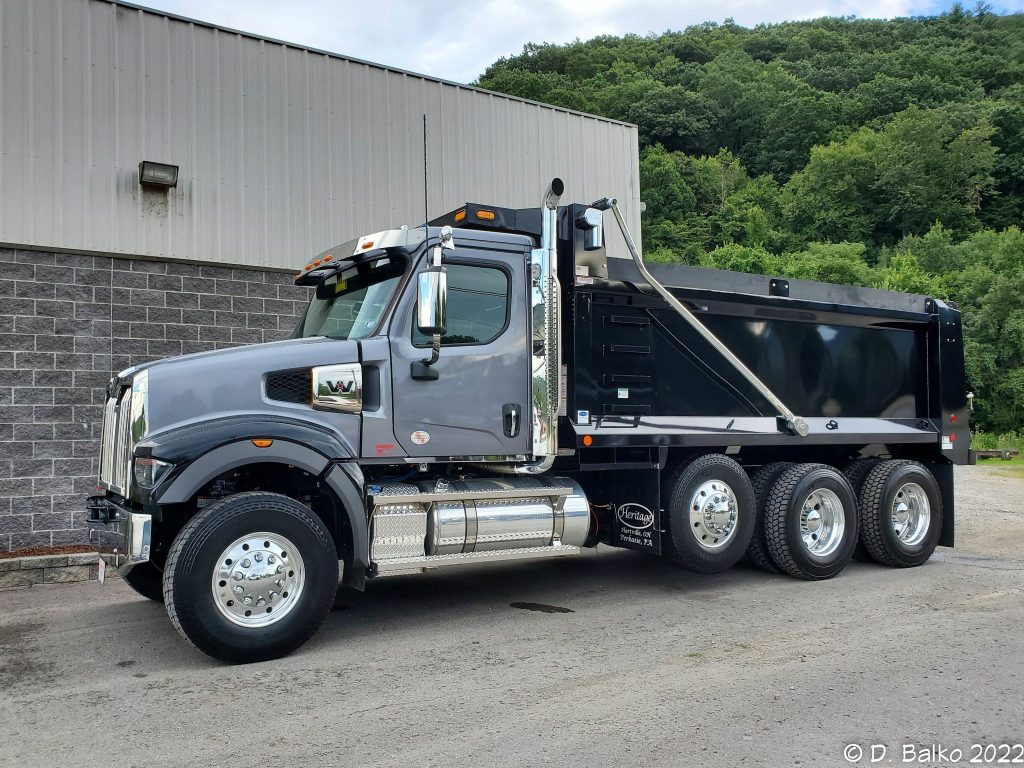
The tri-axle configuration remains extremely useful because additional axles can distribute weight more effectively. But additional axles do not give a truck unlimited access to restricted roads. Drivers still have to verify the legal weight for the exact route.
3. Concrete Mixer Trucks
Concrete mixer trucks can run into weight restrictions surprisingly quickly because the material they carry is extremely dense. A mixer that looks like a medium-duty construction vehicle can become a heavy load carrier once its drum is filled, and the legal question is not simply whether the truck can physically carry the concrete.
Federal Interstate rules establish an 80,000-pound gross vehicle weight limit, along with 20,000 pounds for a single axle and 34,000 pounds for a tandem axle. The bridge formula can impose a lower maximum depending on axle count and spacing.
That matters because ready-mix operators frequently work close to construction sites, where the final portion of the journey may involve local roads with bridges or structures carrying lower posted limits. A truck that is legal on the Interstate can therefore encounter a restriction immediately after leaving the highway.
The problem becomes more complicated because concrete is sold by volume, while transportation regulations are based on weight. Adding another portion of concrete does not simply add useful payload. It can push an axle or the entire vehicle beyond its permitted limit.
The truck’s axle arrangement also matters. More axles can distribute weight, but the Bridge Formula still examines groups of consecutive axles. FHWA explains that a vehicle can satisfy its gross, single-axle, and tandem-axle limits and still violate the Bridge Formula.
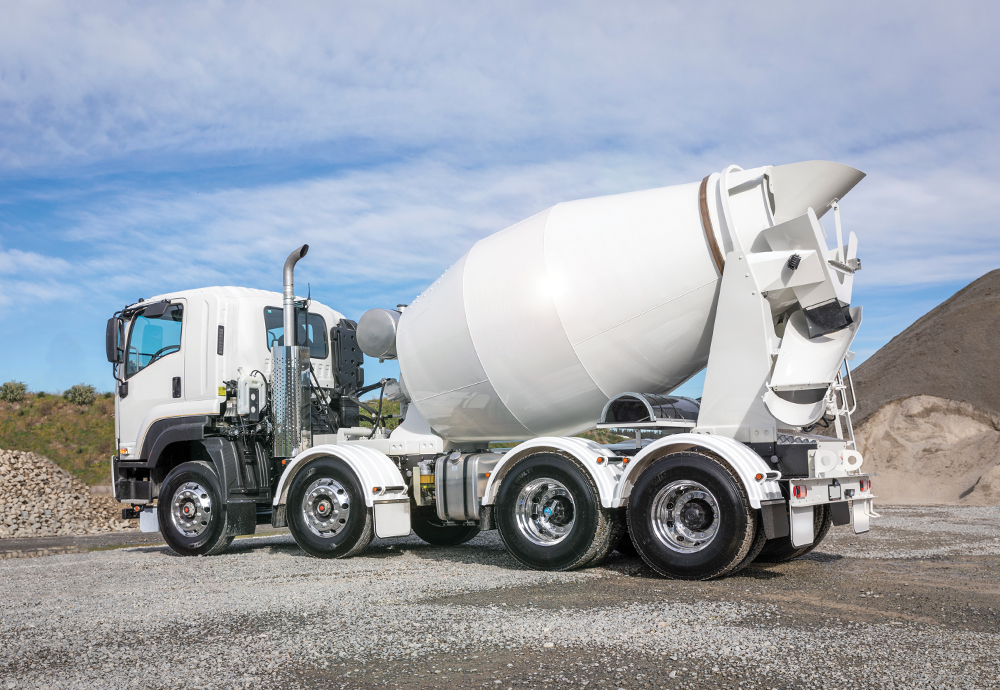
For mixer operators, route planning is therefore just as important as calculating the load. The legal limit can change from one road to another, particularly around older bridges and locally restricted routes.
4. Heavy-Haul Lowboy Tractor-Trailers
Lowboy combinations are built for moving equipment that ordinary trailers cannot carry, which puts them directly into the world of weight restrictions and special permits. Excavators, bulldozers, cranes, loaders, and other construction machinery can weigh tens of thousands of pounds before the tractor and trailer are even included.
The important distinction is that the federal 80,000-pound interstate limit is not a universal authorization for heavy equipment transportation. FHWA states that interstate commercial vehicles are subject to an 80,000-pound gross limit, a 20,000-pound single-axle limit, a 34,000-pound tandem-axle limit, and the Bridge Formula.
When a load exceeds the normal limits, the operator may need an oversize or overweight permit. Those permits are generally issued under state authority for routes under state jurisdiction, and the permitted route can be tightly controlled.
A heavy-haul operator may therefore be required to follow a specific road rather than simply choosing the fastest route.
Axle spacing becomes particularly important with lowboy combinations. Adding axles can help distribute the load, but it does not eliminate every restriction. FHWA’s Bridge Formula specifically considers both the number of axles and the distance between the outer axles in a group.
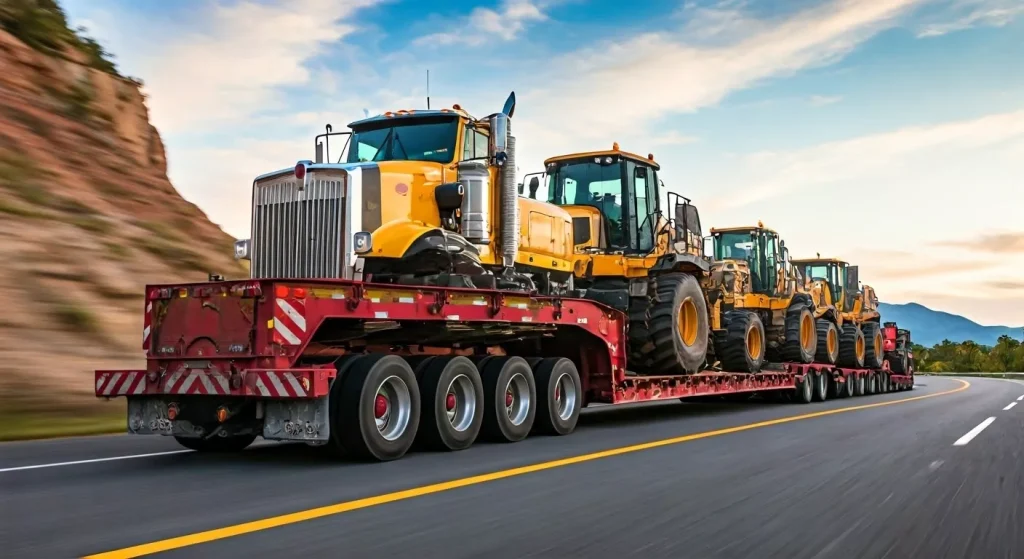
This is why a heavy-haul truck can legally move a massive piece of machinery on one route while being prohibited from another road only a few miles away. The restriction is not necessarily based on the truck’s size alone. Bridge capacity, pavement strength, axle loading, local regulations, and permit conditions all matter.
For these operators, route selection is part of the job itself. A shortcut can become illegal if it takes the combination onto a bridge or road with a lower posted limit.
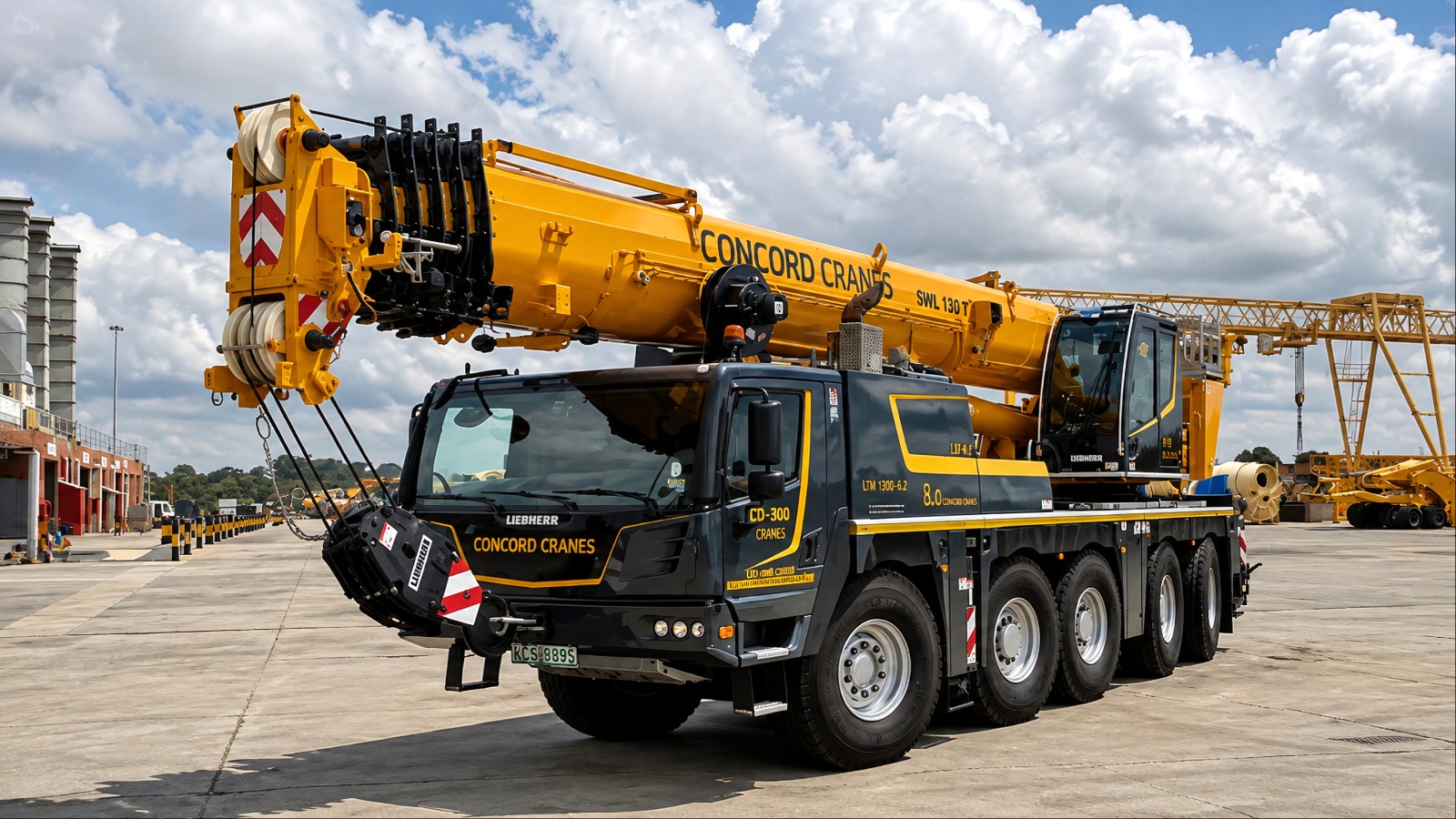
5. Heavy-Duty Mobile Cranes
Mobile cranes can be among the most difficult vehicles to move across weight-restricted roads because their operating weight can become enormous even when they are traveling without a separate trailer.
Large cranes combine a heavy chassis, boom structure, counterweights, outriggers, and other equipment, creating substantial axle loads.
The federal Interstate system generally uses an 80,000-pound gross vehicle weight ceiling, along with 20,000 pounds for a single axle and 34,000 pounds for a tandem axle. The bridge formula can establish a lower allowable weight depending on axle count and spacing.
That is why a crane operator cannot simply look at the machine’s gross weight and decide that an interstate route is acceptable. The distribution of that weight across the axles matters.
FHWA specifically explains that the Bridge Formula applies to groups of two or more consecutive axles and can reduce the permitted weight even when the truck remains below 80,000 pounds.
State and local restrictions can make the situation even more complicated. A bridge may carry its own posted limit below the normal highway limit, and drivers are required to obey those restrictions.
New York City, for example, states that bridges and viaducts can have lower posted weight limits and requires vehicles exceeding applicable limits to obtain permits where permitted by regulation.
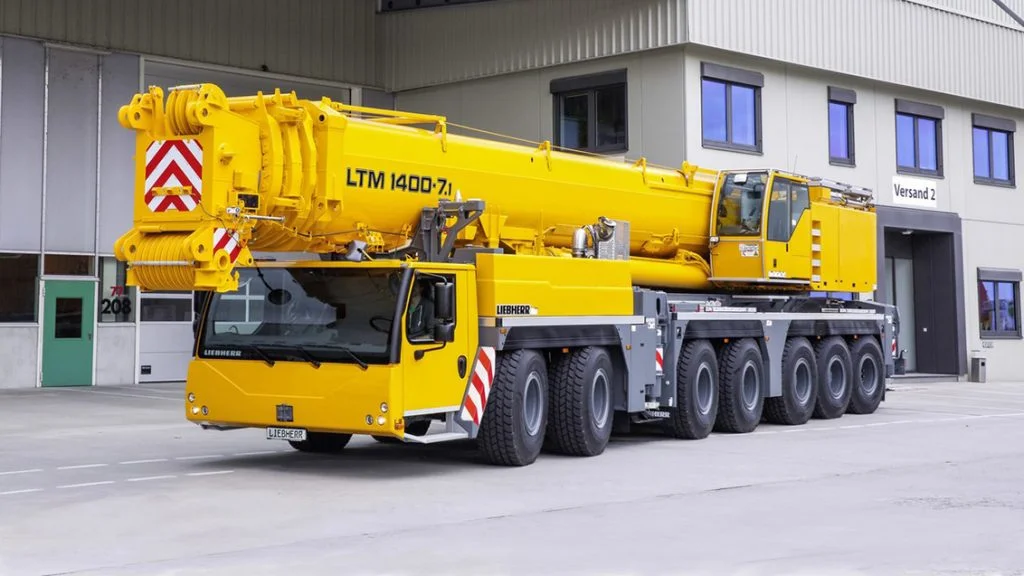
This means a large mobile crane can be perfectly legal on one route and prohibited on another unless the operator has an appropriate permit and approved route.
For crane companies, route planning is therefore a technical exercise rather than simply choosing the shortest path. Bridge capacity, axle spacing, gross weight, road classification, and local restrictions all have to be considered before the machine moves.
6. Fully Loaded Car Carriers
Car carriers can look deceptively ordinary when traveling empty, but their weight changes dramatically once several vehicles are loaded onto the trailer. A tractor-trailer transporting automobiles can therefore encounter restrictions that would not apply to the same combination when it is lightly loaded.
The federal interstate maximum is generally 80,000 pounds gross vehicle weight, while single axles are limited to 20,000 pounds and tandem axles to 34,000 pounds. The bridge formula can impose another restriction based on the number and spacing of the axles.
The challenge with car carriers is that payload distribution is not always intuitive. Vehicles of different sizes and weights can be positioned at different points along the trailer, affecting the loads carried by individual axles. A carrier can therefore need to consider not only how much it weighs but also where that weight is located.
The restrictions become particularly important on local roads and bridges. FHWA notes that states can establish their own commercial vehicle weight standards away from the Interstate System, while local authorities can post restrictions on individual structures.
New York City provides a useful example. Its DOT states that the maximum vehicle weight is 80,000 pounds or less depending on axle spacing, while individual bridges and viaducts may carry lower posted limits.
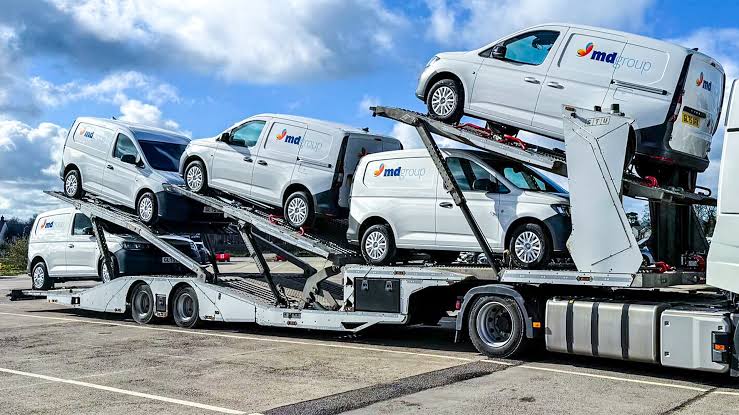
That means a loaded auto transporter cannot assume that a route suitable for a standard tractor-trailer is automatically suitable for its particular combination.
For professional carriers, the safest approach is to verify the actual gross weight and axle distribution and then check the planned route for bridge and local restrictions. A carrier carrying fewer vehicles may sometimes have substantially more routing flexibility than one loaded to its legal maximum.
7. Logging Trucks With Heavy Timber Loads
Logging trucks can become subject to severe weight restrictions because the cargo is both heavy and difficult to distribute evenly. A tractor carrying a trailer loaded with freshly harvested timber can approach the legal limits quickly, particularly when the load consists of dense hardwood.
Federal Interstate rules establish an 80,000-pound gross vehicle weight limit, a 20,000-pound single-axle limit, and a 34,000-pound tandem-axle limit, while the Bridge Formula can impose a lower limit based on axle number and spacing.
The important detail for logging operations is that gross weight is only one part of the calculation. FHWA explains that every applicable group of two or more consecutive axles may need to satisfy the Bridge Formula. A truck can therefore remain below 80,000 pounds and still exceed the permitted weight on a particular axle group.
This becomes particularly relevant on rural roads. Timber operations frequently begin away from major highways, where state and local authorities can establish their own commercial vehicle weight standards. FHWA confirms that states can set their own commercial vehicle weight standards on roads outside the Interstate System.
That is why a logging truck may be perfectly legal on one highway but restricted from a bridge or local road farther along the route. Seasonal road restrictions can also matter in areas where pavement or bridge conditions deteriorate.
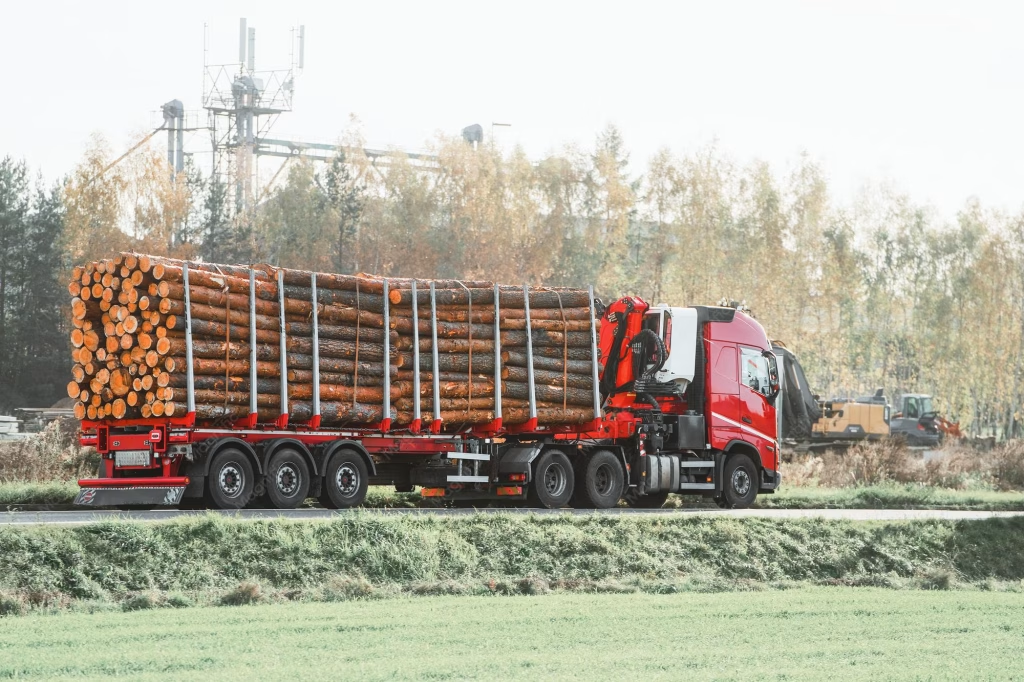
Operators therefore have to consider the actual loaded weight, axle distribution, posted bridge limits, and the specific route rather than relying on the truck’s rated payload.
For a timber hauler, the shortest route is not necessarily the legal route. A detour around a weight-restricted bridge may be required even when the truck itself is properly loaded.
8. Fuel Tanker Trucks
Fuel tankers face an unusual combination of weight, cargo, and routing restrictions. A tanker may not always reach the maximum 80,000-pound Interstate limit, but its weight distribution and the rules governing commercial vehicles can still restrict where it can travel.
Federal Interstate standards generally establish 20,000 pounds for a single axle, 34,000 pounds for a tandem axle, and 80,000 pounds for gross vehicle weight. The Bridge Formula can reduce the allowable weight for particular groups of axles depending on their number and spacing.
Liquid cargo creates an additional consideration because the load can move inside the tank. Tanker trailers use internal baffles and other design measures to control liquid movement, but the cargo still has to be loaded within the vehicle’s legal weight and axle limits.
A tanker operator therefore cannot simply fill the tank to its physical capacity. The amount of fuel transported must account for the density of the particular product, the vehicle’s empty weight, axle distribution, and applicable legal limits.
Route restrictions can become particularly important near bridges with posted weight limits. FHWA notes that bridge restrictions are tied to the weight imposed by the vehicle and the number and spacing of its axles.
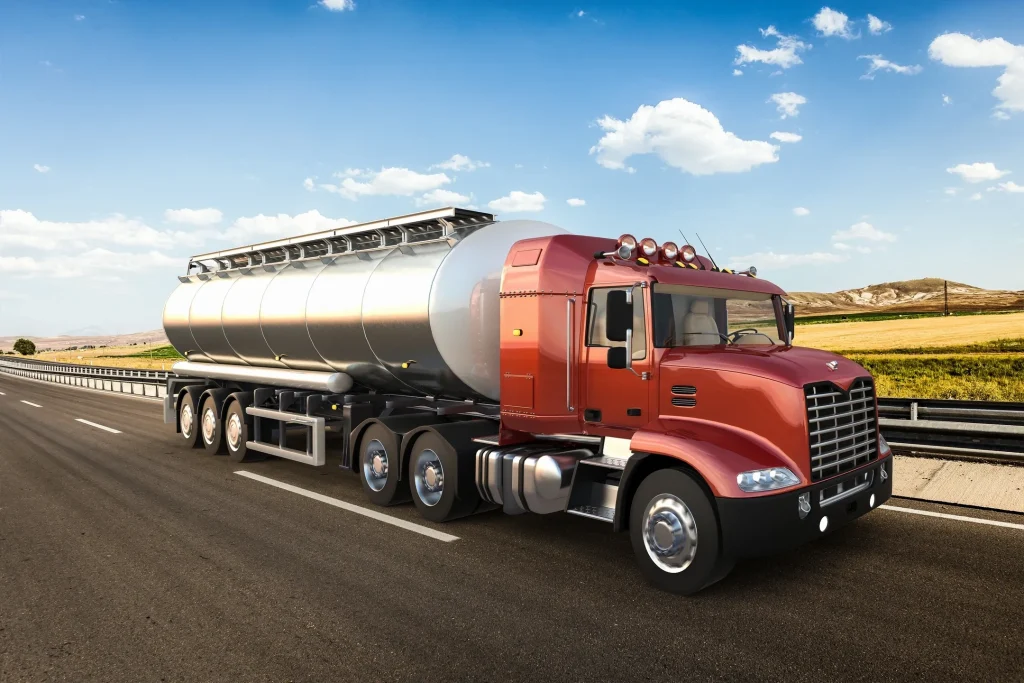
State and local regulations can create additional restrictions away from the Interstate system. FHWA confirms that states establish their own commercial vehicle weight standards outside the Interstate network.
For tanker operators, this means a legal load still requires careful route planning. A truck can be loaded correctly and remain within its federal limits yet encounter a locally restricted bridge where its permitted weight is lower.
The tanker is therefore not “banned” from every weight-restricted road. Instead, it may be prohibited from specific routes unless its actual weight and configuration comply with the posted limit or an applicable permit allows passage.
9. Aggregate Haulers
Aggregate haulers can become restricted surprisingly quickly because materials such as crushed stone, gravel, sand, and asphalt are extremely dense.
A truck can look only moderately loaded while carrying enough material to approach an axle or bridge limit. That makes these vehicles particularly sensitive to weight-restricted roads around construction zones, older bridges, and local streets.
The federal interstate framework generally allows up to 80,000 pounds of gross vehicle weight, but that figure is not a blanket permission to put 80,000 pounds on every configuration.
Federal rules also establish a 20,000-pound single-axle limit and a 34,000-pound tandem-axle limit. The bridge formula can impose a lower limit based on the number of axles and the distance between them.
This becomes especially important for aggregate trucks because the payload can be adjusted relatively easily. Adding another portion of gravel may seem commercially worthwhile, but the extra material can push the vehicle beyond the legal limit for a particular axle group. The operator therefore has to consider both the total weight and how that weight is distributed.
The restriction can become even more severe after a truck leaves a major highway. FHWA notes that states have their own commercial vehicle weight standards away from the Interstate System, while individual bridges can have additional posted restrictions.
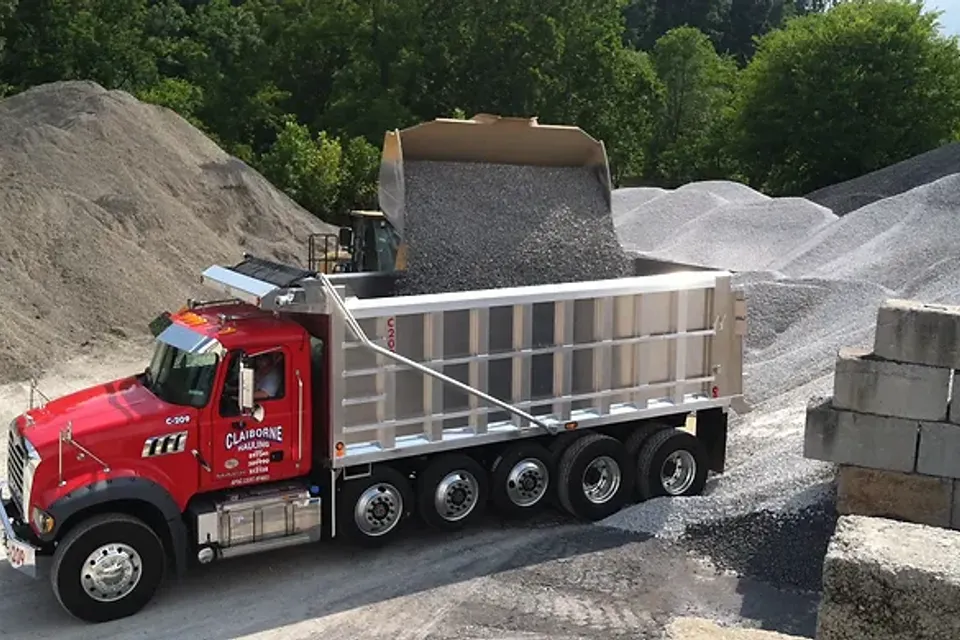
New York City provides a clear example of how local rules can differ. NYC DOT states that vehicle weight can be limited to 80,000 pounds or less depending on axle spacing, and bridges or viaducts can carry lower posted limits.
For aggregate operators, a legal load therefore requires more than checking the scale ticket. The driver needs to know the permitted weight for the specific route and confirm that the axle distribution complies as well.
10. Heavy Wrecker and Recovery Trucks
Heavy wreckers are another category that can run into weight restrictions even though they are not normally thought of as long-haul freight trucks.
These recovery vehicles carry substantial equipment, including reinforced frames, winches, booms, hydraulic systems, outriggers, and sometimes the disabled vehicle itself. Once a heavy truck is lifted onto the wrecker, its axle loads can change dramatically.
Federal Interstate rules set the familiar 80,000-pound gross vehicle weight ceiling, with 20,000 pounds for a single axle and 34,000 pounds for a tandem axle, while the Bridge Formula can require a lower weight based on axle spacing and the number of axles.
That makes the recovery vehicle’s configuration especially important. A wrecker may be within its legal weight when traveling empty but exceed a posted bridge restriction after recovering a disabled bus, tractor, or construction machine. The operator therefore has to know the actual loaded weight before entering a restricted route.
Local rules can be even more restrictive. NYC DOT, for example, states that bridges and viaducts can have lower posted limits and that all vehicles must obey posted structural capacity restrictions.
The city’s published truck guidance also notes that vehicles exceeding applicable bridge-formula or gross-weight limits require appropriate permits where permitted.
This is why recovery companies cannot simply assume that the route used to reach a stranded vehicle will remain legal after the recovery. The truck’s weight and axle loading can change once the disabled vehicle is secured.
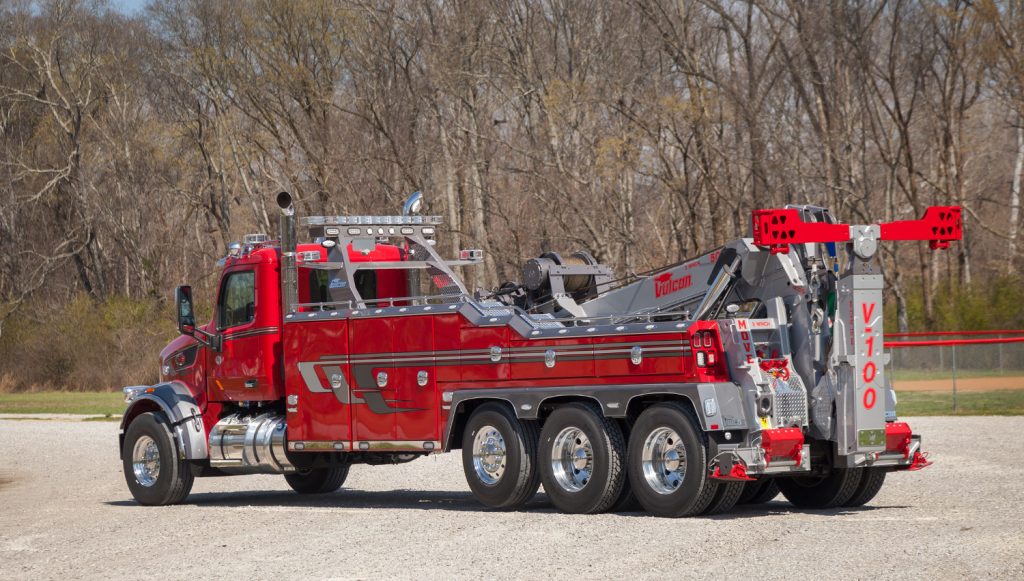
Heavy wreckers are therefore not universally banned from weight-restricted roads. Instead, a particular recovery combination can be prohibited from a bridge or road when its actual weight exceeds the posted or legally applicable limit.
For recovery operators, knowing the truck’s empty weight, the weight of the vehicle being recovered, axle distribution, and route restrictions can prevent an emergency recovery from becoming a second transportation problem.
