
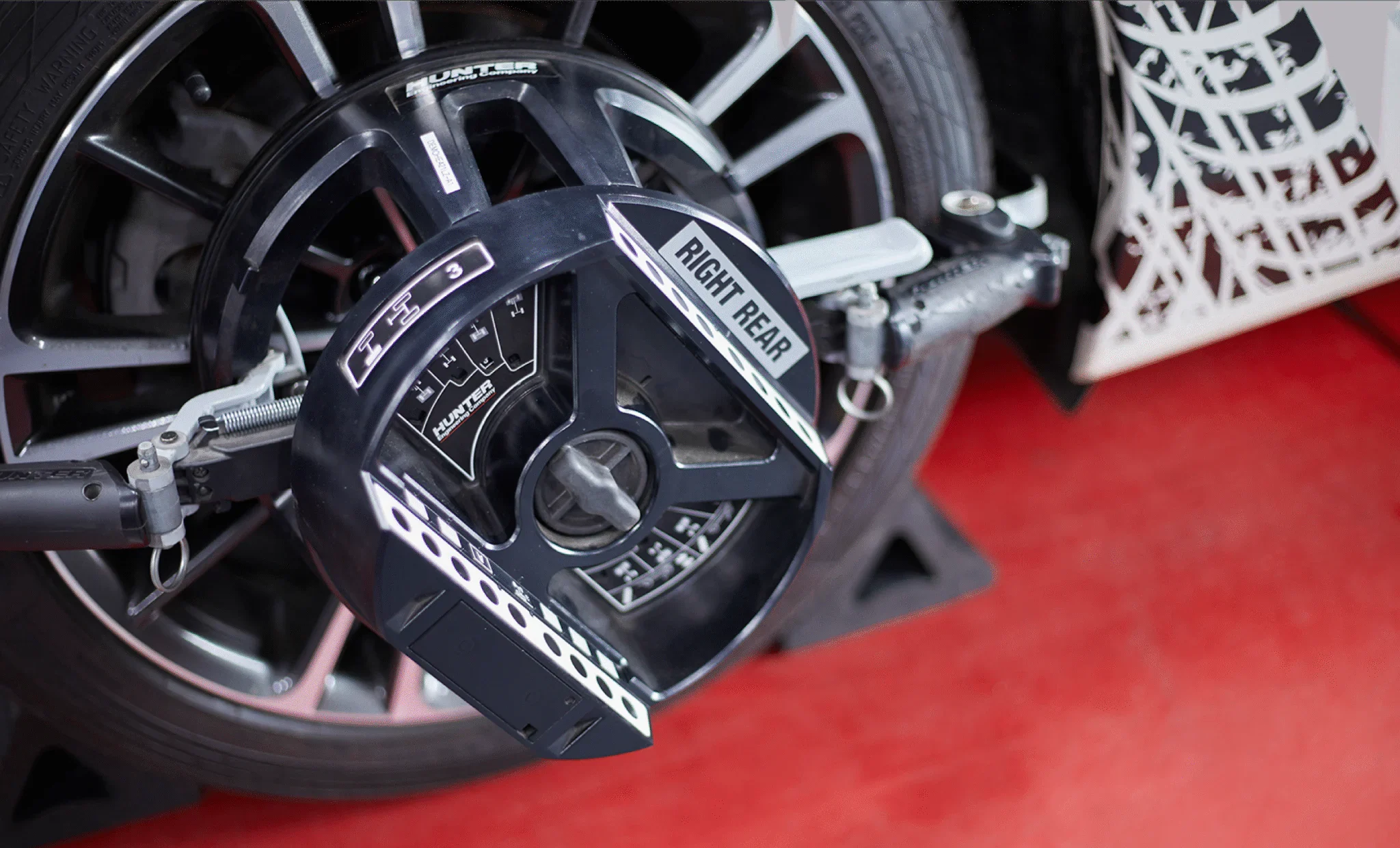
Getting new tires can improve traction, braking, comfort, and handling, but many drivers wonder whether a wheel alignment is also necessary. The short answer is that new tires do not automatically require an alignment, yet checking alignment after installation is often a smart choice.
Tires and suspension work together, so incorrect wheel angles can cause uneven tread wear, poor steering response, and shorter tire life. An alignment may also be worthwhile if your vehicle pulls to one side, the steering wheel sits crooked, or your old tires showed unusual wear.
Knowing when alignment is needed can help protect your investment and maintain safe, predictable handling.
Why Wheel Alignment Matters After Installing New Tires
A wheel alignment adjusts the angles of the wheels so they match the vehicle manufacturer’s specifications. The main alignment angles include camber, caster, and toe. These settings affect how the tires contact the road, how the vehicle tracks while driving, and how the steering feels.
Installing a new set of tires does not normally change these angles. For that reason, tire replacement alone is not proof that an alignment is required. However, new tires can make an existing alignment problem easier to notice because their fresh tread provides a new, even surface that responds differently to incorrect wheel angles.
The biggest concern is tire wear. If the wheels are not properly aligned, a new tire can begin wearing unevenly soon after installation. A toe problem, for example, can cause the tread to scrub against the road instead of rolling smoothly forward.
Camber problems can place greater pressure on either the inner or outer portion of the tread. These issues may not be obvious during a short drive, but they can gradually reduce the useful life of the tire. Since a quality set of tires can be expensive, correcting an alignment problem early may prevent premature replacement.
Steering behavior can also provide useful clues. A vehicle that consistently pulls toward the left or right on a reasonably level road may have an alignment issue, though tire pressure, road crown, tire construction, or brake problems can produce similar symptoms.
A steering wheel that remains noticeably off-center while the vehicle travels straight is another possible warning sign. Drivers should not assume that every steering issue is caused by alignment, but these symptoms are worth having inspected when new tires are installed.
Previous tire wear is particularly valuable evidence. Before replacing your old tires, look closely at their tread pattern. Wear concentrated on the inside or outside edges, feathered tread blocks, or noticeable differences between the tires can indicate alignment or suspension concerns.
If the old tires were worn evenly across their tread, the steering was centered, and the vehicle drove straight, there may be no compelling reason to pay for an alignment solely because new tires were fitted. A technician can still perform an inspection if you want additional reassurance.
There are also situations where an alignment check becomes more important. Hitting a deep pothole or curb can alter suspension geometry. Worn steering or suspension components can also prevent a vehicle from maintaining proper wheel angles.
If those parts are damaged or excessively worn, an alignment alone may not solve the problem. The underlying fault needs attention first. For this reason, asking for an alignment inspection rather than automatically purchasing a full alignment is often a sensible approach when you have no clear symptoms.
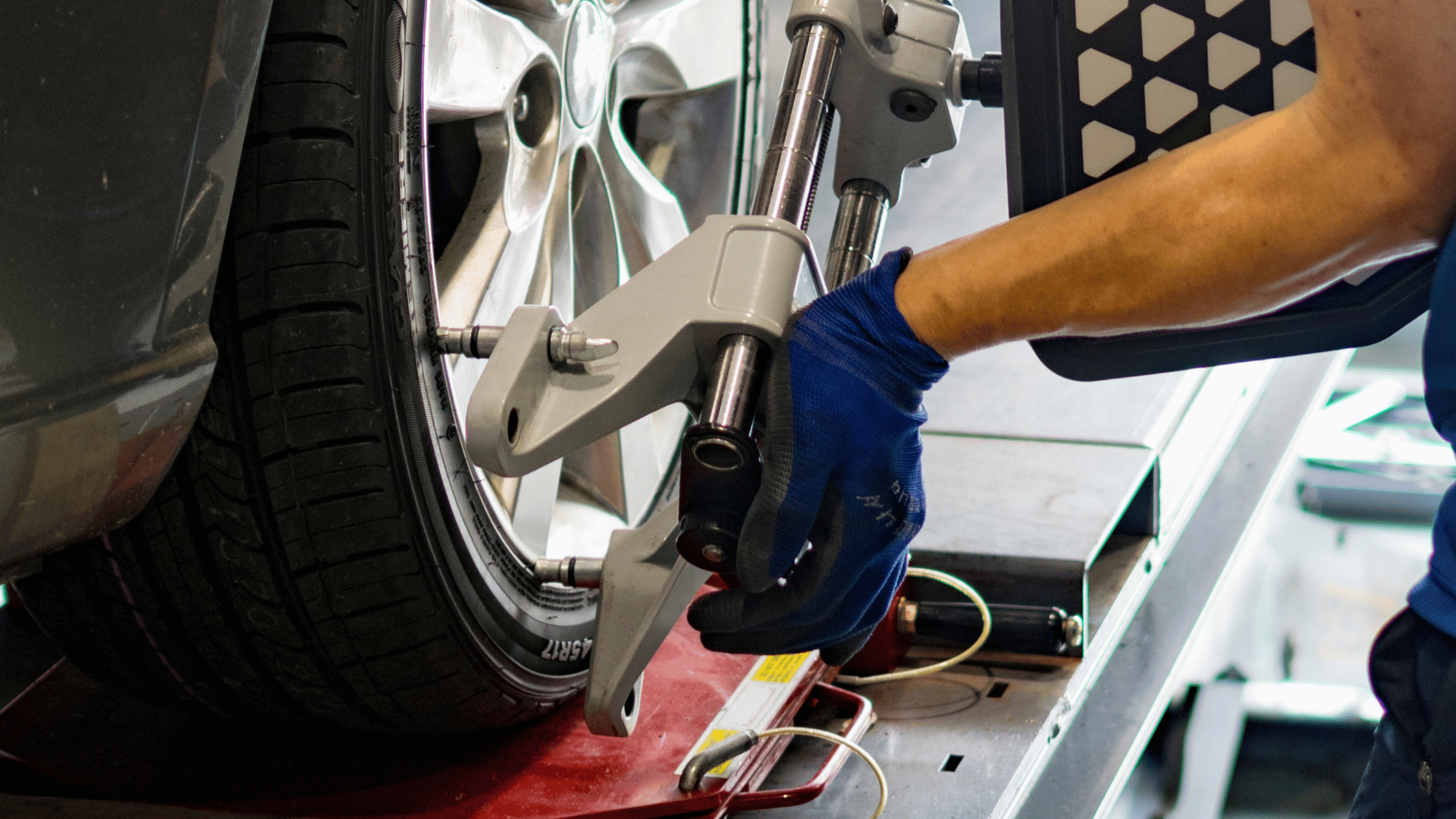
Signs Your New Tires May Need an Alignment
Uneven tread wear is among the clearest signs that something may be wrong with wheel alignment. Check the tires periodically rather than waiting until the vehicle feels different.
If the tread is disappearing faster on one edge, or if the tread blocks have a feathered or sawtooth-like feel when you run your hand across them, the wheels may not be tracking correctly. Tire pressure should also be checked because incorrect pressure can create unusual wear patterns. A proper diagnosis considers both tire condition and the vehicle’s steering and suspension system.
A vehicle that pulls consistently to one side deserves attention. Some roads are intentionally crowned to help water drain away, so a slight drift on certain streets does not necessarily mean the alignment is incorrect. However, a strong or persistent pull on different roads is worth investigating.
Tire pressure differences can cause pulling as well, so check that all four tires are inflated according to the recommended specifications before assuming an alignment problem.
A crooked steering wheel is another common clue. If the vehicle moves straight but the steering wheel sits noticeably to one side, the steering and alignment settings may need inspection.
This can happen when wheel angles are not correctly adjusted, though steering components and previous repairs can also contribute. A technician can determine whether an alignment correction is appropriate rather than relying on the steering wheel position alone.
Handling changes can provide additional information. If the car feels unstable, wanders within the lane, or requires frequent steering corrections, there may be an issue involving alignment, suspension components, tires, or steering parts.
New tires should generally provide predictable road contact, so a noticeable handling problem after installation should not simply be ignored. In some cases, the tires themselves may have a pressure, balance, or manufacturing issue, which is why a complete inspection is preferable to assuming alignment is responsible.
Another important factor is the vehicle’s recent history. If you recently hit a pothole, struck a curb, replaced suspension parts, or experienced an accident, checking alignment is sensible. Suspension repairs can change wheel geometry, and impact damage can bend components.
Even if the vehicle appears to drive normally, an inspection can identify problems that may otherwise lead to uneven tire wear. This is especially useful when installing premium tires because proper wheel geometry helps you get the expected mileage from them.
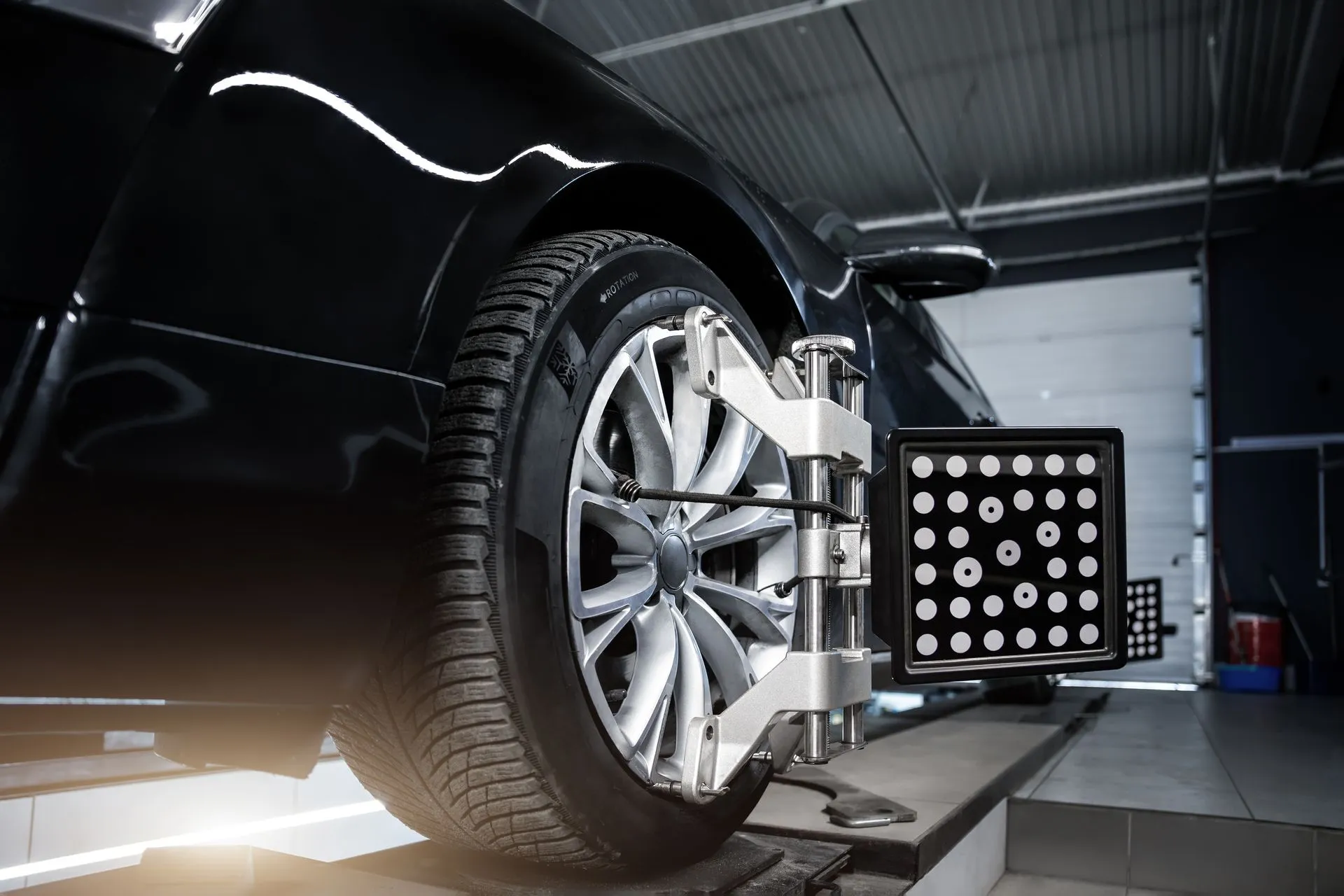
When You Can Skip an Alignment and How to Protect Your Tires
You may not need an alignment every time you purchase tires. If the vehicle has no steering problems, the old tires wore evenly, there has been no significant impact, and the suspension is in good condition, replacing the tires does not automatically mean the wheels need adjustment.
Many tire shops offer alignment checks as part of their installation process, and a check can provide useful information without assuming that adjustment is necessary. The decision should be based on the vehicle’s condition rather than a blanket rule that every new tire requires alignment.
Wheel balancing is different from alignment and should not be confused with it. Balancing addresses the distribution of weight around the tire and wheel assembly. An imbalance can cause vibration, particularly at certain speeds.
Alignment addresses wheel angles and the direction in which the wheels point relative to the vehicle and road. New tires are normally balanced during installation, but balancing does not correct an alignment problem. If you experience vibration after receiving new tires, tell the installer rather than assuming an alignment will fix it.
Maintaining correct tire pressure is one of the easiest ways to protect your new tires. Use the pressure recommended by the vehicle manufacturer, which is typically listed on the driver’s door or in the owner’s manual.
Do not rely solely on the maximum pressure printed on the tire sidewall, since that figure serves a different purpose. Check pressure regularly, particularly when temperatures change significantly. Proper inflation supports even tread wear, predictable handling, and efficient operation.
Regular tire inspections are equally important. Look for cuts, cracks, bulges, foreign objects, and unusual tread wear. Rotate the tires according to the vehicle manufacturer’s or tire manufacturer’s recommendations, while keeping in mind that some vehicles use different tire sizes or directional designs that affect rotation options.
Keeping records of tire rotations, pressure checks, and alignment services can also make it easier to identify a developing problem before it becomes expensive.
So, do you really need an alignment after new tires? Not necessarily. New tires themselves do not create a requirement for alignment.
However, an alignment check is worthwhile when the old tires showed uneven wear, the steering wheel is off-center, the vehicle pulls or wanders, the car has suffered a significant pothole or curb impact, or suspension and steering work has recently been performed.
If none of these conditions apply and the vehicle has been driving normally, you may be able to install the new tires without paying for an alignment. When in doubt, having the alignment inspected is a practical way to protect your new tires and maintain safe handling.
