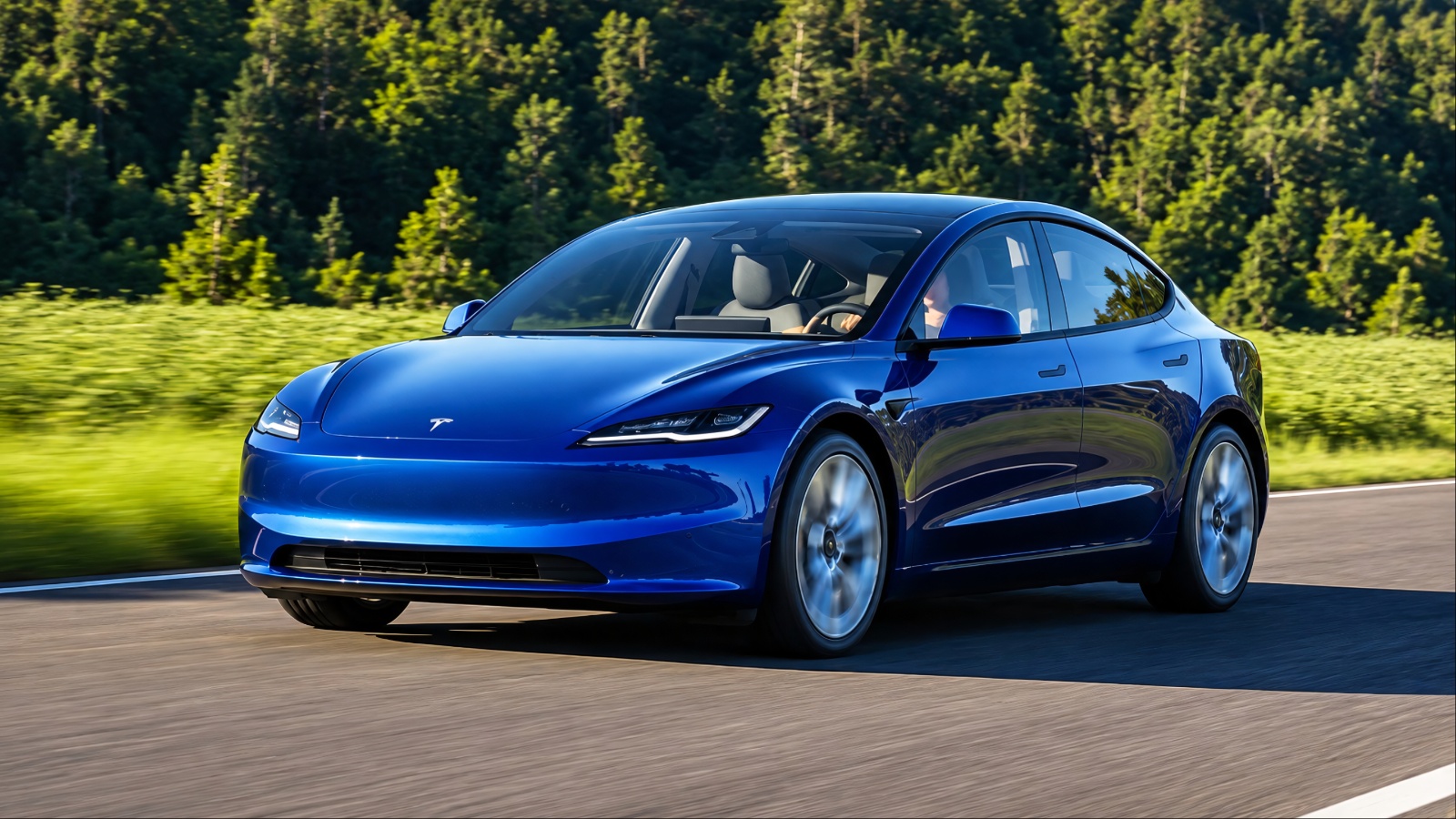
Tesla is at the center of China’s largest automotive recall campaign, with approximately 4.3 million vehicles across multiple automakers affected by concerns that emergency door-release mechanisms may be difficult to identify or operate after a serious crash or electrical failure.
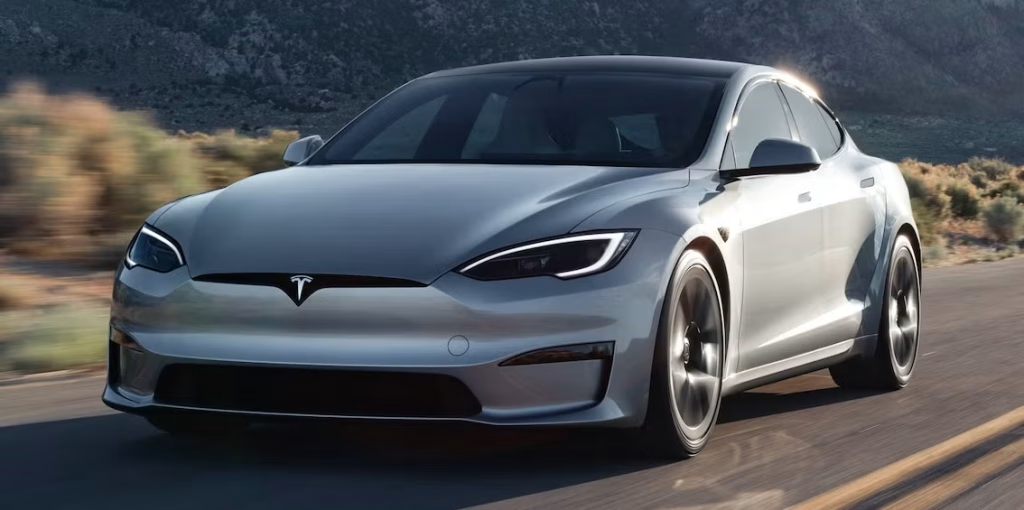
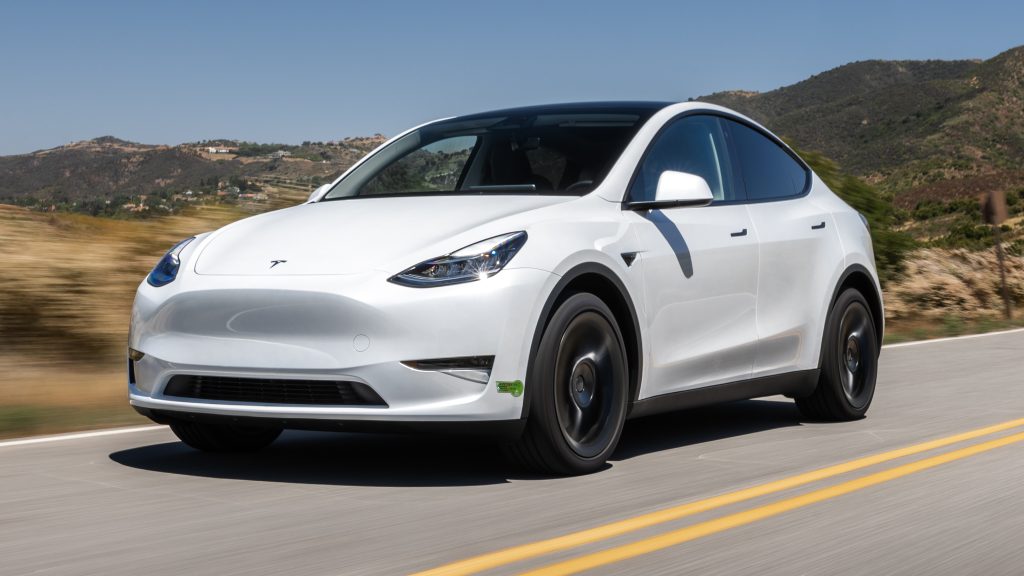
Tesla alone accounts for roughly 2.98 million vehicles, covering China-built and imported Model 3, Model Y, Model S, and Model X vehicles. The campaign highlights growing safety concerns surrounding electric vehicle designs, particularly as automakers increasingly adopt flush or concealed door handles.
According to Reuters, China’s market regulator announced the campaign on August 21. Tesla’s recall will begin on September 25, 2026, with warning labels and an over-the-air software update that can automatically lower the windows after a collision.
The scale of the campaign is extraordinary. It also comes as China prepares tougher requirements governing vehicle door handles, suggesting regulators increasingly view emergency access as an important safety issue.
Why China’s Regulators Are Targeting Door Handles
The problem is not necessarily that Tesla’s doors cannot be opened during normal operation. Instead, the concern involves the interior mechanical emergency releases that occupants or rescuers may need when a vehicle’s electrical system is disabled.
China’s State Administration for Market Regulation said the emergency mechanical handles in affected Tesla vehicles can be difficult to identify because their color is similar to surrounding interior trim.
In a severe collision that causes the low-voltage system to fail, occupants could struggle to locate the mechanical release. That could delay evacuation or make rescue efforts more difficult.
Tesla will address the issue through warning labels and an over-the-air software update that can lower the windows following an appropriate collision.
Tesla’s Chinese regulator filing covers approximately 973,156 domestically produced Model 3s and 1,956,713 domestically produced Model Ys, alongside imported Model 3, Model X, and Model S vehicles. The combined recall population is approximately 2.98 million vehicles.
The affected production periods stretch across several years, including China-built Model 3 vehicles produced from March 2019 through April 2026 and Model Y vehicles produced from November 2020 through April 2026.
The issue illustrates a broader trade-off in modern vehicle design. Traditional exterior door handles are immediately recognizable. Modern EVs increasingly use flush or concealed handles because designers want cleaner body surfaces and improved aerodynamics. Those systems can function normally but become more complicated when electrical power is lost.
That is why emergency mechanical releases remain important even in highly computerized vehicles.
A vehicle involved in a serious crash can lose power at precisely the moment occupants need the doors most. If the normal electronic release no longer works, the emergency mechanism becomes the final method of escape. It therefore needs to be easy to find even under stress, in darkness, or in poor visibility.
That requirement may become increasingly important as more vehicles adopt electronic doors and minimalist cabin designs.
Tesla Is the Biggest Part of a Much Larger Recall
Tesla has attracted most of the attention because of the size of its individual recall, but the company is not alone.
Reuters reported that the broader Chinese campaign involves multiple automakers and approximately 4.3 million vehicles. Other manufacturers involved include Xiaomi, Leapmotor, XPeng, and Geely-related brands, among others.
Xiaomi is recalling approximately 390,435 vehicles, while Leapmotor is recalling about 371,200. XPeng’s campaign covers approximately 264,842 vehicles, according to regulatory information.
That broader participation is important because it shows regulators are addressing an industry-wide design trend rather than a Tesla-specific issue.
Many modern EVs use electronically controlled doors, flush exterior handles, and emergency mechanical releases hidden within the cabin. A collision can damage electrical wiring or disable the low-voltage system, leaving occupants dependent on mechanical releases.
The concern becomes especially serious in crashes involving fire, smoke, or water, when rapid evacuation may be critical. China is therefore going beyond recalls of existing vehicles.
Reuters reported that Chinese authorities are moving toward a ban on concealed door handles beginning in 2027. The change reflects a broader effort to ensure that vehicle doors can be opened mechanically during emergencies.
Chinese regulatory information indicates that a new national standard governing vehicle door-handle safety will apply to new models from January 1, 2027, with existing models receiving a transition period.
That could force automakers that have invested heavily in concealed handles to reconsider how those systems work during power failures.
For manufacturers, this could mean redesigning future doors rather than simply adding warning labels. Engineers may have to make emergency releases more visible, improve mechanical backup systems, or create alternative escape methods that remain available even when the vehicle’s electrical architecture is compromised.
That could affect styling as well. Flush handles have become popular partly because they create smoother body surfaces and can contribute to aerodynamic efficiency. If regulators require more obvious mechanical access, automakers may have to find a compromise between appearance, efficiency, and emergency usability.
A Second Major Tesla Recall Adds to the Scrutiny
The door-handle campaign is not the only Tesla recall announced by Chinese regulators on August 21.
Tesla is separately recalling approximately 2.74 million China-built Model 3 and Model Y vehicles because regulators determined that the existing driver-attention monitoring system may not provide sufficient warnings when drivers take their eyes away from the road while using assisted-driving functions.
Tesla plans to address that problem through another OTA software update. The update will add cabin-camera monitoring to the existing steering-wheel torque monitoring system, providing additional warnings intended to keep drivers attentive.
The two campaigns are separate, but their timing is notable. They reinforce the broader issue facing modern automakers: increasingly sophisticated software creates new capabilities but also new safety requirements.
Tesla’s ability to deliver fixes through software is a major advantage. Instead of physically replacing components in millions of vehicles, the company can change vehicle behavior remotely.
But OTA capability does not eliminate the importance of software testing. When software controls safety warnings, driver monitoring, or post-crash vehicle behavior, an error can affect millions of vehicles simultaneously.
For Tesla owners in China, the immediate solution is relatively straightforward. Vehicles covered by the door-handle recall will receive warning labels and an OTA update designed to lower windows following qualifying collisions. The campaign begins September 25.
For Tesla, however, the reputational challenge is more complicated. China is one of the company’s most important international markets and home to its Shanghai Gigafactory, which produces large volumes of Model 3 and Model Y vehicles. A recall involving nearly three million vehicles therefore represents a substantial portion of Tesla’s Chinese fleet.
At the same time, the involvement of several other manufacturers provides important context. This is not simply a Tesla problem. It reflects the wider industry’s move toward concealed handles and increasingly electronic vehicle systems. The campaign could ultimately change how future EVs are designed.
Automakers may continue using sleek exterior handles, but emergency access mechanisms could become more visible and easier to operate. Manufacturers will also face greater pressure to consider how vehicles behave when electrical systems fail after crashes.
The issue also highlights a broader challenge for electric vehicles. EVs depend on extensive electrical systems for everything from propulsion and infotainment to door locks and safety equipment. That creates opportunities for sophisticated features but also means that manufacturers must carefully engineer redundant mechanical systems for critical functions.
For Tesla, the immediate priority is completing the recall and ensuring the software remedy works as intended.
For the broader industry, the lesson is equally important. Modern vehicles can rely heavily on software and electronics, but emergency escape systems must remain intuitive when those systems stop working.
China’s 4.3 million-vehicle recall shows that regulators are increasingly focused on that distinction. Tesla’s 2.98 million affected vehicles make it the largest participant, but the campaign demonstrates that the issue extends far beyond one automaker.
As EVs become more technologically advanced, manufacturers will have to prove that futuristic design does not come at the expense of basic emergency safety.