
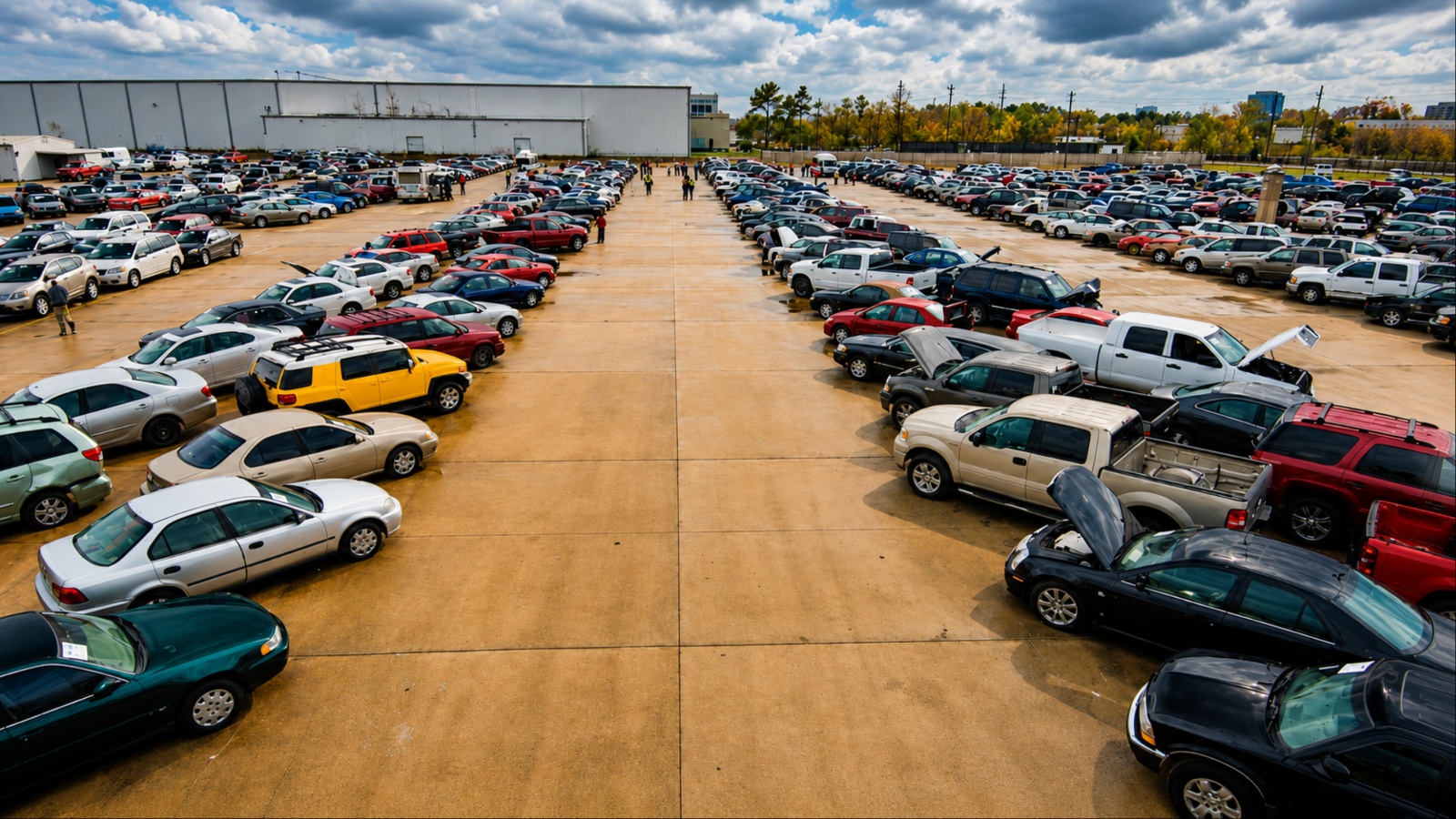
A salvage auction can look simple from the outside. A damaged vehicle appears online, bidders compete, and the highest bidder takes ownership. But behind those auction photos is a complicated chain involving insurance companies, state title laws, repair shops, dismantlers, exporters, and recyclers.
Not every vehicle at a salvage auction is a wrecked car that can never return to the road. Some have relatively limited damage. Others may have been stolen and recovered after an insurer already paid the owner’s claim. Some are flood-damaged, while others cost too much to repair compared with their market value.
Insurance claims are one of the biggest reasons vehicles enter the salvage market. If an insurer determines that repairing a vehicle is not economically practical, it may pay the owner’s claim and take possession of the vehicle.
The National Association of Insurance Commissioners explains that when an insurer declares a vehicle a total loss and pays the claim, the insurer can take title and is entitled to the vehicle’s salvage value.
From there, the vehicle can be sold through a salvage auction, allowing the insurer to recover part of its loss. The important point is that total loss does not necessarily mean destroyed.
Why Vehicles End Up at Salvage Auctions
NHTSA explains that an insurance total loss and a salvage title are not necessarily the same thing. Title branding is governed by individual state laws.
Some vehicles can be declared total losses despite having relatively limited physical damage, including stolen vehicles recovered after an insurance claim has been paid or older vehicles with relatively low market values.
Imagine an older SUV worth $8,000 that needs $5,000 in repairs. Once labor, parts, hidden damage, and other expenses are considered, the insurer may decide that repairing it is not financially sensible. Flood damage is another major category.
The NAIC warns that flood-damaged vehicles can appear acceptable on the surface while hiding problems involving computers, electrical systems, and safety equipment. Such vehicles can be declared total losses and sold through salvage channels, often for parts. This is why auction photographs never tell the complete story.
A vehicle can look clean after being dried and detailed while corrosion or electrical problems remain hidden. Water can affect wiring, connectors, control modules, and safety systems in ways that may not become obvious until much later.
Stolen and recovered vehicles can also enter the system. If an insurer paid a theft claim and later recovered the vehicle, the insurer may have ownership and sell it through salvage channels. NHTSA has addressed circumstances involving insurance companies obtaining ownership after paying claims and subsequently selling recovered vehicles.
Once a vehicle reaches auction, its future depends largely on the buyer. One buyer may want to rebuild it. Another may purchase it for the engine and transmission. A dismantler may want its headlights, wheels, doors, or electronics. An exporter may see value in sending the vehicle to a market where repair economics are different.
That is why a vehicle that appears worthless to one buyer can still be valuable to another.
What Happens After the Auction
The winning bid is only the beginning of the financial calculation for someone planning to rebuild a salvage vehicle.
The buyer may have to pay auction fees, transportation costs, replacement parts, bodywork, paint, labor, inspections, and electronic calibration. Modern vehicles can be particularly expensive because collision damage can involve cameras, radar sensors, airbags, and sophisticated control modules.
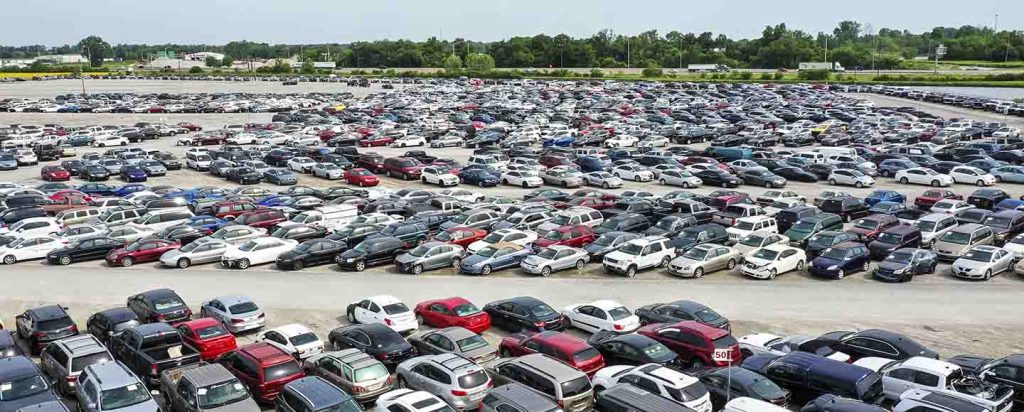
The visible damage is not always the most expensive to repair. A damaged bumper can hide problems with parking sensors or wiring. A front-end collision can also affect suspension components and structural mounting points. Replacing airbags can add significant expense.
State title rules are equally important. NHTSA notes that designations such as “salvage” and “rebuilt” are determined under state law rather than federal law. Requirements for restoring a salvage vehicle can therefore vary considerably depending on where the vehicle will be registered.
Some vehicles can be repaired and inspected before receiving a rebuilt title. Others may receive classifications such as junk or non-repairable that prevent them from legally returning to normal road use.
This creates an important distinction between a vehicle that has salvage value and one that makes financial sense to rebuild.
Suppose someone pays $6,000 for a damaged SUV. If repairs require another $10,000, the total investment can exceed the value of a comparable clean-title example. The auction price looked attractive, but the complete project may not be. Professional rebuilders therefore consider the vehicle’s final value before bidding.
They examine the VIN history, title, auction photographs, damage description, parts availability, and estimated repair cost. NHTSA’s VIN decoder can provide manufacturer-reported information connected to a vehicle’s 17-character VIN, although it should not be considered a replacement for a complete history report or physical inspection. (nhtsa.gov)
The history can reveal why the vehicle entered the auction in the first place. That is particularly important with flood vehicles. The NAIC advises buyers to investigate a vehicle’s history carefully because flood-damaged vehicles can eventually reappear in the used-car market after being cleaned and transported elsewhere.
Warranty coverage can also be affected. Some manufacturers restrict certain warranty coverage on vehicles that have been declared total losses or carry salvage, junk, or rebuilt titles.
FCA, for example, states in warranty documentation filed with NHTSA that certain warranty coverage can be denied for vehicles with those title designations, although recalls and certain emissions obligations can be treated differently.
That does not mean every salvage vehicle is unsafe or worthless. It means the buyer needs to understand exactly what is being purchased.
Why Salvage Auctions Can Be Valuable and Risky
Salvage auctions serve a legitimate purpose in the automotive industry. They allow damaged vehicles to retain economic value rather than simply becoming waste.
A vehicle that cannot be economically repaired can provide replacement parts for other cars. A repairable vehicle can potentially return to the road after satisfying applicable state requirements. Materials from vehicles that cannot be rebuilt can enter recycling channels.
For insurers, auctions provide a way to recover some money after paying claims. For dismantlers, they provide access to large inventories of parts. For professional rebuilders, they can offer vehicles at prices below comparable clean-title examples.
But the same system creates significant risks for inexperienced buyers. The biggest mistake is assuming that a low winning bid equals a low total cost. It does not.
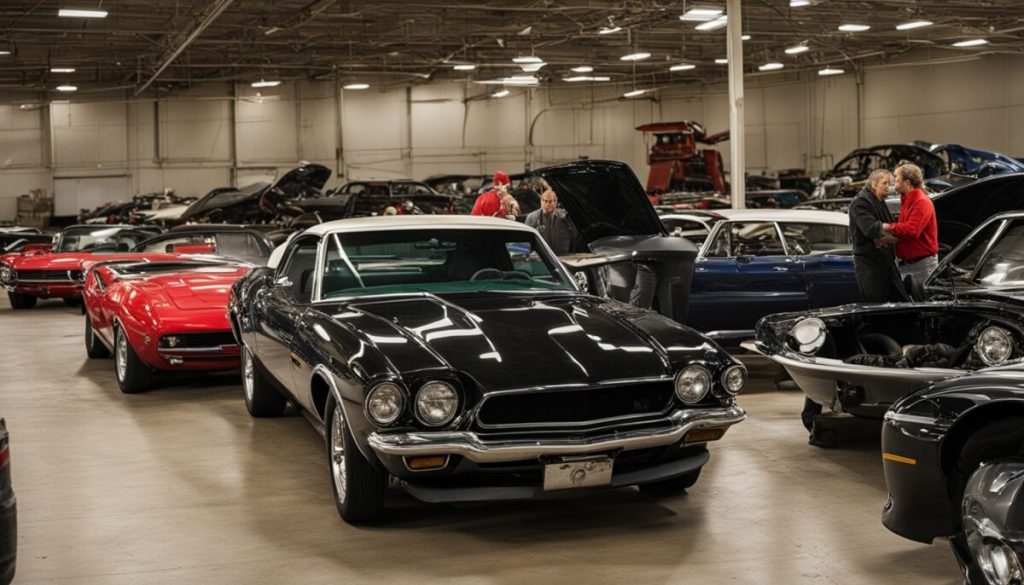
A $5,000 vehicle can quickly become a $12,000 or $15,000 project after transportation, fees, parts, and labor are included. If the vehicle has structural or flood damage, the risk can become even greater. The title should therefore be investigated before bidding, not after.
Buyers should understand whether the vehicle carries a salvage, rebuilt, flood, junk, or other branded title and what that designation means in the state where it will eventually be registered.
The real story behind a salvage auction is therefore not simply about wrecked cars being sold to the highest bidder. It is an entire ecosystem built around recovering value from vehicles that insurers, owners, or businesses no longer consider economical to keep in their previous condition.
Some vehicles will be rebuilt. Some will be dismantled. Some will be exported. Others will never return to the road.
That is why “salvage” should never be treated as a complete description of a vehicle’s condition. It tells you that the vehicle has entered a different part of the automotive market. Its history, title, damage, and repair requirements determine what it is really worth.
