
Reaching 150,000 miles is a major milestone for any SUV, but not every model has the same track record of getting there. To identify the weakest performers, this list uses iSeeCars data on the share of vehicles that have reached at least 150,000 miles, rather than relying on subjective reliability ratings.
That distinction matters because a vehicle can score reasonably well in short-term reliability surveys yet have very few examples surviving to high mileage. The figures should not be interpreted as a guarantee that a particular SUV will fail before 150,000 miles. Maintenance, driving conditions, age, and previous ownership all influence longevity.
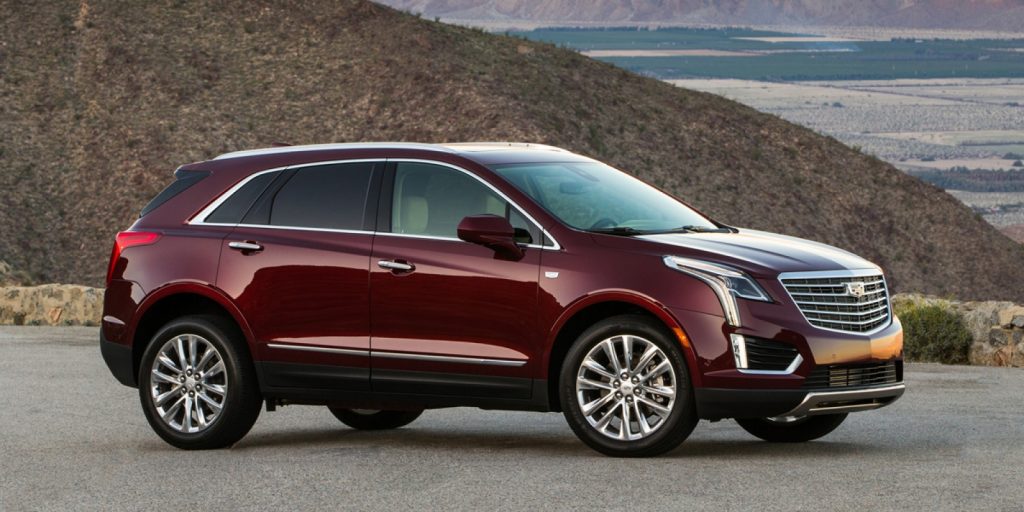
1. Cadillac XT5
The Cadillac XT5 looks like exactly the kind of SUV many buyers would expect to have a long life. It is comfortable, relatively conventional in its mechanical layout, and powered by engines that are not especially exotic.
Yet iSeeCars’ current vehicle data gives the XT5 a surprisingly low high-mileage presence. Its database indicates that approximately 0.000004 of XT5s on the road have reached 150,000 miles or more, an extremely small share compared with the average cited for its luxury crossover SUV category.
That figure is a statistical observation from iSeeCars’ vehicle data, not a prediction that every XT5 will fail early.
The mechanical specifications also vary considerably by model year. The U.S.-market XT5 was offered with a 2.0-liter turbocharged four-cylinder producing 235 horsepower and 258 lb-ft of torque, while earlier versions could be equipped with a 3.6-liter V6 producing 310 horsepower and 271 lb-ft.
Cadillac paired these engines with automatic transmissions and offered both front-wheel drive and all-wheel drive depending on configuration.
Its dimensions are relatively modest for a midsize luxury SUV. The 2025 XT5 measures 189.6 inches long and 74.9 inches wide, with a 66.1-inch height. Cargo capacity reaches 30 cubic feet behind the rear seats and 63 cubic feet with them folded.
The important takeaway is that the iSeeCars figure does not automatically mean the XT5 is a bad vehicle. A small percentage of surviving high-mileage examples can be influenced by ownership patterns, vehicle age, sales volume, and how owners use their SUVs.
Nevertheless, if the specific goal is finding an SUV with a demonstrated record of reaching 150,000 miles, the XT5’s exceptionally low figure makes it a model worth approaching carefully.
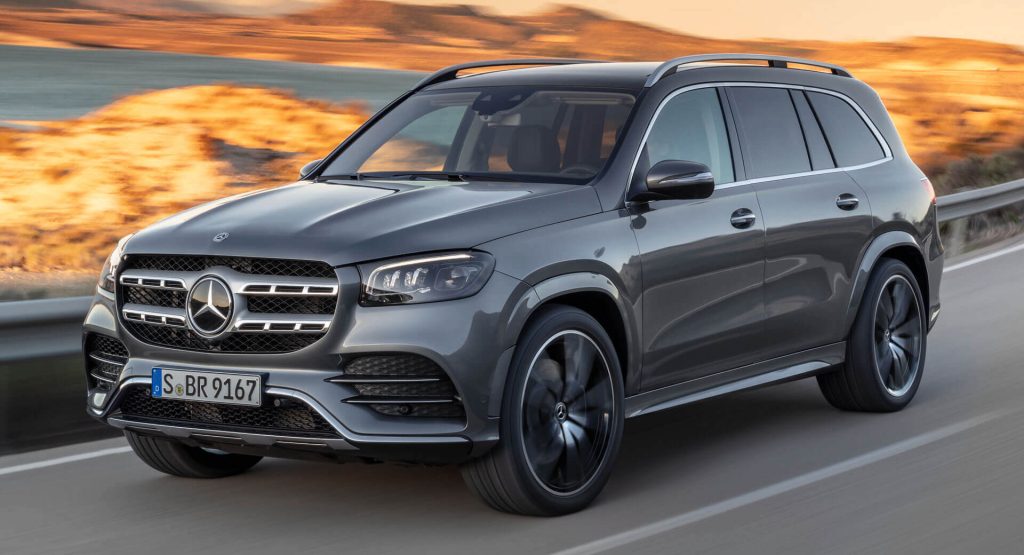
2. Mercedes-Benz GLS
The Mercedes-Benz GLS occupies an unusual position on this list because its reputation is built around luxury, technology, comfort, and substantial performance rather than simple long-term mechanical minimalism.
According to current iSeeCars vehicle data, approximately 0.000016 of GLS vehicles on the road have reached 150,000 miles or more, compared with a much higher average for its luxury crossover SUV category.
Again, this is a share of vehicles observed in the data, not a literal probability that an individual GLS will stop working before reaching that mileage.
The U.S.-market GLS 450 provides a useful example of the engineering involved. The 2020 version used a 3.0-liter turbocharged inline-six with EQ Boost, producing 362 horsepower and 369 lb-ft of torque.
A nine-speed automatic transmission sent power through Mercedes-Benz’s 4MATIC all-wheel-drive system. Mercedes also offered the considerably more powerful GLS 580 with a 4.0-liter twin-turbo V8 producing 483 horsepower and 516 lb-ft of torque.
The GLS is physically substantial as well. The 2020 GLS 450 measured 205.0 inches long, 77.0 inches wide, and 71.8 inches tall, with a 123.4-inch wheelbase. It could seat seven people and offered 42.7 cubic feet of cargo space behind the second row.
That complexity is important when considering high-mileage ownership. The GLS combines turbocharging, sophisticated electronics, all-wheel drive, air suspension, advanced driver assistance, and extensive luxury equipment.
None of those features automatically makes a vehicle unreliable, but there are simply more systems that can require attention as mileage accumulates.
For buyers prioritizing a 150,000-mile ownership plan, iSeeCars’ data puts the GLS in a particularly weak position.
Its appeal is easy to understand when new, but the high-mileage numbers suggest that shoppers should place considerably more emphasis on maintenance records and condition before purchasing a heavily used example.
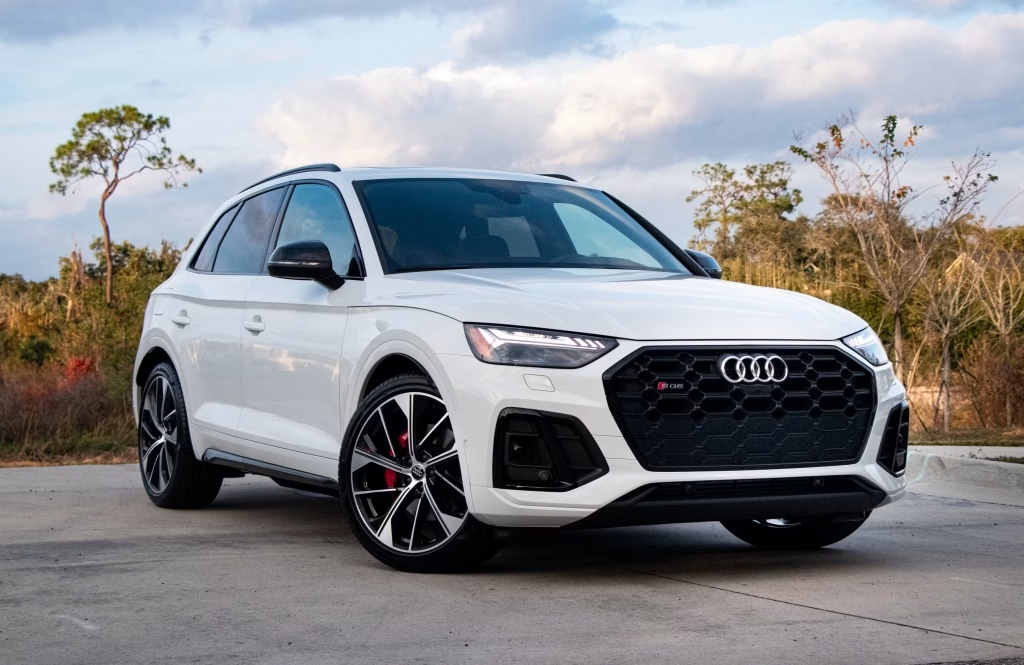
3. Audi SQ5
The Audi SQ5 is an interesting addition because iSeeCars’ data does not simply label it unreliable. In fact, its current reliability score places it 11th in the luxury small and compact SUV category, with a score of 5.9.
The more revealing number for this particular article is its high-mileage record: iSeeCars reports that approximately 0.000052 of SQ5s on the road have reached 150,000 miles or more, compared with 0.02176 for the category. That means very few examples in the underlying vehicle population have crossed this particular mileage threshold.
The SQ5 is also a performance-oriented SUV, which gives its mechanical package a different mission from a basic family crossover.
The 2024 U.S.-market SQ5 uses a 3.0-liter turbocharged V6 producing 349 horsepower and 369 lb-ft of torque, paired with an eight-speed Tiptronic automatic transmission and quattro all-wheel drive. Audi also equips it with a sophisticated suspension and performance-focused chassis hardware.
That combination can be rewarding when the vehicle is newer, but high-mileage buyers have more components to consider. Turbocharging, all-wheel drive, sophisticated electronics, and performance-oriented suspension systems all add complexity compared with a simpler naturally aspirated front-wheel-drive SUV.
None of those systems automatically means an SQ5 will fail at 150,000 miles, but they can make neglected maintenance more consequential.
The SQ5 is also compact enough to appeal to buyers who want performance without moving into a huge three-row SUV. Its 2024 body measures approximately 184.6 inches long and 74.5 inches wide, giving it a relatively manageable footprint.
For someone shopping specifically for a vehicle with a strong statistical record beyond 150,000 miles, however, the iSeeCars figure is difficult to ignore. The SQ5’s performance credentials may be attractive, but its observed high-mileage representation is exceptionally small.
4. Infiniti QX80
The Infiniti QX80 is enormous, powerful, and traditionally associated with long-distance family hauling and towing. Yet iSeeCars’ data gives it a surprisingly weak showing when the question becomes how many examples have actually reached 150,000 miles.
The current iSeeCars listing reports that approximately 0.00311 of QX80s on the road have reached 150,000 miles or more, compared with an average of 0.02176 for its Luxury SUV with 3 Rows category.
That figure deserves context. A 0.00311 share translates to roughly 0.31% of the vehicles represented in the underlying data. It does not mean an individual QX80 has only a 0.31% chance of reaching 150,000 miles.
iSeeCars’ figure describes the proportion of vehicles on the road that have reached that mileage threshold, so factors such as vehicle age, usage, ownership patterns, and survival bias matter.
The QX80 has also undergone major mechanical changes over its lifetime. The previous generation used Nissan’s 5.6-liter naturally aspirated V8, with the 2024 model producing 400 horsepower and 413 lb-ft of torque. It was paired with a seven-speed automatic transmission.
The newer 2025 QX80 moved to a 3.5-liter twin-turbocharged V6, producing 450 horsepower and 516 lb-ft of torque, with a nine-speed automatic transmission.
Older QX80s measure roughly 210.2 inches long and 79.9 inches wide, giving them substantial road presence and interior space. The body-on-frame architecture also supports serious towing capability, with properly equipped versions rated to tow up to 8,500 pounds in the final V8 generation.
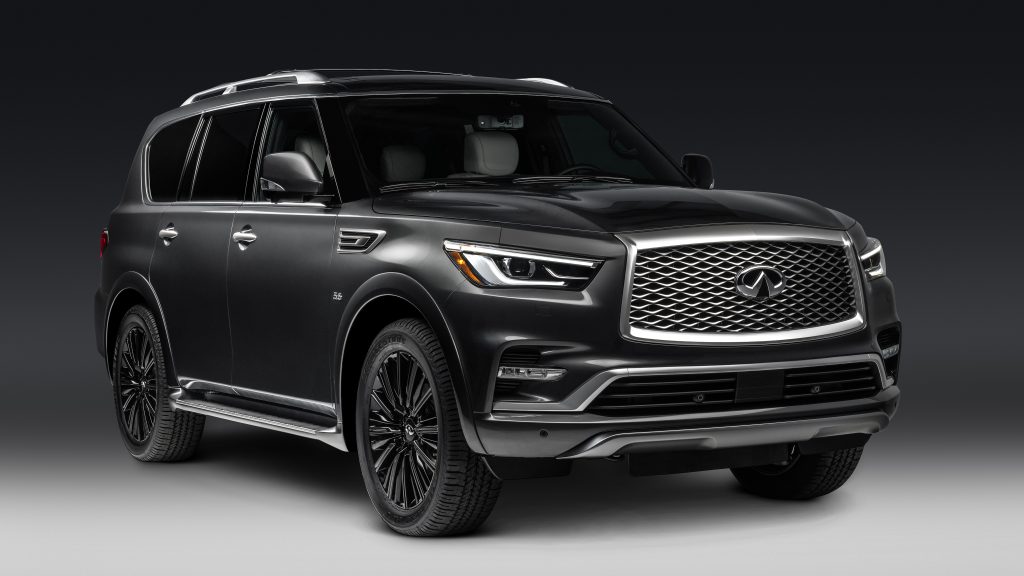
The QX80 can certainly reach high mileage, and examples above 150,000 miles exist in the used market. The data simply shows that such examples represent a relatively small share of the vehicle population.
For buyers targeting long-term ownership, maintenance history and drivetrain condition should therefore receive considerably more attention than the Infiniti badge alone might suggest.
5. Volvo XC60
The Volvo XC60 presents a useful warning about the difference between a vehicle’s reputation for safety and its statistical longevity. In iSeeCars’ high-mileage data, the XC60 sits near the bottom when the benchmark is reaching 150,000 miles.
The model’s representation at that mileage is considerably weaker than the SUVs that dominate iSeeCars’ long-lasting rankings. More recent iSeeCars research also places the XC60 at 5.9% predicted odds of reaching 250,000 miles, only modestly above the 4.3% average for SUVs.
The XC60’s mechanical lineup has changed substantially over the years, so buyers should avoid treating every model year as mechanically identical.
Recent U.S. versions use a 2.0-liter turbocharged and supercharged four-cylinder paired with an electric motor, producing 455 horsepower and 523 lb-ft of torque in the Recharge plug-in hybrid configuration. Other versions use less powerful versions of Volvo’s 2.0-liter four-cylinder.
That sophisticated powertrain is part of the XC60’s appeal, but it also means there are more components involved than in a basic naturally aspirated crossover.
Turbocharging, supercharging on certain generations, hybrid hardware, all-wheel drive, and extensive electronic systems can make long-term maintenance more complicated as mileage accumulates.
The XC60 itself is a midsize luxury SUV, measuring roughly 185 inches long and 74.9 inches wide in recent U.S. specifications. Its relatively compact footprint makes it easy to position in urban environments, while the cabin prioritizes comfort and technology rather than rugged truck-based durability.
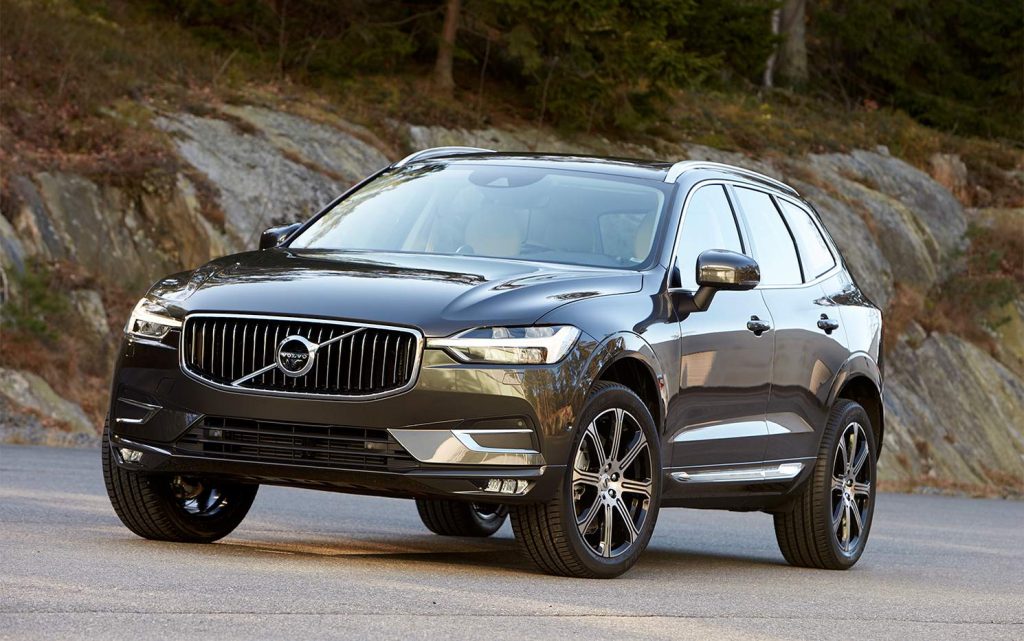
None of this means an XC60 cannot reach 150,000 miles. Plenty of individual examples can and do. The important point is that iSeeCars’ longevity data does not place it among the strongest statistical performers.
For a buyer specifically searching for an SUV with a proven record of surviving extreme mileage, the XC60 deserves more scrutiny than its premium reputation might initially suggest.
6. Jeep Grand Cherokee
The Jeep Grand Cherokee has spent decades as one of America’s best-known midsize SUVs, but its longevity record becomes more complicated when the target moves into six-figure mileage.
iSeeCars’ research has historically shown a relatively small share of Grand Cherokee vehicles reaching very high mileage compared with the strongest long-lasting SUVs. The model does not appear among the 21 SUVs with an above-average predicted chance of reaching 250,000 miles in iSeeCars’ 2025 study, whose SUV average was 4.3%.
That absence is meaningful, particularly because the study includes a wide range of SUVs and identifies models with significantly stronger long-term survival prospects. It does not prove that the Grand Cherokee is incapable of reaching 150,000 miles.
Instead, it indicates that the model does not have the same statistical longevity advantage enjoyed by vehicles such as the Toyota Sequoia, 4Runner, or Highlander Hybrid.
Mechanical variety is another important factor. The current-generation Grand Cherokee has been sold with a 3.6-liter Pentastar V6 producing 293 horsepower and 260 lb-ft of torque, while higher-performance and older versions have used larger V8 engines.
Jeep also introduced the Grand Cherokee 4xe plug-in hybrid, combining a 2.0-liter turbocharged engine with electric motors for a total system output of 375 horsepower and 470 lb-ft.
The SUV’s sophisticated four-wheel-drive systems, air suspension on certain trims, electronic controls, and wide range of powertrains mean that ownership experience can vary dramatically between individual vehicles.
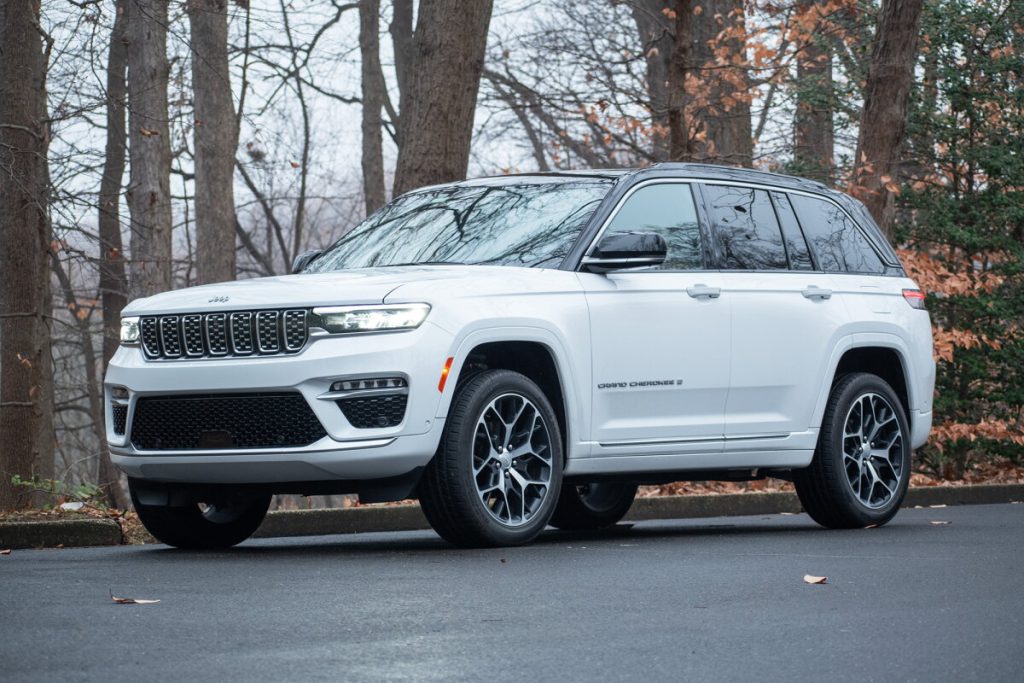
Its physical dimensions are substantial without being enormous. A current two-row Grand Cherokee measures approximately 193.5 inches long and 77.9 inches wide, while the three-row Grand Cherokee L is longer.
For a used buyer approaching the 150,000-mile threshold, service records become especially important. A carefully maintained Grand Cherokee can continue serving its owner, but iSeeCars’ broader longevity evidence does not give it the same statistical safety margin as the SUVs that consistently dominate high-mileage rankings.
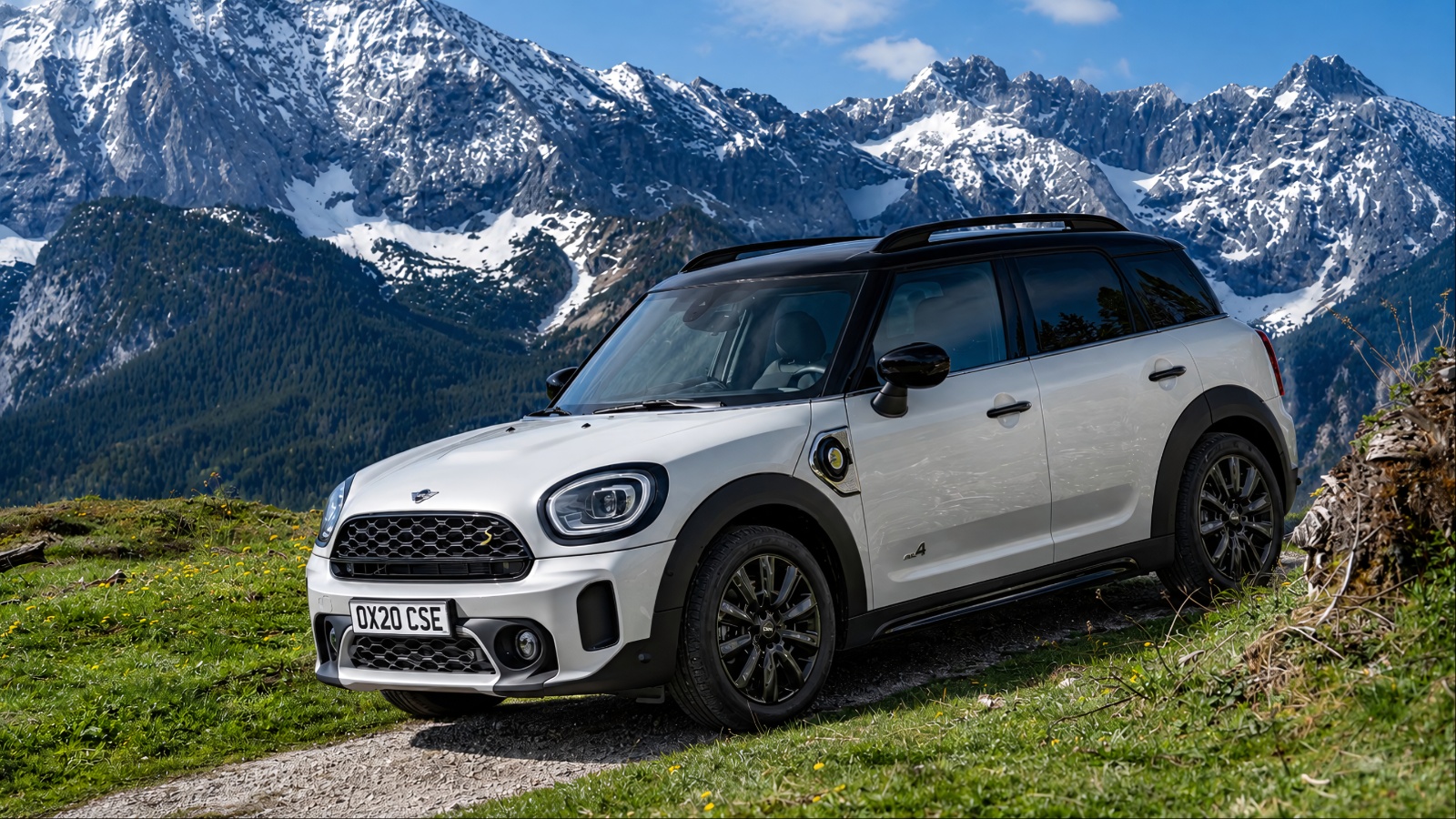
7. MINI Countryman Plug-In Hybrid
The MINI Countryman Plug-In Hybrid is a particularly interesting entry because its iSeeCars numbers look weak at 150,000 miles even though the model can score reasonably well in broader reliability measurements.
iSeeCars reports that approximately 0.002051 of Countryman Plug-In Hybrids on the road have reached 150,000 miles or more, compared with 0.046115 for the hybrid SUV category. In percentage terms, that is roughly 0.21% of the vehicles represented in the data, versus about 4.61% for the category.
That does not mean the Countryman Plug-In Hybrid has a fixed 0.21% chance of reaching the milestone.
The statistic describes the share of vehicles that have already reached that mileage and can be affected by vehicle age, sales volume, usage patterns, and how owners maintain their cars. It is therefore better understood as a longevity indicator rather than a failure prediction.
The U.S.-market Countryman Plug-In Hybrid used a 1.5-liter turbocharged three-cylinder engine combined with an electric motor, producing a combined 134 horsepower and 162 lb-ft of torque in the earlier Cooper SE ALL4 configuration. An all-wheel-drive system and six-speed automatic transmission were used in that generation.
Its relatively compact dimensions make it appealing as an urban luxury crossover. The 2022 Countryman measures approximately 169.8 inches long and 71.7 inches wide, making it substantially smaller than the full-size SUVs elsewhere on this list.
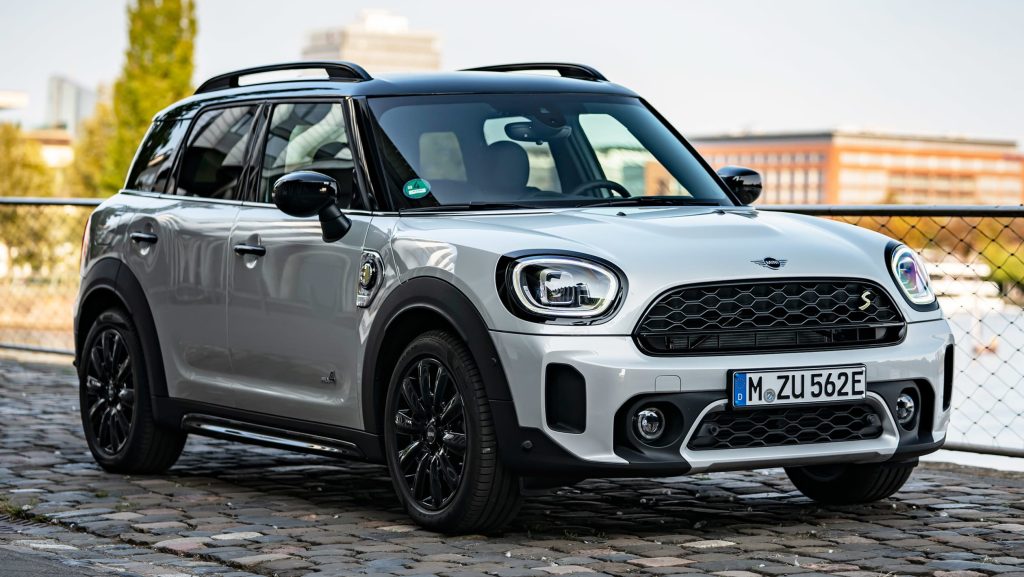
The hybrid system adds another layer to the vehicle’s mechanical architecture. There is the gasoline engine, turbocharger, electric motor, high-voltage battery, power electronics, and associated control systems.
None of those components guarantees premature failure, but long-term ownership involves more than simply maintaining a conventional four-cylinder drivetrain.
For someone specifically hunting for a used SUV with a statistical track record of reaching 150,000 miles, the iSeeCars figure places the Countryman Plug-In Hybrid well below its hybrid SUV peers.
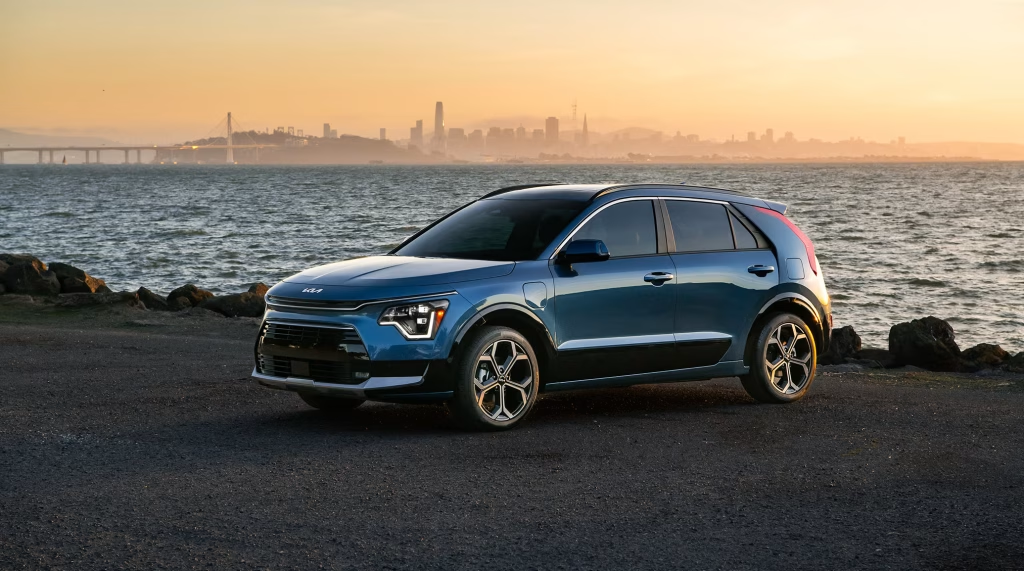
8. Kia Niro Plug-In Hybrid
The Kia Niro Plug-In Hybrid produces an unusual result in iSeeCars’ longevity data. The model has a 7.1 reliability score and ranks fourth among the hybrid SUVs listed by iSeeCars, yet only approximately 8.97E-4 of Niro Plug-In Hybrids on the road have reached 150,000 miles or more.
That translates to about 0.09%, compared with 4.61% for the hybrid SUV category cited on the same iSeeCars data page.
That apparent contradiction is important. A vehicle can receive a good reliability assessment while having very few examples at an extremely high mileage threshold.
The Niro Plug-In Hybrid is also a relatively newer vehicle compared with some of the conventional SUVs used in long-term mileage studies, so its opportunity to accumulate 150,000 miles is naturally different.
The U.S.-market Niro Plug-In Hybrid uses a 1.6-liter four-cylinder gasoline engine and electric motor, producing a combined 139 horsepower. Unlike many plug-in hybrids that use a continuously variable transmission, the Niro uses a six-speed dual-clutch automatic transmission. Front-wheel drive is standard.
Its compact dimensions help explain the vehicle’s popularity in urban and suburban driving. The 2022 Niro PHEV measures roughly 172.2 inches long and 71.1 inches wide, placing it well below the physical size of traditional midsize SUVs.
The powertrain’s efficiency is its main purpose. A relatively small gasoline engine works alongside the electric motor and battery pack, allowing the vehicle to operate on electric power for shorter trips before switching to hybrid operation.
That design can reduce fuel consumption, but it also means long-term ownership involves both conventional mechanical components and high-voltage hybrid hardware.
iSeeCars’ data therefore deserves to be read carefully. The Niro Plug-In Hybrid’s low 150,000-mile representation does not establish that it is inherently unreliable.
Instead, it shows that very few examples in the underlying vehicle population have crossed the threshold. Buyers considering one for exceptionally long ownership should pay close attention to battery-system condition, service records, and the vehicle’s history.
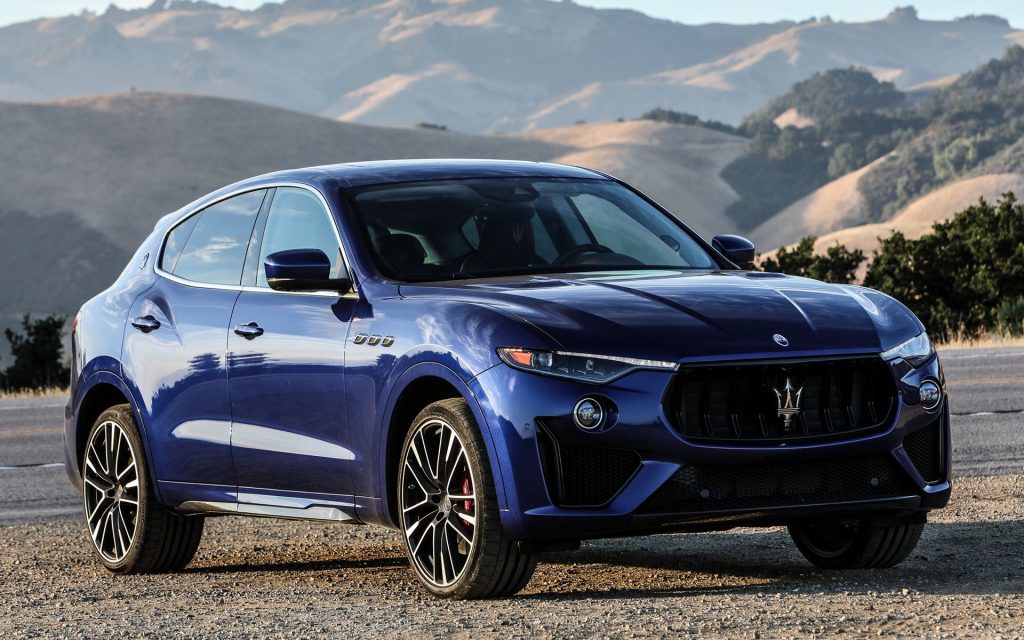
9. Maserati Levante
The Maserati Levante is one of the clearest examples of why a luxury SUV’s showroom appeal does not necessarily translate into a strong high-mileage record.
iSeeCars reports that only about 1.07E-4 of Levantes on the road have reached 150,000 miles or more, which works out to roughly 0.011% of the vehicles represented in its data. That is dramatically below the 2.176% average cited for the luxury midsize SUV category.
The Levante was never designed around mechanical simplicity. Depending on model year, U.S. buyers could choose from turbocharged V6 engines, a twin-turbo V8, and later versions with different power outputs.
A representative 2021 Levante S used a 3.0-liter twin-turbocharged V6 producing 424 horsepower and 428 lb-ft of torque. The more powerful Levante Trofeo employed a 3.8-liter twin-turbocharged V8 with 580 horsepower and 538 lb-ft.
That performance is a major part of the Maserati’s appeal, but it also means owners are dealing with a sophisticated powertrain, all-wheel drive, electronically controlled systems, and a luxury cabin packed with additional equipment. At 150,000 miles, the condition of those systems matters just as much as the engine itself.
The Levante is also a substantial vehicle, measuring approximately 197 inches long and 77.5 inches wide, depending on model year and configuration. Its size gives it a commanding road presence without becoming a full-size SUV.
The iSeeCars data should not be interpreted as saying every Levante is destined for an early retirement. There are certainly high-mileage examples, and maintenance history can make an enormous difference. The issue is statistical: very few Levantes in the underlying population have reached the 150,000-mile threshold.
For someone deliberately shopping for an SUV intended to accumulate another 100,000 miles, that makes a thorough inspection, documented maintenance history, and realistic repair budget particularly important.
10. Mitsubishi Outlander PHEV
The Mitsubishi Outlander PHEV provides perhaps the most surprising result in this group. iSeeCars gives the model a 7.0 reliability score and ranks it fifth among hybrid SUVs for reliability, yet only approximately 7.98E-4 of Outlander PHEVs on the road have reached 150,000 miles or more. That equals about 0.08%, compared with 4.61% for the hybrid SUV category.
That apparent contradiction deserves attention. The Outlander PHEV is not being identified as one of the least reliable hybrid SUVs by iSeeCars. Its low 150,000-mile figure is influenced by the relatively small and younger population of vehicles in the data.
In fact, iSeeCars’ current listings include a 2018 Outlander PHEV with more than 158,000 miles, demonstrating that individual examples can certainly cross the milestone.
The U.S. Outlander PHEV has used a plug-in hybrid system combining a gasoline engine with electric motors and a battery pack. Earlier models used a 2.0-liter four-cylinder engine, while later generations moved to a 2.4-liter four-cylinder.
The newer system produces substantially more power, with the 2025 model rated at 248 horsepower and 332 lb-ft of combined torque.
Its plug-in architecture is the key distinction. Instead of relying solely on a gasoline engine, the Outlander PHEV uses electric propulsion for part of its operation, then transitions into hybrid driving when the battery’s usable charge is depleted.
That can provide excellent efficiency, but long-term ownership involves battery, inverter, electric motor, charging, and gasoline-engine components.
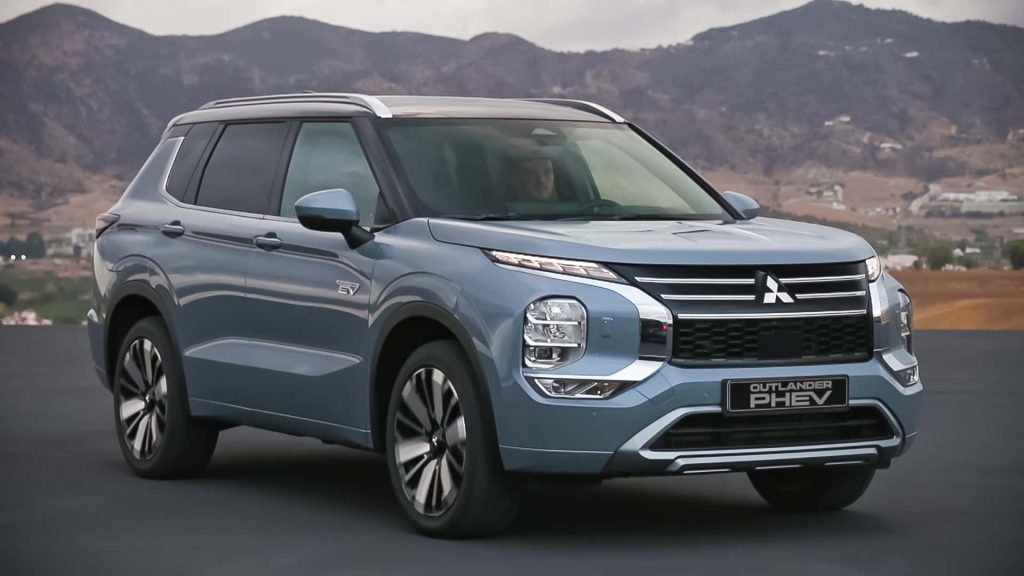
The current Outlander PHEV measures roughly 185.4 inches long and 74.7 inches wide, placing it firmly in the midsize crossover class.
So while the iSeeCars high-mileage statistic puts the Outlander PHEV near the bottom, it should not be presented as proof of poor reliability. Its own reliability ranking is actually respectable.
The more accurate conclusion is that very few examples in the underlying population have yet demonstrated 150,000-mile longevity, making the statistic a caution for buyers rather than a verdict against the vehicle.
