A truck can have a dependable engine and transmission yet still become unusable because the structure underneath it has deteriorated. Frame corrosion is particularly serious because the frame carries the cab, bed, suspension, and major drivetrain components.
This list focuses on U.S.-market pickups with documented rust problems involving frames, structural components, or body panels. It does not mean every truck listed will rust away before 120,000 miles.
Climate, road salt, coastal exposure, washing habits, and previous rust treatment can dramatically change the outcome. The strongest examples are supported by manufacturer campaigns, government documents, court records, or documented owner cases showing corrosion becoming serious at relatively modest mileage.
1. Toyota Tacoma
The Toyota Tacoma has an extraordinary reputation for durability, which makes its documented frame-corrosion history particularly surprising.
Certain 2005 through 2010 Tacomas became the subject of Toyota’s warranty-extension program after the company received reports that trucks operating in cold climates with heavy road-salt exposure could develop more-than-normal frame corrosion.
Toyota ultimately established inspection criteria under which qualifying frames that reached a specified rust-perforation standard could be replaced.
This was not simply ordinary surface oxidation. Toyota’s documentation specifically distinguished the problem from normal surface rust and acknowledged that insufficient corrosion-resistant protection, combined with prolonged exposure to road salt and environmental conditions, could contribute to excessive frame corrosion.
A 2017 Toyota notice referenced a class-action settlement involving the 2005 to 2010 Tacoma and provided for frame inspection and replacement when the corrosion met the court-ordered standard.
The problem became especially concerning because the Tacoma uses a traditional body-on-frame construction. The steel frame is not cosmetic. It supports the suspension, cab, bed, engine, and drivetrain. Once structural sections become severely perforated, repairing the truck can become economically difficult or unsafe.
Documented cases show why mileage alone cannot be used as a safety guarantee. Court records from an Arkansas case involving a 2005 Tacoma described a truck that was reportedly found to have a severely rusted frame after approximately nine years of ownership, with repairs estimated at around $10,000.
For used buyers, the important question is not simply whether a Tacoma has fewer than 120,000 miles. A low-mileage truck from a heavily salted region can be more concerning than a higher-mileage example from a dry climate.
2. Nissan Frontier
The Nissan Frontier has also accumulated a substantial history of documented frame-rust complaints, particularly among older U.S.-market trucks exposed to snow and road salt.
Owner reports involving 2005 to 2007 Frontiers describe severe corrosion around the frame and suspension mounting areas, with some examples developing structural deterioration long before the truck’s engine or transmission would normally be considered worn out.
One documented 2007 Frontier complaint described the frame as rusted nearly in half in multiple locations at 94,000 miles.
Another documented 2007 Frontier case involved corrosion where the driver’s-side leaf spring attaches to the frame. That owner reported the frame had rusted to the point that the leaf spring was no longer attached, describing the condition as a catastrophic structural failure.
The truck had approximately 164,900 miles, demonstrating how severe corrosion can eventually become even when the drivetrain remains functional.
The concern is especially significant on a body-on-frame pickup because corrosion around suspension attachment points is not merely a cosmetic issue. Those areas experience substantial forces whenever the truck carries cargo, tows a trailer, brakes hard, or travels over rough surfaces.
Not every Frontier from these years suffers catastrophic corrosion. Climate makes an enormous difference, and trucks that spent their lives in dry southern states can be dramatically different from otherwise identical vehicles that spent winters in the Northeast or Midwest.
The body itself can also develop rust, particularly around wheel arches, rocker panels, tailgates, and bed areas. Once corrosion becomes visible on the outside, a proper inspection should determine whether the problem is limited to replaceable body metal or has progressed into the structural frame.
For anyone shopping for an older Frontier, a clean Carfax report and attractive bodywork are not enough. The frame needs to be inspected directly, preferably on a lift, because serious corrosion can hide underneath coatings and accumulated dirt.
3. Chevrolet Colorado
The first-generation Chevrolet Colorado has one of the more serious documented frame-corrosion histories among older American midsize pickups.
The 2004 to 2012 Colorado used a boxed steel frame, and documented complaints show severe corrosion developing around the frame rails, rear suspension mounts, and sections beneath the cab.
In some cases, the problem became structural while the rest of the truck still appeared to be in respectable condition.
The mileage figures are particularly concerning for anyone shopping on the used market. A documented complaint involving a 2004 Colorado at 76,000 miles described the frame as completely rotted around the rear portion, with a large opening in the metal despite the body reportedly having no comparable rust.
Another complaint involving a 2004 model reported that the frame had rusted through at 92,000 miles, rendering the truck unrepairable according to the owner.
The underlying problem is not simply ugly surface corrosion. The boxed frame can trap moisture, salt, and debris, allowing corrosion to progress from inside the structure. Areas around the rear leaf-spring mounts and under the cab have been identified as particularly important inspection points.
Once the metal becomes perforated or loses significant thickness, the issue becomes structural rather than cosmetic.
There are also documented cases involving suspension separation. One complaint reported a 2004 Colorado whose frame had rusted through around the rear suspension, while another described corrosion severe enough that a mechanic considered the truck unsafe to drive.
For a used Colorado, the inspection should begin underneath rather than with the engine bay. A truck with a clean exterior can hide extensive frame deterioration. Buyers should pay particular attention to perforation, swollen metal, deep scaling, cracked sections, and previous repairs.
Colorado’s rust history does not mean every truck is affected equally. Dry-climate examples can be dramatically different from vehicles that spent years in salt-belt states. But the documented cases below 120,000 miles make this generation one of the pickups that deserves serious structural inspection before purchase.
4. GMC Canyon
The first-generation GMC Canyon shares its basic GMT355 architecture with the Chevrolet Colorado, and unfortunately that means it also shares the platform’s documented frame-corrosion concerns.
GMC marketed the Canyon as a rugged midsize pickup, but owners in regions where winter road salt is common have reported severe deterioration of the boxed frame, particularly around suspension attachment points and beneath the cab.
The concern is particularly relevant to 2004 through 2008 Canyons, where documented technical information identifies severe frame perforation as a known issue on the platform. The boxed construction can retain moisture and road debris, creating conditions in which corrosion develops internally before becoming obvious from outside.
Commonly affected locations include the rear leaf-spring shackle areas and the central frame section underneath the passenger compartment.
That makes mileage an unreliable safety indicator. A canyon with fewer than 100,000 miles can still have serious structural deterioration if it spent its life in a heavily salted environment. The frame itself carries the engine, transmission, body, bed, and suspension components, so corrosion around suspension mounts can have consequences far beyond appearance.
The platform has produced enough documented complaints that replacement frames and weld-in repair sections are available for affected trucks. However, extensive frame replacement is a major repair, requiring significant disassembly and professional structural work. That can quickly exceed the economic value of an older Canyon.
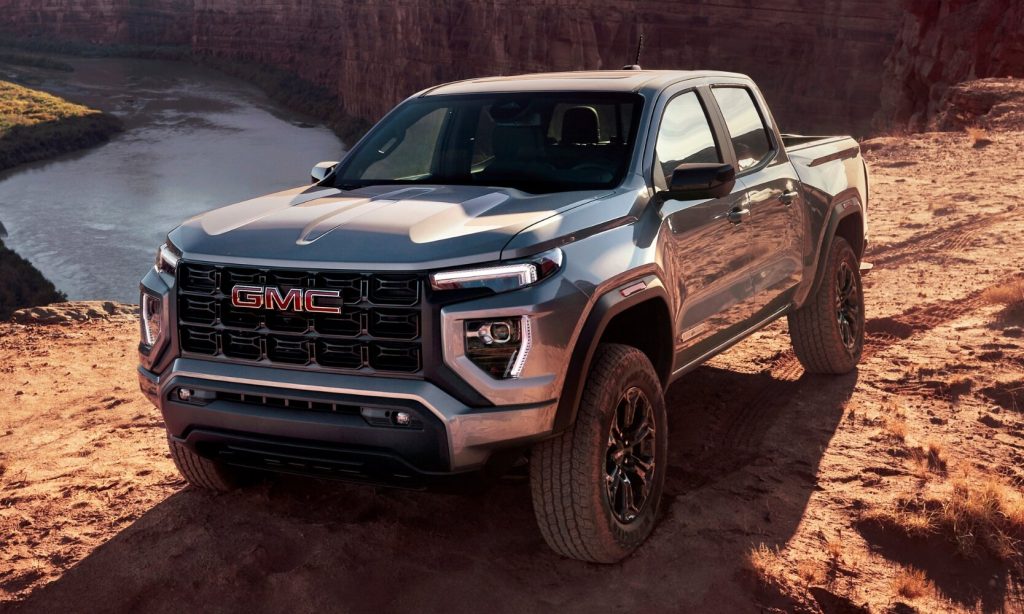
Interestingly, the Canyon’s body can sometimes look much healthier than the structure underneath. This creates a particularly dangerous buying situation because a polished exterior, clean interior, and functioning drivetrain can give the impression of a solid truck.
Anyone considering an older Canyon should therefore insist on a lift inspection. The mechanic should examine the frame rails from front to rear, paying close attention to the rear suspension mounts, crossmembers, and areas beneath the cab. Fresh undercoating should also be treated cautiously because it can conceal existing corrosion.
For buyers in snowy states, a clean southern or western example can be far more desirable than a lower-mileage truck from the Northeast.
5. Toyota Tundra
The Toyota Tundra has one of the most significant frame-corrosion histories ever documented among modern full-size pickups.
Toyota ultimately established a dedicated frame-corrosion program covering certain 2007 and 2008 Tundras, with inspections and frame replacement available when corrosion met the court-ordered rust-perforation standard.
Toyota’s documentation specifically identifies frame corrosion as the issue and states that qualifying frames could be replaced at no cost to the customer.
The concern was not limited to harmless surface discoloration. Earlier Tundra investigations included reports of heavily rusted frame rails, deteriorated crossmembers, damaged brake-line areas, and even spare-tire mounts affected by corrosion.
NHTSA received complaints describing severe rust on 2000 and 2001 Tundras, particularly in states where road salt is heavily used during winter.
That makes the Tundra an important example of why a truck’s mileage should never be the only consideration when assessing structural condition. A 100,000-mile Tundra that spent its life in a snowbelt can potentially have more serious frame deterioration than a truck with considerably higher mileage from a dry region.
The frame is the backbone of a body-on-frame pickup. It supports the suspension, cab, bed, engine, and drivetrain, so extensive corrosion can eventually affect the truck’s structural integrity. Surface rust can be treated, but perforation and deep scaling require much more serious attention.
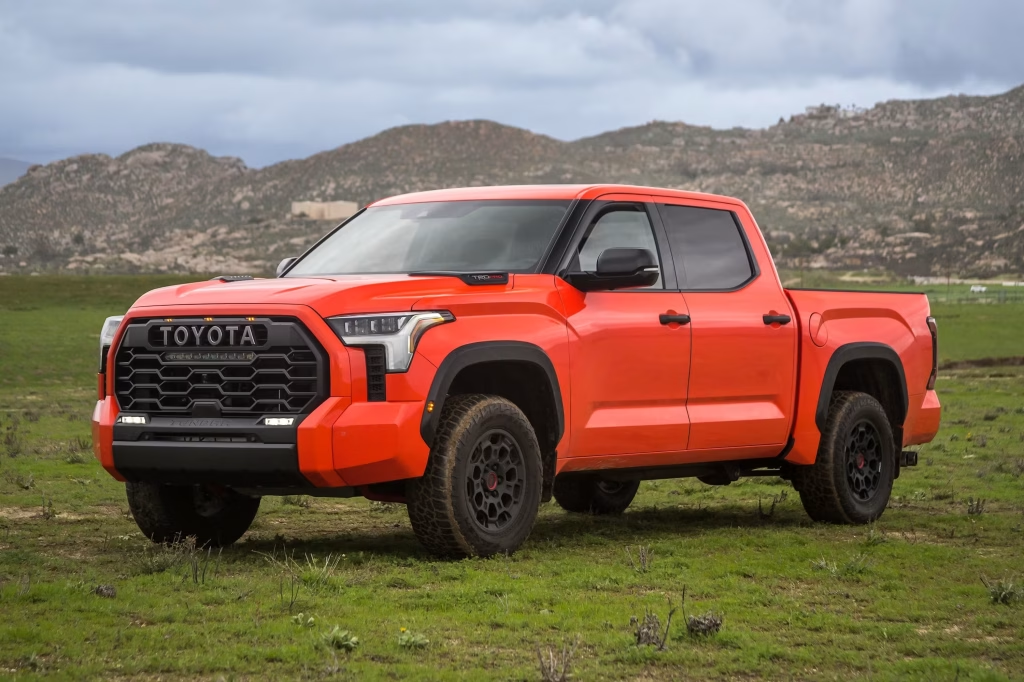
The affected Tundras also demonstrate how manufacturer action can provide valuable clues for used buyers. Toyota’s program required inspections against specific corrosion criteria rather than simply declaring every truck unsafe. That distinction matters because not every rusty frame has reached the same level of deterioration.
Anyone considering an older Tundra should have the entire frame inspected from front to rear, including crossmembers and suspension attachment points. A truck with a clean body and a well-maintained engine can still be a poor purchase if the structural steel underneath has been neglected.
6. Honda Ridgeline
The first-generation Honda Ridgeline is particularly important because its rust problem resulted in an actual U.S. safety recall rather than simply a collection of owner complaints. NHTSA Campaign 22V430000 covered certain 2006 through 2014 Ridgelines sold or registered in 21 states and Washington, D.C., where road salt is commonly used.
Honda determined that accumulated road salt could cause corrosion at the rear frame mounting surface where the fuel-tank mounting bands attach.
The consequence could be far more serious than a rusty-looking frame. If corrosion progressed sufficiently, the fuel-tank mounting structure could deteriorate, and the tank could separate from the vehicle.
Honda’s recall remedy involved inspecting the frame and, depending on its condition, applying corrosion protection, installing reinforcement components, repairing the frame, or offering to repurchase severely affected vehicles.
More than 112,000 Ridgelines were included in the recall population according to Consumer Reports’ coverage of Honda’s campaign. The problem specifically involved vehicles exposed to road salt, demonstrating how strongly geographic history can influence the condition of an older truck.
The Ridgeline is mechanically different from the traditional body-on-frame pickups elsewhere on this list. Its unibody construction integrates the body and frame structure, so corrosion around important mounting points can have consequences for components attached directly to that structure.
The truck’s relatively clean exterior can make this issue easy to overlook. Honda designed the Ridgeline as a comfortable alternative to conventional pickups, and its body panels can remain presentable even when corrosion is developing underneath.
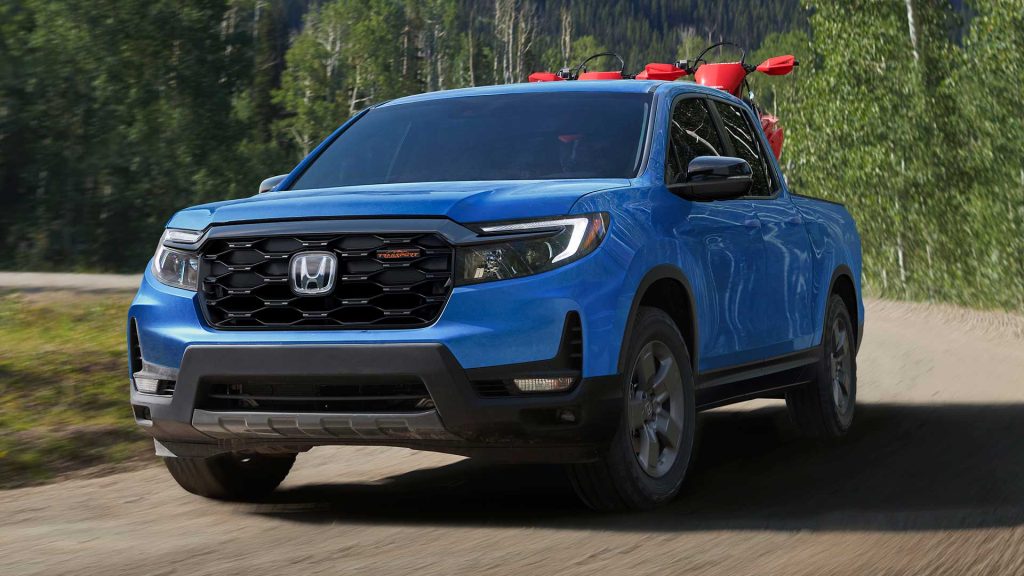
For buyers considering a first-generation Ridgeline, the recall history should make a professional underside inspection a priority. The fuel-tank mounting region and rear structural areas deserve particular attention, especially on trucks that spent years in the Northeast or Midwest.
A low odometer reading does not eliminate the risk. Road salt exposure is the critical factor, meaning a lower-mileage truck from a heavily salted state can deserve more scrutiny than a higher-mileage example that spent its life in a dry climate.
7. Ford F-150
The Ford F-150 is America’s best-known pickup, but certain older generations have a documented history of serious frame corrosion that can become a major problem well before the truck reaches 120,000 miles.
The 2004 to 2008 F-150 is particularly important because Ford issued a service bulletin specifically addressing frame replacement on these trucks. Ford’s TSB 07-25-13 identifies the 2004 through 2008 F-150 and explains procedures for replacing frames when necessary.
The rust itself has been extensively documented by owners and repair specialists. Commonly affected areas include the frame rails beneath the cab, the front crossmember, the section ahead of the rear leaf-spring attachment points, and crossmembers around the spare-tire area.
The concern becomes much more serious when corrosion progresses from surface scaling to holes, cracks, or weakened suspension mounting points.
One documented complaint involving a 2004 F-150 described a frame rail with a rust hole extending across the width of the rail and corrosion severe enough for a state inspection shop to fail the truck.
Another reported a 2004 F-150 whose frame had deteriorated beneath the bed and rear wheel area despite the truck otherwise being carefully maintained.
That is what makes this issue particularly deceptive. The body can remain attractive while the structural steel underneath deteriorates. A clean exterior therefore cannot be treated as evidence that the chassis is healthy.
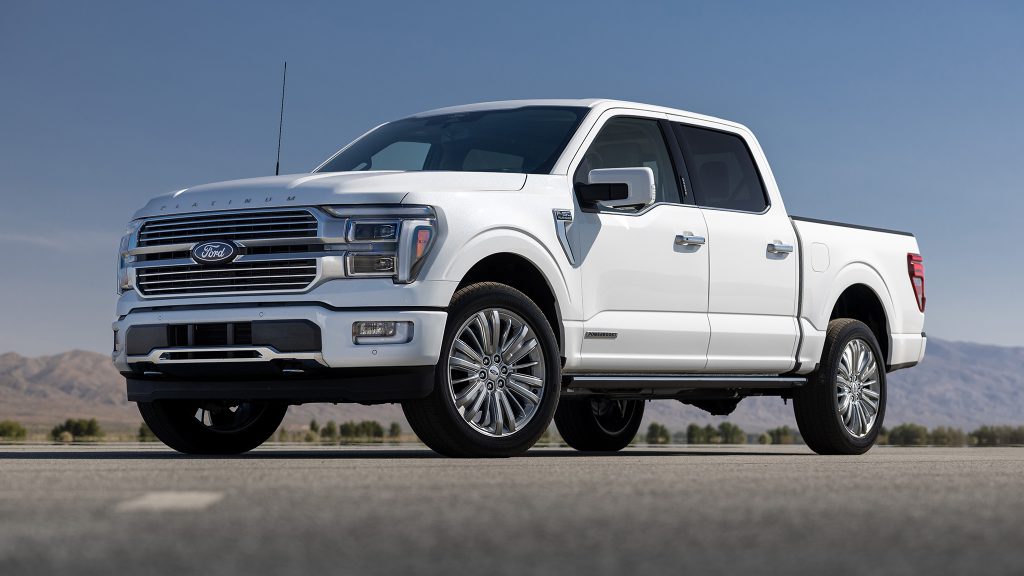
The F-150’s enormous production volume also means buyers should avoid painting every truck from this generation with the same brush. Climate and maintenance are critical. A southern truck that never encountered winter salt can be dramatically different from an otherwise identical F-150 that spent 15 winters in the Northeast.
For a prospective buyer, the frame deserves a dedicated inspection before purchase. Surface rust is one thing; deep scaling, perforation, cracked sections, or weakened suspension mounting points are an entirely different proposition.
8. Chevrolet Silverado 1500
The Chevrolet Silverado 1500 has a particularly important corrosion history because federal regulators investigated corrosion-related problems involving the broader GMT800 platform, which included 1999 through 2007 Silverado and Sierra pickups.
NHTSA opened an engineering analysis into premature brake-pipe corrosion after receiving thousands of complaints from vehicles operated in U.S. salt states. The investigation covered approximately 2.04 million GMT800 vehicles sold in those states.
Although NHTSA’s investigation focused specifically on brake-pipe corrosion rather than declaring the entire frame defective, the same salt-belt environment also produced extensive documentation of frame and crossmember deterioration.
Owner complaints involving early Silverado models describe rear shackles, crossmembers, and frame sections becoming heavily corroded at comparatively modest mileage. One documented 2000 Silverado complaint reported severe frame corrosion at 60,000 miles, with rear shackles requiring replacement.
Another complaint involving a 2000 Silverado described extensive rust throughout the frame and brake components, with both rear frame crossmembers reportedly rotted through. The vehicle had developed the problem despite having accumulated only about 100,000 miles.
The issue is heavily dependent on geography. NHTSA’s investigation specifically identified Connecticut, Delaware, Illinois, Indiana, Iowa, Maine, Maryland, Massachusetts, Michigan, Minnesota, Missouri, New Hampshire, New Jersey, New York, Ohio, Pennsylvania, Rhode Island, Vermont, West Virginia, and Wisconsin as salt-state areas for its analysis.
For used-truck buyers, this creates a critical distinction between a Silverado’s mechanical condition and structural condition. A V8 can run perfectly while the steel underneath it is deteriorating.
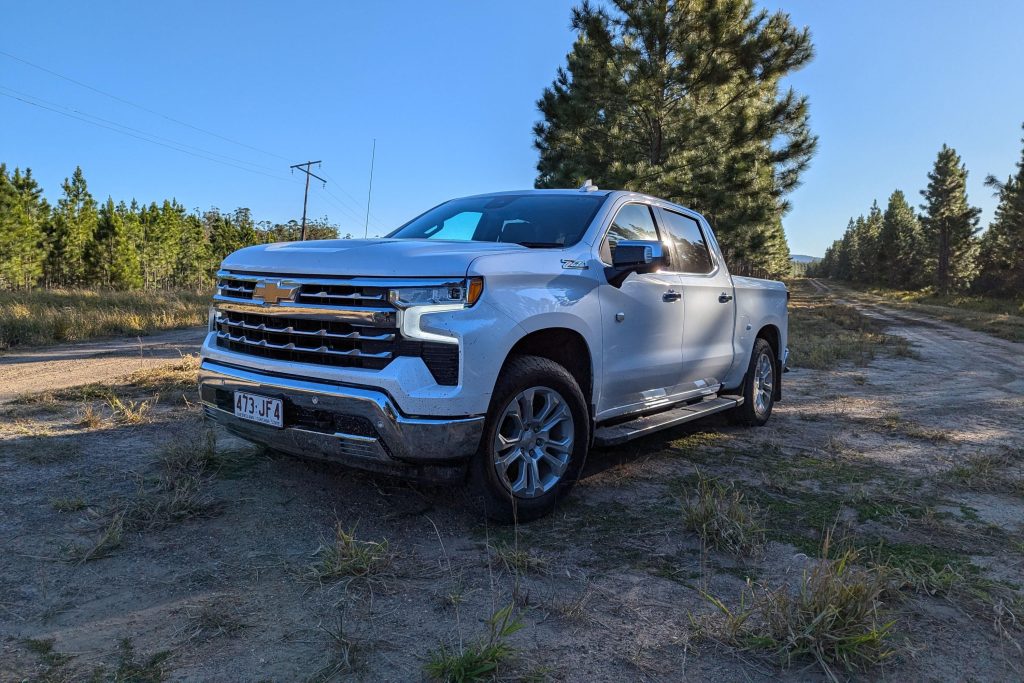
Anyone inspecting an older Silverado should pay particular attention to the rear frame sections, suspension mounting areas, crossmembers, brake lines, and areas where moisture and salt can accumulate.
9. Nissan Titan
The first-generation Nissan Titan has documented corrosion cases at remarkably low mileage, making it a serious consideration for buyers in the Northeast and other salt-heavy regions. One NHTSA complaint involving a 2005 Titan with only 31,000 miles reported that the truck failed inspection because the frame had rusted through in front of the rear wheels.
The owner noted that the rest of the body still looked nearly new, illustrating how structural corrosion can remain hidden beneath an otherwise attractive truck.
Other Titan complaints show corrosion affecting exhaust components and underbody structures at similarly modest mileage. A 2012 Titan, for example, was reported to have a completely rusted exhaust connection at 60,000 miles.
The Titan’s body-on-frame construction makes severe corrosion particularly concerning because the frame carries the cab, bed, suspension, and drivetrain. A truck can continue running perfectly while structural steel underneath becomes compromised.
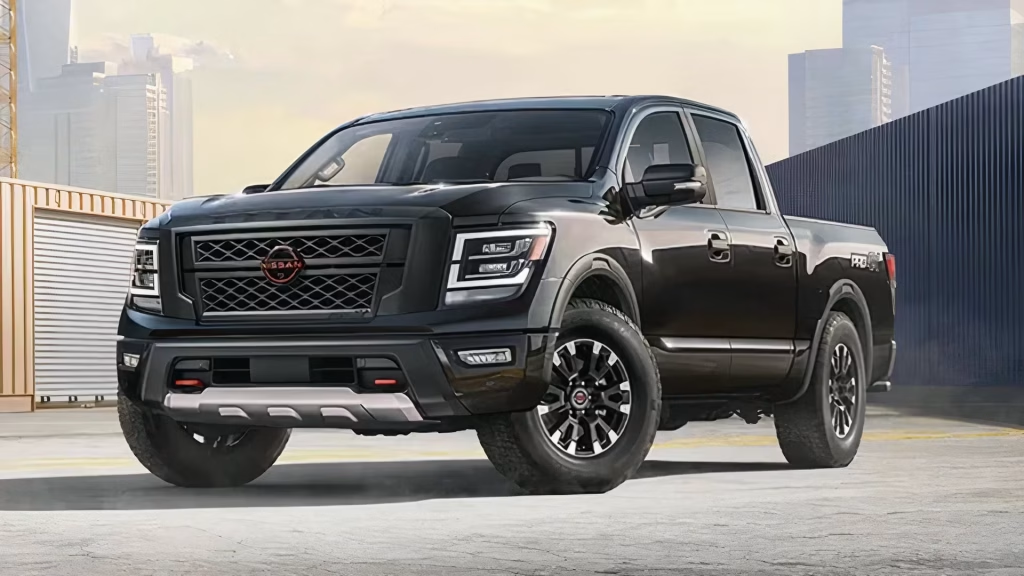
The 2005 Titan used a 5.6-liter naturally aspirated V8 producing 305 horsepower and 379 lb-ft of torque. It measured approximately 224.2 inches long and 79.5 inches wide, depending on configuration.
For a used Titan, inspection should focus on the frame around the rear wheels, suspension attachment points, crossmembers, and areas where road salt can accumulate. A low odometer reading offers little protection when corrosion has already penetrated structural steel.
10. Dodge Ram 1500
The Dodge Ram 1500 rounds out the list with multiple documented examples of serious structural corrosion before 120,000 miles.
A particularly striking complaint involving a 2003 Ram 1500 with 75,000 miles described a frame section approximately two feet long that had rotted through and cracked. The complaint database contains numerous additional reports involving severe rust and body deterioration on this generation.
The problem continued into later generations. A documented 2011 Ram 1500 with only 57,700 miles reportedly developed severe frame corrosion around the fuel-tank strap, leaving the tank at risk of dropping. Another 2011 example with 72,450 miles had a frame rail rusted through where the fuel tank was attached.
Even newer trucks were not immune to complaints. A 2012 Ram 1500 owner reported that at 97,000 miles, the frame rails had completely rusted out along with the brake lines.
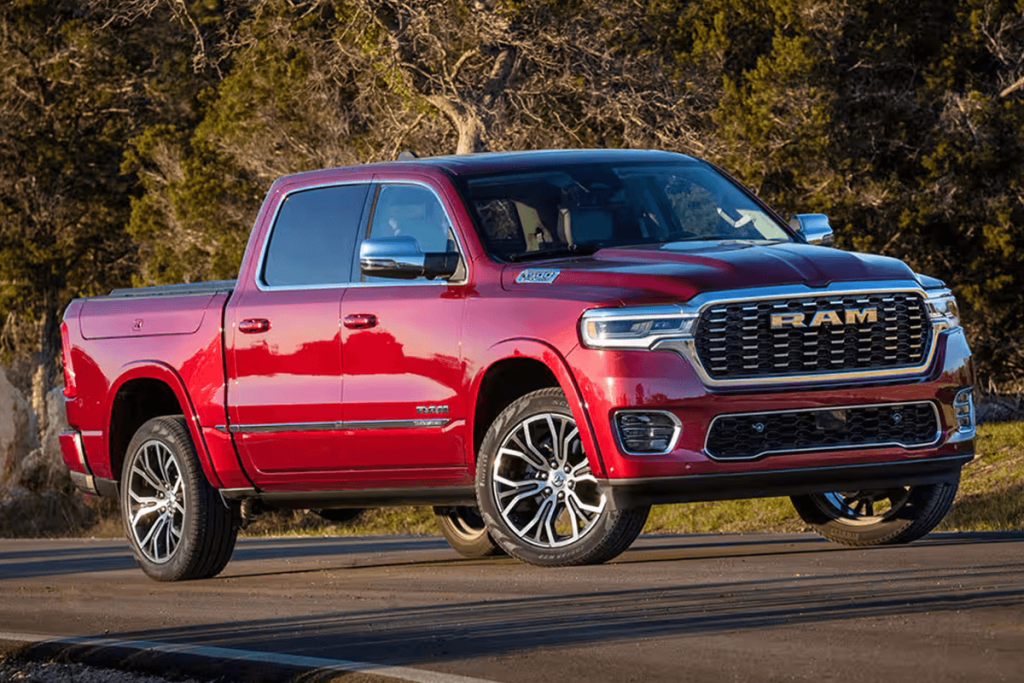
These cases demonstrate why buyers should inspect more than the visible body panels. Rust around fuel-tank mounts, crossmembers, frame rails, and suspension attachment points can become a structural problem long before the engine or transmission reaches the end of its useful life.
The 2003 Ram 1500 was available with several engines, including the 5.7-liter HEMI V8, which produced 345 horsepower and 375 lb-ft of torque.
For a used Ram, especially one from a snowbelt state, an inspection on a lift is essential. A shiny body and clean interior cannot compensate for a compromised frame.