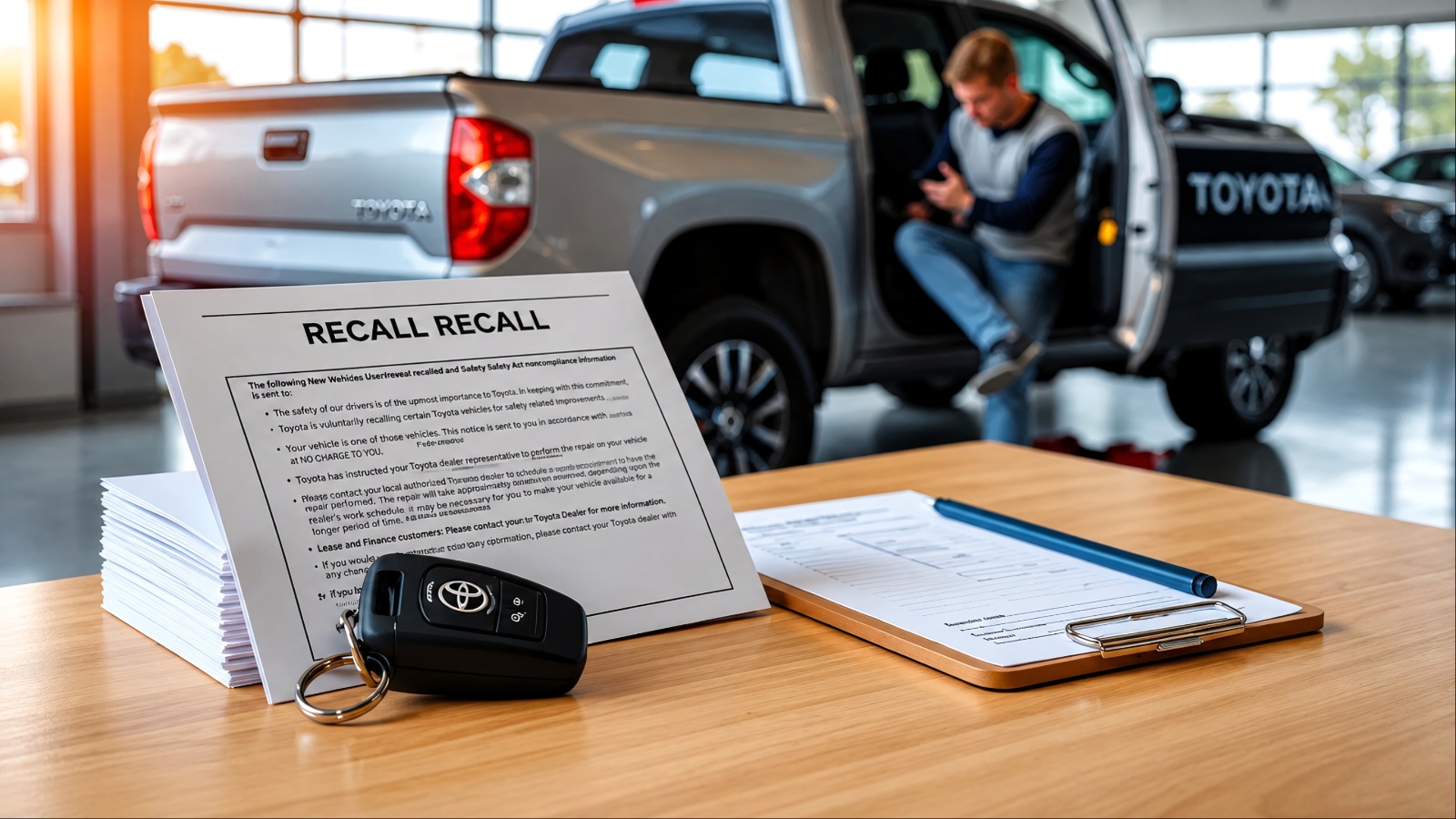
A safety recall is supposed to be one of the easiest dealership visits for a vehicle owner because the manufacturer is responsible for providing the remedy without charge. NHTSA states that recall repairs are free at the manufacturer’s dealership, and federal law generally requires a free remedy for eligible safety recalls.
That does not mean a dealership cannot make money during the same visit. The opportunity often comes from services, repairs, maintenance, parts, financing relationships, and other work performed alongside the recall. The key is knowing which work belongs to the recall and which work is simply an optional paid recommendation.
1. Finding Additional Repairs During the Recall Inspection
A recall appointment can put a vehicle on a dealership lift, inside a service bay, or in front of a technician who is already examining areas that an owner rarely sees. That creates a legitimate opportunity for the dealer to identify unrelated problems. The important distinction is that finding a problem does not make the repair part of the recall.
NHTSA states that an open safety recall should be repaired at the manufacturer’s dealership for free. The agency also explains that owners should receive the recall remedy without charge.
If a technician discovers worn brakes, leaking fluid, damaged suspension components, or another unrelated issue during the appointment, those items can be presented separately as recommended repairs.
This is where a simple question can save a customer money: “Is this required to complete the recall, or is it a separate repair?” If the answer is that it is unrelated, ask the service adviser to put the recommendation on a separate estimate.
There is nothing inherently improper about a dealership identifying legitimate maintenance needs. In fact, finding a dangerous brake component or severely worn tire could be valuable. The problem occurs when a customer assumes every recommendation is connected to the recall.
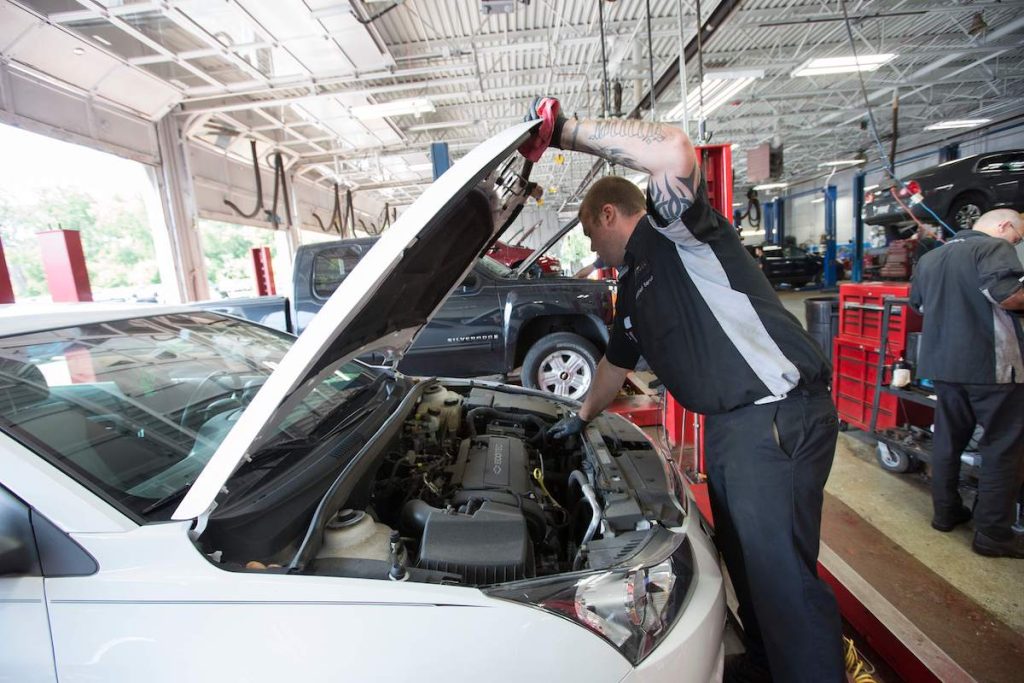
Ask for photographs or measurements when appropriate. For example, if the dealer says the brake pads are nearly worn out, request the measured thickness. If a suspension component is supposedly damaged, ask to see the affected part.
NHTSA also makes clear that a dealer cannot simply turn a free recall remedy into a paid repair. The recall itself remains free.
The best strategy is therefore not to reject every recommendation. Instead, separate recall work from customer-pay work, then decide independently whether the additional repair is necessary.
2. Selling Maintenance While the Vehicle Is Already in the Bay
Once a vehicle is already at the dealership for a free recall, service departments have a natural opportunity to recommend maintenance. An oil change, transmission service, coolant replacement, brake service, alignment, battery replacement, or other maintenance item may be suggested while the technician has access to the vehicle.
That does not automatically make the recommendation dishonest. Some maintenance items may genuinely be due according to the manufacturer’s schedule or the vehicle’s condition.
The financial advantage for the dealership comes from the fact that the customer has already made the trip, already invested time in the appointment, and may be more willing to approve additional work.
The FTC advises consumers to keep records of vehicle maintenance and understand what services are actually required. Its guidance also emphasizes that consumers should not confuse optional service contracts or other products with the manufacturer’s actual warranty obligations.
A smart customer should therefore ask the adviser to distinguish between three categories: required recall work, scheduled maintenance, and condition-based recommendations.
Those categories are very different. A recall repair is covered by the manufacturer. Scheduled maintenance is based on the vehicle’s maintenance schedule. Condition-based work depends on what the technician actually finds.

Suppose a dealer recommends a transmission fluid service during a recall appointment. Instead of immediately approving it, ask for the maintenance interval, the vehicle’s mileage, and whether the manufacturer currently requires that service. If it is merely recommended early, you can decide whether the cost makes sense.
The same principle applies to brake fluid, coolant, differential fluid, spark plugs, filters, and other maintenance items. The dealer may provide a legitimate service, but you should not assume that being recommended during a recall makes it necessary that day.
The recall appointment can be convenient for maintenance, but convenience should not replace verification.
3. Selling a Service Contract During a Free Recall Visit
A recall appointment can put a customer in front of the dealership’s finance or service staff at exactly the right moment for another sales pitch: an extended warranty or vehicle service contract.
The recall repair itself must remain free, but the dealership can still offer optional products that have nothing to do with fixing the recalled component. NHTSA explicitly states that manufacturers cannot charge consumers for completing a vehicle safety recall.
A service contract is a separate product. The FTC explains that these contracts are optional and can be sold by manufacturers, dealerships, or independent companies. Coverage and prices can vary substantially, so a dealer’s offer is not automatically the best available option.
This creates a potentially profitable opportunity for the dealership. The customer has already brought the vehicle in, the service department has established contact, and the owner may be more receptive to protecting the vehicle against future repair bills.
The smart move is to separate the two transactions. Ask the adviser to show the recall repair on the paperwork with no customer charge, then request a separate written price for any service contract being offered.
Do not accept vague statements such as “the recall visit is a good time to add coverage.” Ask what components are covered, when coverage begins, the deductible, exclusions, cancellation terms, and the total price.
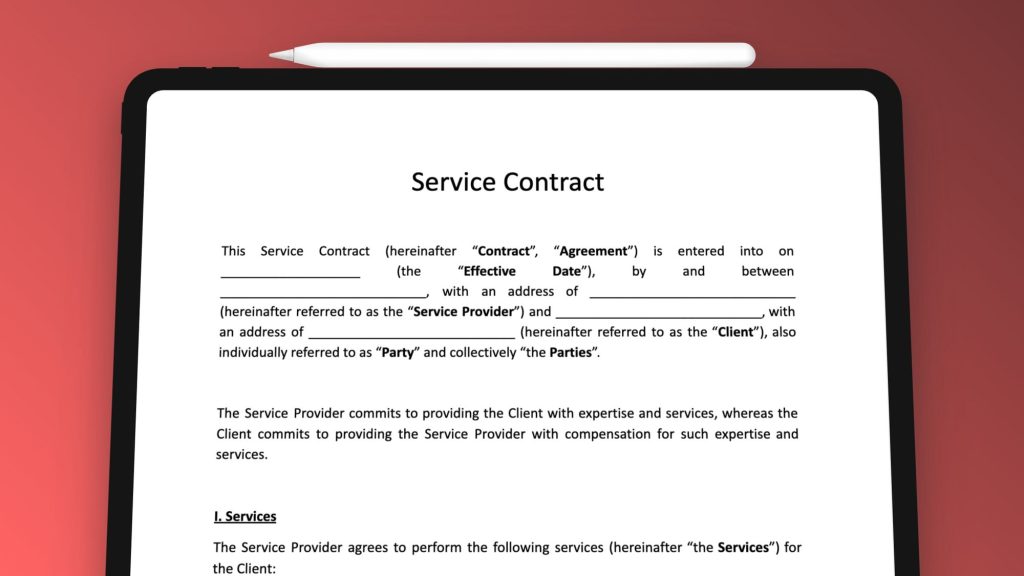
The FTC also recommends comparing a service contract with the manufacturer’s existing warranty before purchasing one. Some contracts can duplicate coverage you already have.
A recall should therefore never pressure you into buying additional protection. If the contract is worthwhile, you can evaluate it on its own merits.
4. Charging for a Rental or Transportation When the Manufacturer Provides It
A recall can leave a vehicle at the dealership for hours or, in some cases, longer. That inconvenience creates an opportunity to sell transportation-related services, particularly rental cars, rides, or shuttle arrangements. But whether the customer should pay depends entirely on the specific recall and the manufacturer’s program.
NHTSA says manufacturers and their dealer networks can use free rental cars, towing, courtesy shuttles, taxis, and complimentary rideshare services to reduce the inconvenience of recall repairs.
These benefits are not automatically included with every recall, but when a manufacturer provides one, the customer should not casually assume a dealership’s separate charge is unavoidable.
This is where customers need to read the recall notice carefully. Some recalls include transportation assistance because the vehicle cannot safely be driven or because the repair requires an extended period in the shop. Others may involve a shorter repair and provide no transportation benefit.
Ask the service adviser a direct question: “Does this recall include transportation assistance from the manufacturer?” If the answer is yes, request the applicable program details before agreeing to pay out of pocket.
NHTSA also emphasizes that manufacturers should communicate clearly about what services they are supporting and any restrictions, such as minimum distance requirements for towing or limits on rental coverage.

There is another reason to ask before accepting a paid rental. A dealership may offer a convenient rental option that exceeds what the manufacturer covers. In that situation, there could legitimately be a customer-pay difference. The key is knowing where the free recall benefit ends and the optional service begins.
5. Selling Tires or Brakes While the Recall Is Being Completed
A recall appointment can create a particularly convenient sales opportunity because the technician is already inspecting the vehicle and may have the wheels removed or access to components that normally require additional labor to examine.
If the technician finds worn tires or brake components, the dealership can recommend replacement work that has nothing to do with the recall itself.
That distinction is important. The recall repair remains free, while unrelated wear items are normally customer-pay work. NHTSA confirms that safety recall remedies are provided without charge through the manufacturer’s dealership network.
A brake or tire recommendation is not automatically an attempt to overcharge you. Tires have tread-depth limits, and brake components genuinely wear out. The problem occurs when customers approve expensive work simply because a technician says it is “needed” without receiving measurements or an explanation.
Ask for the actual tire tread depth, brake-pad thickness, rotor condition, or other relevant measurement. A photograph can also help you understand what the technician is seeing.
If replacement is recommended, you can ask whether the vehicle is currently unsafe or whether the work is simply approaching its normal service interval. That distinction can determine whether the repair needs to happen immediately.
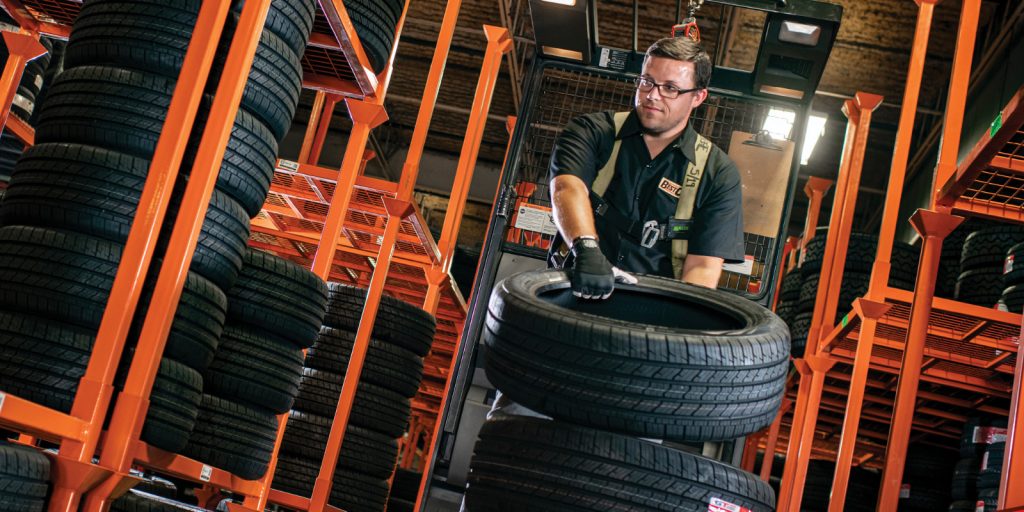
It is also worth comparing prices. You are not generally required to purchase tires or unrelated maintenance from the dealership merely because the recall was performed there.
The FTC advises consumers to ask questions about add-ons and charges and to make sure they pay only for products or services they actually agreed to.
A recall visit can therefore become profitable for a dealership without the recall itself generating a customer charge. The additional revenue comes from work the owner voluntarily approves.
6. Selling Diagnostic Work for Symptoms Unrelated to the Recall
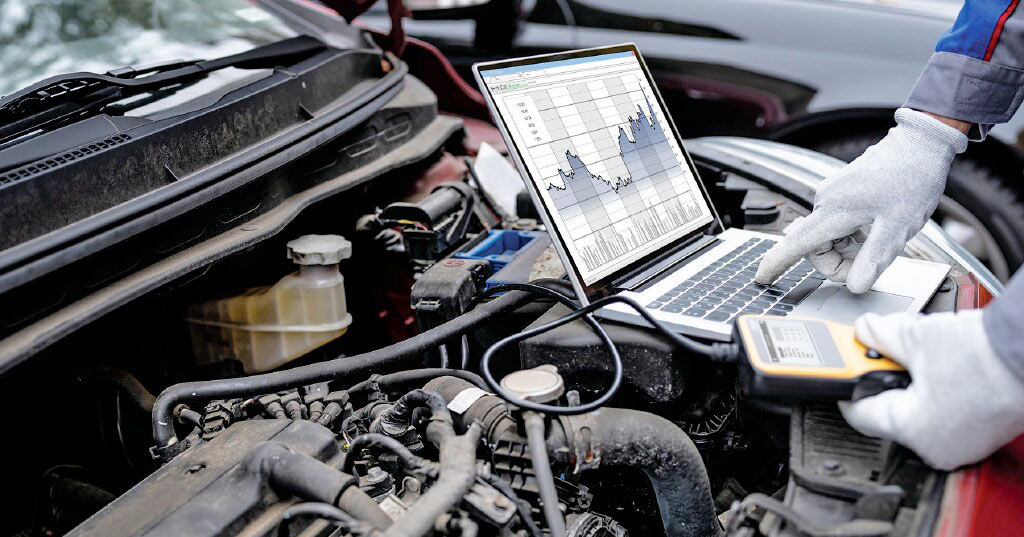
A recall appointment can also uncover a completely separate warning light, noise, vibration, fluid leak, or drivability complaint. Once the dealership identifies that issue, it may recommend diagnostic testing or additional repair work. Unlike the recall remedy, unrelated diagnostic work can be customer-pay.
The key is determining why the diagnostic procedure is necessary. If the diagnosis is required to determine whether the vehicle has the recalled defect, it should be treated as part of the recall process. If the technician is investigating a completely different problem, the dealership can legitimately quote a separate diagnostic charge.
NHTSA’s recall system requires manufacturers to provide a proper remedy for the recalled defect, and NHTSA emphasizes that owners should receive the safety recall repair for free.
Suppose a recall involves an engine component and the technician discovers an unrelated check engine light code. The dealer might recommend additional diagnostic time to identify that code. That investigation is not automatically included in the recall simply because it was discovered during the same appointment.
Before authorizing the work, ask the adviser to identify the exact symptom being investigated and the diagnostic fee. You can then decide whether to proceed.
The FTC recommends getting important charges and services clearly identified and making sure you understand what you are paying for before agreeing.
There is also no requirement to assume that the dealership must perform every unrelated repair it recommends. You can take the diagnosis and obtain another estimate if the problem is not urgent.
This is why a recall appointment should be viewed as two separate transactions: the manufacturer-funded safety repair and any customer-authorized work discovered along the way.
7. Charging for Recall-Related Parts or Supplies
A dealership should not turn the manufacturer’s recall remedy into a parts bill for the customer. NHTSA states that manufacturers must provide a safe, effective remedy for an eligible safety recall and that recall repairs are free at the manufacturer’s dealership.
The agency specifically tells owners to contact a dealership to have an open recall repaired for free.
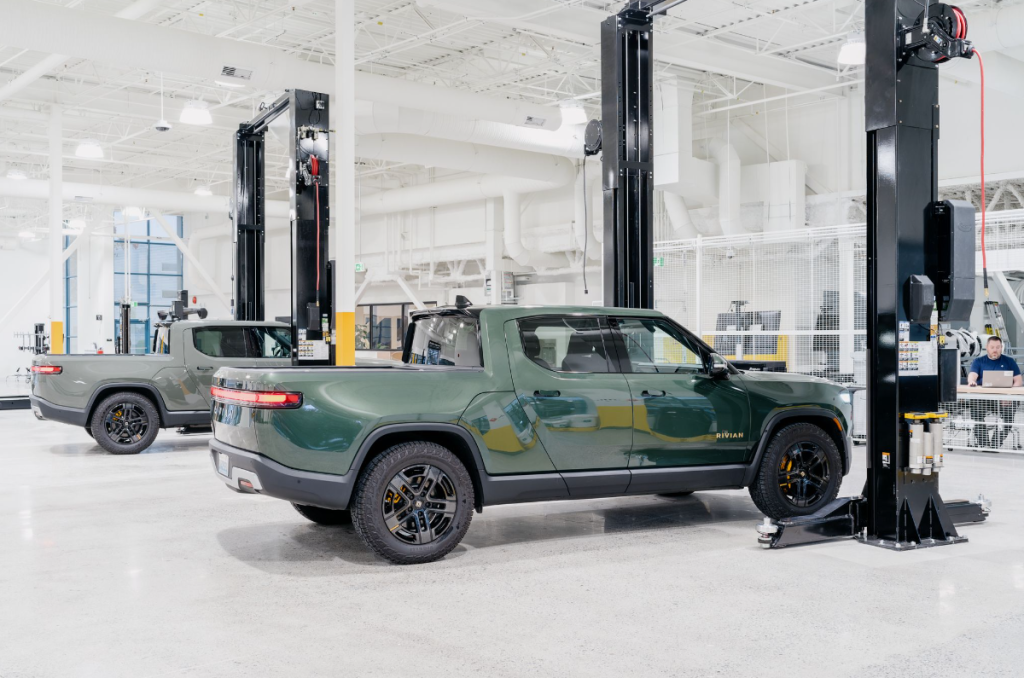
That does not mean every part installed during the appointment is necessarily covered. A recall may require a particular replacement component, fasteners, seals, wiring, or other materials. Those items should be handled as part of the recall remedy when they are necessary to correct the recalled defect.
The potential customer-pay situation arises when unrelated parts are recommended at the same time. A technician might discover a worn belt, damaged hose, weak battery, or other component and recommend replacement. That is different from charging for the parts required to perform the recall.
Ask the service adviser to identify which parts are specifically associated with the recall campaign. If an additional part appears on the estimate, ask why it is necessary and whether it is included in the manufacturer’s recall instructions.
NHTSA has emphasized that recall repairs are provided without charge, while the FTC advises consumers to question additional products or services and make sure they agree to every charge before signing.
The distinction is simple: recall parts should not become a surprise customer bill, while unrelated repairs can be separately quoted.
8. Adding Optional Services to the Recall Invoice
The final opportunity comes from services that may be offered simply because the vehicle is already at the dealership. A customer might be presented with an alignment, inspection package, detailing service, fluid treatment, battery service, or other maintenance item while waiting for the recall to be completed.
The existence of an additional recommendation does not make it part of the recall. NHTSA makes clear that an open safety recall must receive a free remedy, while the FTC advises consumers that optional products and services can be declined.
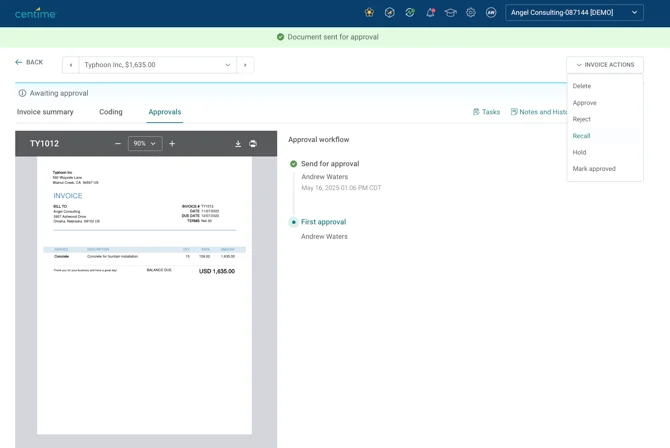
This is where paperwork becomes particularly important. Before signing the final repair order, look for charges that were not part of the original recall appointment. If you did not authorize a service, ask the dealership to explain why it appears on the invoice.
The FTC has specifically warned that dealerships cannot charge customers for unwanted add-ons and recommends carefully reviewing contracts and asking about unfamiliar charges.
A dealership can legitimately offer additional maintenance if the customer wants it. The issue is consent. You should be able to decide whether an optional service provides enough value to justify its price.
One useful habit is to tell the service adviser at check-in: “Please contact me before performing any customer-pay work.” That establishes a clear boundary before the vehicle enters the service bay.
The recall should then be completed without turning a mandatory safety repair into an unexpected bill. If the dealership identifies something unrelated, you can evaluate the recommendation separately, compare prices, or postpone it if it is not urgent.