In 1930, America’s automobile market stretched from inexpensive transportation for ordinary families to machines built almost without regard for price. Few comparisons illustrate that divide better than Ford’s Model A and the Duesenberg Model J. Both were American automobiles, both were available during the same period, and both could carry their owners over essentially the same roads. Economically, however, they occupied completely different worlds.
Ford’s Model A was deliberately priced for mass-market buyers. Depending on body style, many 1930 Model A passenger cars sold for roughly $440 to $640. A basic Phaeton was around $440, a Roadster approximately $450, and a Tudor sedan about $495. More elaborate closed-body versions cost somewhat more, while specialty configurations could climb higher.
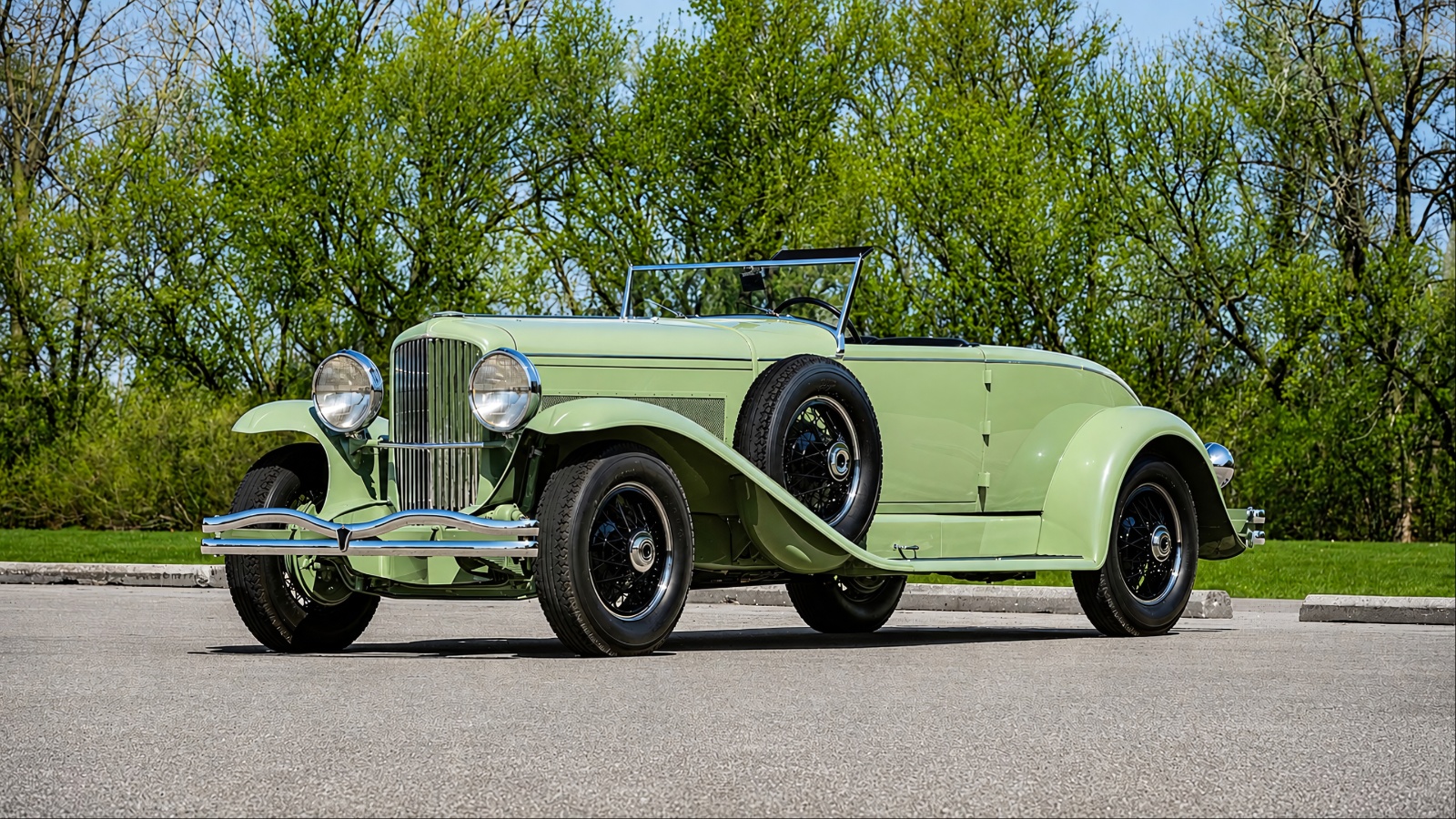
Duesenberg’s famous Model J started at approximately $8,500 for the chassis alone.
That distinction is crucial. The Duesenberg customer was not getting a complete finished automobile for $8,500. The price covered the chassis, engine, drivetrain, and associated mechanical components. A body still had to be fitted, often by an independent luxury coachbuilder. Depending on the design and level of customization, a completed Model J could reach approximately $13,000 to $15,000 and occasionally even more.
Compare the numbers directly.
At $450 each, ten Ford Model A Roadsters would cost only $4,500. Fifteen would total $6,750. A buyer could theoretically purchase nearly nineteen $450 Fords before equaling the $8,500 price of a bare Duesenberg chassis.
Using the roughly $495 Tudor sedan, ten cars would cost $4,950. Seventeen would cost $8,415, still slightly less than the Model J chassis.
Even a relatively expensive $600 Ford could be purchased fourteen times for about $8,400.
Once coachwork was installed on a Duesenberg, the disparity became even more dramatic. A $14,000 completed Model J represented the approximate purchase price of 31 $450 Ford Roadsters or more than 28 $495 Tudor sedans.
So saying that a Duesenberg cost more than ten new Fords is certainly accurate. In reality, depending on which Ford and which Duesenberg were being compared, one finished Model J could cost as much as two or even three dozen mainstream Ford automobiles.
Why the Duesenberg Model J Was So Expensive
The Model J was never designed to compete with Ford. Duesenberg existed at the opposite end of the automotive industry. Ford emphasized production volume, standardized manufacturing, and affordability. Duesenberg emphasized engineering excellence, performance, exclusivity, and individual craftsmanship.
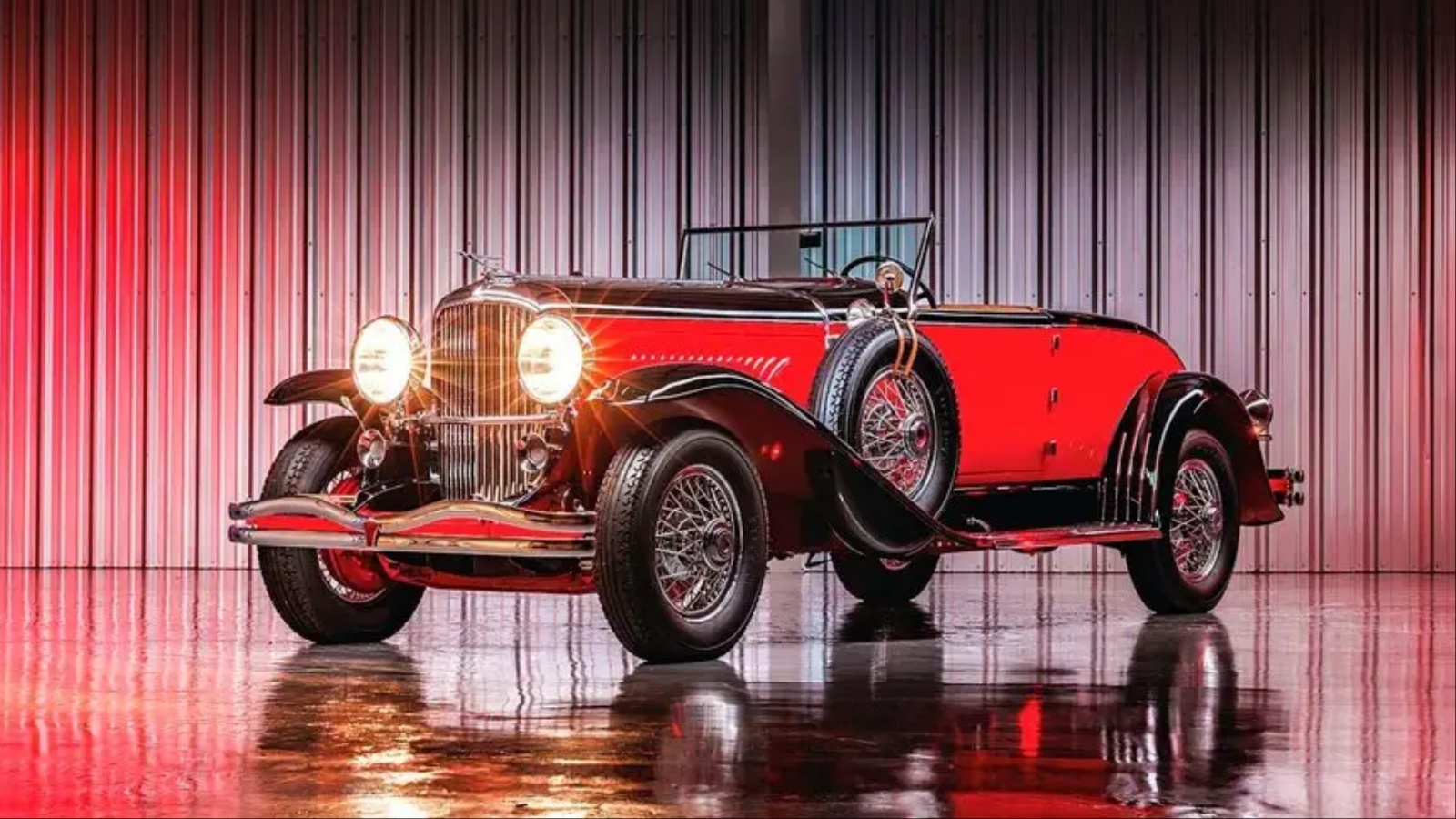
Introduced for the 1929 model year, the Model J was intended to rank among the finest automobiles in the world. Its mechanical specifications were remarkable for the period. Beneath its long hood was an approximately 420-cubic-inch straight-eight engine equipped with dual overhead camshafts and four valves per cylinder.
The naturally aspirated Model J was advertised at approximately 265 horsepower. That was an extraordinary figure at a time when many everyday automobiles produced only a fraction of that amount.
A Ford Model A used a much simpler four-cylinder engine producing roughly 40 horsepower. That was adequate for ordinary transportation and perfectly consistent with the Ford’s mission. The Duesenberg, however, offered several times the power and engineering sophistication.
Its chassis was also enormous. Model J wheelbases commonly exceeded 140 inches, giving coachbuilders considerable space for imposing luxury bodies. The finished cars could weigh well over two tons.
Then there was the body itself.
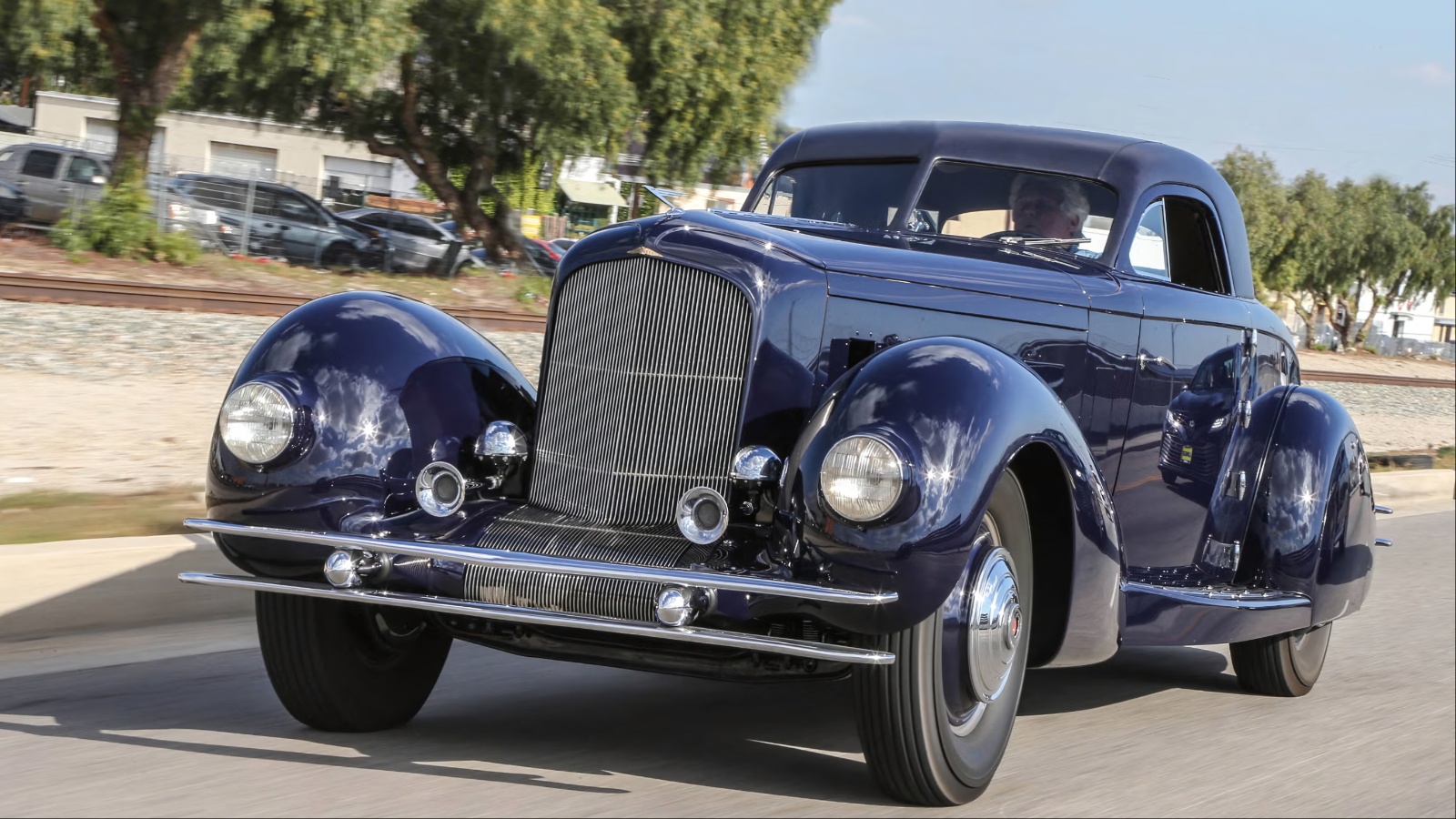
Unlike the mass-produced Ford, many Duesenbergs received coachwork from prestigious firms such as Murphy, LeBaron, Derham, Rollston and Judkins. Customers could order convertible coupes, phaetons, roadsters, formal sedans, town cars and other specialized designs.
The process resembled commissioning a luxury object rather than simply selecting a car from dealer inventory.
Interior materials could include premium leather, carefully finished wood, elaborate instrumentation and custom fittings. Bodies often involved substantial hand labor. Small production numbers also meant Duesenberg could not spread its engineering and manufacturing expenses over millions of vehicles the way Ford could.
Ford’s production philosophy was based on reducing the cost of each automobile through scale. Duesenberg’s philosophy made exclusivity part of the product.
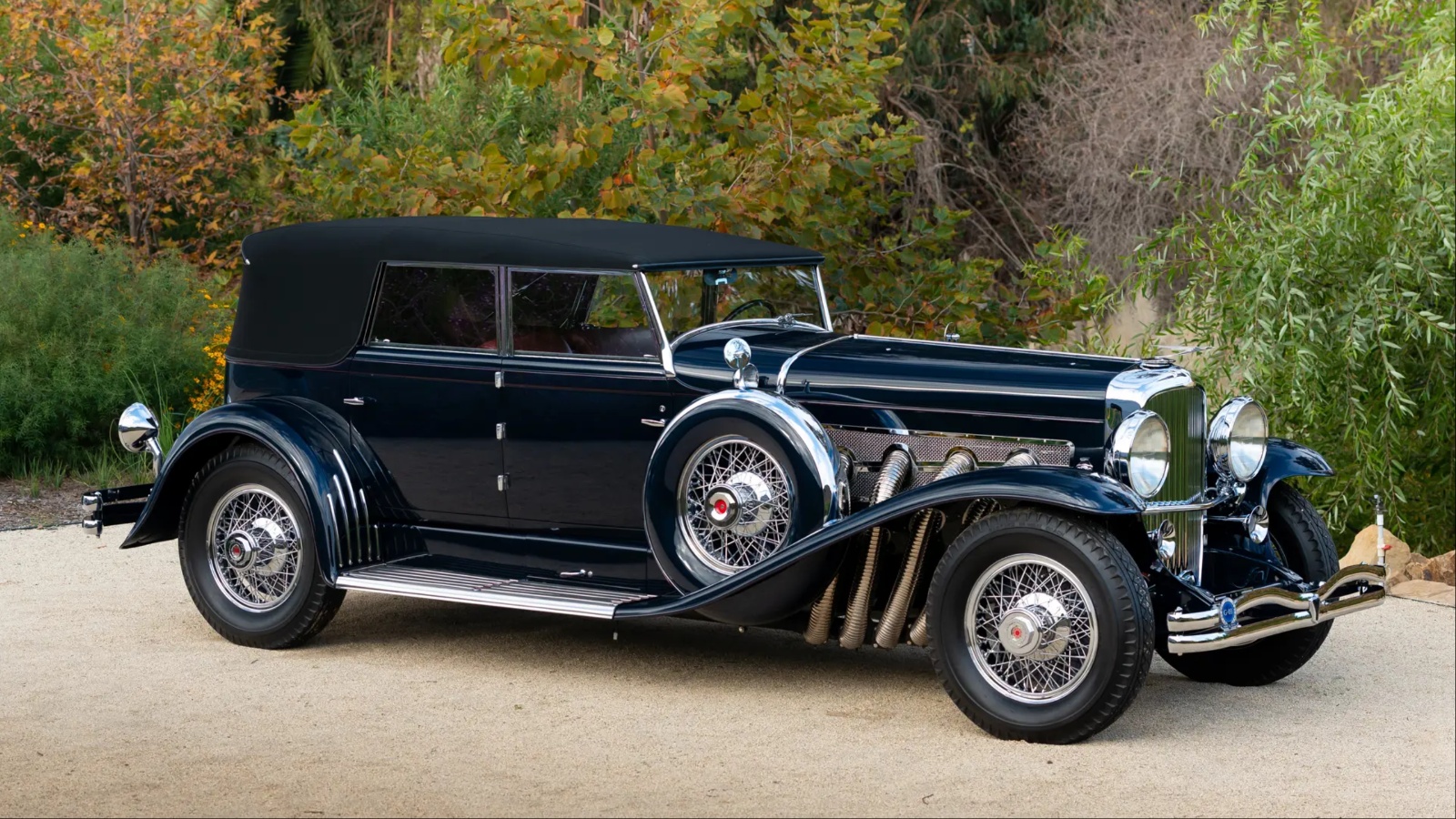
The $8,500 chassis price therefore reflected far more than transportation. Customers were purchasing advanced engineering, exceptional performance, and entry into an extremely exclusive category of automobile ownership.
The contrast becomes especially striking when the period is considered. An expensive modern luxury car might cost several times as much as an economy model. A Duesenberg could cost more than twenty or thirty mainstream Fords once completed. It was an extraordinary difference even by luxury-car standards.
Buying One During the Great Depression
The timing of the Model J made its extravagant price even more remarkable.
The stock market crash occurred in late 1929, and by 1930 the United States was entering the Great Depression. Businesses were failing, unemployment was rising, incomes were falling, and millions of families were becoming increasingly cautious about spending.
Against that background, an $8,500 automobile chassis was almost unimaginably expensive for an average American.
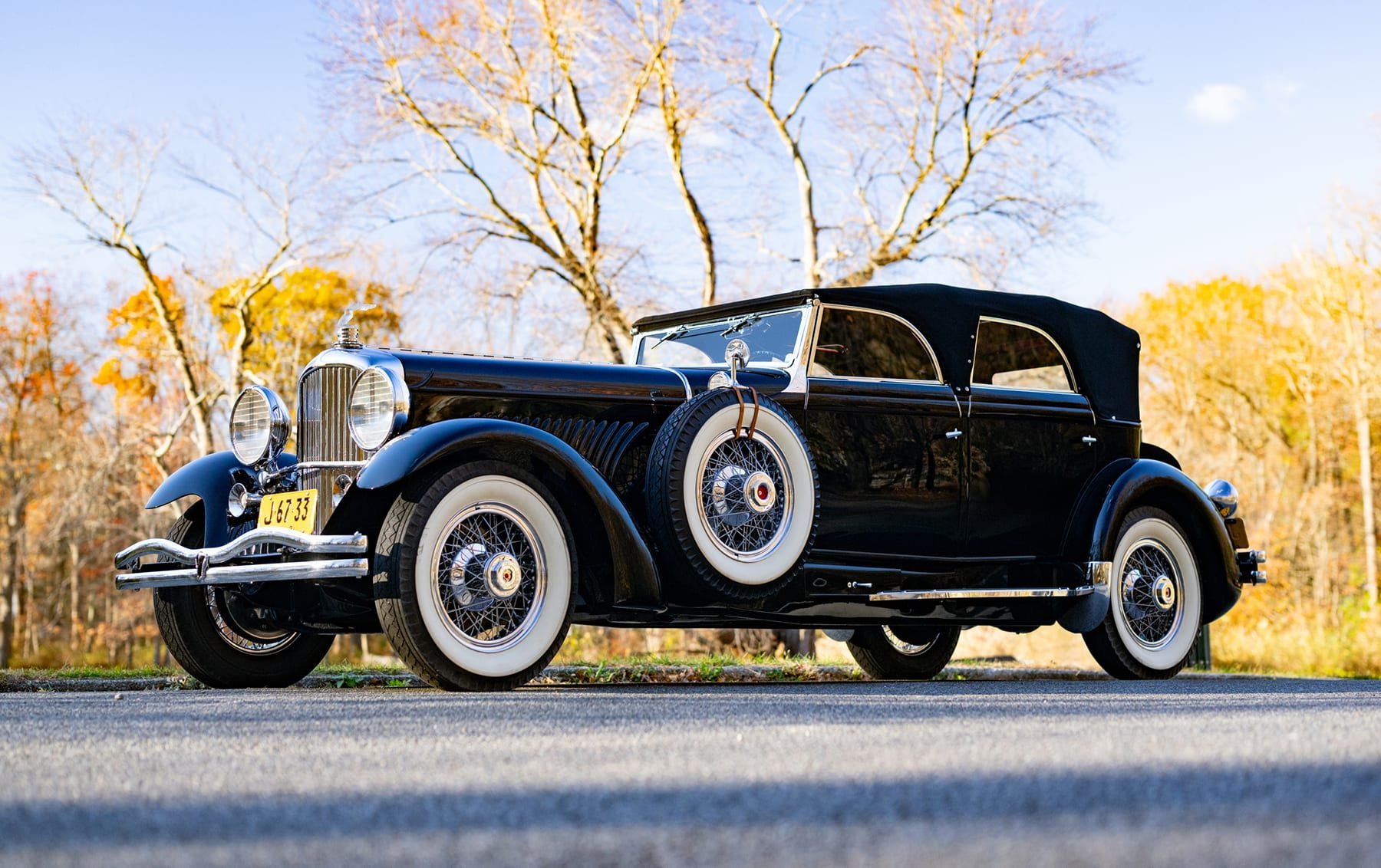
Average annual earnings varied enormously according to occupation, region and employment status, but a commonly cited annual-income figure for the period was roughly $1,300 to $1,400. At that level, the Duesenberg’s chassis alone represented more than six years of gross income.
A completed $14,000 Model J could represent approximately ten years of such earnings.
And that was merely the purchase price.
Owners still faced registration, insurance, fuel, tires, repairs and maintenance. Some wealthy owners also employed chauffeurs. Large luxury automobiles consumed substantially more gasoline than small cars, while maintaining a sophisticated Duesenberg engine was nothing like keeping a simple Ford four-cylinder running.
A Ford Model A costing around $450 to $500 represented an entirely different financial proposition. It was still a major purchase for an ordinary household, but it could plausibly serve as practical family transportation.
The Duesenberg was intended primarily for people whose wealth insulated them from normal automobile-buying calculations.
Its customers included successful industrialists, entrepreneurs, entertainers and members of wealthy families. Ownership itself became a statement of status.
This is also why Duesenberg developed such a powerful cultural reputation. The car’s name became associated with exceptional quality and extravagance. The expression “It’s a doozy,” although its precise linguistic connection to Duesenberg is debated, became popularly associated with something extraordinary or impressive.
Driving a Model J during the Depression communicated wealth in unmistakable terms. Someone approaching in a Ford might have been driving a new automobile. Someone approaching in a coachbuilt Duesenberg was arriving in a machine whose purchase price could have bought an entire collection of ordinary cars.
The economic downturn ultimately made the market for such automobiles increasingly difficult. Even wealthy customers became more cautious, and ultra-luxury manufacturers faced a shrinking pool of buyers.
Yet that difficult environment also contributes to the Model J’s legend. It represented the final flowering of an era when American manufacturers could build immense, hand-finished luxury cars for customers who demanded extraordinary engineering regardless of cost.
What the Ford Comparison Reveals About the Model J
Period prices make the Duesenberg’s position far easier to understand than simply describing it as an expensive luxury car.
Take a basic 1930 Ford Roadster at approximately $450. Ten would cost $4,500. The $8,500 Duesenberg chassis was nearly twice that amount before a body had been installed.
At approximately $495 each, ten Ford Tudor sedans cost $4,950. Even seventeen totaled only $8,415.
A $600 Fordor sedan changes the comparison only slightly. Ten would cost $6,000. Fourteen would reach $8,400, still just below the Model J chassis price.
More revealing is the completed Duesenberg.
Assume approximately $14,000 for a heavily coachbuilt Model J. That money could buy about 31 $450 Roadsters, 28 $495 Tudors or more than 23 $600 Fordor sedans.
The comparison therefore highlights something that modern photographs cannot fully communicate. Today, a restored Model J and Model A may both appear simply to be valuable vintage automobiles. In 1930, however, they represented fundamentally different levels of wealth.
Ford helped democratize motoring. Its factories produced automobiles in huge quantities, and its manufacturing methods were designed to reduce costs while giving ordinary buyers dependable transportation.
Duesenberg pursued the opposite objective. Production remained limited, engineering was unusually ambitious, and the finished automobiles were often individually tailored. Rather than making automobile ownership accessible to millions, the Model J demonstrated how elaborate an American automobile could become when affordability was almost irrelevant.
That is what makes the comparison with ten Fords so memorable and also somewhat misleading.
A Duesenberg did not merely cost a little more than ten Fords. The bare chassis could equal roughly 14 to 19 ordinary Model A cars depending on body style. A completed example could represent more than 20 and sometimes around 30 similarly priced Fords.
In 1930, one Ford was transportation.
Ten Fords represented a substantial fleet.
A single Duesenberg could cost more than both and still command additional thousands of dollars for the custom body that transformed its remarkable chassis into one of the most prestigious automobiles of the prewar era.