
Gas prices climb, drop, and climb again, and every time they spike, the internet fills up with clever hacks that promise to stretch every gallon further. Some sound scientific. Some come from a well-meaning uncle. Some are backed by flashy marketing and bold claims on the packaging. The problem? Most of them do nothing, and a few can actually hurt your fuel economy or your safety.
The Environmental Protection Agency and testing groups like Consumer Reports have put these myths under a microscope, and the results are clear. Before you waste money chasing a miracle fix, take a look at these twelve popular tricks that sound smart but simply don’t deliver.
1. Using Premium Gas in a Car Designed for Regular
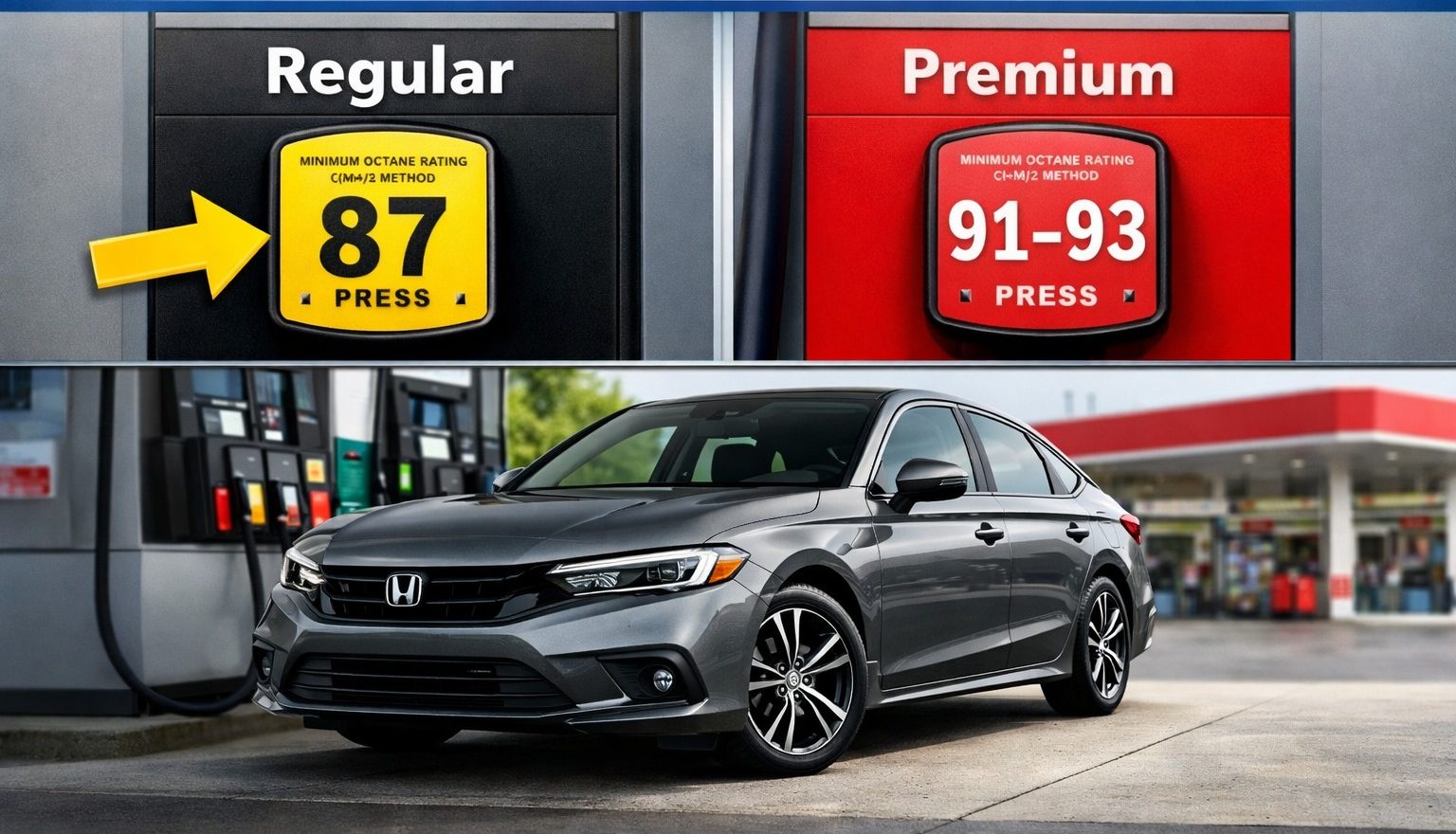
The next time you’re at the gas station, take a moment to check your owner’s manual and see what type of fuel your vehicle actually requires. For most drivers, premium gasoline isn’t necessary. Still, many people willingly pay more for it because they assume the higher price means better engine protection or improved fuel economy. In reality, if your vehicle is designed to run on regular fuel, choosing premium usually offers little benefit.
Consumer Reports has tested this assumption repeatedly, and the results tell a consistent story. Vehicles engineered to run on regular gasoline typically show no real fuel-economy improvement when filled with premium instead.
Modern engines are built with specific compression ratios and fuel systems that match the octane rating recommended by the manufacturer. Octane doesn’t add power or cleaning agents beyond what your engine was designed to use; it simply controls how the fuel burns under pressure.
Pouring in a higher grade than your car needs is a bit like buying a larger shoe size hoping it will make you walk faster. It just doesn’t work that way. Unless your manual specifically requires premium, spending extra at the pump is money that could go toward something with an actual return, like routine maintenance or a savings account.
Stick with what your manufacturer recommends, and trust that the engineers who built your car already optimized it for the fuel grade printed right on the fuel door.

2. Following a Semi-truck Closely to Save Fuel
Following closely behind a large truck may seem like a clever way to save fuel because the truck can reduce aerodynamic drag. While drafting can lower wind resistance under controlled conditions, using the technique during everyday driving is both impractical and dangerous.
Tailgating a semi-truck leaves you with little time to react if the truck suddenly brakes, swerves, or loses cargo. It also blocks your view of the road, making it harder to spot stopped traffic, obstacles, or other hazards ahead. By the time you see a problem, you may not have enough distance to respond safely.
Professional drivers and race car teams sometimes use drafting in controlled environments with training, communication, and safety measures that ordinary motorists do not have. On public roads, those protections are absent.
Any potential fuel savings from following a truck closely would likely be minimal compared with the serious consequences of a crash. The small amount of money saved at the pump is not worth increasing the risk of injury or collision.
Instead of trying to save fuel by driving dangerously close to trucks, maintain a safe following distance and keep a clear view of the road. Good driving habits should always come before minor fuel savings.

3. Keeping the Windows Open at Highway Speeds to Avoid Using AC
There’s a popular belief that turning off the air conditioner and rolling down the windows will save gas because the AC compressor draws power from the engine. Sounds logical enough, right?
The catch is that open windows change how air moves around your vehicle, and at higher speeds, that change works against you rather than for you. When windows are down, the smooth flow of air across your car’s exterior gets disrupted.
Wind pushes into the cabin, creates turbulence, and increases drag on the entire vehicle. Your engine then has to work harder just to maintain your speed, which can cancel out or even exceed whatever fuel you thought you were saving by skipping the AC.
The Department of Energy has addressed this question with a straightforward recommendation. When you’re traveling at highway speeds, using the air conditioner is generally the better choice. At lower speeds, such as when driving through city streets or residential areas, opening the windows can be a practical alternative since aerodynamic drag has less impact.
Think of it like running with an umbrella open versus closed. At a walking pace, it barely matters. Sprint with it open, and suddenly you’re fighting against it with every step. Your car experiences something similar on the freeway.
So next time you’re debating whether to crank the windows down on the interstate, remember that comfort and efficiency can actually align. Roll them up, turn on the AC, and drive comfortably without second-guessing your fuel economy.
4. Installing Magnetic Fuel-line Devices
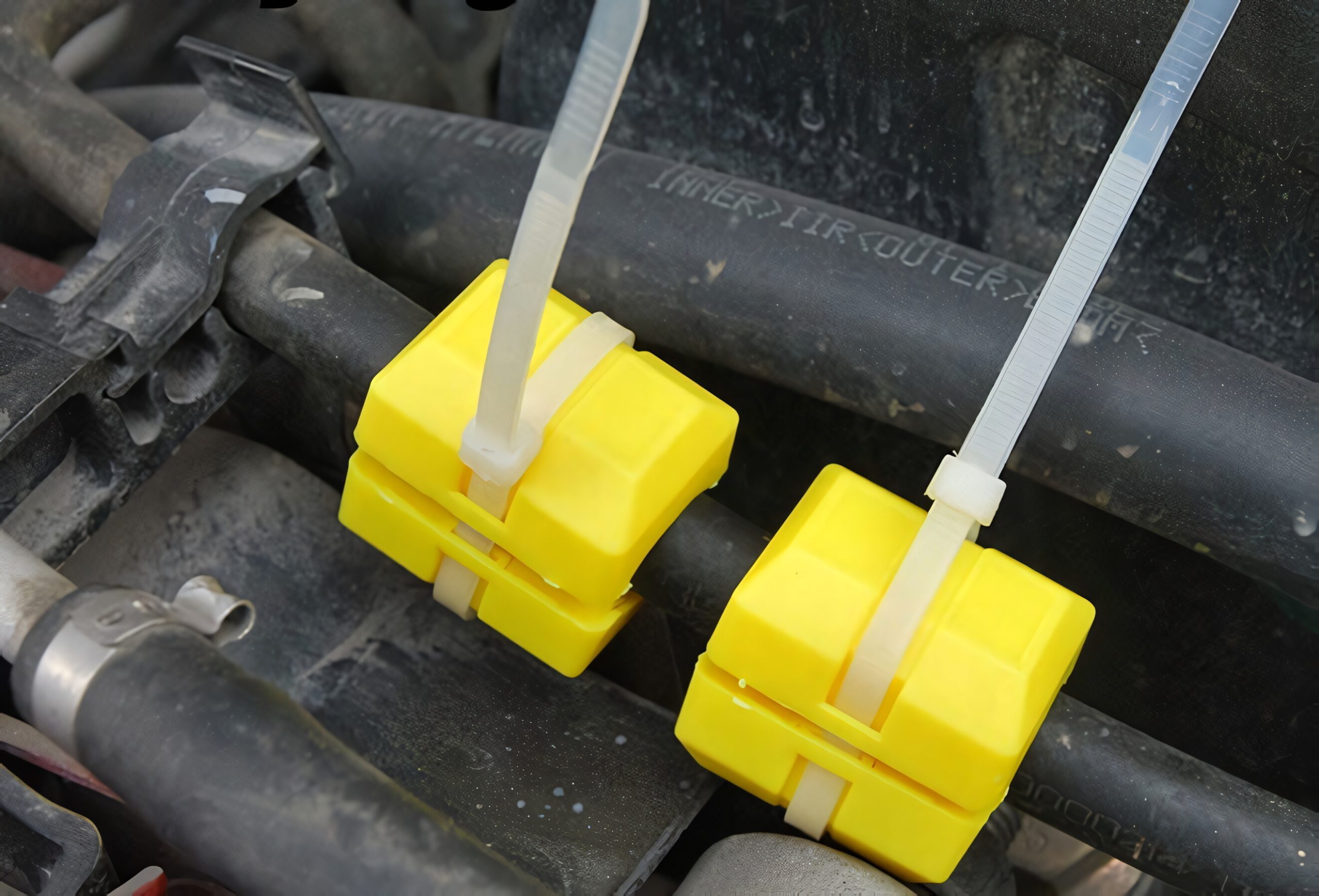
Magnets clipped onto a fuel line sound like something out of a late-night infomercial, and honestly, that’s often exactly where these products get advertised. The pitch usually involves claims about realigning gasoline molecules, breaking up fuel clusters, or improving combustion efficiency through magnetic fields.
It may sound convincing when it is presented with a layer of scientific-sounding terminology, but the evidence tells a different story. Fuel economy tests conducted under EPA oversight have found no reliable evidence that magnetic fuel-saving devices provide any measurable improvement in gas mileage.
Gasoline is a liquid hydrocarbon mixture, and there’s no established chemistry showing that a magnet clamped onto the outside of a metal or plastic fuel line has any meaningful effect on how that liquid behaves once it reaches the combustion chamber.
Fuel injection systems already atomize gasoline with precision engineered over decades, using pressure and design rather than magnetism. Companies selling these gadgets often rely on testimonials, vague technical jargon, and before-and-after graphs that lack proper controls.
That’s a red flag for consumers who care about real data. If magnetic fuel enhancement genuinely worked, automakers, who spend billions annually chasing every possible efficiency gain, would have already built the technology directly into new vehicles.
Save your money. A twenty- or thirty-dollar gadget clipped onto a fuel line isn’t going to outperform decades of automotive engineering. If you want real savings, focus on driving habits, tire maintenance, and keeping your vehicle serviced according to its schedule instead of chasing gadgets with no proven track record.
5. Adding Intake Vortex Gadgets
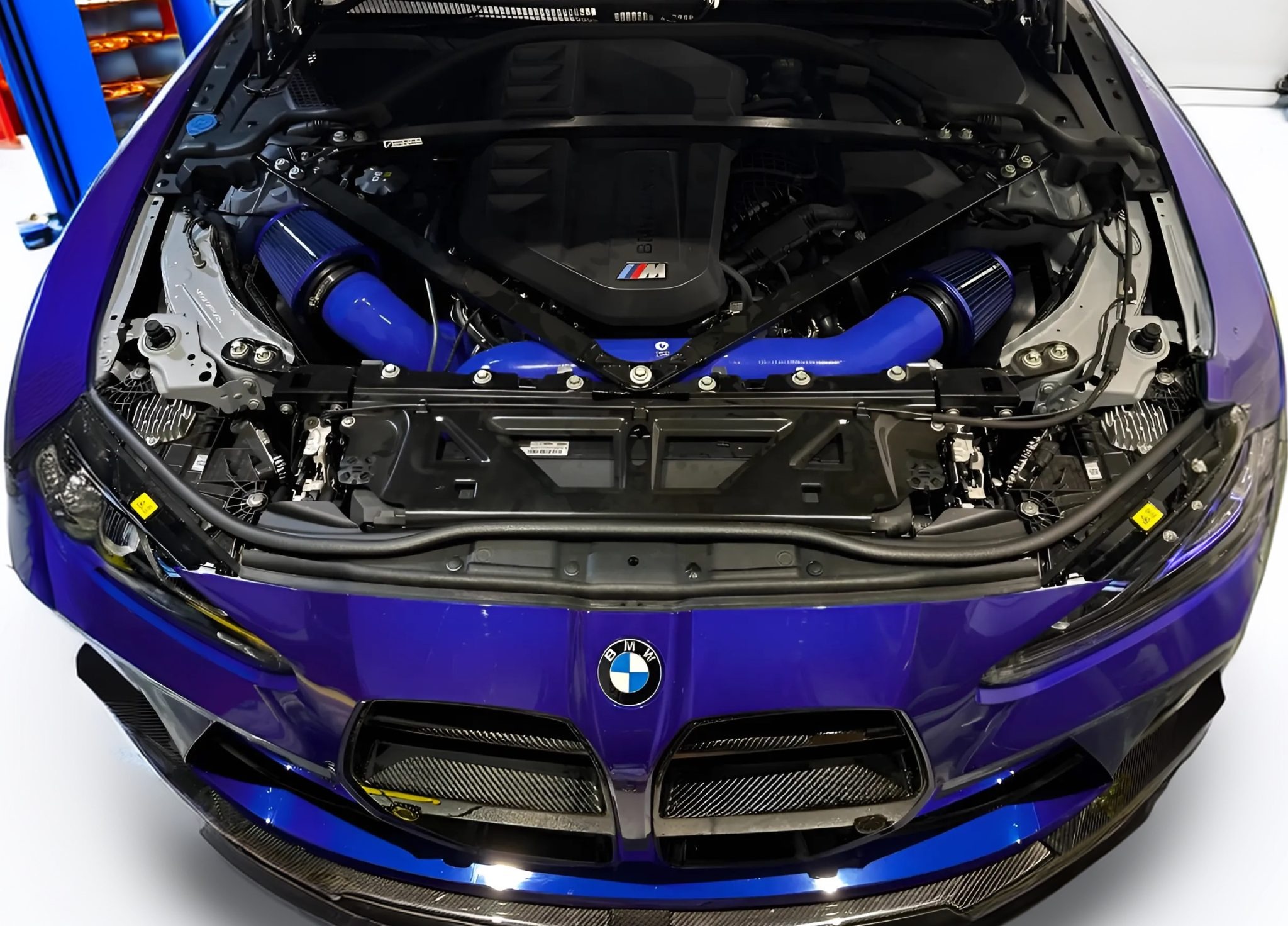
Intake vortex devices are small plastic or metal attachments installed inside the air intake tube, promising to create a swirling motion that supposedly helps air mix more efficiently with fuel. Manufacturers market these with dramatic before-and-after dyno charts and confident claims about horsepower gains alongside better mileage.
In practice, these devices generally offer no proven benefit and, in some cases, can actually make things worse. Modern engines rely on carefully calculated intake designs developed through wind tunnel testing and computer modeling long before a vehicle ever reaches production.
Engineers spend years optimizing airflow paths specifically for each engine. Introducing a random plastic fin or spinner into that finely tuned system doesn’t add value. Instead, it can disrupt the smooth airflow the engine was built around, potentially restricting intake volume or confusing the mass airflow sensor that helps regulate the fuel mixture.
When that sensor gets inaccurate readings, your engine’s computer may compensate by adjusting the fuel mixture incorrectly, which can lower efficiency rather than raise it. Some owners have even reported check engine lights appearing shortly after installing these gadgets.
If you’re serious about improving how your engine breathes, stick to manufacturer-approved maintenance such as replacing a dirty air filter or keeping your intake system clean of debris and buildup.
Skip the vortex generators, spinning fins, and swirl devices sold online. They’re solving a problem that doesn’t exist, using a method that isn’t supported by real engineering data.
6. Filling Up Only Early in the Morning
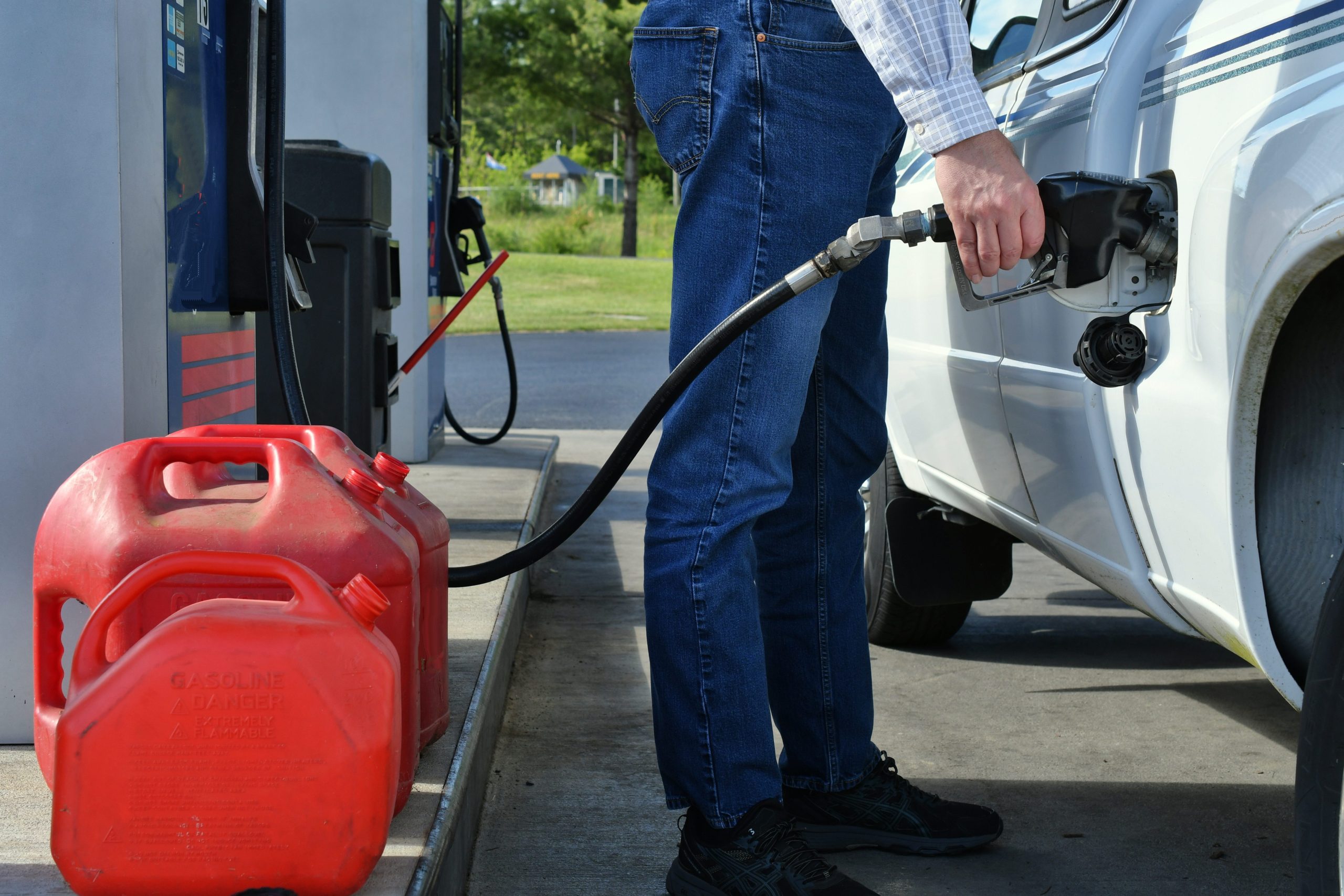
You’ve probably heard this tip before. The idea is to buy gas early in the morning when temperatures are cooler because colder gasoline is denser, supposedly giving you more fuel for the same amount of money. It sounds logical at first, and the science behind fuel density makes the claim seem convincing enough to pass as solid advice.
The trouble is that gas station tanks sit underground, often several feet below the surface, where temperature swings from morning to afternoon are minimal. Unlike the air above ground, which can heat up dramatically between sunrise and midday, that buried fuel supply stays fairly stable throughout a normal day.
The temperature difference simply isn’t large enough to translate into a noticeable volume change at the pump nozzle. Even if there were a tiny fluctuation, we’re talking about a difference so small it would be nearly impossible to detect across a single fill-up, let alone budget around it.
The difference is so small that you would need highly precise equipment to measure it, making it hardly worth changing your routine or planning gas stops around the early morning hours. If you want to improve fuel economy, your time is better spent on habits that can make a real difference. Keep your tires properly inflated, limit unnecessary idling, and maintain a steady speed whenever possible.
Those habits produce real, repeatable results. Waking up early to chase a fraction of a percent in fuel density is effort spent on a myth rather than a genuine strategy for savings.
7. Adding Unapproved Chemicals to Gasoline
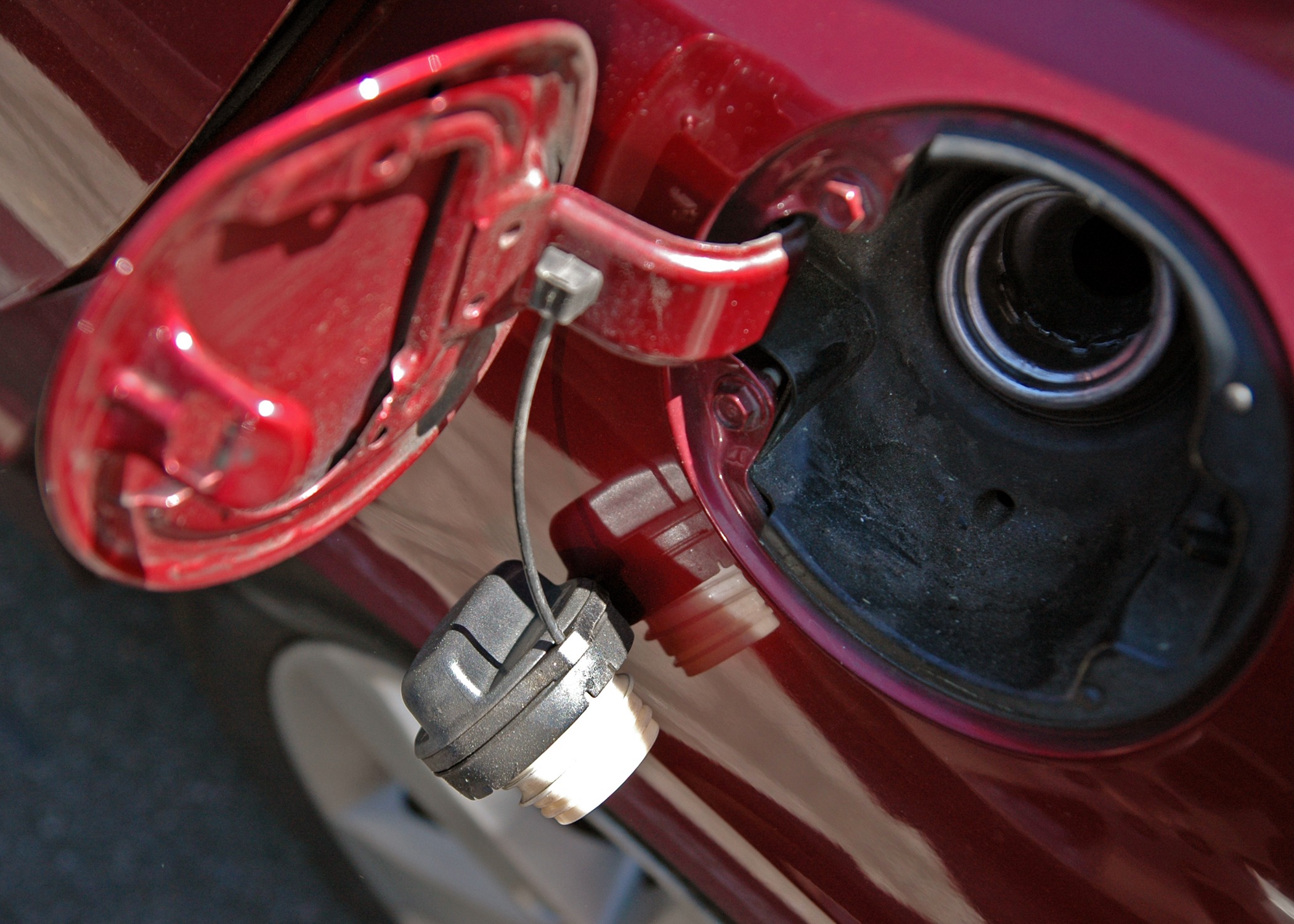
Online forums and social media are full of recipes claiming that mixing a household chemical or an unapproved additive into your gas tank will boost mileage. Some suggestions involve substances never designed to touch a fuel system at all. It’s tempting when gas prices climb, but this is one shortcut you should avoid entirely.
Fuel systems in modern vehicles are precisely engineered, with sensors, catalytic converters, fuel injectors, and seals all calibrated to work with standard gasoline formulations approved by regulators and manufacturers.
Introducing an unapproved chemical can throw that balance off in ways that are difficult to predict. Some homemade additives can corrode fuel lines, damage oxygen sensors, or leave deposits inside the engine that reduce performance rather than improve it.
Others create combustion byproducts that clog exhaust components as time goes on, leading to expensive repairs. There is also a safety dimension here that shouldn’t be overlooked. Mixing unknown substances into a flammable liquid stored in your vehicle’s tank carries genuine risk, both to your car and to you as the person handling it.
If you want to try a fuel additive, choose products specifically labeled as safe for your engine type and approved for use with your fuel grade. Read the label, check reviews from credible sources, and when in doubt, skip it altogether. Sticking with straightforward, unmodified gasoline remains the safest and most reliable choice for your vehicle’s long-term health.
8. Replacing a Normal Air Filter Just to Increase MPG
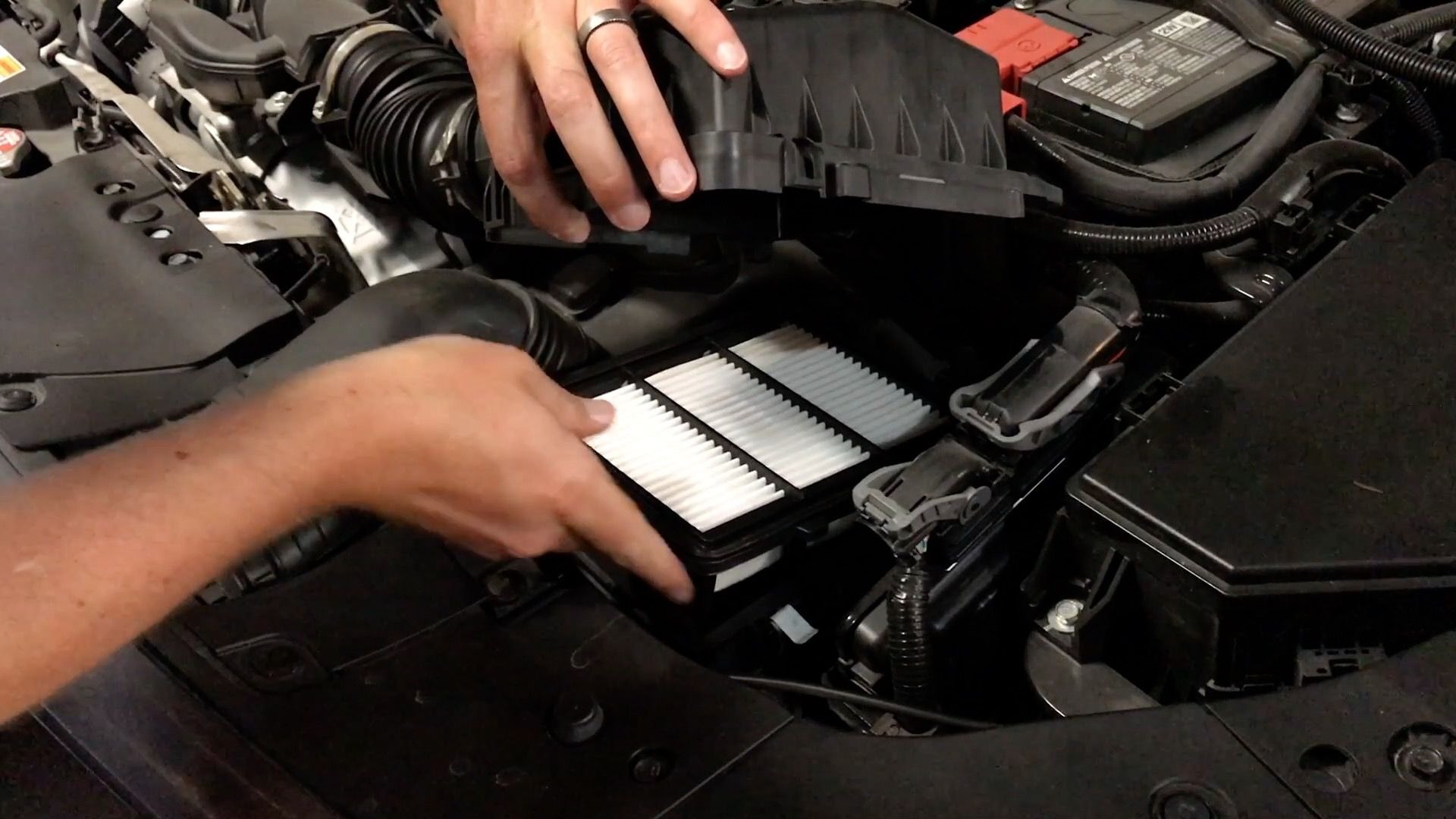
A clogged air filter can reduce the amount of air reaching your engine, so it’s easy to see why replacing it might seem like a simple way to improve fuel economy. However, there’s an important distinction to keep in mind. If the filter is only somewhat dirty and still within its recommended service interval, installing a new standard filter ahead of schedule usually won’t make a noticeable difference in your miles per gallon.
Modern fuel-injected engines use sensors that constantly monitor airflow and adjust the fuel mixture accordingly. This means these engines are remarkably good at compensating for minor changes in air intake, keeping combustion efficient even as a filter gradually accumulates dust and debris.
The dramatic mileage gains often quoted in advertisements for “performance” filters usually come from testing under specific, favorable conditions that don’t reflect everyday driving.
That doesn’t mean filter maintenance is pointless. A severely clogged filter, one that’s overdue for replacement by a huge margin, can eventually restrict airflow enough to affect performance and fuel use. The point is timing.
Swapping a still-serviceable filter early, hoping for a quick efficiency win, generally isn’t worth the expense. Follow the replacement interval listed in your owner’s manual, usually somewhere between twelve thousand and thirty thousand miles depending on driving conditions.
That schedule already accounts for the engine’s tolerance and keeps things running properly. Chasing early replacements as a fuel-saving hack is an expense without a meaningful payoff.
9. Using Aftermarket Oil Additives to Save Fuel
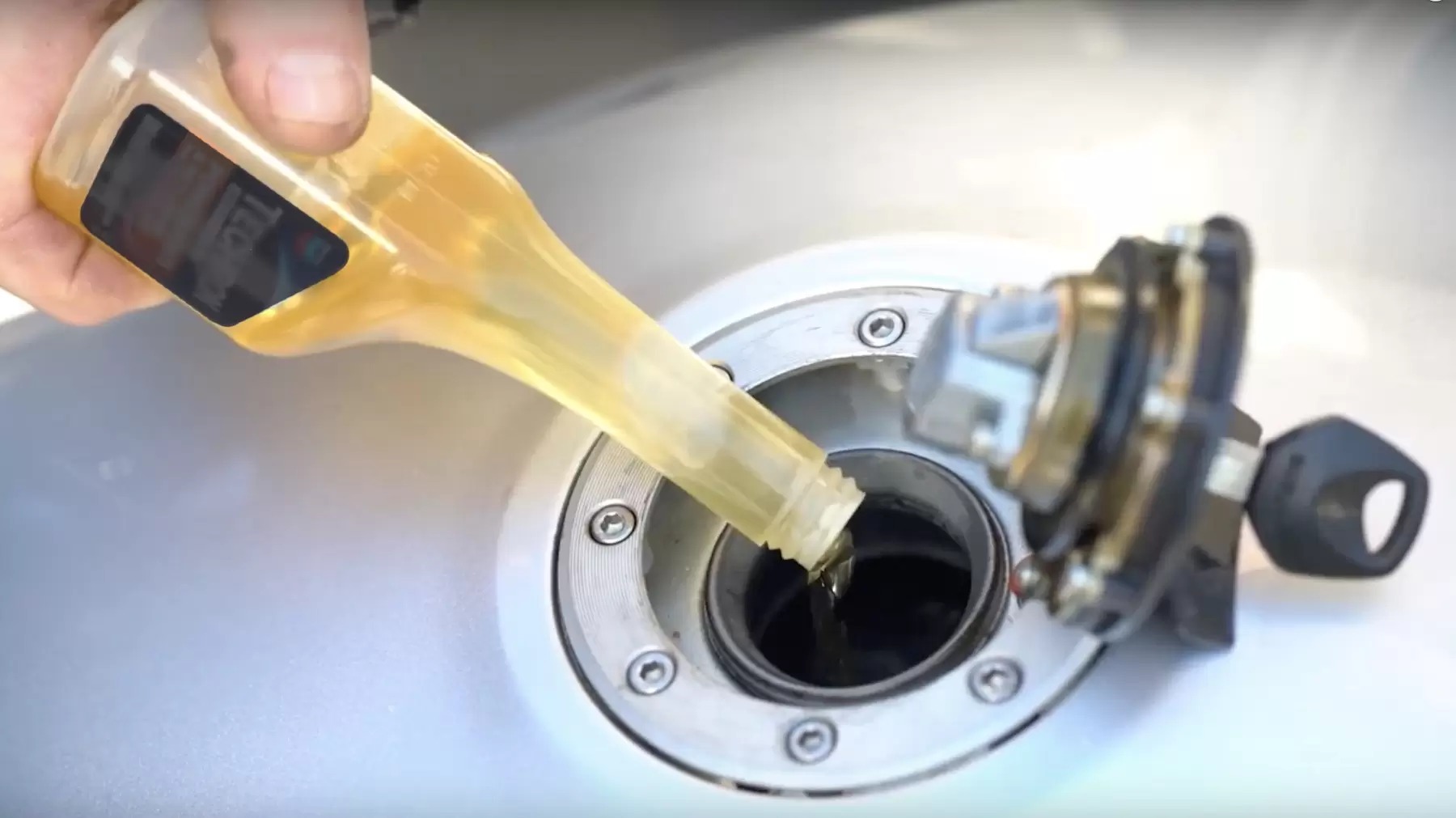
Walk into almost any auto parts store and you’ll find shelves packed with products promising a smoother-running engine and improved fuel economy. The idea sounds simple enough. Add a small bottle of treatment to your engine oil, and you’re supposedly helping reduce friction, keep things cleaner, and get more miles from every gallon. For a relatively small cost, it can seem like an easy upgrade worth trying.
The issue lies in how modern engines are actually designed. Automakers formulate specific requirements for oil viscosity and additive packages, and oil manufacturers already blend detergents, friction modifiers, and viscosity improvers directly into their products to meet those exact specifications.
Pouring in extra additives on top of an oil that already meets manufacturer standards doesn’t add value; it introduces an unknown variable into a system that was already properly balanced.
In some cases, adding aftermarket products can actually cause harm. If an additive doesn’t match your engine’s requirements, it might thicken the oil incorrectly, interfere with how it flows through tight tolerances, or clog components like the catalytic converter or oxygen sensors over months of use.
That’s a costly outcome from a product marketed as a savings tool. If mileage is truly your goal, stick with oil that meets your manufacturer’s specification and change it according to the recommended schedule.
That single habit does more for your engine’s long-term health and efficiency than any bottle promising quick results. Skip the additive aisle and trust the formula already in the bottle you’re using.
10. Letting the Car Idle for Several Minutes to Warm It Up
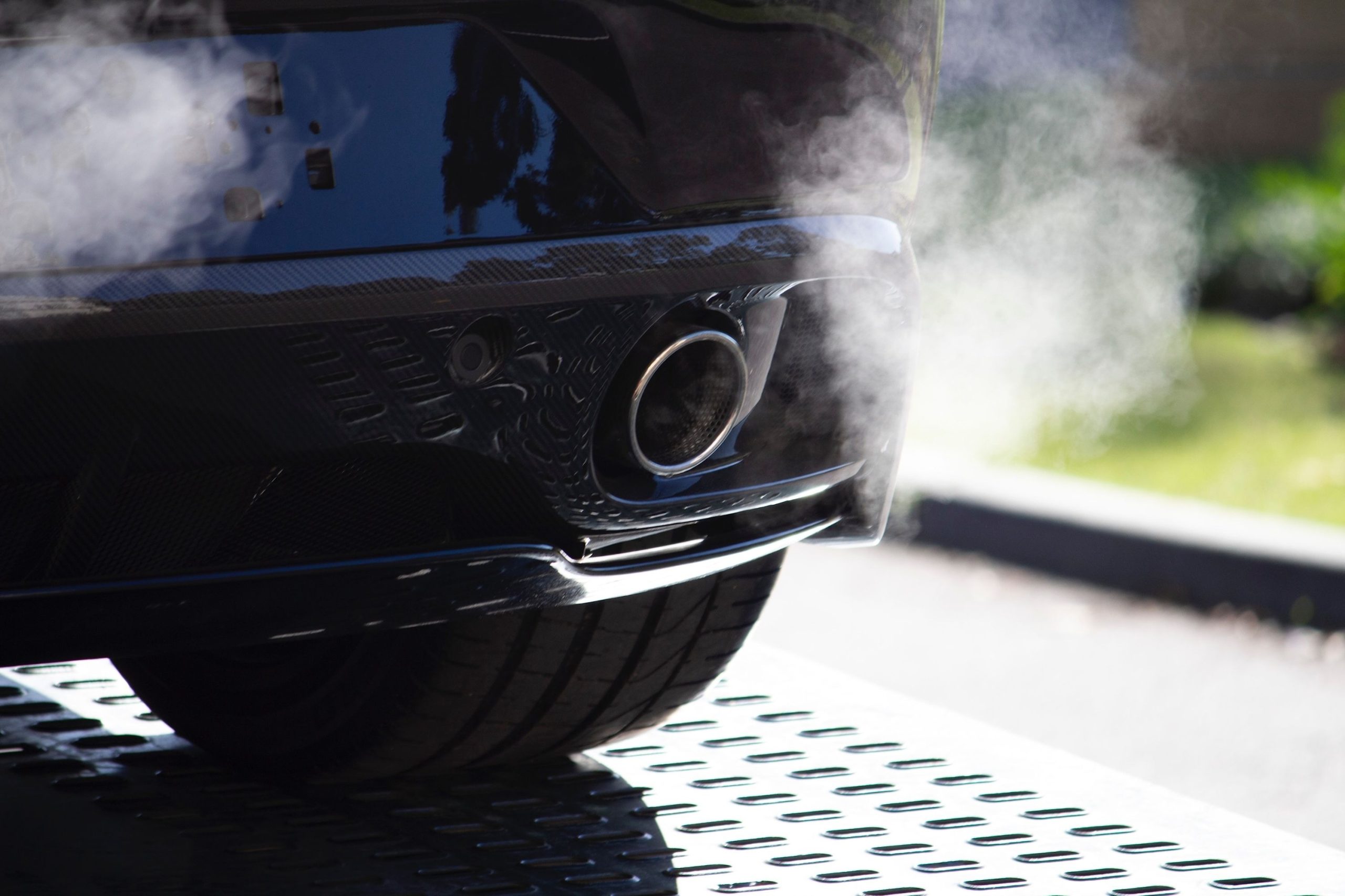
Warming up the car before driving used to be genuinely necessary, back when carbureted engines needed extra time to run smoothly in cold weather. That advice stuck around in family habits and driving folklore long after the technology it applied to disappeared from most vehicles.
Modern gasoline engines with fuel injection simply don’t need that extended idle period anymore. Today’s engines are designed to warm up efficiently while driving, not while parked in the driveway.
In fact, driving gently for the first few minutes actually warms the engine, transmission, and tires faster than idling does, since the components are working and generating heat through actual use.
Sitting still and idling for five or ten minutes burns fuel while producing zero mileage benefit, and it doesn’t meaningfully protect your engine the way older drivers were once taught to believe.
The Department of Energy has been direct about this, recommending drivers avoid unnecessary idling altogether. Beyond wasted fuel, extended idling also contributes unnecessary emissions and adds wear to certain engine components without the benefit of motion-based lubrication that driving provides.
A simple thirty-second warm-up, just enough to let oil circulate before pulling out, is plenty for the vast majority of vehicles, even in cold climates. After that, easing into your drive gently for the first mile or two accomplishes everything a long idle used to promise, minus the wasted gallons sitting in your driveway going nowhere.
11. Overinflating Tires Beyond the Recommended Pressure
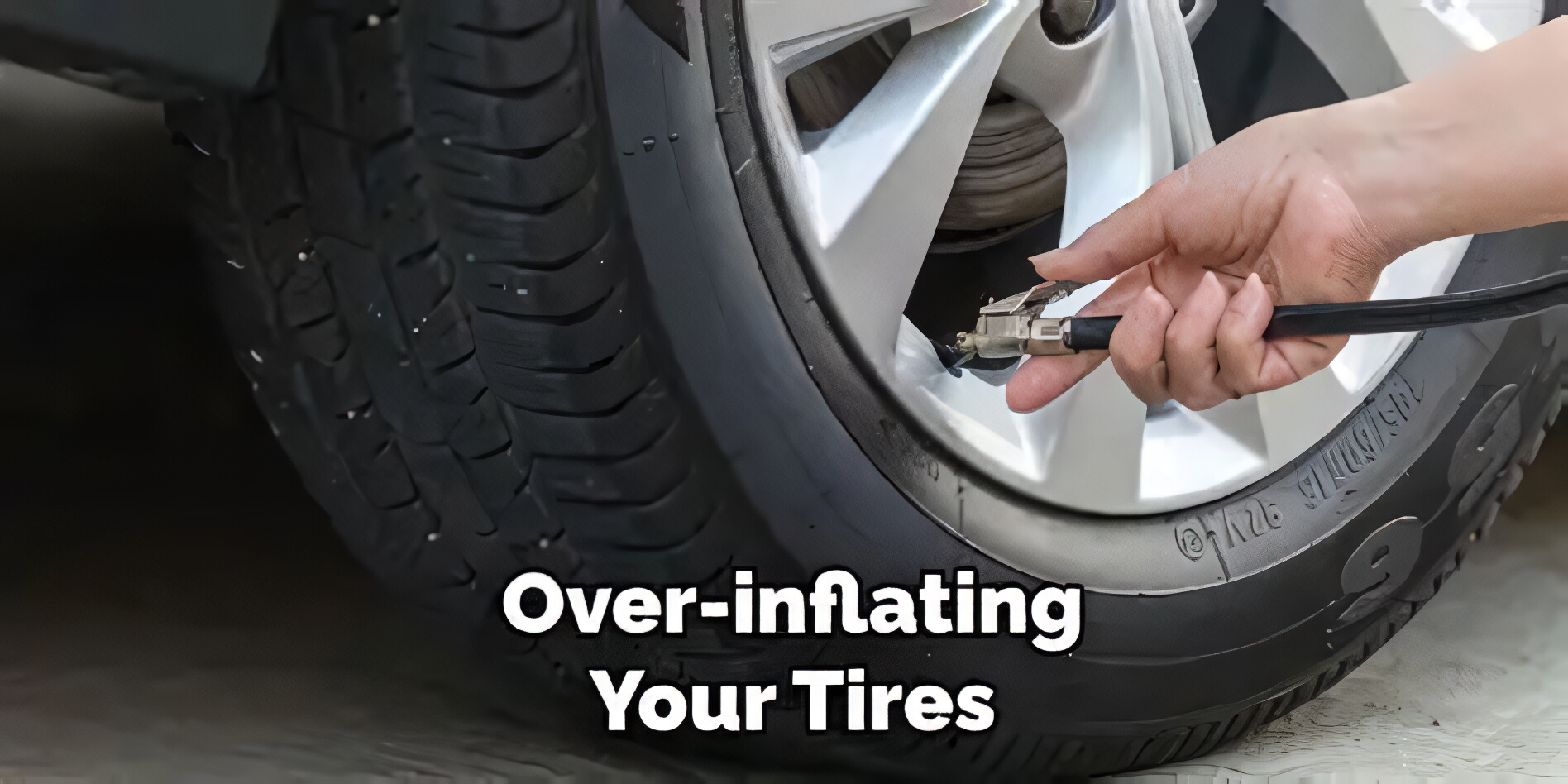
Proper tire pressure can improve fuel efficiency, but that does not mean adding extra air will provide even greater savings. Vehicle manufacturers recommend a specific tire pressure based on factors such as fuel economy, ride comfort, braking performance, handling, and tire wear. This recommended number is typically displayed on a sticker inside the driver’s door frame and is tailored to the vehicle and its tire size.
Some drivers mistakenly use the maximum pressure listed on the tire’s sidewall instead of following the vehicle manufacturer’s recommendation. Overinflating tires can reduce the amount of rubber touching the road, which may decrease traction and increase stopping distances. It can also make the ride noticeably harsher and contribute to uneven tread wear.
Although higher pressure may slightly reduce rolling resistance, any potential fuel savings are generally outweighed by the safety concerns, reduced comfort, and increased tire wear. Over time, replacing tires more frequently can also cost far more than any small fuel savings.
The best approach is to check tire pressure regularly with a reliable gauge and maintain the level recommended by the vehicle manufacturer. Proper inflation supports safer handling, more even tire wear, better comfort, and efficient driving without taking unnecessary risks.
12. Driving a Pickup With the Tailgate Down to Improve MPG
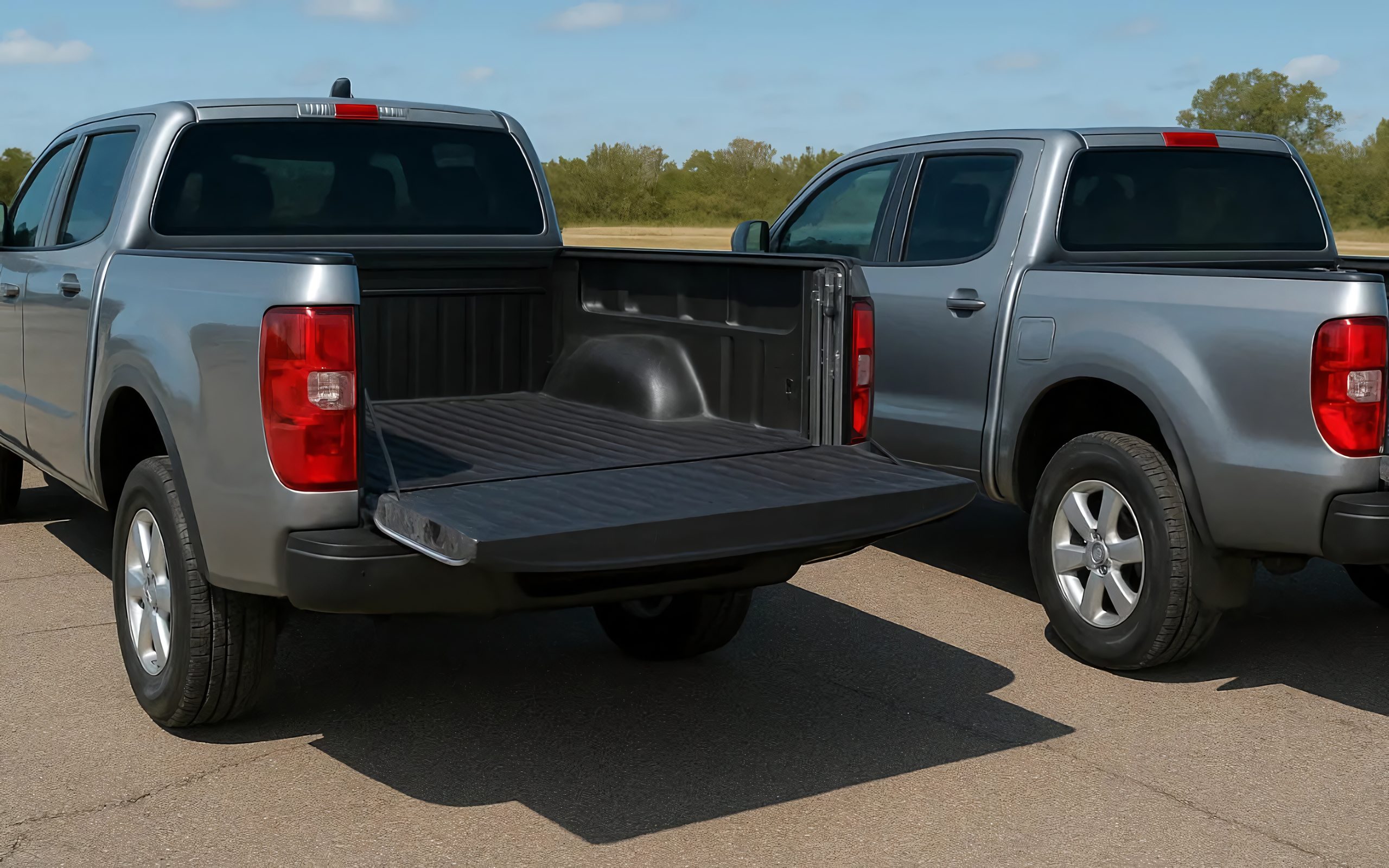
The idea that driving with a pickup truck’s tailgate down improves fuel economy has been around for years. The theory suggests that lowering the tailgate allows air to flow more smoothly through the truck bed, reducing drag and helping the vehicle use less fuel. However, real-world testing does not provide consistent support for this claim.
Fuel economy results can vary depending on the truck’s design, driving speed, wind conditions, and whether the vehicle has a bed cover. Some tests have found little or no difference between driving with the tailgate up or down.
Others have even shown that keeping the tailgate raised can produce slightly better results. This may happen because certain modern trucks are designed to create an air cushion inside the bed that helps manage airflow naturally.
Because different trucks produce different results, there is no dependable rule that lowering the tailgate will save gas. The potential benefit is too inconsistent to make it a reliable fuel-saving strategy.
There is also an important safety consideration. Keeping the tailgate closed helps prevent cargo from shifting or falling out while driving. With no clear fuel advantage and a greater risk of losing unsecured items, keeping the tailgate properly closed and latched is the safer and more practical choice.
