
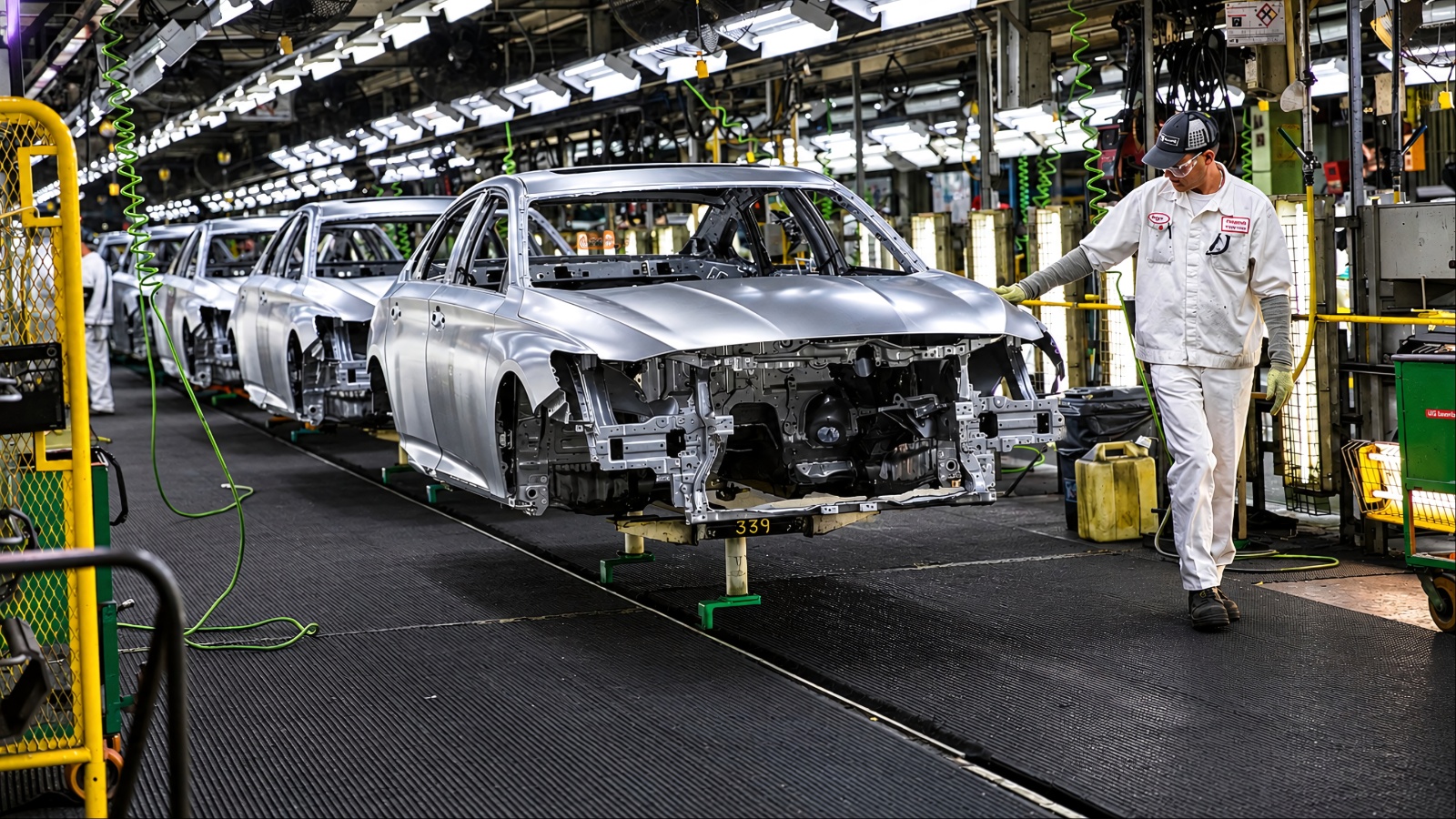
Imagine a small Ohio town in 1982 as Honda began producing its first car in the United States. That decision, made in Marysville, marked a major moment for the American auto industry. Honda wanted more than a strong sales presence; it wanted to manufacture vehicles locally. At the time, high import tariffs and limits on Japanese cars were putting pressure on Japanese automakers.
Building cars in America offered Honda a practical way to reduce those challenges while strengthening its market position. What began as a strategic business decision soon became a remarkable manufacturing success. The Marysville plant helped establish Honda as a major American automaker and showed how international companies could successfully build vehicles and create jobs in the United States.
Why Honda Chose Ohio
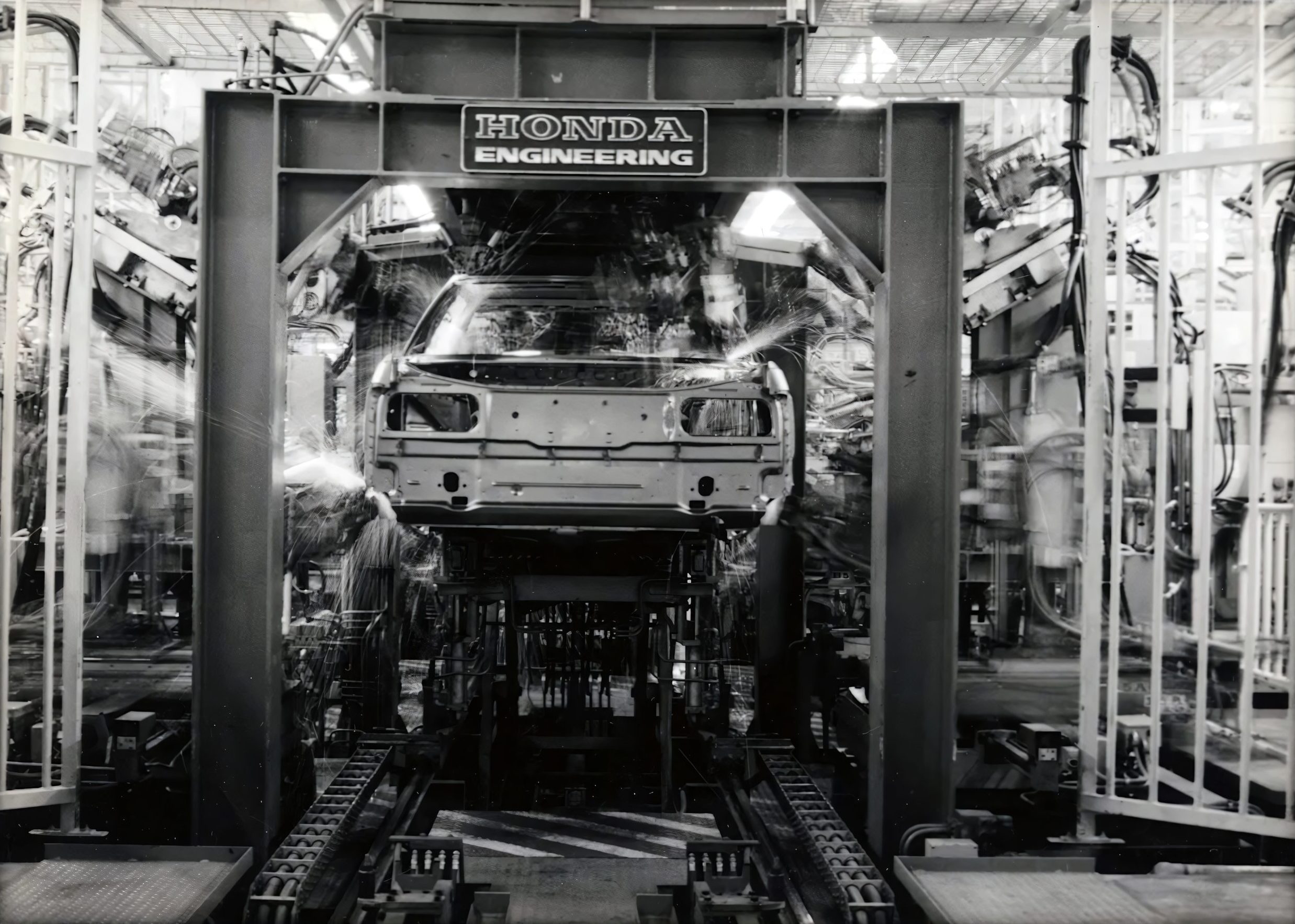
Trade tension sparked the whole decision. During the early 1980s, the US government pressured Japan to limit vehicle exports, and tariffs threatened to make imported cars far pricier for American buyers.
Honda executives recognized a simple truth: building cars domestically would sidestep those penalties entirely while keeping prices competitive. Ohio offered practical advantages beyond politics, too.
Central location, access to major highways, and a workforce eager for stable manufacturing jobs made the state an attractive landing spot. Marysville specifically provided enough open land for a sprawling facility while remaining close enough to Columbus for logistics and talent recruitment.
Building overseas rather than shipping finished vehicles also meant Honda could respond faster to American consumer preferences and reduce the immense cost of transoceanic freight.
It was a calculated gamble few outsiders expected to pay off given the skepticism many held about a Japanese brand manufacturing on US soil. That risk turned into reward almost immediately once assembly began.
What started as one modest plant relying heavily on imported components would soon transform into a sprawling network of interconnected factories, each building a distinct piece of the automotive puzzle Honda needed to compete on American terms.
The First Accord Rolls Off the Line
Employees gathered nervously that November morning as the very first Accord inched down the assembly line at Marysville. Nobody quite knew if American workers could match the quality standards Honda demanded from its Japanese facilities, and skepticism ran deep both inside and outside the company.
Doubt evaporated quickly. That Accord, built using parts largely imported from Japan initially, proved workers could absolutely deliver the precision Honda required. Word spread through Ohio communities that steady, well-paying manufacturing jobs had genuinely arrived, and applications poured in from surrounding towns hungry for opportunity.
Sales figures told an even bigger story. American buyers snapped up Accords at a pace that stunned analysts who assumed a foreign brand would struggle against Detroit’s giants. Reliability, fuel efficiency, and thoughtful engineering won over skeptical shoppers one test drive at a time.
Success bred urgency almost immediately. Honda realized shipping parts across an ocean wasn’t sustainable if American demand kept climbing at this rate. Executives began planning additional facilities capable of producing more components domestically, setting the stage for a manufacturing cluster that would eventually anchor Honda’s entire North American operation for decades to come.
Building an Ohio Manufacturing Cluster
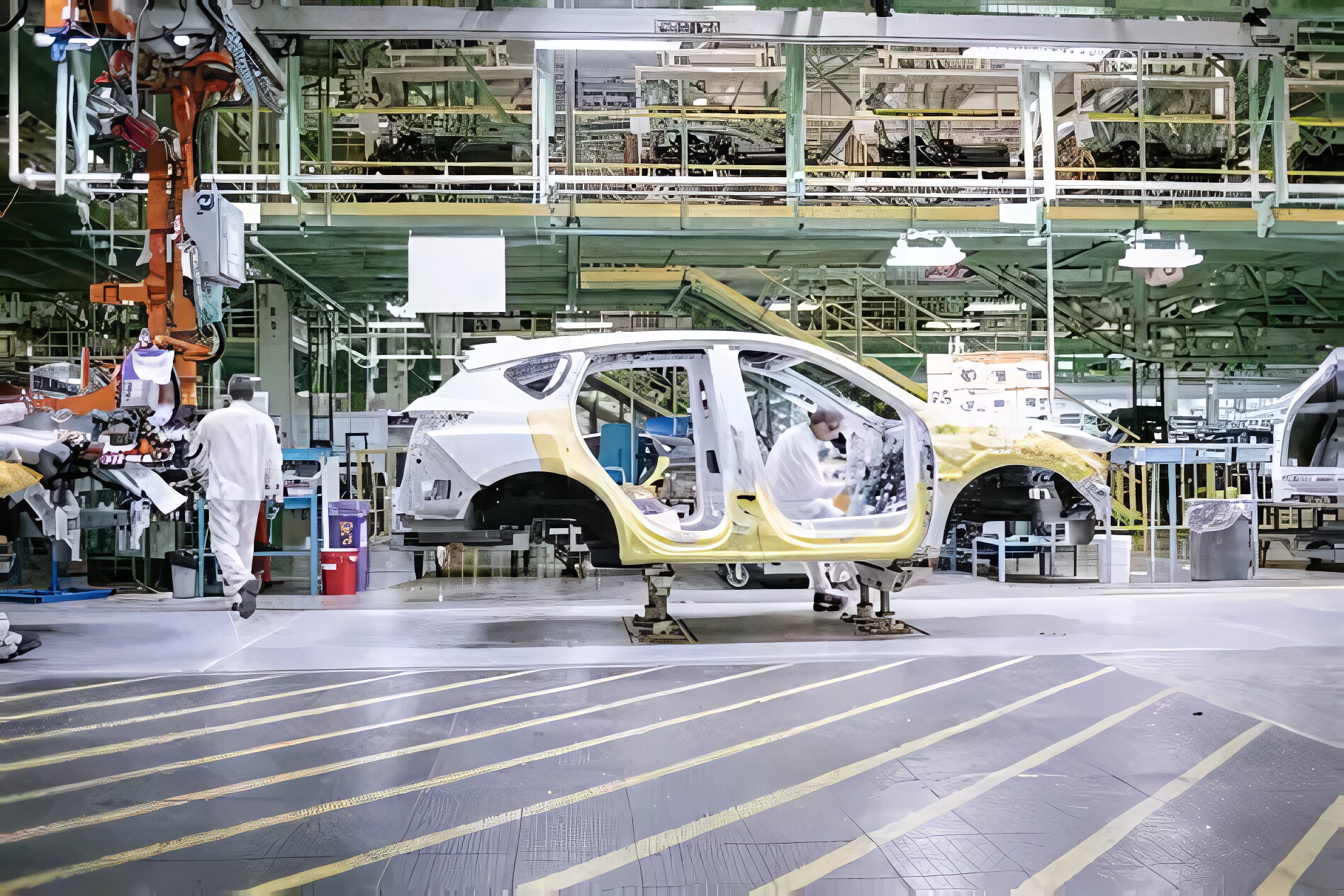
Expansion happened with remarkable speed once Honda committed to American production. Just three years after Marysville opened, a second plant emerged in Anna, Ohio, initially producing motorcycle engines before shifting toward four-cylinder engines and transmissions for the growing Civic lineup.
Growth didn’t stop there. By the 1990s, existing facilities couldn’t keep pace with soaring demand, prompting construction of a dedicated transmission plant in Russells Point. That factory opened its doors in 1996, initially building four-speed automatics before evolving through five-speed and six-speed designs as fuel efficiency standards tightened.
Today, four separate Honda facilities operate within a tight radius northwest of Columbus. Anna handles engine production, Russells Point manufactures transmissions, while East Liberty and Marysville handle vehicle assembly.
A dedicated test track supports engineering development, and the Performance Manufacturing Center handles low-volume specialty builds by hand. This interconnected cluster represents decades of calculated investment rather than a single lucky bet.
Each facility feeds components to the others, creating a self-sustaining ecosystem that keeps costs manageable while maintaining the quality control Honda insists upon across every vehicle rolling off Ohio assembly lines.
Transmission Systems Continue to Advance
Gearing technology inside the Russells Point plant has transformed dramatically since 1996. The facility started by building four-speed automatics for Honda’s US-assembled vehicles, a fairly standard offering for the era.
Roughly a decade later, engineers replaced those units with five-speed automatics designed for better fuel efficiency, acceleration, and smoothness. Progress continued steadily rather than stalling.
A six-speed transmission entered production in 2010, squeezing out additional performance gains. Currently, the plant produces CVTs installed in the Civic, Accord, and CR-V, alongside a two-motor hybrid system that powers hybrid versions of those same three vehicles.
Global reach might surprise casual observers. Honda even ships components built at Russells Point back to Japan for installation in the Prelude, flipping the original import relationship entirely on its head.
Interestingly, the plant has never produced manual-shift transmissions, reflecting shifting American buyer preferences over the decades. Production numbers back up the plant’s staying power.
Honda has invested more than $1 billion into the facility, which now builds over one million transmissions annually alongside 500,000 two-motor hybrid systems, plus transfer cases and differentials supporting all-wheel-drive models across the lineup.
Honda’s Lasting Ohio Investment
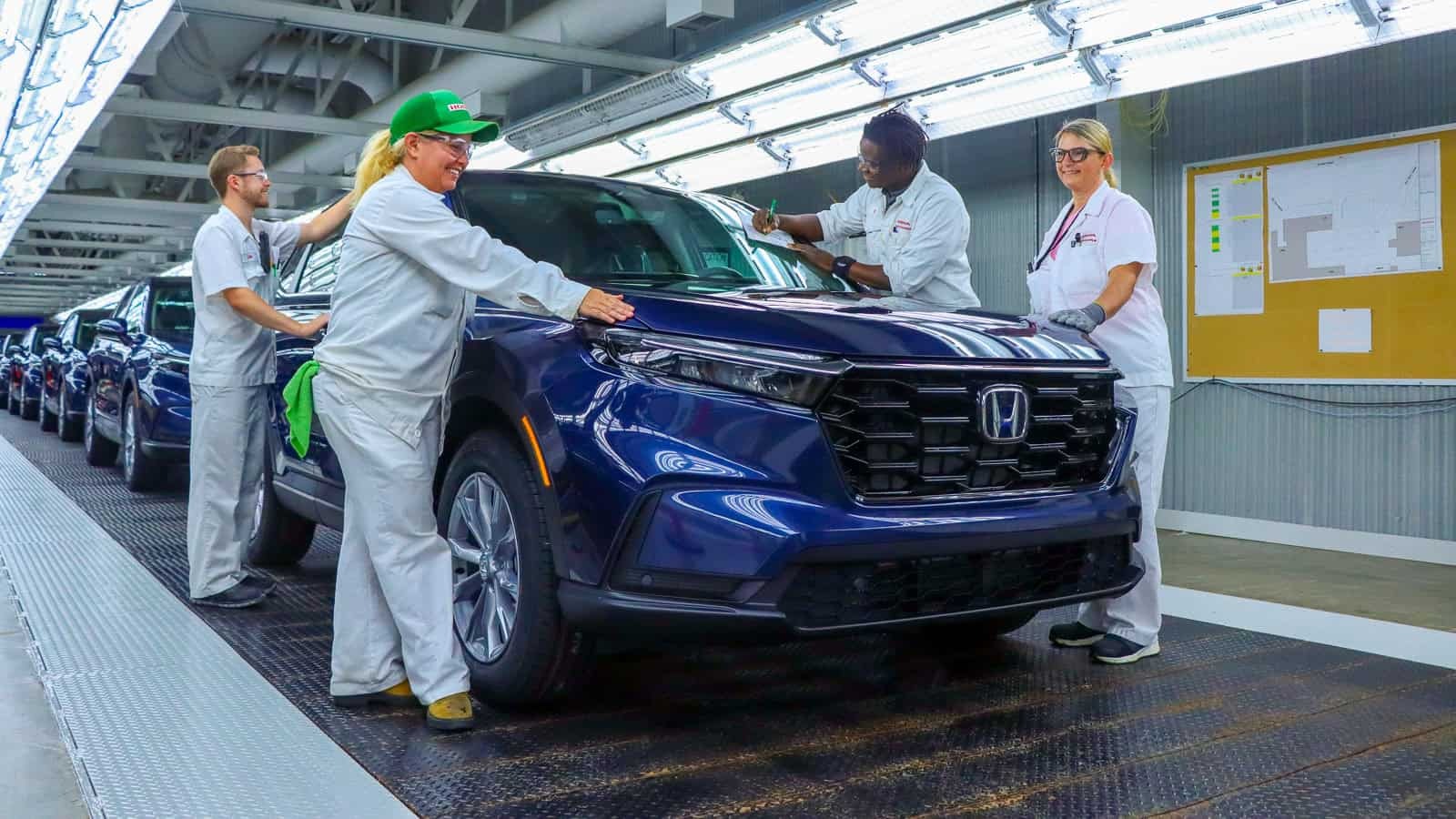
Today, Honda’s presence in Ohio shows how far the company has come since it began manufacturing vehicles there. The automaker now employs about 15,400 people across the state, creating thousands of jobs since the first Accord came off the Marysville production line. Honda has also invested about $14.5 billion in Ohio, showing its long-term commitment to American manufacturing.
Production has grown considerably as well. Honda’s Ohio facilities can produce around 460,000 Honda and Acura vehicles each year. They also make about 1.2 million engines, along with transmissions and hybrid systems.
These numbers would have seemed difficult to achieve when Honda first started manufacturing in the state. Company leaders now view this history as preparation for the future.
Years of experience among Ohio workers have helped Honda build strong manufacturing skills that can support new vehicle technologies. The company continues to develop hybrid systems and other powertrain options as customer demand changes.
What started in 1982 as a practical response to trade restrictions became a lasting relationship between Honda and Ohio. The company established manufacturing operations, invested heavily in local communities, and created thousands of jobs.
Decades later, those investments continue to support American workers and families while keeping Ohio an important part of Honda’s U.S. production network.
