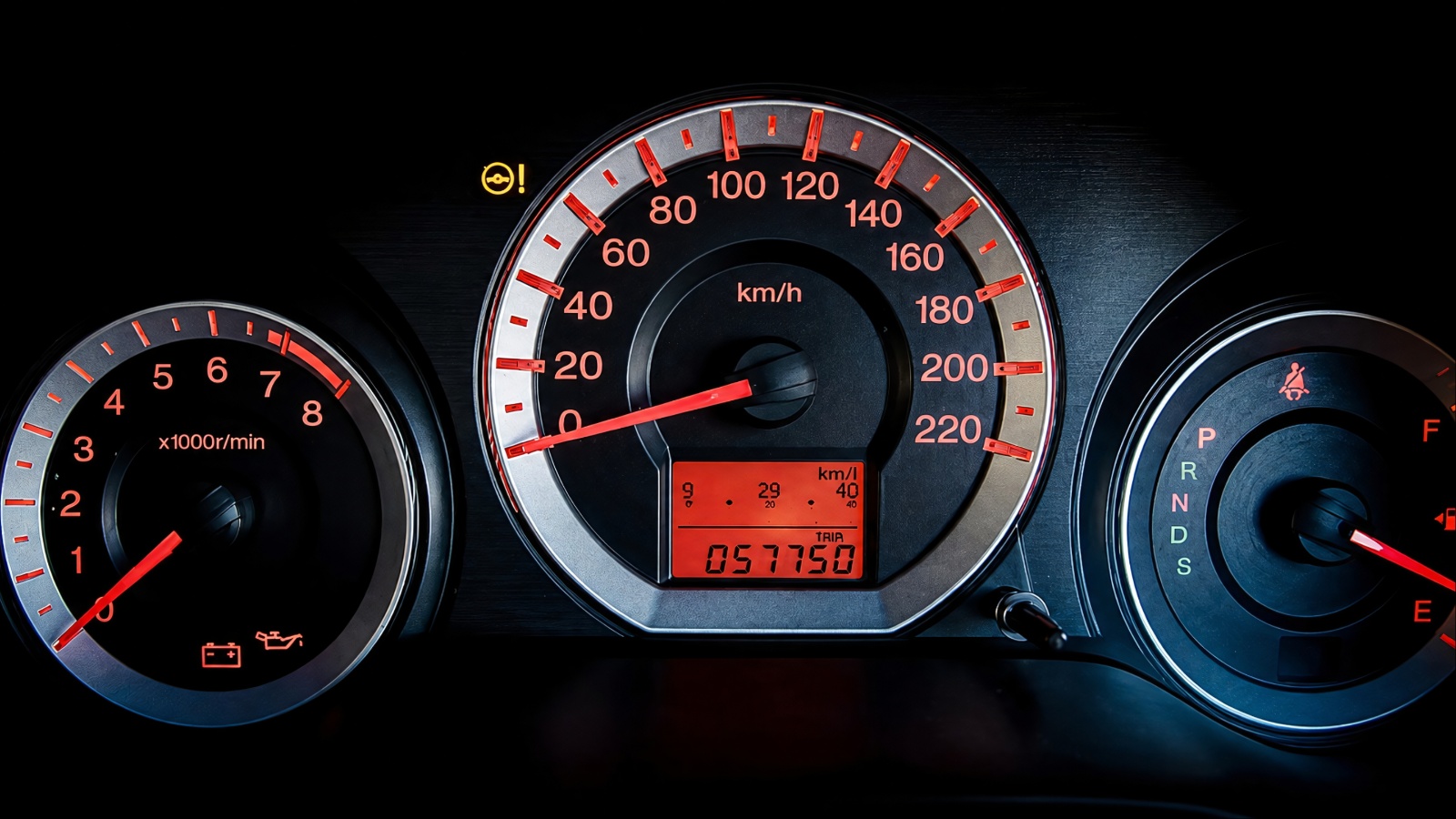
Mileage is one of the first numbers used-car shoppers notice, but it rarely tells the whole story. A 70,000-mile vehicle that spent years running overdue oil, ignored warning lights, and skipped major maintenance may be a worse purchase than a 130,000-mile example that received consistent professional care.
The odometer records distance traveled. It does not record whether the owner protected the engine, transmission, cooling system, brakes, or other expensive components along the way.
That is why experienced used-car buyers pay close attention to documentation. Maintenance invoices, dealer histories, inspection reports, and repair receipts can reveal how seriously previous owners treated the vehicle.
Some records are especially valuable because they confirm expensive work, uncover recurring problems, or show whether maintenance was performed at the proper intervals. When evaluating a used vehicle, these ten service records may tell you more about its future reliability and potential repair bills than mileage alone.
1. Regular Engine Oil and Filter Change Records
Oil-change documentation is one of the simplest records available, yet it can provide one of the clearest pictures of how a vehicle was treated. Engine oil lubricates bearings, pistons, camshafts, turbochargers, timing components, and other moving parts.
When oil stays in an engine too long, contamination increases and its protective properties deteriorate. Over time, neglected oil changes can contribute to sludge, excessive wear, oil consumption, and serious internal engine damage.
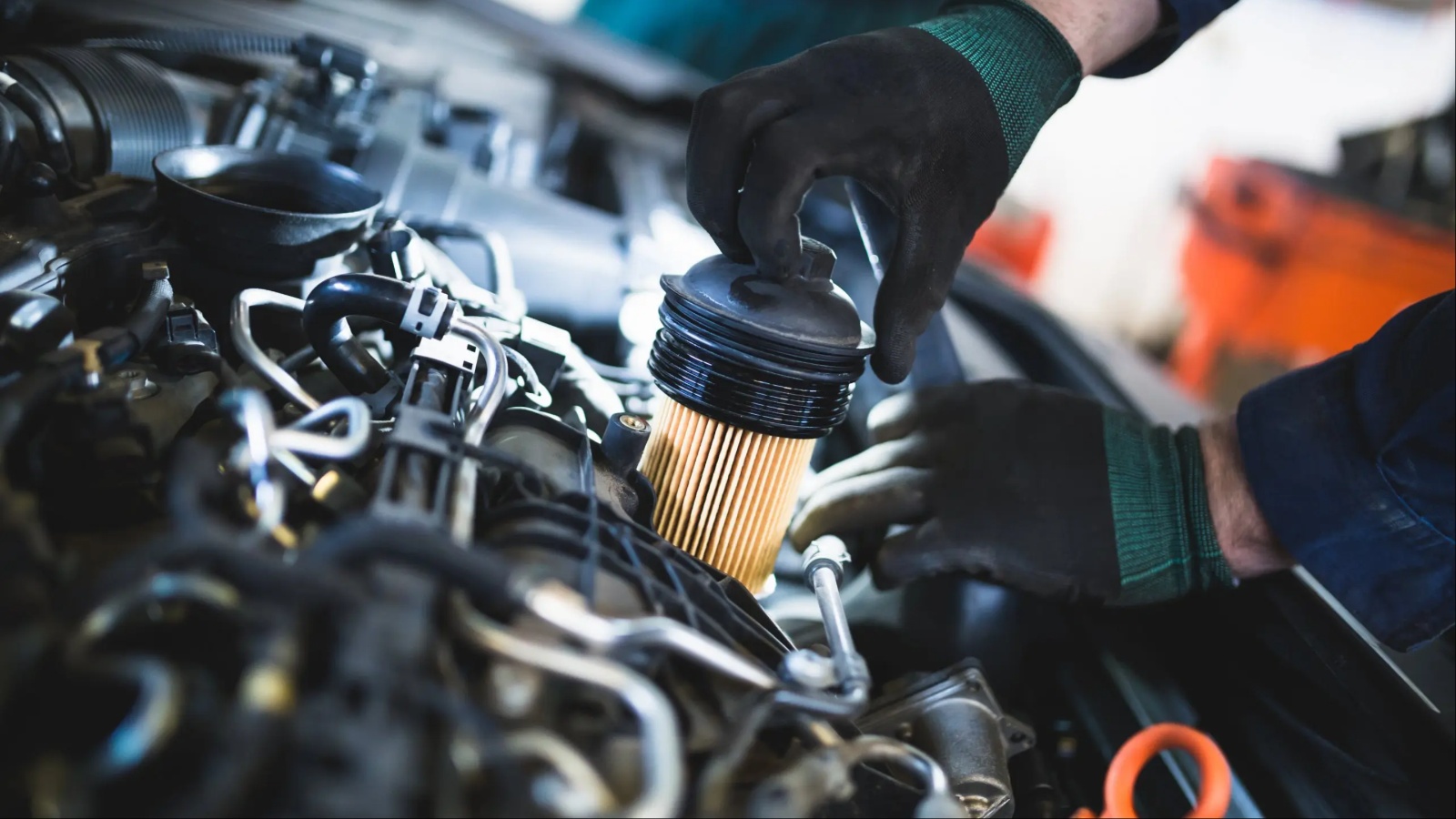
Look for a consistent history rather than one recent receipt. Ideally, invoices should show oil changes performed approximately according to the manufacturer’s recommended schedule, with the correct oil specification whenever that information appears. Large unexplained gaps deserve attention, especially if the vehicle covered substantial mileage during those periods.
Oil records become even more important on turbocharged engines, engines known for timing-chain problems, and vehicles equipped with variable valve timing systems. Those components often depend heavily on clean oil and proper oil pressure.
A 120,000-mile car with documented oil changes throughout its life can therefore be considerably more reassuring than a 60,000-mile example with almost no maintenance history. Mileage shows how far the engine traveled. Oil-change records help indicate how well it was protected while getting there.
2. Timing Belt or Timing System Replacement Records
If the vehicle uses a timing belt, proof that it was replaced at the appropriate interval can be extremely valuable. Timing belts synchronize the crankshaft and camshafts so the engine’s valves and pistons operate in precisely controlled sequence. Because the belt is considered a wear item, manufacturers generally specify replacement based on mileage, age, or both.
The consequences of ignoring the service can be severe. On many interference engines, a broken timing belt can allow pistons and valves to collide, potentially requiring major cylinder-head repairs or even complete engine replacement. Buyers should therefore look for an invoice identifying the replacement date, mileage, parts installed, and repair facility.
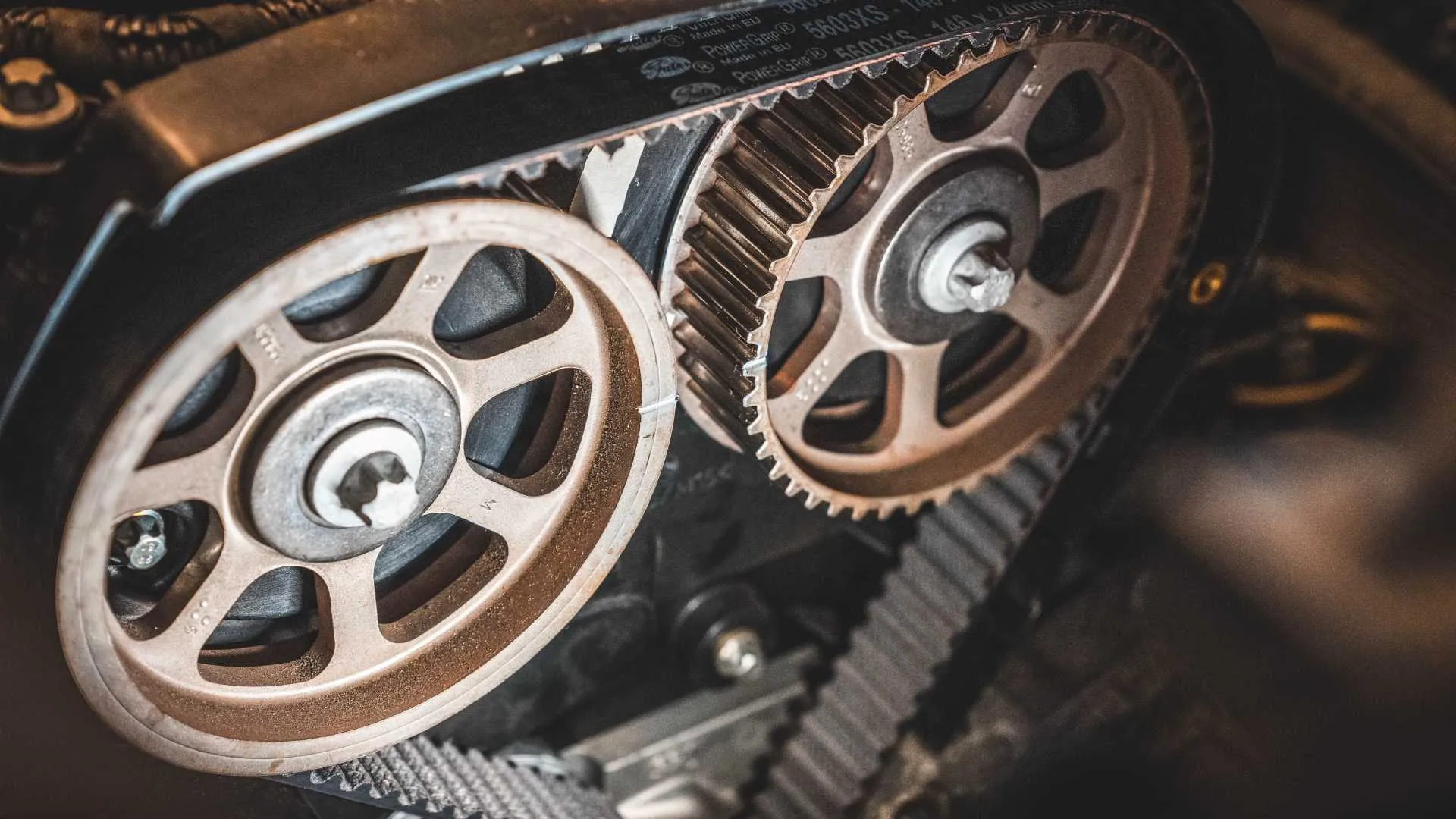
A particularly strong record may show that the water pump, tensioner, idler pulleys, and related seals were replaced at the same time. Those components are often accessible during timing-belt service, so replacing them together can reduce future labor costs.
Timing-chain engines are different because chains are frequently designed for much longer service, although they can still experience tensioner, guide, or stretching problems.
For a used-car shopper, confirmed timing-system maintenance can easily outweigh a modest difference in mileage. A higher-mileage vehicle with completed major maintenance may require less immediate spending than a lower-mileage vehicle approaching an expensive overdue service.
3. Transmission Fluid Service Records
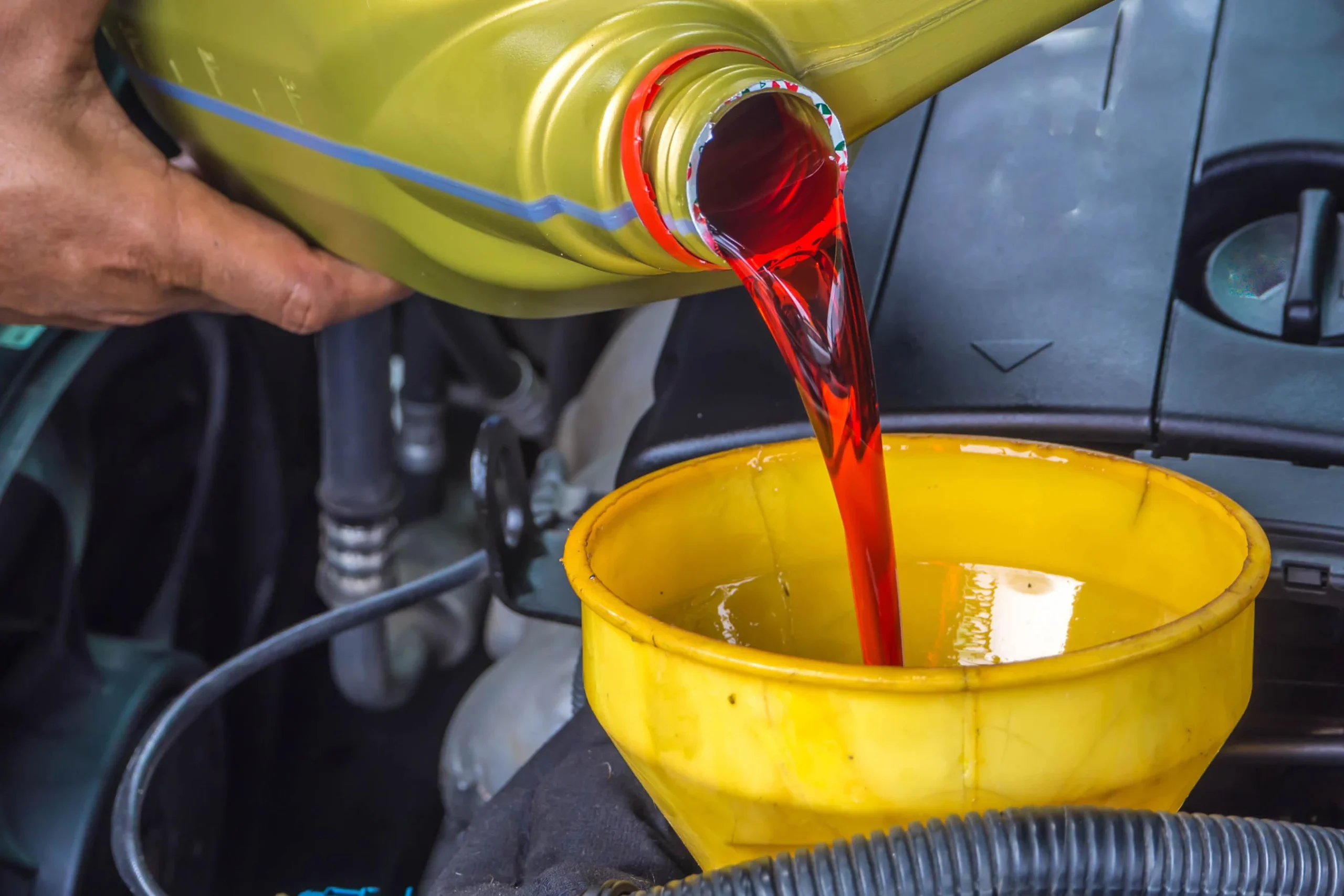
Transmission repairs can become some of the most expensive expenses associated with an older vehicle, making transmission-service records particularly important. Whether the vehicle has a conventional automatic, continuously variable transmission, dual-clutch gearbox, or manual transmission, its fluid performs critical lubrication, cooling, hydraulic, and wear-control functions.
A documented history of scheduled fluid changes suggests that the previous owner paid attention to maintenance that many drivers overlook. Look for invoices specifying transmission fluid replacement, filter replacement where applicable, pan service, or manufacturer-recommended procedures. The correct fluid specification matters because modern transmissions can be extremely sensitive to fluid chemistry.
The absence of documentation does not automatically mean the transmission is damaged. Some manufacturers specify lengthy service intervals, while others have historically described certain fluids as long-life or lifetime fill. Nevertheless, when buying an older or higher-mileage vehicle, knowing whether the fluid has ever been serviced provides useful context.
Be cautious when a seller claims extensive transmission work but cannot produce documentation. Repairs involving valve bodies, torque converters, clutch packs, CVT components, or complete replacement units should normally generate substantial invoices.
A vehicle with 140,000 miles and a well-documented transmission history may be preferable to one showing 90,000 miles with unknown fluid maintenance and suspicious shifting behavior.
4. Cooling System Maintenance and Repair Records
Engines do not tolerate overheating well, which makes cooling-system history especially valuable when evaluating a used vehicle. The cooling system controls operating temperature using coolant, hoses, thermostats, radiators, fans, pumps, sensors, and related components. Failure of even one important part can eventually cause overheating.
Service records can reveal whether coolant was replaced periodically and whether major components such as the radiator, thermostat, expansion tank, electric fan, hoses, or water pump have already been replaced. These records are particularly useful on older vehicles because rubber, plastic, seals, and cooling-system fittings can deteriorate with age regardless of mileage.
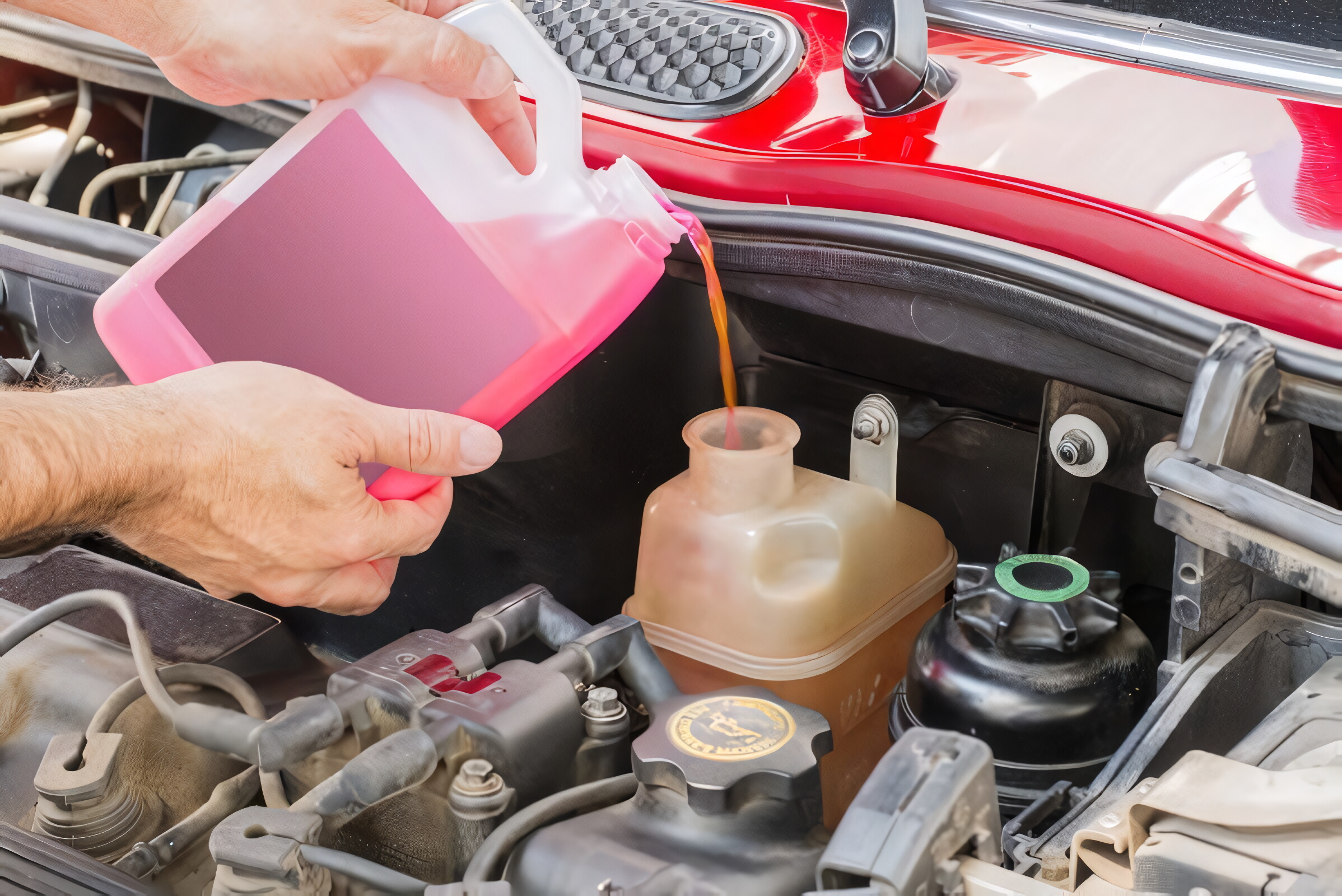
More importantly, repair invoices may reveal previous overheating incidents. A record mentioning overheating, cylinder-head work, head-gasket replacement, warped components, coolant contamination, or repeated coolant loss deserves careful investigation. Those repairs are not necessarily automatic reasons to reject a vehicle, but they justify a thorough pre-purchase inspection.
Cooling-system documentation also helps buyers distinguish preventative maintenance from emergency repair. An owner who replaced aging hoses and coolant proactively may have maintained the vehicle differently from someone who waited until the car overheated.
For long-term ownership, a healthy cooling system can be more significant than an impressive odometer reading. One serious overheating event can cause more engine damage than tens of thousands of properly maintained highway miles.
5. Brake System Service Records
Brake records matter for obvious safety reasons, but they also provide valuable clues about overall vehicle maintenance. Used-car shoppers should look beyond a receipt showing that brake pads were recently installed. Comprehensive records may include pads, rotors, calipers, brake-fluid replacement, parking-brake repairs, ABS sensors, brake hoses, or master-cylinder work.
Brake fluid is particularly revealing because it is routinely ignored. It absorbs moisture over time, which can reduce braking performance under severe conditions and contribute to corrosion inside hydraulic components. Documentation showing periodic brake-fluid service suggests the previous owner followed maintenance recommendations beyond the easiest items.
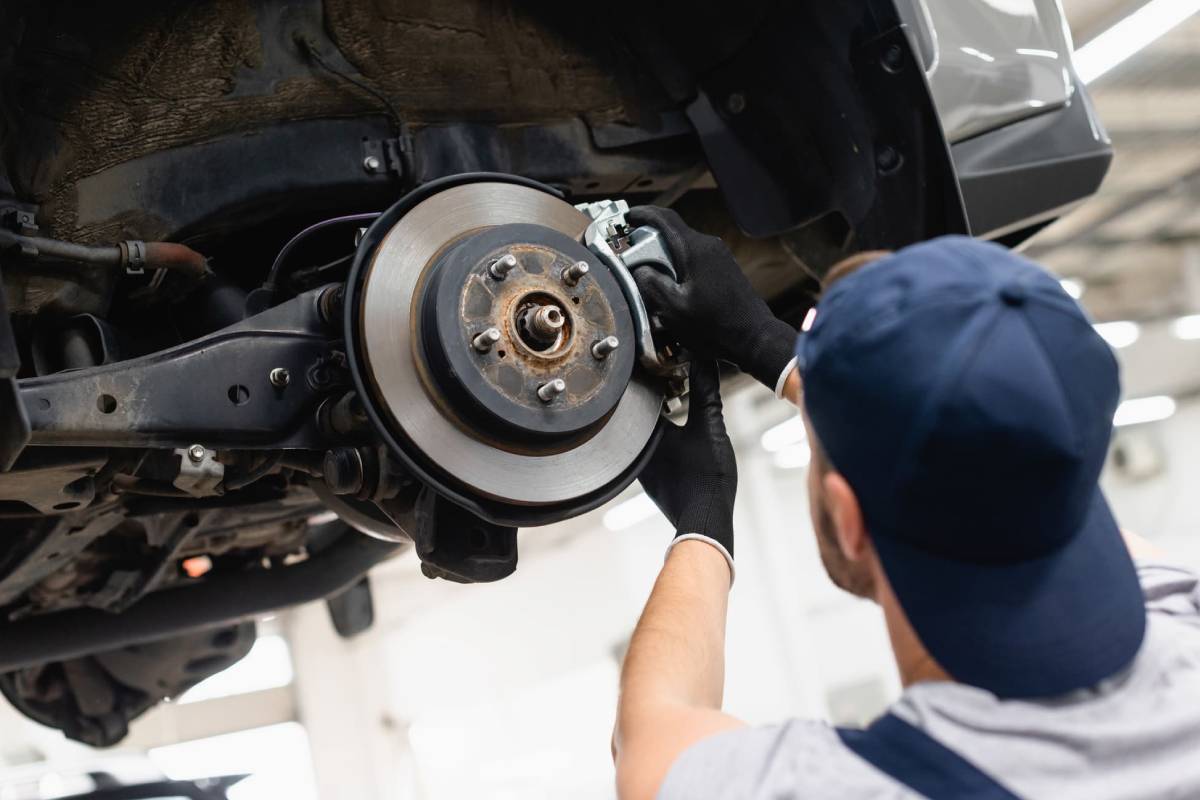
Repeated brake repairs can also expose hidden issues. Multiple warped rotors may indicate driving conditions, installation problems, sticking calipers, or excessive heat. Frequent wheel-speed sensor or ABS work may point toward electrical or hub-related problems that deserve inspection.
Receipts should ideally list the mileage and parts replaced. Comparing those dates with the vehicle’s current condition can help estimate when the next brake service may be needed.
A car with higher mileage but recent documented brakes, fresh fluid, and properly functioning ABS may require little immediate work. Meanwhile, a lower-mileage car with heavily worn rotors, old fluid, and no documented service could quickly generate a four-figure repair bill after purchase.
6. Suspension and Steering Repair Records
A vehicle’s suspension accumulates wear with both mileage and age, making suspension records especially important once a car passes its first several years of service. Shocks, struts, bushings, control arms, ball joints, tie rods, wheel bearings, springs, and steering components all influence handling, tire wear, comfort, and safety.
Records showing replacement of worn components can actually be a positive sign. Some buyers see a long repair invoice and immediately assume the vehicle has been troublesome. In reality, documentation showing that an owner replaced aging suspension parts professionally may mean the next buyer inherits a tighter, better-maintained vehicle.
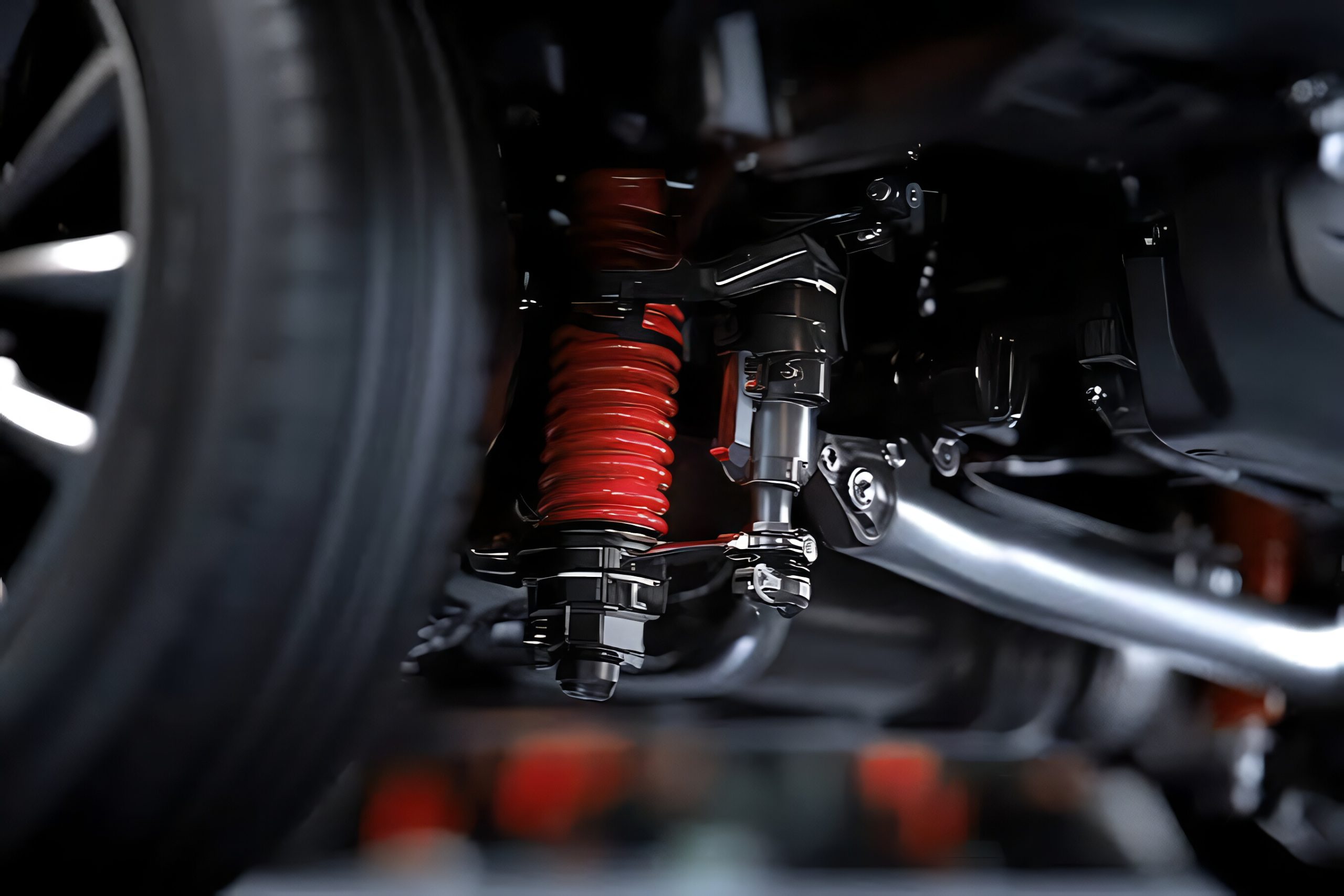
Pay attention to repeated repairs on the same corner of the vehicle. Multiple wheel bearings, control arms, alignments, or tire replacements in one location could suggest unresolved suspension damage, accident history, or alignment problems.
Alignment records are useful as well. A properly aligned vehicle should generally maintain relatively even tire wear. If service receipts repeatedly mention excessive camber, damaged steering components, or inability to achieve proper alignment, additional inspection is worthwhile.
Suspension condition can matter more than the raw mileage difference between two similar vehicles. A 110,000-mile car with new struts, control arms, bearings, and documented alignment could feel and drive considerably better than a neglected 70,000-mile vehicle still riding on worn original components.
7. Major Engine Repair Records
Major engine repairs deserve close examination because they can either increase confidence or reveal a history of serious trouble. Useful records may include cylinder-head repairs, valve work, piston or ring repairs, turbocharger replacement, timing-chain work, oil-pump replacement, gasket repairs, or complete engine replacement.
The important question is not simply whether the engine has ever been repaired. You need to understand why the repair was performed, who completed it, what parts were installed, and whether the underlying cause was corrected.

For example, a professionally installed replacement engine with detailed documentation and relatively low mileage on the replacement unit might be preferable to an original engine with a poorly documented history. Conversely, repeated repairs for oil pressure, overheating, misfires, or excessive oil consumption may indicate continuing problems.
Invoices from recognized repair facilities are especially helpful because they may include diagnostic findings, compression measurements, fault codes, parts numbers, and warranty information. Compare the recorded mileage from each repair with the current odometer.
Major engine work should also prompt a careful pre-purchase inspection, even when the documentation appears excellent.
Mileage alone cannot show whether an engine has already undergone major surgery. Repair records can. They help buyers determine whether expensive problems were permanently corrected—or merely patched enough to keep the vehicle moving.
8. Recall and Technical Campaign Completion Records
Recall completion records can provide important information about both safety and maintenance history. Manufacturers issue recalls when certain defects require correction, while service campaigns and technical updates may address other known problems. A vehicle may accumulate several of these actions over its lifetime.
Documentation showing that recalls were performed indicates that previous owners responded to manufacturer notices rather than ignoring them. Depending on the vehicle, completed campaigns may involve airbags, fuel systems, electrical wiring, brakes, software, engines, transmissions, or other major components.
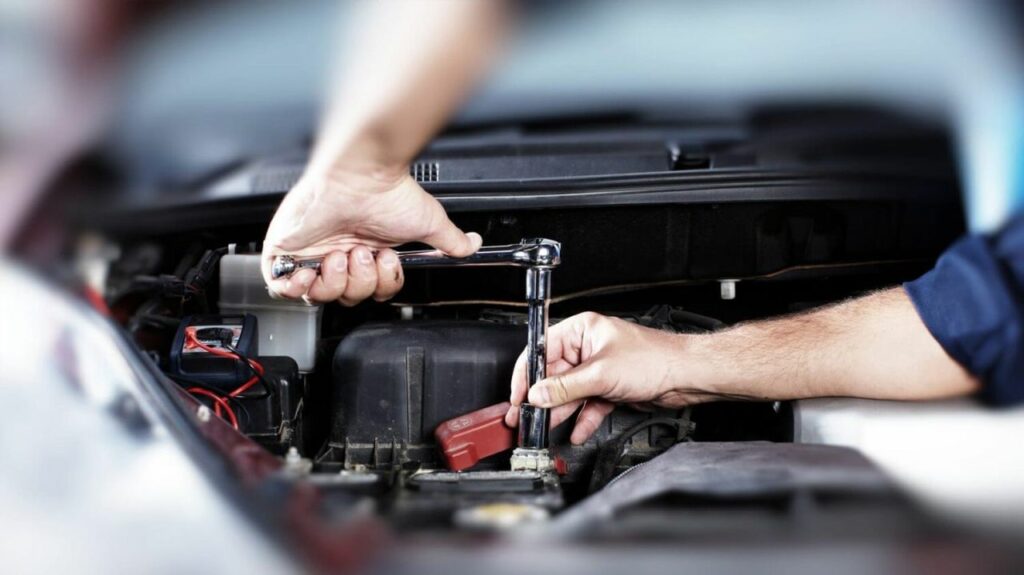
Buyers should compare the vehicle identification number with manufacturer or appropriate government recall databases before purchasing. Do not assume every recall was completed simply because the vehicle has regularly visited a dealership.
Dealer service histories can be especially useful because they may identify campaign numbers and completion dates. They may also show software updates or component replacements that do not appear in ordinary maintenance receipts.
An outstanding recall is not automatically a reason to abandon the purchase, because recall repairs are generally performed without charge when applicable. However, unresolved recalls should be investigated before ownership changes hands, especially when they involve serious safety issues.
Mileage tells you almost nothing about whether a vehicle received important manufacturer corrections. Recall records can confirm whether known problems were addressed during the car’s lifetime.
9. Accident and Structural Repair Documentation
A vehicle’s accident history can matter much more than whether it has 60,000 or 100,000 miles. Not every collision permanently harms a vehicle, but the quality and extent of repairs can dramatically affect safety, alignment, corrosion resistance, resale value, and long-term reliability.
Detailed body-shop invoices are far more useful than a simple history report stating that an accident occurred. Good documentation may identify panels replaced, frame or unibody measurements, suspension repairs, airbag replacement, paintwork, sensors, cameras, radar calibration, and other procedures.

Modern vehicles often contain advanced driver-assistance systems behind bumpers, windshields, and body panels. After collision repairs, some systems require precise calibration. Receipts confirming those procedures can therefore be important.
Minor cosmetic damage repaired professionally is very different from major structural damage. Records mentioning frame rails, pillars, floor sections, roof structures, substantial unibody pulling, or airbag deployment should encourage additional inspection by a qualified professional.
Also compare repair invoices with panel gaps, paint finish, tire wear, and alignment behavior during the test drive.
A properly repaired higher-mileage vehicle may still be an acceptable purchase. A low-mileage car hiding poorly repaired structural damage can be far more problematic. When accident history exists, documentation explaining exactly what happened is considerably more valuable than the odometer number.
10. Comprehensive Inspection and Long-Term Maintenance Records
The strongest used-car documentation is often not one individual receipt but a continuous maintenance history covering several years. A thick folder of invoices showing routine inspections, fluid changes, filters, tires, batteries, belts, spark plugs, brakes, suspension repairs, and scheduled maintenance can tell a detailed story about ownership.
Consistency matters. Service records with dates and mileage allow you to confirm whether odometer progression appears logical and whether maintenance occurred regularly. They can also reveal patterns that vehicle-history databases may not show.

Pay particular attention to inspection reports from reputable independent shops or dealerships. These may document minor leaks, worn components, diagnostic trouble codes, tire measurements, battery condition, and maintenance recommendations. Comparing several reports can reveal whether recommendations were eventually completed or repeatedly ignored.
Documentation also helps buyers budget realistically. If spark plugs, coolant, transmission fluid, brakes, tires, and battery were recently replaced, the vehicle may need relatively little short-term maintenance. If all of those services are overdue, even a seemingly attractive purchase price could become expensive quickly.
Mileage should be treated as only one data point. A carefully maintained 130,000-mile vehicle with extensive documentation can sometimes be a smarter purchase than an undocumented 70,000-mile example. Service history shows what the odometer cannot: how the vehicle actually lived.