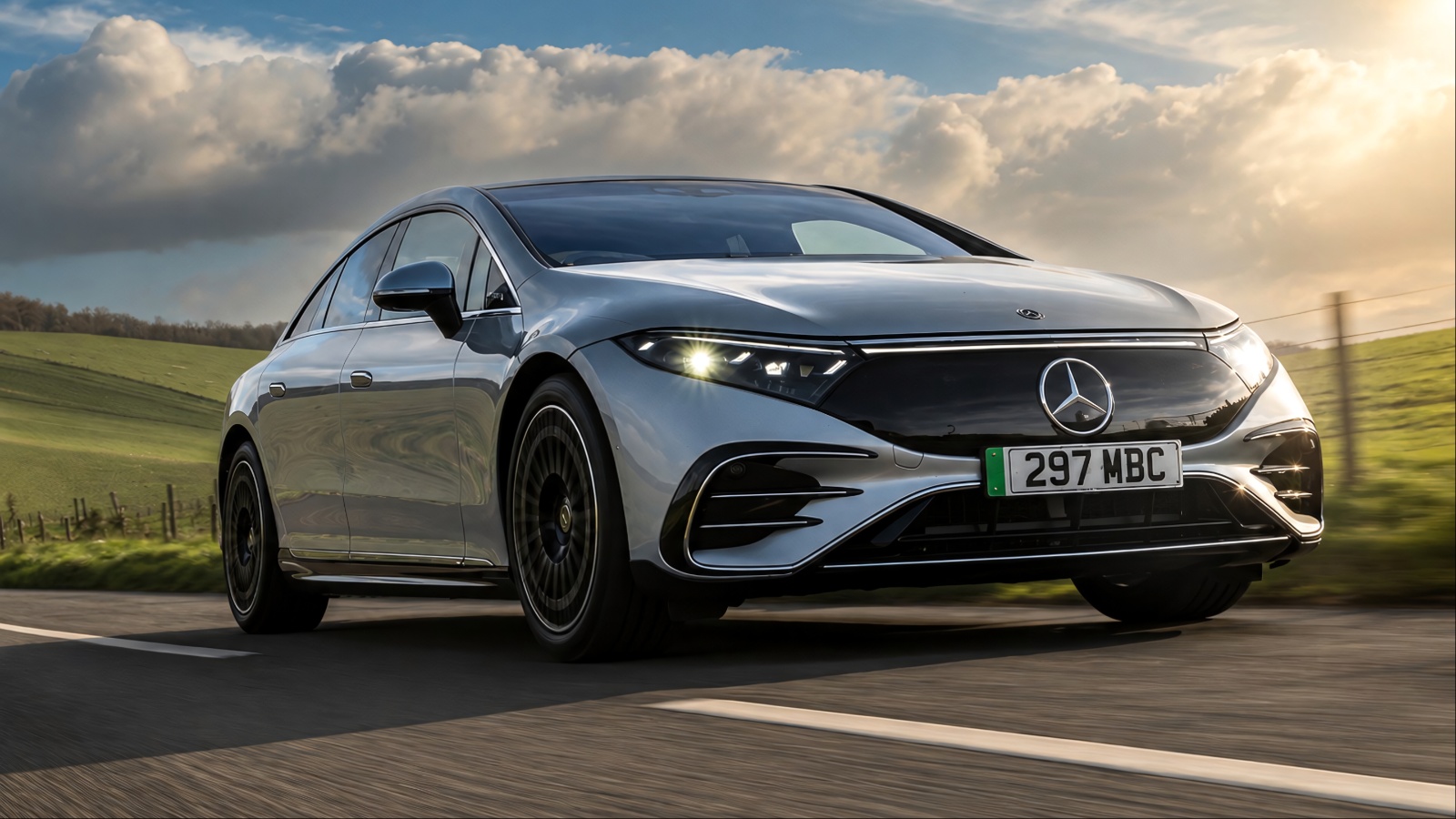
Some cars can become financially impractical to repair after a serious crash, even when the vehicle still looks repairable. High parts prices, expensive sensors, complex body structures, labor rates, and hidden damage can push a repair estimate close to the car’s pre-crash value.
Insurance companies use total loss calculations to decide when replacing the vehicle makes more financial sense than restoring it. This article examines 10 cars that can face that situation, explains why their repair bills rise quickly, and breaks down the threshold math using realistic examples.
The figures are illustrations, since actual repair costs and vehicle values vary by location, condition, mileage, coverage, and insurer.
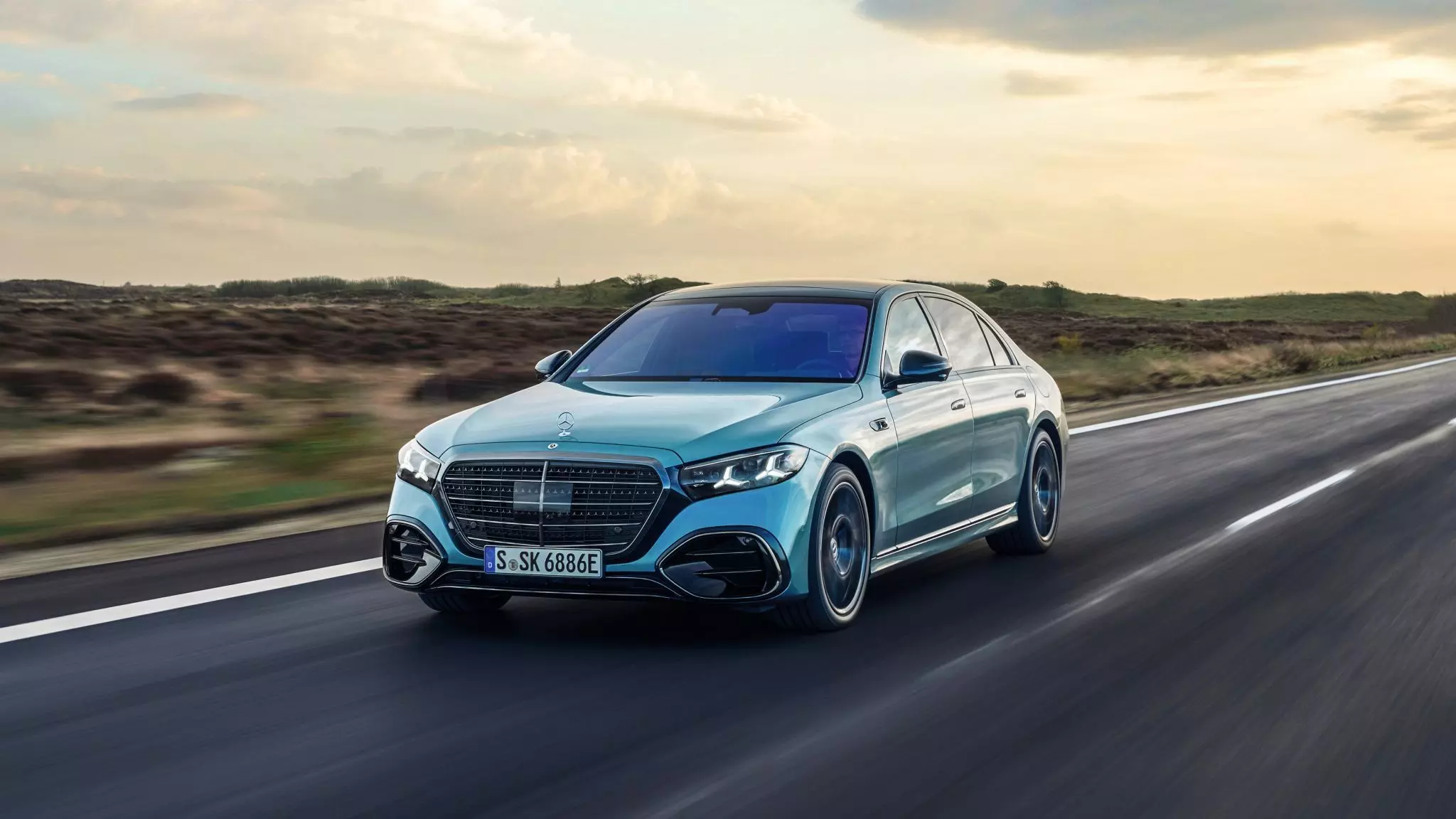
1. Mercedes-Benz S-Class
The Mercedes-Benz S-Class can become extremely expensive to repair after a major collision because it combines sophisticated electronics, advanced driver assistance systems, expensive lighting equipment, and complex body components.
A crash that appears limited to the front end may affect cameras, radar sensors, cooling components, suspension parts, wiring, and structural pieces behind the bumper.
The repair bill can rise quickly when several electronic components need replacement. Modern headlights can cost thousands of dollars, while radar and camera systems may require replacement followed by calibration.
A repair shop may also need to perform alignment procedures after structural or suspension damage. These costs can make a relatively ordinary-looking collision much more expensive than expected.
Consider an S-Class with an actual cash value of $70,000 before a crash. If the applicable total loss threshold is 75%, the mathematical threshold would be $52,500.
A repair estimate of $45,000 may initially appear repairable. If teardown reveals another $10,000 in hidden damage, the projected bill reaches $55,000, crossing that 75% mark.
This calculation shows why an expensive luxury vehicle can be totaled even when its repair cost is lower than its original purchase price.
Insurance decisions are based on the vehicle’s value immediately before the accident, not what the owner originally paid. Depreciation can therefore make a large repair bill economically difficult to justify.
The S-Class also illustrates why drivers should not judge a total loss decision from exterior damage alone. The visible dents may represent only a fraction of the actual repair expense.
Once sensors, wiring, structural components, airbags, suspension parts, and calibration work are added, the financial equation can change rapidly.
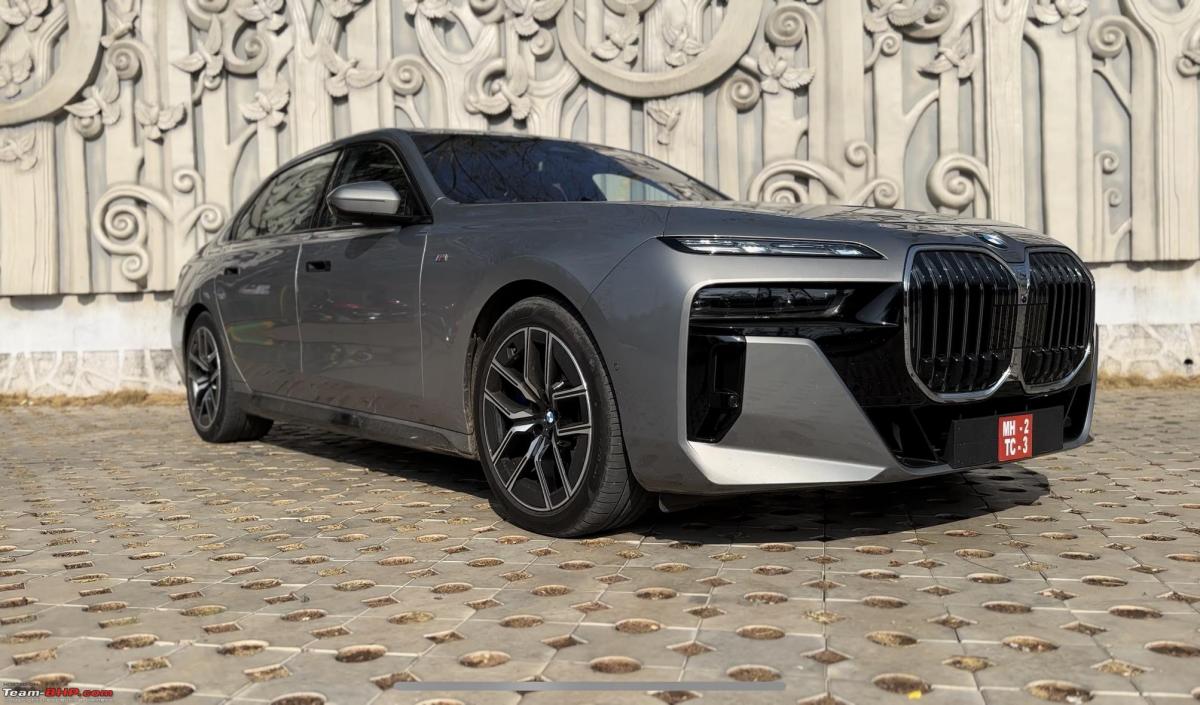
2. BMW 7 Series
The BMW 7 Series has a similar repair-cost problem because its luxury equipment is tightly integrated with electronic systems and advanced safety technology.
A collision involving the front or rear of the vehicle can damage more than body panels. Sensors, cameras, lighting assemblies, cooling components, parking systems, and electronic modules can all add substantial costs.
A bumper replacement is rarely just a bumper replacement on a highly equipped modern luxury sedan. The bumper may contain or sit near parking sensors and other technology.
Once components are replaced, calibration may be required. Labor costs also rise when technicians must remove multiple parts to reach damaged components hidden behind exterior panels.
Suppose a BMW 7 Series has an estimated pre-crash value of $65,000. With a hypothetical 75% threshold, the total loss point is $48,750. An initial estimate of $38,000 would leave considerable room for repair. However, a teardown could identify damage to the cooling system, suspension, wiring, lighting, and driver-assistance equipment.
If those discoveries add $15,000 to the estimate, the repair total reaches approximately $53,000. At that point, replacing the vehicle may make more economic sense under a 75% threshold approach.
The insurer is not saying the BMW cannot be fixed. The decision means the projected repair expense is too high relative to the vehicle’s pre-crash value.
BMW vehicles can also face expensive parts sourcing and specialized labor requirements. A shop familiar with the model may need factory procedures, diagnostic equipment, and calibration equipment. Those requirements increase the cost of returning the car to its pre-accident condition and can push borderline claims into total loss territory.
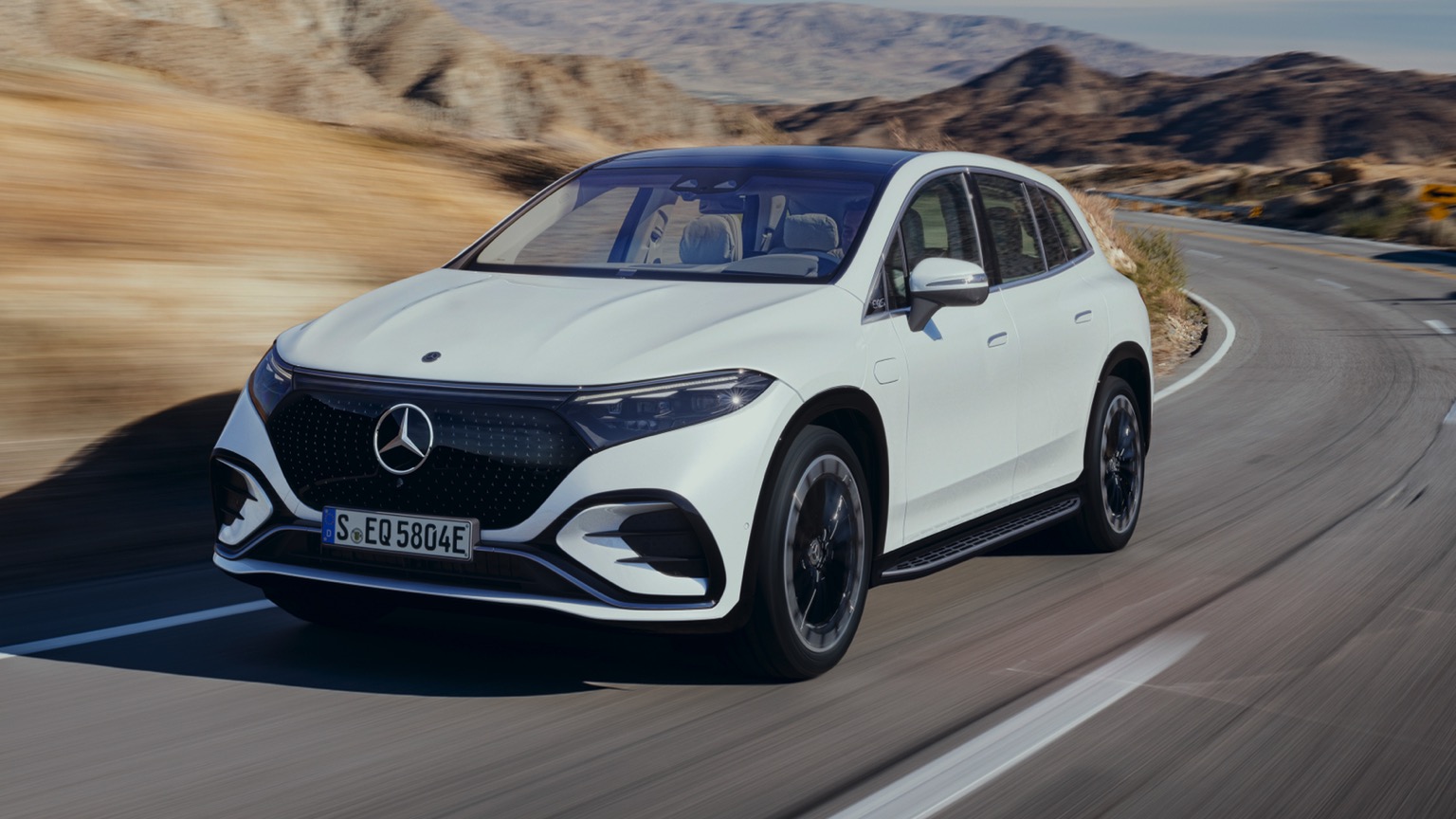
3. Mercedes-Benz EQS
The Mercedes-Benz EQS introduces another major factor into crash economics: electric vehicle technology. A collision that reaches the battery enclosure or nearby structural areas can create a very different repair calculation from a conventional fender-bender.
Battery inspection, high-voltage safety procedures, specialized components, and manufacturer repair requirements can increase the cost substantially.
The battery itself is not automatically considered damaged whenever an electric vehicle experiences a crash. A proper assessment is required.
Yet if the collision damages the battery housing, high-voltage components, or surrounding structure, the financial implications can be significant. A repair that would be manageable on a conventional sedan can become much more expensive on a premium electric vehicle.
Imagine an EQS worth $72,000 before an accident. At a 75% threshold, the hypothetical cutoff would be $54,000. A visible collision may generate a $35,000 estimate.
After inspection, the shop could identify additional structural, electrical, suspension, cooling, and sensor-related damage, taking the estimate to $55,000.
That extra $20,000 demonstrates how hidden damage can matter more than the first estimate. Insurance adjusters may begin with preliminary figures based on visible damage. Once technicians disassemble the vehicle, they can identify problems that were impossible to confirm from exterior inspection alone.
The EQS also demonstrates why electric vehicles require careful post-crash evaluation. A car may look repairable while still requiring specialized diagnostic work before it can safely return to the road. When those expenses approach the vehicle’s actual cash value, a total loss settlement can become financially preferable to an extensive repair.
4. BMW i7
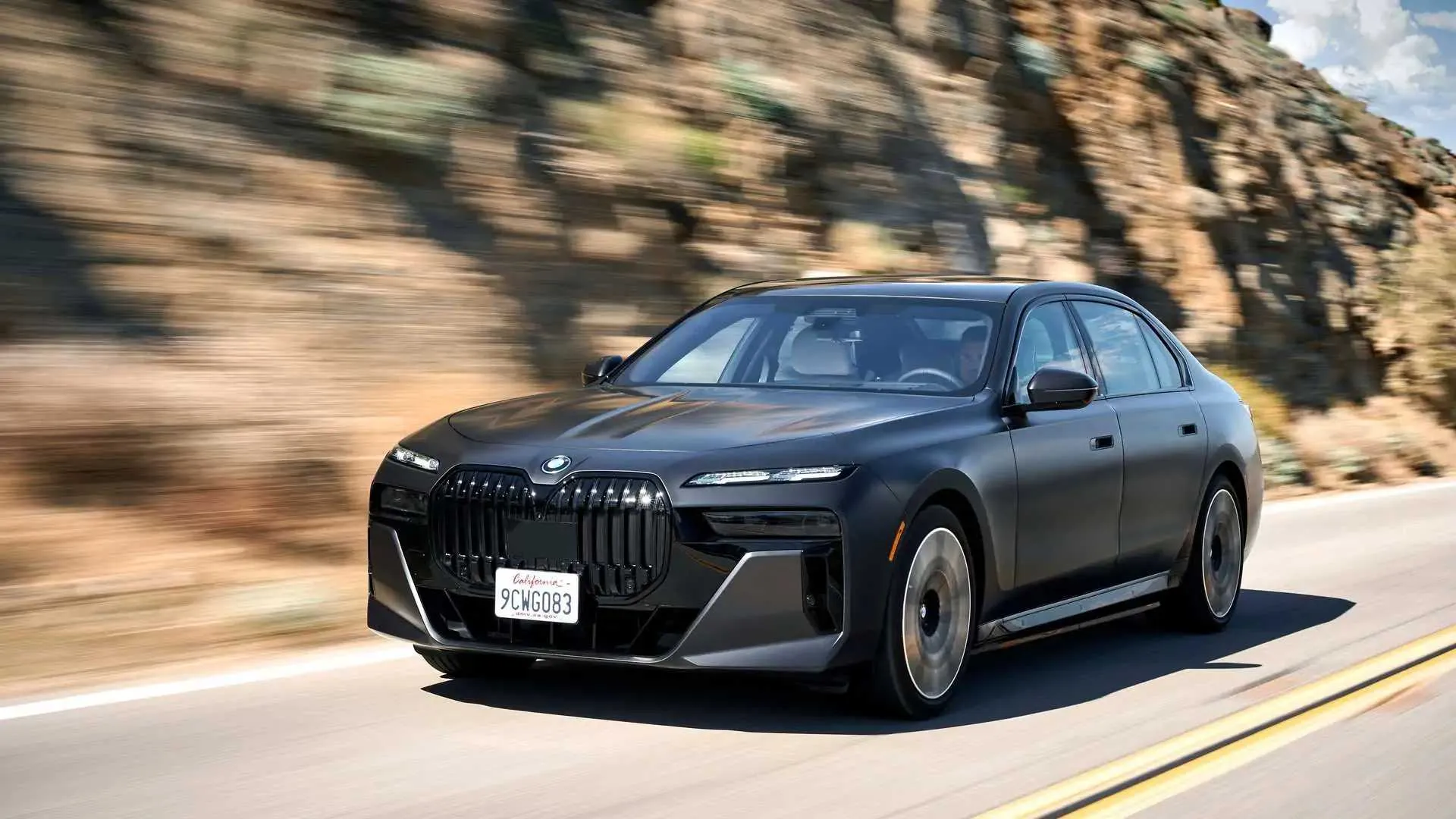
The BMW i7 combines the expensive features associated with the 7 Series with the additional complexity of a battery-electric powertrain.
Its repair economics can therefore change quickly after a major collision. High-end lighting, cameras, sensors, electronic modules, suspension components, body panels, and EV-specific systems all contribute to the potential bill.
A collision that damages the front corner could involve several separate systems. The bumper, headlight, fender, wheel, suspension, sensors, and wiring may all require attention.
If the crash also affects structural mounting points, the shop must perform additional work before the vehicle can be returned to its intended condition.
Consider a hypothetical i7 with a pre-crash value of $80,000. A 75% threshold produces a $60,000 total loss point. A repair estimate of $48,000 looks possible under that calculation. If additional damage adds $14,000, the estimate becomes $62,000 and crosses the threshold.
This is why a vehicle’s high purchase price does not automatically protect it from being totaled. A newer luxury vehicle has a higher value, but its replacement components can also be unusually expensive. Insurance companies compare the repair economics with the vehicle’s current value rather than its original sticker price.
The i7 is also a useful example of how technology affects modern collision claims. Calibration, software procedures, high-voltage safety checks, and specialized parts can add costs that drivers may not notice when looking at photographs of the damage.
The final repair estimate can therefore be dramatically higher than the first visual impression suggests.
5. Porsche Taycan
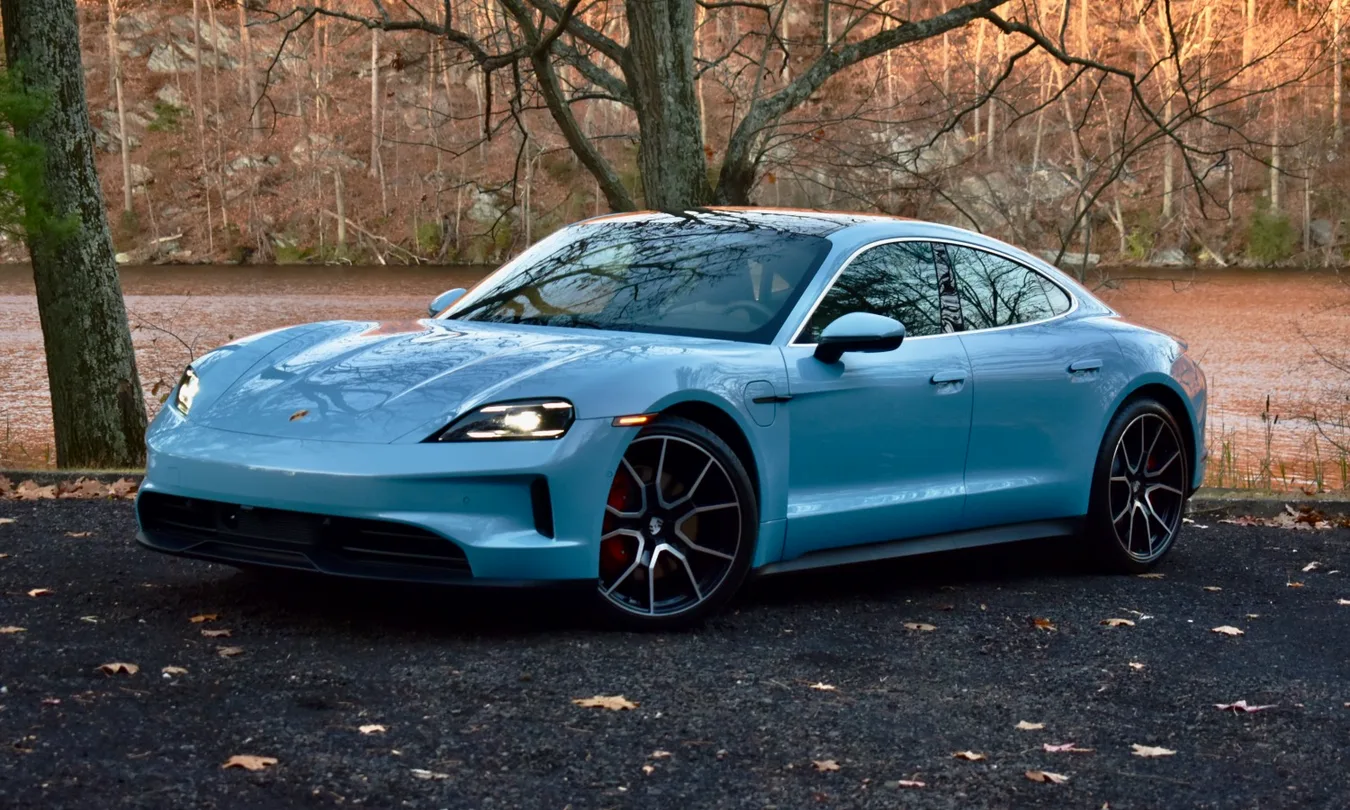
The Porsche Taycan can face high post-crash repair bills because it is a high-performance electric vehicle with expensive components and specialized engineering.
Bodywork is only part of the calculation. Suspension components, cooling systems, high-voltage equipment, battery-related components, sensors, lighting, wheels, and electronic systems can all contribute to a large claim.
Performance vehicles also require careful attention to suspension and chassis geometry. A collision involving a wheel or corner of the car may damage components that are not immediately visible. Returning the vehicle to its intended handling characteristics can require replacement parts, precise measurements, alignment work, and additional inspections.
For example, suppose a Taycan has an actual cash value of $75,000. Using a hypothetical 75% threshold produces a $56,250 repair limit.
An initial estimate of $42,000 might appear comfortably below that figure. Hidden suspension and electrical damage adding $16,000 would push the estimate to $58,000.
At that point, the financial calculation changes. The insurer may compare the projected repair cost with the vehicle’s pre-crash value and determine that paying the vehicle’s value is more sensible than funding an extensive repair.
The exact decision depends on applicable law, policy terms, and the insurer’s total loss method.
The Taycan shows how performance engineering can make collision repairs expensive even when the damaged area is relatively small. Specialized components can cost considerably more than conventional parts, and the repair process may require technicians with appropriate training and equipment.
6. Audi e-tron GT
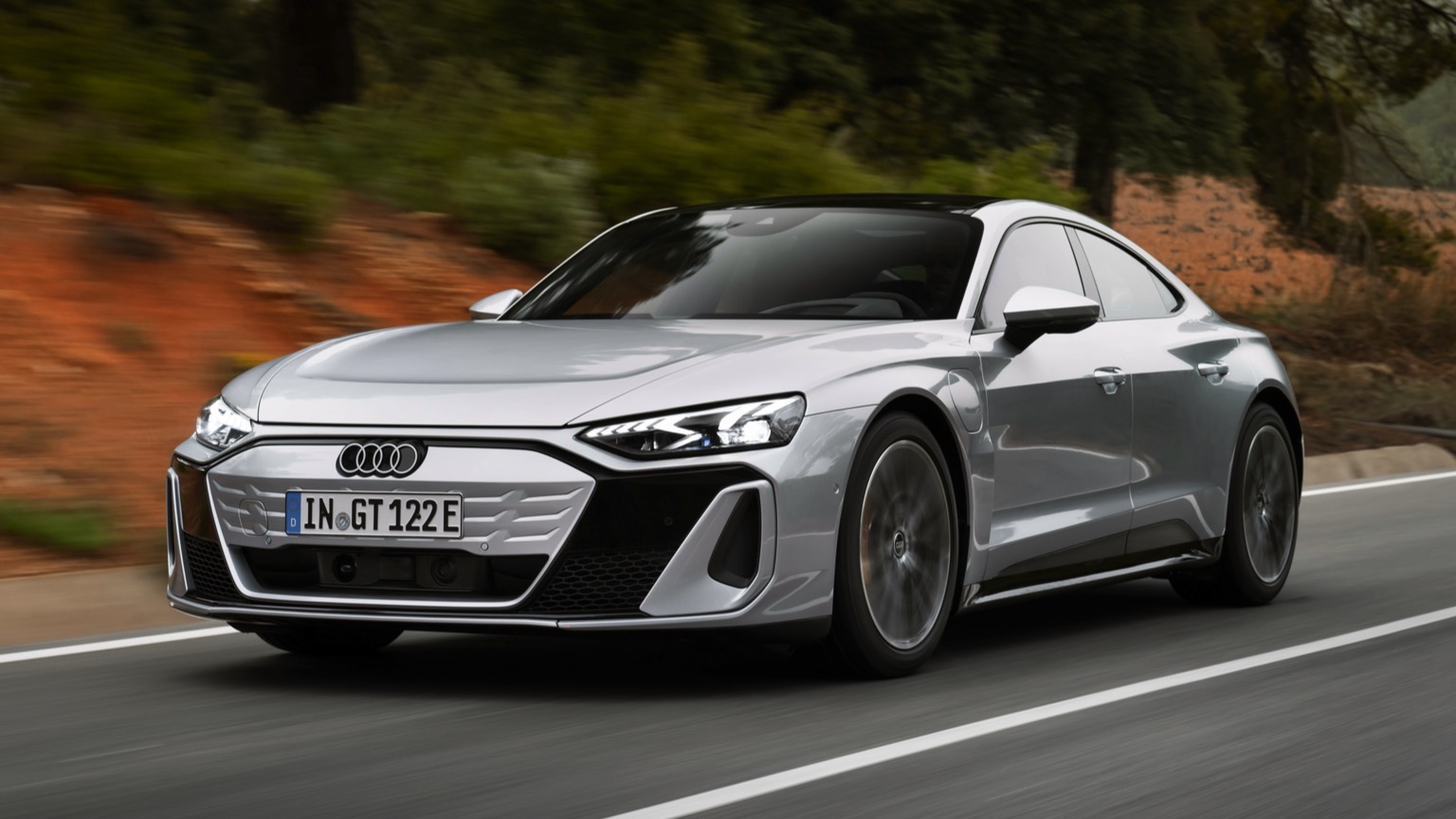
The Audi e-tron GT can also encounter steep repair costs after a significant collision. Its electric powertrain, sophisticated electronics, premium body components, advanced safety equipment, and performance-oriented chassis make repair work more complicated than a basic body repair on an older sedan.
Front-end accidents can create several layers of expense. The visible bumper and body panels may be relatively straightforward, but sensors, cooling systems, wiring, headlights, suspension components, and electronic modules can increase the total.
A repair facility may also need to complete calibration and diagnostic procedures after replacing safety-related equipment.
Suppose the vehicle’s pre-crash value is $60,000. Under a hypothetical 75% threshold, repairs reaching $45,000 would cross the line. An initial estimate of $34,000 may leave room for repair, but hidden damage worth $12,000 would take the total to $46,000.
This example illustrates the importance of the actual cash value figure. Two identical cars can receive different total loss outcomes if their mileage, condition, equipment, accident history, and local market values differ. A car worth $70,000 has a much higher repair threshold than a similar car valued at $50,000.
The e-tron GT also highlights the financial importance of specialized repair procedures. Modern collision work involves more than replacing metal.
Technicians may need to verify electronic systems, complete sensor calibration, inspect high-voltage components, and confirm that safety systems operate correctly.
7. Tesla Model S
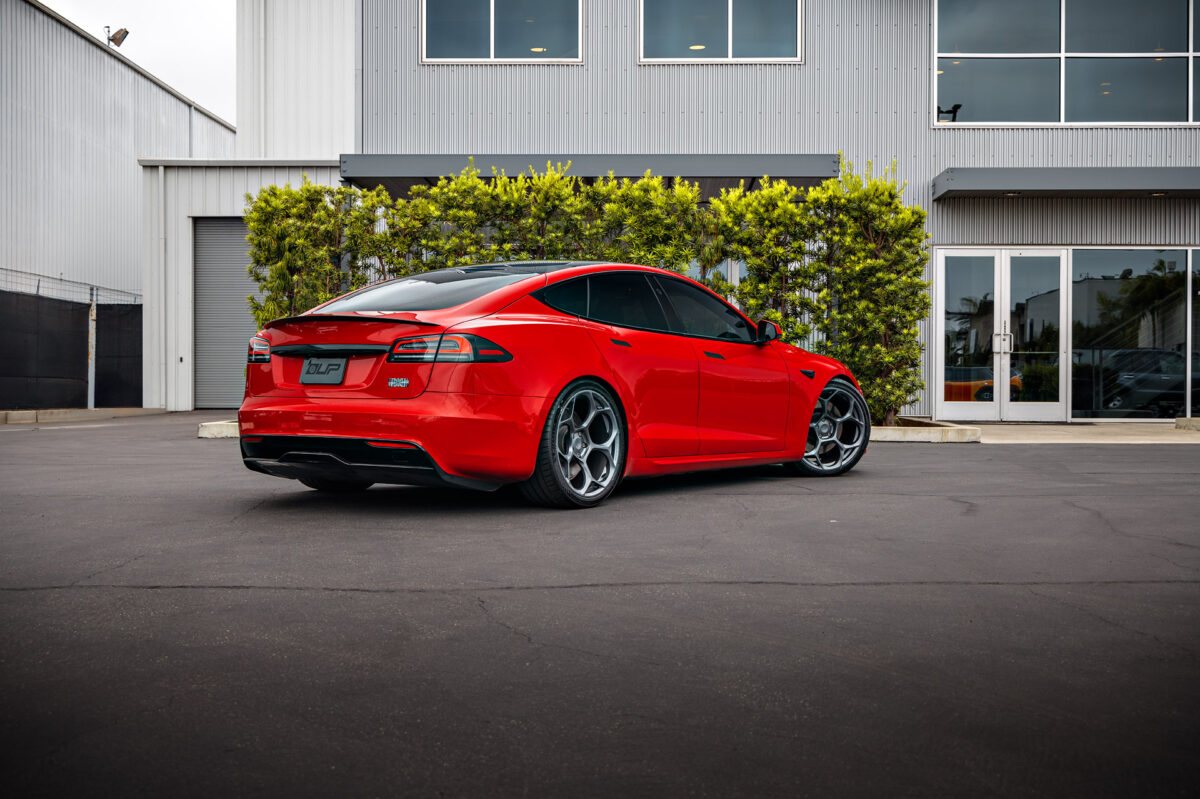
The Tesla Model S can become a borderline total loss after a serious collision because repair expenses can include specialized body components, electrical systems, suspension parts, sensors, glass, and battery-related inspections. Repair availability and parts logistics can also affect how quickly a damaged vehicle returns to service.
Electric vehicles require additional attention after certain types of crashes because high-voltage systems need appropriate safety procedures. A damaged vehicle may require specialized inspection before technicians can proceed with repairs. That process can increase labor requirements and affect the economics of the claim.
Consider a Model S with a pre-crash actual cash value of $50,000. Under a hypothetical 75% threshold, the repair limit would be $37,500. An estimate of $30,000 may appear repairable. If further inspection adds $9,000 for structural, suspension, electrical, and sensor-related work, the estimate becomes $39,000.
The difference between $37,500 and $39,000 is small in absolute terms, yet it can be significant for a total loss decision. A relatively modest revision can move a claim from repair territory to replacement territory when the estimate is already close to the threshold.
The Model S demonstrates why owners should ask for a detailed repair estimate rather than relying on a quick visual assessment. Hidden damage, calibration requirements, replacement parts, labor rates, and battery-system inspections can all influence the final number used in the insurance calculation.
8. Range Rover
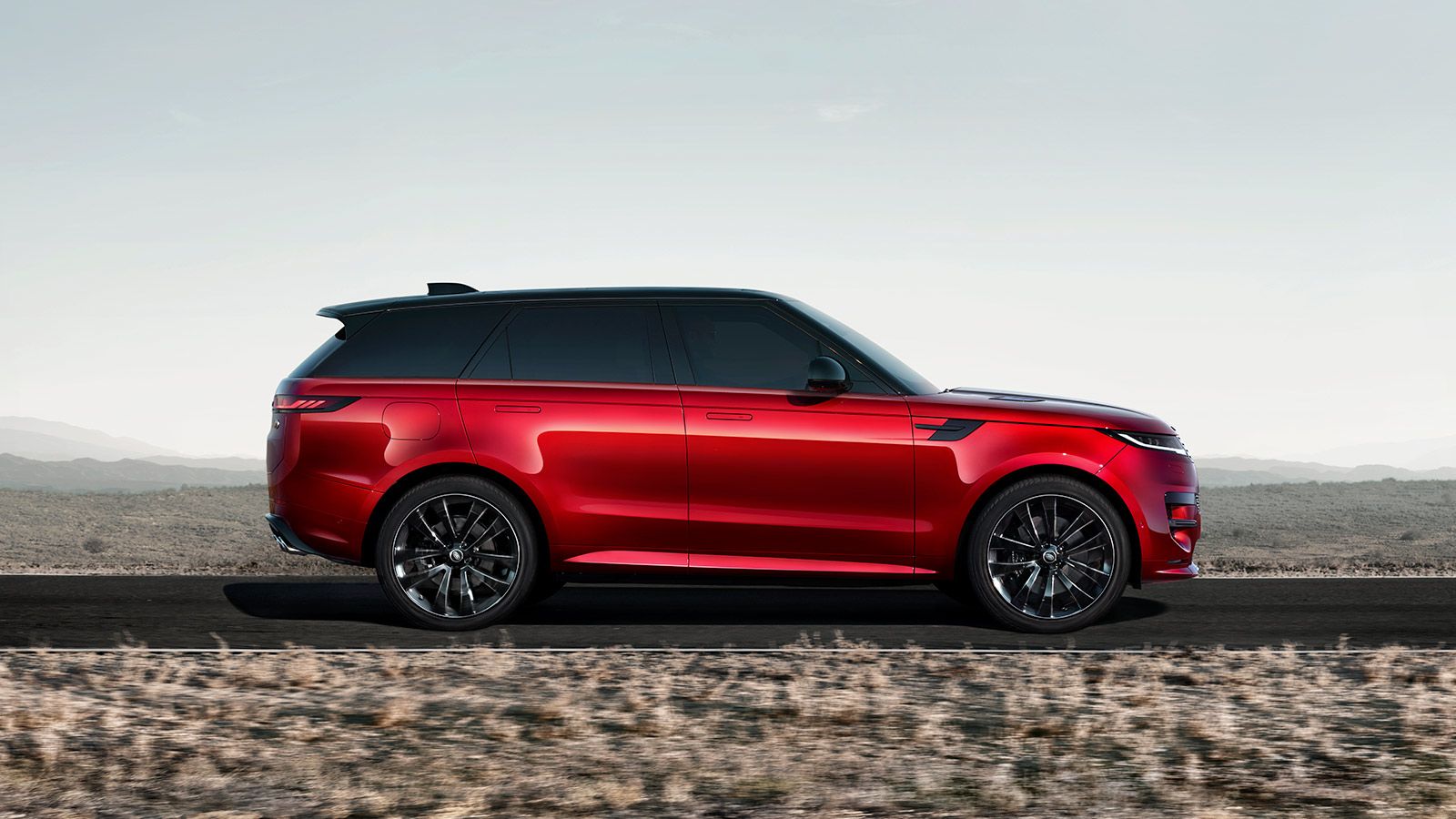
Range Rover models can be expensive to repair after crashes because they combine premium components with sophisticated suspension, electronic systems, sensors, cameras, lighting, and substantial body structures. Their size and equipment can also mean that a collision involves more components than the visible damage suggests.
Air suspension components, driver-assistance equipment, cameras, radar systems, and expensive body panels can all contribute to the final repair bill. A collision affecting a wheel or corner can require inspection of suspension and steering components, while damage to the front end can involve cooling and electronic equipment.
Take a hypothetical Range Rover with an actual cash value of $55,000. At a 75% threshold, the mathematical cutoff would be $41,250. An initial estimate of $32,000 would not reach the threshold. If hidden damage adds $11,000, the projected total becomes $43,000.
This is the type of situation in which a vehicle can become financially impractical to repair without being mechanically beyond repair. The insurer is evaluating economic feasibility. If the projected repair cost approaches the vehicle’s value, purchasing a replacement may reduce financial exposure.
Range Rover repairs can also involve expensive diagnostic and calibration work. The vehicle may need several electronic systems checked after a collision. When multiple systems are affected at the same time, individual costs accumulate rapidly, turning what initially looks like a body repair into a major insurance claim.
9. Genesis G90
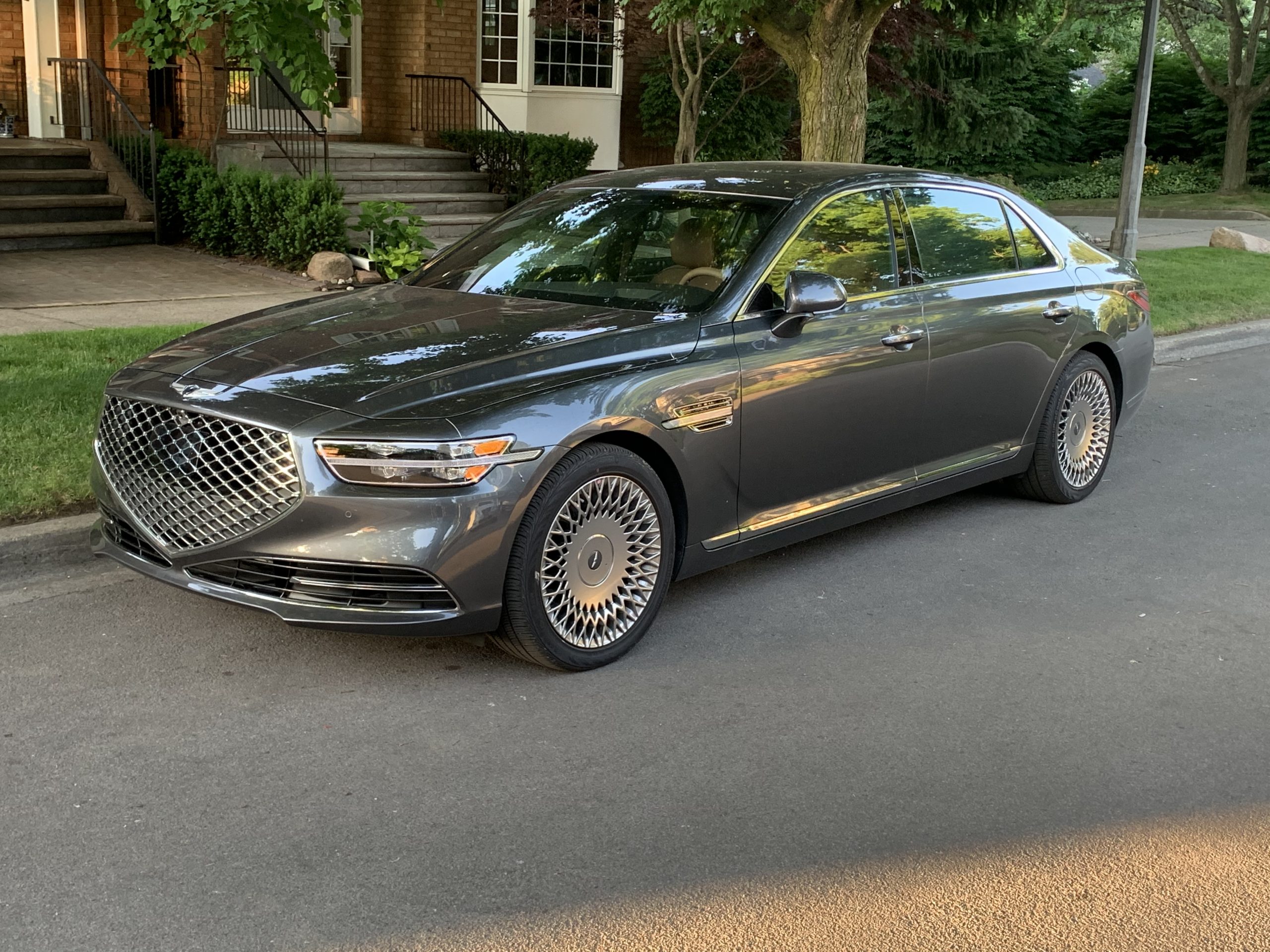
The Genesis G90 provides a useful example of how a premium sedan can cross the total loss line through a combination of moderate structural damage and expensive technology.
Its equipment can include advanced lighting, driver-assistance systems, cameras, sensors, premium interior components, and complex electronic controls.
A crash affecting the front or rear can require replacement of several components beyond the damaged exterior panels.
Sensors may need calibration after replacement. Lighting assemblies can be expensive, while structural repairs require specialized labor and measurement equipment.
Assume a G90 has an actual cash value of $45,000. Under a hypothetical 75% threshold, the total loss point is $33,750. A preliminary repair estimate of $25,000 would remain below that amount. If teardown identifies $10,000 of additional damage, the final estimate reaches $35,000.
That $35,000 estimate exceeds the hypothetical $33,750 threshold. The difference is only $1,250, but it can change the outcome. This is why total loss decisions should not be based solely on the first repair estimate or the appearance of the damaged vehicle.
The G90 also demonstrates the importance of depreciation. A luxury car can lose substantial value as it ages, while replacement parts and labor may remain expensive. As the vehicle’s value falls, the gap between its market value and potential repair bill becomes smaller.
10. Lucid Air
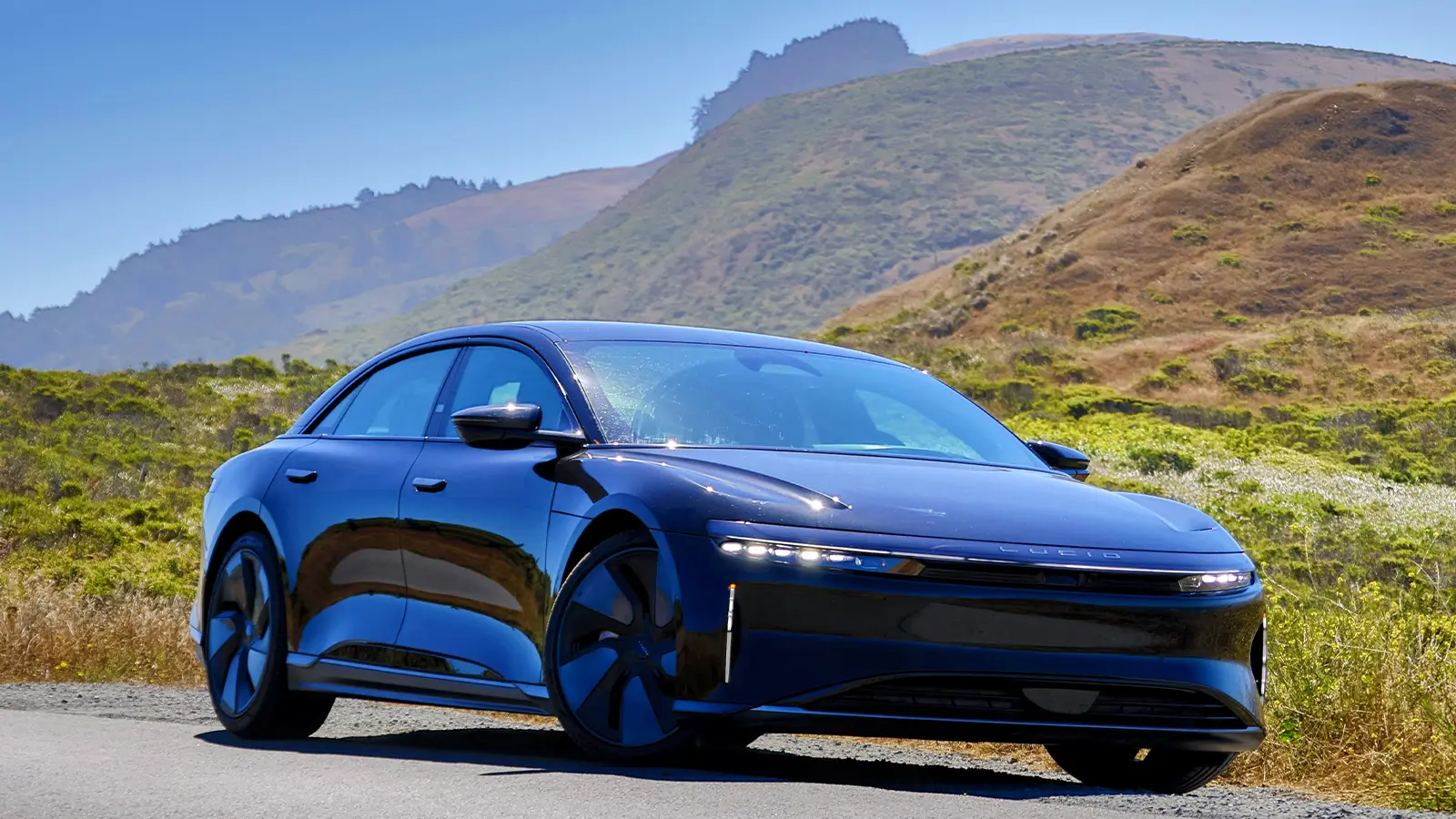
The Lucid Air can face significant collision repair costs because it is a premium electric sedan with advanced electrical architecture, high-voltage components, sophisticated sensors, expensive lighting, and specialized body and chassis technology.
Damage around the battery, suspension, or structural areas can have a major effect on the repair calculation.
An electric luxury sedan does not need catastrophic damage to become economically difficult to repair.
A serious corner impact can affect the wheel, suspension, body structure, wiring, cooling equipment, sensors, and other components. Once several systems require replacement, the repair estimate can climb quickly.
For a hypothetical Lucid Air valued at $65,000, a 75% threshold would produce a $48,750 limit. An initial estimate of $37,000 might suggest that the car can be repaired. If teardown adds $13,000 in hidden structural, electrical, suspension, and safety-system damage, the estimate reaches $50,000.
The vehicle would then exceed the hypothetical threshold by $1,250. In a jurisdiction or policy using a 75% threshold, that could push the claim toward total loss treatment. Other jurisdictions use different rules, including formulas that account for salvage value, so the same damage can produce a different result elsewhere.
The Lucid Air reinforces a central point about modern vehicle repair economics. Technology can improve safety, comfort, efficiency, and performance, but those same systems can increase collision repair complexity.
When the repair bill approaches the vehicle’s current market value, replacement can become financially rational.