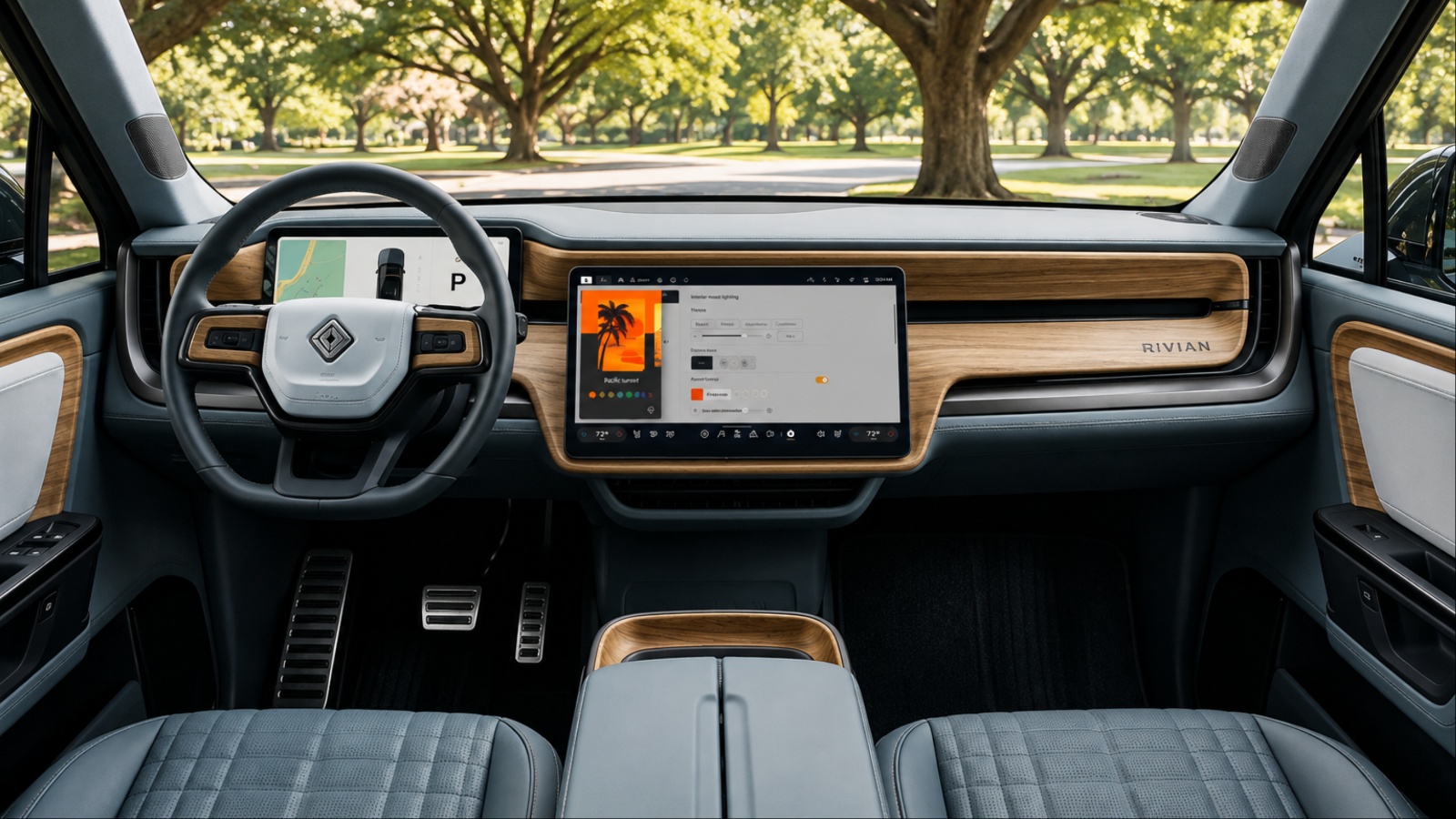
Modern cars are becoming increasingly capable of detecting hazards, correcting driver mistakes, and even intervening when a collision appears imminent. Yet a new UK study suggests that a meaningful share of motorists are choosing not to use some of the safety technology they have already paid for.
The research, commissioned by British dealership group Dick Lovett and conducted by Censuswide, surveyed 1,350 UK motorists during summer 2026.
It found that advanced driver-assistance systems are among the least-used technologies in modern vehicles, with some drivers deliberately switching them off and others admitting they do not know how to operate them.
The headline finding is particularly striking for automatic emergency braking. Among respondents whose vehicles were equipped with the system, 21.3% said they disable it. That means more than one in five users are turning off a feature specifically designed to intervene when the vehicle detects an imminent collision.
Adaptive cruise control was also frequently ignored, with 25.9% of equipped owners saying they never use it, while another 7% said they would not know how to operate it.
Lane-keeping assistance was similarly unpopular. Nearly 18% of drivers with the technology said they avoid using it. The results raise a difficult question for automakers: if safety systems are technically capable of preventing crashes but drivers find them irritating, confusing, or intrusive, how much safety benefit are those systems actually delivering?
Why Drivers Are Turning Safety Systems Off
The study does not suggest that motorists are simply opposed to safety technology. In fact, several simpler systems remain highly popular. Bluetooth connectivity was the most valued technology in the survey, with 58.3% of respondents saying they regularly use it.
Reversing cameras followed at 45.7%, while built-in navigation was used regularly by 44.5% and heated windshields by 41%.
The contrast is revealing. Drivers appear much more comfortable with systems that provide information or convenience without actively changing how the car behaves. A reversing camera shows the driver what is behind the vehicle, for example, while Bluetooth simply connects a phone.
By comparison, automatic emergency braking can suddenly apply the brakes, lane-keeping assistance can alter steering, and adaptive cruise control can change the vehicle’s speed.
That difference in control may help explain why advanced assistance systems generate more resistance.
A driver who believes a lane-keeping system is correcting the steering unnecessarily may perceive the technology as an interference rather than a safety net. Similarly, automatic emergency braking can produce sudden interventions that feel alarming when the driver believes there was no genuine danger.
The UK’s Department for Transport has recognized this problem. In its July 2026 response on mandatory vehicle safety technologies, the government noted that consultation respondents had raised concerns about false activations and intrusive warnings.
Some respondents specifically warned that these issues could undermine driver confidence and encourage motorists to switch systems off, particularly intelligent speed assistance.
The government also highlighted another concern: drivers may misunderstand how safety systems operate. Poor understanding can lead to technology being switched off, misused, or relied upon too heavily.
That creates a complicated situation for manufacturers. A system can be engineered to an impressive technical standard, but its real-world effectiveness depends partly on whether the person behind the wheel trusts it and understands what it is doing.
Previous research has shown that this is not a new problem. A Brake and AXA UK survey found that 41% of drivers had switched off at least one safety feature, including lane-keeping assistance, reversing detection, and advanced emergency braking.
The more recent Dick Lovett study therefore appears to reinforce a broader trend rather than reveal an isolated issue.
More Safety Technology Does Not Automatically Mean Safer Drivers
The findings arrive as governments and automakers continue pushing more advanced safety technology into new vehicles.
In Great Britain, the government confirmed in July that it would proceed with a package of 18 vehicle safety technologies for new vehicle type approval.
The measures include systems such as intelligent speed assistance, reversing motion awareness, blind-spot information, and tire-pressure monitoring. The government says the technologies are intended to reduce collisions, lessen their severity, and improve protection for vulnerable road users.
This creates an important distinction between having safety technology and using it. A vehicle may leave a factory equipped with automatic emergency braking, lane assistance, and adaptive cruise control, but the safety benefit is reduced if the driver routinely disables those functions.
That is particularly relevant as manufacturers increasingly make these systems standard equipment rather than optional extras.
There is also a question of whether automakers are introducing too many features without adequately teaching customers how to use them.
The Dick Lovett survey found that 7% of owners with adaptive cruise control said they did not know how to operate it. A similar 7% of those with augmented-reality head-up displays said they did not know how to use that technology.
That may sound like a small percentage, but it represents a meaningful failure when considering how many vehicles now carry increasingly complicated electronic systems.
The problem becomes even more apparent when manufacturers introduce different operating philosophies.
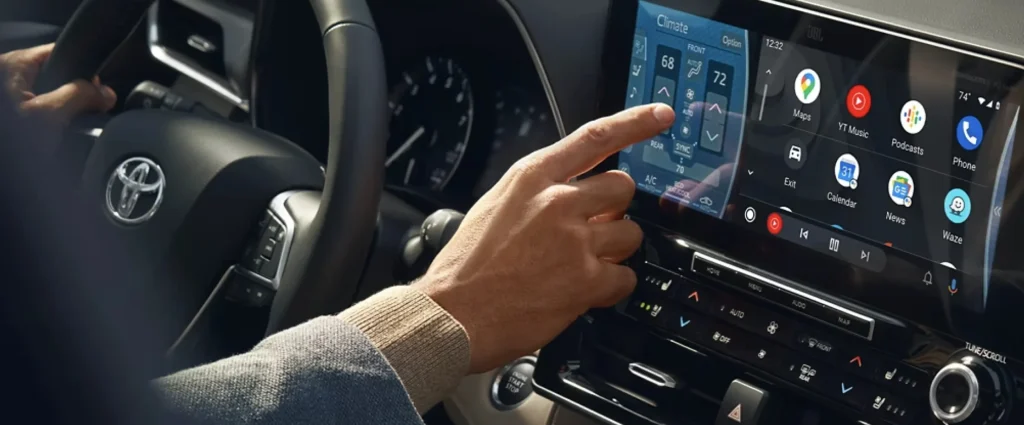
One automaker may allow a driver to adjust a system using a physical button, while another may bury the setting several menus deep inside a touchscreen. Some systems reset every time the vehicle is restarted, while others retain the driver’s preference.
The result can be frustration. A separate 2026 Swedish driving test reported by Carscoops found that drivers in several modern vehicles took longer to complete basic infotainment tasks than they did during a comparable 2022 test.
The research suggested that interface design mattered more than whether controls were physical buttons or touchscreens.
That finding has relevance to safety systems as well. Technology does not become user-friendly simply because it is advanced.
Manufacturers need to make the purpose of each system obvious, explain when it will intervene, and provide straightforward ways to adjust settings without forcing drivers to search through complicated menus.
There is also a responsibility on owners. Safety technology should not be treated as a substitute for attentive driving, but understanding how the systems work can help drivers use them more effectively. A driver who knows the limitations of lane-keeping assistance, for example, is less likely to interpret an unexpected intervention as a malfunction.
The study also found significant differences in how people use vehicle technology based on age. Bluetooth usage was reported by 68.5% of drivers aged 25 to 34 and 68.8% of those aged 35 to 44, compared with 49.7% among drivers aged 55 and older. Wireless charging showed a similar age divide, while remote-start usage fell sharply among older motorists.
That suggests automakers cannot assume that every customer approaches new technology in the same way.
The bigger lesson is that the automotive industry’s safety revolution cannot be measured only by how many sensors, cameras, and electronic controls are installed in a vehicle. The technology has to work in a way that drivers understand and accept.
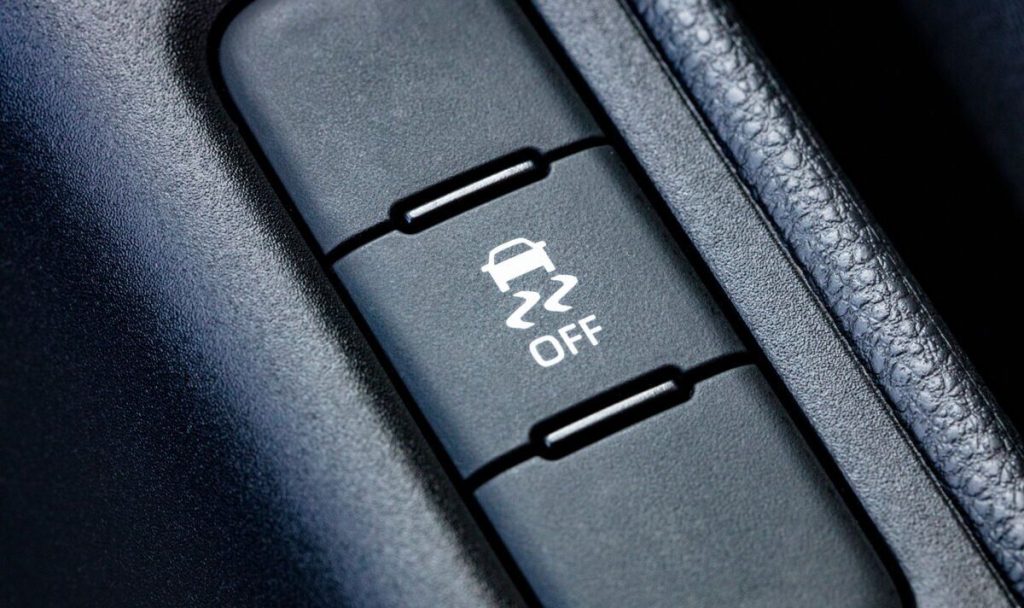
Automatic emergency braking, lane-keeping assistance, and adaptive cruise control can provide valuable additional protection, but their effectiveness ultimately depends on remaining active and being used correctly. If drivers perceive them as irritating, unpredictable, or difficult to control, some will simply switch them off.
That makes usability a safety issue in its own right. The latest research does not prove that modern driver-assistance systems are inherently too intrusive, nor does it mean motorists should disable them. Instead, it highlights a growing gap between what today’s vehicles can do and what drivers are willing or able to use.
As regulators continue mandating more safety technology, manufacturers will need to pay just as much attention to the human experience as they do to sensors and software. The safest system is not necessarily the one with the most sophisticated hardware. It is the one a driver understands, trusts, and keeps switched on when it matters.