
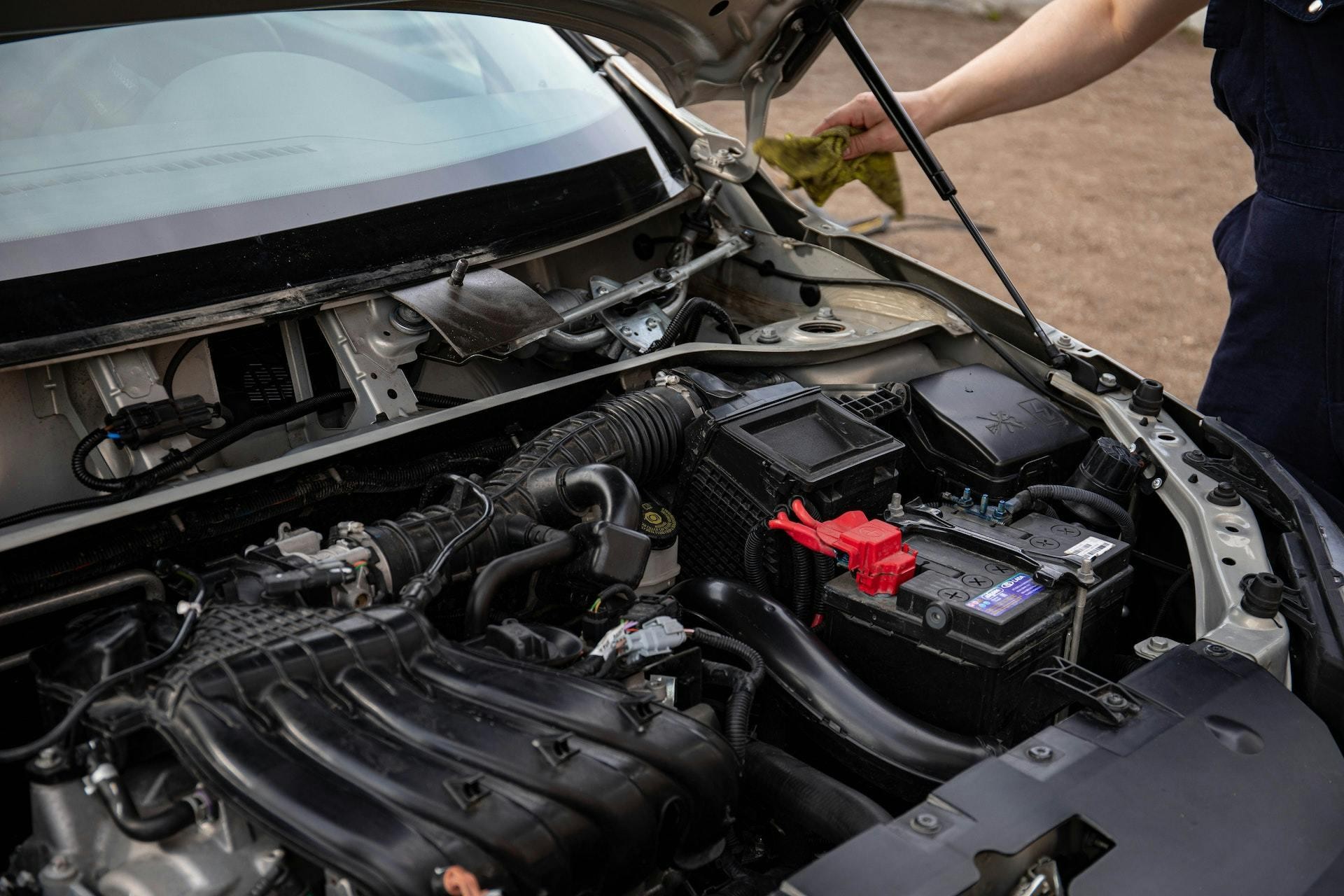
Every car pulls a small amount of power even when it’s off. Computers need to stay warm for clocks, alarms, and memory. Normal draw sits between 25 and 50 milliamps on most modern vehicles. Anything higher starts eating into the battery’s reserve overnight.
Some vehicles cross that line by a wide margin. A single stuck module can pull several amps instead of milliamps. That’s the difference between a battery that lasts weeks and one that’s dead by morning. Owners often replace batteries two or three times before finding the real cause.
The list below covers ten vehicles with documented parasitic draw problems. Each one comes from technician case studies, factory service bulletins, or federal safety records. The causes range from failing power modules to always-on cellular hardware. Some are cheap fixes. Others require dealer-level programming and real money.
Knowing which systems tend to fail helps buyers ask better questions. It also helps current owners recognize a real fault instead of blaming the battery. Here’s a closer look at ten cars known for draining power while parked.
1. Jeep Grand Cherokee (WK2, 2011-2022)
The Grand Cherokee’s electrical problems center on one component. It’s called the Totally Integrated Power Module, or TIPM. This unit combines the fuse box and body computer into a single circuit board.
Technicians have documented TIPM-related drains in the 180 to 300 milliamp range on affected units. Some owners have measured draws far higher, in the multiple-amp range, when a relay sticks closed. A factory-normal resting draw for these SUVs is closer to 25 to 70 milliamps.
The 2023 model year saw its own version of the problem. Owners reported batteries dead within days of delivery, some still on dealer lots. Technicians traced typical resting draw on healthy units to roughly 60 to 70 milliamps in cold-sleep mode.

Newer 4xe plug-in hybrid Grand Cherokees have added a second failure point. The 12-volt auxiliary battery can discharge completely within 48 hours of parking. Diagnostic logs on affected trucks showed a draw consistent with an amp or more, well above the sleep-mode spec.
The TIPM cannot have its internal relay replaced on its own. A failed unit usually means replacing the entire module and reprogramming it to the vehicle. That single part has been tied to years of complaints across multiple Jeep and Ram platforms.
2. Ram 1500 (2007-2012 and 2019-2025)
Ram trucks share the TIPM design with Jeep, and the symptoms overlap closely. Early trucks in the 2007 to 2012 range are the most affected generation. The internal fuel pump relay is soldered directly onto the TIPM’s circuit board.
When that relay sticks, it can keep the fuel pump running continuously with the key off. Owners have measured resting draws above 3 amps on affected trucks, dozens of times the normal spec. A factory service manual for these years generally lists 50 milliamps as the acceptable ceiling.
Newer trucks have a different but related issue. Infotainment software has been the target of at least two factory bulletins for battery drain. One addressed the Uconnect system staying fully active after the vehicle was shut off.
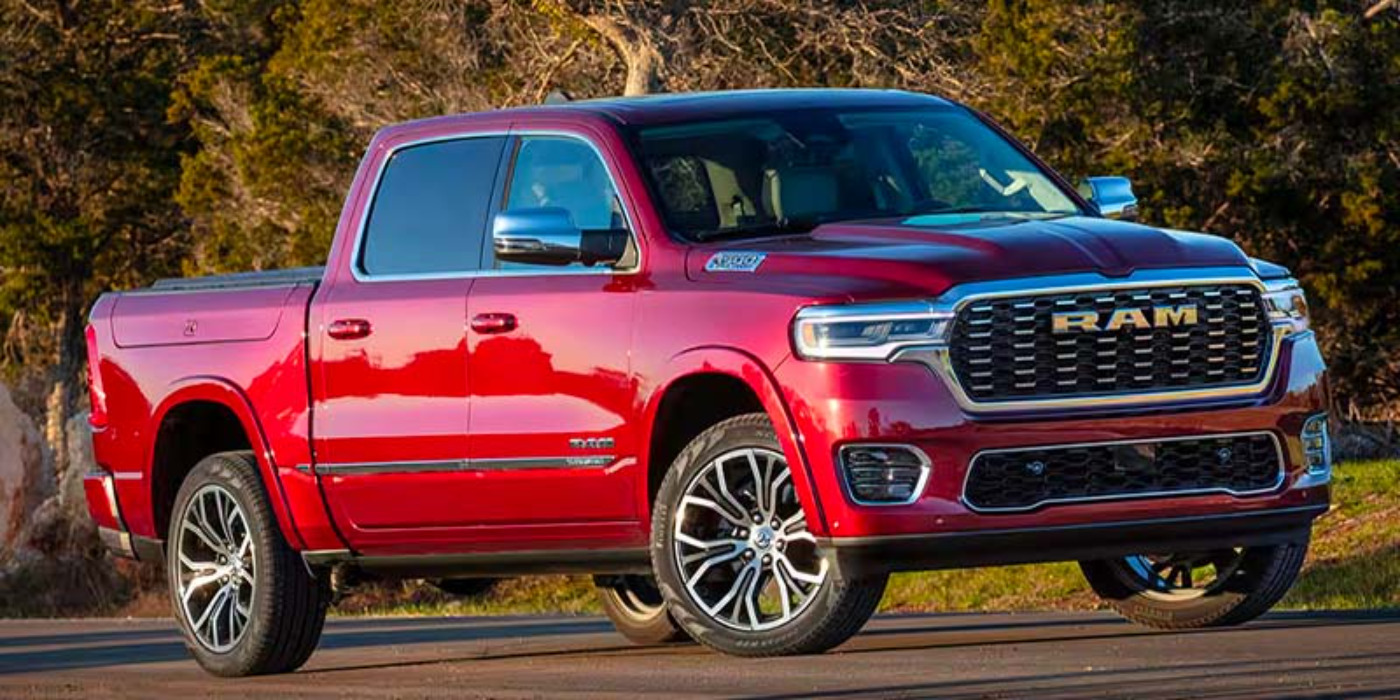
A separate bulletin covered the radio remaining powered despite the ignition being off. The newest Ram 1500 generation, built on the Hurricane engine platform, has its own drain complaint. Owners describe body and comfort modules failing to enter sleep mode, with dead batteries at under 4,000 miles.
The fix on that generation is a software reflash to the body control module. It forces the modules to actually power down instead of idling indefinitely. Across every generation, the common thread is a control module that won’t fully sleep.
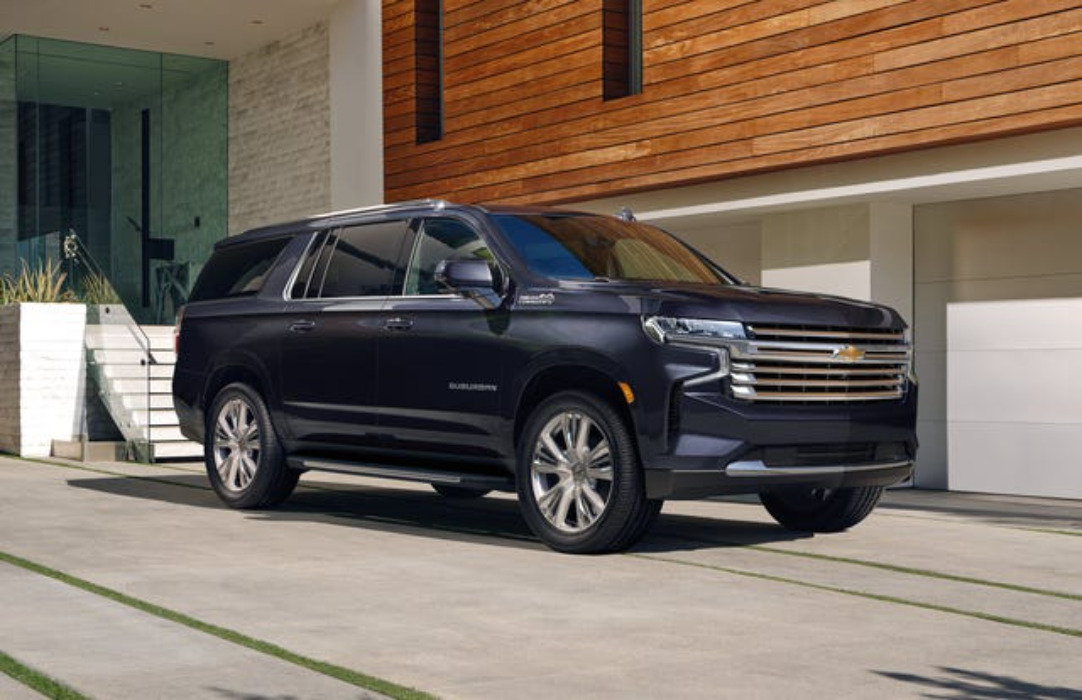
3. Chevrolet Tahoe and Suburban (2021-2023)
General Motors’ full-size SUVs developed a specific and well-documented drain in this generation. It also affected the Cadillac Escalade and GMC Yukon built on the same platform. The manufacturer traced it to a very particular cause.
A draw in the 200 to 300 milliamp range was linked to the third-row power-folding seat switch. If that switch connector came unplugged, the body control module never received the signal to power down. Instead, it sat in standby indefinitely, slowly pulling the battery down over a day or two.
A separate and more severe bulletin covered the hands-free power liftgate. A faulty liftgate module could send repeated false wake-up signals to the body computer. Technicians measured battery draws well over 10 amps when this fault was actively occurring.
That kind of draw doesn’t take days to kill a battery. It can happen in hours. GM’s fix targeted both the liftgate module and a body control module software update. A separate bulletin on the same platform covered rear HVAC actuators that never finished a calibration cycle.
Incomplete learning cycles caused the system to keep retrying after the truck was shut off. Each retry kept the vehicle partially awake, adding to the drain until the battery gave out. Three unrelated software and wiring issues, all converging on the same symptom, on the same trucks.
4. Tesla Model S, 3, X, and Y
Tesla vehicles don’t use a traditional 12-volt parasitic draw model in the same way gas cars do. Instead, the main battery pack itself loses charge while parked, a phenomenon owners call vampire drain. Baseline loss with most features disabled runs about 1 to 2 percent of range per day.
That baseline can climb sharply depending on what’s left running. Sentry Mode, which keeps cameras recording to guard against vandalism, is the single biggest contributor. Some owners have reported losing more than 7 kilowatt-hours in a single day with Sentry active.
Cabin Overheat Protection, scheduled climate preconditioning, and constant cellular connectivity all add to the total. One widely cited independent measurement found Model S losing about 4.5 kilowatt-hours per day even after a software update aimed at reducing it. That’s roughly equivalent to three 60-watt bulbs burning continuously, day and night.

A parked Tesla left for two or three weeks without charging can lose a meaningful chunk of range. Extended airport parking has caught more than a few owners off guard. Some have returned to single-digit battery percentages after leaving a car unplugged for over a week.
Tesla has steadily worked to reduce this over successive software updates. Recent changes cut Sentry Mode’s power draw by roughly 40 percent through more efficient video processing. Even so, it remains one of the most consistently reported ownership complaints across every Tesla model.
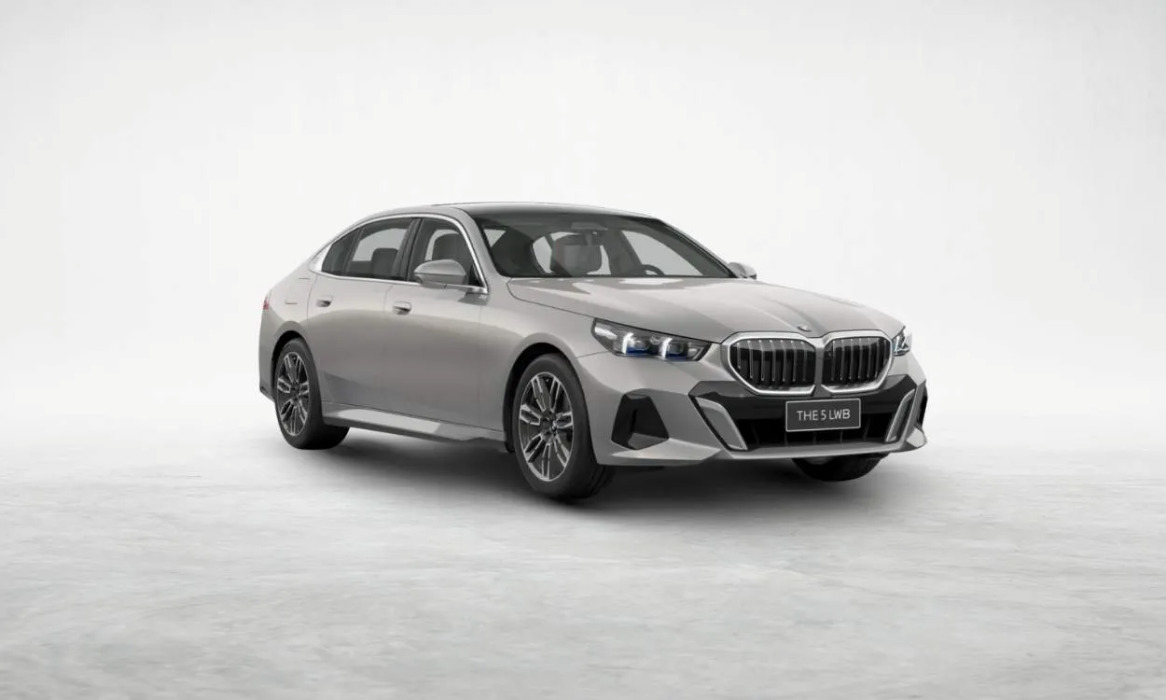
5. BMW 5, 6, and 7 Series with Comfort Access
BMW’s keyless Comfort Access system has a long history of draining batteries on its own. The system uses door handle sensors to detect an approaching key fob and unlock automatically. When one of those sensors fails, it can keep the car’s electronics awake indefinitely.
One documented case on a V8 sedan calculated a built-in draw of 2.4 amps with every module supposedly asleep. That’s nearly 50 times a healthy resting draw of around 50 milliamps. The eventual cause was chafed wiring at a rear door handle, feeding a constant false signal.
A missing rubber cap behind a door handle carrier has caused the same fault on other cars. Without it, the handle can contact its mounting bolt and create an unintended short. Technicians generally consider anything below 85 milliamps normal for these platforms once fully asleep.
Land Rover models built on a shared electrical architecture had an unrelated but similarly severe fault. A factory bulletin on 2015 to 2016 Range Rover, Range Rover Sport, Range Rover Evoque, and Discovery Sport models identified a Gateway Module that would not go to sleep. That fault caused a constant 3-amp current drain, enough to flatten a battery within days.
Both cases share a lesson worth remembering. Luxury vehicles pack more sleep-dependent modules than economy cars. Any one of them failing to power down can undo the rest of the system’s efficiency.
6. Mercedes-Benz E-Class, C-Class, and S-Class
Mercedes-Benz vehicles from the mid-2000s through the current generation rely on modules called SAMs. That stands for Signal Acquisition and Actuation Module, and most cars have at least two. A front SAM handles engine bay functions, while a rear SAM manages trunk and lighting circuits.
Technicians have documented drains as high as 2.2 amps at rest on affected E-Class sedans. On one job, that draw spiked to 4.5 amps for several minutes at 15-minute intervals. The eventual cause was a central locking pneumatic module that never fully powered down.
Factory guidance for these cars typically lists 40 to 60 milliamps as the acceptable ceiling. Some owners have measured draws in the 1.5 to 3.7 amp range before finding the fault. That’s dozens of times over spec, more than enough to kill a battery overnight.

Water intrusion is the leading cause of SAM failure across the lineup. Clogged cowl drains let water reach the front SAM in the engine bay. Leaking trunk seals and blocked sunroof drains do the same to the rear unit.
A 2022 recall on the C-Class specifically addressed water reaching the rear SAM through the trunk. Mercedes’ fix was a physical cover installed over the module to keep moisture out. Given how many functions run through these units, a wet SAM rarely causes just one symptom.
7. Ford Explorer (2011-2019)
Ford’s midsize SUV has generated a steady stream of parasitic draw complaints across nearly a decade of production. One documented case measured a draw over 5 amps traced to the transmission control module’s wiring harness. Disconnecting that harness dropped the load by 2 to 3 amps almost immediately.
A separate factory bulletin covered 2018 Explorer and Police Interceptor Utility models specifically. Certain instrument cluster software builds kept the cluster awake with the key off. Measured draw on affected units came out to approximately 250 milliamps, five times the healthy baseline.
The fix was a straightforward reprogram of the instrument cluster software. No parts needed replacing, which made it one of the cheaper fixes on this list. Other Explorer owners have traced draws to the body control module and its associated fuse circuits.

One case involving a 2.6-amp draw was linked to a voltage quality module feeding the body computer. Ford’s own service guidance generally targets a resting draw of 50 milliamps or less for these SUVs. Anything sustained above that figure points toward one of several known modules failing to sleep.
Explorer forums remain full of these threads even years after the affected models left production. The recurring pattern is a computer module, not a simple accessory like an interior light. That distinction matters, since module-level faults usually require dealer diagnostic tools to isolate correctly.
8. Hyundai and Kia Models with Bluelink or UVO Connect
Hyundai and Kia’s connected-car systems introduced a new kind of parasitic draw tied to cellular hardware. The telematics control unit contains a modem and GPS receiver that stay reachable even when the car is off. That constant readiness comes at a cost to the 12-volt battery.
Owners running frequent status checks through the smartphone app have reported the sharpest battery declines. Each remote check wakes the car’s modem from a low-power state to answer the request. Do that often enough in a single day, and the battery never gets a chance to recover.
One dealership investigation on an affected sedan measured a 3-amp draw immediately after shutdown. That figure dropped over time as modules settled, but it illustrates how much load the system pulls when active. Regions with weaker cellular coverage make the problem worse, since a struggling modem draws more power searching for a signal.

Some markets have since capped the number of daily app-based status requests as a workaround. Limiting connections to around 10 to 20 per day was implemented specifically to protect the 12-volt battery from repeated wake cycles. It’s a software patch for what is fundamentally a hardware power-budget problem.
Electric models aren’t exempt either. Several owners of newer EVs from both brands have reported finding a fully depleted 12-volt battery after just one overnight parking period. The high-voltage pack is supposed to recharge it automatically, but that backup system doesn’t always trigger in time.
9. Land Rover Range Rover Evoque and Discovery Sport (2015-2016)
This entry deserves its own space beyond the earlier Gateway Module mention, because the scale of the fault was unusual. The manufacturer’s own bulletin described a Gateway Module that stayed fully awake instead of powering down after the vehicle was parked. That kept the entire Controller Area Network bus alive alongside it.
The result was a constant, measured 3-amp current drain. For comparison, a healthy resting draw across most modern vehicles sits at roughly one-hundredth of that figure. At 3 amps, a typical automotive battery can be meaningfully depleted within just a few days of parking.
The affected range spanned specific production windows across four related models sold in North America. That included the Discovery Sport, the Range Rover Evoque, the Range Rover Sport, and the full-size Range Rover. All four shared the same underlying electrical architecture and the same faulty module behavior.

The scale of the recall-style bulletin reflected how widespread the issue was within those production windows. It wasn’t an isolated unit with a wiring fault. It was a module design flaw affecting entire build runs. Owners who bought these models used were often unaware a battery-drain bulletin applied to their exact vehicle.
Checking build dates against the affected range is one of the few ways to know in advance. Independent shops without factory diagnostic access have historically struggled to catch this fault before a battery died. It’s a good reminder to ask for electrical history on any used Land Rover from this window.
10. Audi A4 and S4 with Bose Sound Systems
Audi’s B6 and B7-generation A4 and S4 models introduced a factory-optional Bose premium sound system. That system includes a separate amplifier mounted away from the head unit. On a number of these cars, that amplifier never fully powers down with the ignition off.
Owners have measured a draw of roughly 1 amp attributable specifically to the amplifier staying live. An amp of continuous draw is enough to flatten a healthy battery within roughly two to three days. That’s a fast enough timeline that many owners assumed their battery itself was simply defective.
The typical fix isn’t a factory recall or software update. Independent shops and owners have wired an ignition-switched relay directly into the amplifier’s power feed. That forces the amp to cut off completely the moment the car is switched off, instead of idling in standby.
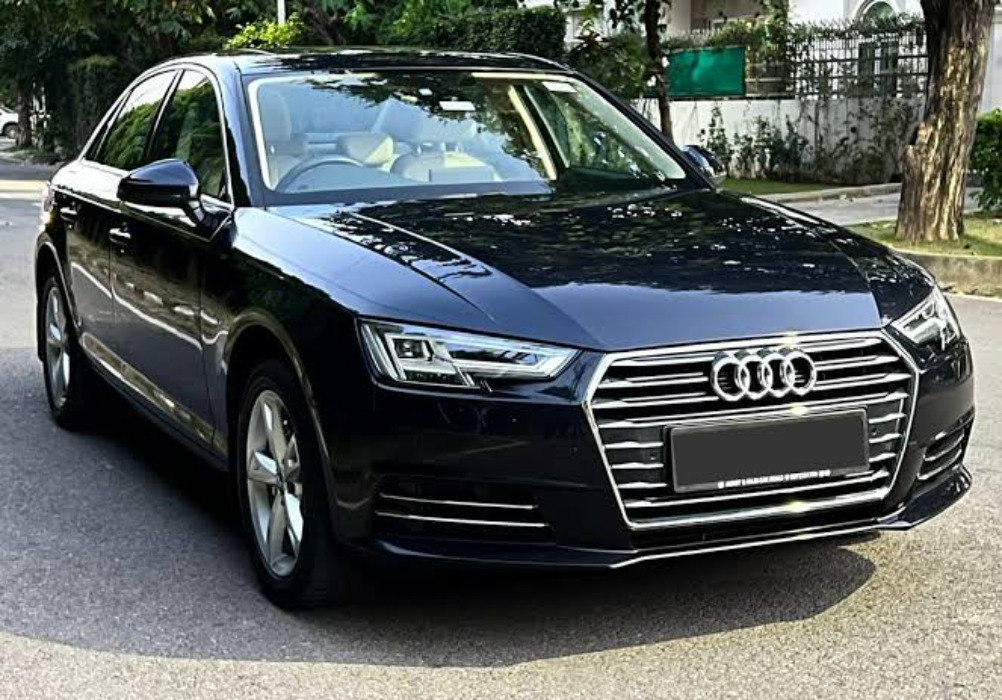
This is a useful case because it shows a different category of fault than the others on this list. It isn’t a body computer or a keyless entry module malfunctioning. It’s a factory-installed accessory that was simply never designed to fully disconnect from power.
Diagnosing it follows the same process regardless of the cause. A multimeter in series with the battery and a systematic pull of fuses one at a time isolates the circuit. On these Audis, that circuit almost always traces back to the same amplifier behind the trunk trim.
