
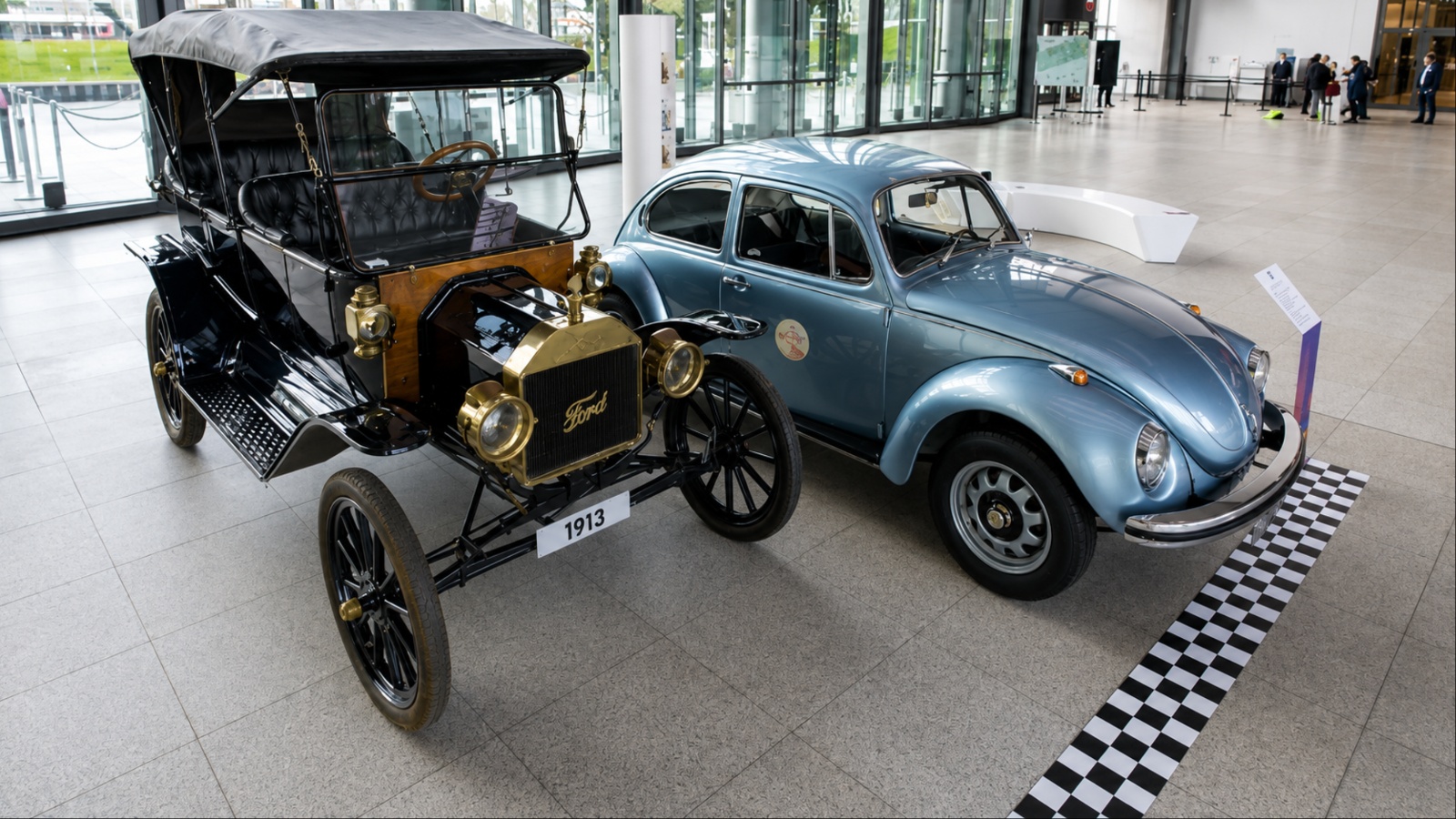
On February 17, 1972, a seemingly ordinary car left the production line in Wolfsburg, Germany, carrying a remarkable milestone number of 15,007,034. That vehicle made automotive history by breaking a production record that had stood for more than four decades. It officially surpassed the Ford Model T, which had been manufactured between 1908 and 1927.
The Volkswagen Beetle had officially become the best-selling car in automotive history. This wasn’t a marketing claim; it was a documented production milestone. This article examines the data behind that record. It traces both cars from their origins to the moment their numbers collided.
We’ll look at production timelines, unit counts, and the economic and cultural forces behind each car. We’ll also explore what happened after 1972, since the Beetle’s story didn’t end there.
Every claim here is grounded in historical record, not folklore. The goal is a factual account of how a “people’s car” quietly outproduced an American icon.
The Model T: Setting the Original Record
Henry Ford’s Model T first went into production at a Detroit plant in 1908. It was designed to be affordable and reliable for average families. The Model T is often credited with “putting the world on wheels.” It reshaped how ordinary Americans thought about transportation.
In 1913, Ford introduced the moving assembly line at its Highland Park, Michigan plant. This single innovation transformed manufacturing speed dramatically.
Before the assembly line, building a chassis took 12 hours and 8 minutes. Afterward, that time dropped to just 1 hour and 33 minutes. The efficiency gains were almost immediate and measurable. In 1914, Ford produced 308,162 vehicles, more than every other automaker combined.
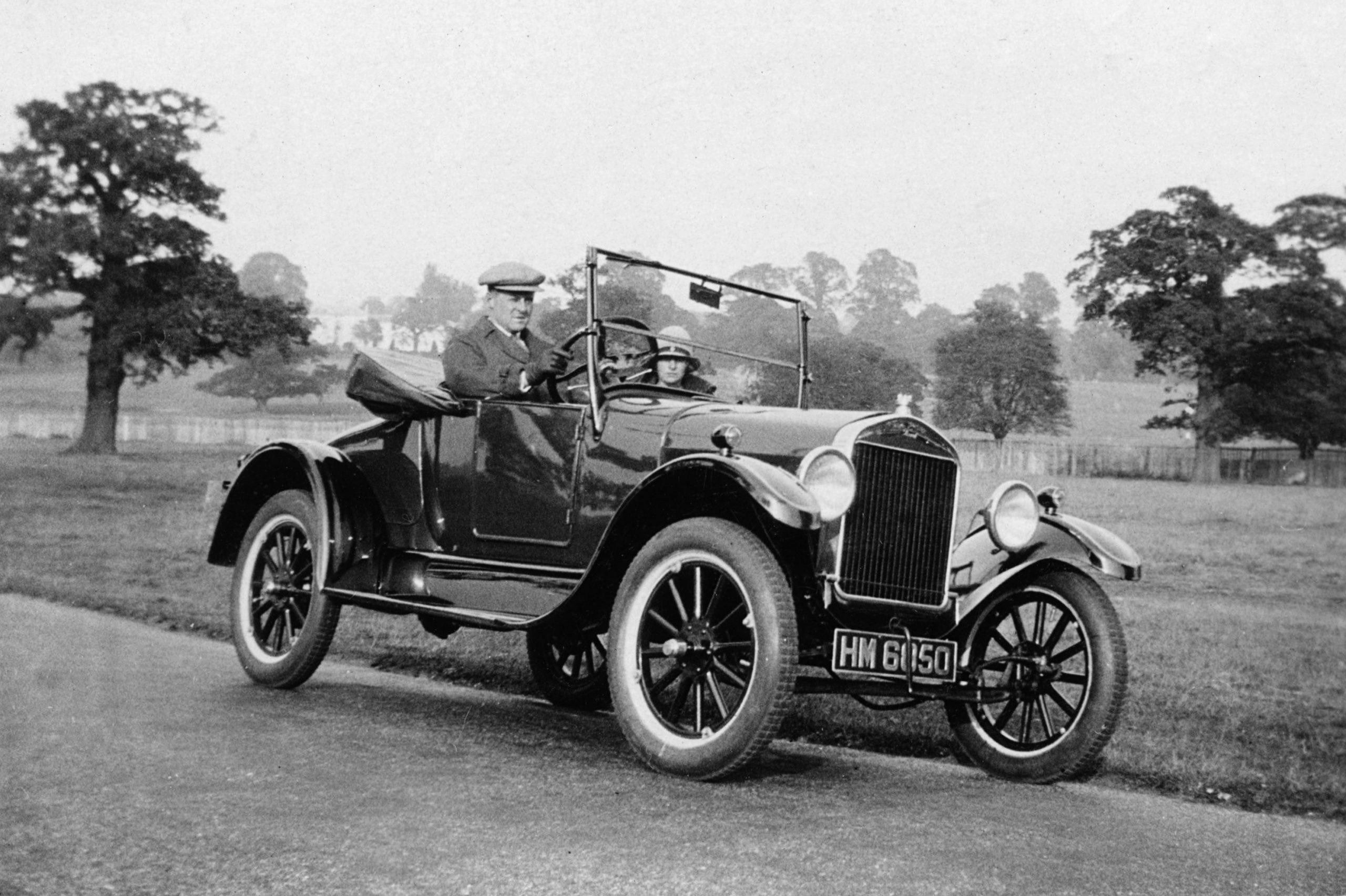
That single statistic shows how dominant Ford had become. No competitor came close to matching that output. By 1924, the 10 millionth Model T rolled off the line. The car had already become a cultural and industrial phenomenon.
Production ended in May 1927, after 19 years on the market. By then, over 15 million Model Ts had been built. That figure stood unmatched for decades. It became the benchmark every future carmaker measured against.
He was transforming the entire approach to manufacturing, creating a system that would go on to influence industries and economies around the world throughout the 20th century.
The Beetle’s Origins: A Different Political Beginning
The Beetle’s history traces back to 1930s Germany. In 1933, Adolf Hitler became chancellor and announced plans for new roads and affordable cars.
Engineer Ferdinand Porsche was already developing a small car for ordinary people. Hitler later commissioned Porsche to design the inexpensive “people’s car,” or Volkswagen.
Buyers were meant to purchase the car through a regular savings stamp program. Very few Germans ever actually received a car through that scheme.
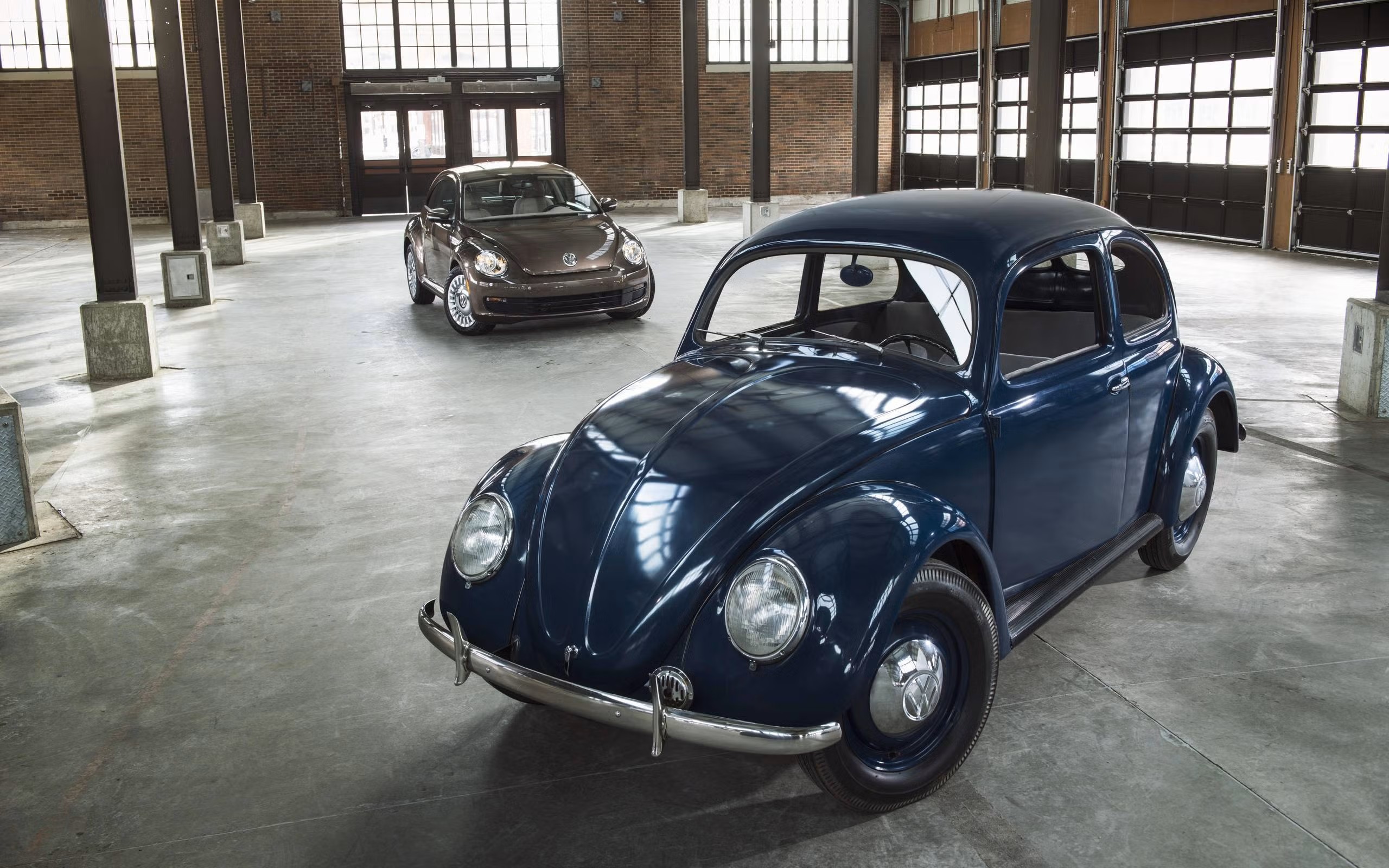
Construction of the Volkswagen factory in Wolfsburg began in 1938. But full-scale vehicle production didn’t start until after World War II. This delay matters for the data. Beetle production had only started in earnest by 1946.
That means the bulk of its 15 million units came from just 26 years of manufacturing. Compare that to the Model T’s 19-year run. The Beetle carried an uncomfortable origin story, as Hitler’s brainchild and a propaganda tool.
This connection initially hurt its reception in the United States during the 1950s. Marketing had to overcome a difficult historical shadow. That challenge shaped how Volkswagen approached the American market.
Breaking Into America
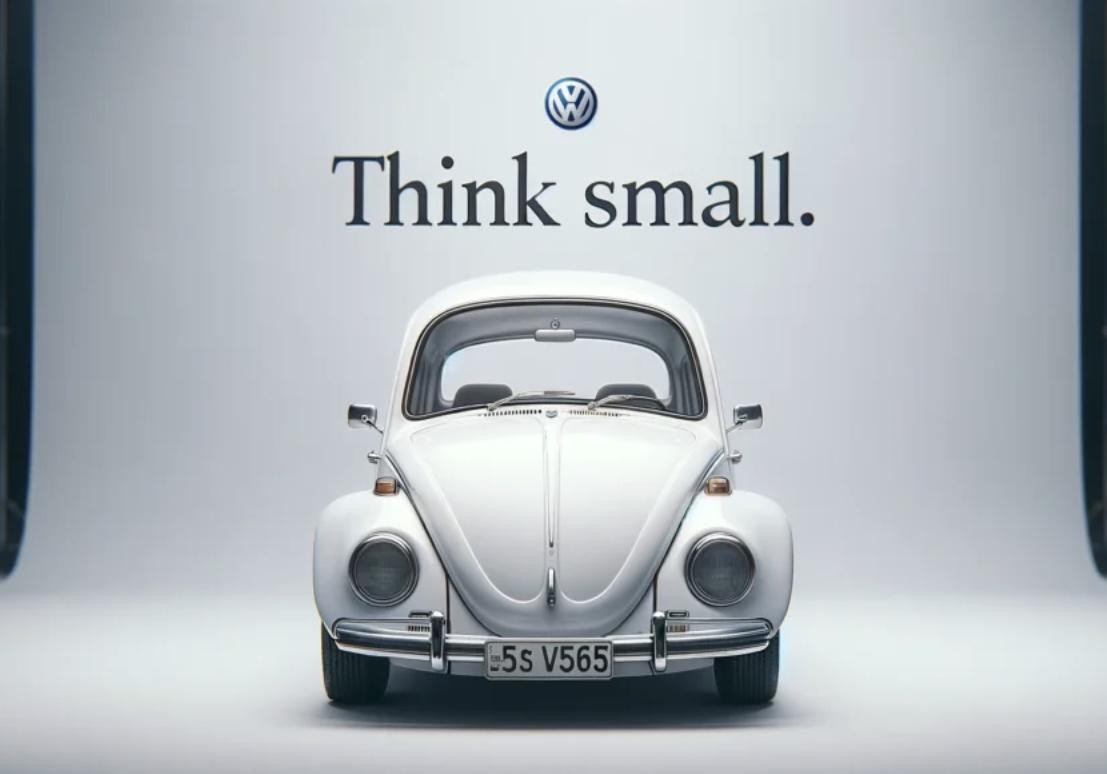
The Beetle wasn’t widely accepted in mainstream America until 1959. That year, advertising agency Doyle Dane Bernbach launched a campaign highlighting its small, compact, consumer-friendly nature.
The “Think Small” campaign became one of advertising’s most studied case studies. It embraced the car’s small size and unusual looks rather than hiding them.
This honest, clever marketing helped the Beetle find massive success across the United States and beyond. Sales figures responded quickly to this shift in messaging.
Production of Beetles skyrocketed after this campaign. Over the following years, it became the top-selling import car in the United States. Pop culture reinforced this momentum.
1969 proved especially important, when The Love Bug became the second-highest-grossing film in North America that year, featuring a sentient Beetle named Herbie.
By 1972, approximately four million Beetles had been sold in the United States alone. That’s a substantial share of its worldwide total. Still, Volkswagen was already facing pressure from Japanese automakers by this point.
In fact, U.S. consumers bought more Japanese cars than West German cars starting in 1973. The Beetle’s American peak and its coming decline were nearly simultaneous. Data shows success and vulnerability arriving together.
What Made the Beetle Different
Its success rested on consistency rather than novelty. While rival manufacturers redesigned models annually to chase trends, the Beetle stayed largely unchanged for decades.
That stability became a selling point rather than a weakness. Buyers knew exactly what they were getting. By the 1960s, the Beetle had evolved into a genuine cultural icon. It represented counterculture values as much as practical transportation.
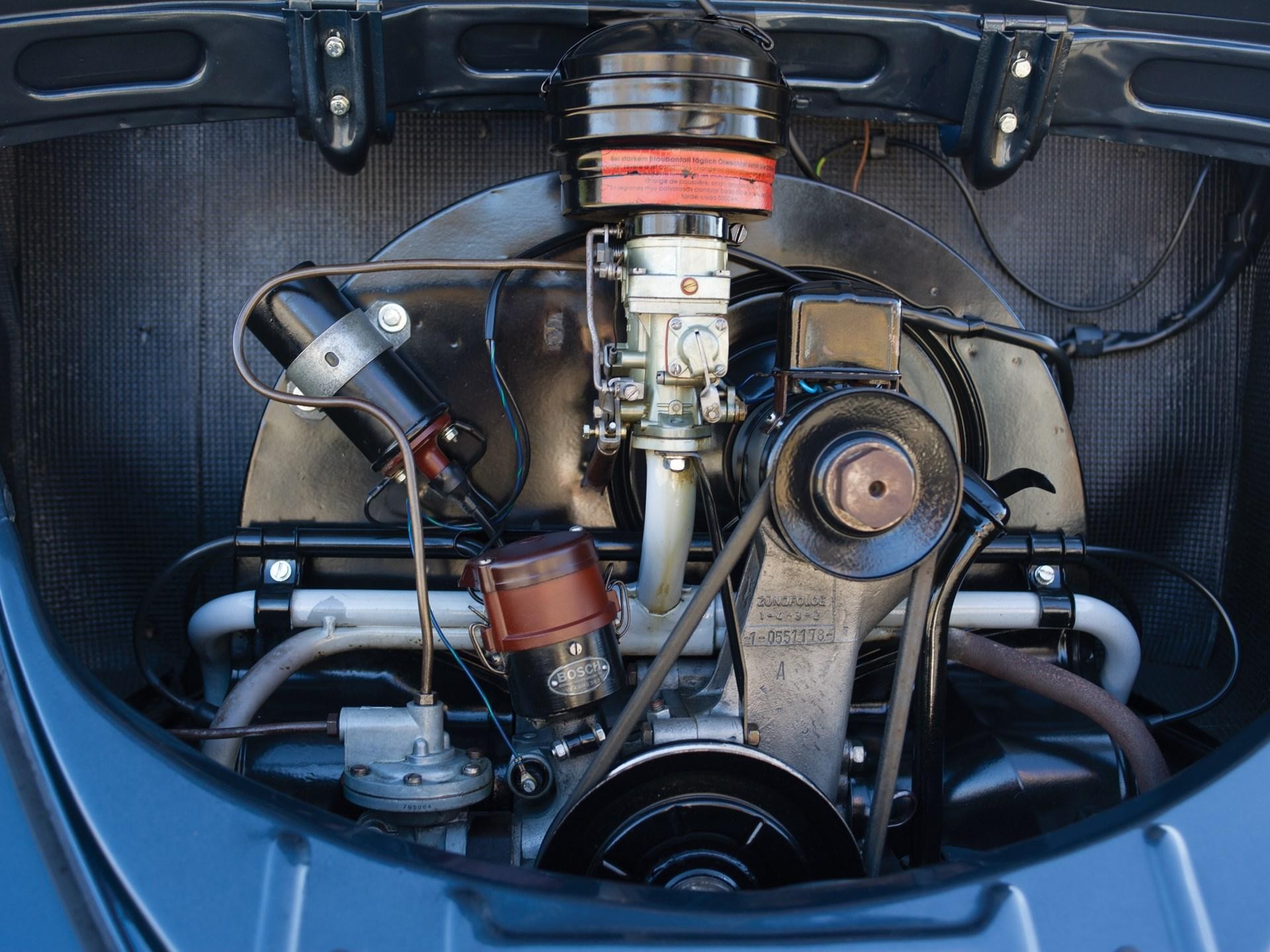
Its low price, simple mechanics, and rear-mounted air-cooled engine made it easy to maintain. Independent mechanics worldwide could service it without specialized training.
This mechanical simplicity mattered enormously for global markets. It allowed production and repair to spread far beyond Germany. Volkswagen designed the car to transport two adults and three children in a compact, affordable package.
That brief shaped its distinctive rounded shape. The design didn’t chase aesthetics for their own sake. Function dictated form, and form became iconic almost by accident.
The Record-Breaking Day: February 17, 1972
On February 17, 1972, the 15,007,034th Volkswagen Beetle came off the assembly line. That number officially broke the Model T’s decades-old record.
The milestone car was a 1972 Volkswagen Model 1131 Super Beetle, bearing serial number 1,122,500,715. It’s now preserved as a historical artifact.
This specific vehicle featured a four-cylinder, horizontally opposed, overhead-valve, four-stroke rear engine. Beetles of this type achieved around 25 miles per gallon with an 11.1-gallon tank.
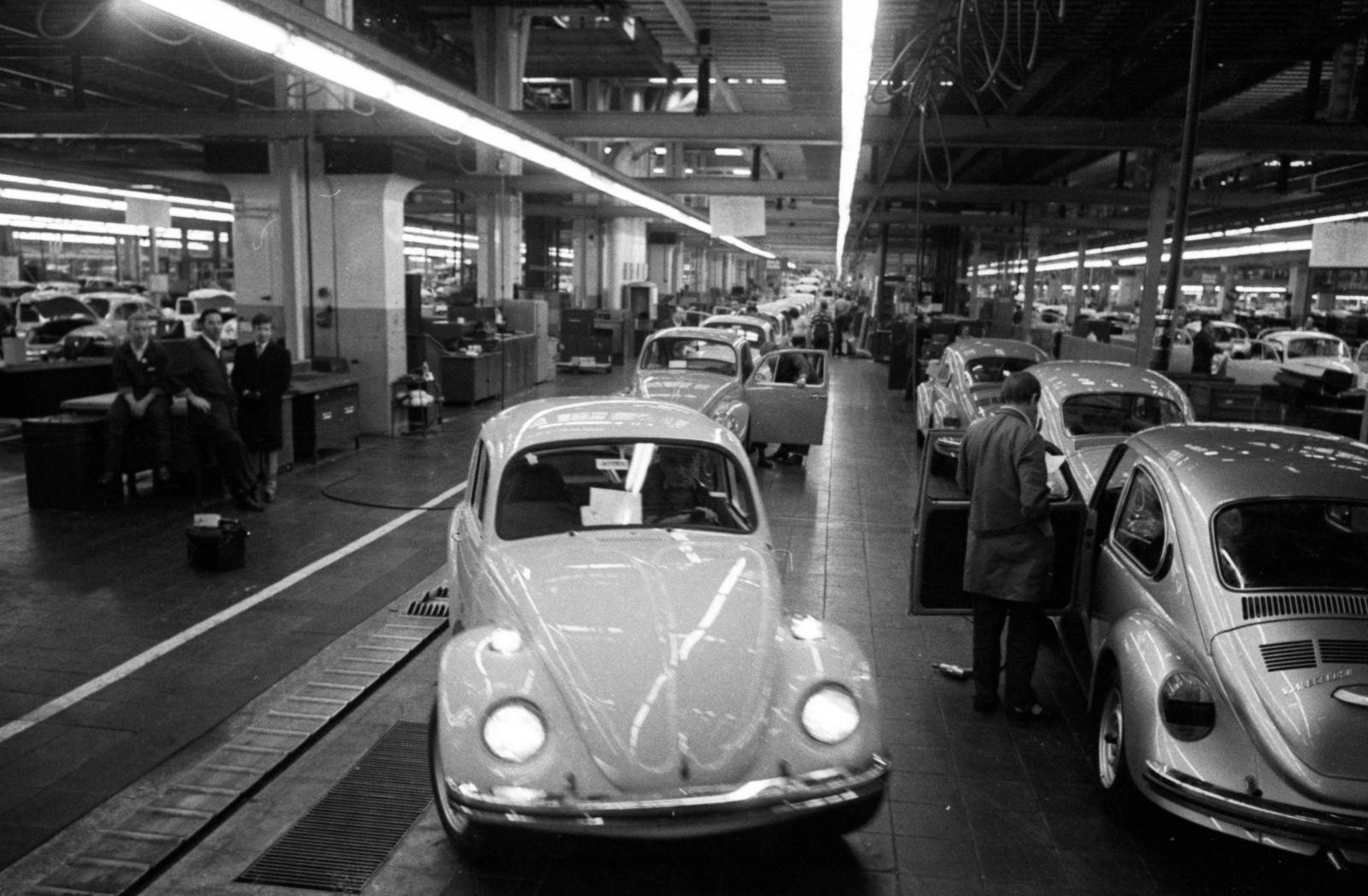
The Smithsonian later acquired this milestone vehicle for its permanent collection. At the time of donation, it had only 16 miles on the odometer. Curator Don Berkebile wrote that the Beetle was the mid-twentieth-century equivalent of the beloved Model T. He noted both cars proved that economical vehicles could provide dependable transportation.
Volkswagen celebrated with a special commemorative “World Champion” edition, sold through March that year. This limited release marked the achievement publicly.
Volkswagen paid tribute to the Model T directly in its celebrations and advertisements. The company acknowledged the record it had just surpassed rather than ignoring it. That gesture reflected genuine respect between two manufacturing eras. Ford’s innovation had made the Beetle’s own achievement possible.
Putting the Numbers in Perspective
The scale of 15,007,034 units is difficult to grasp abstractly. A few statistical comparisons help illustrate it. Lined bumper-to-bumper, that many Beetles would stretch almost 38,036 miles, or 61,214 kilometers.
That’s an enormous physical footprint for a single model. This line would circle the Earth’s equator one and a half times. Yet it would still cover only about 16 percent of the distance to the moon.
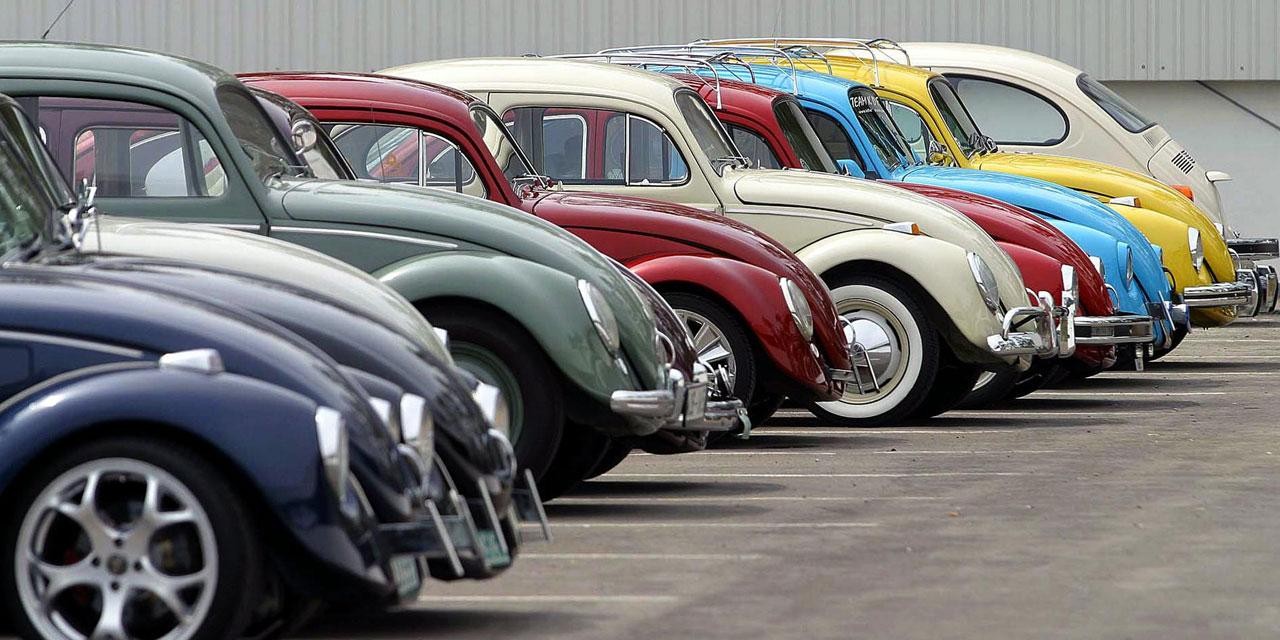
Driving that distance continuously at a 1972 Beetle 1200’s top speed of 71 mph would take roughly 536 hours. That works out to about 22 days of nonstop driving.
These figures aren’t just novelties. They demonstrate how genuinely massive automotive production had become by the early 1970s. Compare this to the Model T’s 15 million units built over 19 years. The Beetle needed a longer span, but ultimately surpassed that total decisively.
Production Speed: A Closer Comparison
The Model T averaged roughly 790,000 units per year across its production run. That’s an impressive rate for its era, especially early on. The Beetle’s effective production period, starting around 1946, ran about 26 years by 1972. That works out to roughly 577,000 units per year on average.
At first glance, the Model T’s yearly average looks higher. But this comparison misses important context about global manufacturing scale. Beetle production later expanded across Wolfsburg, Brazil, Mexico, Australia, and South Africa. The bulk of the 15 million total came from output spread across these locations over 26 years.
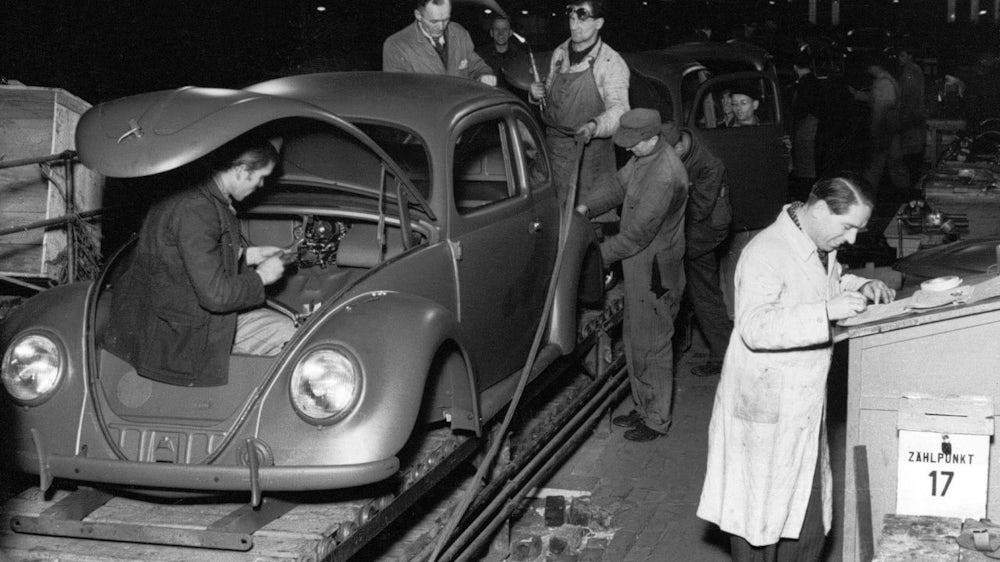
The Model T, by contrast, was built almost entirely in the United States. Its production network was far more geographically concentrated. This distinction matters for understanding manufacturing history. The Beetle’s record reflected an early form of globalized car production.
Ford pioneered assembly-line efficiency within a single national industrial base. Volkswagen later proved a single model could dominate through international manufacturing networks instead.
