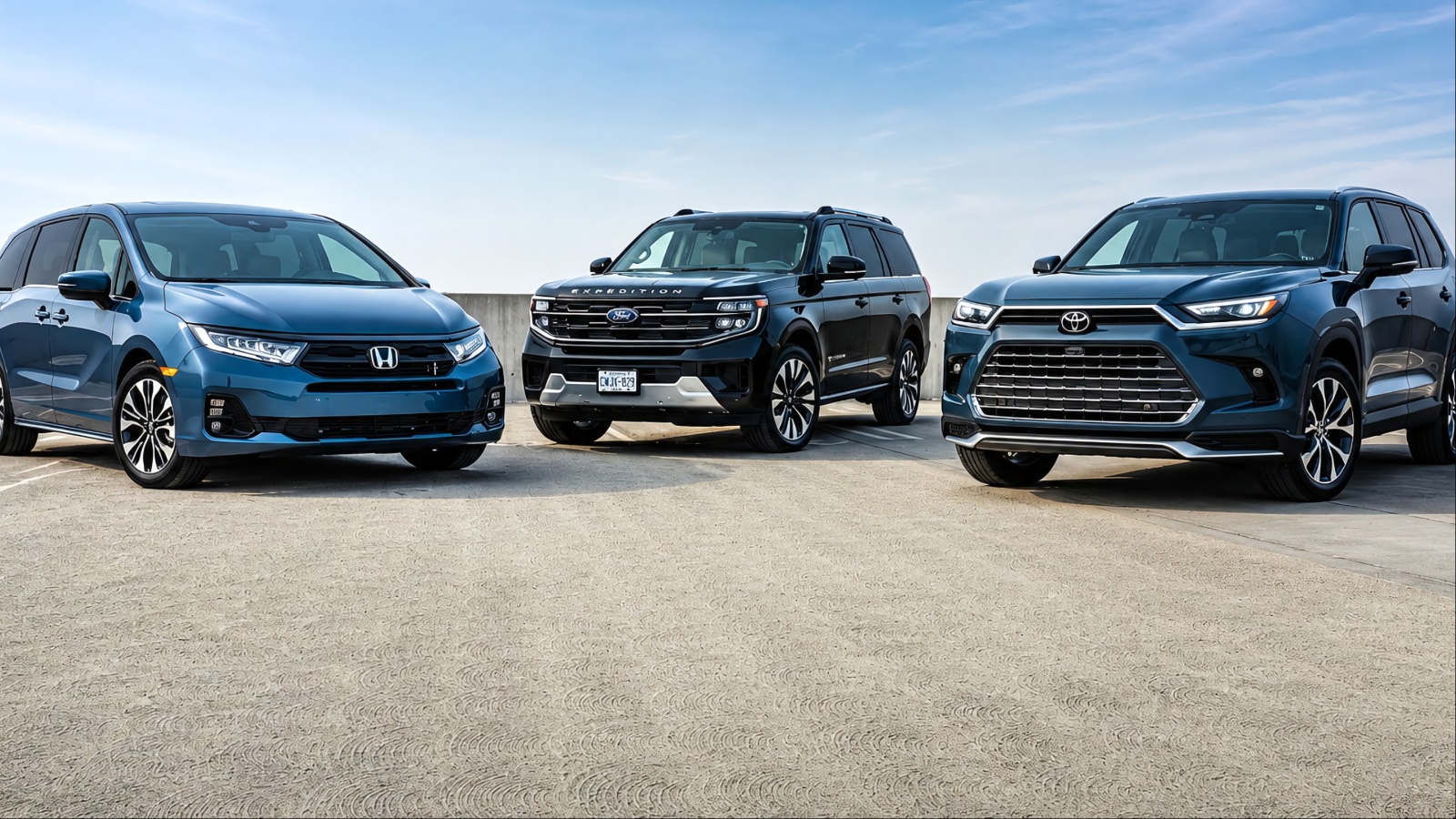
Family SUVs and crossovers are bought for practicality, passenger space, and everyday dependability, but those same qualities can make popular models attractive theft targets. High sales volume puts more examples on the road, creates steady demand for replacement parts, and gives stolen vehicles or components a large potential market.
For owners and used-car shoppers, theft statistics can therefore reveal another ownership risk that is easy to overlook when comparing reliability, fuel economy, and insurance costs.
For consistency, this ranking uses the National Insurance Crime Bureau’s dedicated SUV/CUV theft study, which examined thefts reported from 2010 through 2013 and was limited to 2011–2013 model-year vehicles.
NICB counted 21,711 stolen SUVs and crossovers in that dataset. Its dedicated list covered SUVs/CUVs rather than minivans, so the ranking below does not mix unrelated years or incompatible statistics simply to add vans. NICB’s newer national reports use a different all-vehicle format.
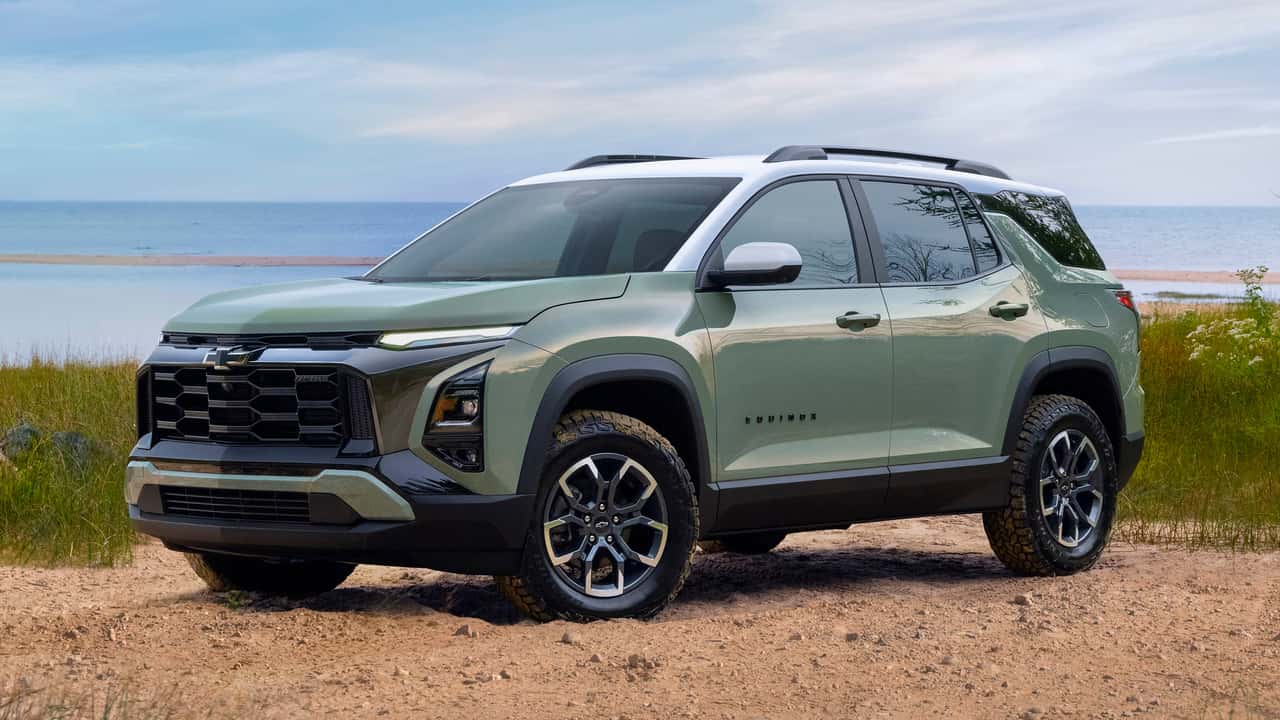
10. Chevrolet Equinox – 648 Thefts
The Chevrolet Equinox closes NICB’s top 10 with 648 reported thefts in the SUV/CUV study. The Equinox was already an important family crossover during the period, sitting in one of the fastest-growing portions of the American new-vehicle market. Its manageable size, two-row cabin, familiar Chevrolet badge, and broad dealer network helped make it a common suburban vehicle.
That popularity matters when interpreting theft totals. A model appearing frequently in theft statistics is not automatically easier to steal than every vehicle below it. Total theft volume can be influenced by how many examples exist, where they are registered, how they are stored, and the demand for vehicles and replacement components.
For used buyers, an Equinox should therefore be judged by the specific vehicle rather than the ranking alone. Check whether all original keys are present and whether the alarm and remote locking systems function correctly. Look closely around door locks, steering-column trim, ignition components, and window seals for evidence of previous forced entry.
A vehicle-history report can also reveal prior theft recovery, although no single database captures every event. NICB itself offers VINCheck as one useful screening tool for unrecovered theft and certain salvage records.
The main takeaway is straightforward. A popular family crossover can draw unwanted attention simply because it is so common on the road. Owners should always activate the vehicle’s factory security features when parking and consider adding visible secondary protection in areas where vehicle theft is a frequent concern.
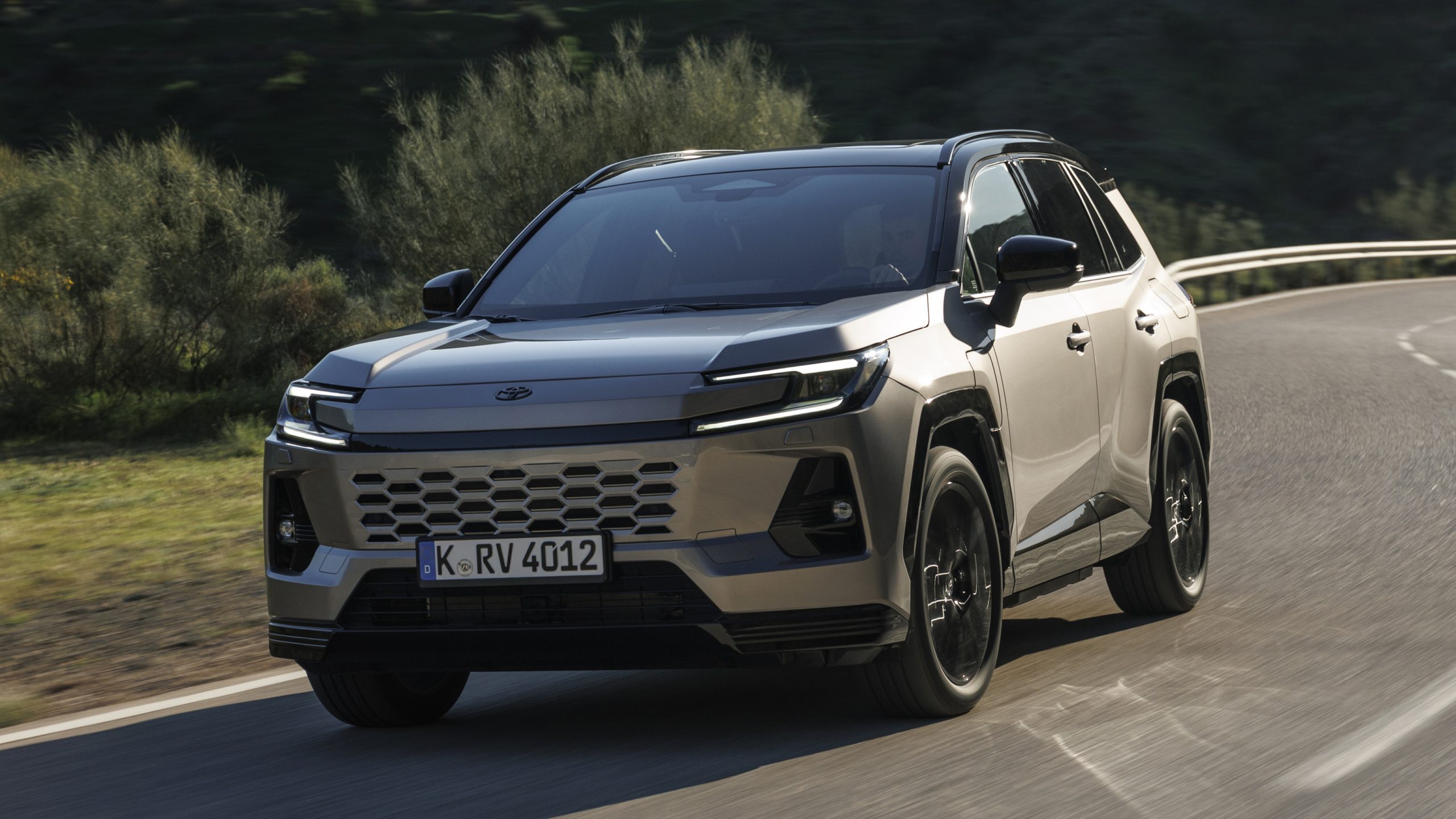
9. Toyota RAV4 – 665 Thefts
NICB recorded 665 thefts of the Toyota RAV4, placing the compact crossover ninth in its SUV/CUV ranking. The number is notable because the RAV4 has long appealed to buyers seeking the everyday usability of a family car combined with the cargo flexibility and elevated driving position of an SUV.
Its desirability in the legitimate used market can also make stolen examples and components economically attractive. Popular vehicles produce large replacement-parts ecosystems, and thieves do not necessarily target only exotic or expensive models. A widely used crossover can offer more opportunities to dispose of parts than a rare luxury vehicle.
Used-RAV4 shoppers should examine the VIN in more than one location. Compare the dashboard VIN, certification label, paperwork, registration, and title information. Uneven labels, damaged rivets, mismatched numbers, or suspiciously new identification stickers deserve further investigation.
Owners can add protection by parking in a locked garage when possible, keeping key fobs away from exterior doors and windows, and using a steering-wheel lock as a visible deterrent. For newer keyless vehicles, additional precautions against electronic theft may be worthwhile depending on model year and local crime patterns.
The RAV4’s appearance on the NICB list should not be interpreted as evidence that all RAV4s face the same probability of theft. Location, model year, security equipment, and exposure matter enormously.
Instead, the ranking shows how even sensible family transportation can become a theft target when millions of drivers value the same combination of practicality, durability, and resale appeal.
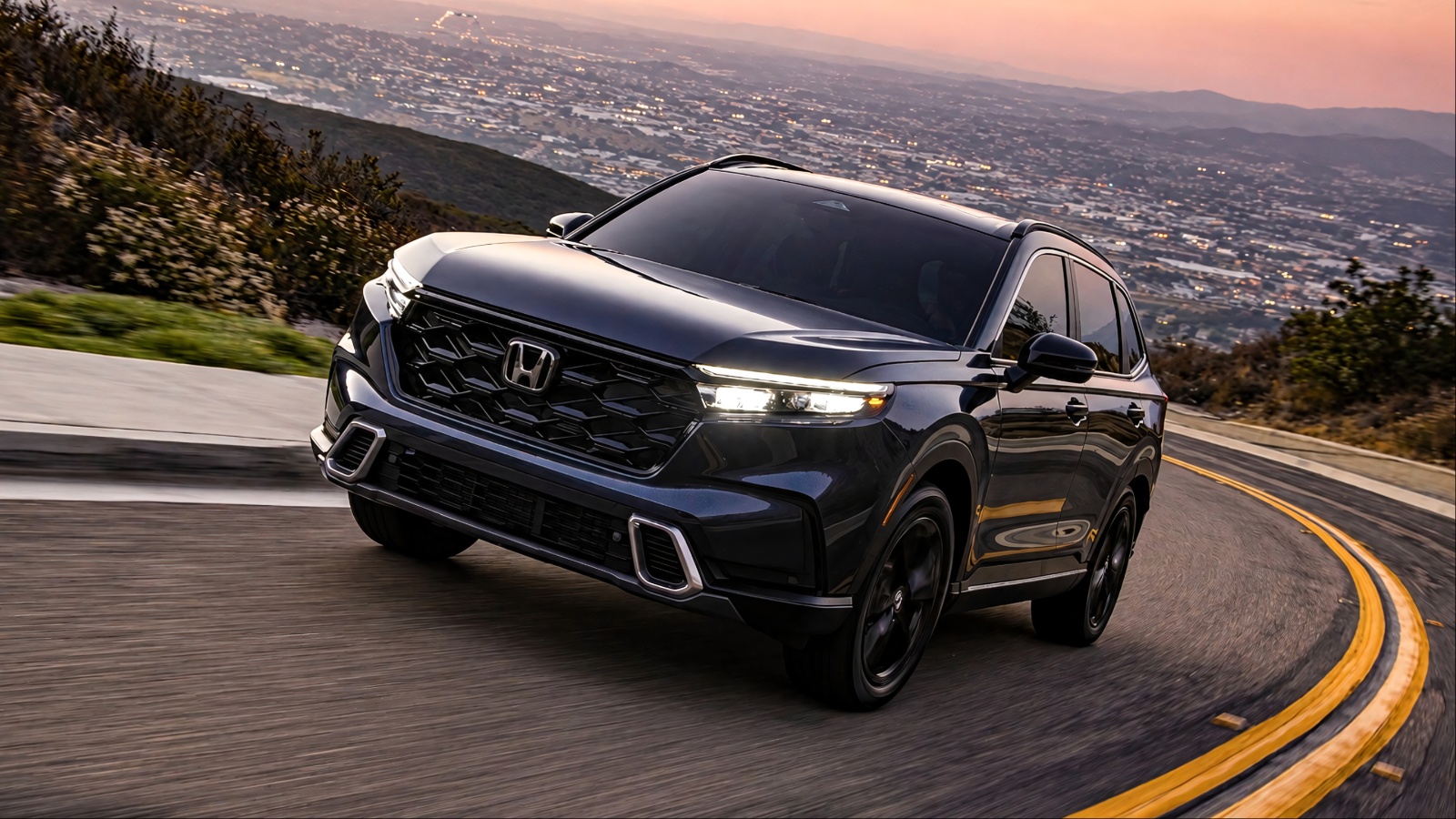
8. Honda CR-V – 688 Thefts
The Honda CR-V ranked eighth in NICB’s dedicated SUV/CUV study with 688 reported thefts. Unlike some vehicles that briefly appear in theft statistics, the CR-V has repeatedly shown up in broader NICB reporting over the years. It even ranked ninth among all vehicles nationally in NICB’s 2025 report, with 9,809 thefts that year, although the newer figure is not directly comparable with the older SUV-specific dataset.
The CR-V’s long-running popularity helps explain why owners should take the risk seriously without assuming a design flaw. Honda has sold huge numbers of CR-Vs, giving thieves a very large population of potential targets.
For a used buyer, theft history deserves particular attention if the vehicle has an unusually low price, recently issued title, mismatched keys, replacement ignition parts, or poorly fitted interior trim around the steering column.
A recovered stolen vehicle is not automatically a bad purchase. The important question is what happened during the theft. Some vehicles are recovered quickly with limited damage, while others suffer broken locks, damaged wiring, vandalism, collision damage, or hard use.
Ask for repair invoices and inspect the car independently before buying.
Owners should also remember that theft prevention works best in layers. Lock the vehicle, remove valuables, park in visible locations, and consider a steering-wheel lock or tracking system.
The CR-V demonstrates how a highly practical family crossover can remain appealing to both legitimate buyers and criminals simply because demand and availability are so extensive.
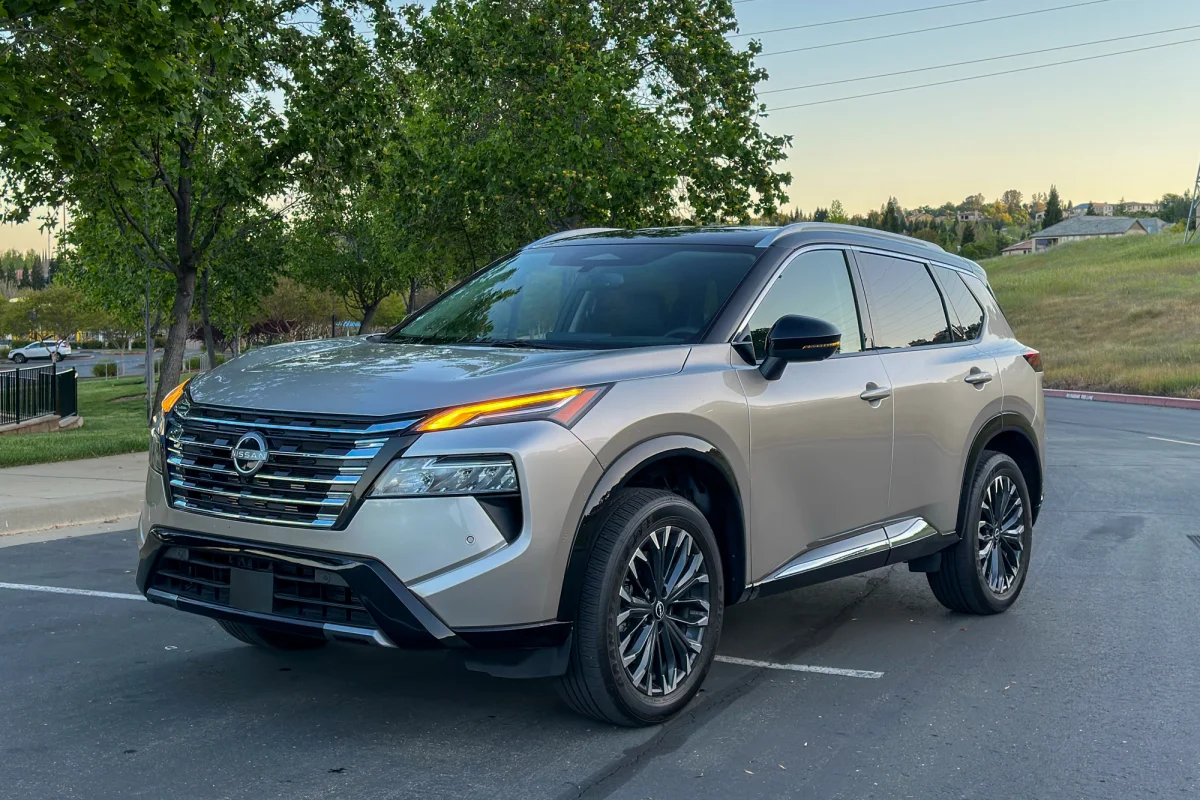
7. Nissan Rogue – 695 Thefts
With 695 reported thefts, the Nissan Rogue placed seventh on NICB’s SUV/CUV list. The Rogue developed into one of Nissan’s core family vehicles by combining compact exterior dimensions with useful interior space, relatively accessible pricing, and broad availability throughout the United States.
Those qualities also make it an instructive example of why theft counts should be interpreted carefully. High-volume models naturally provide thieves with more potential targets. They can also be easier to disguise in normal traffic because thousands of visually similar examples may operate in the same metropolitan area.
Used buyers should pay particular attention to identification and ownership documentation. Confirm that the seller’s identification matches the title, and ensure that the VIN shown on the windshield agrees with labels elsewhere on the vehicle.
Inspect the driver’s door, ignition area, steering column, and surrounding trim for unexplained damage. Even if the vehicle was recovered and properly repaired, evidence of a previous theft may affect resale value and insurance decisions.
A pre-purchase inspection remains valuable because theft-related damage is not always cosmetic. Wiring harnesses, airbags, electronic modules, locks, cameras, and interior components may have been damaged or removed.
For current owners, a factory alarm should be treated as the beginning rather than the entire security strategy. A visible steering lock, secure parking location, tracking capability, and good key control add layers a thief must overcome.
The Rogue’s ranking is ultimately less about panic than awareness. Ordinary family vehicles can be valuable theft targets precisely because they are ordinary, popular, and easy to resell or part out.
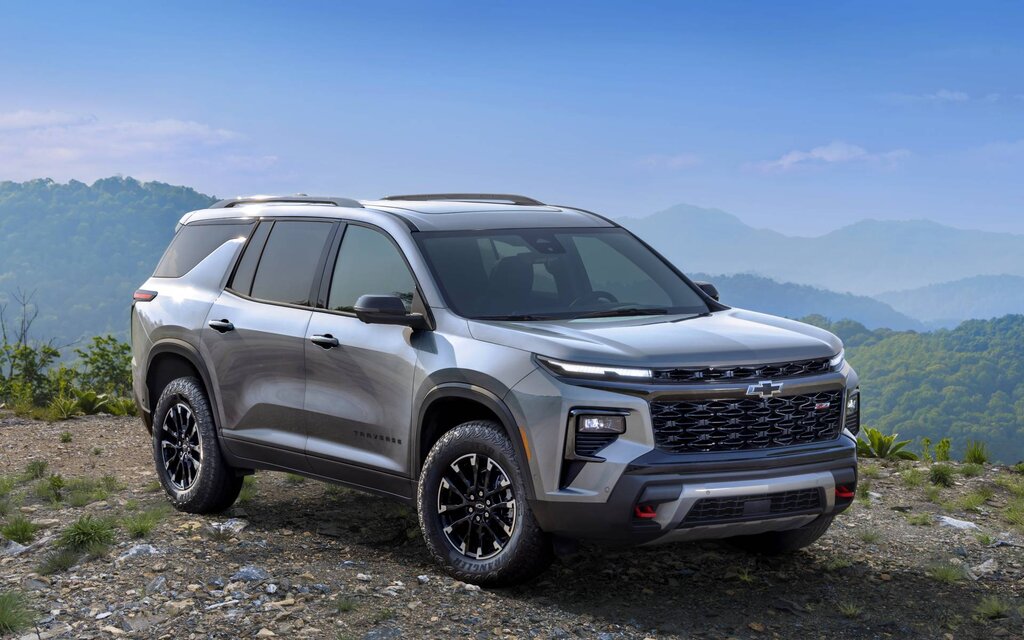
6. Chevrolet Traverse – 720 Thefts
NICB counted 720 stolen Chevrolet Traverses, giving the three-row crossover sixth place. Compared with compact crossovers, the Traverse serves buyers who need substantially more passenger and cargo space without necessarily moving to a traditional truck-based SUV.
That makes it particularly relevant to families. A three-row vehicle may carry child seats, electronics, sports equipment, bags, documents, garage-door remotes, and other items that can create additional temptation even when the vehicle itself is not successfully stolen.
Owners should therefore think about burglary and vehicle theft together. Never leave spare keys, house keys, identification documents, or visible valuables in the cabin. A thief who cannot drive away with the vehicle can still create hundreds or thousands of dollars in damage during an attempted entry.
For used buyers, verify that all doors lock correctly and that every key or remote works. Missing keys should not simply be dismissed as an inconvenience because an unaccounted-for programmed key may still operate the vehicle.
If possible, have the remaining keys erased and reprogrammed when purchasing a used vehicle with uncertain key history.
Look for unexplained glass replacement and examine weather stripping and door frames for signs of previous forced entry. Ask about any insurance claims associated with theft or vandalism.
The Traverse’s position also illustrates why thieves do not limit themselves to small, easy-to-park vehicles. Large family crossovers have meaningful resale and parts value.
A vehicle designed for maximum family practicality can therefore deserve the same theft-prevention attention as a sports car or luxury SUV.
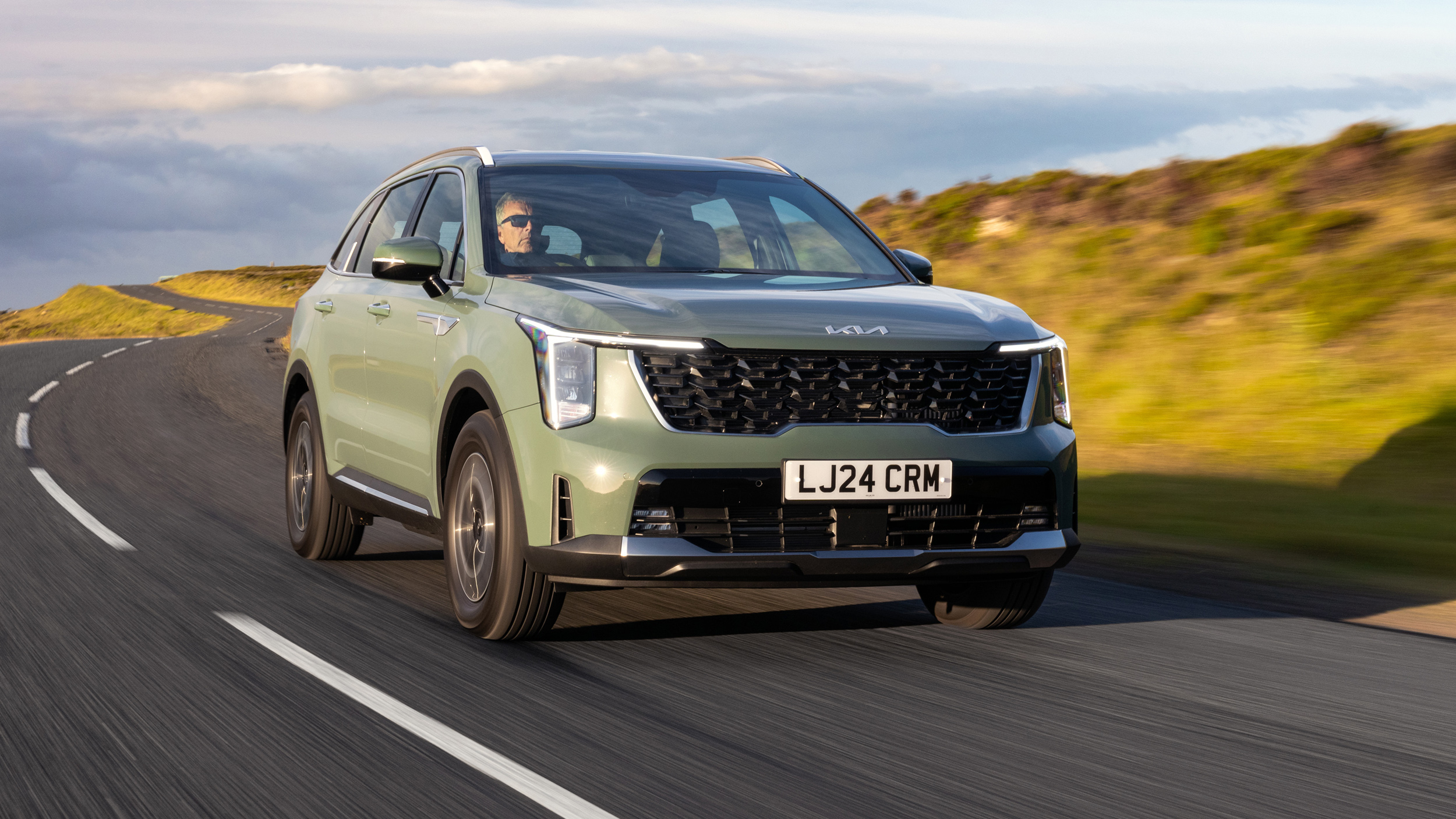
5. Kia Sorento – 725 Thefts
The Kia Sorento reached fifth place with 725 thefts in NICB’s dedicated SUV/CUV analysis. The Sorento offered family-friendly utility and increasingly competitive features, eventually becoming one of Kia’s recognizable crossover nameplates.
It is especially important not to confuse this historical ranking with the much later surge in thefts involving certain Hyundai and Kia products. NICB reported that Hyundai and Kia models accounted for a substantial portion of vehicle thefts during the early 2020s, influenced in part by highly publicized theft methods affecting particular vehicles. NICB says those manufacturers’ share subsequently declined, representing 14% of U.S. vehicle thefts in 2025.
That later trend does not mean every Sorento or every model year has identical vulnerability. Security equipment differs significantly by year, trim, ignition system, and market.
Used buyers should identify the exact model year and check whether any manufacturer anti-theft campaigns, software updates, or other remedies apply to that specific VIN.
Do not rely solely on the presence of an alarm light. Confirm what immobilizer or anti-theft equipment the vehicle actually has.
Owners of potentially affected vehicles should complete available manufacturer updates and consider a visible steering-wheel lock. Parking in a well-lit area and removing keys from the vehicle remain basic but effective habits.
The Sorento’s ranking demonstrates why theft statistics require context. A historical count tells buyers where a vehicle appeared within one dataset, but smart purchasing requires combining that information with model-year-specific security features and present-day theft patterns.
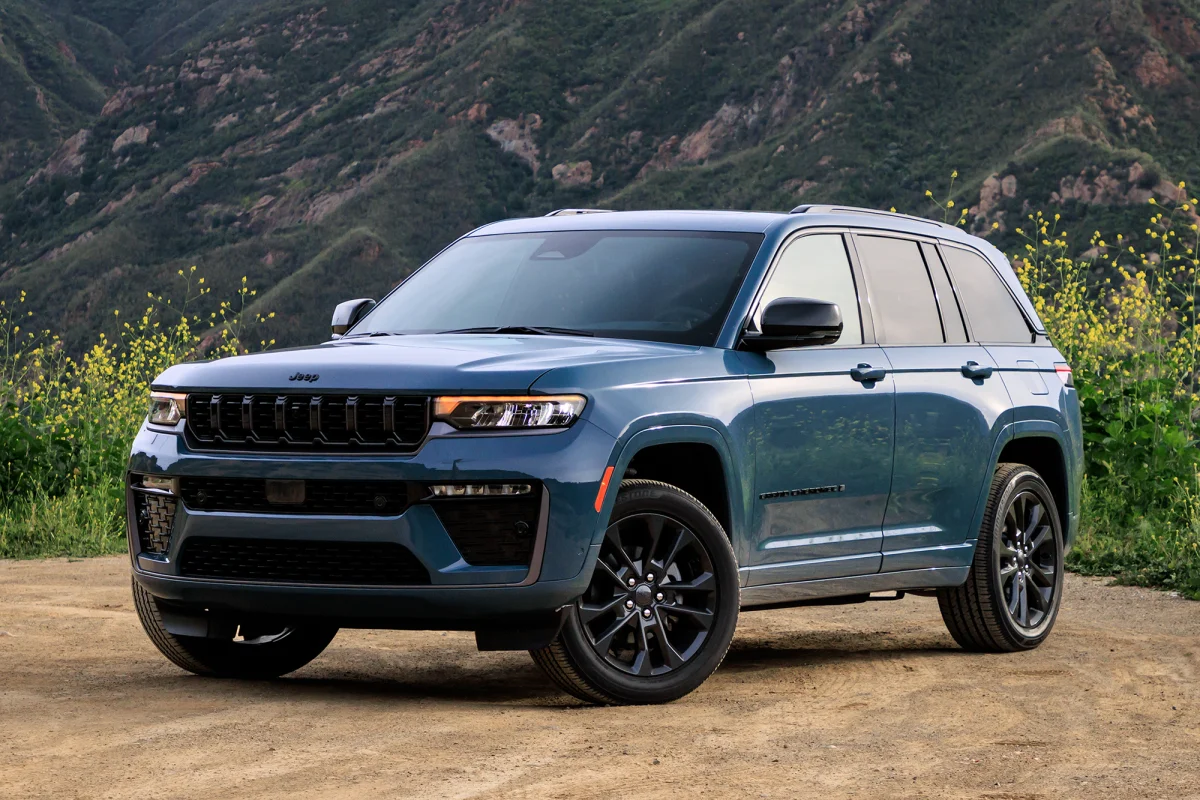
4. Jeep Grand Cherokee – 912 Thefts
The Jeep Grand Cherokee ranked fourth in the NICB SUV/CUV study with 912 reported thefts. The finding also reflects a broader historical trend, as Jeep Cherokee and Grand Cherokee models have repeatedly appeared on NICB’s national theft lists. In the 2021 Hot Wheels report, the combined category accounted for 13,210 thefts and placed ninth among all vehicles.
The Grand Cherokee occupies a desirable part of the market. It can serve as family transportation while also offering recognizable styling, available four-wheel drive, powerful engines, and premium trims. That broad appeal can support strong demand for complete vehicles as well as replacement body, drivetrain, interior, and electronic components.
Used buyers should take extra care when evaluating a vehicle advertised well below normal market value. Verify ownership, compare VIN locations, and inspect the title before exchanging money.
If the vehicle has a history as a recovered theft, determine exactly which components were damaged or replaced. Modern vehicles contain interconnected electronic systems, so apparently minor theft damage around doors, ignition components, or wiring can produce lingering problems.
An independent diagnostic scan can reveal stored faults that a short test drive may not expose.
For owners, secure storage is especially valuable. A locked garage adds a physical barrier that street parking cannot provide. Secondary immobilization, steering locks, and tracking devices can provide additional protection.
The Grand Cherokee shows why theft prevention is not merely an issue for economy cars with weak security or ultra-expensive luxury SUVs. Popular mainstream vehicles with desirable equipment can be equally attractive targets.
3. Ford Explorer – 958 Thefts
The Ford Explorer ranked third with 958 reported thefts in NICB’s dedicated SUV/CUV study. Few nameplates better represent the American family SUV. By the period covered in the report, the Explorer had already spent decades carrying families, commuters, and fleets, creating a large nationwide population of vehicles and replacement components.
Its theft total should therefore be viewed partly through the lens of exposure. A thief can only steal vehicles that are available, and extremely common models naturally create more opportunities than rare ones.
Older Explorers may also differ substantially from newer versions in their factory anti-theft technology. Buyers should avoid treating “Ford Explorer” as though every generation shares the same security system.
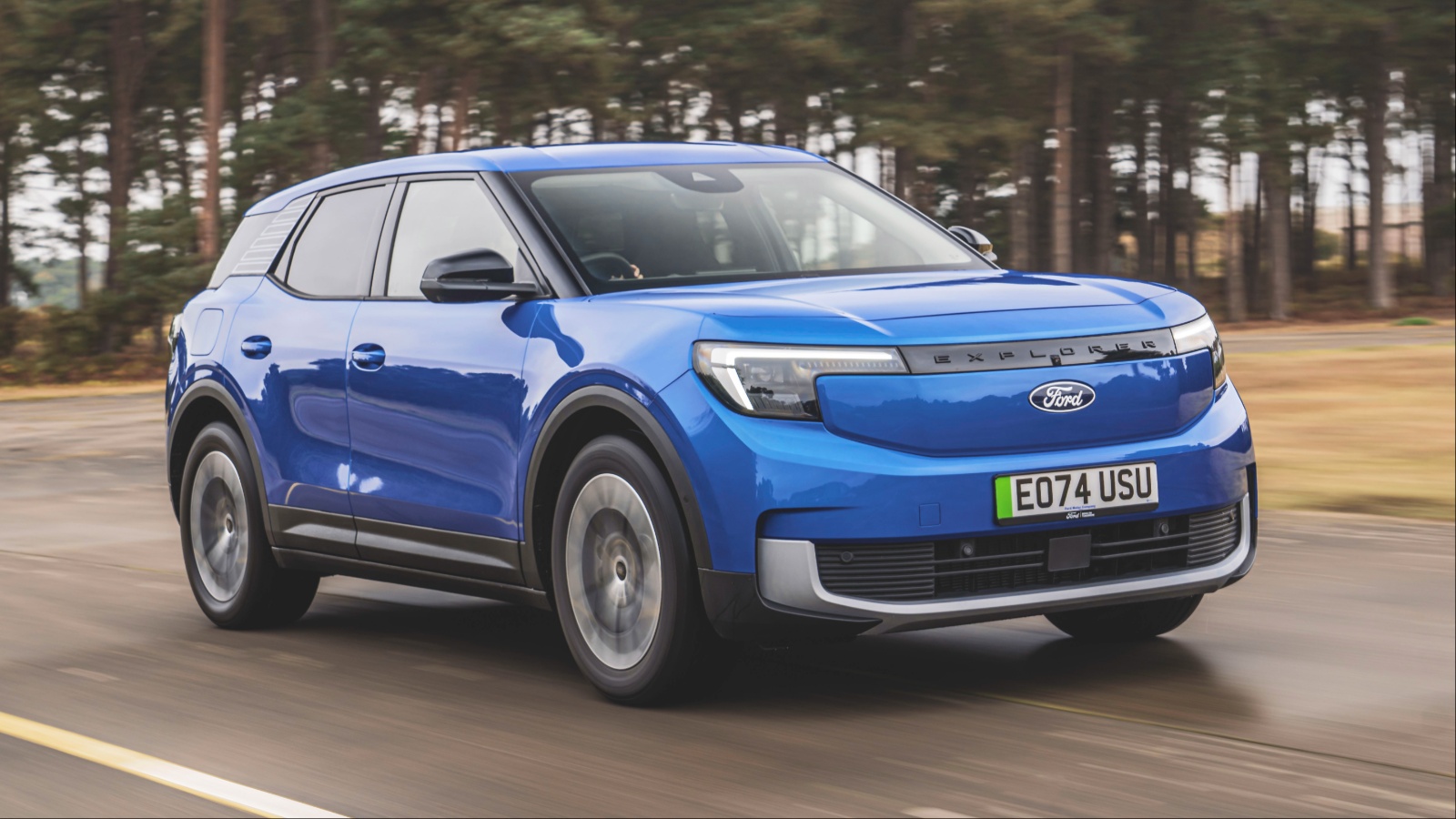
When inspecting a used Explorer, check whether the ignition, door locks, and keys appear original. Examine the dashboard and steering-column area for non-factory fasteners, scratches, loose panels, or wiring repairs.
A clean title does not necessarily prove the vehicle was never stolen, so combine documentation with a physical inspection and vehicle-history research.
Owners should use keyless-entry features carefully. Do not leave a spare fob inside the vehicle, and avoid leaving the SUV running unattended, even for a brief stop.
NICB consistently recommends locking doors, closing windows, keeping keys with the owner, and choosing well-lit parking.
The Explorer’s third-place ranking highlights a familiar pattern in vehicle theft. Criminals often go after models that are widely used and practical instead of rare or unusual vehicles. Their popularity can make them attractive targets because stolen parts may be easier to sell and the vehicles can blend into everyday traffic.
2. Ford Edge – 1,140 Thefts
The Ford Edge takes second place with 1,140 thefts, making it one of only two models in the study to exceed 1,000 reported stolen vehicles. Positioned between compact crossovers and larger three-row SUVs, the Edge offered the sort of two-row practicality that became increasingly popular with American families.
Its strong ranking is interesting because the Edge did not have the same decades-long history as some vehicles below it. That is another reminder that theft totals are influenced by multiple factors and should not be reduced to a simple claim that one model has “bad security.”
Geography matters as well. NICB found California, Florida, Michigan, Texas, and New York had the highest volumes of SUV/CUV thefts in the study. A vehicle parked daily in a high-theft urban area may face a fundamentally different level of exposure from the same model stored in a locked garage elsewhere.
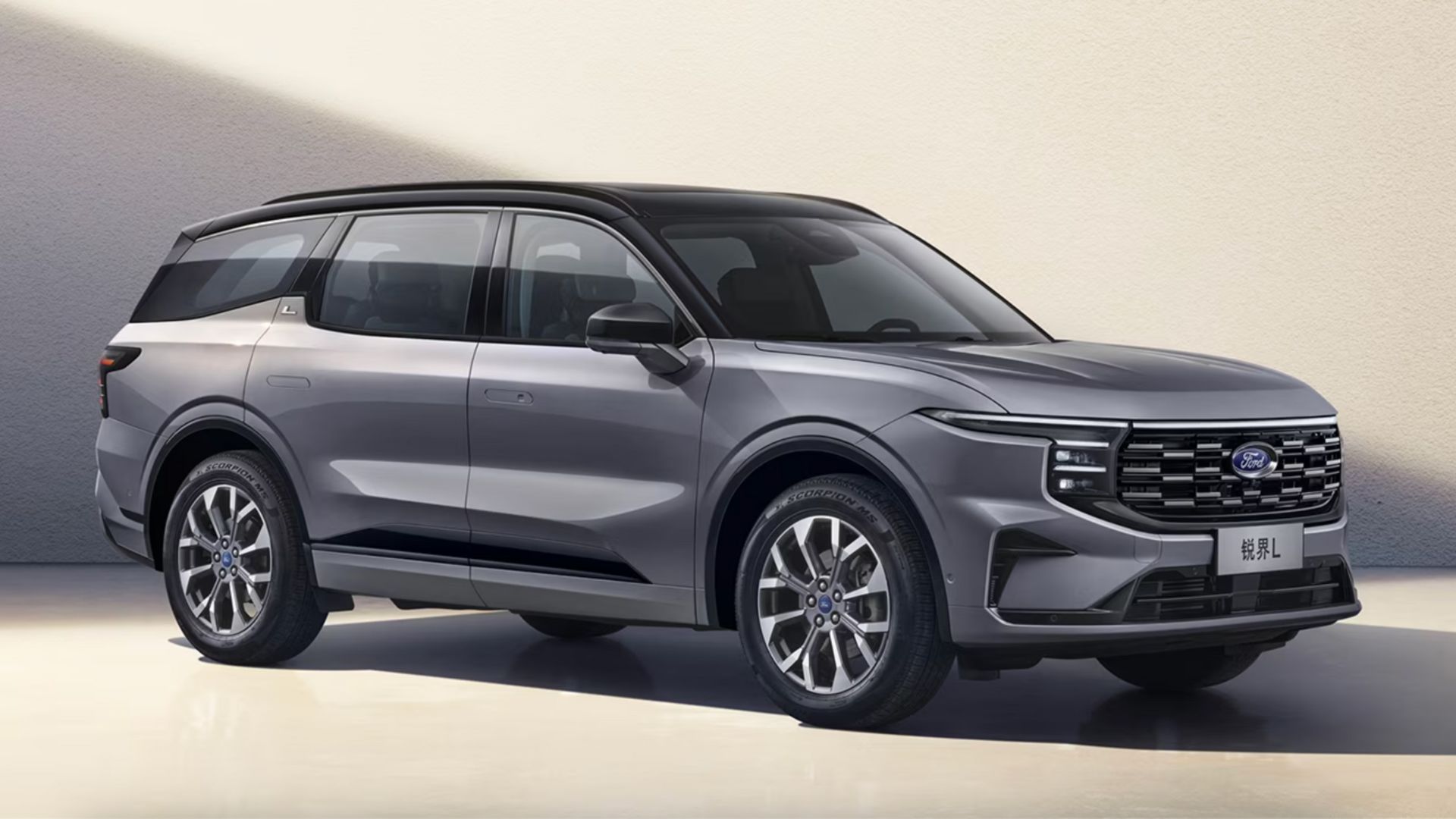
Used Edge buyers should investigate insurance history as well as mechanical history. Ask whether the vehicle has ever been recovered after theft or repaired following vandalism.
Pay attention to replacement windows, damaged lock cylinders, interior trim repairs, and aftermarket electronics whose purpose cannot be clearly explained.
Owners can reduce risk by making the vehicle more troublesome to steal than nearby alternatives. Visible steering locks are inexpensive and immediately recognizable. Tracking systems can improve recovery prospects, while secure parking removes opportunities entirely.
The Edge’s ranking shows that thieves do not necessarily chase only the most prestigious SUV in a parking lot. A practical, common crossover with a large market can be equally worthwhile.
1. Ford Escape – 1,421 Thefts
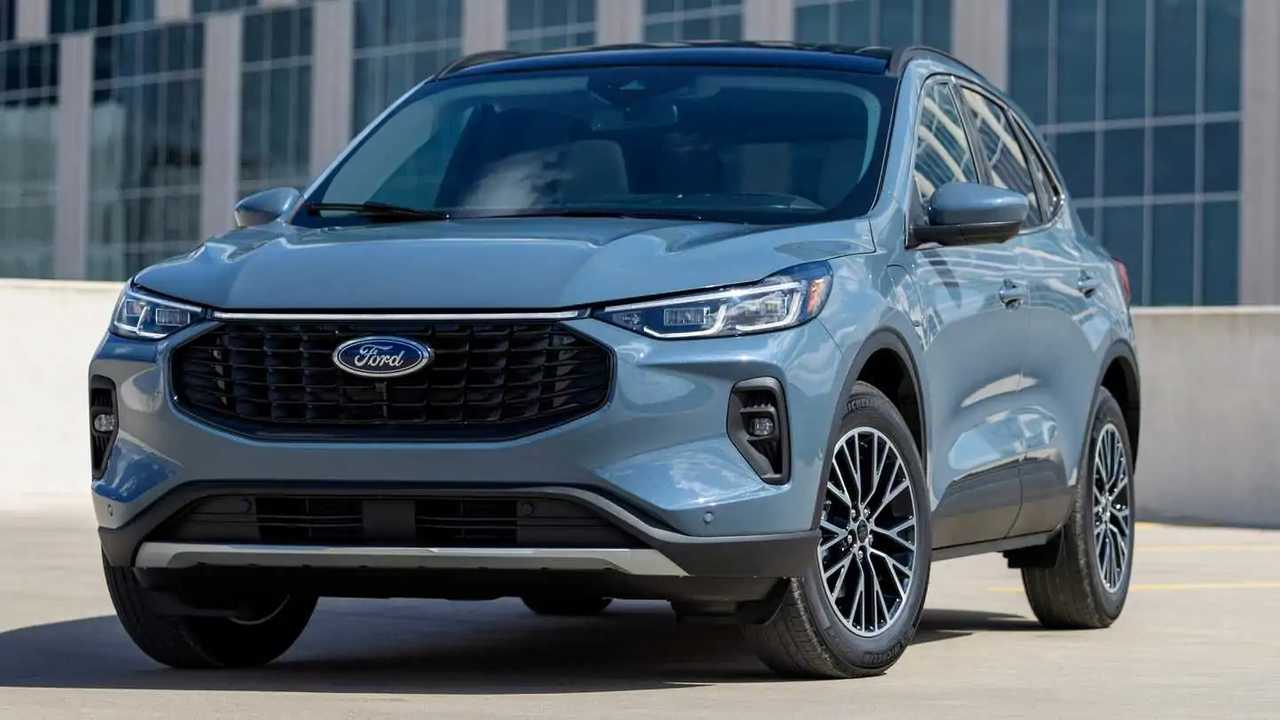
At the top of NICB’s dedicated SUV/CUV ranking is the Ford Escape, with 1,421 reported thefts. That placed it comfortably ahead of the Ford Edge at 1,140 and the Explorer at 958. Ford consequently occupied all three leading positions in the study.
The Escape was an especially common compact family crossover during the period. Its combination of accessible pricing, everyday practicality, reasonable size, and widespread availability put large numbers of Escapes on American roads.
That is important because NICB’s figures represent theft counts, not the percentage of registered vehicles stolen. A high-volume model can generate a large number of thefts without necessarily giving an individual owner the highest statistical probability of becoming a victim.
For buyers, the ranking should encourage careful screening rather than automatic rejection. Check the VIN through multiple sources, confirm the legitimacy of the title, and be suspicious of sellers who will not provide identification or allow an independent inspection.
NICB’s VINCheck can help determine whether a vehicle has certain unrecovered theft or salvage records from participating insurers, although NICB cautions that it is not a complete vehicle-history report.
Owners should focus on layered prevention: doors and windows secured, keys removed, valuables hidden, visible anti-theft equipment where appropriate, and secure parking whenever available.
The Escape’s No. 1 position ultimately demonstrates that theft is not confined to glamorous vehicles. One of the most ordinary tools of family transportation can become the biggest target in its class simply because popularity, opportunity, and criminal demand intersect.