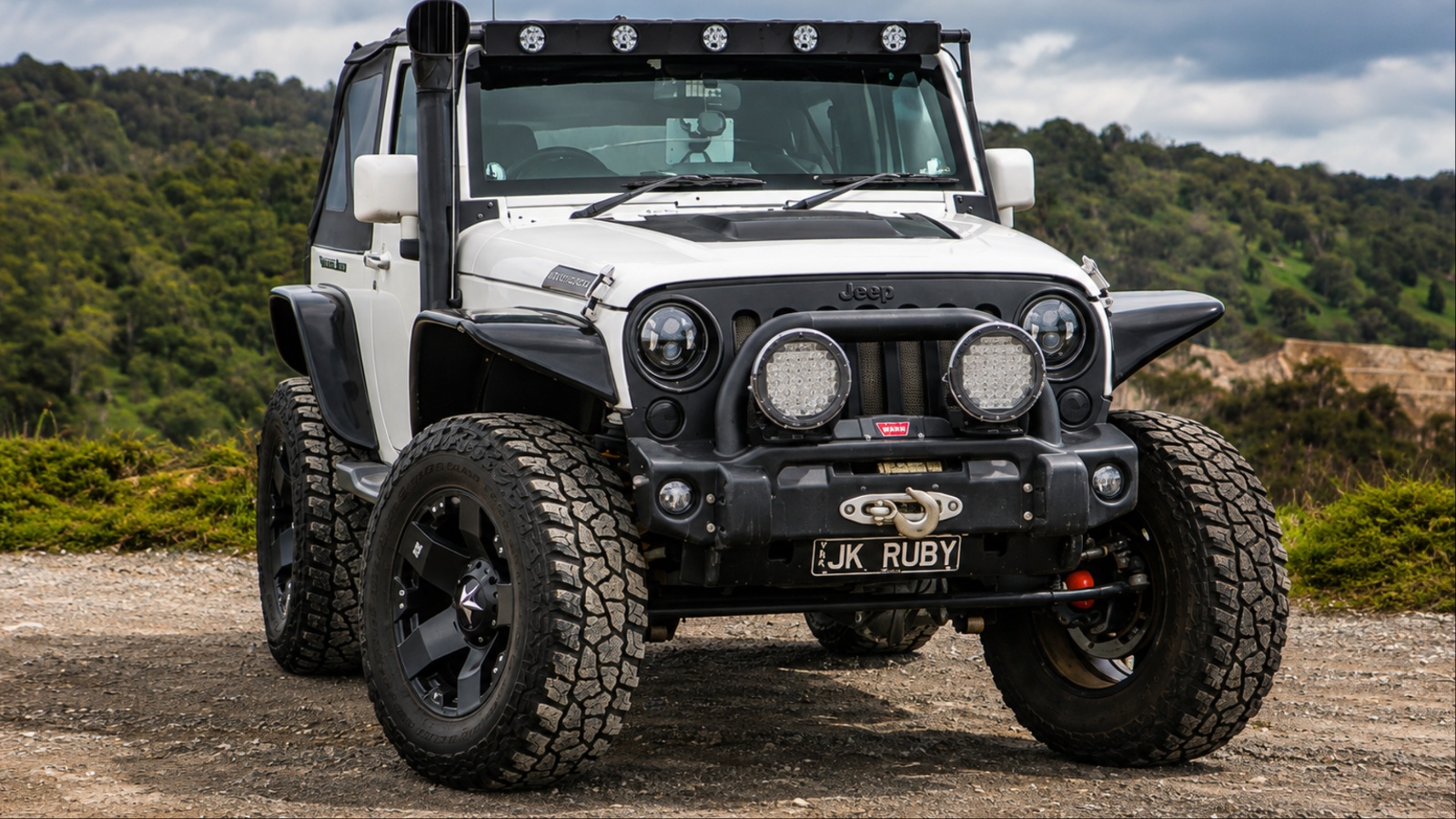
Rodents can cause serious damage to parked cars by chewing wiring, nesting inside engine compartments, and damaging insulation. Some vehicles offer fewer opportunities for mice and rats to enter or settle, while others have designs that provide easy access to warm, sheltered spaces.
No car is completely rodent-proof, since determined pests can enter many vehicles when conditions are right. Still, differences in engine bay layout, underbody protection, insulation, and exposed wiring can affect the risk.
This guide looks at five cars that are generally less attractive to rodents and five that may require extra precautions, especially when parked for long periods.
5 Cars That Are More Resistant to Rodent Problems
1. Toyota Prius
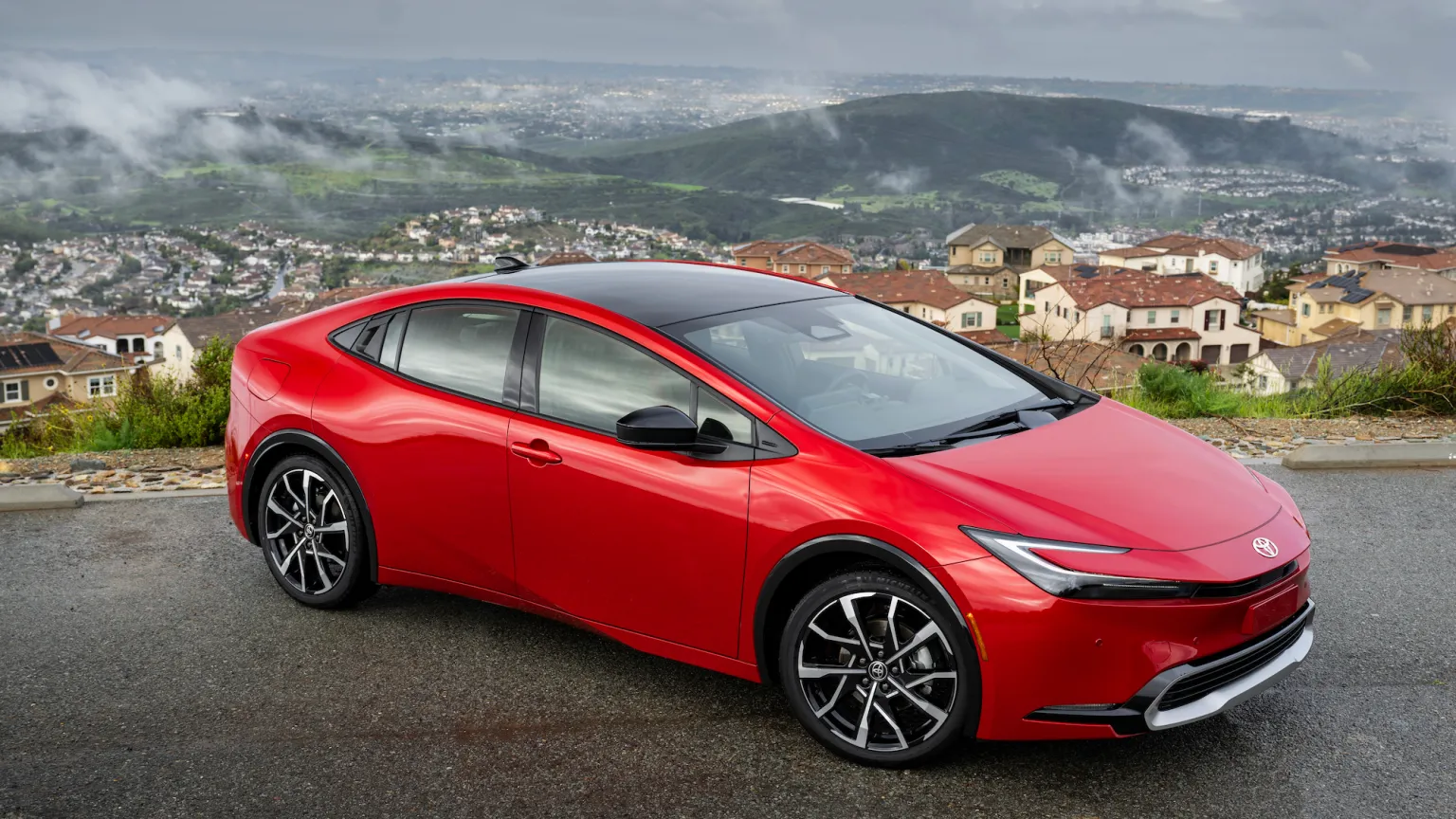
The Toyota Prius has a reputation for being a practical hybrid, but its design also offers some advantages when it comes to limiting common rodent problems. Its hybrid powertrain changes the way the engine compartment operates compared with a conventional gasoline vehicle.
The gasoline engine may remain off while the vehicle is stationary or operating under certain conditions, which can mean less consistent heat in the engine bay. Heat is attractive to rodents, particularly during colder weather, so a compartment that does not stay warm for long periods may be less inviting.
The Prius also has a relatively organized engine compartment, with many components positioned in ways that leave fewer obvious open areas than some older conventional vehicles. That does not make the car immune to mice or rats.
Rodents are capable of reaching surprisingly small spaces, and a vehicle that remains parked for days or weeks can still become a convenient shelter. The surrounding parking environment often matters more than the badge on the hood.
Hybrid vehicles also have substantial high-voltage components and protective covers that can reduce the amount of easily accessible wiring in certain areas. This can help reduce opportunities for chewing, but it should not be interpreted as complete protection.
Rodents can still damage low-voltage wiring, hoses, insulation, and other materials. Owners should never assume that a hybrid vehicle is automatically safe from pest damage.
Regular inspection remains useful for Prius owners who park outdoors, near vegetation, or close to garages where rodents are common. Signs such as droppings, nesting material, unusual odors, damaged insulation, or warning lights deserve attention. Finding evidence early can prevent a minor pest problem from becoming an expensive electrical repair.
The Prius therefore belongs on the lower-risk side of this list, rather than being described as genuinely rodent proof. Its hybrid operating characteristics and covered components can make the engine area less appealing in certain circumstances.
Parking habits, cleanliness, climate, and local rodent activity still have a major influence on whether a particular Prius develops a problem.

2. Tesla Model 3
The Tesla Model 3 presents a very different environment from a traditional gasoline-powered car.
It does not have a conventional internal combustion engine and therefore lacks the same hot engine compartment that attracts rodents after a drive. That distinction can reduce a common source of shelter, particularly during cooler months when rodents seek warm spaces.
The front compartment and underbody are also designed around an electric powertrain rather than a traditional engine, transmission, exhaust system, and numerous fluid lines. Much of the vehicle’s electrical and mechanical architecture is enclosed behind protective panels. This can make some areas less accessible than the engine bays found in older gasoline cars.
That said, electric vehicles are not rodent-proof. They contain extensive wiring, insulation, plastics, and other materials that can be damaged by pests.
A rodent may enter the vehicle from underneath or through another opening and find a suitable nesting location. The absence of an engine does not eliminate the need for inspections.
The Model 3 can also spend significant periods parked, which creates a different kind of risk. Rodents are opportunistic. If a car is left untouched in a quiet garage or near vegetation, a pest may investigate it regardless of its powertrain. Food, nesting material, and nearby shelter can make the surrounding environment especially important.
For these reasons, the Model 3 is better described as relatively resistant to some rodent attractions rather than completely protected. Its electric architecture eliminates the traditional hot engine bay, which can be beneficial.
Owners should still inspect accessible areas and pay attention to electrical warnings or signs of nesting.
3. Nissan Leaf
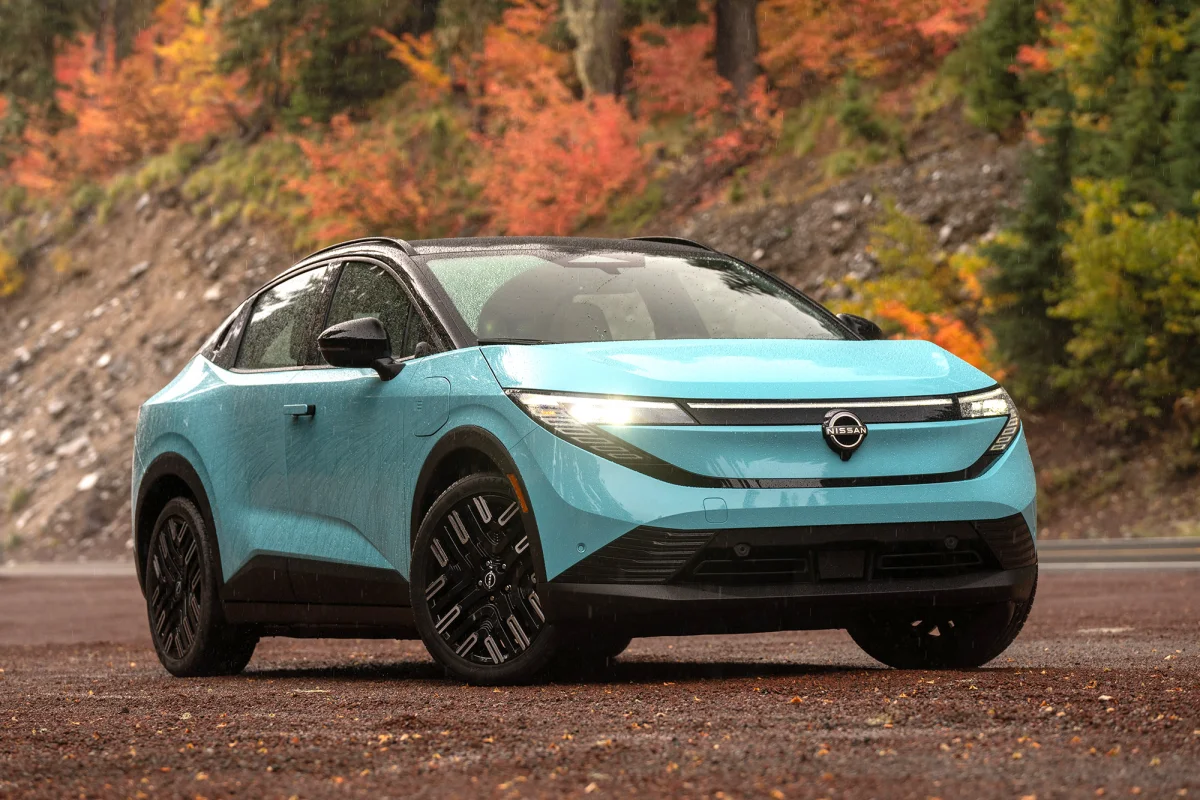
The Nissan Leaf is another electric car that can have fewer rodent attractions associated with a conventional engine compartment.
Because it uses an electric motor rather than an internal combustion engine, there is no traditional engine block producing heat after every trip. That can reduce the appeal of the area for rodents searching for warmth.
The Leaf’s electric drivetrain also changes the physical arrangement beneath the hood. Several components that would normally be associated with a gasoline powertrain are absent. Protective covers and the relatively compact arrangement can limit certain accessible spaces, although the exact level of protection depends on the vehicle generation and its condition.
Rodents remain a potential problem because the car contains plenty of materials that pests can damage. Wiring, insulation, plastic components, and cabin materials can all become targets.
A rodent does not need a traditional engine to find a vehicle useful. It only needs a sheltered space that provides protection from weather and predators.
The surrounding area therefore remains critical. A Leaf parked beside a pile of leaves, dense vegetation, stored boxes, or an active rodent nest may face considerably more exposure than the same vehicle parked on a clean, open driveway. Removing nearby shelter can be more effective than relying solely on vehicle design.
The Leaf earns a place among the more rodent-resistant choices mainly because its electric powertrain removes some of the conditions that attract rodents to conventional cars.
It should still receive periodic inspections, particularly after being parked for extended periods. Owners should treat any signs of nesting as an early warning rather than waiting for an electrical fault.
4. Hyundai Ioniq 5
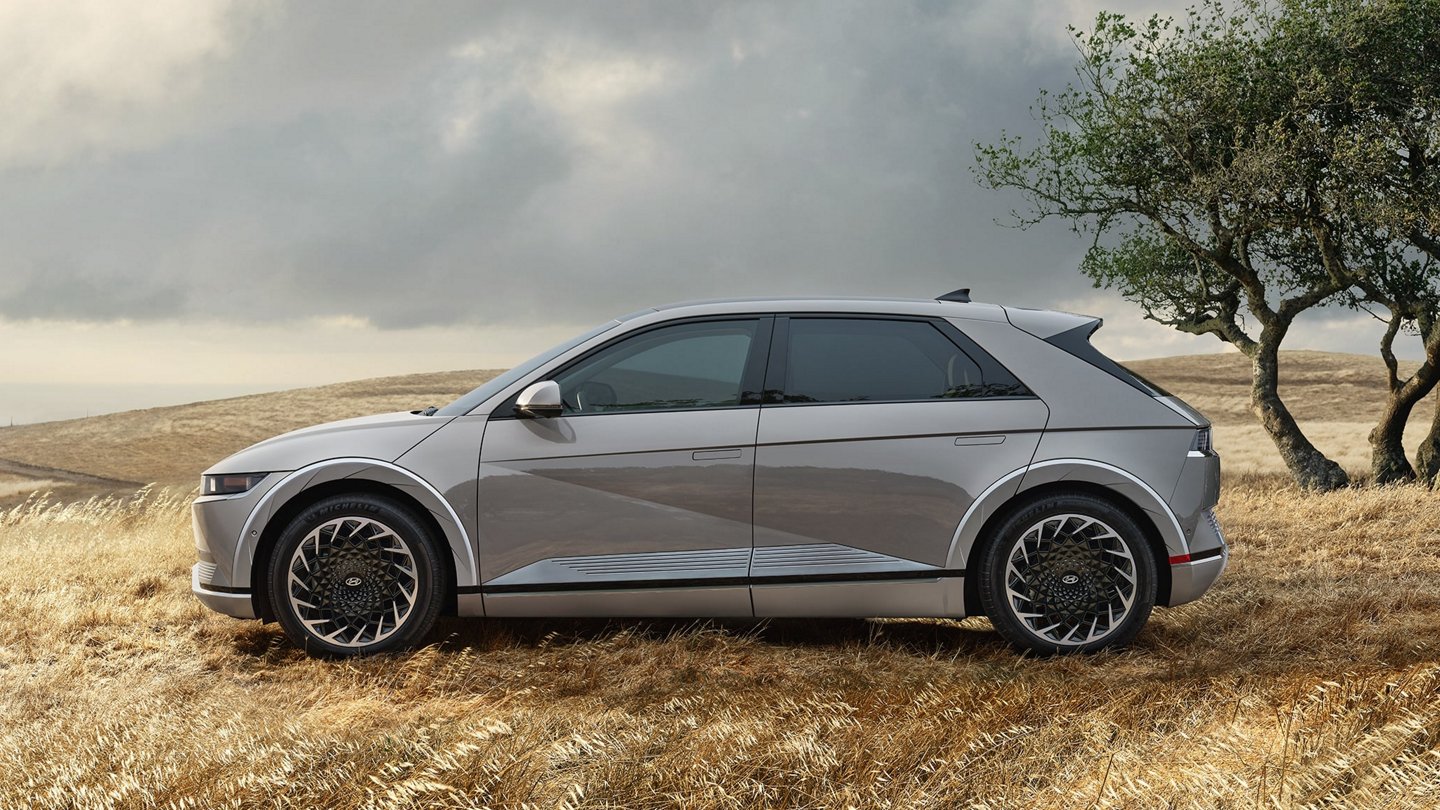
The Hyundai Ioniq 5 is built around a dedicated electric vehicle platform, giving it a powertrain layout that differs substantially from gasoline and diesel vehicles. The lack of a conventional engine reduces the presence of a hot, mechanically complex engine bay. For rodents, fewer warm mechanical components can mean fewer reasons to investigate that area.
Its flat battery arrangement beneath the vehicle also changes the available space compared with a conventional car. Much of the major propulsion hardware is enclosed and integrated into the vehicle structure. This can reduce access to some components that would otherwise be exposed in a traditional engine compartment.
However, an electric platform does not eliminate vulnerable materials. Wiring and electronic systems remain essential to the car. A damaged cable or connector can produce warning messages, charging problems, or drivability issues. Rodents can also cause trouble in areas unrelated to the main propulsion system.
The Ioniq 5’s spacious body and extensive electronics mean owners should not ignore signs of pest activity. Droppings around the vehicle, shredded material, unusual smells, or noises after the car has been sitting should prompt an inspection. A small nest can become a larger problem if it remains undisturbed.
As with the other vehicles in this category, the term rodent-resistant is more accurate than rodent proof. The Ioniq 5 has a powertrain layout that avoids some classic rodent attractions, but environmental conditions can outweigh those design advantages. Keeping parking areas clean and checking the vehicle regularly provides an additional layer of protection.
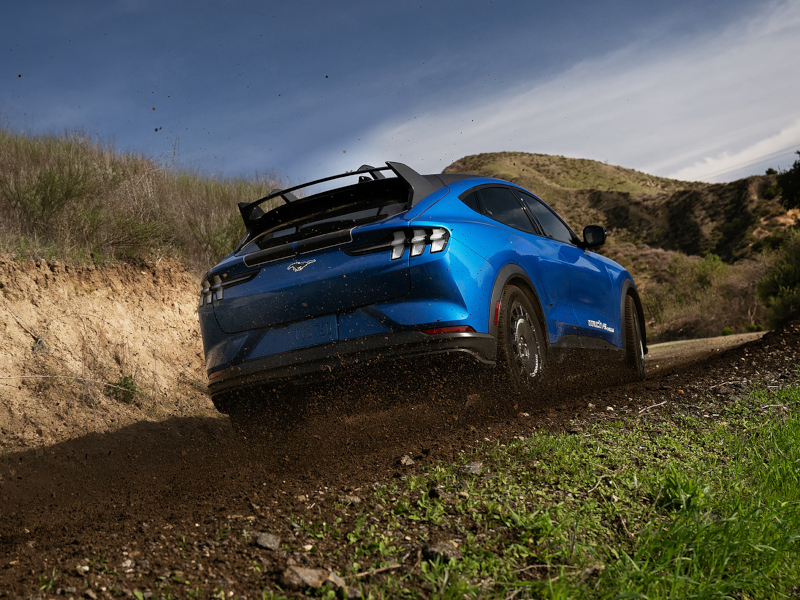
5. Ford Mustang Mach-E
The Ford Mustang Mach-E is another electric vehicle that lacks the traditional gasoline engine compartment. Its electric architecture can reduce the amount of engine-related heat and mechanical clutter that rodents encounter.
This makes it a reasonable candidate for drivers who are concerned about pests damaging conventional engine components.
The Mach-E has protective structures around important electrical and mechanical systems. The vehicle’s design is focused on packaging the battery, motors, electronics, and supporting equipment within an electric platform. Many critical components are not sitting openly in the engine bay as they would in an older gasoline-powered vehicle.
Rodents can still enter the vehicle and damage accessible materials. Electric cars use extensive wiring, connectors, insulation, and plastics. These materials can be attractive to pests looking for something to chew or use for nesting.
A vehicle parked in a rodent-heavy area can therefore experience problems regardless of its powertrain.
Long periods of inactivity can increase the opportunity for pests to establish themselves. Someone who drives a Mach-E every day may have a different experience from an owner who leaves the vehicle parked for several weeks. Movement, noise, heat changes, and regular inspections can make the vehicle less suitable as a quiet shelter.
The Mach-E is therefore best viewed as a lower-risk option in certain respects, not as a guaranteed solution. Its electric design removes the traditional hot engine environment, which may reduce attraction. Good parking practices and routine checks remain necessary if rodents are common in the area.
5 Cars That Are More Vulnerable to Rodent Damage
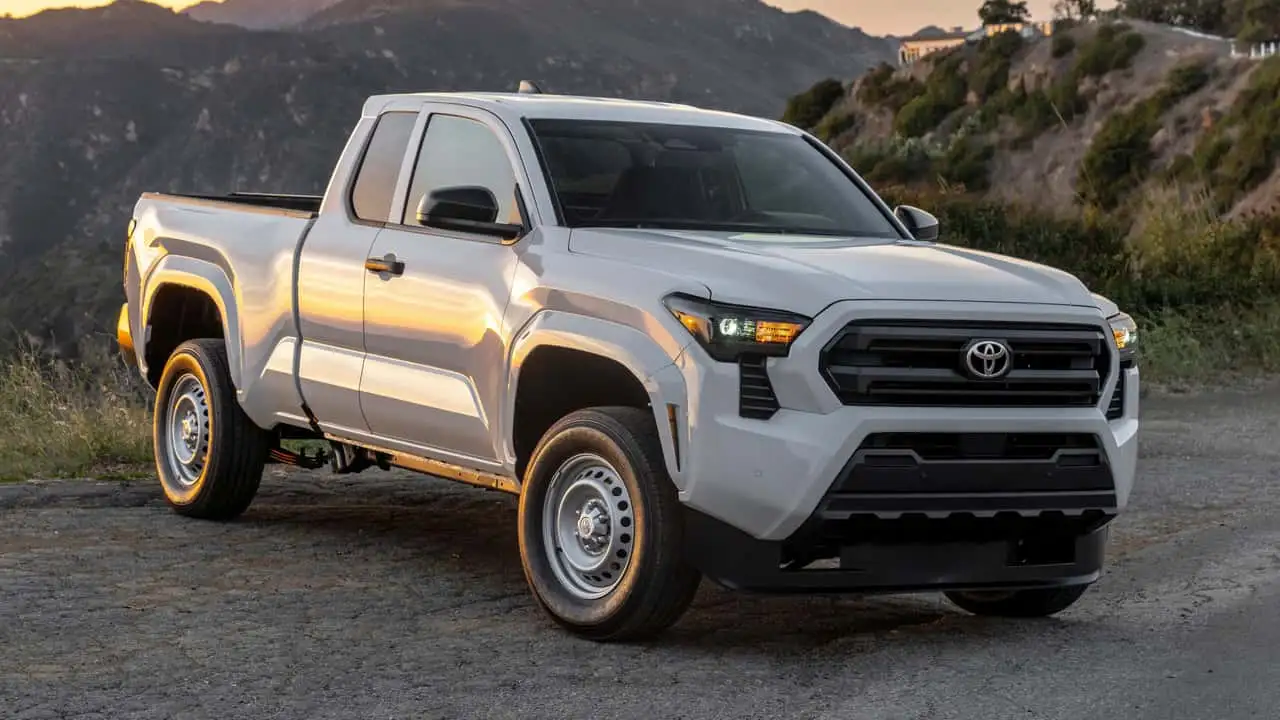
1. Toyota Tacoma
The Toyota Tacoma is popular with drivers who need a capable pickup, but its traditional truck architecture can create several areas that rodents may investigate.
The engine compartment contains heat-producing mechanical components, wiring, hoses, and insulation. After a drive, the engine bay can remain warm enough to provide attractive shelter during cooler conditions.
Pickup trucks can also spend considerable time parked outdoors, particularly when used for work, recreation, or rural driving.
Parking near fields, wooded areas, construction sites, or piles of materials can increase exposure to mice and rats. The vehicle itself may not be responsible for the problem, but its operating environment can create favorable conditions.
A Tacoma that remains parked for long periods deserves particular attention. Rodents can move into quiet engine compartments and build nests from insulation or other soft materials. Once established, they may chew wiring or hoses, creating problems that range from warning lights to complete vehicle failure.
The truck’s ground clearance may also provide easier access beneath the vehicle than a low passenger car. Rodents are capable climbers and can exploit openings around the underbody, wheel wells, and engine compartment. Protective panels can reduce access in some areas, but they are not designed as pest barriers.
Tacoma owners who park in rodent-prone areas should therefore focus on prevention. Keeping vegetation trimmed around the parking space, removing food sources, inspecting beneath the hood, and checking for nesting material can reduce the chance of serious damage.
The truck is not guaranteed to attract rodents, but its conventional mechanical layout creates several conditions that pests may find appealing.

2. Honda CR-V
The Honda CR-V has a conventional gasoline-powered layout in many model years, giving rodents access to the type of warm engine compartment they frequently investigate.
The combination of heat, sheltered spaces, wiring, plastic components, and insulation can provide a comfortable environment for mice and other small pests.
Modern vehicles use considerable amounts of electrical wiring and protective materials. While these systems are designed for reliability, they are not necessarily resistant to animal chewing. A rodent that reaches the engine compartment can damage wires or insulation without leaving obvious evidence from outside the vehicle.
The CR-V is also commonly used as an everyday family vehicle, meaning it can be parked in a garage overnight or outside during the day. If a garage has an existing rodent population, the vehicle may become an additional sheltered location.
Food crumbs and clutter in the garage can make the surroundings even more attractive.
A vehicle that sits unused for several days may offer rodents more opportunities to establish a nest. Drivers should pay attention to unusual smells, dashboard warnings, unexplained electrical behavior, or bits of shredded material beneath the hood. These clues can appear before major damage occurs.
The CR-V should not be considered inherently unsafe or unusually poorly designed. Its placement in the higher-risk group reflects the conditions associated with conventional gasoline vehicles.
Proper parking practices and regular inspections can substantially reduce the chance that a rodent problem becomes expensive.

3. Subaru Outback
The Subaru Outback is widely used in areas where outdoor exposure is common, and that lifestyle can place it in environments where rodents are plentiful. Drivers may park near forests, trails, fields, campsites, or rural properties. Such locations naturally contain more potential nesting sites and food sources.
Its gasoline-powered engine produces heat, creating a familiar shelter for rodents during certain conditions. The engine compartment also contains wiring, hoses, insulation, and other materials that pests may damage. A quiet vehicle that remains parked for extended periods can become an attractive hiding place.
Subaru vehicles have also been associated with outdoor-oriented use, meaning owners may regularly travel through areas with dense vegetation.
Leaves, seeds, grass, and other natural debris can accumulate around a parked vehicle. These materials can make the surrounding area more appealing to rodents.
Regular cleaning and inspection can make a meaningful difference. Removing debris from around the vehicle, checking the engine compartment, and watching for nesting material can help identify an issue early. Keeping the parking location clear can also reduce the number of places rodents can hide near the car.
The Outback is not automatically destined for rodent damage. Many owners never experience a pest problem. Its inclusion here reflects the combination of a conventional engine bay and the types of environments in which these vehicles are frequently operated and parked. Location and maintenance habits remain major variables.
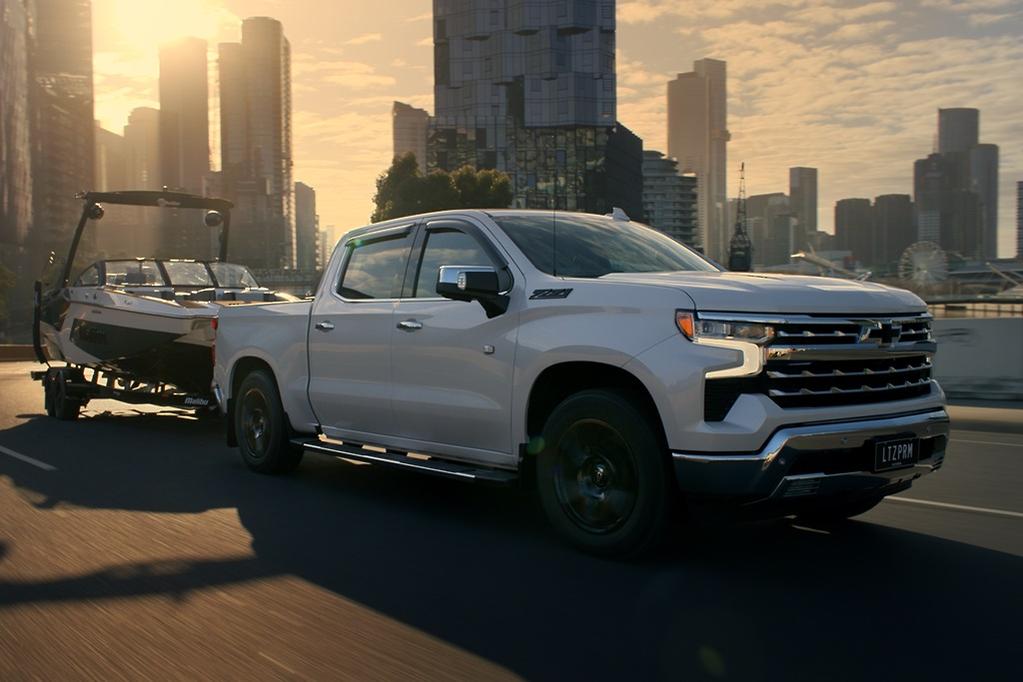
4. Chevrolet Silverado
The Chevrolet Silverado is a large pickup with a conventional engine compartment that can offer rodents several potential hiding areas.
Depending on the engine and model year, the vehicle has numerous mechanical and electrical components beneath the hood. The warm environment created after driving can be attractive to rodents, especially when outside temperatures fall.
Trucks are also frequently parked outdoors. Work sites, farms, rural homes, warehouses, and wooded properties can expose them to substantial rodent activity. If the vehicle remains stationary for several days, pests have more time to investigate openings and establish nests.
Rodents can cause expensive damage by chewing electrical wiring and insulation. They may also carry nesting material into sheltered spaces. In serious cases, a nest can interfere with airflow or create other mechanical concerns. The first signs may be subtle, making routine checks particularly valuable.
Silverado owners should pay attention to the area beneath the hood and around the front of the vehicle. Droppings, shredded insulation, leaves gathered in unusual locations, and strong odors can indicate that an animal has been present. A flashlight can help reveal evidence in darker sections of the engine bay.
The Silverado’s vulnerability does not mean the truck has a defective design. Rather, its traditional powertrain and typical usage patterns create circumstances that rodents can exploit.
Drivers who keep the truck in a clean, active, well-maintained environment may experience little trouble, while vehicles stored outdoors in rodent-heavy areas require more vigilance.
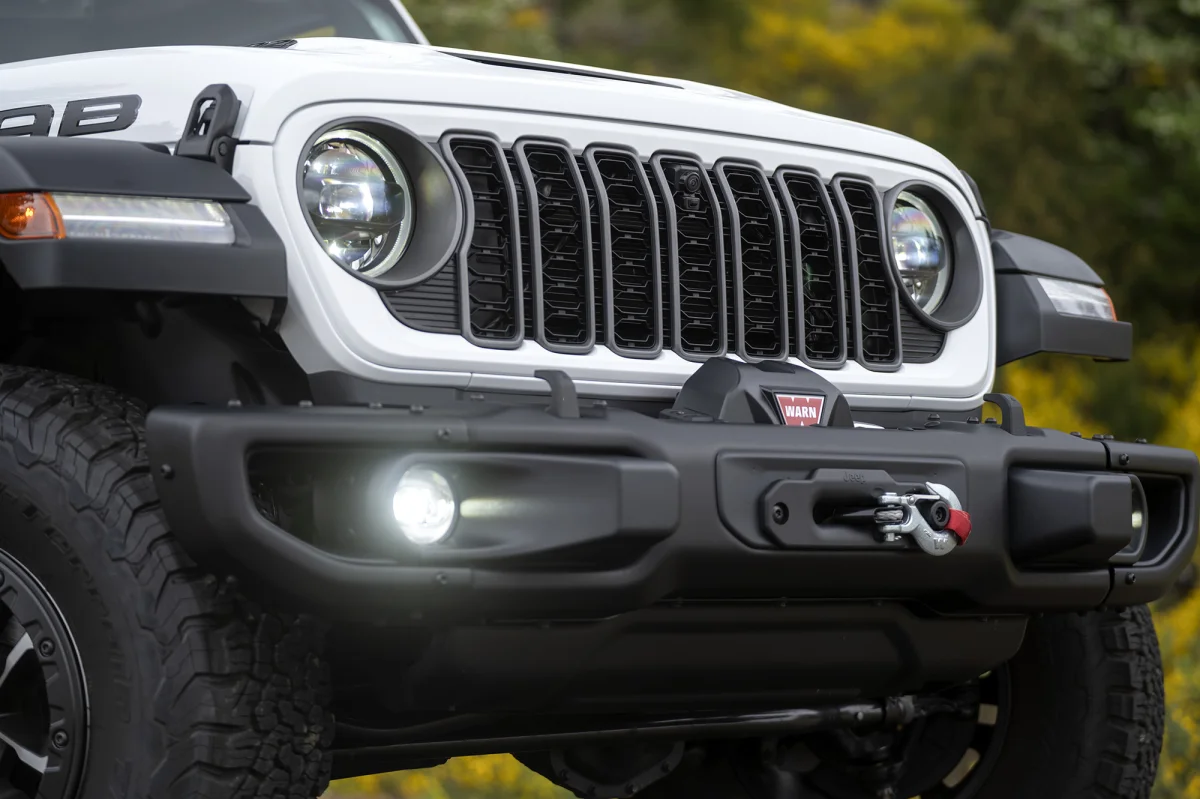
5. Jeep Wrangler
The Jeep Wrangler is designed for demanding outdoor use, and its operating environment can expose it to rodents more frequently than a vehicle that spends most of its time in urban parking facilities. Owners may take Wranglers into wooded areas, campsites, trails, farms, and remote locations where small animals are common.
Its conventional gasoline powertrain also creates a warm engine compartment. After driving, the engine bay can become an appealing shelter, particularly when the vehicle is parked in a cool outdoor environment. Wiring, insulation, and other materials provide additional targets for chewing and nesting.
A Wrangler that is parked near tall grass, firewood, brush, or piles of leaves can face greater exposure. Rodents do not need much space to hide, and nearby vegetation can provide a direct route into sheltered areas beneath the vehicle.
Regular inspections are especially useful after outdoor trips. Before leaving the vehicle parked for an extended period, owners can check beneath the hood and around accessible areas for debris or nesting signs. Cleaning mud and plant material from the vehicle can also remove potential food and shelter sources.
The Wrangler is not inherently vulnerable in every situation. Its placement on this list reflects the combination of a conventional engine bay and an outdoor-oriented lifestyle.
If the vehicle is parked on a clean driveway and driven frequently, the risk may be substantially lower than it would be in a rural storage area.