Storing a car for a full year can cost far more than simply paying for a parking space. The final price depends on where the vehicle is kept, the level of protection it needs, insurance, maintenance, and preparation before storage.
A basic outdoor space may be relatively affordable, while an enclosed or climate-controlled facility can require several thousand dollars annually. Owners also need to consider battery care, fluids, tires, cleaning, security, and possible insurance changes.
Understanding these expenses before putting a vehicle away makes it easier to set a realistic budget and choose storage that protects the car without creating unnecessary costs.
How Much Does It Cost to Store a Car for a Year?
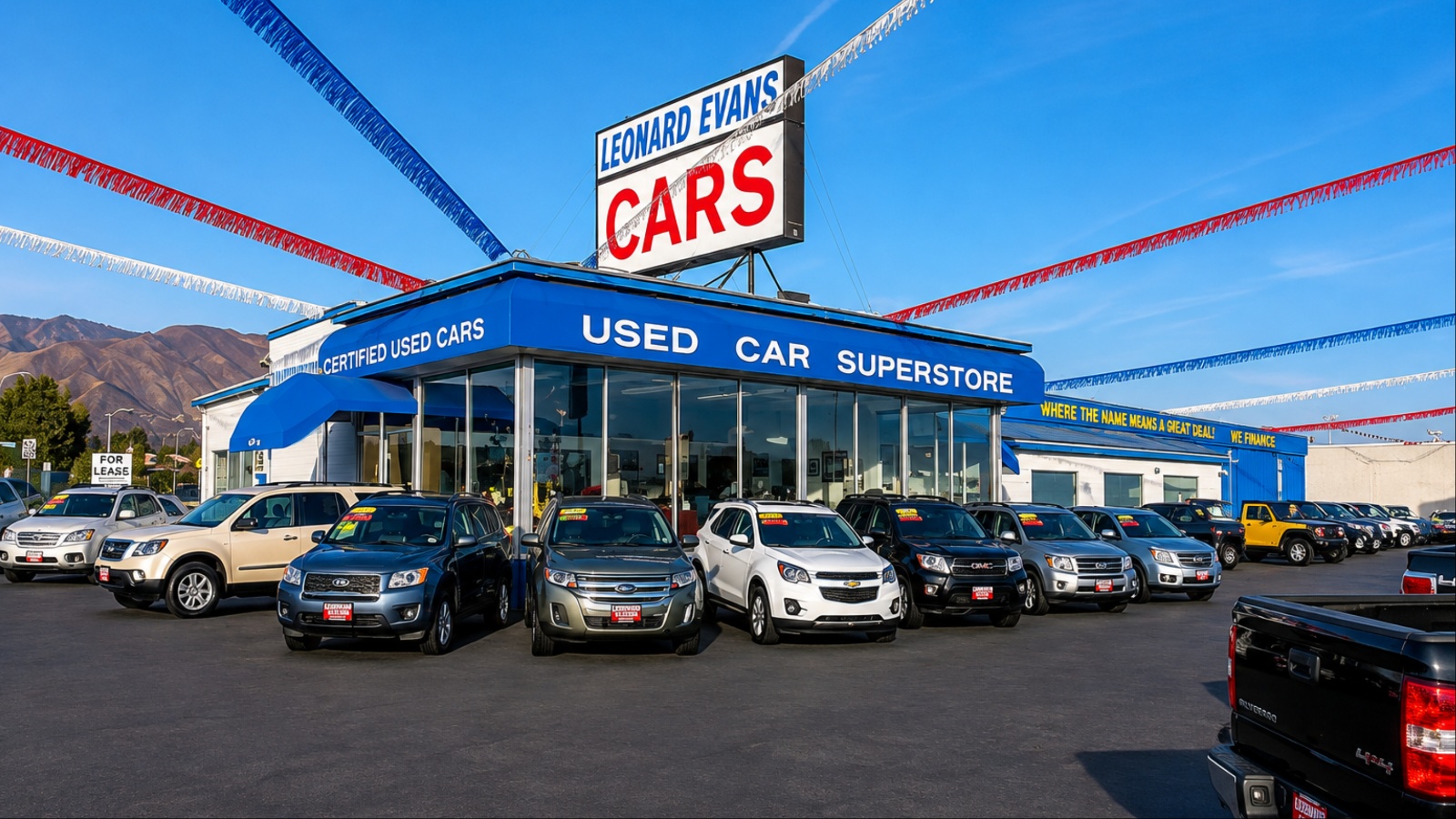
The biggest expense is usually the monthly storage fee. In the United States, current pricing varies widely by location and facility, with outdoor spaces commonly costing around $50 to $150 per month, covered spaces around $75 to $200, and indoor storage frequently ranging from about $125 to $400 or more.
That means a basic outdoor arrangement could cost roughly $600 to $1,800 for twelve months, while indoor storage may reach $1,500 to $4,800 before additional services are included.
Outdoor storage is generally the cheapest choice because the vehicle occupies an open parking space. This option can work for owners who mainly need a secure place to leave an ordinary vehicle and live in an area with relatively mild weather.
The drawback is exposure to sunlight, rain, wind, dust, hail, and temperature changes. Over a full year, those conditions can affect paint, rubber seals, tires, and the interior. A covered space costs more but provides a roof that reduces direct exposure to rain and ultraviolet radiation.
Indoor storage provides a higher level of protection and usually costs more. The car stays inside a garage, warehouse, or enclosed vehicle facility, reducing exposure to weather, debris, animals, and unwanted contact.
Current market estimates put basic indoor storage in a broad range of roughly $100 to $400 per month, depending heavily on the city, facility, security, and size of the space. In expensive metropolitan areas, rates can be substantially higher.
Climate-controlled storage represents the premium end of ordinary vehicle storage. These facilities regulate temperature and, in some cases, humidity. Such conditions can be useful for classic cars, collector vehicles, luxury models, convertibles, and cars with delicate interiors.
Current pricing data shows climate-controlled storage can range from approximately $150 to $500 per month, with premium facilities charging more. A full year could therefore cost $1,800 to $6,000 or considerably more.
The location of the facility can change the calculation dramatically. Storage companies in major cities generally charge more because land, demand, and operating expenses are higher.
A car owner who is willing to travel outside a major urban area may find substantially lower rates. Long-term contracts can also reduce the monthly price, so it is worth asking whether a twelve-month commitment qualifies for a discount before signing an agreement.
Extra Costs That Can Increase Your Annual Budget
The storage fee is only part of the financial picture. A car that sits unused for twelve months still requires preparation and occasional attention. Before storage, owners may pay for an oil change, exterior wash, interior cleaning, fuel stabilizer, battery equipment, tire care, and other services.
These costs can be modest for a basic vehicle, but they become more significant when a facility provides professional preparation or regular maintenance.
Battery care is particularly important because a vehicle that sits unused can develop a discharged battery. Some storage facilities provide electrical outlets and battery tender services, while others charge extra for this service.
A battery tender can keep the battery at an appropriate charge level during extended storage. If the battery is simply left unattended, the owner may return to a vehicle that needs a jump-start or a replacement battery.
Tire care also deserves attention. A car sitting in exactly the same position for months can develop flat spots, particularly when tires are underinflated, or the vehicle remains stationary for an extended period. Proper tire pressure and suitable storage procedures can reduce the risk.
Some owners choose professional vehicle storage services that periodically move the car, though this may involve an additional monthly charge. It is important to ask exactly what a facility means when it advertises vehicle maintenance.
Cleaning is another cost that can be easy to overlook. The car should generally be cleaned before long-term storage because dirt, food residue, moisture, and contaminants left inside or on the body can create problems over time.
Professional detailing may cost considerably more than a basic wash. Current storage pricing guides cite detailing services ranging from roughly $100 to several hundred dollars depending on the vehicle and level of service.
Insurance can also affect the annual total. A vehicle stored for a year may not need the same coverage as a car being driven every day, but owners should not simply cancel insurance without checking with their insurer.
Some insurers permit comprehensive-only coverage for a vehicle that is not being driven, which can protect against risks such as theft, vandalism, fire, and certain weather-related damage. Coverage rules and savings vary by insurer and location, so the policy should be reviewed before the vehicle goes into storage.
How Much Should You Budget for Different Storage Options?
For a budget-conscious owner, outdoor storage may be the most practical solution. At approximately $50 to $150 per month, the basic annual storage charge could fall between $600 and $1,800.
Adding preparation, battery care, cleaning, and insurance-related expenses could push the actual budget higher. Outdoor storage makes the most sense when cost is a major concern and the vehicle can tolerate the local climate. Security should still be a priority, so look for fencing, lighting, surveillance, and controlled access.
Covered storage occupies the middle ground between an open lot and an enclosed facility. At roughly $75 to $200 per month in many markets, annual rent could be about $900 to $2,400.
The roof provides meaningful protection from direct sunlight and precipitation while keeping the cost below many indoor facilities. This can be a sensible choice for a vehicle that needs more protection than an uncovered parking space but does not require a controlled indoor environment.
Basic indoor storage can provide a stronger balance between price and protection. Depending on the facility, a twelve-month stay could cost approximately $1,200 to $4,800 based on common monthly rates. Some facilities offer shared warehouse areas, while others provide individual enclosed units.
Owners should check whether the advertised rate includes security, electricity, access, insurance, and battery maintenance because these features can affect the real annual price.
Climate-controlled storage can require a much larger budget. At approximately $150 to $500 per month, the basic annual cost could reach $1,800 to $6,000. Premium collector-car facilities can charge considerably more, especially when they provide concierge services, detailing, battery maintenance, vehicle transportation, and specialized security.
For a standard commuter vehicle, that level of protection may not provide enough financial value to justify the expense.
A useful way to establish your budget is to compare the storage cost with the value and condition of the car. A newer luxury vehicle, classic car, or rare model may justify paying more for enclosed protection.
An older vehicle with modest market value may not benefit enough from premium storage to make a high monthly fee worthwhile. The goal is not to find the cheapest facility or the most expensive facility. It is to select a level of protection that matches the vehicle, climate, storage period, and financial value.
How to Prepare a Car Before Storing It for a Year
Preparation should begin with a thorough cleaning. Wash and dry the exterior, clean the wheels, remove dirt from the interior, and take out food, drinks, documents, and personal belongings.
Moisture and organic material can contribute to unpleasant odors, mold, or pest problems when a vehicle remains closed for a long period. A clean vehicle also makes it easier to identify any damage when it is retrieved.
Changing the engine oil before storage is commonly recommended because used oil contains contaminants that are not ideal for an engine sitting unused for an extended period.
Owners should also check coolant, brake fluid, windshield washer fluid, and other relevant fluids. If the vehicle uses gasoline, the storage procedure may include filling the tank and using an appropriate fuel stabilizer. Vehicle manufacturers can have different recommendations, so the owner’s manual should take priority.
The battery needs a clear plan as well. Depending on the vehicle and storage facility, the battery may be connected to a suitable maintainer or disconnected according to manufacturer guidance.
Modern vehicles contain electronic systems that can draw power even when the engine is switched off. A year of inactivity can therefore place considerable strain on a battery that is not maintained.