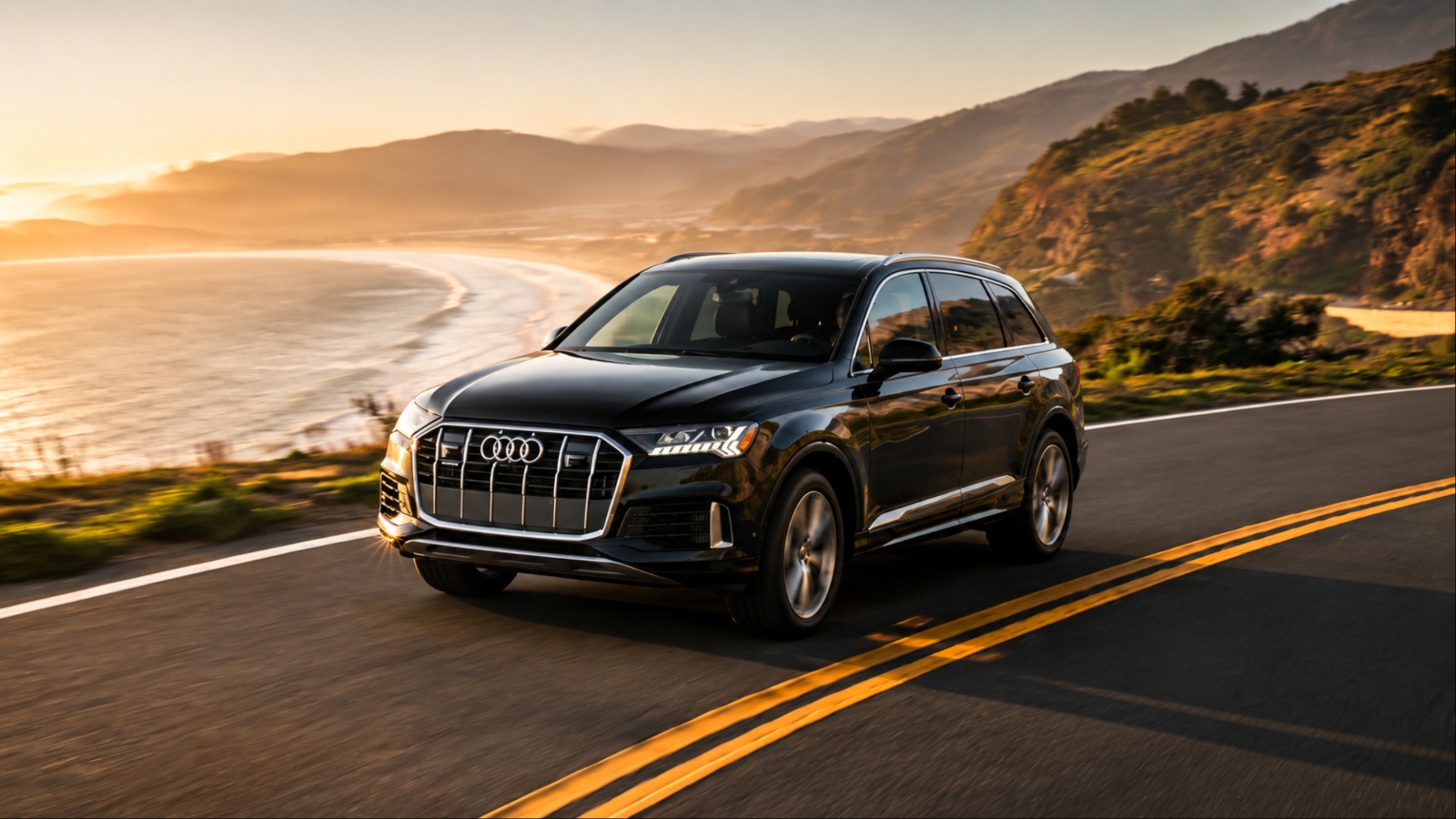
A 120,000-mile SUV is not automatically a bad purchase. In fact, some high-mileage SUVs can provide many more years of useful service when they have been maintained properly. The difference lies in the vehicle’s engine, transmission, drivetrain, maintenance history, and known age-related problems.
Some SUVs are built around powertrains that can remain dependable well beyond 120,000 miles, while others can become expensive once major components begin wearing out.
This guide separates five SUVs that can still make sense at 120,000 miles from five that deserve greater caution. The focus is on long-term durability, repair risk, ownership costs, and practical used-car value.
5 SUVs Worth Buying at 120,000 Miles
1. Toyota 4Runner
The Toyota 4Runner is one of the most recognizable choices for buyers who want an SUV that can continue working long after the odometer passes 120,000 miles. Its body-on-frame construction, traditional automatic transmission, and long-running V6 powertrain give it a mechanical foundation that is well understood by independent repair shops.
The 4.0-liter V6 used in many fifth-generation models produces 270 horsepower and 278 lb-ft of torque. It is naturally aspirated, meaning there is no turbocharger to add another layer of complexity to the engine. The five-speed automatic transmission is also a conventional design.
That simplicity becomes particularly valuable at high mileage. A buyer can concentrate on the condition of the engine, transmission, cooling system, suspension, drivetrain, and frame rather than worrying about an unusually complicated powertrain.
The 4Runner’s biggest weakness at 120,000 miles is not necessarily the engine. Rust can become a major concern, particularly on vehicles that spent years in northern states where road salt is common. The frame should be inspected carefully, along with brake lines, suspension components, and underbody hardware.
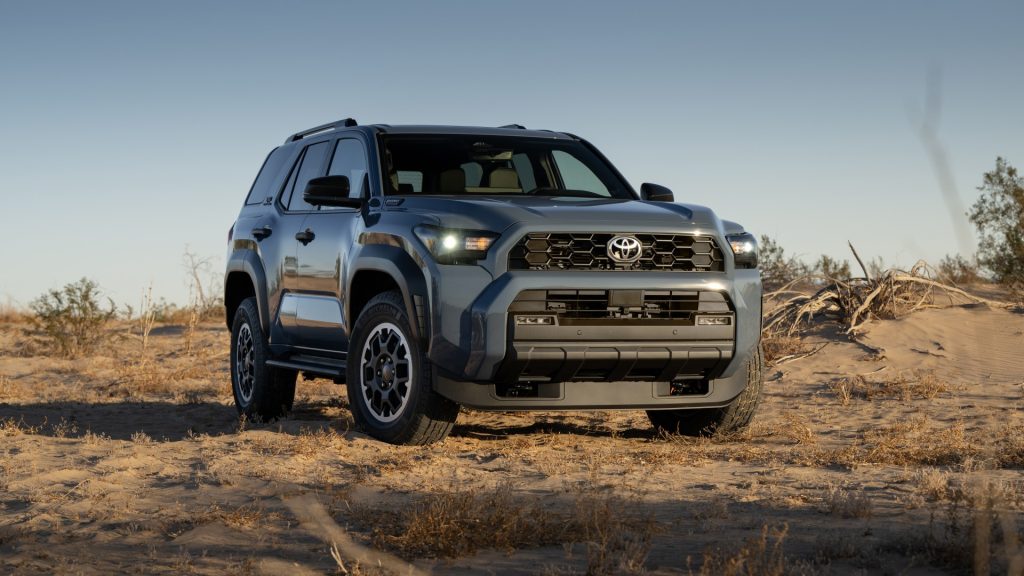
Maintenance history is also important. A 4Runner that has been used heavily off-road may have more wear than one that spent most of its life on highways. Check the four-wheel-drive system, differentials, transfer case, driveshaft, and suspension.
A properly maintained 4Runner at 120,000 miles can still have substantial life ahead of it. Its strong reputation is supported by a relatively straightforward mechanical package and extensive parts availability.
2. Honda Pilot
The Honda Pilot can be another sensible purchase at 120,000 miles, especially when the vehicle has been maintained according to Honda’s recommended service schedule. Its spacious interior, comfortable ride, and proven V6 make it useful for families who need three-row practicality without purchasing a brand-new SUV.
The 3.5-liter V6 produces strong output while using a naturally aspirated design. Depending on the model year, the Pilot can have either a six-speed or nine-speed automatic transmission, so buyers should identify the exact generation before making a decision.
At 120,000 miles, maintenance history becomes particularly important because certain Honda V6 engines use timing belts. If the applicable engine requires a timing-belt service, the buyer should verify that the belt, tensioner, and water pump were replaced at the recommended interval.
Transmission condition deserves equal attention. The vehicle should shift smoothly during both gentle and stronger acceleration. Delayed engagement, harsh shifting, slipping, or unusual noises should trigger further investigation.
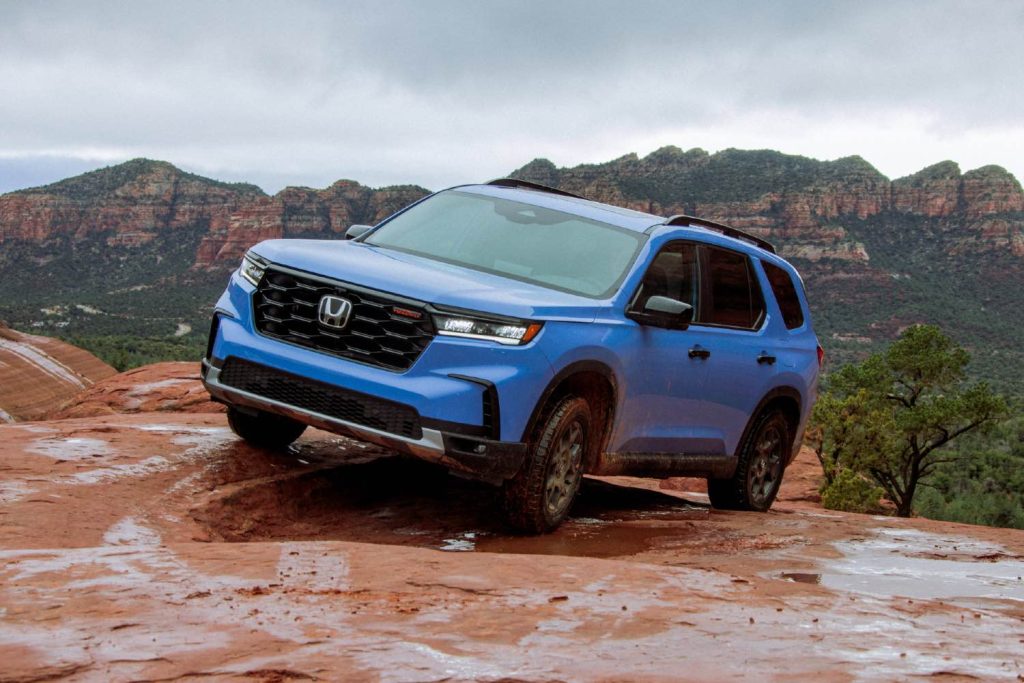
The Pilot’s family-oriented design can also work in its favor. Many examples have spent most of their lives on paved roads rather than carrying heavy loads or tackling difficult trails. That can result in less suspension and drivetrain abuse than some truck-based SUVs experience.
A 120,000-mile Pilot should still be inspected for leaks, worn suspension components, brake condition, air-conditioning performance, wheel bearings, and underbody corrosion. If the maintenance records are complete, the vehicle can remain a practical family SUV for many more miles.
The Pilot earns this spot because its combination of a naturally aspirated V6, useful interior space, and established service network can make high mileage less intimidating.
3. Lexus RX 350
The Lexus RX 350 is one of the more appealing luxury SUVs to consider at 120,000 miles because it combines premium equipment with a powertrain that has a long history of use across Toyota and Lexus vehicles. That familiarity can be valuable once a luxury SUV reaches an age where maintenance becomes more important than its original sticker price.
Many RX 350 generations use a naturally aspirated 3.5-liter V6. Depending on the model year, output is around 270 to 295 horsepower, with torque generally in the 250 to 270 lb-ft range. The absence of turbocharging in many of these versions keeps the engine design relatively straightforward.
At this mileage, maintenance documentation should be the first thing a buyer requests. Oil changes, coolant service, transmission-fluid maintenance where applicable, brake work, and suspension repairs should all be documented. A Lexus that has received consistent care can feel considerably younger than its odometer suggests.
The RX also has an advantage in how many owners use it. Most examples are family vehicles that spend their lives on paved roads rather than towing heavy trailers or traveling over difficult terrain. That can reduce stress on the drivetrain and suspension.
There are still expensive components to inspect. Air-conditioning systems, electronic equipment, suspension parts, wheel bearings, and all-wheel-drive components can add to ownership costs. A pre-purchase inspection should also look for oil leaks and signs of accident damage.
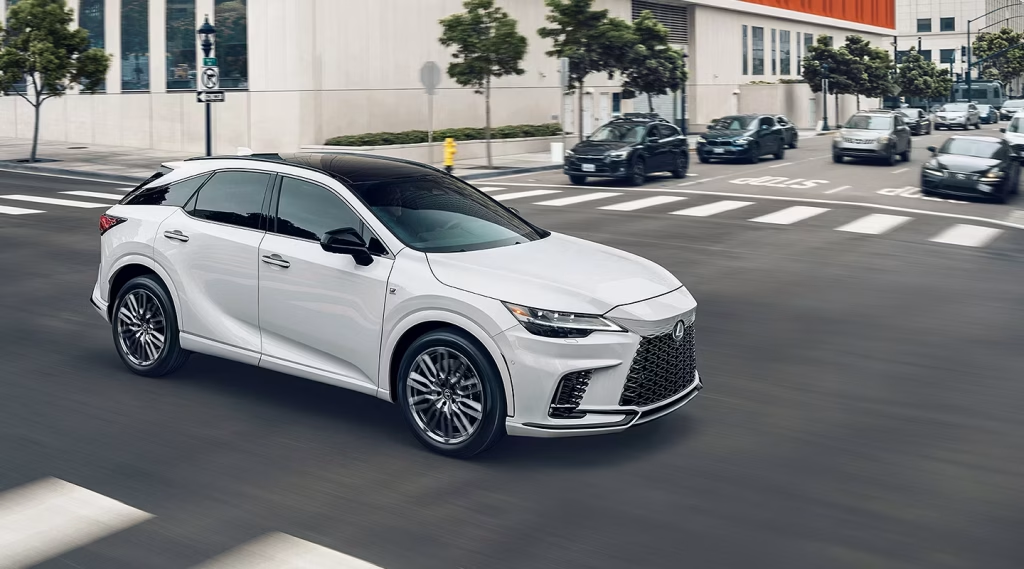
The reason the RX 350 makes this list is its combination of Toyota-based mechanical hardware, strong parts availability, and a relatively conservative engine design. A clean example at 120,000 miles can provide a surprisingly comfortable ownership experience for someone who wants luxury without buying a newer vehicle.
4. Subaru Forester
The Subaru Forester can make sense at 120,000 miles when the buyer finds an example with a strong maintenance history and the correct service documentation. Its standard all-wheel-drive system makes it particularly useful for owners who regularly deal with snow, gravel, rain, and other low-traction conditions.
Older Foresters were offered with naturally aspirated four-cylinder engines, while some versions received turbocharged powerplants. For high-mileage buyers, the naturally aspirated configuration can be preferable because it avoids some of the additional hardware associated with turbocharging.
The biggest consideration is maintenance. Subaru engines from certain generations have specific service requirements, and buyers should research the exact engine before purchasing. Oil consumption, cooling-system condition, head-gasket history on applicable older models, and timing-system maintenance all deserve attention.
The CVT found in many later Foresters should also receive a careful inspection. During a test drive, acceleration should be smooth, with no abnormal noises, hesitation, or shuddering. Documentation of transmission service is a major advantage.
The Forester’s practicality is another reason to consider it. Its upright cabin provides useful passenger and cargo space without making the SUV particularly difficult to maneuver. The relatively high seating position also gives the driver good visibility.
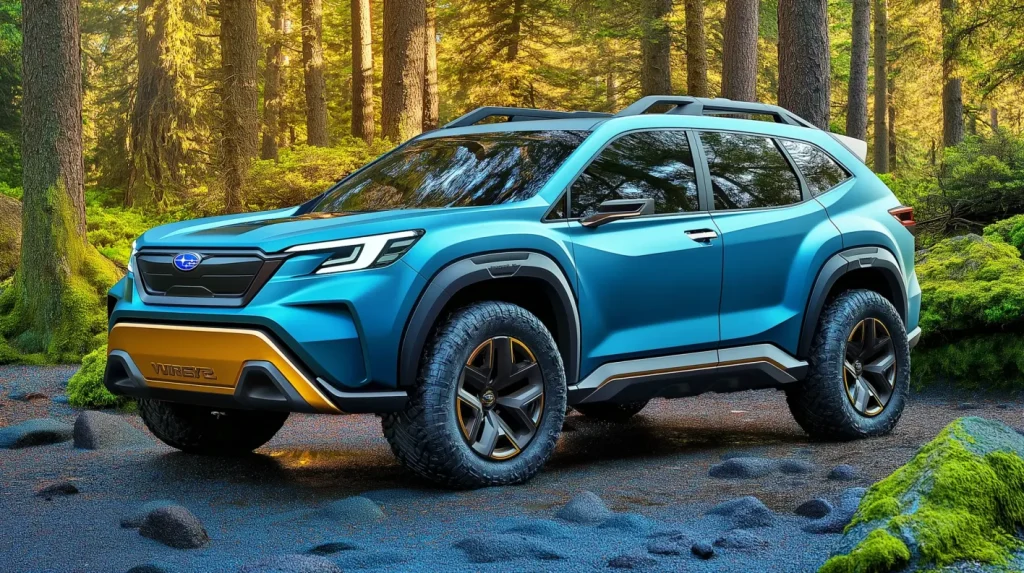
At 120,000 miles, suspension wear is likely to be more important than it would be on a newer vehicle. Struts, control-arm bushings, wheel bearings, brakes, and tires should all be examined.
The Forester earns its place because a well-maintained example can provide all-weather capability and practical transportation without requiring a large SUV. It is not a vehicle to purchase solely because of Subaru’s reputation, but the right high-mileage example can still be a sensible choice.
5. Toyota Highlander
The Toyota Highlander is another SUV that can remain useful well beyond 120,000 miles when it has been properly maintained. Its appeal comes from a combination of Toyota’s established V6 engines, practical three-row seating, and a design that is generally more focused on family transportation than extreme off-road use.
Many Highlanders from the relevant used-car generations use a 3.5-liter naturally aspirated V6. Depending on model year, output can range from roughly 270 to 295 horsepower, providing enough power for highway travel and moderate towing without relying on turbocharging.
At 120,000 miles, buyers should investigate whether major scheduled services have already been completed. On applicable generations, timing-belt replacement is especially important. A missing service record can turn an apparently inexpensive Highlander into a vehicle requiring immediate maintenance.
Transmission behavior should receive attention as well. The automatic should engage smoothly, with no hesitation, harsh shifts, or unusual noises. All-wheel-drive versions should also be checked for proper operation and evidence of neglected differential or transfer-case maintenance where applicable.
The Highlander’s family-oriented history can work in its favor. Most examples have spent their lives carrying passengers and luggage rather than tackling severe trails. That can reduce stress on suspension and drivetrain components compared with some truck-based SUVs.
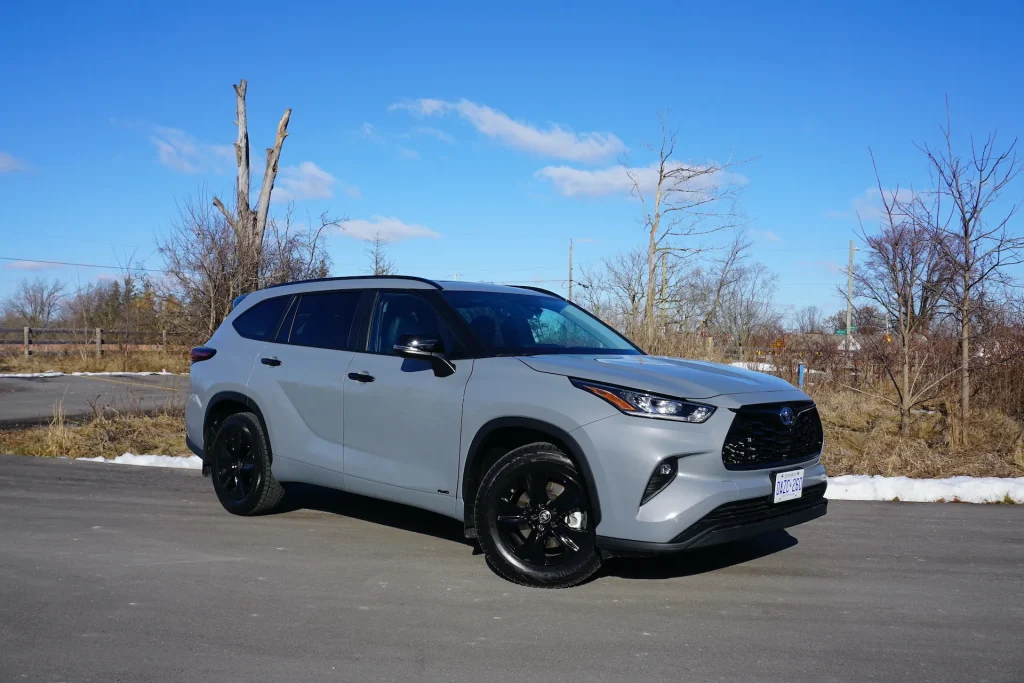
A thorough inspection should still cover wheel bearings, struts, brakes, steering components, air-conditioning performance, cooling-system condition, and underbody corrosion. Tires are also important because uneven wear can reveal suspension or alignment problems.
The reason for recommending a Highlander at this mileage is its combination of practicality and proven mechanical hardware. A clean example with comprehensive records can still provide comfortable transportation for a family without requiring the buyer to spend new-SUV money.
5 SUVs That Are Not Worth Buying at 120,000 Miles
1. Land Rover Range Rover
A Range Rover can be an impressive luxury SUV, but purchasing one with 120,000 miles requires considerably more financial preparation than buying a simpler mainstream SUV. The vehicle combines sophisticated suspension, advanced electronics, powerful engines, and luxury equipment, all of which can become expensive as the vehicle ages.
Air suspension is one of the first systems that deserves attention. A system that begins leaking can cause the vehicle to sit unevenly or lose its ability to maintain the correct ride height. Repairing compressors, air springs, valves, or associated components can be expensive.
Engine and cooling-system condition are equally important. Depending on generation and engine, the Range Rover can use complex turbocharged or supercharged powertrains. Oil leaks, cooling-system problems, sensors, and forced-induction components can all become costly when the vehicle has accumulated substantial mileage.
The interior introduces another potential source of expense. Luxury features provide an excellent experience when everything works, but electronic failures can be frustrating and expensive to diagnose.
A 120,000-mile Range Rover should therefore come with comprehensive service records. Buyers should know when major suspension components were replaced, whether the cooling system has received significant work, and whether the transmission and drivetrain have been properly serviced.
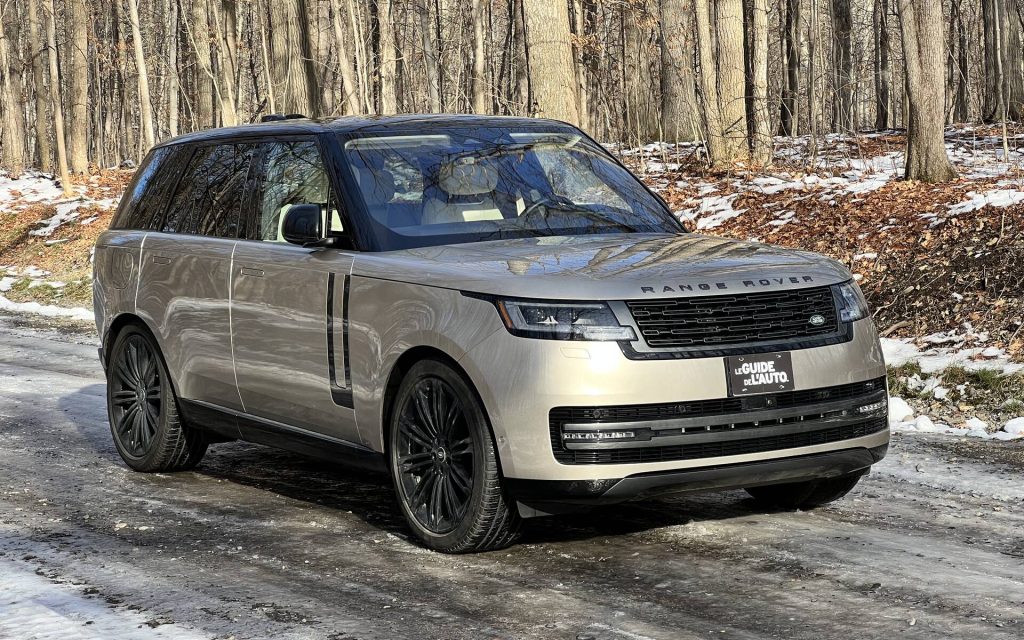
The SUV can still be rewarding for an enthusiast who understands its maintenance requirements. For someone searching for inexpensive, dependable transportation, however, the risk is much harder to justify.
The low used price can be deceptive. What matters is not simply how much the vehicle costs to buy, but how much financial exposure remains after the purchase.
2. BMW X5
The BMW X5 offers excellent driving dynamics and a premium interior, but 120,000 miles is a point where buyers need to be especially selective. The SUV contains numerous sophisticated systems, and repair costs can be substantially higher than those of a simpler mainstream crossover.
Engine selection matters enormously. Some generations use naturally aspirated engines, while others employ turbocharged four-cylinder, six-cylinder, or V8 powertrains. More powerful engines can provide excellent performance, but they also contain additional components that may require expensive repairs at higher mileage.
The cooling system is a particularly important inspection area on older BMWs. Expansion tanks, water pumps, hoses, thermostats, and other components can eventually require replacement. Oil leaks and gasket issues should also be investigated rather than dismissed as minor seepage.
The automatic transmission and all-wheel-drive system deserve a thorough test. Any hesitation, vibration, abnormal noise, or inconsistent shifting should trigger further investigation.
The X5’s electronic systems are another consideration. Modern luxury SUVs contain numerous control modules, sensors, cameras, screens, and comfort features. A single electrical fault can sometimes require extensive diagnostic work.
This does not mean the X5 is a poor vehicle. When properly maintained, it can be one of the most enjoyable SUVs in its class. The problem is that a neglected example at 120,000 miles can become expensive very quickly.
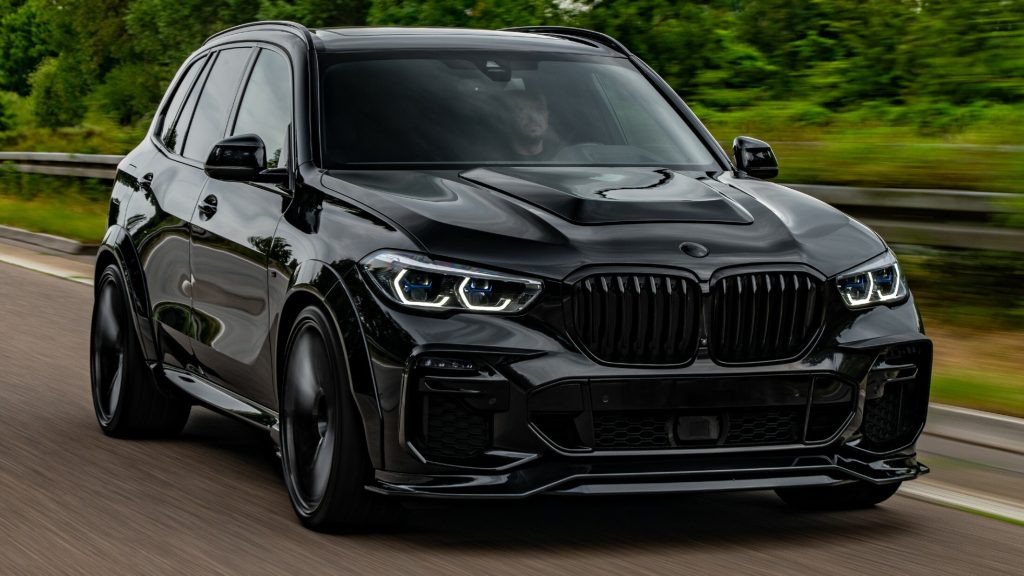
Buyers should therefore focus on maintenance history rather than the vehicle’s appearance. A clean interior and attractive exterior cannot compensate for a poorly maintained drivetrain.
For someone seeking low-cost ownership, there are safer choices. A well-maintained X5 can still work for an enthusiast with a repair budget, but it is not the high-mileage SUV to choose simply because the used price looks attractive.
3. Ford Explorer
The Ford Explorer can remain a useful SUV beyond 120,000 miles, but certain generations become much harder to recommend once they reach this mileage because several expensive systems may begin demanding attention. The risk is particularly relevant when buyers focus on the purchase price without examining the vehicle’s maintenance history.
The Explorer has been offered with multiple engines and transmissions across its generations, so the exact model year matters. Some versions use naturally aspirated V6 engines, while later models introduced turbocharged EcoBoost powertrains.
Turbocharged versions add components such as intercoolers, turbochargers, and additional plumbing that can become important at higher mileage.
Transmission condition is another major concern. A test drive should include low-speed operation, highway acceleration, and repeated stops. Harsh shifting, hesitation, delayed engagement, or unusual noises can indicate problems that may require expensive repairs.
The cooling system deserves attention as well. Water pumps, thermostats, hoses, radiators, and coolant leaks can become more common as an SUV ages. Some Explorer generations also have specific engine-related concerns that make professional inspection particularly important.
The vehicle’s electronic equipment should not be ignored. Modern Explorers can contain numerous driver-assistance systems, infotainment components, cameras, sensors, and electronic modules. A warning light may indicate a relatively simple issue, but diagnosis can still become expensive.
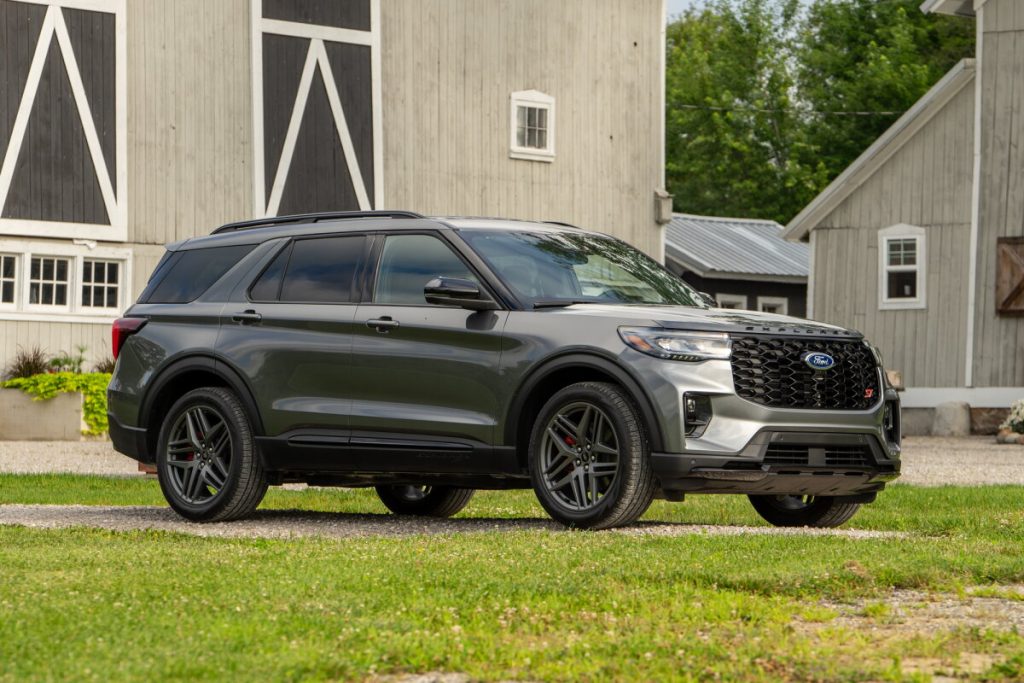
An Explorer with complete records and a recently serviced drivetrain can still be worthwhile. However, buyers should not assume that 120,000 miles is simply a routine milestone for every version.
The reason it appears in this group is the possibility of several costly repairs arriving together. Someone shopping specifically for dependable high-mileage transportation may find simpler SUVs with fewer financial risks.
4. Audi Q7
The Audi Q7 is an impressive three-row luxury SUV, but its sophisticated engineering makes a 120,000-mile example a much more serious financial commitment than its used price might suggest. The Q7 has been offered with turbocharged engines, sophisticated all-wheel drive, complex electronics, and advanced suspension components depending on generation.
A major concern is the number of systems that can require attention simultaneously. Engine oil leaks, cooling-system components, suspension parts, electronic modules, and drivetrain components can all become expensive as mileage rises.
The turbocharged engines provide strong performance, but forced-induction systems contain more components than a simple naturally aspirated engine. Buyers should listen for unusual noises, check for leaks, and make sure the engine delivers smooth power without hesitation.
The Q7’s Quattro all-wheel-drive system is a major benefit in poor weather, but it also adds mechanical components that need inspection. Transmission operation should be smooth, and the vehicle should not produce abnormal vibrations or noises under acceleration.
Luxury equipment presents another consideration. Heated and ventilated seats, climate systems, infotainment hardware, adaptive suspension, cameras, and driver-assistance technology can make the Q7 excellent when everything functions correctly. At 120,000 miles, however, any of those systems can become an additional repair expense.
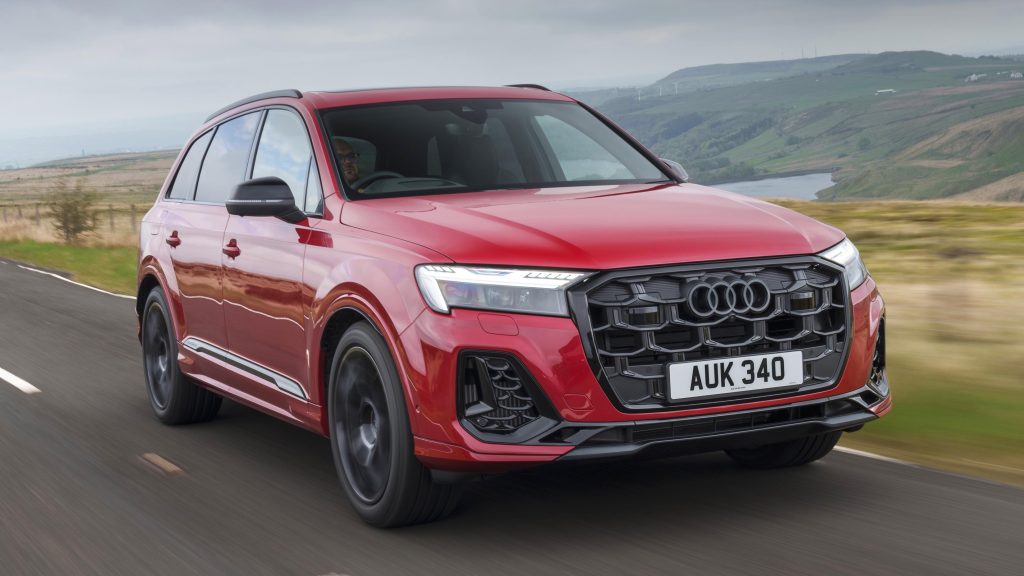
A well-maintained Q7 can still provide a comfortable and refined driving experience, but buyers should have a substantial repair reserve. The low used price can create a false impression of affordability when compared with mainstream three-row SUVs.
For someone whose priority is predictable ownership costs, a simpler high-mileage SUV is usually a safer choice. The Q7 makes more sense for buyers who specifically want its luxury experience and are prepared for the maintenance that comes with it.
5. Chevrolet Traverse
The Chevrolet Traverse can provide excellent passenger space and practical three-row functionality, but a 120,000-mile example deserves careful examination.
Its size and family-oriented design make it attractive on the used market, yet higher-mileage examples can develop issues involving the engine, transmission, suspension, cooling system, and electrical equipment.
Many versions use a 3.6-liter naturally aspirated V6 producing around 310 horsepower and 266 lb-ft of torque. The engine provides enough power for a large family SUV, but at 120,000 miles, maintenance history becomes extremely important.
The timing system deserves particular attention because the engine uses a timing chain rather than a traditional timing belt. Although chains can last a long time, their associated components can eventually wear, particularly when oil changes have been neglected.
Transmission operation should also be examined closely. The vehicle should accelerate smoothly, shift consistently, and show no signs of slipping or harsh engagement. A transmission problem on a large SUV can represent a significant percentage of its market value.
Suspension components can also be tired by this mileage. Struts, control-arm bushings, wheel bearings, brakes, and steering components should all be inspected. Uneven tire wear can provide an early clue that alignment or suspension work is needed.
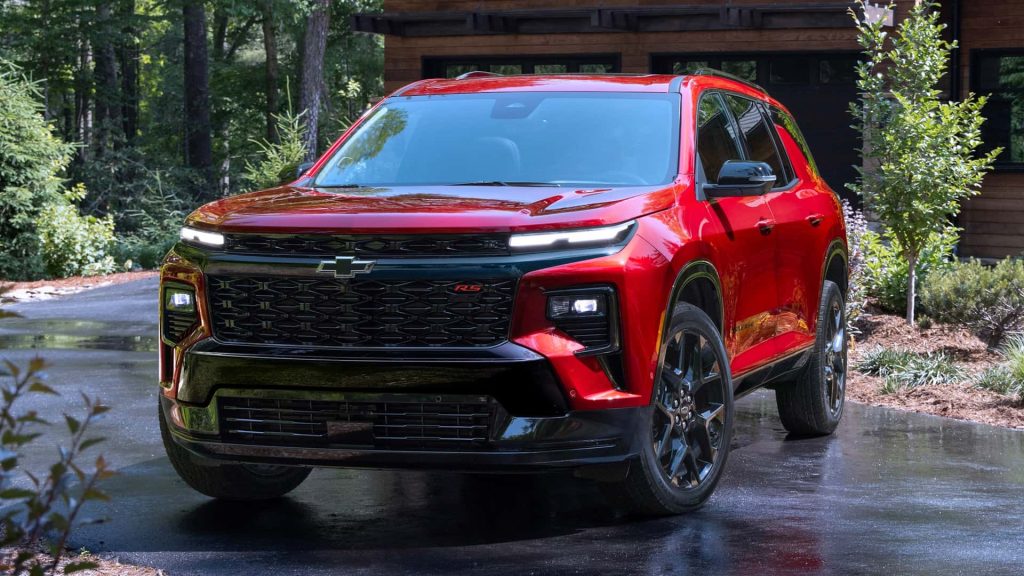
The Traverse’s greatest advantage is its space. For families needing three rows and a large cargo area, it can be extremely practical.
However, buyers looking for inexpensive high-mileage transportation should be selective. A well-maintained Traverse can continue serving a family for years, but a neglected example can quickly accumulate repair bills.
The safest approach is to prioritize documented maintenance, inspect the drivetrain thoroughly, and leave room in the budget for age-related repairs.