
A car battery is easy to overlook until the engine refuses to start. Yet the battery affects far more than starting power. Modern vehicles depend on stable electrical voltage for computers, sensors, infotainment systems, safety equipment, and start-stop functions.
Mechanics therefore tend to judge batteries by construction quality, cold-cranking performance, reserve capacity, warranty support, and whether the battery actually matches the vehicle’s electrical requirements.
A cheap battery is not necessarily a bad purchase, but choosing one solely because it costs less can create problems later. This guide compares four battery line mechanics that can confidently be recommended with four types or choices that deserve greater caution.
4 Car Batteries Mechanics Trust
1. Interstate MT Series
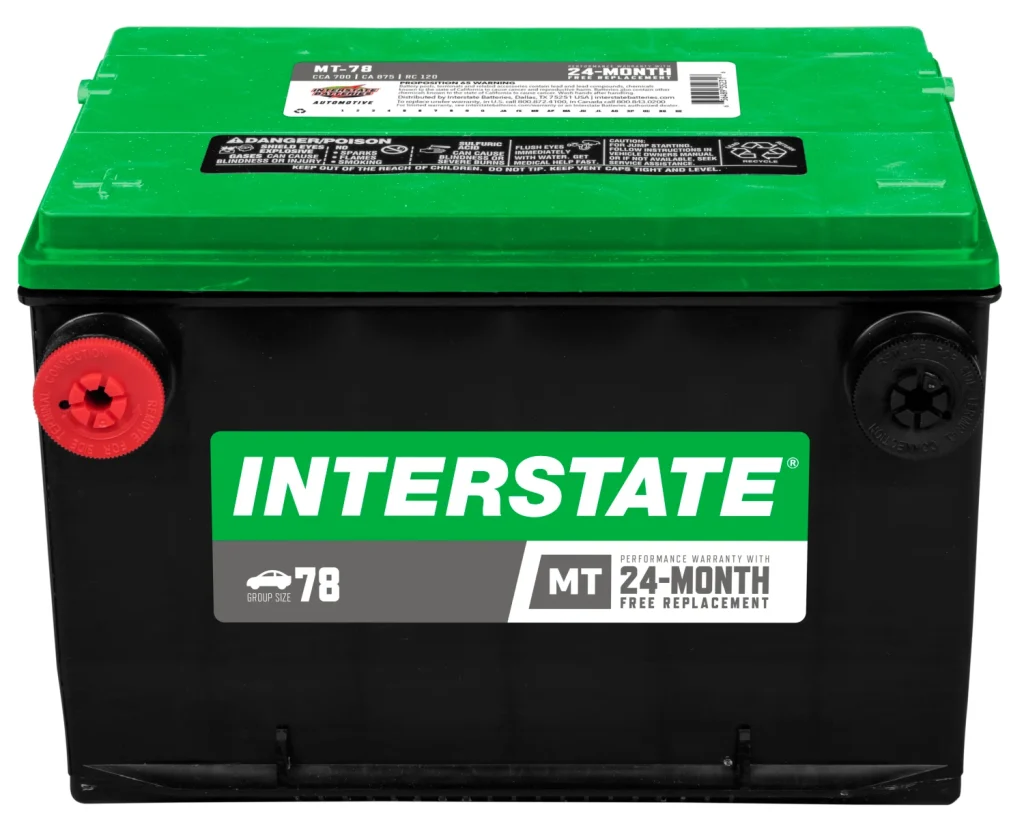
The Interstate MT series is a battery line mechanics can recommend when a vehicle needs a conventional flooded lead-acid battery and the correct application calls for this type.
Interstate describes the MT range as its standard automotive line and says it is designed for dependable performance in hot to moderate climates. The standard MT line currently carries a 24-month free-replacement warranty.
One reason the line is useful is its broad selection of group sizes. That makes it easier to find a battery with the correct physical dimensions and electrical specifications rather than forcing a universal product into a vehicle.
Take the MT-24 as an example. It provides 600 CCA and 110 minutes of reserve capacity while using a 12-volt flooded design. The MT-66 offers 750 CCA and 140 minutes of reserve capacity for applications requiring greater starting capability.
The important point is that a mechanic does not need the most expensive battery available. A properly sized Interstate MT can provide the required starting performance without paying for AGM technology that the vehicle may not need.
Warranty support is another practical advantage. Interstate also maintains a nationwide warranty process through authorized dealers, which can make replacement easier when a battery fails within its coverage period.
For conventional vehicles without unusually demanding electrical systems, this is the type of straightforward battery choice mechanics often appreciate.
2. DieHard Platinum AGM
DieHard Platinum AGM earns attention for vehicles that need more than a basic flooded battery can comfortably provide. AGM, or absorbed glass mat, construction is particularly useful for vehicles with high electrical demands and start-stop systems because it is designed to handle repeated cycling better than conventional flooded batteries.
DieHard currently lists a four-year free-replacement warranty for its Platinum AGM line. The company describes the battery as being engineered to meet starting and reserve-capacity requirements using AGM technology.
That warranty is meaningful because battery quality is not simply about the initial starting performance. A battery may start an engine perfectly on installation day but gradually lose capacity as it experiences repeated discharge and recharge cycles.
Vehicles with start-stop systems can place more demands on the battery because the engine is repeatedly shut down and restarted during normal driving.
The Platinum AGM line is therefore particularly relevant for modern vehicles with sophisticated electrical systems. It can also be appropriate where the vehicle manufacturer specifically calls for AGM technology.
There is an important caveat: AGM batteries cost more than many conventional flooded batteries. A mechanic would not normally recommend paying the premium without a reason. If a vehicle was designed for a conventional battery and has modest electrical demands, an appropriately rated flooded battery can be the more economical solution.
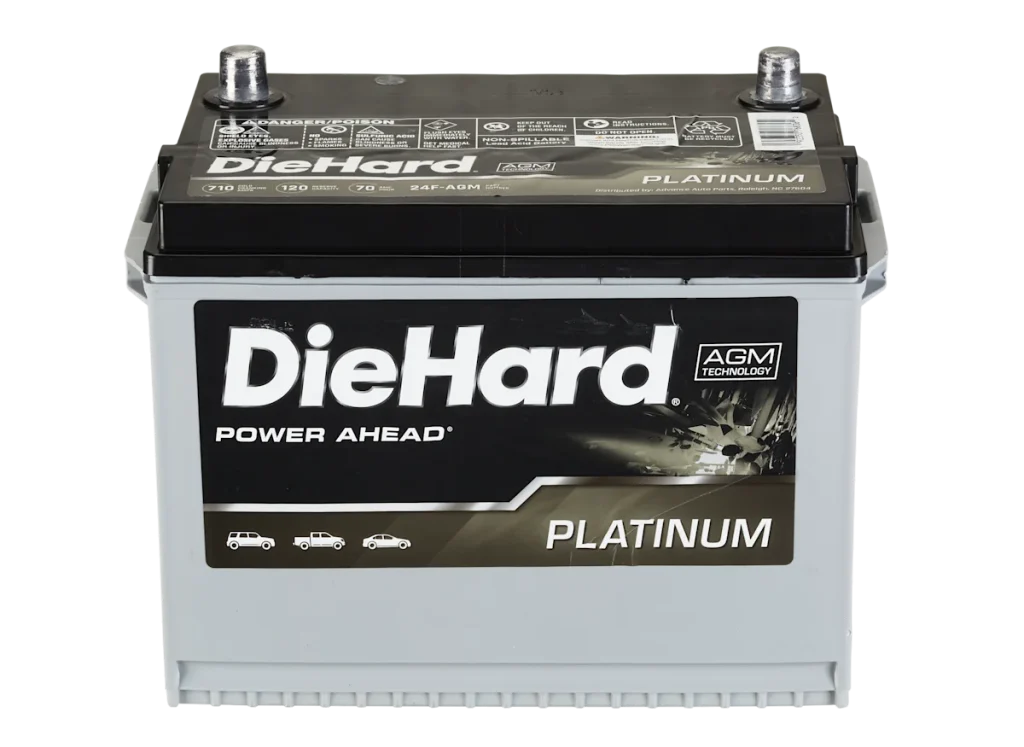
For the right application, however, the Platinum AGM combines strong starting capability, cycling ability, and substantial warranty coverage.
Buyers should still confirm the exact group size and CCA requirement before purchasing. Battery chemistry alone does not make a product compatible with every car.
3. OPTIMA RedTop
The OPTIMA RedTop is a battery that makes sense when a vehicle needs strong starting performance and additional resistance to vibration.
Its spiral-cell AGM construction separates it from conventional flooded batteries, making it particularly interesting for trucks, performance vehicles, off-road vehicles, and cars exposed to demanding conditions.
Interstate describes the RedTop as designed for powerful, reliable starts and highlights its vibration resistance and maintenance-free construction.
The Group 35 RedTop, for example, provides 720 cold-cranking amps and a 90-minute reserve capacity. It operates at 12 volts and uses a sealed design that can be mounted in various positions.
That does not mean a RedTop is automatically the best battery for every vehicle. Its primary purpose is engine starting, rather than repeated deep-cycle use. OPTIMA specifically distinguishes its RedTop from batteries intended for deep-cycle applications.
For a mechanic, that distinction is important. A battery should be selected according to what the vehicle actually requires, not simply based on the highest specification displayed on the shelf.
The RedTop earns trust because its construction is particularly well suited to vehicles that experience vibration. A truck used on rough roads, for instance, can place greater physical demands on its battery than a sedan that spends its life on smooth pavement.
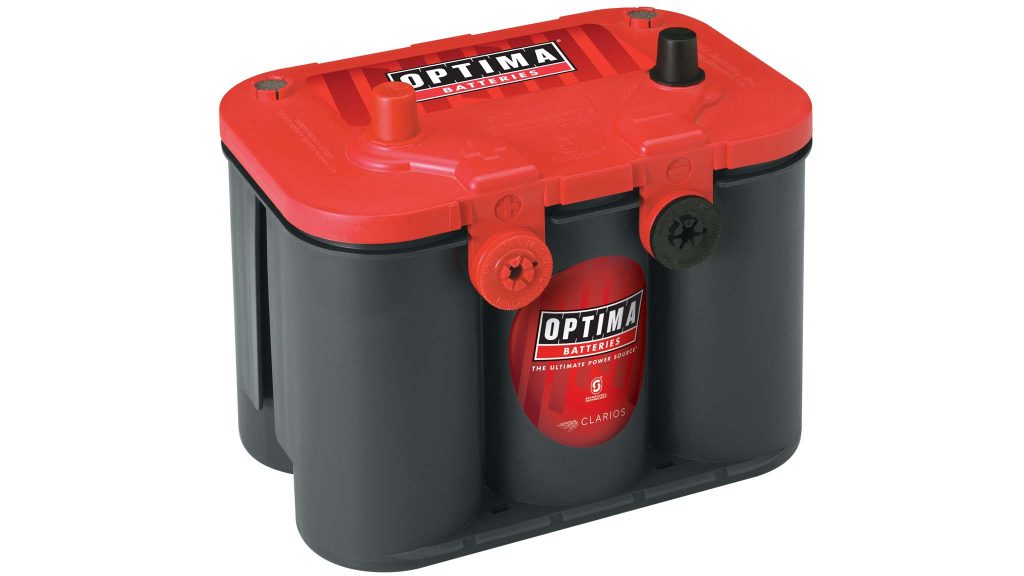
Its sealed construction also reduces maintenance concerns associated with conventional flooded batteries. For the right application, it provides a useful combination of starting power, durability, and resistance to vibration.
4. DieHard Gold
DieHard Gold is a sensible choice for drivers who need a conventional battery but want a product positioned above the company’s entry-level Silver line. DieHard describes Gold as being designed around durability and starting performance, with stamped-grid construction intended to improve corrosion resistance and grid utilization.
The important feature here is not simply the brand name. Gold batteries are designed for conventional vehicles with electrical demands that do not necessarily justify an AGM battery. That makes them useful for a large portion of ordinary gasoline-powered cars and trucks.
DieHard currently provides a three-year free-replacement warranty for its Gold line. Warranty length alone does not prove that one battery will outlast another, but it does give buyers additional protection against premature failure.
A mechanic would still verify the exact group size and required CCA before installation. A battery that physically fits the tray may still have the wrong terminal arrangement or insufficient starting capacity.
The Gold line is particularly appealing when the vehicle’s factory specification calls for a flooded lead-acid battery. Spending extra money on AGM technology is unnecessary if the car does not need it, while choosing an extremely inexpensive battery can reduce warranty coverage or available reserve capacity.
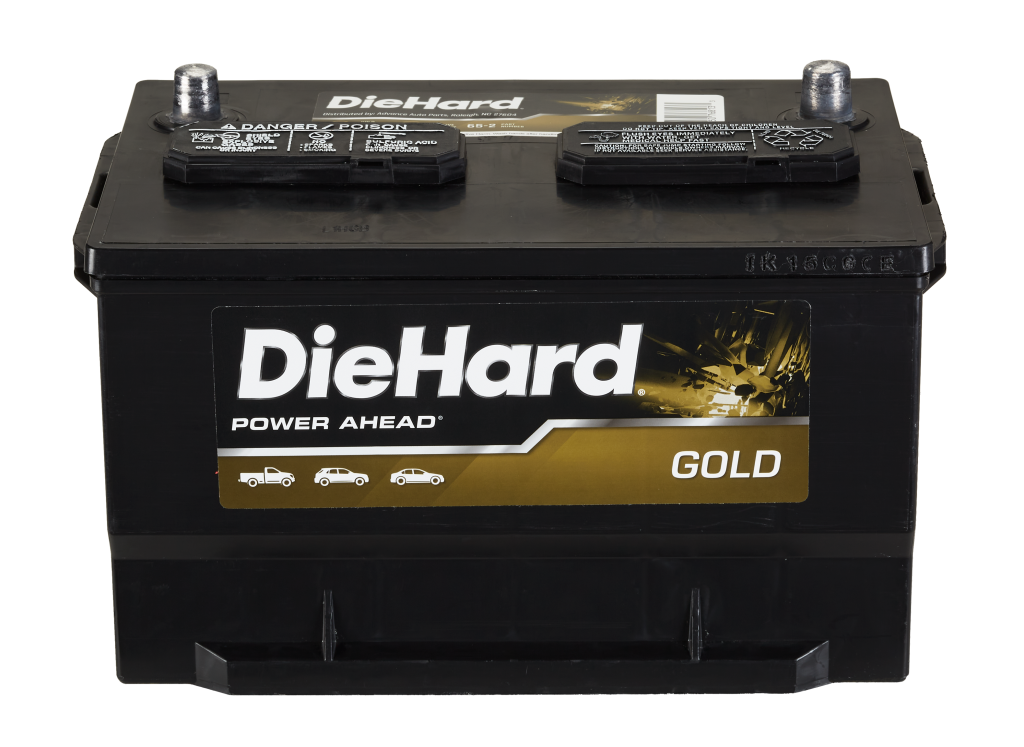
Another consideration is the vehicle’s age. On an older conventional sedan or pickup with moderate electrical demands, a correctly specified Gold battery can provide the appropriate balance between price and performance.
That practical approach is why this type of battery makes sense in a mechanic’s recommendation. The goal is not to purchase the most expensive battery but to install a dependable product that matches the vehicle.
4 Car Batteries Mechanics Do Not Trust
1. Cheap No-Name Batteries With Minimal Warranty
A no-name battery sold primarily because it is the cheapest option can create problems that are not immediately obvious. The concern is not that every lesser-known manufacturer produces defective batteries.
The issue is that buyers may have difficulty determining the battery’s manufacturing quality, warranty support, testing standards, or expected service life.
A battery can look perfectly normal when sitting on a store shelf. What matters is how consistently it delivers starting power after months of heat cycles, vibration, charging, and discharge. Vehicles used in hot climates can place particularly heavy stress on lead-acid batteries.
Warranty support is another major consideration. Established battery brands publish specific replacement policies and maintain dealer networks. A cheap battery with a very short warranty may leave the owner paying for another replacement sooner than expected.
CCA is also important. Buyers sometimes assume that a battery with a physically larger case must provide stronger starting performance. That is not necessarily true. The battery needs to meet the vehicle manufacturer’s specified CCA requirement.
Mechanics also worry about battery age. Lead-acid batteries gradually lose capacity while sitting, meaning an old battery that has spent months on a shelf may already have experienced some deterioration before installation.
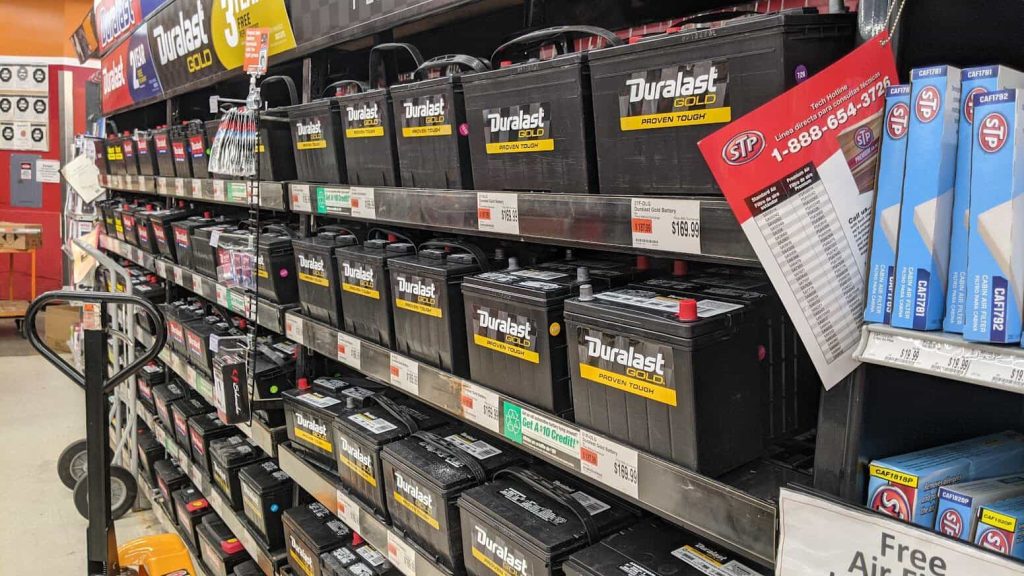
A bargain battery can therefore become a false economy. If the price difference between a reputable battery and an unknown product is relatively small, the warranty, availability, and established specifications of the better-known option may be worth the additional expense.
The smartest approach is to compare the actual specifications rather than purchasing solely on price.
2. Incorrectly Sized Batteries
An incorrectly sized battery is one of the easiest ways to create unnecessary problems, regardless of how reputable the manufacturer is. Mechanics are cautious about any battery that does not match the vehicle’s specified group size, terminal configuration, electrical requirements, and physical dimensions.
The battery tray must hold the battery securely. If the battery is too small or the hold-down system does not properly secure it, vibration can become a problem. Movement can damage the battery and terminals and may create intermittent electrical connections.
Terminal position is equally important. A battery with the wrong terminal arrangement can make cable routing difficult or cause the cables to reach improperly. In the worst case, incorrect positioning can create a short circuit or interfere with nearby components.
CCA is another consideration. Installing a battery with insufficient cold-cranking capability can cause slow cranking, especially during cold weather. Conversely, buying a battery with a much higher rating is not always necessary if the vehicle’s charging system and battery-management system are designed around a particular specification.
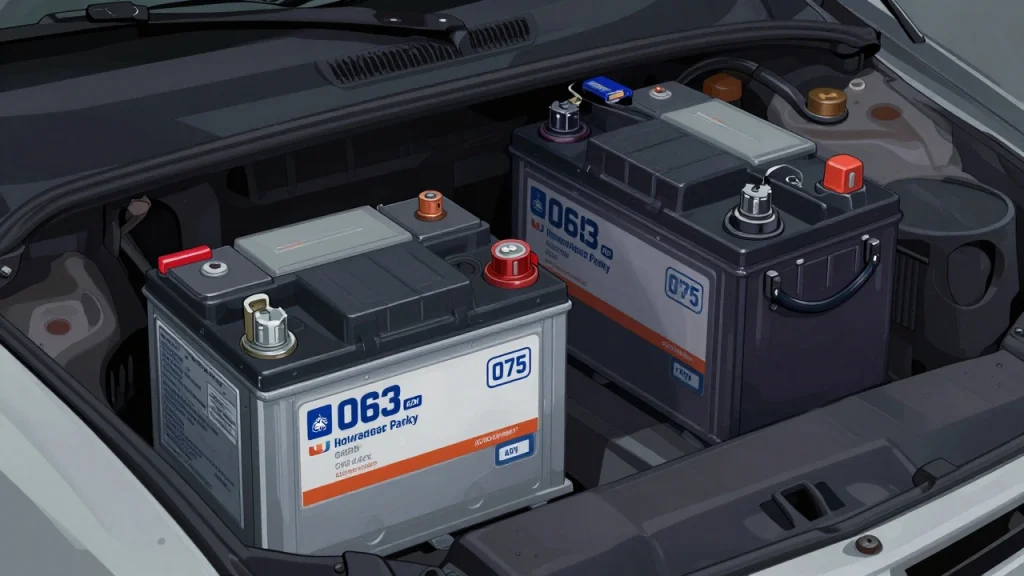
Modern vehicles can be even more sensitive because some require battery registration or charging-system adaptation after replacement. AGM-equipped vehicles, start-stop systems, and intelligent battery-management systems should not be treated like older conventional electrical systems.
This is why mechanics generally prefer selecting the correct battery from the vehicle’s VIN or factory specification rather than simply measuring the old battery and buying something that appears similar. A high-quality battery is still the wrong battery if it does not fit the vehicle’s requirements.
3. Flooded Batteries Installed Where AGM Is Required
A conventional flooded lead-acid battery can be an excellent choice for the right vehicle. The problem occurs when it is installed in a vehicle specifically engineered around an AGM battery.
AGM batteries are designed to tolerate repeated cycling and high electrical demands better than conventional flooded batteries. They are commonly used in vehicles with start-stop systems, large numbers of electronic features, or factory charging systems calibrated for AGM technology.
Replacing such a battery with a cheaper flooded unit may initially appear to work. The engine may start normally, and the vehicle may drive without an obvious problem. Over time, however, repeated cycling can place greater stress on the replacement battery.
Start-stop vehicles are particularly demanding because the engine can shut down and restart numerous times during ordinary driving. The battery must support electrical loads while the engine is off and then provide sufficient starting power when the engine restarts.
Charging strategy also matters. Modern vehicles may use intelligent battery-management systems that adjust charging based on battery condition and electrical demand. Installing a different battery technology without following the manufacturer’s replacement procedure can lead to improper charging behavior.
That is why mechanics are cautious when owners try to save money by downgrading from AGM to conventional lead-acid technology.
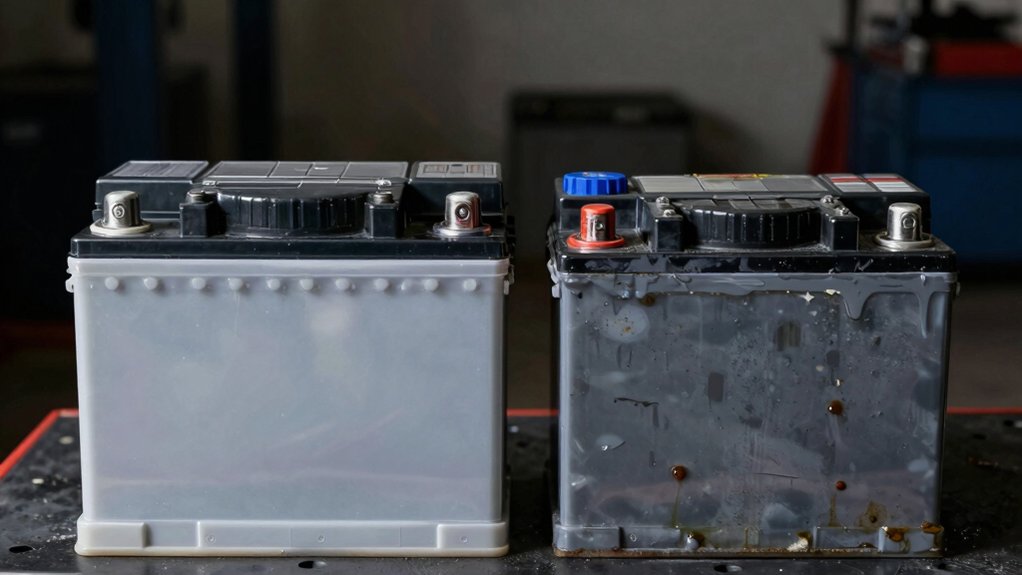
The reverse situation is different. Installing an AGM battery where the vehicle manufacturer permits it can be acceptable, but the additional cost may not be justified for a simple vehicle.
The correct approach is to follow the manufacturer’s battery specification rather than choosing technology based solely on price.
4. Old or Long-Stocked Batteries
A battery can be a reputable product and still be a poor purchase if it has spent too long sitting unused. Mechanics pay attention to manufacturing dates because lead-acid batteries naturally lose charge over time, particularly when they are stored without proper maintenance.
This matters when a retailer advertises an unusually cheap battery. The discount may look attractive, but buyers should determine whether the battery is fresh stock or has been sitting in inventory for an extended period.
A battery’s condition should be evaluated before installation. Professional battery testers can measure state of charge and starting performance, helping identify a weak battery before it creates a roadside failure.
Storage conditions matter as well. Excessive heat can accelerate battery degradation, while improper storage can allow the battery to remain partially discharged for extended periods. That can reduce its ability to hold a charge.
A battery with a long warranty is still preferable to one with minimal coverage, but warranty protection does not necessarily compensate for the inconvenience of premature failure. A dead battery can leave the vehicle stranded regardless of whether the manufacturer eventually replaces it.
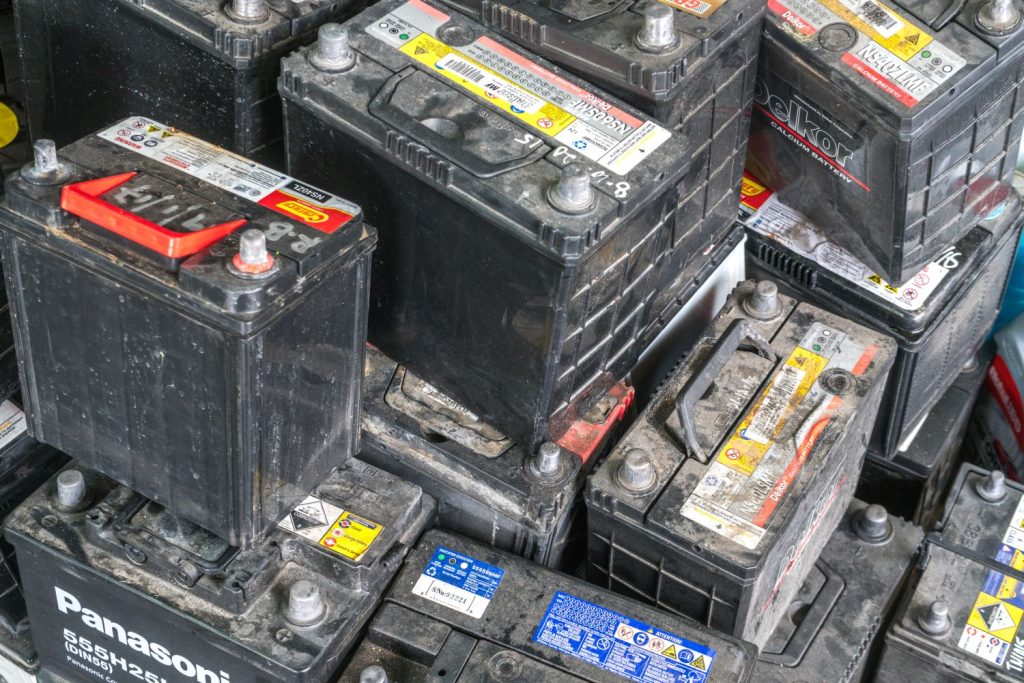
This is why experienced mechanics often recommend buying from retailers with strong inventory turnover rather than choosing an old battery simply because it is heavily discounted.
The best battery is not necessarily the newest-looking box. It is a correctly specified, properly stored battery with strong starting capacity and appropriate warranty coverage.
Before installation, checking the battery’s date code and having its condition tested can prevent an avoidable failure.
