
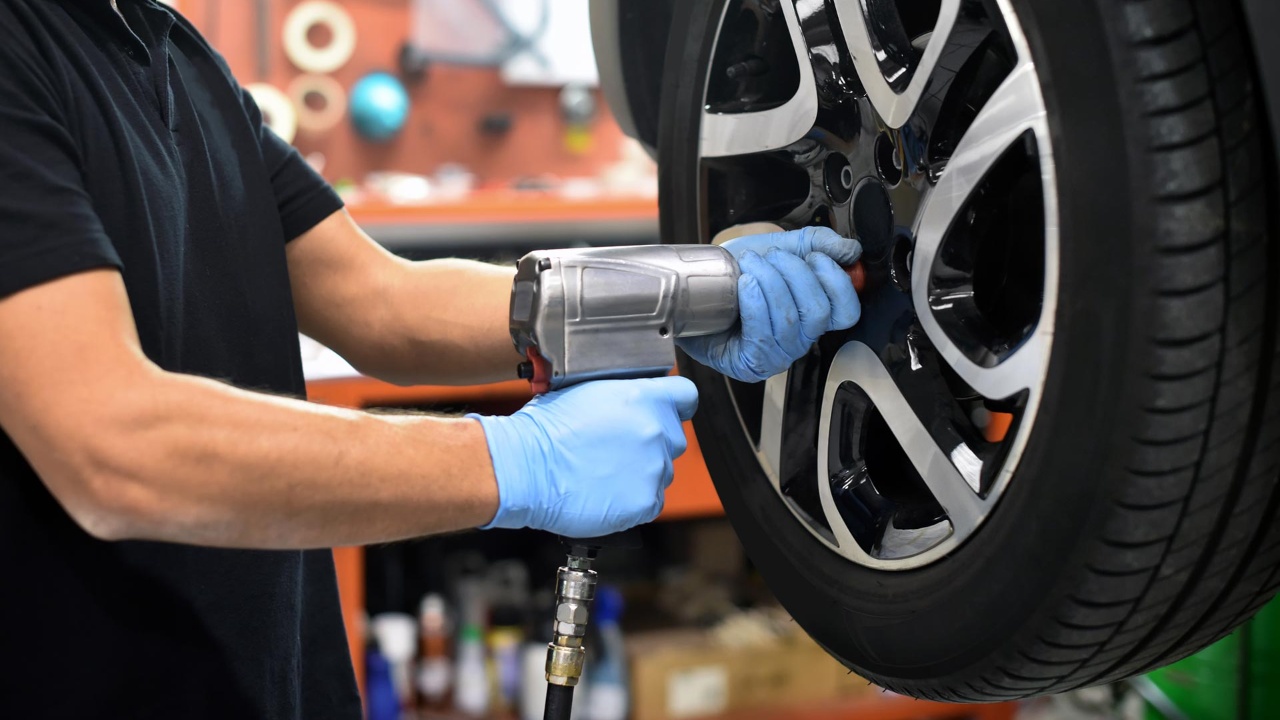
Tires are among the most important components a mechanic can recommend because they directly affect braking, steering, traction, ride comfort, and road safety. Yet choosing a tire based only on price or tread appearance can create problems.
Mechanics generally look at tread design, compound, construction, wet braking, durability, road noise, and whether the tire actually matches the vehicle’s intended use. A tire that works well on a commuter sedan may be completely unsuitable for a performance car or SUV.
This guide compares five tire choices mechanics can confidently fit with five types they are more likely to reject, particularly when the tire’s specifications, condition, or intended application create unnecessary risks.
5 Car Tire Mechanics Fit
1. Michelin Defender 2
The Michelin Defender2 is the type of tire that makes sense for mechanics working on mainstream sedans, crossovers, and minivans where long tread life and dependable everyday performance matter more than extreme handling. Michelin positions the Defender2 as an all-season touring tire designed around longevity, wet braking, and everyday comfort.
Its tread design uses multiple grooves and channels to help evacuate water, while the compound is intended to provide a long service life. That combination makes the tire particularly appealing to drivers who accumulate substantial highway mileage and want predictable behavior across changing weather.
One reason a mechanic might favor this type of tire is its broad usability. It is not designed exclusively for dry performance or winter driving. Instead, it aims to provide a reasonable balance between several competing priorities.
The Defender2 is available in numerous sizes, but the exact tire must match the vehicle’s original specification. Load and speed ratings should never be ignored simply because the physical dimensions appear correct.
Ride comfort is another advantage for ordinary vehicles. Touring tires generally use construction intended to reduce harshness and road noise, making them well suited to family cars and daily commuters.
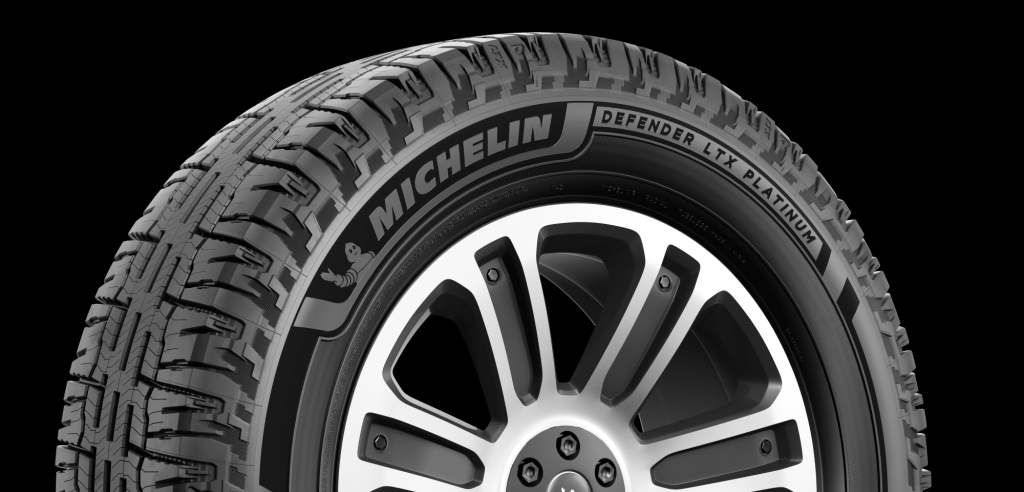
There are limitations. The Defender2 is not a substitute for a dedicated winter tire in severe snow and ice, nor is it intended to provide the cornering response of a summer performance tire.
For the right driver, however, its combination of durability, wet-weather capability, and everyday manners makes it a practical mechanic-approved choice.
2. Continental ExtremeContact DWS06 Plus
The Continental ExtremeContact DWS06 Plus appeals to a different type of driver. Instead of prioritizing maximum mileage above everything else, it is designed for drivers who want stronger handling and wet-weather performance while retaining all-season usability.
The tire’s name refers to its dry, wet, and snow capability, and its tread design includes features intended to provide traction across changing conditions. It is particularly popular for performance-oriented sedans, sporty coupes, and vehicles whose owners want more responsive steering than a traditional touring tire provides.
For a mechanic, the appeal is the tire’s versatility. A customer does not necessarily have to switch between summer and winter tires in regions where snowfall is moderate rather than severe. The DWS06 Plus can provide useful cold-weather traction while still maintaining responsive behavior on dry pavement.
Its tread indicators are another practical feature. The design allows owners to monitor whether the tire retains useful wet and snow capability as it wears. That gives drivers an additional visual reminder that tire performance changes with tread depth.
The tire is available in numerous performance-oriented sizes, but that does not mean it belongs on every car. A vehicle should use the manufacturer’s specified dimensions and load and speed ratings.
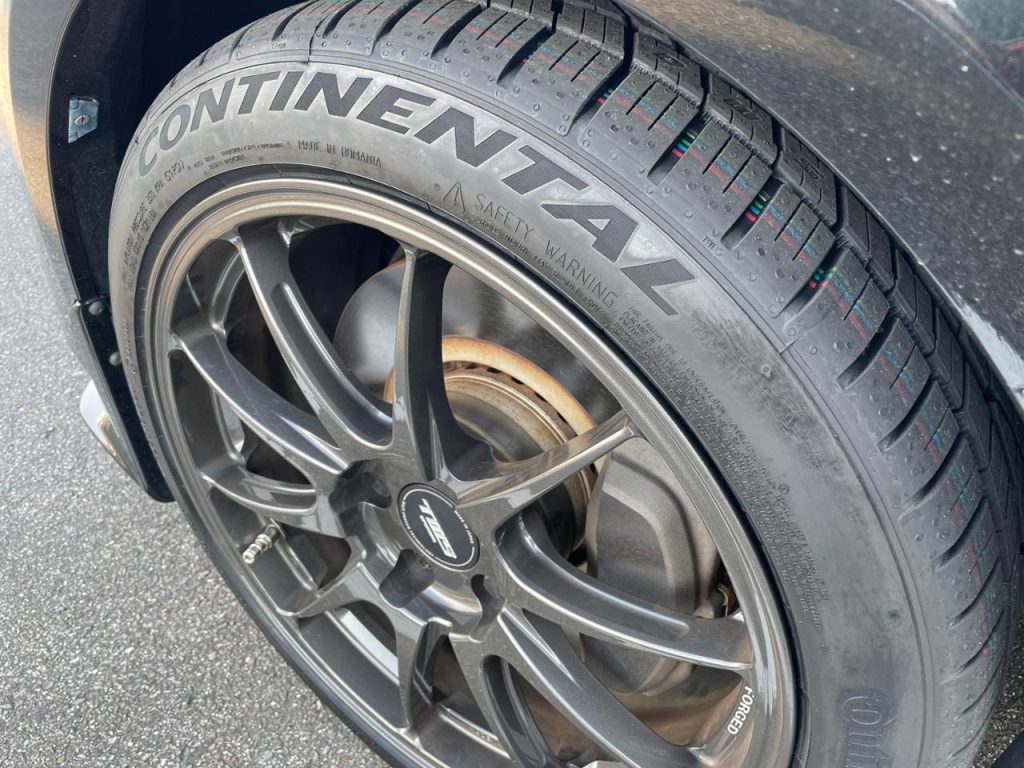
For someone driving a sport sedan through rain, cool temperatures, and occasional light snow, this type of tire can be an excellent compromise.
A mechanic would still recommend checking alignment, suspension condition, and tire pressure because even a strong tire cannot compensate for a poorly maintained vehicle.
3. Bridgestone WeatherPeak
The Bridgestone WeatherPeak is a strong choice when a driver wants an all-season tire with greater emphasis on cold-weather capability. It is designed for drivers who encounter rain, light snow, and changing temperatures but do not want to switch to dedicated winter tires every year.
Its directional tread pattern uses grooves designed to move water away from the contact patch, while the tread compound is engineered to remain useful across a broad temperature range.
Bridgestone also markets the WeatherPeak with the three-peak mountain snowflake certification on applicable sizes, indicating that it meets the industry’s severe-snow traction criteria.
That makes it particularly useful for drivers who live in areas where winters bring occasional or moderate snowfall. It should not be confused with a dedicated winter tire, but it provides an advantage over conventional all-season designs when temperatures fall.
Mechanics can also appreciate the tire’s emphasis on everyday usability. It is not excessively aggressive, so drivers can retain reasonable ride comfort and highway manners. The tire is available across a wide selection of passenger cars and crossovers.
Correct sizing remains essential. Load index, speed rating, and manufacturer specifications should be checked before installation. A tire that technically fits the wheel can still be unsuitable if it cannot support the vehicle’s weight or meet its speed requirements.
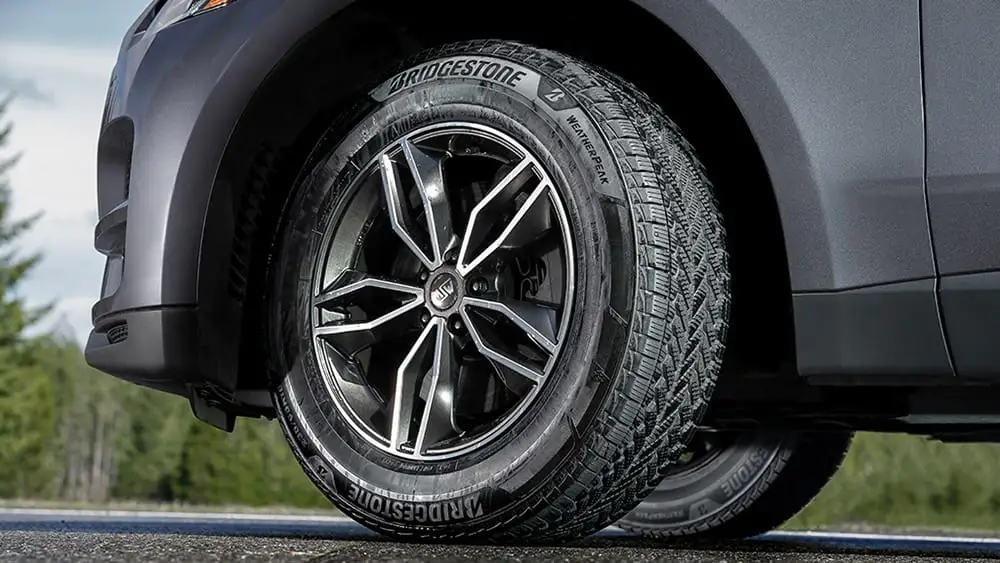
Alignment should also be checked whenever a new set is installed. Uneven alignment can rapidly destroy tread, making even an excellent tire a poor investment.
The WeatherPeak earns a place on this list because it fills a useful gap between ordinary all-season tires and dedicated winter rubber. For drivers who face unpredictable weather but prefer one set of tires year-round, it can be a sensible option.
4. Goodyear Assurance WeatherReady 2
The Goodyear Assurance WeatherReady 2 is aimed at drivers who want year-round versatility with particular attention to wet and winter conditions. It uses an all-season design intended to maintain traction as temperatures and road conditions change.
One of the tire’s main attractions is its tread pattern. Multiple grooves help channel water away from the contact patch, while the tread incorporates features designed to maintain traction as the tire wears.
The tire also carries the Three-Peak Mountain Snowflake symbol in applicable configurations, making it more capable in snow than many conventional all-season tires.
For a mechanic, that versatility can simplify recommendations. A customer who lives somewhere with regular rain and occasional snow may not want the expense and inconvenience of maintaining separate summer and winter sets. A capable all-weather tire can provide a practical compromise.
The Assurance WeatherReady 2 is particularly appropriate for family sedans, crossovers, and other vehicles that spend most of their time on public roads. It is not intended to replace a dedicated winter tire for severe snow and ice, nor is it designed for aggressive track driving.
Installation should always be accompanied by a check of tire pressure and alignment. The vehicle’s suspension should also be inspected if the old tires show irregular wear patterns. Feathering, cupping, and wear concentrated on one edge can point toward problems beyond the tire itself.
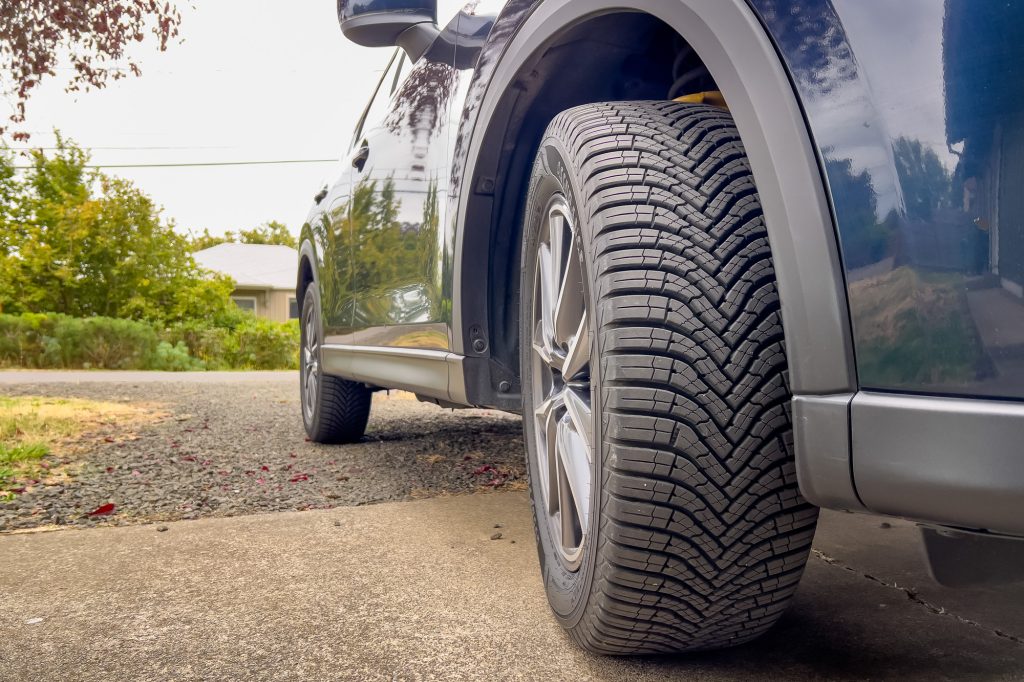
The tire earns consideration because it focuses on predictable year-round behavior rather than one narrow performance category. For a driver who wants dependable rain traction and improved winter capability without maintaining multiple tire sets, it is a practical fit.
5. Pirelli P Zero
The Pirelli P Zero belongs in a completely different category from the touring tires above. It is aimed at performance vehicles where steering response, dry grip, braking, and high-speed stability matter more than maximum tread life.
That makes it a tire a mechanic may recommend for the right sports car or performance sedan. A driver who spends most of the time on dry pavement can benefit from the P Zero’s performance-oriented construction and tread compound.
The tradeoff is important. Performance tires generally wear faster than touring tires, and their low-profile configurations can provide a firmer ride. They can also be more vulnerable to wheel damage when driven over potholes.
The P Zero family includes numerous variants, sizes, and specifications, so buyers should not assume that every P Zero is identical. Some versions are designed around specific vehicle manufacturers, while others target different performance requirements.
This is why a mechanic’s recommendation should always begin with the exact vehicle. A P Zero may be an excellent choice for a high-performance coupe and a poor choice for a family crossover that prioritizes comfort and long tread life.
Weather is another factor. Some P Zero applications are summer-oriented and are not intended for freezing temperatures or snow. Drivers in colder climates may need a different tire during winter.
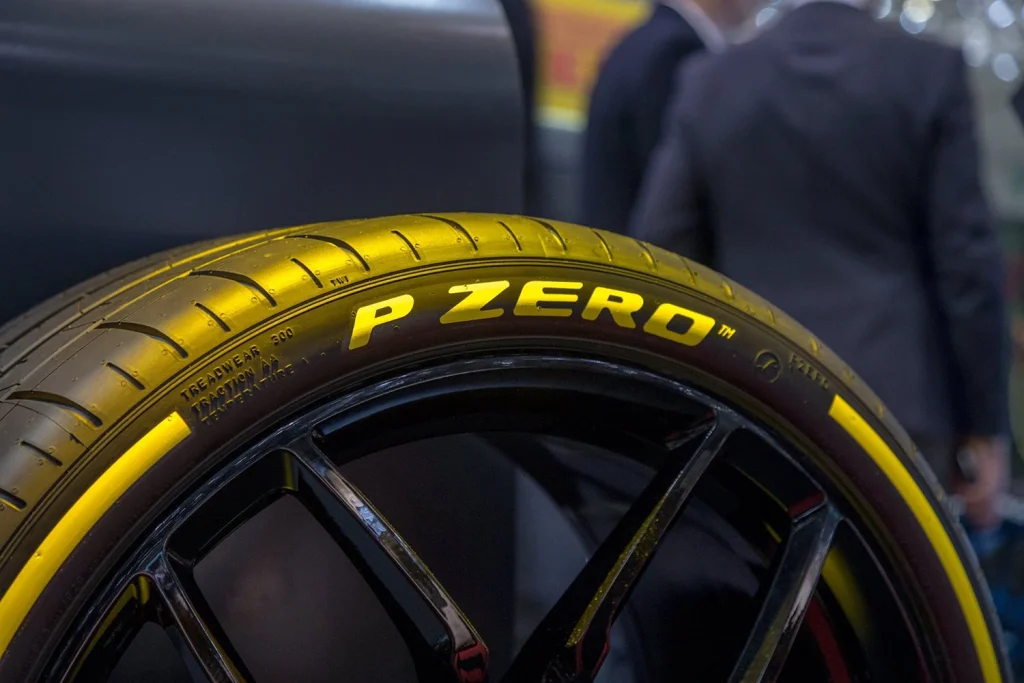
For a performance-focused vehicle driven primarily on appropriate roads, however, the P Zero can provide the steering precision and grip that justify its higher cost.
Its place on this list comes from specialization. Mechanics trust specialized tires when the specialization matches the driver’s needs.
5 Car Tire Mechanics Refuse
1. Tires With Severe Age or Cracking
A tire with substantial age-related cracking is one of the easiest products for a mechanic to reject. Tread depth alone does not determine whether a tire is safe. Rubber can deteriorate from exposure to ultraviolet light, heat, oxygen, and long periods of storage.
Sidewall cracking is particularly concerning because the sidewall flexes continuously while the vehicle moves. Deep cracks can indicate that the rubber has lost flexibility and structural integrity.
The same principle applies to the tread area. A tire may still have several millimeters of usable tread but show cracks between the tread blocks or in the grooves. That condition deserves professional evaluation rather than being dismissed because the tread looks deep.
The DOT tire identification number can help determine when a tire was manufactured. The final four digits indicate the production week and year. This is useful when evaluating tires that have been sitting in storage or installed on a low-mileage vehicle.
Heat is especially important in regions with very warm summers. Tires stored or operated in high temperatures can age faster than drivers expect.
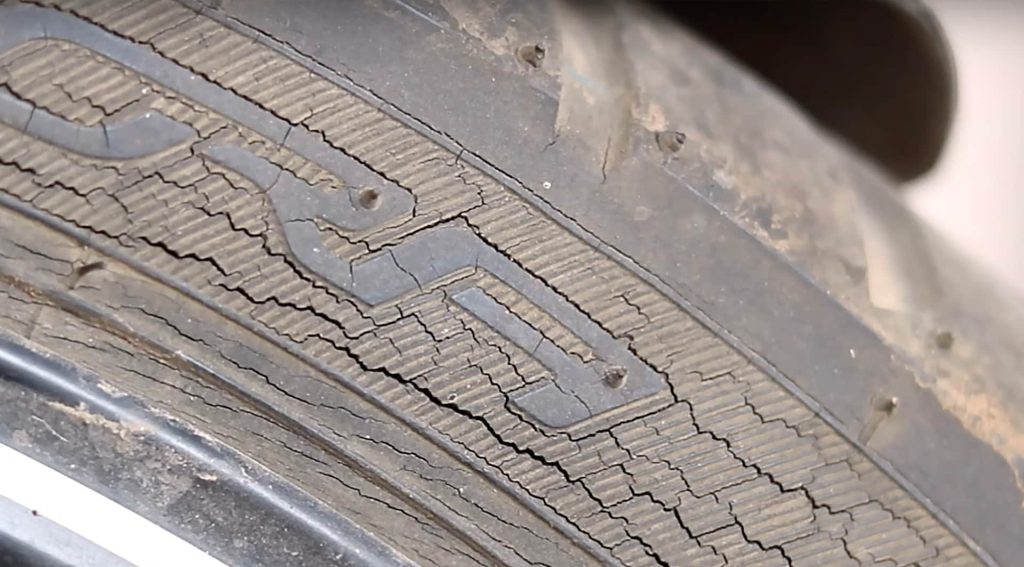
Mechanics generally prefer to replace tires showing significant cracking rather than attempting to extend their service simply because the tread remains visible.
This category is important because tire failure can occur without the warning signs associated with ordinary tread wear. Drivers should inspect sidewalls periodically and have suspicious cracking evaluated by a qualified tire professional.
2. Tires With the Wrong Load Rating
A tire can have the correct diameter and width yet still be unsuitable for a vehicle if its load rating is too low. Mechanics therefore refuse to install tires that cannot safely support the vehicle’s required weight.
Load rating becomes particularly important on SUVs, trucks, luxury vehicles, and cars carrying heavy passengers or cargo. The tire must be capable of supporting the weight distributed to each wheel under the vehicle manufacturer’s specifications.
Choosing a lower-rated tire simply because it is cheaper can compromise the margin of safety built into the vehicle’s original tire specification. The problem may not be immediately visible during ordinary driving, which makes correct selection even more important.
The same principle applies to trailers and trucks carrying heavy loads. A tire designed for a lightweight passenger car should not be substituted for a properly rated tire on a vehicle that routinely operates near its maximum payload.
Mechanics also check the speed rating. A tire’s speed rating indicates the maximum speed capability under specified test conditions. Installing a tire with an inappropriate rating can create a mismatch with the vehicle’s intended performance.
The correct replacement should meet or exceed the manufacturer’s requirements where appropriate, while maintaining the proper size and fitment.
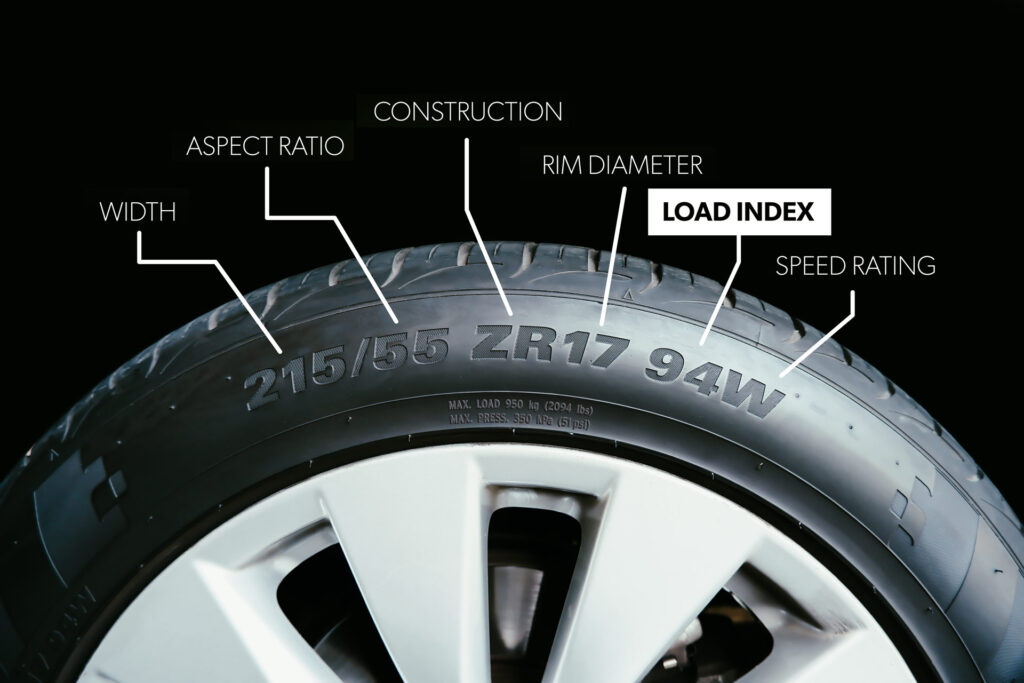
This is why professional installation begins with the vehicle’s door-jamb placard, owner’s manual, or manufacturer specification rather than simply matching the numbers printed on the old tire. A tire’s brand and tread design mean little if its fundamental load capacity is wrong.
3. Used Tires With Unknown History
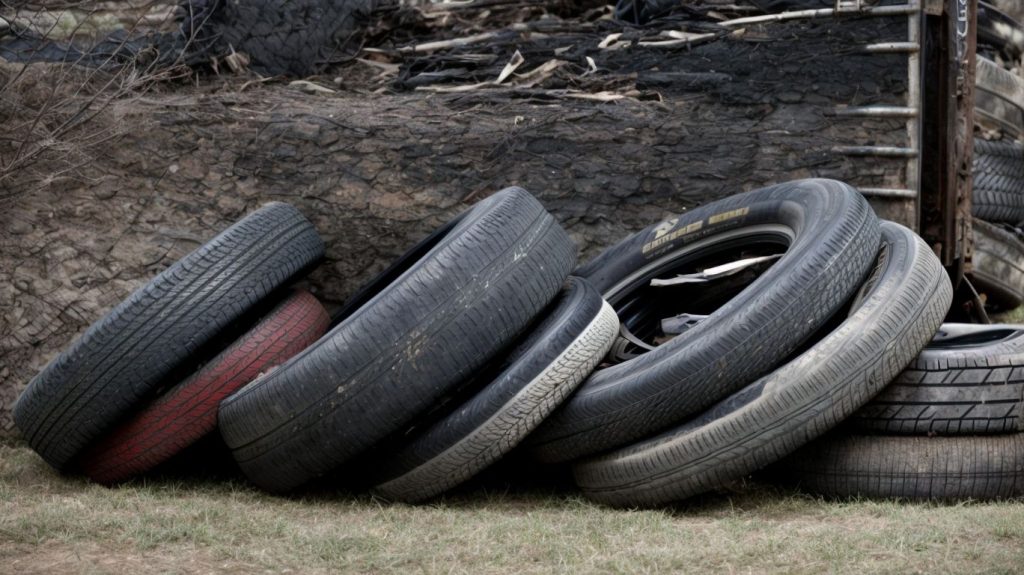
Used tires can look like bargains because they often have plenty of tread remaining. Mechanics, however, can be reluctant to install them when the tire’s previous history is unknown.
A tire may have suffered an internal impact after hitting a pothole, curb, or road debris. That damage may not be visible from the outside. Internal structural damage can become a problem later, particularly at highway speeds.
Improper storage is another concern. A tire that has spent years outdoors or exposed to extreme temperatures can deteriorate even when its tread appears healthy.
The absence of a known history also makes it difficult to determine whether the tire was previously driven while severely underinflated. Running a tire at insufficient pressure can generate excessive heat and damage internal components.
Repairs matter too. A professional can inspect an existing repair and determine whether it was performed according to accepted standards, but an unknown tire may contain previous repairs that are difficult to identify.
There are situations where used tires can be inspected and safely reused, particularly when they are relatively new and come from a trusted source. But purchasing an anonymous used tire simply because it has deep tread is a different proposition.
The potential savings may not justify the uncertainty. Mechanics therefore tend to prefer new tires from a reputable source when the budget permits.
The customer receives a known manufacturing date, known specification, and predictable starting condition. Tread depth tells only part of the story. Tire history can be just as important.
4. Mismatched Tires on an AWD Vehicle
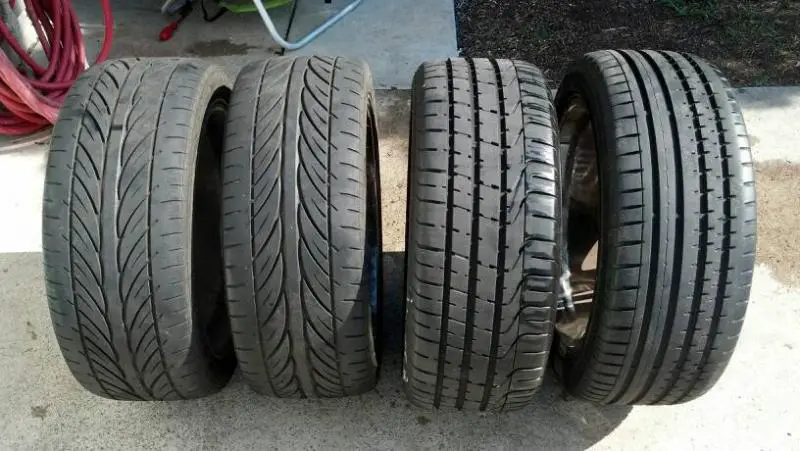
Mismatched tires can create a particular problem for vehicles equipped with all-wheel drive. Mechanics are cautious when the tires differ substantially in diameter, tread depth, construction, or wear because the drivetrain may interpret the differences in wheel speed as continuous slip.
Modern AWD systems use wheel-speed information to manage torque distribution. If one tire is significantly smaller because it has more wear than the others, the system may detect different rotational speeds even while the vehicle is traveling straight.
That can create unnecessary stress in certain AWD systems and may affect traction-control behavior. The exact consequences depend on the vehicle’s drivetrain design, so the manufacturer’s specifications should always be followed.
The issue becomes particularly important when replacing only one or two tires. A new tire can have substantially more tread than the remaining tires. On some AWD vehicles, the difference may exceed the manufacturer’s permitted tolerance.
Mechanics may therefore recommend replacing four tires together or having the existing tires professionally measured to determine whether a smaller replacement set can safely be used.
Tire rotation can also help prevent uneven wear. Regular rotation according to the manufacturer’s schedule keeps tread depth more consistent across the vehicle.
The important lesson is that AWD does not make tire matching less important. In many cases, it makes consistency more important.
A tire that is perfectly suitable by itself may still be the wrong choice if its diameter and wear level do not match the other tires on the vehicle.
5. Ultra-Cheap Tires With Poor Wet Performance
The cheapest tire on the shelf can be tempting, particularly when a driver needs four replacements at once. Mechanics, however, are often cautious about ultra-budget tires when independent performance information is limited or when the tire’s wet-weather characteristics are questionable.
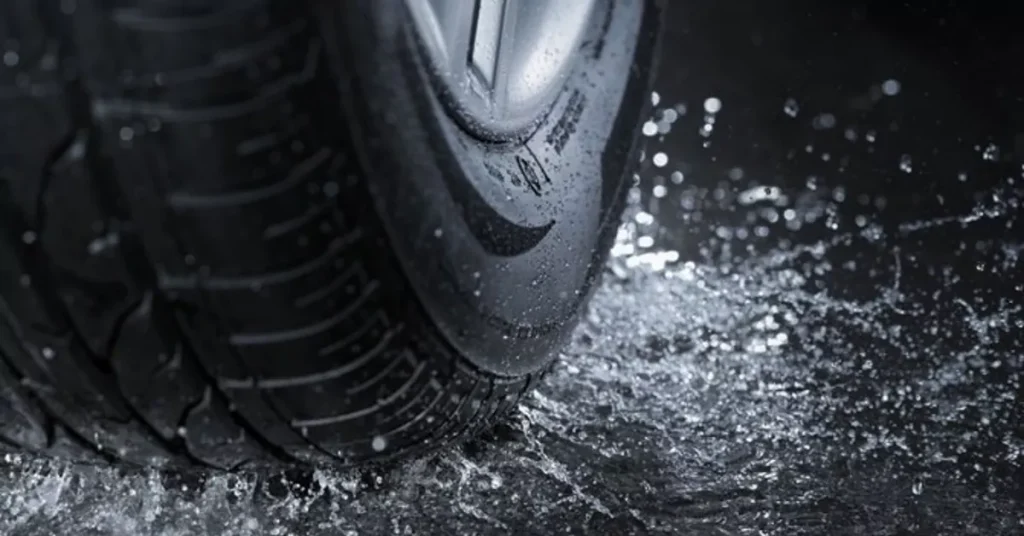
A tire’s job is not simply to survive for a certain number of miles. It must provide enough traction to stop, turn, and maintain control when the road is wet. Water reduces available grip, and a poor tread design or inferior compound can make braking distances longer.
This is especially important because drivers may not notice the difference during normal dry-weather commuting. The problem becomes apparent when heavy rain arrives and the vehicle needs to stop quickly.
Treadwear warranties can also provide useful information. A manufacturer willing to back a tire for a substantial mileage period is giving buyers some indication of its intended durability. Warranty coverage is not a guarantee of performance, but it can be a useful comparison point.
Mechanics also consider road noise, ride quality, steering response, and consistency as the tire wears. An inexpensive tire that becomes noisy or loses wet traction quickly may not provide meaningful savings.
That does not mean every budget tire should be rejected. Several affordable brands produce legitimate products that meet required safety standards and can be suitable for the right vehicle.
The warning applies when the buyer selects a tire exclusively because it is the cheapest available option without researching its specifications and performance.
For something as important as the four contact patches connecting a vehicle to the road, a modest increase in purchase price can be worthwhile when it provides stronger wet traction, better construction, and more predictable performance.
