

Buying a new vehicle increasingly means buying the hardware and then deciding which software-powered features you want to keep paying for. The important distinction is that these subscriptions generally are not required to drive the vehicle.
They unlock additional connected services or software-enabled capabilities after purchase. The strangest examples go well beyond navigation and Wi-Fi. Mercedes has sold a subscription that unlocks additional horsepower, while BMW has offered paid digital functions tied to equipment already installed in the vehicle.
Ford, GM, Tesla, and Rivian have also moved important driving technology toward recurring payments. This ranking focuses on the most unusual U.S.-market examples, with the most expensive and eyebrow-raising features placed highest.
10. Rivian R1S
The Rivian R1S earns a spot because its subscription model is unusual for a vehicle that already arrives with extensive software and connectivity built into the purchase price. The particularly interesting part is that Rivian separates ordinary vehicle operation from a growing collection of digital services that can be switched on through a recurring subscription.
Rivian’s Connect+ costs $14.99 per month or $149.99 per year in the United States. The company describes it as an expanding connectivity package that includes services such as live-traffic navigation, additional media capabilities, and Rivian’s AI-powered assistant. Rivian provides a trial period on new vehicles before customers have to decide whether to continue.
The R1S is also notable because Rivian offers Autonomy+, a separate software subscription priced at $49.99 per month. Rivian says the service provides access to features made available through its Autonomy+ software upgrade, with functionality depending on the vehicle’s model and hardware.
That means an R1S owner can potentially pay nearly $65 per month, or about $780 per year, for the two subscription products if both are maintained. The vehicle itself remains fully usable without them, but the distinction between hardware capability and software access becomes increasingly obvious.
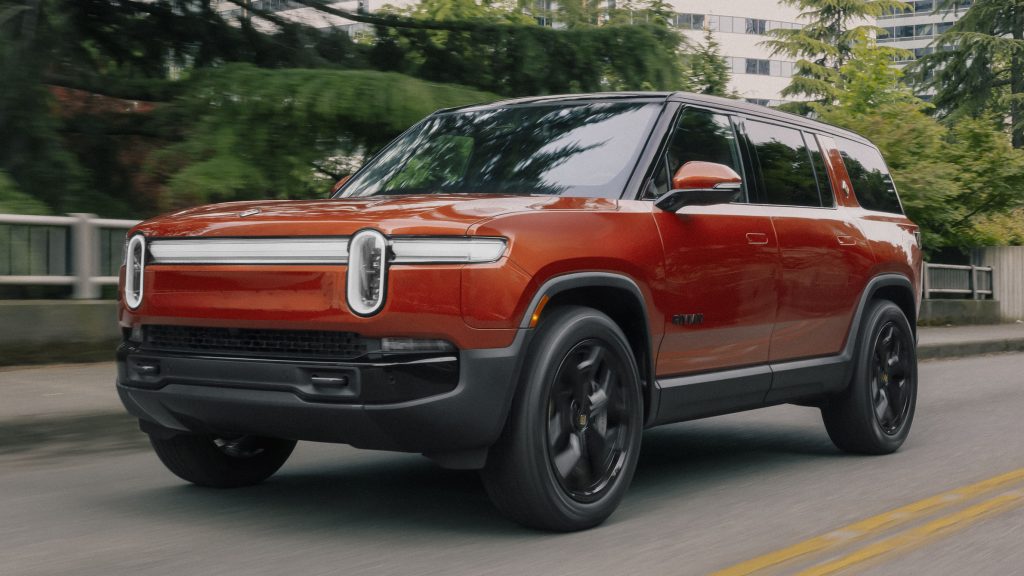
What makes the R1S interesting is not that $14.99 is an outrageous amount. It is the expanding menu of software services attached to a vehicle that already received its hardware at purchase. Rivian’s approach essentially turns the R1S into a platform where additional capabilities can continue appearing after delivery.
For buyers, this is a very different ownership model from traditional trucks and SUVs. Instead of paying once for every feature at the factory, some functionality can now become an ongoing operating expense.
9. Ford F-150
The Ford F-150 is one of the most familiar vehicles on this list, which makes its subscription model particularly interesting. Ford has increasingly separated the hardware required for hands-free driving from the recurring payment needed to use the technology.
The relevant feature is BlueCruise, Ford’s hands-free highway-driving system. On eligible vehicles, Ford currently offers a $49.99 monthly plan, a $495 annual plan, or a $2,495 one-time purchase at vehicle purchase on applicable vehicles. New vehicles with BlueCruise hardware can receive a complimentary trial before the paid period begins.
At $495 per year, keeping BlueCruise active for five years would cost $2,475, essentially matching the $2,495 lifetime purchase option. The monthly route is substantially more expensive if maintained continuously, reaching nearly $600 per year.
What makes the F-150 interesting is that BlueCruise is not merely another entertainment subscription. It controls steering, braking, and acceleration while the system operates on designated Blue Zones, with a driver-facing camera monitoring the driver’s attention.
Ford emphasizes that BlueCruise is not full self-driving and that drivers must remain attentive and ready to take control.
The unusual part is therefore not paying for cellular connectivity. It is paying repeatedly for access to a driving capability that depends on hardware already installed in the truck.
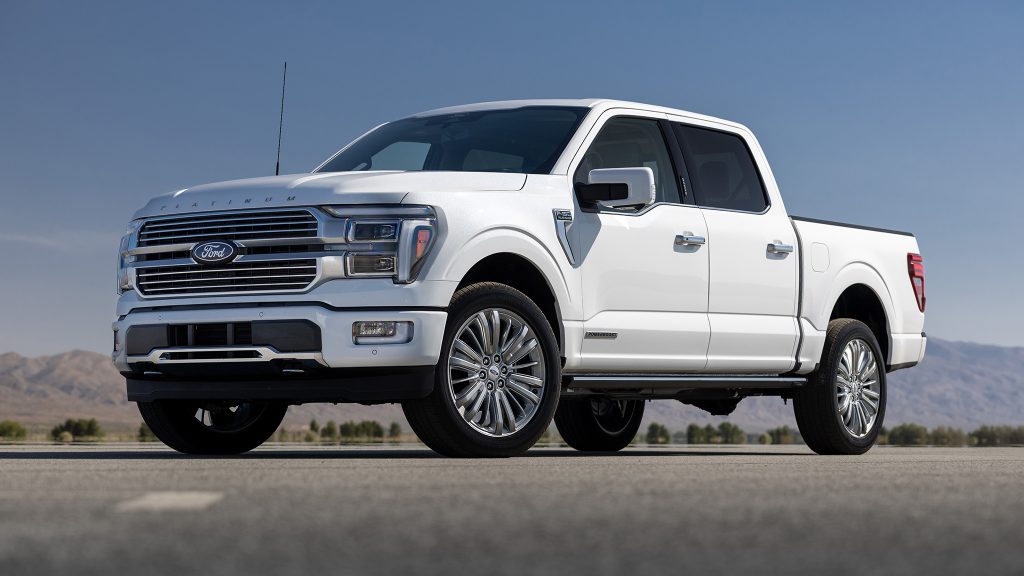
Ford’s model is also relatively transparent because buyers have three payment paths. Someone who only wants hands-free driving occasionally can subscribe monthly, while a long-term owner can purchase the feature outright when eligible.
The F-150 demonstrates how subscription-based vehicle technology is moving from convenience services toward actual driving functions. That makes the pickup an important example of where software-defined vehicle ownership is heading.
8. Mercedes-Benz EQE
Mercedes-Benz takes the subscription concept into much stranger territory with the EQE. Instead of charging simply for connected navigation or remote vehicle access, Mercedes has used its Acceleration Increase digital service to unlock additional performance from an electric vehicle that already contains the necessary hardware.
Mercedes’ U.S. digital-services strategy has included an Acceleration Increase upgrade for eligible vehicles, although availability and pricing can vary by model year and vehicle configuration.
Earlier U.S. reporting placed the annual price at around $1,200, making it one of the more unusual examples of paying repeatedly for performance rather than purchasing a mechanical upgrade.
The concept is what makes the EQE interesting. The customer does not receive a different motor, a larger battery, or a new transmission. Instead, software can alter the vehicle’s performance characteristics.
That means the distinction between the car’s physical capability and the capability made available to the owner becomes increasingly difficult to ignore.
Mercedes’ approach is part of its broader digital-extras strategy, where certain vehicle functions can be activated through the Mercedes me ecosystem. The exact offerings depend on the vehicle and market, so buyers should verify eligibility through the vehicle’s U.S. Mercedes-Benz account before assuming a particular EQE has the option.
This is fundamentally different from paying for satellite radio or a Wi-Fi hotspot. Those services depend on outside connectivity. Acceleration increase is much closer to paying for an electronic key that changes how the vehicle performs.
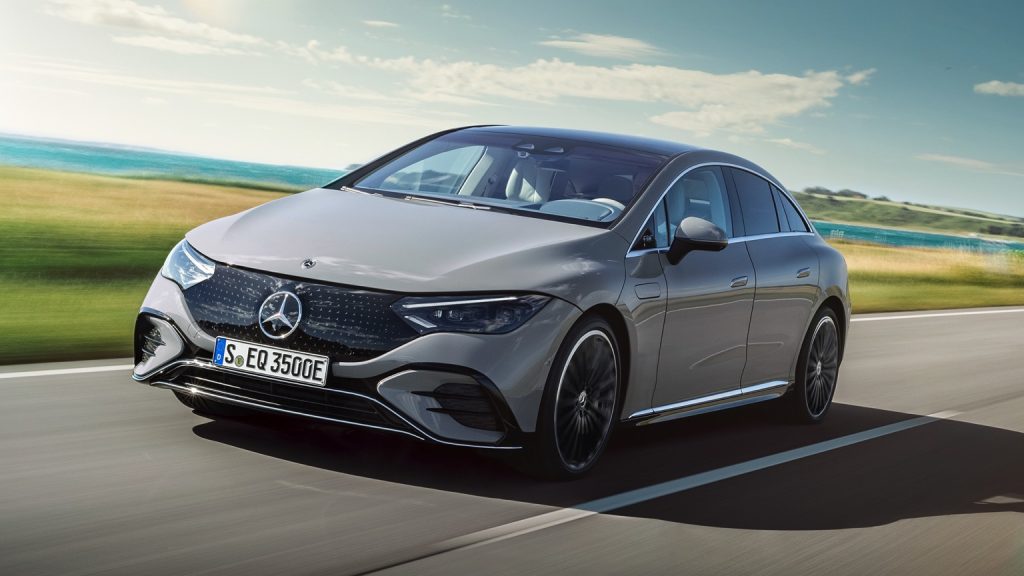
At approximately $1,200 per year, five years of access could theoretically amount to $6,000, assuming the same pricing and uninterrupted availability. That makes it considerably more expensive than many conventional connected-car subscriptions.
The EQE stands out because it represents one of the more controversial aspects of software-defined vehicles. The hardware can be capable of greater performance than what the owner is actually allowed to access.
7. BMW 5 Series
BMW’s subscription strategy becomes especially unusual when it moves beyond entertainment and into functions that owners traditionally regarded as permanent equipment.
The 5 Series is among the BMW models covered by the company’s ConnectedDrive system, which can provide access to features through either factory equipment or ConnectedDrive upgrades.
BMW’s U.S. service matrix lists functions such as Drive Recorder, Remote Engine Start, and other digital services with different purchase or subscription arrangements depending on the vehicle’s operating system and equipment.
Drive Recorder is particularly interesting because the vehicle’s cameras can already be present for other purposes. BMW allows eligible vehicles to obtain the function through a one-month trial, 12-month or 36-month subscription, or one-time purchase, according to its U.S. ConnectedDrive documentation.
That means an owner can essentially pay to turn existing camera hardware into a dash-camera and security-recording system.
Remote Engine Start provides another example. BMW’s U.S. documentation says eligible vehicles can purchase the function as a ConnectedDrive upgrade, with a current BMW guide listing a one-time $330 purchase for certain configurations.
Once purchased, the vehicle retains the function as long as it is technically capable, although remote operation through the My BMW app requires an active ConnectedDrive subscription.
The really unusual aspect is that the hardware can already be physically present in the vehicle. The purchase is therefore about activating software functionality rather than installing an entirely new mechanical system.
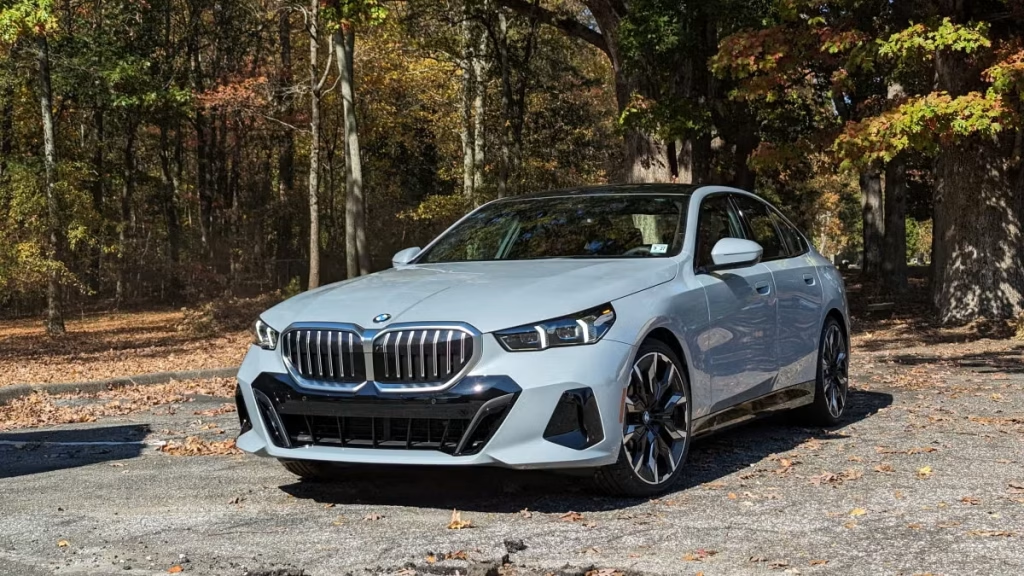
BMW has also experimented with subscriptions for features such as heated seats in other markets, but that should not be presented as a current U.S. BMW requirement. BMW explicitly stated that its U.S. subscription offerings differed from the heated-seat program offered elsewhere.
That distinction matters when ranking subscription features for American vehicles. The 5 Series belongs here because BMW’s U.S. ConnectedDrive ecosystem demonstrates how existing hardware can increasingly become a menu of separately purchasable functions.
6. Mercedes-Benz EQS
The Mercedes-Benz EQS takes the subscription concept even further because Mercedes offered a paid software upgrade that could change the vehicle’s acceleration performance. This is one of the clearest examples of a manufacturer charging for performance that can be enabled through software rather than requiring a mechanical modification.
Mercedes-Benz USA announced its Acceleration Increase upgrade for eligible EQS models at $90 per month, $900 per year, or $2,950 for the lifetime of the vehicle. On the EQS 450+, the upgrade increased output by 80 horsepower, from 329 hp to 409 hp, while reducing the claimed 0-to-60-mph time by roughly one second.
That is a very different proposition from paying for SiriusXM or a connected-navigation package. The subscription affects the vehicle’s performance characteristics. A customer could therefore purchase an EQS with the necessary hardware and then decide later whether to pay Mercedes for access to additional acceleration.
The pricing makes the idea particularly striking. Keeping the subscription for five years would cost $4,500, while the lifetime activation costs $2,950. That makes the lifetime option financially preferable for an owner expecting to keep the vehicle for more than about three years, assuming the same pricing and availability.
There is also an important historical distinction. The Acceleration Increase program was introduced for specific EQE and EQS variants, and Mercedes’ current 2026 lineup has changed substantially.
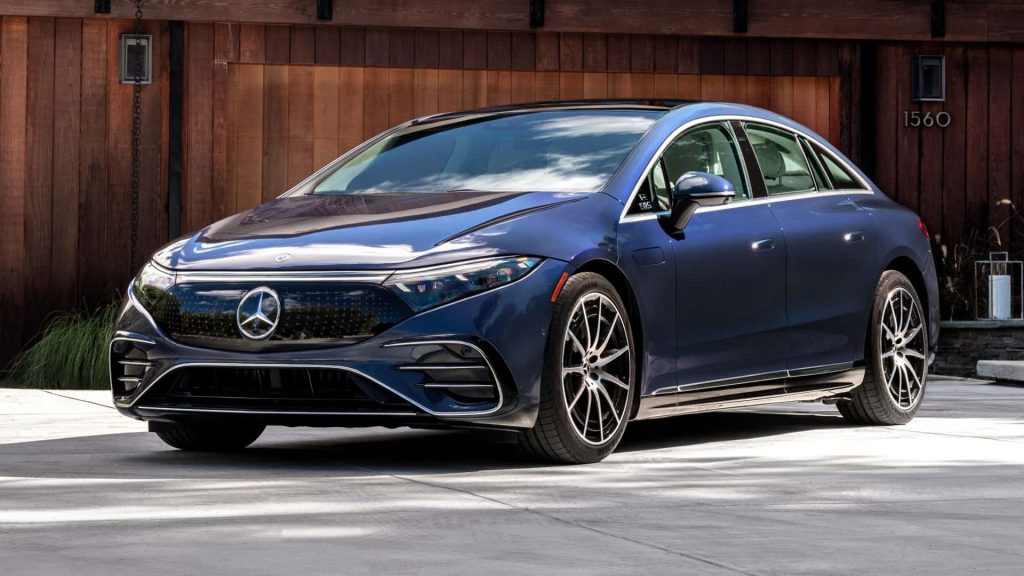
The 2026 EQS range has different powertrain and trim configurations, so buyers should not assume that the older subscription remains available on every current EQS.
That limitation does not make the original concept any less remarkable. Mercedes demonstrated that a vehicle could physically contain more performance than the customer initially paid to access.
For the history of vehicle subscriptions, the EQS is therefore one of the most important examples. It moved the idea from paying for digital conveniences to paying for something drivers can feel every time they press the accelerator.
5. BMW X1
The BMW X1 demonstrates a less dramatic but still unusual version of subscription-based vehicle ownership. Rather than charging for extra horsepower, BMW’s newer ConnectedDrive ecosystem can place certain digital capabilities behind a recurring BMW Digital Premium subscription.
BMW’s U.S. documentation says Digital Premium is available on vehicles equipped with Operating System 9 and provides access to an expanded ConnectedDrive Store.
BMW currently advertises the service from $9.99 per month, with the exact available features depending on the vehicle and market. New eligible vehicles receive a three-month trial beginning from the original in-service date.
The package can provide additional entertainment functions, enhanced navigation data, and other digital services. BMW’s U.S. ConnectedDrive materials describe the entertainment component as including video streaming and AirConsole gaming, with those features intended for use while the vehicle is stationary.
At $9.99 per month, the X1 is not the most expensive subscription vehicle on this list. It ranks here because of what the subscription represents. The vehicle’s screens, computing hardware, and connectivity systems are already part of the car, but access to portions of that digital ecosystem can continue as a recurring expense.
That model is becoming increasingly common as automakers treat the vehicle more like a connected computing platform. Instead of every feature being permanently tied to the original purchase specification, some functions can be added or removed through software.
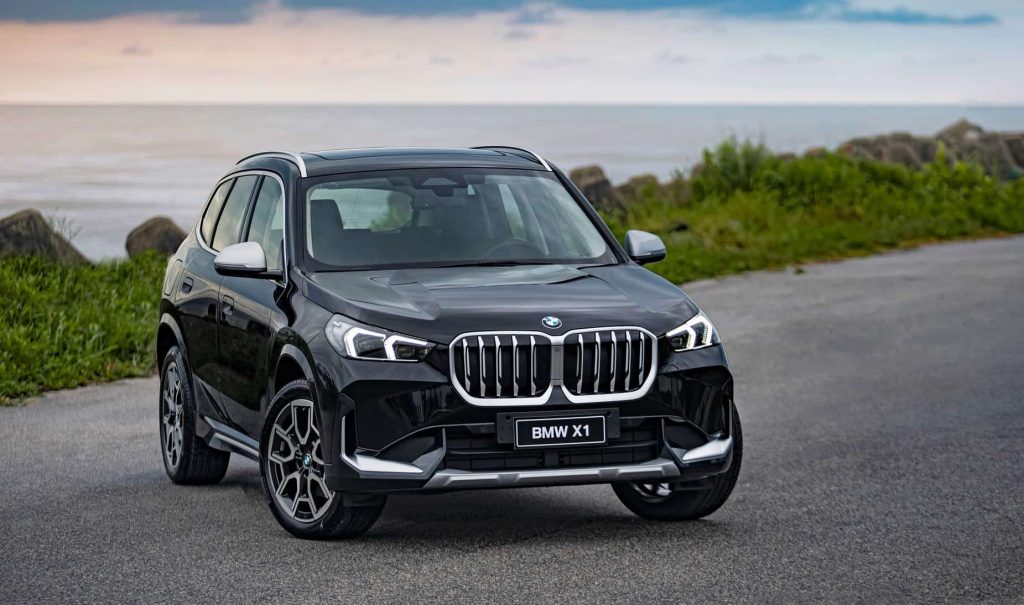
The X1 therefore illustrates the more subtle side of subscriptions. There is nothing particularly outrageous about paying $10 for entertainment and enhanced digital services. What is unusual is that a vehicle’s capabilities can increasingly be divided into individual software packages after the customer has already purchased the hardware.
BMW’s approach also gives owners flexibility. Someone who does not care about the additional services can simply let the subscription lapse, while another owner can activate it when desired.
4. Tesla Model 3
Tesla’s Model 3 ranks higher because its subscription can provide access to one of the most significant software-based features in today’s automotive market, Full Self-Driving (Supervised).
As of 2026, Tesla lists FSD (Supervised) as a $99-per-month subscription in the United States. Unlike ordinary connected services, this package provides access to a collection of advanced driving functions, including navigation on city streets, traffic-light and stop-sign control, lane changes, and other supervised driving capabilities.
Tesla emphasizes that the system still requires an attentive driver and does not make the vehicle autonomous.
At $99 every month, continuous use costs $1,188 per year. Five years would therefore total $5,940, assuming the price remains unchanged.
The financial structure is especially interesting because Tesla moved away from its previous permanent-purchase model for FSD in 2026, making the subscription the route for customers who want access without purchasing the vehicle’s lifetime software capability outright.
The Model 3 also demonstrates why subscription pricing can be difficult to compare with traditional options. The customer is not leasing a physical component. The vehicle already contains the necessary cameras and computing hardware, while the subscription determines whether the owner can use the relevant software features.
That makes the Model 3’s subscription fundamentally different from paying for satellite radio. The recurring fee can affect how the vehicle drives and interacts with its surroundings.
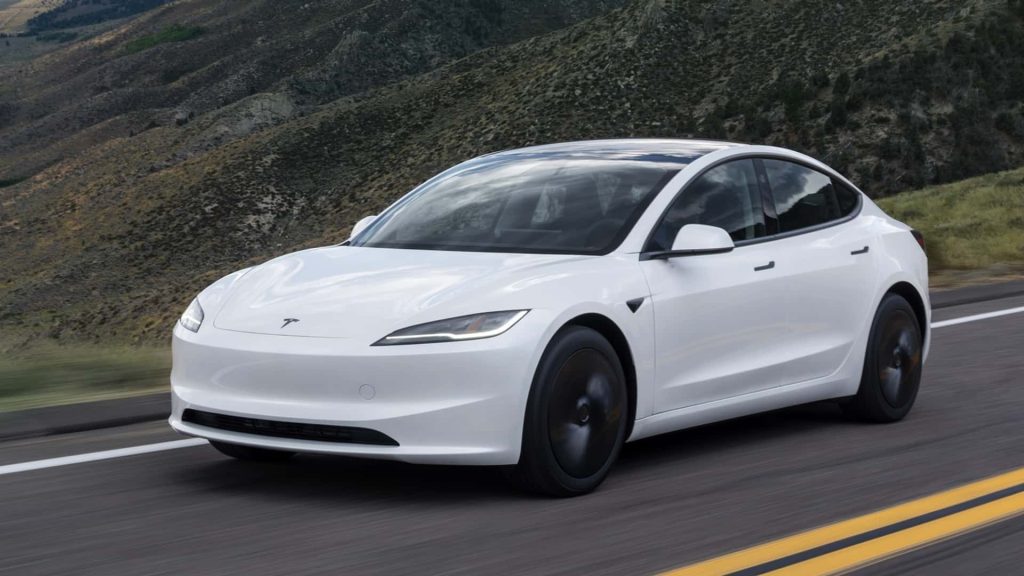
Tesla’s approach is also flexible for owners who do not need the system every month. A driver could subscribe for a long road trip or a particular period and then cancel afterward, rather than permanently purchasing the feature.
The Model 3 therefore represents one of the clearest examples of the modern software-defined vehicle. The hardware belongs to the owner, but access to some of its most advanced capabilities can function more like a monthly digital service.
3. Cadillac Escalade
The Cadillac Escalade pushes subscription-based driving technology into luxury territory with Super Cruise. GM’s hands-free driving system is not an obscure add-on hidden inside the infotainment menu. It is a major driver-assistance feature designed to operate on compatible mapped roads while monitoring the driver’s attention.
GM currently says Super Cruise is included for three years with equipped new vehicles. After that period, customers can continue the service through a plan starting at $39.99 per month, with discounts available for annual billing.
That puts the basic recurring cost at nearly $480 per year if paid monthly. The Cadillac version is particularly interesting because Super Cruise has become closely associated with the Escalade’s premium positioning.
Buyers can therefore spend well into six figures on a luxury SUV and still face a future recurring payment if they want to maintain one of its most advanced driving features after the included period.
GM’s system uses high-definition mapped roads alongside cameras, radar, and other sensors. The company says Super Cruise can handle steering and other driving tasks on compatible roads while the driver remains responsible for supervision.
GM also notes that the system can support hands-free towing on equipped trucks, demonstrating that it is more than a conventional adaptive cruise system.
The subscription becomes even more interesting when GM’s OnStar services are considered. Depending on the plan and vehicle, customers can combine Super Cruise with connectivity services in a more expensive bundle. Current U.S. pricing reported for GM’s subscription ecosystem can reach approximately $64.99 per month for combined services.
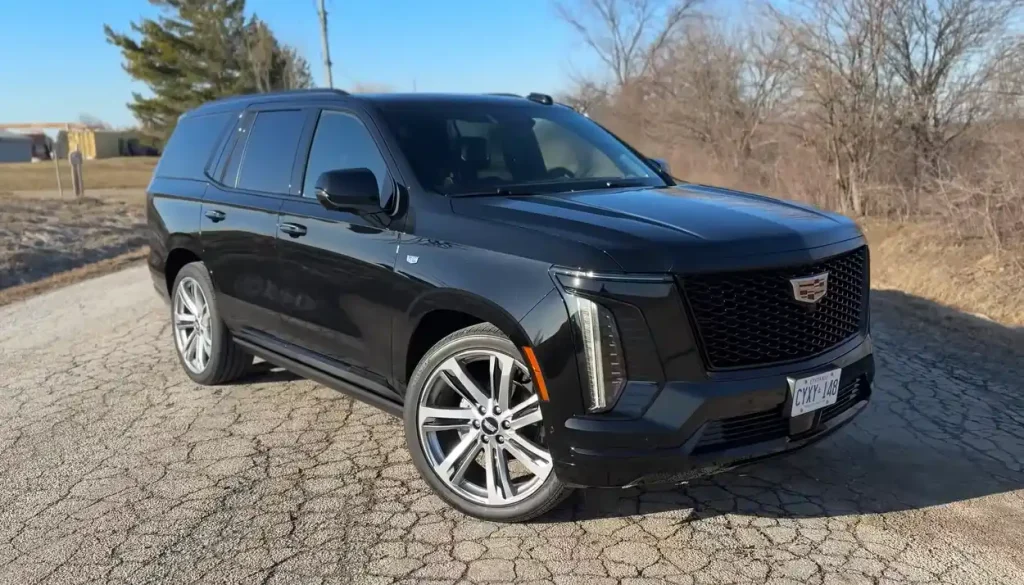
That means an Escalade owner could eventually face a recurring digital bill simply to retain hands-free highway capability that relies on hardware already installed in the vehicle.
The Escalade ranks third because the subscription is attached to a genuine driving function, not merely entertainment or remote-control conveniences.
2. Mercedes-Benz EQE SUV
The Mercedes-Benz EQE SUV ranks higher because it showcases one of the more unusual subscription features available in the U.S. market. Owners can pay extra to unlock additional acceleration performance.
Mercedes-Benz USA officially announced its Acceleration Increase On-Demand upgrade for eligible EQE and EQS customers, offering a choice between monthly, annual, and lifetime activation.
The upgrade was not a cosmetic package. Mercedes said the EQE 350+ could gain 88 horsepower, increasing output from 288 hp to 376 hp, while the EQE 350 4MATIC could gain 88 hp as well, reaching 442 hp. The company said the upgrade could reduce 0-to-60 mph acceleration by approximately one second.
The pricing structure made the idea even more unusual. Mercedes offered an acceleration increase for $60 per month, $600 per year, or $1,950 for the lifetime of the vehicle on eligible EQE variants when the program launched.
That means a customer choosing the monthly option for five uninterrupted years would spend $3,600, considerably more than the lifetime activation price.
Today’s buyers should keep one detail in mind. The feature was offered on certain EQE and EQS configurations, so it should not be assumed to be available on every 2026 model. Mercedes-Benz has since updated its U.S. lineup and digital services.
Still, as a subscription concept, it is difficult to beat. Mercedes effectively demonstrated that the same electric vehicle could have different performance levels depending on what the owner was willing to pay for in software.
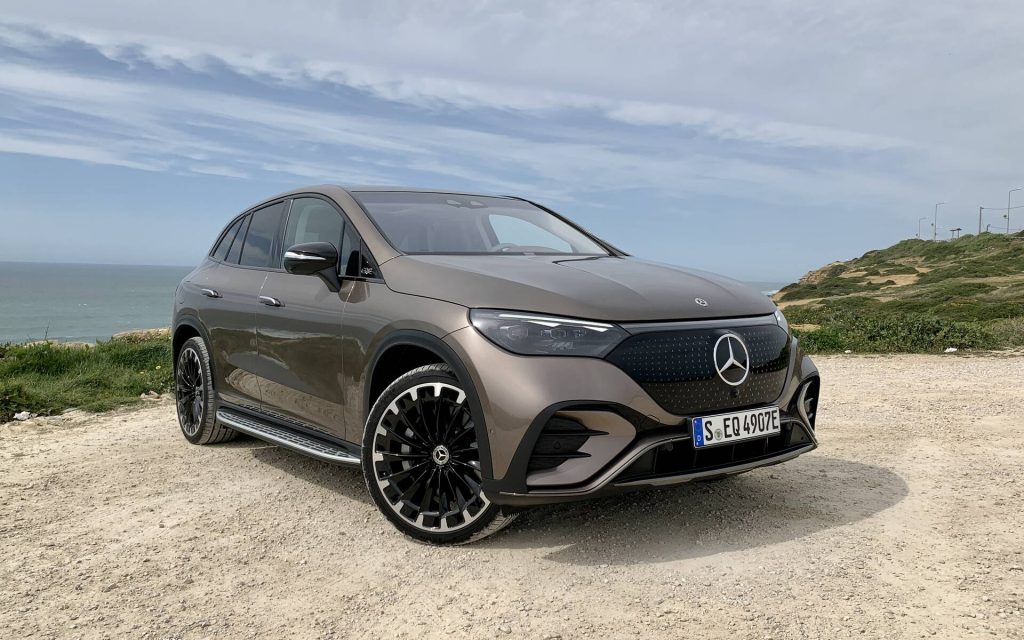
This is much more unusual than paying for remote start or connected navigation. The customer is not purchasing additional hardware. The motors and battery are already in the vehicle. The subscription simply changes how much of that capability is made available.
That makes the EQE SUV one of the clearest examples of the software-defined car becoming a reality.
1. BMW 3 Series
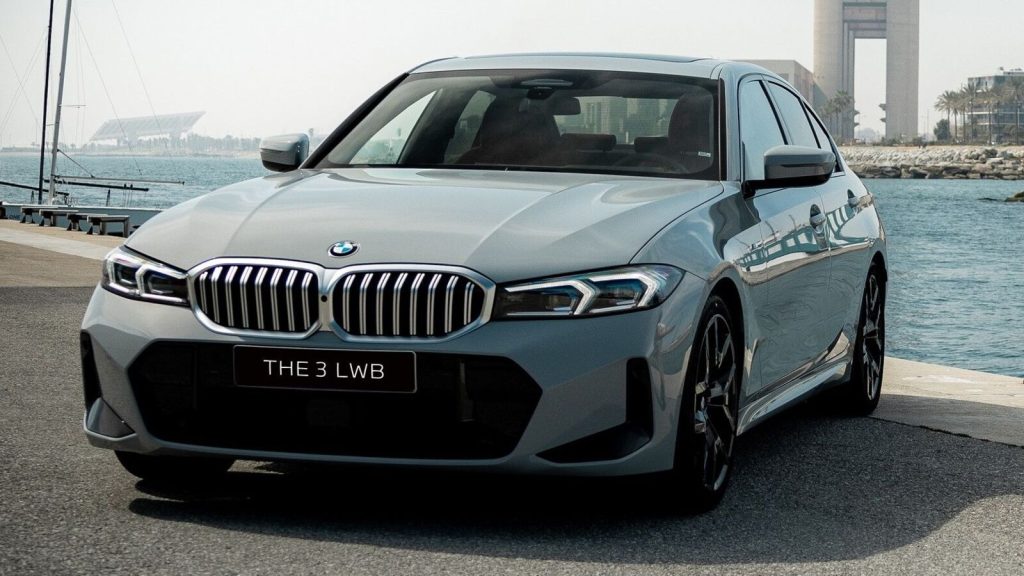
The BMW 3 Series takes the top spot for a straightforward reason. Putting heated seats behind a subscription paywall stands out as one of the most questionable examples of the subscription trend from a major automaker.
BMW introduced the controversial program in several markets, allowing customers who had the necessary heated-seat hardware to activate the feature through a recurring payment. Reports put the price at approximately $18 per month, with longer-term options also offered.
The remarkable part was not the price alone. The heating elements were already physically installed in the seats. The subscription effectively determined whether the owner could activate hardware that was sitting inside the vehicle.
BMW defended the concept at the time as a way to give customers flexibility. Someone who did not initially select heated seats could theoretically activate them later rather than paying for the option when ordering the car. But customers strongly rejected the idea that a feature physically installed in their own vehicle should require a monthly payment.
The backlash eventually won. In 2023, BMW confirmed that it was dropping heated-seat subscriptions, saying the company would instead focus its Functions on Demand strategy on software and service-related products such as driving and parking assistance.
BMW’s experience remains important in 2026 because it established the boundary many consumers seem unwilling to cross. Paying a recurring fee for cloud services, navigation data, or advanced driving software is increasingly accepted. Paying every month to activate heating coils already installed beneath your seat is a very different proposition.
The story is also a reminder that not every automotive subscription becomes permanent. BMW itself concluded that the heated-seat model was not the right direction.
For sheer absurdity, however, it remains difficult to beat. The idea that a customer could buy a luxury vehicle, sit on a heated seat, and still need to pay another monthly fee to make that seat warm became one of the defining moments of the subscription era.
