
A damaged, high-mileage, or mechanically tired car can sometimes be worth surprisingly little as a complete vehicle while still containing thousands of dollars in desirable components.
Engines, transmissions, differentials, catalytic converters, electronic modules, body panels, interiors, wheels, lighting assemblies, and even small trim pieces can command strong prices individually. This is particularly true when a model has an enthusiast following, expensive replacement parts, or components that interchange with other desirable vehicles.
That does not mean every example should immediately be dismantled. Condition, mileage, title status, local demand, labor, storage, shipping, and selling fees determine whether parting out actually makes financial sense.
A clean, collectible example is generally more valuable intact. The cars below are models where damaged, salvage-title, rusted, or otherwise low-value examples can potentially bring more money when their usable components are sold individually than when the entire vehicle is sold as one project.
1. BMW E46 M3
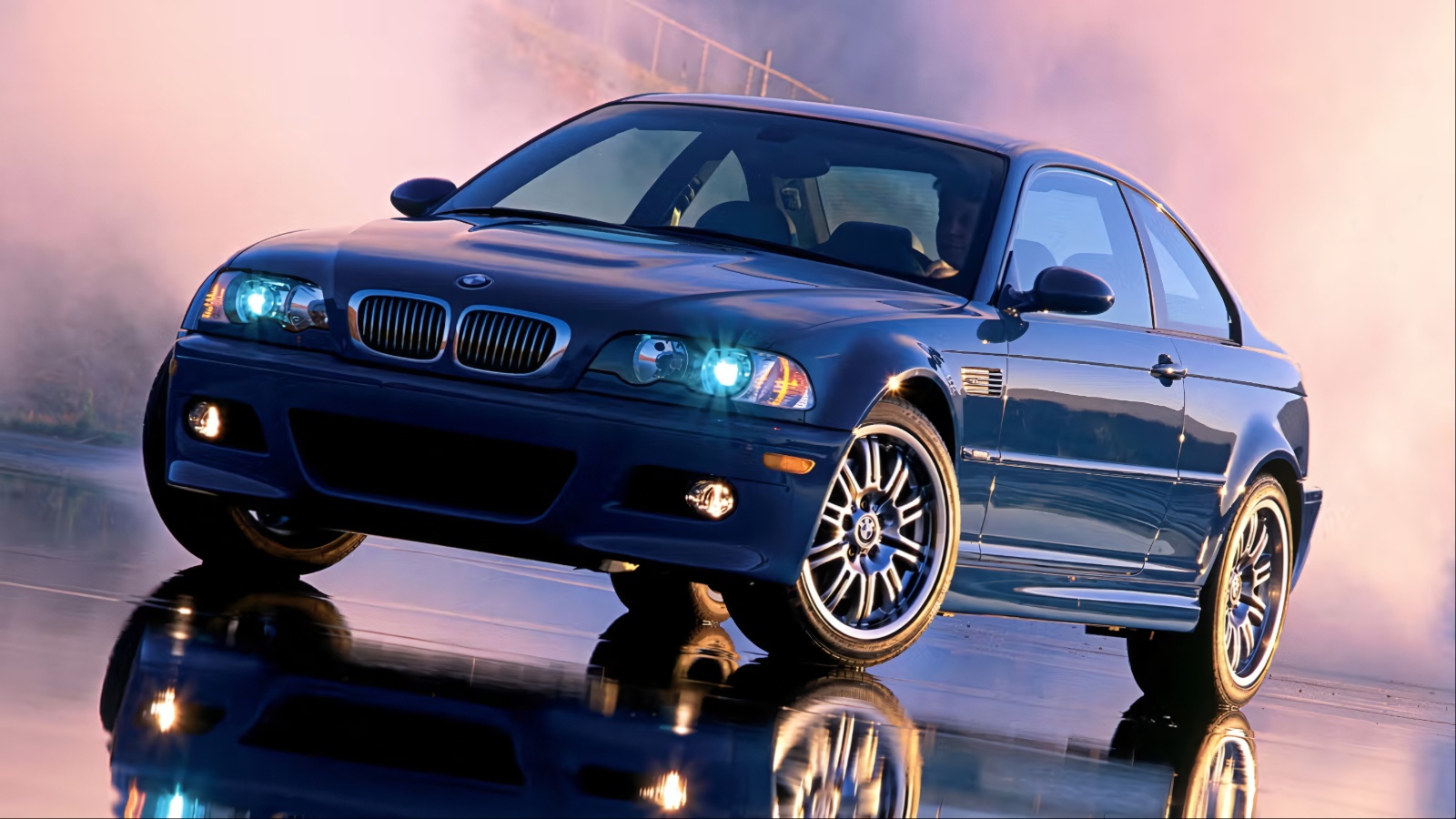
A complete E46-generation BMW M3 remains desirable, but severely damaged or high-mileage examples can become exceptionally valuable donor cars because almost everything unique to the M3 has an enthusiast market. At the center is the S54 3.2-liter inline-six.
A healthy complete engine with accessories, wiring, and electronics can command several thousand dollars, particularly when compression numbers and maintenance history are available. Six-speed manual transmissions, differentials, driveshafts, subframes, and complete manual-conversion packages add significant value.
The body and interior create another layer of demand. Original M3 front and rear bumpers, fenders, mirrors, headlights, taillights, hood panels, wheels, seats, steering wheels, instrument clusters, and interior trim can all sell separately.
Coupe-specific panels are increasingly difficult to find in clean condition, while rare factory colors or unusual interior combinations can make otherwise ordinary pieces much more valuable. Brake assemblies are also purchased for upgrades and restorations.
This creates unusual economics around wrecked E46 M3s. A damaged car that would bring relatively little as an unfinished project may contain a desirable engine, transmission, differential, interior, wheels, electronics, and dozens of smaller pieces.
A clean M3 should obviously be preserved intact. But when structural damage or corrosion makes restoration uneconomical, the combined component value can substantially exceed the price someone would pay for the entire damaged vehicle.
2. Chevrolet Corvette C5
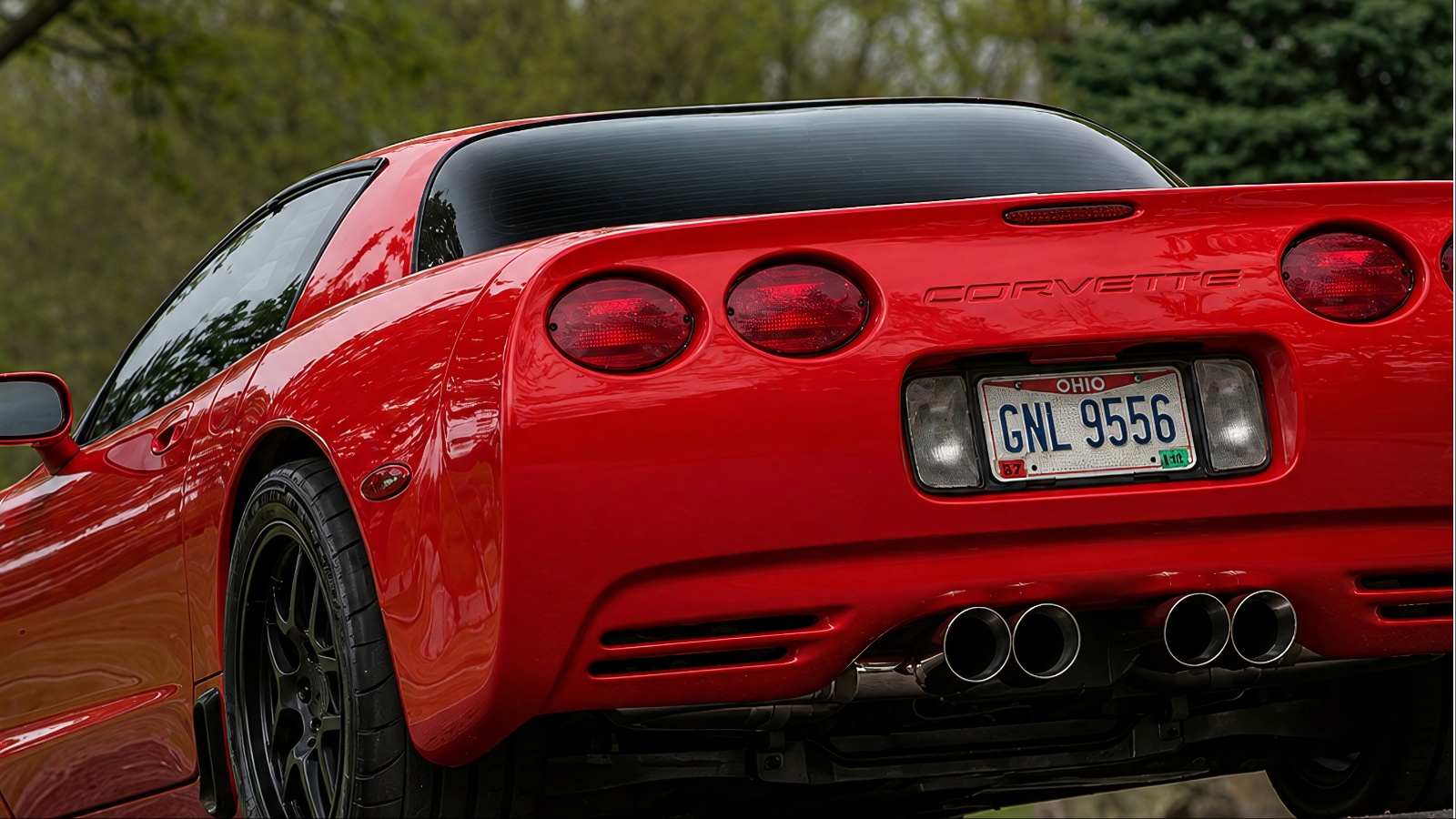
The C5 Corvette is one of the best examples of an affordable complete performance car containing components wanted by an enormous aftermarket. The LS1 V8 is the primary reason.
Chevrolet’s aluminum small-block architecture became popular for engine swaps because it combines compact dimensions, strong performance, relatively low weight, and massive aftermarket support. A complete running LS1 package with wiring harness, ECU, accessories, and documentation can therefore represent a substantial portion of an older C5’s total value.
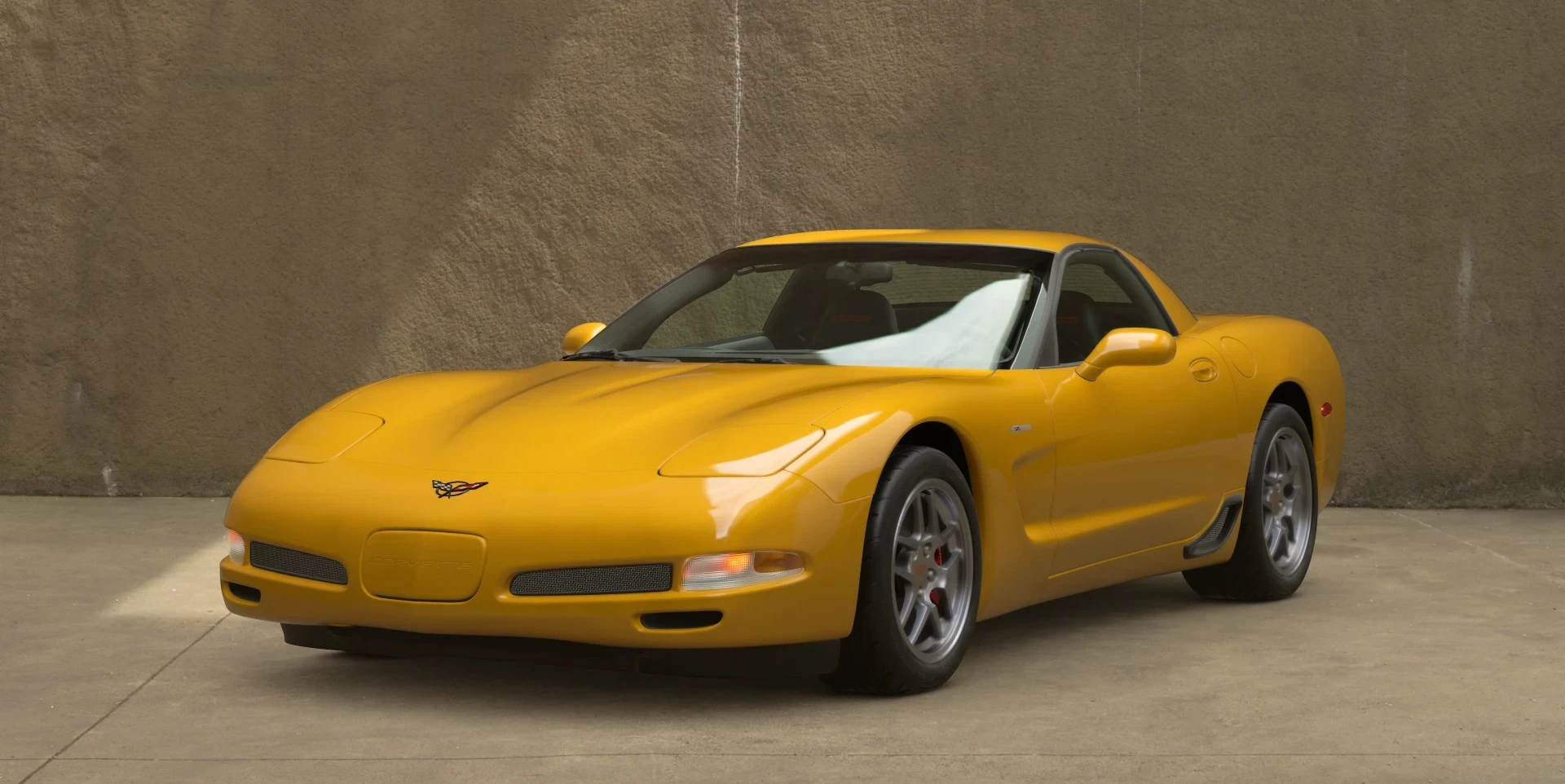
The Corvette’s rear-mounted transaxle arrangement also creates demand for transmissions, torque tubes, differentials, suspension pieces, brakes, and driveline hardware. Performance builders seek C5 suspension components for custom projects, while Corvette owners continually need replacement body panels, headlights, seats, dashboard components, wheels, glass, electronics, and interior trim.
The economics become particularly interesting with crash-damaged cars. A Corvette with major fiberglass body damage or a salvage title can be difficult to sell complete because restoration expenses quickly exceed the finished vehicle’s market value. Yet the engine may still be excellent, the transmission intact, and the interior largely usable.
Selling those assemblies separately can potentially produce considerably more than accepting one low salvage offer. Small Corvette-specific parts also accumulate value because enthusiasts restoring existing cars need exactly those factory pieces.
For this reason, badly damaged C5s regularly become donor cars even when their mechanical systems remain perfectly functional.
3. Honda S2000
The Honda S2000 has become collectible enough that good examples should normally stay intact, but damaged cars can produce remarkable component values. Its F20C and F22C engines are among Honda’s most recognizable performance powerplants, and replacements are neither as plentiful nor as inexpensive as ordinary four-cylinder Honda engines.
A healthy engine with the correct transmission, electronics, harness, and accessories can account for a substantial portion of a damaged S2000’s value.
The six-speed manual transmission is another highly desirable component. Enthusiasts prize the S2000’s gearbox for its precise operation, and complete drivetrain packages appeal to both restorers and custom-car builders. Differentials, rear subframes, suspension pieces, brake assemblies, driveshafts, and steering components have similarly active markets.
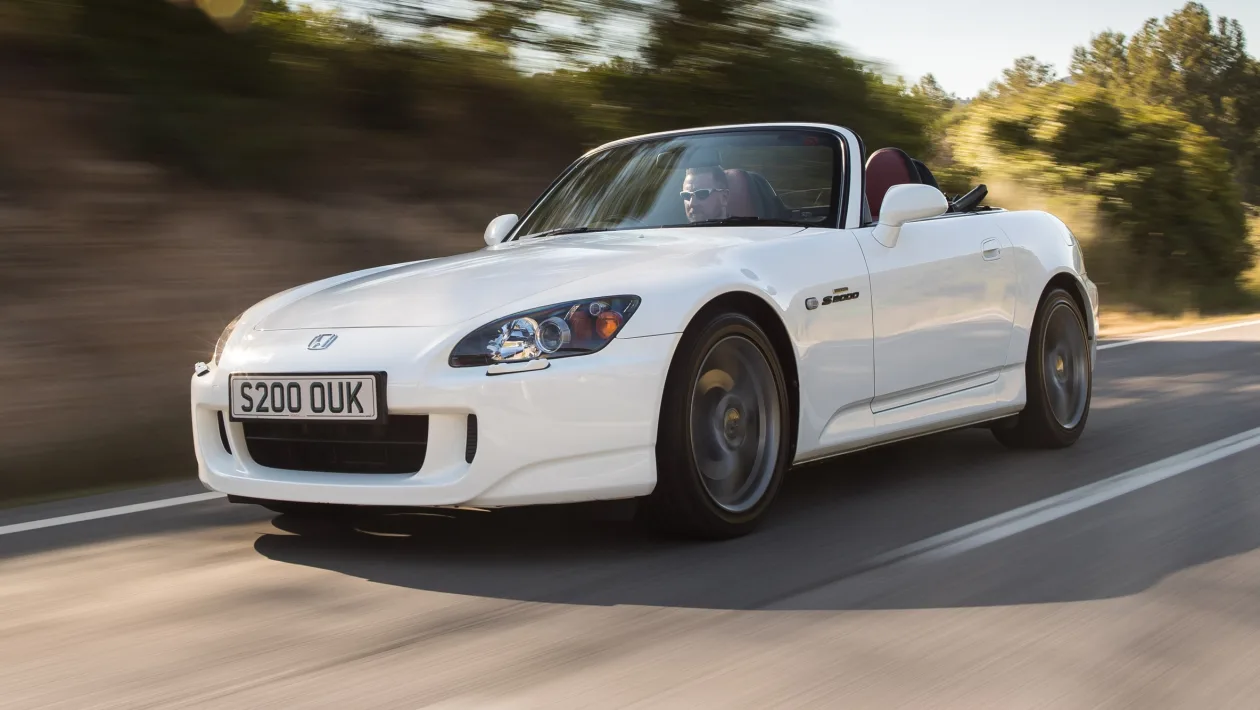
Then there are the body and interior pieces. Original headlights can be expensive, while bumpers, fenders, doors, trunks, hoods, convertible-top components, seats, gauge clusters, center consoles, steering wheels, and factory trim are increasingly valuable as the surviving fleet ages.
A wrecked S2000 might therefore look financially hopeless as a complete project, particularly if the unibody is bent. However, a straight drivetrain, complete interior, undamaged wheels, lighting, and dozens of small components may collectively be worth far more.
The important distinction is condition. A structurally sound S2000 usually deserves preservation. The part-out advantage appears primarily when severe collision damage, corrosion, or a problematic title makes whole-car restoration economically unrealistic.
4. Jeep Wrangler
Few vehicles generate used-part demand as consistently as the Jeep Wrangler. Owners modify them constantly, damage them off-road, restore older examples, and swap factory components between trim levels. That creates a huge market for both mechanical and cosmetic parts.
Wrangler engines and transmissions have value, but the strongest advantage comes from how many individual components buyers actively seek. Complete axles are particularly desirable, especially stronger Dana assemblies from Rubicon versions. Lockers, transfer cases, driveshafts, suspension components, steering boxes, control arms, and factory skid plates can all find buyers.
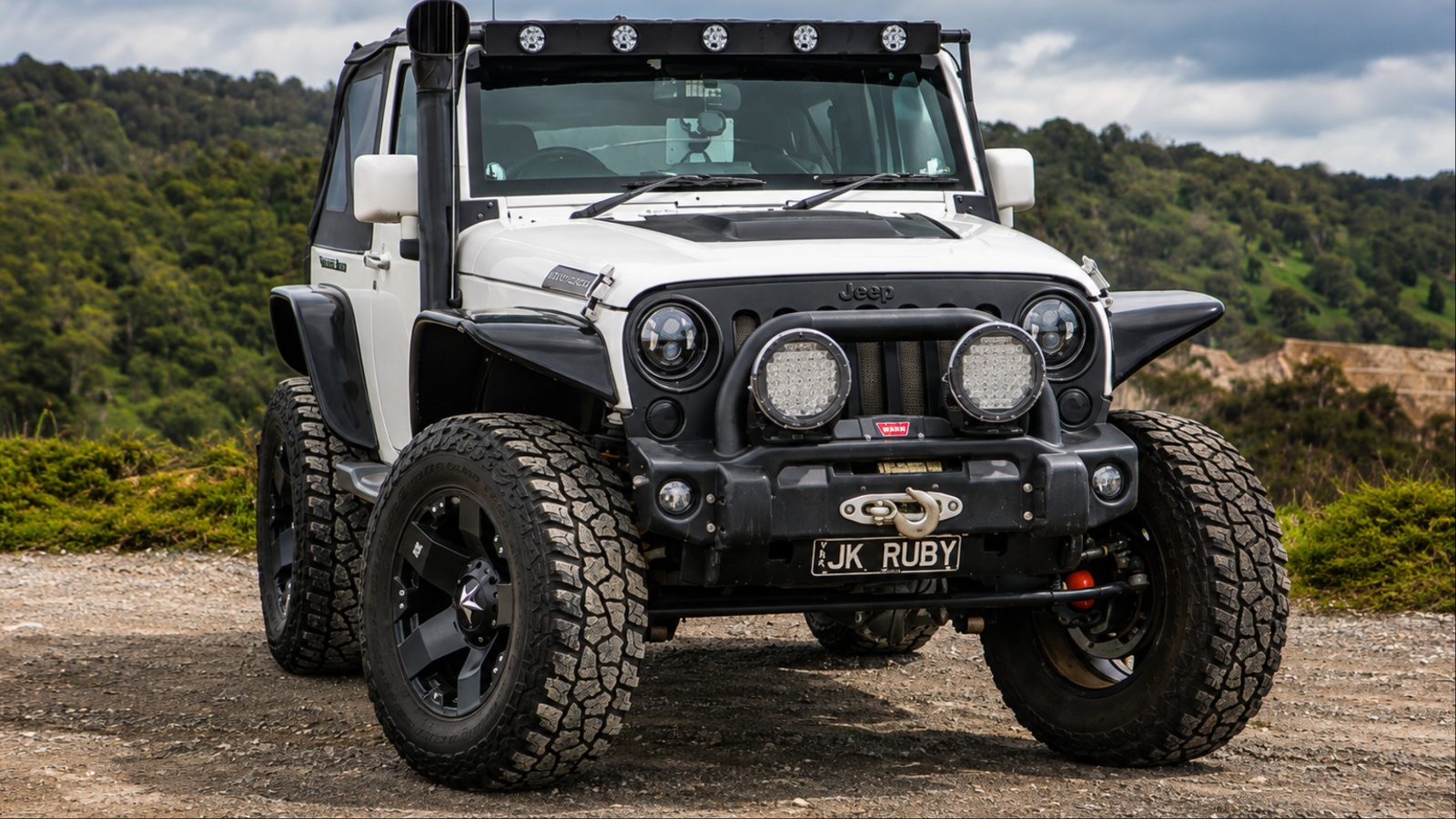
Removable body components increase the total further. Hardtops can be worth substantial money, as can complete doors, half doors, tailgates, fenders, bumpers, hoods, mirrors, seats, roll-bar components, dashboards, radios, and factory wheels. A set of clean Rubicon wheels and tires alone can represent meaningful value.
Wrangler owners also frequently want factory pieces after purchasing modified vehicles. That means original components that might seem unremarkable on another SUV can remain marketable.
A badly rusted frame or rollover-damaged Wrangler may therefore have low value as a complete vehicle while containing several thousand dollars of reusable equipment.
Rubicon models take this phenomenon further because their axles, lockers, transfer-case equipment, wheels, trim, and off-road hardware command premiums. Consequently, some damaged Wranglers become economically attractive donor vehicles long before their drivetrains have reached the end of their useful lives.
5. Subaru WRX STI
A wrecked Subaru WRX STI can be an unusually valuable collection of components because STI-specific hardware is frequently sought for repairs, conversions, and performance builds. The turbocharged engine receives much of the attention, but a complete drivetrain can be even more significant.
STI six-speed manual transmissions have earned a strong reputation for strength and are regularly purchased for swaps into other Subarus. Matching differentials, driveshafts, hubs, axles, and the Driver Controlled Center Differential hardware increase the value of a complete conversion package. Brembo brake systems are another major asset because owners of lower-performance Subarus commonly seek them as upgrades.
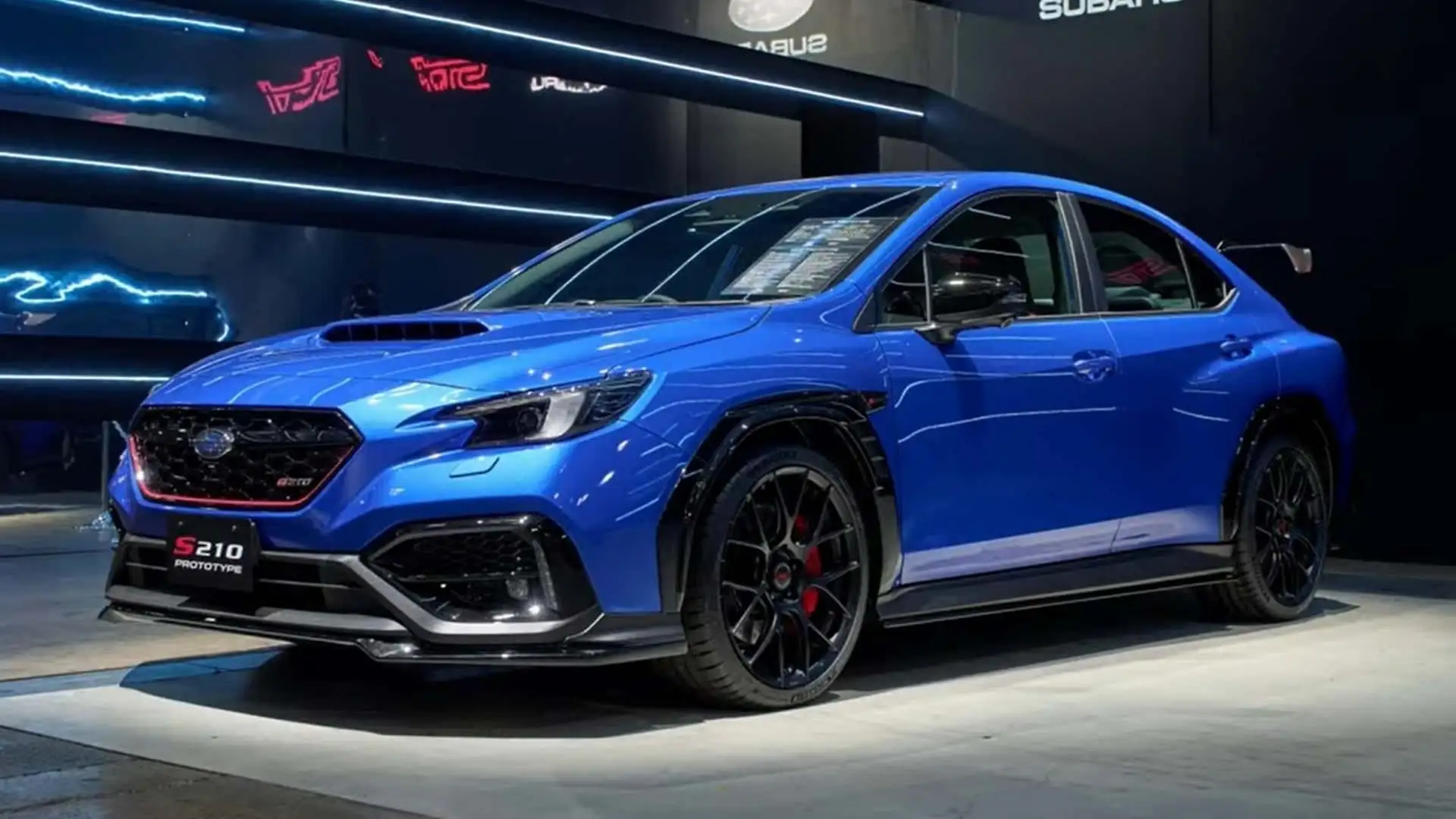
Body parts can also sell quickly. STI hoods, scoops, bumpers, wings, fenders, headlights, taillights, wheels, seats, steering wheels, gauges, and interior pieces attract buyers restoring accident-damaged cars or converting WRX models visually.
The result is that a severely damaged STI can be worth substantially more dismantled than sold as one salvage project. A buyer considering the whole car must account for structural repairs, paint, title history, and the possibility of hidden damage. Individual component buyers care primarily about whether the specific part they need survived.
This is especially true when the drivetrain remains intact after a rear or side collision.
Clean, original STIs have become increasingly collectible and are generally more desirable preserved. But once an example is structurally compromised, its engine, six-speed transmission, Brembos, differential hardware, interior, and body pieces can create exceptional part-out economics.
6. Porsche 911
Few cars demonstrate the economics of individual components better than an older Porsche 911. A damaged 911 may still be expensive compared with an ordinary salvage car, yet its constituent parts can be extraordinarily valuable because replacement Porsche components carry premium prices.
Engines are the obvious example. Depending on generation, condition, specification, and completeness, a running 911 engine can represent a major percentage of the vehicle’s value. Manual transmissions are similarly desirable, especially specific gearboxes sought for restorations or conversions.
The list quickly expands beyond the drivetrain. Porsche-branded brake systems, suspension assemblies, wheels, seats, steering wheels, instrument clusters, headlights, taillights, mirrors, doors, bumpers, decklids, spoilers, exhaust components, and interior trim can each command substantial prices.
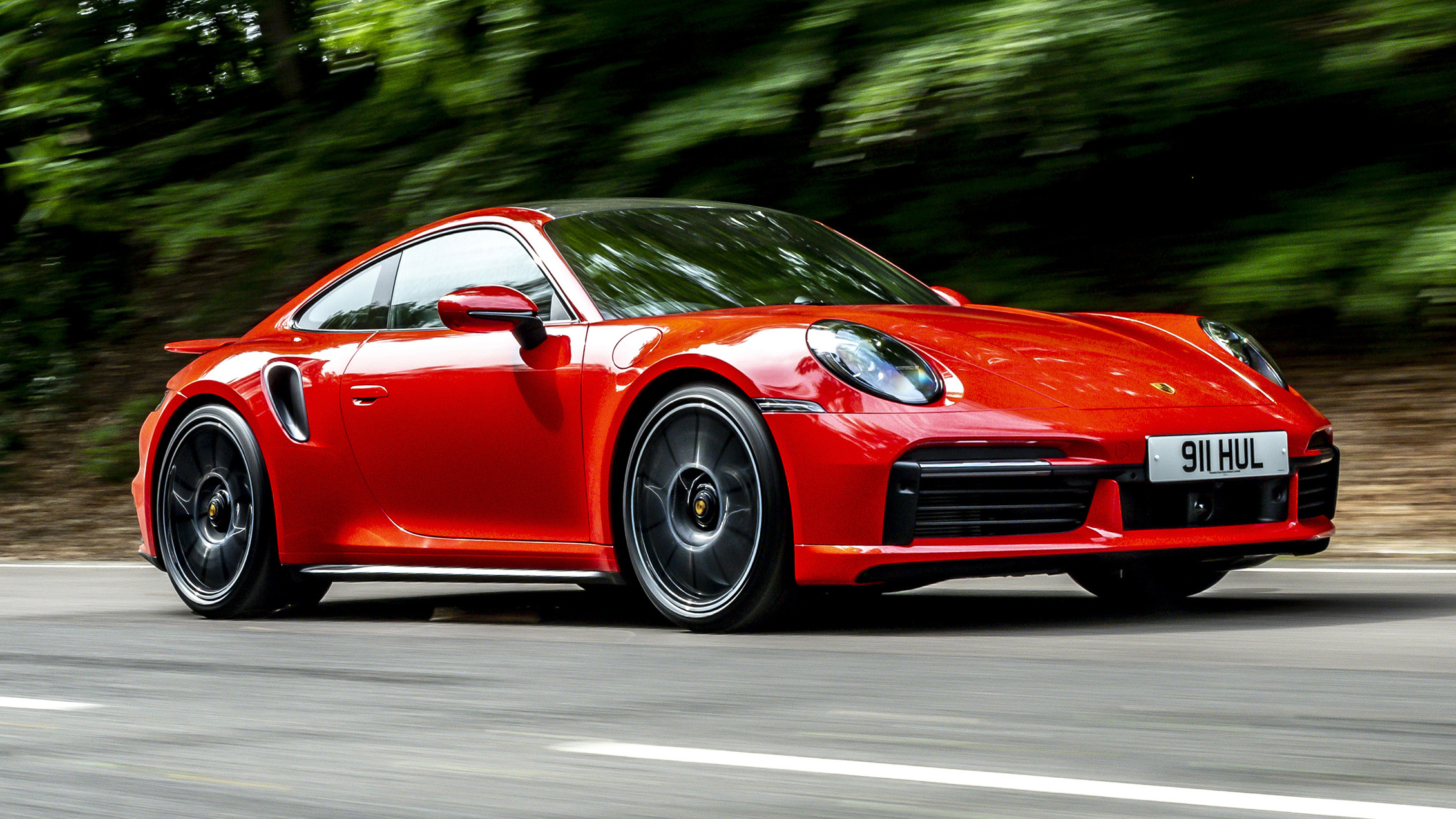
Older models create particularly strong opportunities because original pieces become difficult to locate. A seemingly insignificant factory switch, vent, trim strip, seat component, or gauge can become valuable when restorers require the correct period part.
This means a badly crashed 911 with a bent shell may still contain an extraordinary amount of recoverable value. Restoring the entire car might require hundreds of labor hours and expensive structural work, while dismantling it allows usable components to immediately support other cars.
Again, condition determines the correct choice. Historically important or repairable Porsches deserve careful preservation consideration. But for catastrophically damaged examples, component values can make the vehicle economically more valuable as a donor than as one complete restoration candidate.
7. Toyota Land Cruiser
Toyota Land Cruisers develop unusually strong parts values because the vehicles remain in service for decades and owners are often willing to spend heavily to keep them operating. This is especially true of older 60-, 80-, and 100-Series trucks, although later models can also contain expensive components.
Engines, transmissions, transfer cases, solid axles on applicable generations, locking differentials, steering equipment, and four-wheel-drive components are all desirable. Factory differential-lock hardware from certain models can be especially valuable because owners upgrade non-locked vehicles or repair existing systems.
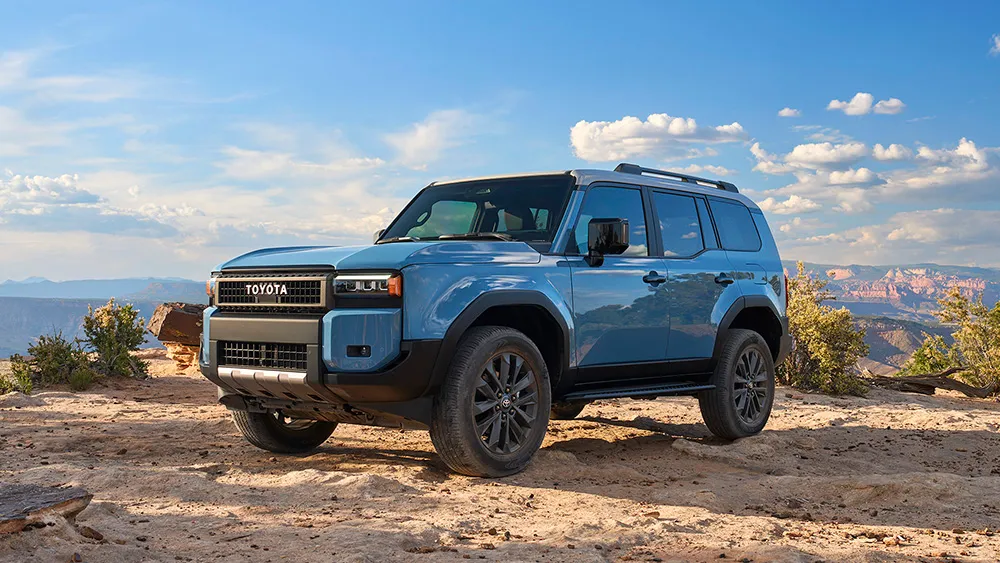
Body and interior parts add another dimension. Land Cruiser tailgates, doors, hoods, bumpers, running boards, headlights, grille pieces, seats, dashboards, consoles, third-row seats, trim, and factory wheels can be difficult or expensive to source.
The situation is particularly interesting with rusted Land Cruisers. The drivetrain may remain mechanically excellent while the frame or body has deteriorated beyond reasonable repair. Selling the entire rusty truck may attract only project buyers who expect a significant discount.
Dismantling it separates the corrosion problem from the valuable mechanical hardware. International demand can strengthen prices as well because Land Cruisers have enormous global followings. Components may be useful not only for American restorations but also for overseas repairs and specialty builds.
A clean Land Cruiser often retains tremendous whole-vehicle value, making dismantling inappropriate. But badly rusted or heavily damaged trucks can contain engines, axles, driveline assemblies, interiors, and rare factory equipment whose combined value exceeds what one buyer would pay for the entire compromised vehicle.
8. Ford Mustang GT
The Ford Mustang GT benefits from one of the largest performance aftermarket communities in America, making crashed examples excellent donor vehicles. Modern 5.0-liter Coyote V8 engines are especially sought after for swaps into older Mustangs, trucks, hot rods, and custom builds. A complete engine package becomes considerably more attractive when it includes the wiring harness, ECU, accessories, intake system, and related electronics.
Manual transmissions, automatic gearboxes, differentials, independent rear suspension assemblies on newer generations, Brembo brakes, driveshafts, and cooling components all have additional value. Performance packages and specialty models can push component prices substantially higher.
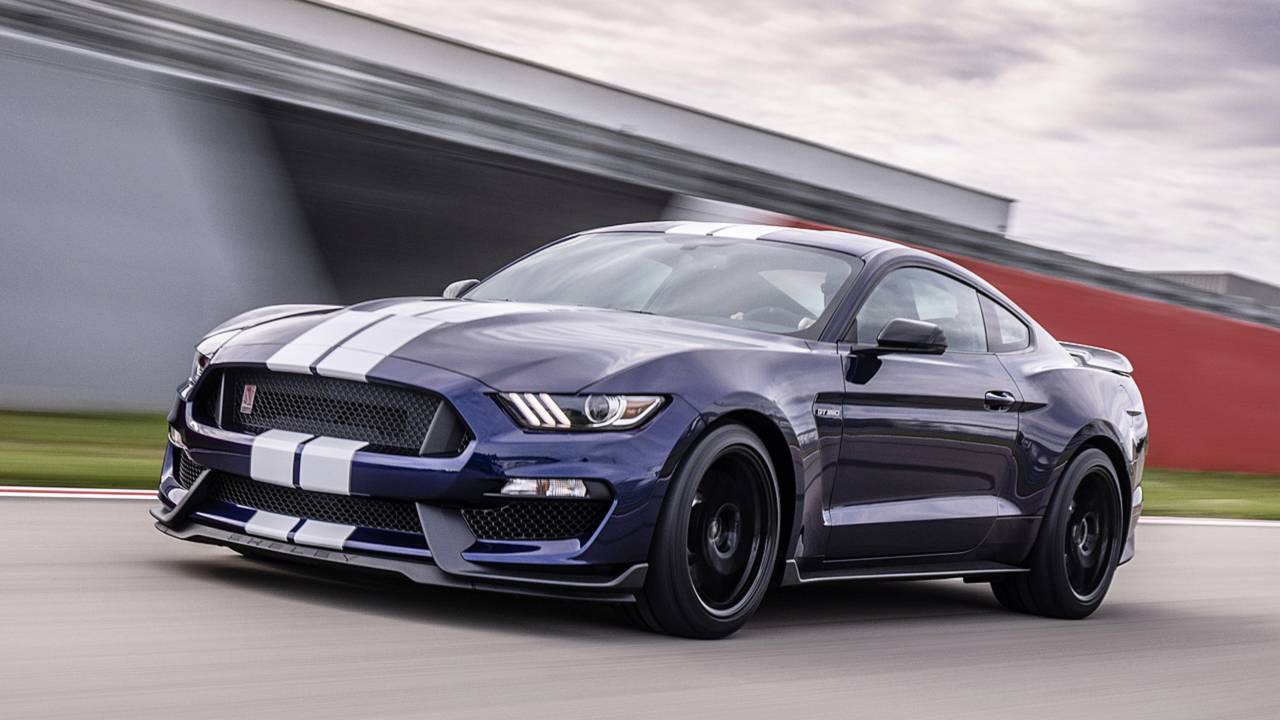
Mustang body pieces are equally marketable because collisions are common enough to create consistent replacement demand. Hoods, bumpers, headlights, taillights, fenders, doors, decklids, spoilers, mirrors, dashboards, seats, steering wheels, and factory wheels frequently find buyers.
A Mustang with severe rear damage might still retain a complete engine bay and interior. Conversely, a front-damaged car may have a valuable rear differential, transmission, interior, doors, wheels, and electronics.
This flexibility makes part-outs particularly effective.
A wrecked GT that looks expensive to restore may therefore have more financial potential as individual assemblies than as a complete salvage car. Specialty versions such as Mach 1, Bullitt, Shelby, or certain Performance Package cars can contain even more valuable model-specific components.
For ordinary clean Mustangs, selling intact is usually simpler. The part-out advantage appears when structural damage destroys the car’s whole-vehicle desirability without destroying its most sought-after mechanical pieces.
9. Mazda MX-5 Miata
A Mazda MX-5 Miata may seem unlikely to qualify because complete older examples can be relatively affordable, but that affordability is exactly what creates the opportunity. A heavily rusted or damaged Miata can have modest whole-car value while still containing dozens of components wanted by racers, restorers, and owners maintaining daily drivers.
Manual transmissions are consistently desirable, as are limited-slip differentials, engines, subframes, driveshafts, steering racks, suspension pieces, brake assemblies, and hubs. Miatas are heavily used in amateur motorsport, so the demand for replacement mechanical components remains unusually strong.
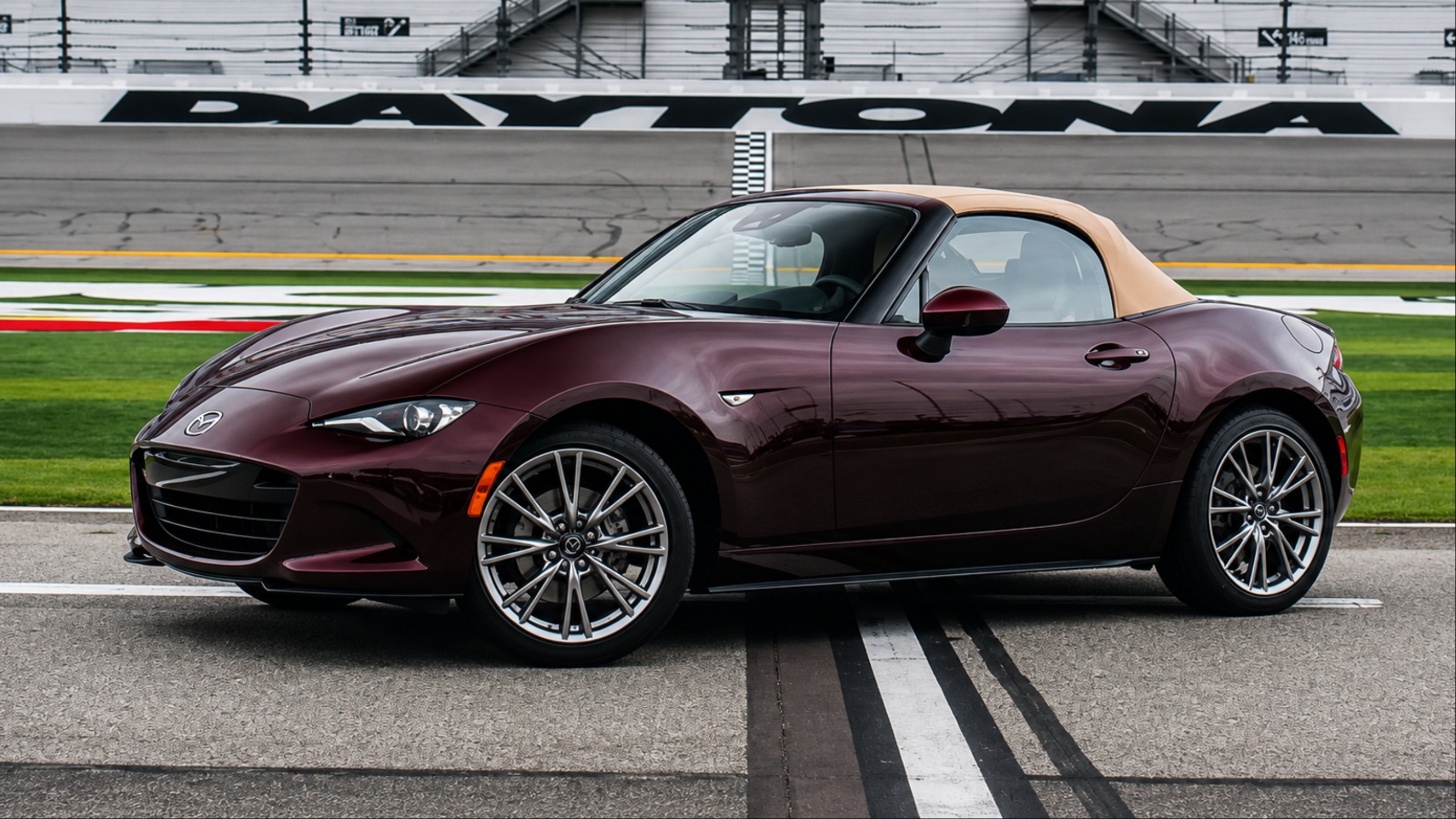
Body pieces matter too. Hardtops are the standout component. Genuine removable Miata hardtops can represent an unexpectedly large percentage of an older car’s total market value, particularly when complete and undamaged.
Seats, dashboards, center consoles, gauge clusters, steering wheels, headlights, taillights, doors, mirrors, fenders, convertible-top frames, wheels, and trim pieces can all contribute additional revenue.
Special-edition colors and interiors can command premiums from restorers seeking correct components.
This creates almost comical economics around certain neglected cars. A rusty Miata with a good hardtop, manual transmission, limited-slip differential, straight interior, and usable drivetrain might attract little money as a complete restoration project. Those same parts separated and sold to multiple enthusiasts can total considerably more.
A solid Miata is usually worth keeping whole. But once rust attacks structural areas or severe collision damage affects the shell, the components can become substantially more valuable than the remaining automobile.
10. Mercedes-Benz S-Class
An older Mercedes-Benz S-Class can illustrate the part-out equation better than almost any luxury sedan. These cars often depreciate dramatically as they age, yet the replacement cost of their individual components remains extremely high.
A complete older S-Class with mechanical problems might sell for only a few thousand dollars while containing a large collection of expensive electronics, interior components, body parts, and drivetrain assemblies.
Luxury equipment drives much of the value. Headlights, taillights, radar sensors, cameras, infotainment displays, control modules, amplifiers, seat computers, switches, power-seat mechanisms, soft-close door components, mirrors, and climate-control electronics can each cost substantial amounts new.
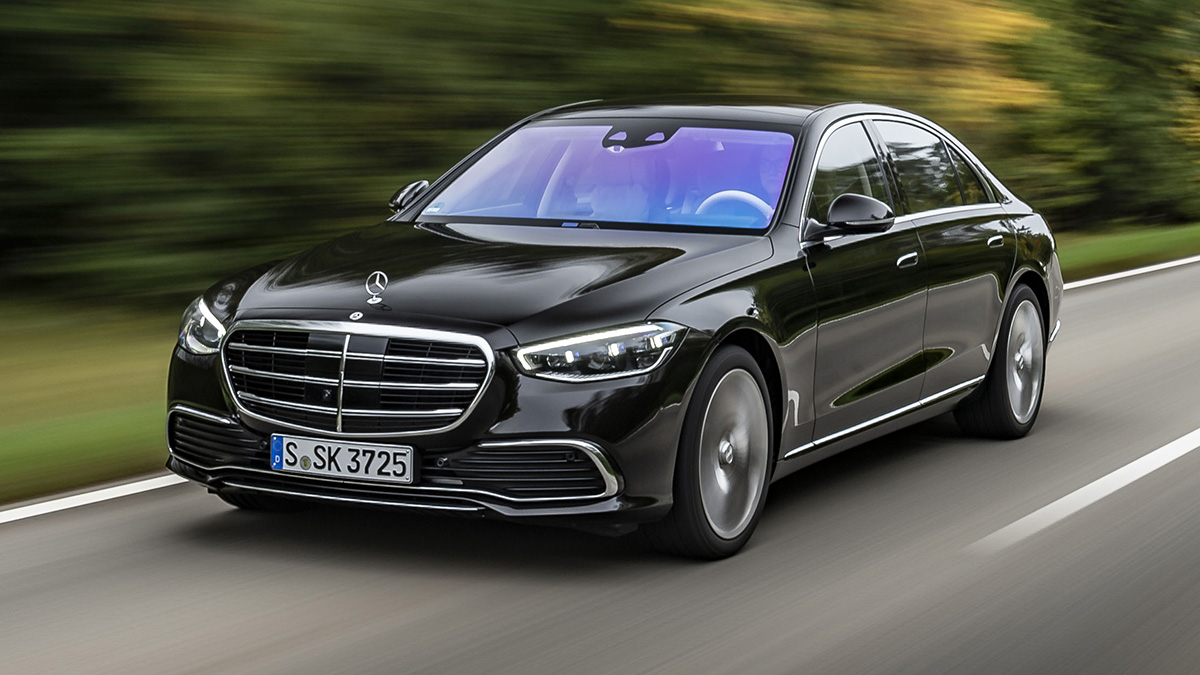
The interior can be equally valuable. Complete leather seats, wood trim, steering wheels, dashboards, consoles, door panels, and rare color combinations appeal to owners repairing otherwise excellent cars.
Mechanical components include engines, transmissions, differentials, air-suspension struts, compressors, control arms, brake systems, wheels, and exhaust parts. AMG versions take the economics to another level because their engines, brakes, wheels, exhaust systems, and body components command significant premiums.
The contradiction is depreciation. Buyers heavily discount an old S-Class because repairing one can be expensive, yet existing owners still need those expensive parts when something breaks.
Consequently, a non-running or accident-damaged S-Class may struggle to attract a strong whole-car offer while generating considerable money piece by piece. For certain depreciated luxury cars, the replacement-parts market can literally be stronger than the market for the complete vehicle.
