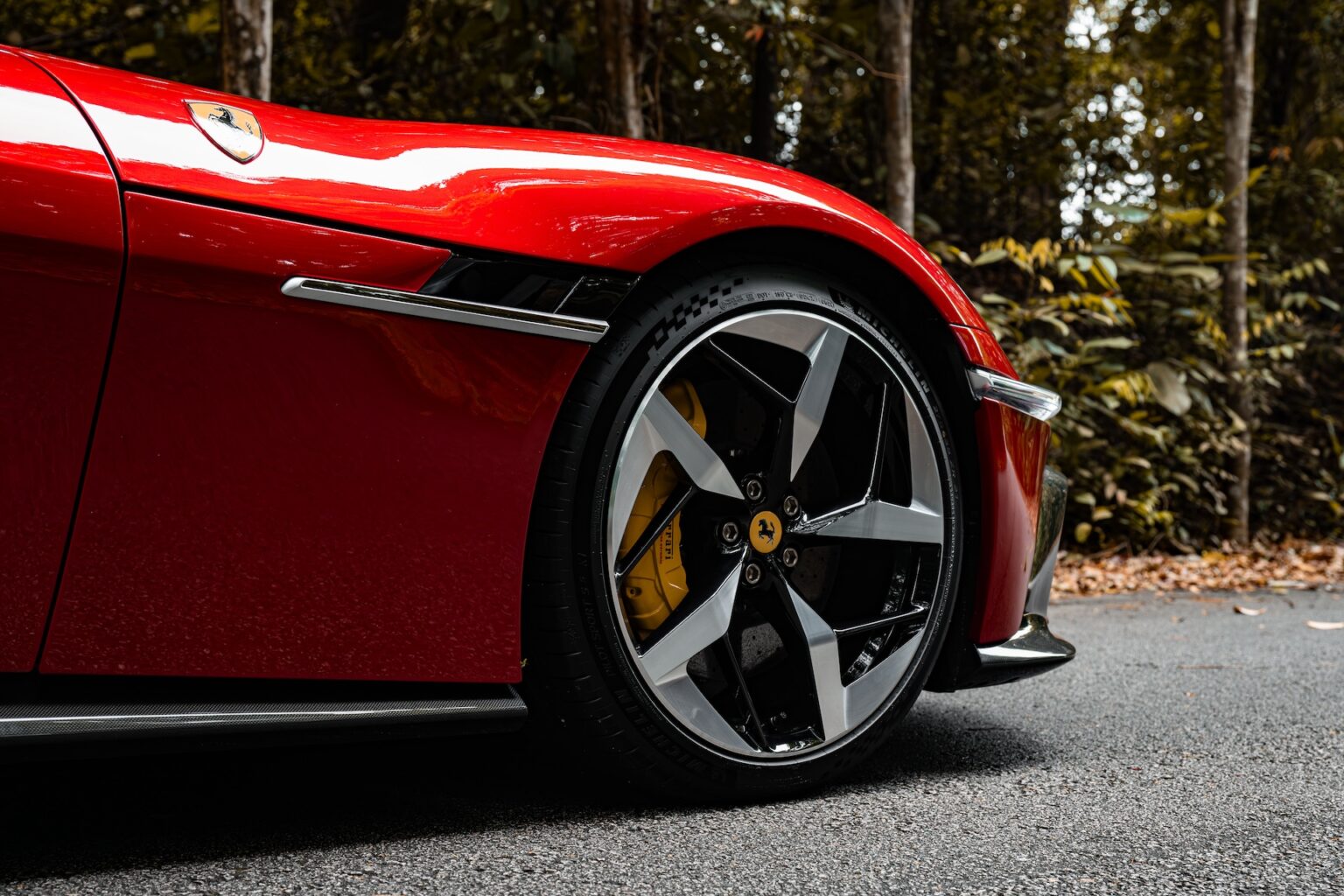
The Ferrari 12Cilindri is a rare kind of modern performance car, combining an 819 horsepower naturally aspirated V12 with grand touring comfort and dramatic Italian styling. Buying one requires a substantial budget, but the purchase price tells only part of the story.
Fuel, insurance, tires, taxes, maintenance, financing, depreciation, and everyday ownership expenses can push the yearly cost much higher. For a US owner driving around 10,000 miles annually, the numbers can become surprisingly large.
This article breaks down the major expenses involved in keeping a Ferrari 12Cilindri on American roads, using realistic estimates to show what ownership can actually cost over twelve months.
The Starting Price And Initial Ownership Costs
The Ferrari 12Cilindri enters the US market with a price that already places it firmly in the exotic car category. For the 2026 model year, the coupe has an MSRP listed at about $465,994, while pricing can rise significantly once factory options and personalization are added.
The Spider carries a higher starting price. Real transaction prices can also vary according to configuration, dealer conditions, demand, and selected equipment.
For this calculation, assume a buyer chooses a reasonably equipped 12Cilindri coupe and spends approximately $500,000 before taxes and registration.
That figure is more useful for estimating real ownership than relying strictly on the base sticker because Ferrari buyers commonly have extensive opportunities for customization. Paint, carbon fiber components, upgraded wheels, interior materials, seats, audio equipment, and other options can quickly add tens of thousands of dollars.
Sales tax represents another major expense. The exact amount depends on the state and local jurisdiction where the Ferrari is purchased and registered.
At an illustrative 7 percent rate, a $500,000 vehicle would generate approximately $35,000 in sales tax. Registration, title fees, documentation charges, and other government costs could add several thousand dollars. A buyer in a high-tax location may therefore spend well above $530,000 before even considering financing or insurance.
Financing can make the yearly cash requirement much higher. Someone financing $400,000 rather than paying cash could face substantial interest expenses depending on the loan term and rate.
Exotic-car financing may also have different requirements from ordinary vehicle loans. A high-income buyer with excellent credit could obtain more favorable terms, while a specialized lender might charge a higher rate because of the vehicle’s price and market characteristics.
There is also an opportunity cost associated with the money tied up in the car. A person paying $500,000 in cash is not simply spending money on transportation.
That capital could otherwise remain invested, earn interest, or be used for another purpose. This cost does not appear on a dealership invoice, but it matters when calculating the financial impact of owning an ultra-expensive automobile.
Fuel Costs For The V12
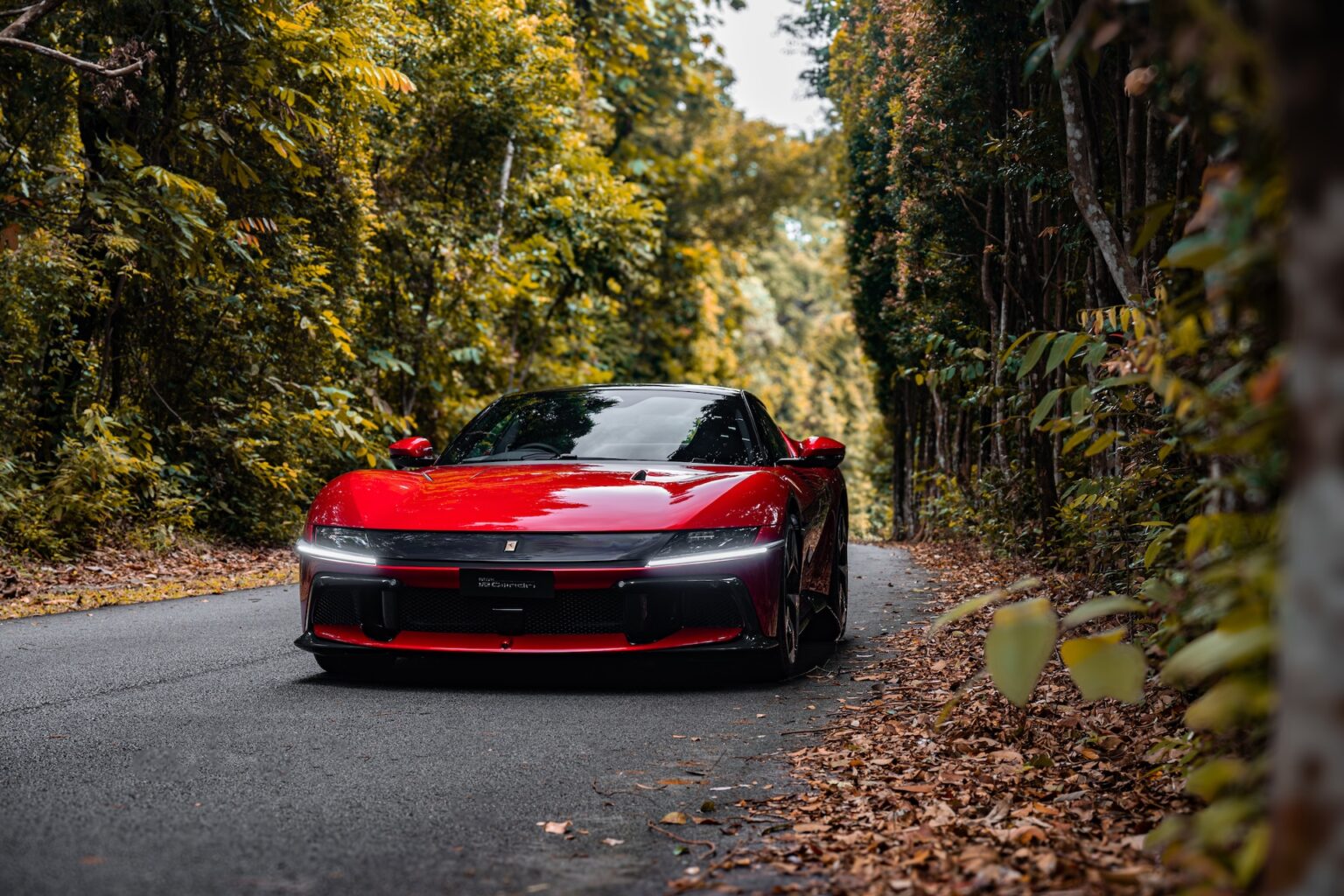
The Ferrari 12Cilindri uses a naturally aspirated 6.5-liter V12 producing 819 horsepower and 500 pound-feet of torque. Its official US fuel economy is approximately 12 mpg in city driving, 19 mpg on the highway, and 14 mpg combined. The car also requires premium unleaded gasoline.
Consider an owner covering 10,000 miles during a year and averaging the official combined figure of 14 mpg. That works out to roughly 714 gallons of gasoline.
If premium fuel averages $4 per gallon, annual fuel spending would be approximately $2,856. At $5 per gallon, the figure rises to about $3,571. A driver who spends much of the year in city traffic could use considerably more fuel.
The official combined rating is also not a guarantee of real-world consumption. Aggressive acceleration, frequent short trips, traffic, spirited driving, and high-speed cruising can lower fuel economy.
A V12 producing more than 800 horsepower gives the driver plenty of opportunities to use significantly more fuel than the laboratory rating suggests. Someone driving the Ferrari primarily for weekend enjoyment may accept this expense as part of the experience.
Fuel capacity is approximately 24.3 gallons, according to published specifications. At 14 mpg, a full tank theoretically represents about 340 miles of combined driving. Highway conditions can extend that range, while urban driving can reduce it substantially. Regular long-distance travel therefore means frequent stops at premium fuel stations.
For a realistic annual budget, setting aside $3,000 to $5,000 for gasoline makes sense for a 10,000-mile owner. Someone driving 15,000 miles could spend much more.
Fuel costs are not even close to being the biggest expense that comes with owning a Ferrari 12Cilindri. Still, they highlight an important reality. Driving a high-performance V12 involves a completely different level of operating cost compared with owning a typical fuel-efficient commuter car.
Insurance, Maintenance And Tires
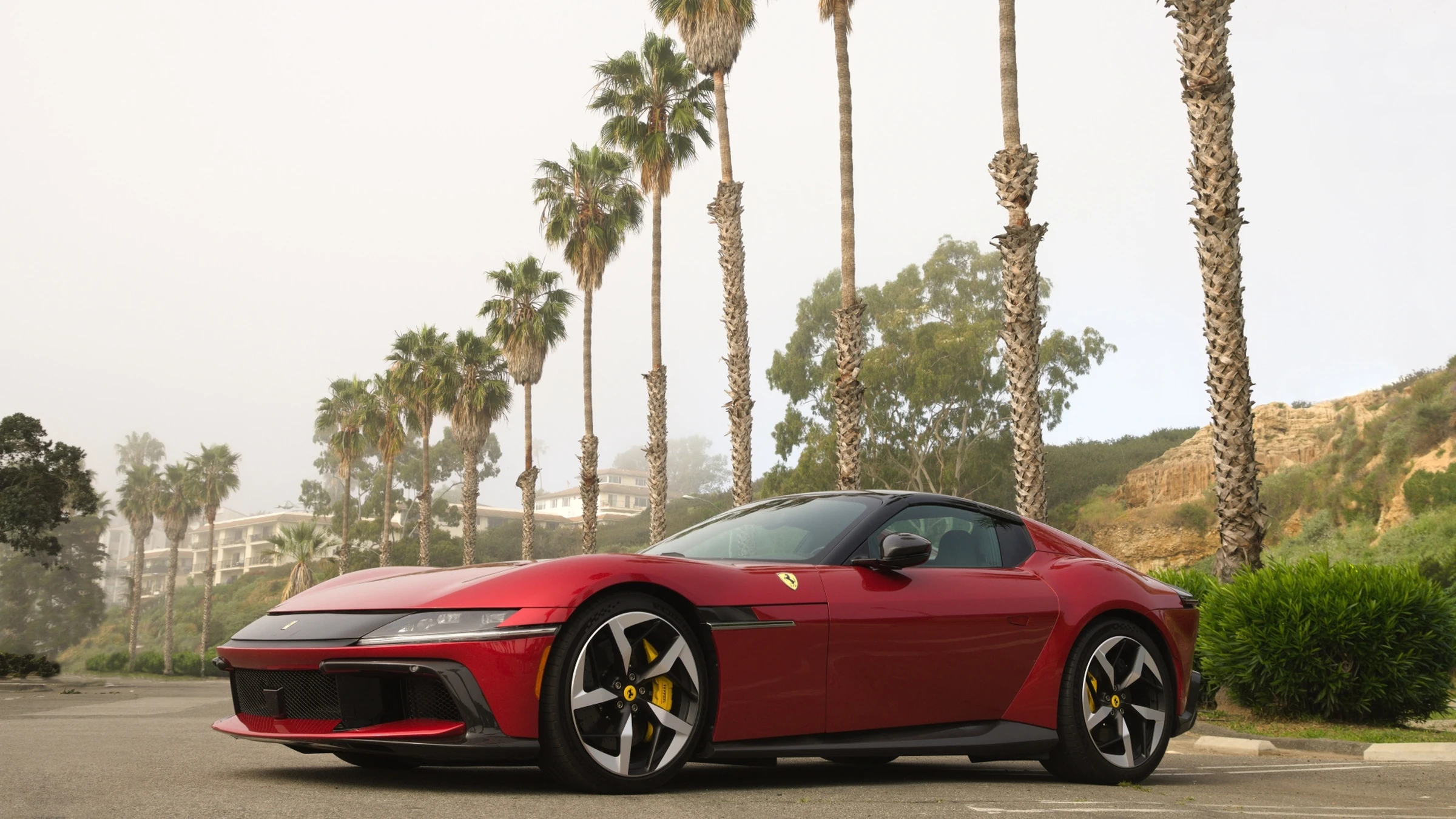
Insurance is likely to be among the largest recurring expenses. Ferrari 12Cilindri coverage depends heavily on the owner’s age, driving record, location, annual mileage, storage arrangements, coverage limits, deductible, and insurer. A standard policy may not always be the best fit for an exotic vehicle, particularly when the car has a very high replacement value.
For planning purposes, an owner could reasonably investigate annual premiums in the $8,000 to $15,000 range, with some drivers paying more.
This is an estimate rather than a universal rate. Collectors who drive relatively few miles and store the Ferrari securely may find specialized coverage structures, while frequent drivers in expensive insurance markets can face significantly higher premiums.
Maintenance is more manageable during the early ownership period because Ferrari provides a seven-year scheduled maintenance program for new vehicles.
The program covers regular scheduled maintenance, while the factory warranty provides three years of coverage with unlimited mileage. Ferrari’s maintenance program includes scheduled service items such as fluids, filters, inspections, and other prescribed work.
That coverage does not mean Ferrari ownership is completely free from service-related expenses. Tires, brakes, cosmetic repairs, damage from road debris, detailing, alignment work, and other items may remain outside scheduled maintenance. High-performance tires can also be expensive, especially when fitted to a large, powerful exotic car that may be driven aggressively.
A sensible first-year maintenance and consumables budget could therefore be around $3,000 to $6,000, assuming the car remains in normal condition and scheduled maintenance is covered.
Tires can push the number higher when replacement becomes necessary. Owners who track the vehicle or drive aggressively should expect substantially greater wear. For a lightly driven road car, the factory maintenance program provides meaningful financial protection during the early years.
Depreciation And The Hidden Cost Of Ownership
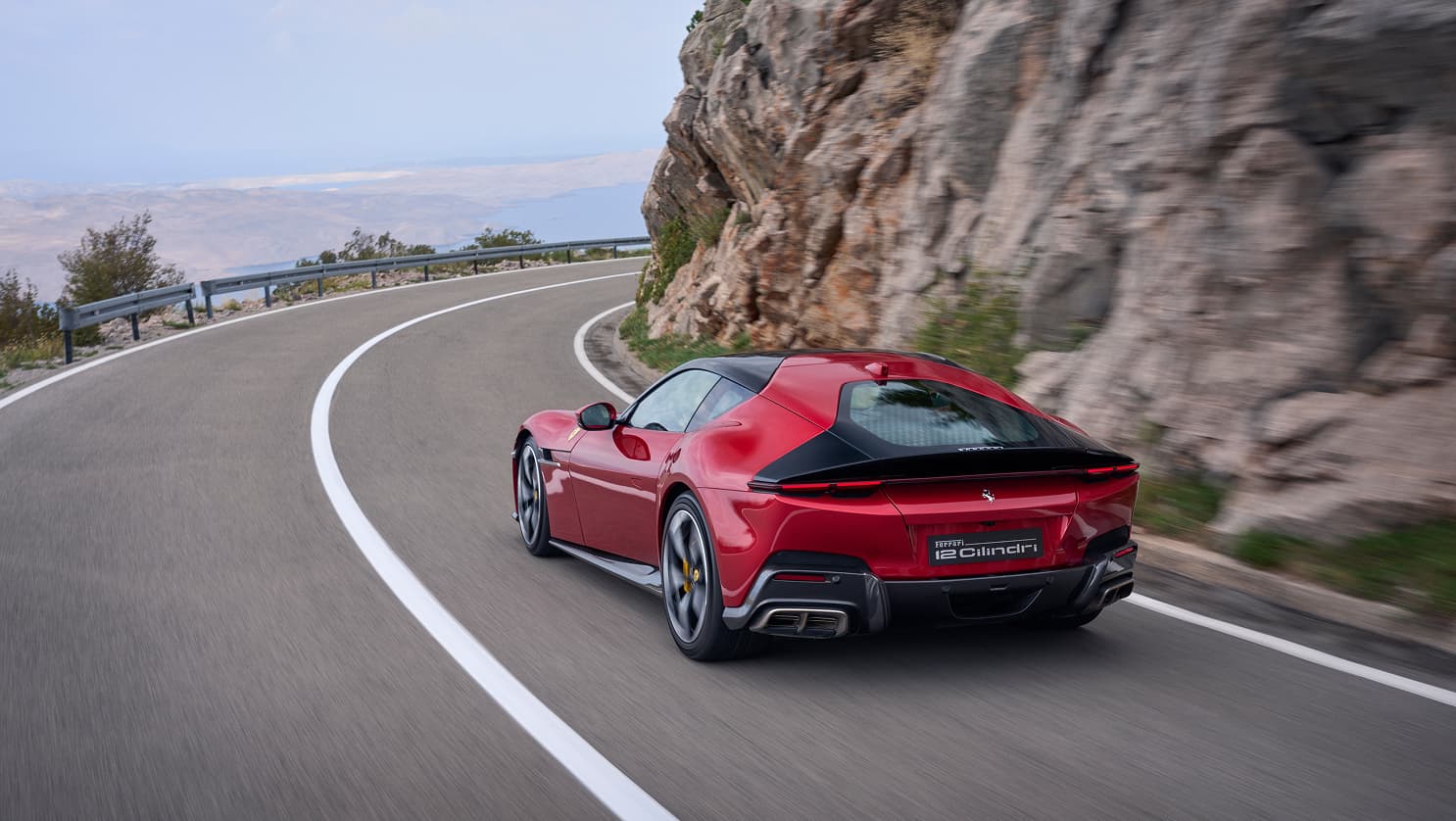
Depreciation is arguably more important than fuel when calculating the true cost of a Ferrari 12Cilindri. A car purchased for around $500,000 does not necessarily remain worth $500,000 after twelve months. Market conditions, mileage, specification, availability, economic conditions, and demand all influence resale value.
Ferrari values can behave differently from ordinary luxury vehicles, and some highly desirable models have demonstrated unusual resale strength.
That does not guarantee that every new Ferrari will appreciate or retain its purchase price. The 12Cilindri is a new generation of front-engine V12 grand tourer, so its long-term market behavior cannot be known with certainty.
For a conservative example, suppose a $500,000 configured 12Cilindri loses 10 percent of its value during the first year. That would represent a $50,000 reduction.
At a 15 percent decline, the paper loss would be $75,000. If the car holds its value unusually well, the loss could be smaller. If market conditions weaken, the reduction could be greater.
Mileage also matters. A Ferrari with 2,000 miles may appeal to a different buyer than one showing 15,000 miles. Condition, service history, paint quality, wheel condition, interior wear, and factory specification can all affect resale appeal. Expensive custom options may not always return their full original cost when the car is sold.
This is why depreciation should be included in any serious ownership calculation. A Ferrari can be expensive to fuel, insure, and maintain, but losing tens of thousands of dollars in market value can dwarf those routine expenses.
For someone planning to keep the car for only a year, resale value may be more financially important than the cost of oil, gasoline, or registration.

What A 12Cilindri Could Cost Per Year
Owning a Ferrari 12Cilindri involves expenses that extend far beyond its purchase price. For a driver covering around 10,000 miles each year, estimated direct costs could include $3,500 for premium fuel, $10,000 for insurance, $4,000 for maintenance and consumables, plus about $3,000 for registration, taxes, detailing, storage, and miscellaneous expenses. Together, these costs could total roughly $20,500 annually before depreciation.
Location and driving habits can significantly change the numbers. Owners in major cities may face higher insurance, storage, parking, detailing, and service expenses. Driving 15,000 miles or taking frequent road trips can also increase fuel consumption, tire wear, detailing needs, and other maintenance costs.
Depreciation can have an even larger effect. If the vehicle loses $50,000 in value during its first year, the combined economic cost could reach approximately $70,500. Financing adds another potential expense, with interest charges possibly increasing annual costs by tens of thousands of dollars.
For heavily used examples, total yearly economic costs of $75,000 to $100,000 are possible once depreciation and financing are included. The 12Cilindri therefore requires substantial financial flexibility. Owners should be prepared for unexpected repairs, insurance changes, tire replacement, and market fluctuations. Its seven-year maintenance program can help with scheduled service expenses, but it does not eliminate the broader costs of exotic-car ownership.