
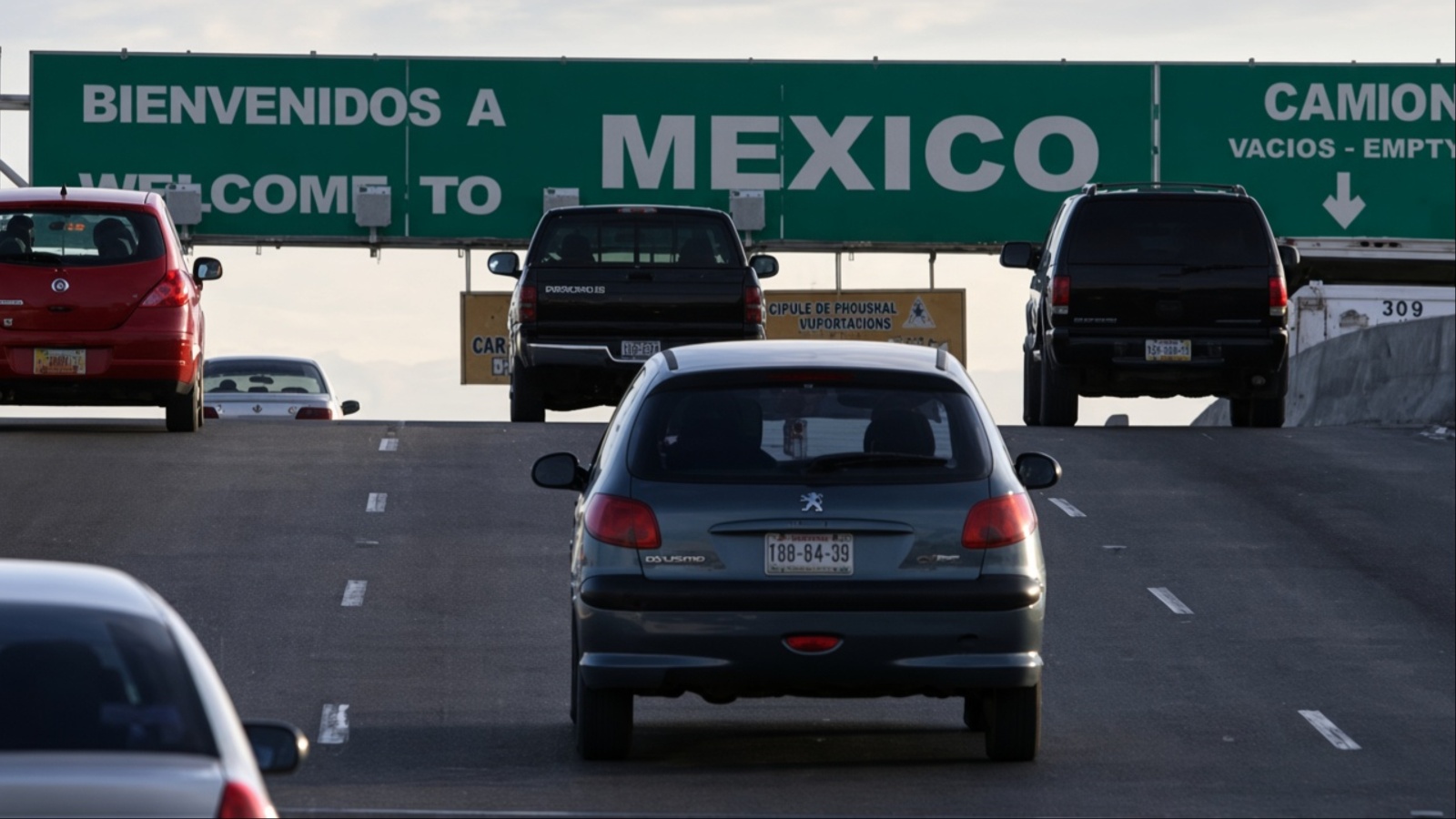
Planning to drive across the border for a road trip? It is worth checking the rules before you leave. Not every vehicle is automatically allowed into Canada or Mexico. Border officials can require specific paperwork and may consider factors such as the vehicle’s title status and how it will be used. Failing to meet those requirements could leave you stuck at the border and derail your travel plans.
Whether you’re borrowing a friend’s truck, driving a leased sedan, or hauling a race car to a track event, these ten situations could leave you stuck on the wrong side of the line. Here’s exactly what to watch for.

1. Vehicles With Junk, Non-Repairable, or Similar Irreparable Title Brands
Nobody wants to hear that their car simply isn’t welcome somewhere, but that’s precisely what happens with certain title brands at the Canadian border. A vehicle marked junk, scrap, non-repairable, or flood-damaged on its US title faces serious roadblocks when it comes to permanent importation into Canada.
Canada’s Border Services Agency draws a clear line between salvage vehicles that remain rebuildable, and those carrying labels signaling the vehicle is essentially beyond saving. That distinction matters enormously.
A properly certified salvage vehicle from the United States can sometimes still qualify for entry through the Registrar of Imported Vehicles process, provided it meets specific rebuild and inspection standards. Vehicles branded junk, scrap, or non-repairable don’t get that same opportunity, though.
Canadian authorities can treat certain vehicle designations as grounds for denying importation rather than simply viewing them as warning signs. That can eliminate the standard process for bringing the vehicle into Canada. However, this does not mean every damaged or previously wrecked vehicle is automatically prohibited from entering the country.
Salvage titles alone don’t automatically bar entry. It’s specifically the irreparable classification that creates the obstacle. If you’re considering bringing a vehicle with any history of serious damage across the border permanently, checking the exact title language beforehand could save you from an incredibly frustrating rejection at the crossing point.

2. Vehicles Without Acceptable Proof of Ownership or Possession
Documentation isn’t optional when crossing into Mexico or Canada. Mexican customs officials specifically require proof such as a title, current vehicle registration, a qualifying credit agreement, or a lease agreement before granting temporary import permission.
Without one of these documents in hand, officers have no reliable way to confirm you actually have legal rights to the vehicle sitting in front of them. Canada operates under a similar philosophy, even though its temporary-entry rules differ somewhat from Mexico’s system.
Visitors bringing vehicles across are required to report their conveyances and demonstrate compliance with applicable requirements, which inherently means proving lawful possession. Think about it from the border agent’s perspective for a moment.
How would anyone verify that the driver behind the wheel isn’t operating a stolen vehicle, or worse, attempting to move a vehicle across international lines without proper authority? Documentation solves that uncertainty instantly.
Before any cross-border trip, gathering your title, registration, and any relevant financing paperwork isn’t just smart planning; it’s essential.

3. Leased Vehicles Without the Required Lessor Authorization for Mexico
A leased car can feel no different from a personally owned vehicle during everyday driving. The situation can become different when you plan to take it across the Mexican border, because the person making the monthly payments is not necessarily the legal owner of the car.
Under Mexico’s temporary vehicle import rules, a valid lease agreement can serve as proof that you have permission to use the vehicle. However, having the lease papers alone may not be enough to obtain the required temporary import permit.
Before making the trip, travelers with leased vehicles are expected to obtain a written authorization letter from the leasing company. The letter should clearly state that the company allows that specific vehicle to enter Mexico temporarily.
Without this document, the lease agreement may not provide enough proof of authorization at the border. One reason this requirement exists is that the leasing company remains the legal owner of the vehicle.
Since you do not hold the title, you may need the owner’s written consent before taking the car outside the United States, even for a short trip. Arriving at the border without that permission can cause delays or prevent the vehicle from receiving the required permit.
Anyone planning to drive a leased vehicle into Mexico should contact the leasing company well before the trip. Ask for the authorization letter in writing, provide the planned travel dates, and confirm that the document contains the information Mexican customs officials require.
It is also wise to keep the lease agreement, registration, insurance papers, and authorization letter together. Having these documents ready can make the border process much easier and help prevent avoidable problems during the journey.
4. Vehicles That Do Not Qualify for Mexico’s Temporary Import Program
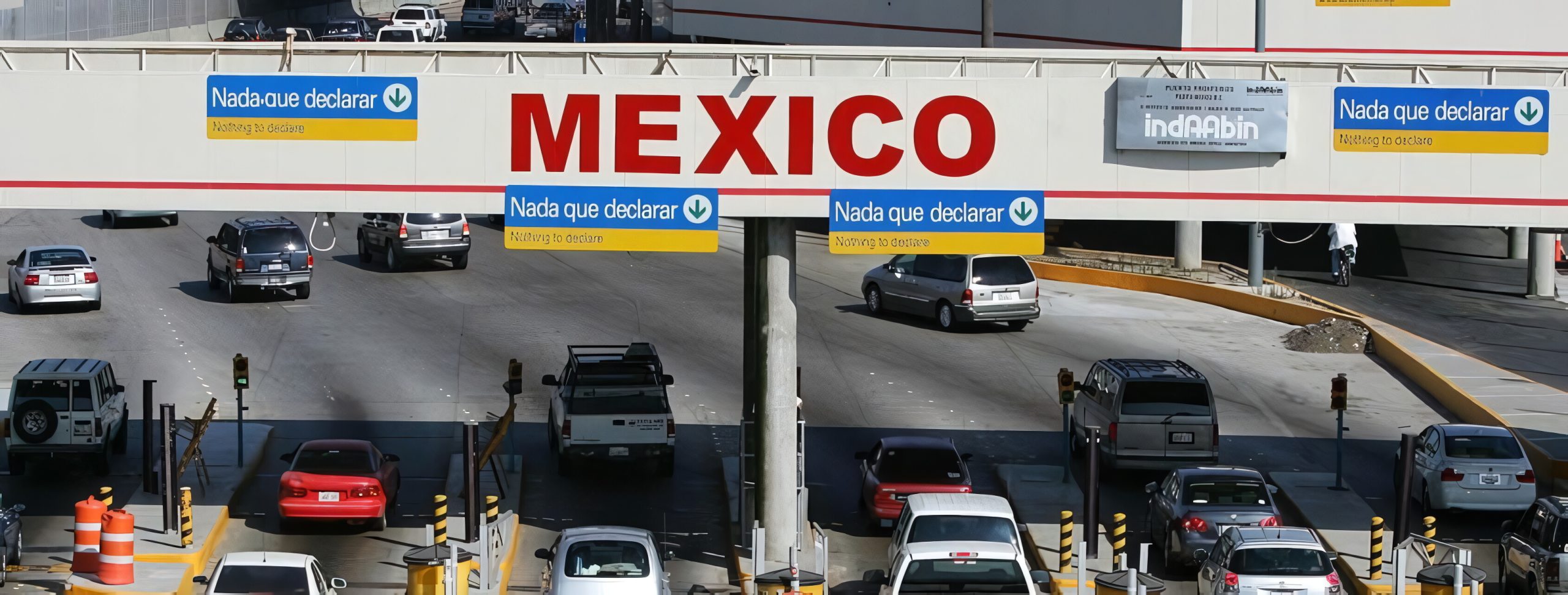
Not every vehicle automatically qualifies for temporary entry into Mexico, even when the owner has valid registration and insurance. The Temporary Import Permit system has specific conditions that travelers are expected to meet before taking their vehicles across the border.
The permit is mainly intended for foreign vehicles entering Mexico temporarily for personal and non-commercial use. A vehicle may therefore face problems if the ownership documents are incomplete, the driver cannot prove lawful possession, or the person’s immigration status does not support the requested permit.
Having a vehicle in your name does not by itself guarantee approval. Mexican customs officials may also consider why you are entering the country, how long you intend to stay, and whether your documents support the purpose of your visit.
This is where some travelers make a costly mistake. They assume that a valid registration and driver’s license are enough, only to discover at the border that additional documents or conditions apply. If the vehicle is financed, leased, or registered to another person, extra proof of permission may also be required.
Anyone planning to drive into Mexico should check the latest requirements before leaving home. Make sure your vehicle registration, ownership documents, insurance, identification, immigration documents, and any required authorization letters are ready.
It is better to confirm your eligibility several days before travelling than to discover a problem at the border. Proper preparation can prevent delays, unexpected expenses, and the disappointment of having to turn back after reaching the crossing.
5. Vehicles Being Brought Into Mexico for Commercial Transport Under a Tourist Permit
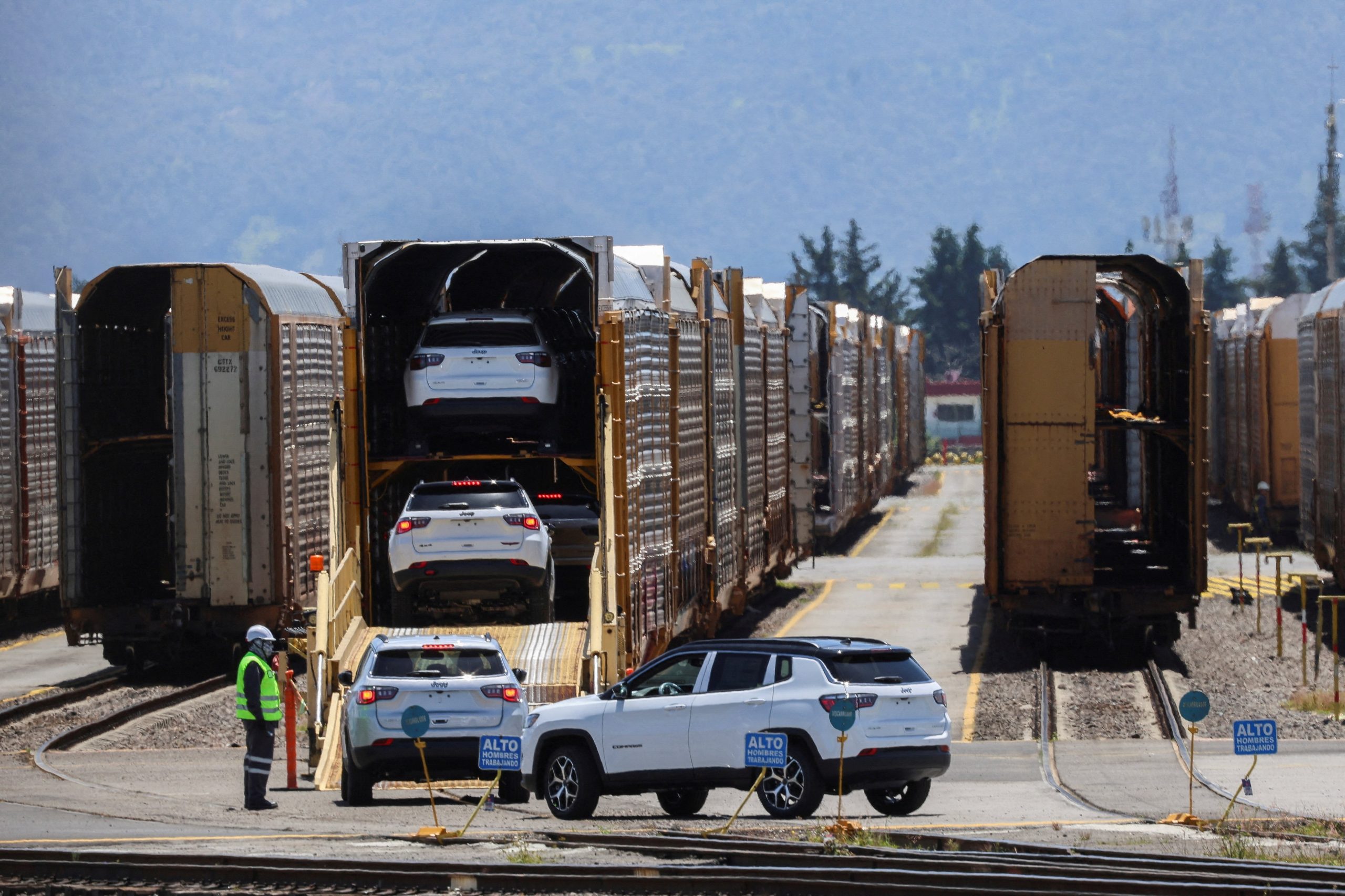
Trying to save money by hauling cargo or running a small delivery operation using your personal vehicle’s tourist import permit? That shortcut could land you in serious legal trouble south of the border.
Mexico’s official guidance states plainly that temporarily imported vehicles must be returned in the same condition and cannot be used for profit-making activities. That single sentence eliminates an entire category of border crossings that some drivers might otherwise attempt.
Consider what this actually prevents. Someone can’t drive a personal truck into Mexico under tourist rules, then use it to transport goods for paying customers or run freight between cities. The tourist permit simply wasn’t built for that purpose, regardless of how legitimate the personal ownership documentation might be.
Commercial transportation requires an entirely separate authorization pathway, one involving different regulatory oversight, taxation considerations, and often additional insurance requirements specific to business operations. Attempting to blend tourist and commercial use under one permit creates exactly the kind of violation Mexican customs actively watches for.
Business owners genuinely needing to move vehicles or cargo across the border for commercial reasons should research Mexico’s proper commercial import procedures rather than assuming a standard tourist permit will quietly cover both scenarios. The distinction matters far more than it might initially appear.
6. Vehicles That Are Not Properly Exported After Temporary Entry
Time limits exist for a reason, and ignoring them creates consequences nobody wants to experience while traveling internationally. Both Canada and Mexico expect vehicles admitted temporarily to actually leave when that authorized period ends.
Canada requires vehicles brought in by visitors under temporary admission to leave the country when the visit ends. This is a firm part of the temporary entry process, not merely an optional recommendation for travelers to consider.
Mexico mirrors this expectation through its own temporary-import framework. Vehicles brought in under this system must depart within the specifically authorized window, and extending that stay without proper documentation transforms a simple oversight into a customs violation.
What happens when someone simply forgets, or worse, intentionally leaves a vehicle behind? Penalties can escalate quickly, ranging from fines to potential seizure of the vehicle entirely. Temporary admission was never intended as a backdoor method for permanently relocating a foreign vehicle without completing the proper importation process.
Drivers planning extended stays should mark their permit expiration dates clearly and build buffer time into travel plans. Life happens, delays occur, but proactively contacting customs authorities about legitimate extension needs works infinitely better than simply overstaying and hoping nobody notices the gap.

7. Vehicles That Are Inadmissible Under Canada’s Vehicle Import Rules
When planning to move to Canada with your car, the age and place where the vehicle was manufactured can affect whether you can bring it into the country permanently. This process is different from taking your car to Canada for a short holiday.
According to current CBSA guidance, vehicles that are less than 15 years old generally need to qualify under an approved import process. Eligible vehicles built to United States specifications may be processed through the Registrar of Imported Vehicles program.
However, being manufactured in the United States does not automatically mean the vehicle will qualify. A vehicle that does not meet the requirements of the applicable import process may be refused permanent entry. This can happen even when the car is in good condition, properly maintained, expensive, or personally valuable to the owner.
It is also important to understand that permanent importation and temporary visits are treated differently. A person visiting Canada for a holiday may be allowed to bring a vehicle temporarily under rules that do not apply to someone relocating there permanently.
For anyone preparing to move to Canada, checking the vehicle requirements before making travel arrangements is a wise step. Confirm the vehicle’s age, manufacturer specifications, safety requirements, and eligibility for the RIV program. It is also advisable to verify the requirements with the relevant Canadian authorities before purchasing a vehicle specifically for relocation.
Doing these checks early can help you avoid arriving at the border with a vehicle that cannot be permanently imported into Canada. This can save you money, time, and unnecessary stress during your move.
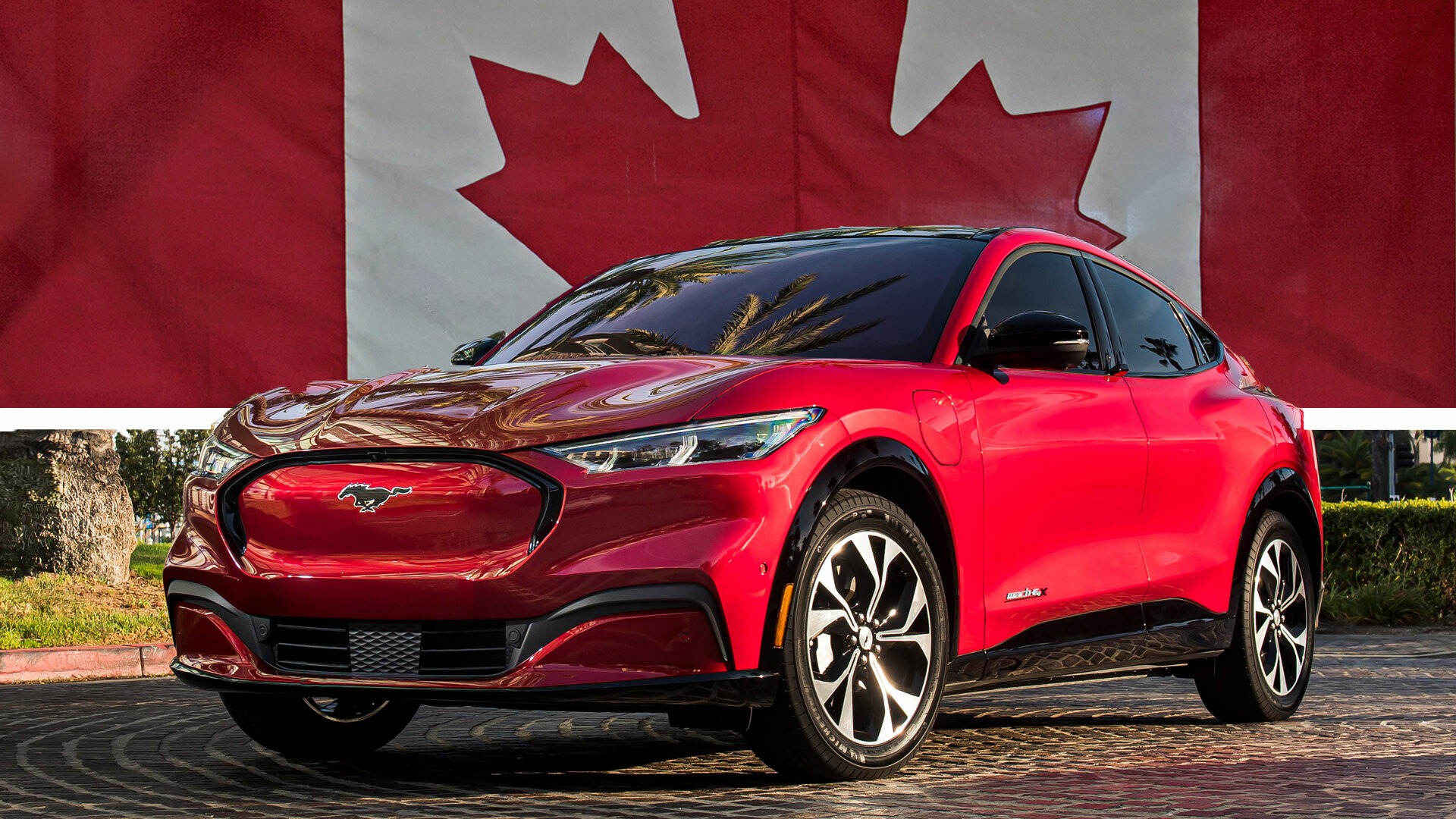
8. Foreign Vehicles Entering Canada as Permanent Imports Without Required Federal Compliance
Just because a car runs beautifully and passed inspection somewhere overseas doesn’t mean Canadian officials will automatically agree it belongs on domestic roads. Federal safety standards create a genuine barrier here that catches many international buyers off guard.
Vehicles subject to Canada’s federal motor-vehicle safety requirements must qualify under the country’s applicable import regime before permanent entry gets approved. Being perfectly legal and road-ready in another country simply doesn’t translate into automatic Canadian compliance.
For vehicles under fifteen years old specifically, this often means working through the RIV program and satisfying Canadian technical requirements, which can include modifications to lighting, safety equipment, or other components that differ between manufacturing regions.
Age-exempt vehicles receive different treatment entirely, as do those entering under temporary arrangements rather than permanent relocation. That’s an important nuance separating this restriction from a universal ban on foreign vehicles.
Buyers eyeing an overseas vehicle purchase with plans to bring it permanently into Canada should research compliance requirements extensively before completing any purchase.
Modification costs, inspection fees, and potential delays can add unexpected expenses to what initially seemed like a straightforward international vehicle acquisition, making early research genuinely worthwhile financial protection.

9. Track-Only or Racing Vehicles Being Driven Across the Border as Ordinary Road Vehicles
Speed enthusiasts hauling a race car toward an international track event face a different set of border considerations entirely, distinct from typical passenger vehicle rules most travelers encounter.
Canadian customs rules specifically make provisions for formula cars and sports racing vehicles that are not licensed for use on public roads. This is intentional rather than an accidental gap in the regulations, reflecting the fact that competition vehicles are built and operated under standards that differ significantly from those governing street-legal cars.
A track-only vehicle physically capable of reaching the border doesn’t automatically earn treatment as a normal tourist vehicle. Licensing status matters enormously here, since these vehicles typically lack the safety equipment, emissions compliance, and road-legal certifications required for ordinary highway driving.
Separate importation pathways may exist depending on individual circumstances, whether that means temporary competition entry permits or specialized transport arrangements. What definitely won’t work is attempting to drive a race car across the border using standard tourist vehicle procedures designed for everyday passenger cars.
Racing teams and individual competitors planning international events should coordinate with customs authorities well ahead of competition dates, confirming exactly which documentation and permits apply to their specific vehicle classification.
Track schedules wait for nobody, making early preparation essential rather than optional for this particular category.

10. Vehicles With Unresolved Customs, Import, or Declaration Problems
In some cases, the vehicle is perfectly acceptable and the real issue comes down to unresolved paperwork. A previous border crossing or an outstanding administrative matter can create complications that prevent the vehicle from being admitted. These lingering customs issues can turn what should be a routine border crossing into a frustrating delay.
Canadian Border Services Agency officers actively verify vehicle declarations and confirm compliance with applicable legislation before releasing any vehicle across the border. That verification process means outstanding issues from prior crossings don’t simply disappear over time; they follow the vehicle’s record.
Failing to comply with temporary-import conditions creates real consequences, including duties, taxes, penalties, or outright seizure of the vehicle in question. These aren’t empty threats; customs authorities on both sides of the border possess genuine enforcement authority they’re prepared to use.
Mexico operates under comparable expectations, requiring vehicles and their associated temporary-import documentation to remain properly registered with customs authorities throughout the entire process.
Gaps or inconsistencies in that documentation trail create exactly the kind of red flags that trigger additional scrutiny. Before attempting any border crossing, checking for outstanding customs issues tied to your specific vehicle is worth the effort.
A quick call to the relevant customs agency beforehand could reveal problems worth resolving from home, rather than discovering them unexpectedly while stuck at a checkpoint with a line of cars waiting behind you.
