
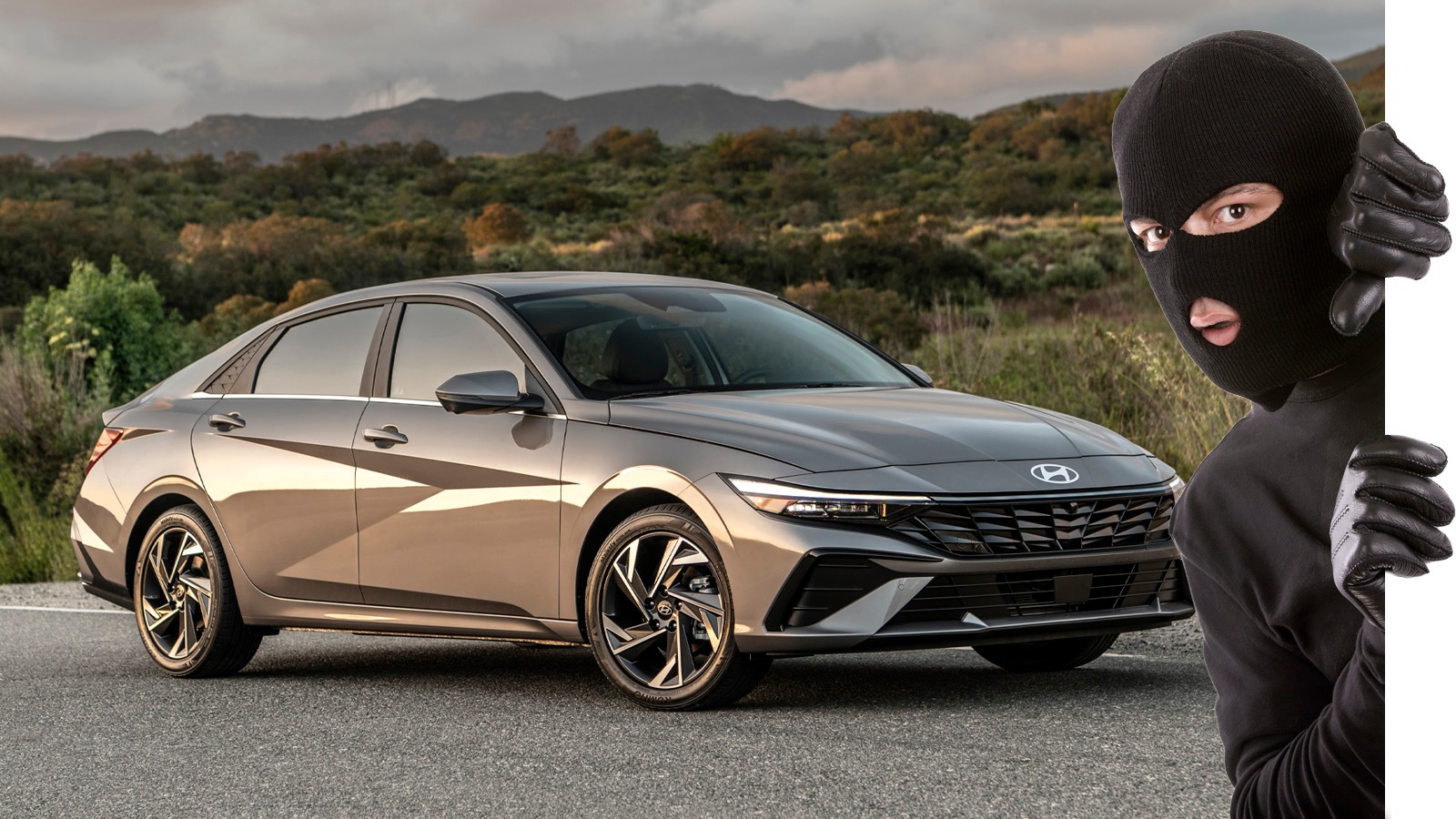
Car theft doesn’t discriminate the way most people assume it does, and electrified vehicles prove that point in surprising ways. Some hybrids and EVs sit near the very bottom of insurance theft data, while a couple of models buck that trend entirely. Data collected by the Highway Loss Data Institute gives us a real, numbers-based look at which electrified vehicles catch a thief’s attention and which ones barely register at all.
Whether you’re shopping for your next vehicle or just curious about what’s parked in your neighbor’s driveway, this breakdown separates fact from assumption. Buckle up, because a few of these results might genuinely surprise you.
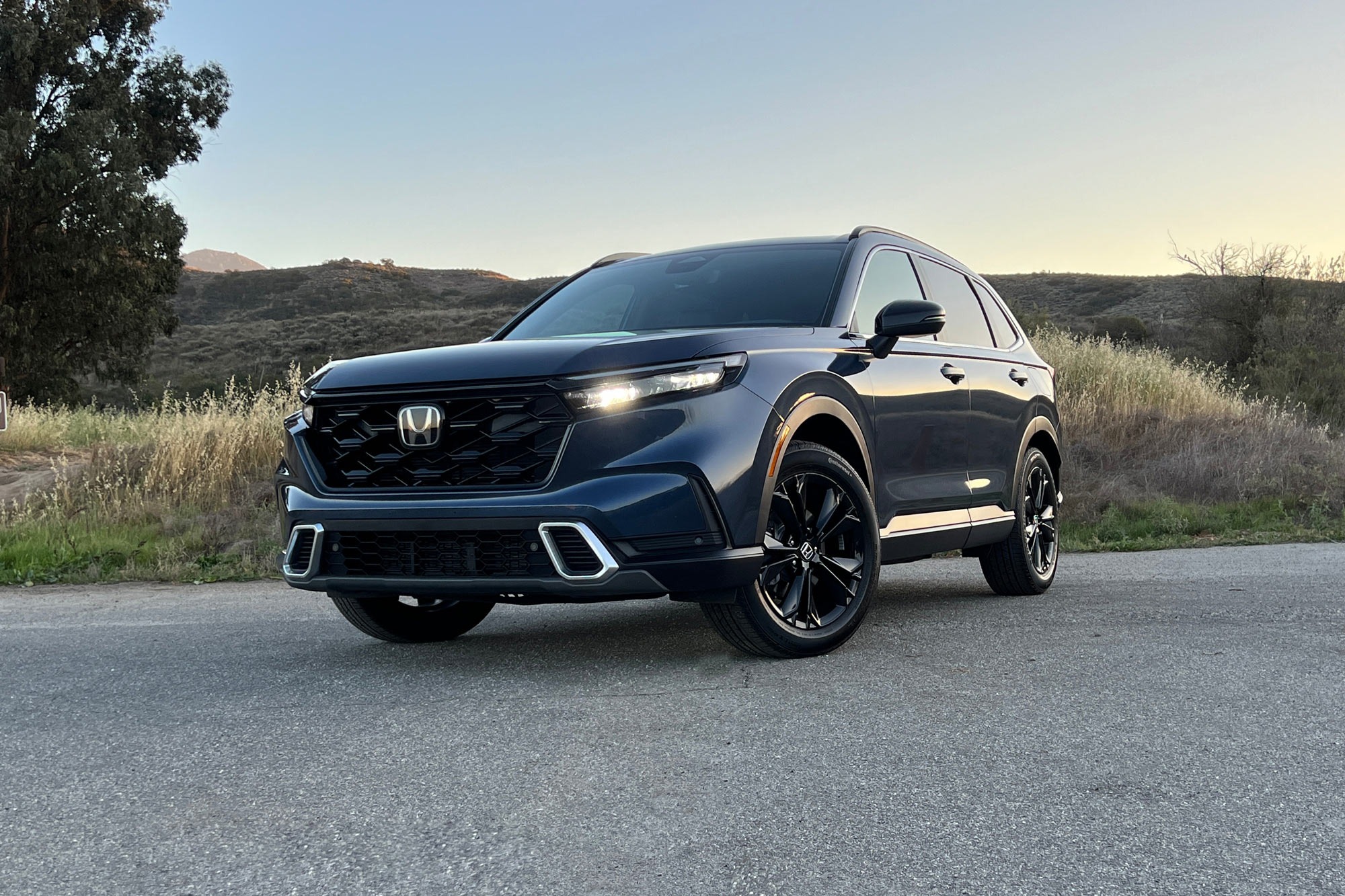
1. Honda CR-V Hybrid 4WD
Here’s a hybrid that breaks the mold in a way most shoppers wouldn’t expect. While plenty of electrified vehicles boast reassuringly low theft numbers, the Honda CR-V Hybrid 4WD stands out as one of the clearest examples proving that hybrids aren’t automatically safe from whole-vehicle theft.
The numbers tell a striking story. HLDI recorded a relative theft claim frequency of 340 for the 2022 through 2024 model years, measured against a baseline of 100 representing the average passenger vehicle.
That means this particular hybrid experienced theft claims at more than three times the typical rate, a gap large enough to land it 13th place among every vehicle tracked in that HLDI table, gas-powered models included.
What’s driving this pattern? Popularity plays a role, since the CR-V Hybrid has become one of Honda’s best-selling electrified offerings, putting more units on the road and, unfortunately, more targets in driveways and parking lots.
Component values, resale demand for parts, and regional theft trends can also factor into numbers like these, though HLDI’s data doesn’t break down every underlying cause. For owners, this figure serves as a practical nudge rather than a reason for alarm.
Parking in well-lit areas, using steering wheel locks, or installing additional aftermarket security measures can meaningfully reduce risk for a vehicle that statistically draws more attention from thieves than most of its electrified peers.
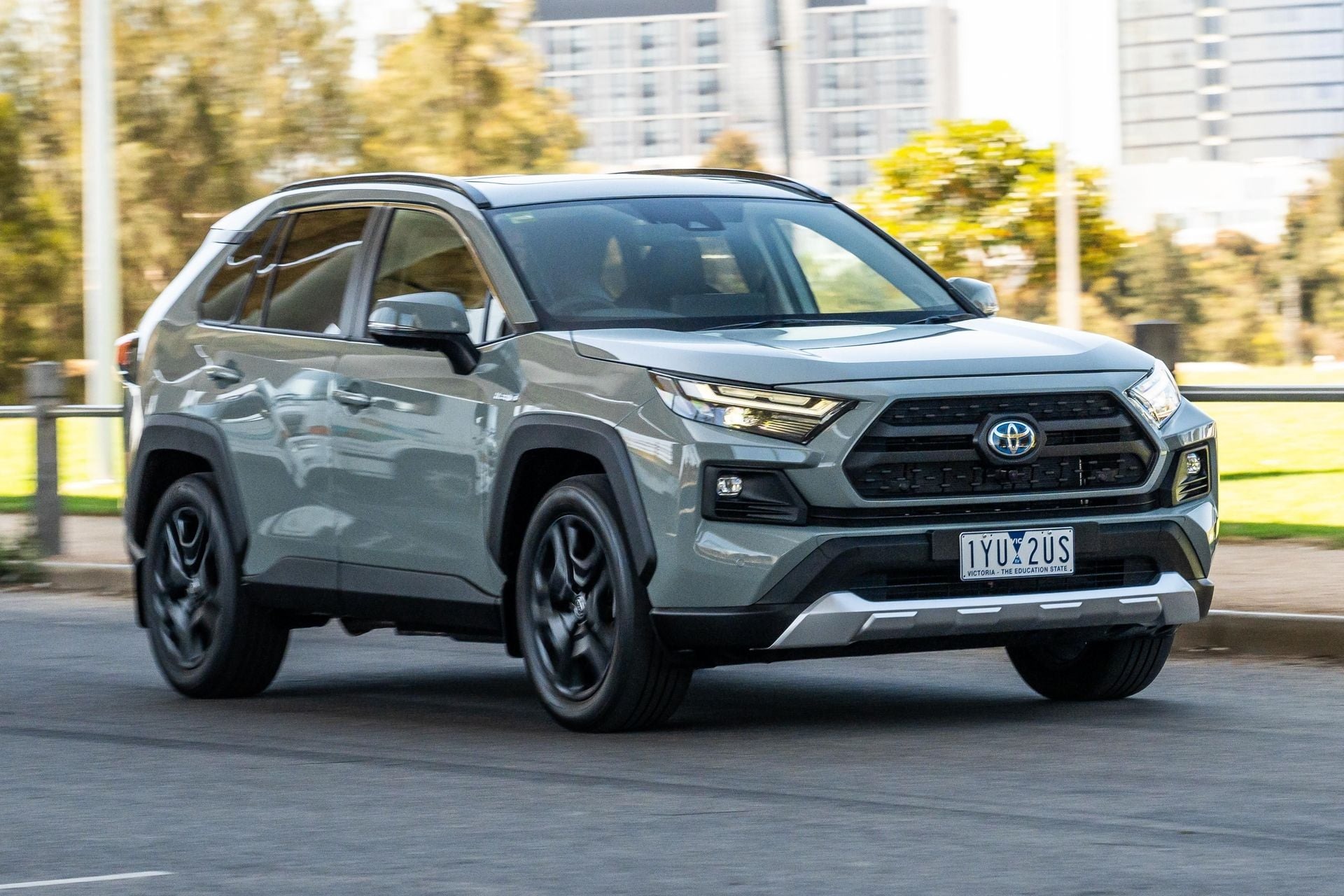
2. Toyota RAV4 Hybrid 4WD
Toyota’s RAV4 Hybrid is a good example of how being popular does not automatically make a vehicle more attractive to thieves. The crossover sells in large numbers across the United States, with many examples parked at homes, workplaces, and shopping centers every day.
Despite its widespread use, theft data shows a relatively low rate of whole vehicle theft claims. For 2020 through 2022 models, the Highway Loss Data Institute recorded a relative theft claim frequency of 39.
The industry baseline is 100, so the RAV4 Hybrid recorded fewer theft claims than an average passenger vehicle during that period. That can be reassuring for buyers looking for a practical crossover with good fuel economy.
Several factors may help explain the numbers. The RAV4 Hybrid has a familiar design and is not usually associated with the type of high-end image that attracts thieves looking for expensive luxury vehicles. Its large number of owners also means individual vehicles may not offer the same appeal as rarer models with valuable components.
Resale value can still make a vehicle attractive to criminals, but the RAV4 Hybrid does not appear to have the same theft profile as some heavily targeted vehicles. Its combination of common parts, everyday styling, and strong production numbers may reduce its appeal for certain types of theft.
For shoppers interested in fuel savings, passenger space, and everyday practicality, the RAV4 Hybrid offers another advantage. Its relatively low theft claim rate gives owners an added reason to feel comfortable choosing the model for regular driving and family use.
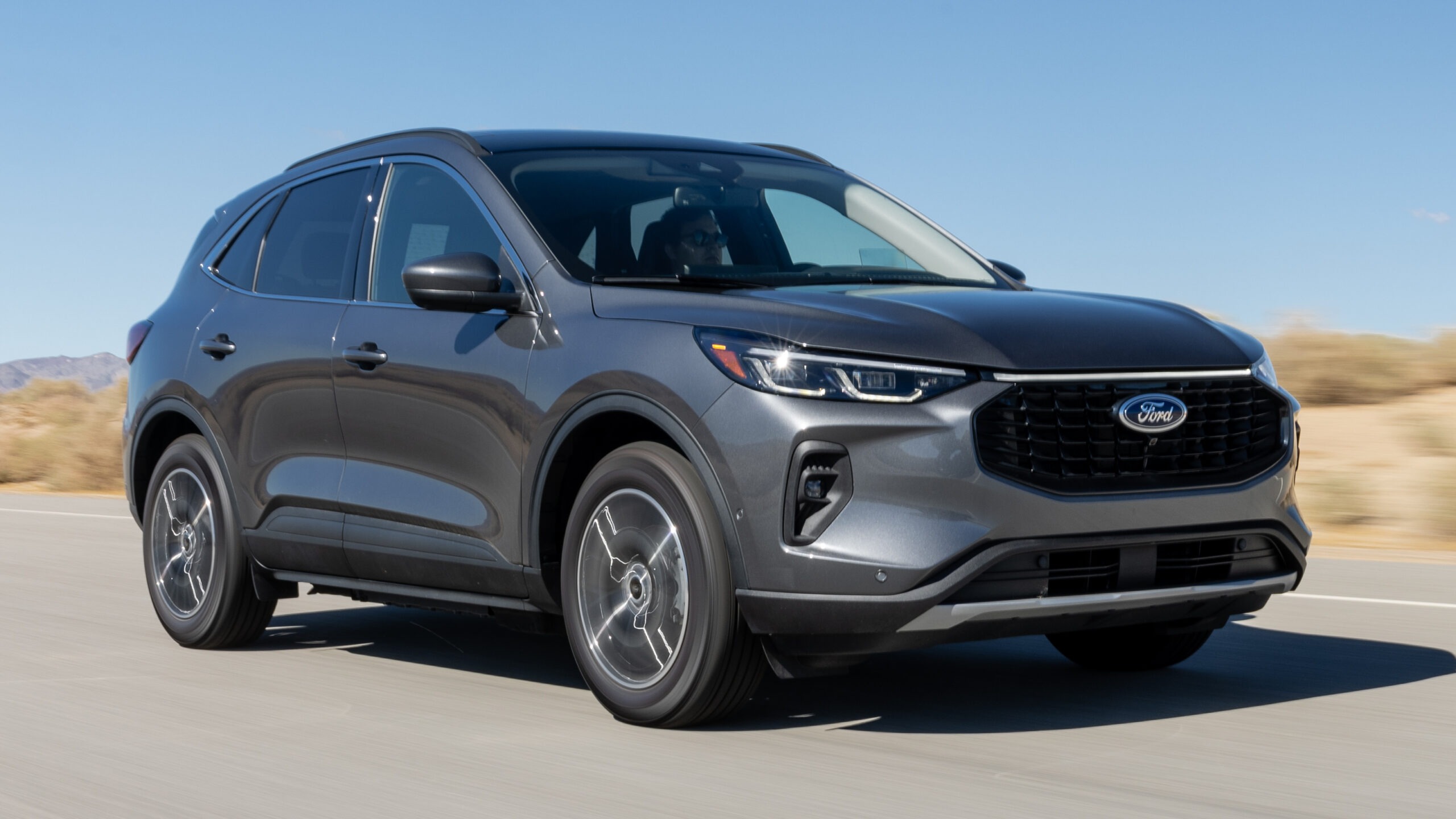
3. Ford Escape Hybrid 4WD
Crossovers dominate American driveways these days, and the Ford Escape Hybrid fits right into that crowded field while managing to stay off a thief’s radar. HLDI’s data backs this up clearly, recording a relative theft claim frequency of 45 for 2020 through 2022 models, placing it comfortably below the average passenger-vehicle baseline of 100.
What makes a family-friendly hybrid crossover an unappealing target in the first place? Several factors likely play into it. The Escape Hybrid doesn’t carry the flashy reputation that draws attention the way certain performance vehicles or luxury SUVs might.
Its parts also don’t carry the same black-market demand as components found in trucks or high-end imports, meaning thieves generally have less financial incentive to target one specifically.
There’s also something to be said for where these vehicles typically end up parked. Family-oriented crossovers like the Escape Hybrid tend to sit in suburban driveways and attached garages rather than downtown lots or high-crime areas, which naturally reduces exposure to opportunistic theft.
None of this means an Escape Hybrid owner should skip basic precautions entirely. Locking doors, avoiding leaving keys inside, and parking thoughtfully still matter regardless of a model’s statistical safety record. But for buyers weighing theft risk against practicality, fuel savings, and everyday comfort, this hybrid checks a lot of boxes without adding worry to the equation.
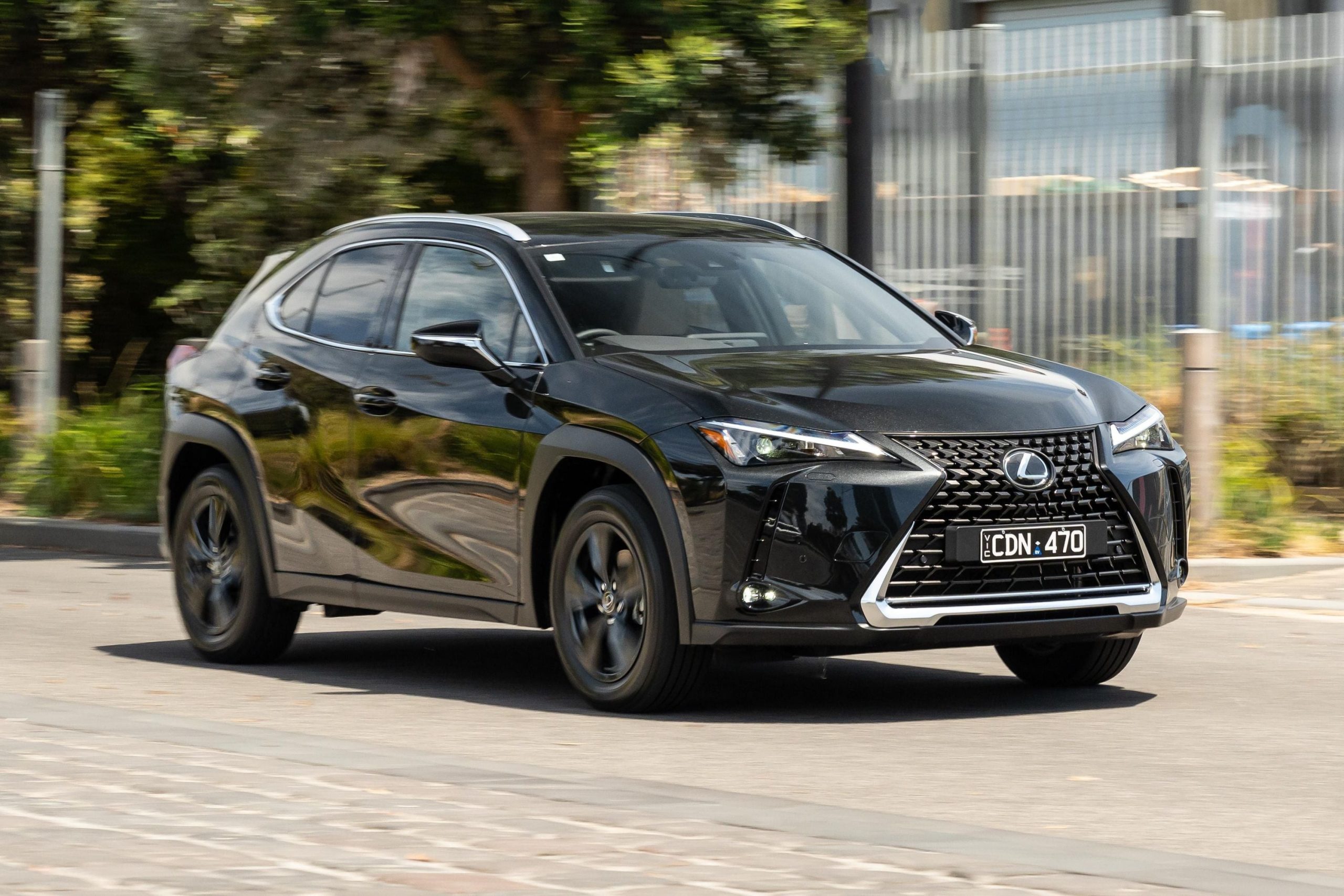
4. Lexus UX 250h 4WD
Luxury and low theft risk don’t always travel together, yet the Lexus UX 250h manages to pull off that combination convincingly. You might expect a premium badge to invite more attention from thieves looking for valuable parts or an easy resale opportunity. The data flips that expectation on its head.
HLDI assigned the 2020 through 2022 UX 250h a relative claim frequency of just 10, a remarkably low figure sitting far beneath the baseline of 100 used for an average passenger vehicle. Put simply, this compact luxury hybrid experiences whole-vehicle theft claims at roughly one-tenth the typical rate across the broader vehicle market.
A few explanations help make sense of this number. The UX 250h occupies a smaller, more specialized segment compared to mass-market SUVs, meaning fewer units exist on the road and, by extension, fewer opportunities for theft to occur in the first place.
Buyers of this particular Lexus also tend to live in areas and use security measures, like garages and monitored parking, that naturally lower exposure to theft. For anyone drawn to the UX 250h’s efficiency, comfort, and Lexus reliability, this theft data adds another compelling reason to consider it seriously.
Few vehicles manage to combine a luxury badge with numbers this reassuring, making it a standout choice for security-focused buyers.
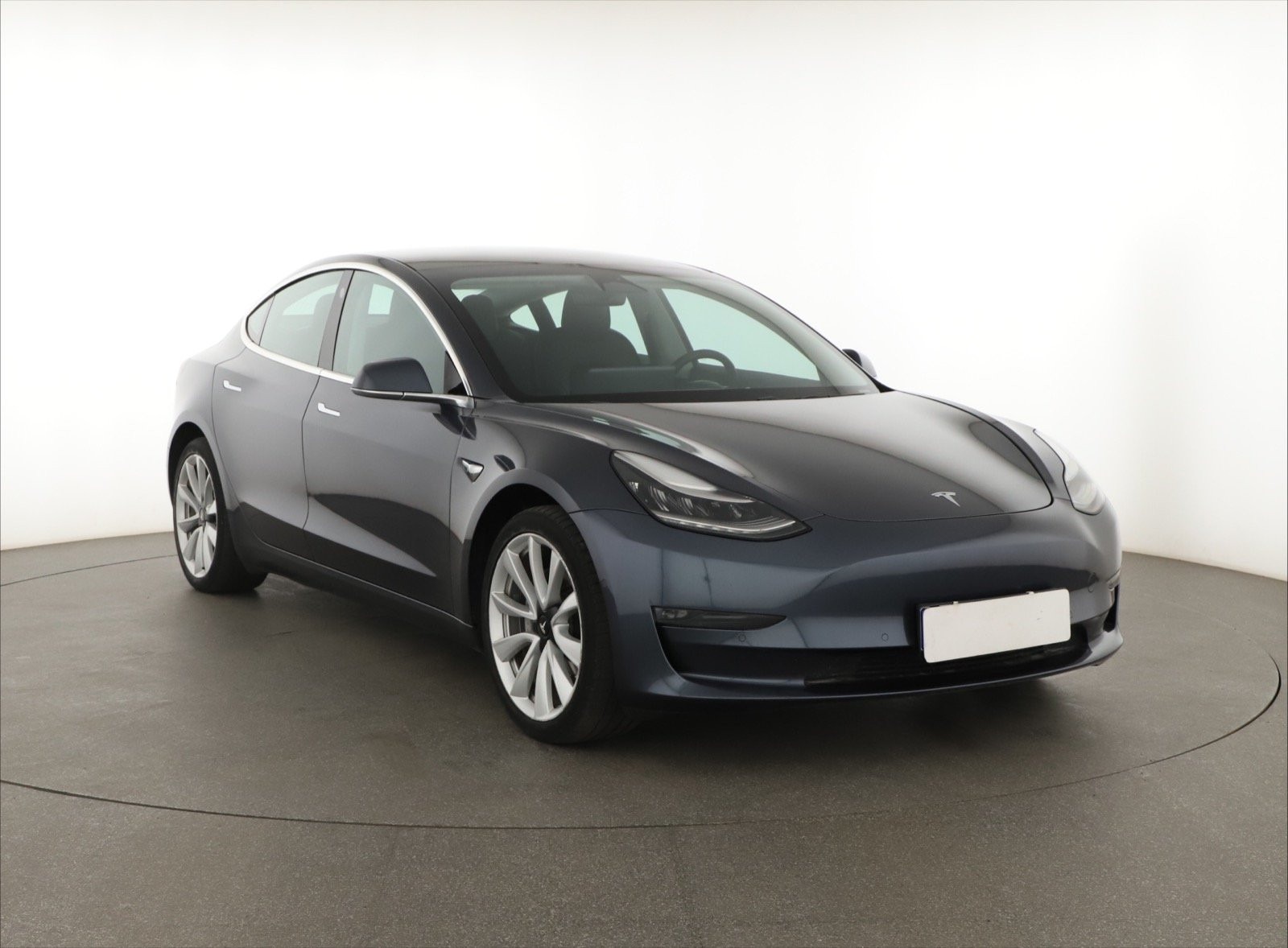
5. Tesla Model 3 4WD
Ask most people to name a car thieves would love to steal, and a Tesla might come to mind immediately given its price tag and tech-forward reputation. The actual data flips that assumption completely on its head. The Model 3 posted one of the lowest whole-vehicle theft claim frequencies recorded anywhere in HLDI’s entire study.
That figure is truly striking. The Tesla Model 3 recorded a relative claim frequency of just 3. Put simply, theft claims for the Model 3 occurred at about three percent of the rate recorded for the average passenger vehicle after HLDI applied its standard adjustments.
Few vehicles across any category, gas-powered or electric, come close to matching that kind of result. Why would one of the most talked-about vehicles in America also be one of the least stolen?
Tesla’s built-in technology deserves plenty of credit here. GPS tracking, remote monitoring through a smartphone app, keyless entry systems requiring authentication, and camera-based Sentry Mode all combine to make a Model 3 an unappealing target compared to vehicles relying on older, more easily defeated security systems.
This should offer real comfort to current and prospective Model 3 owners concerned about theft. High visibility and a premium price tag don’t automatically translate into vulnerability, at least according to the numbers, and thoughtful engineering appears to be paying off in a very measurable way.
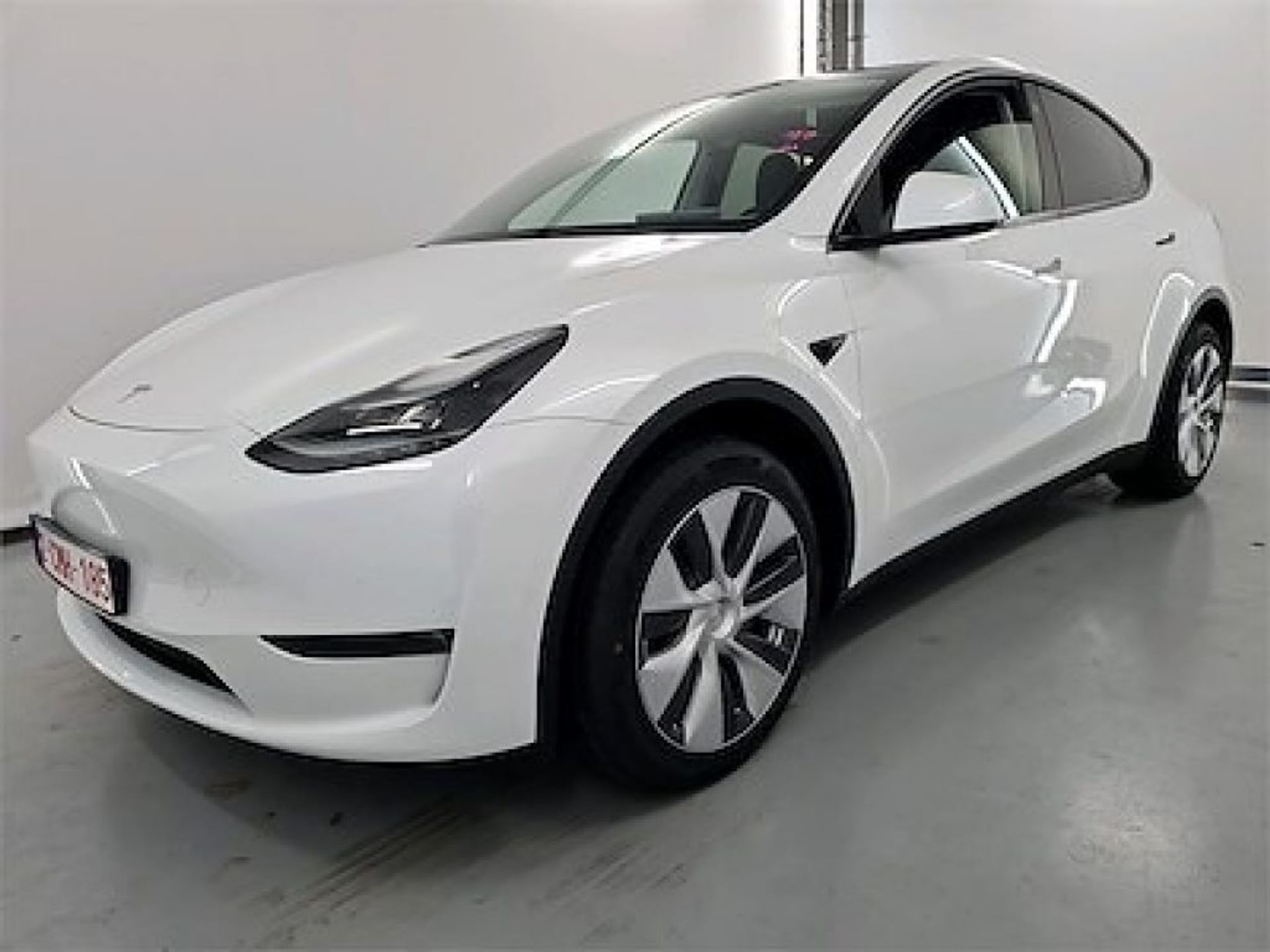
6. Tesla Model Y 4WD
Twins often share more than just appearances, and the Model Y proves that theory holds true even in theft statistics. This compact SUV performed almost identically to its sedan sibling, the Model 3, when HLDI crunched the numbers on whole-vehicle theft claims.
The Model Y also posted a relative claim frequency of 3, placing it firmly among the least frequently stolen vehicles across HLDI’s entire dataset. Considering how quickly the Model Y has become one of the best-selling vehicles in the country, gas-powered models included, this result carries real weight.
A vehicle this common on American roads would typically face more theft exposure simply due to sheer volume, yet the numbers show the opposite happening. Shared technology across Tesla’s lineup likely explains much of this consistency.
The same security features protecting the Model 3- remote tracking, app-based monitoring, and camera surveillance- come standard on the Model Y as well, creating a similar deterrent effect regardless of body style.
For families and buyers drawn to the Model Y’s extra cargo room and SUV-style practicality, this data adds a genuine selling point beyond range and performance specs. Between shared Tesla security architecture and consistently low theft numbers across the brand’s lineup, the Model Y offers buyers real reassurance alongside its everyday usability.
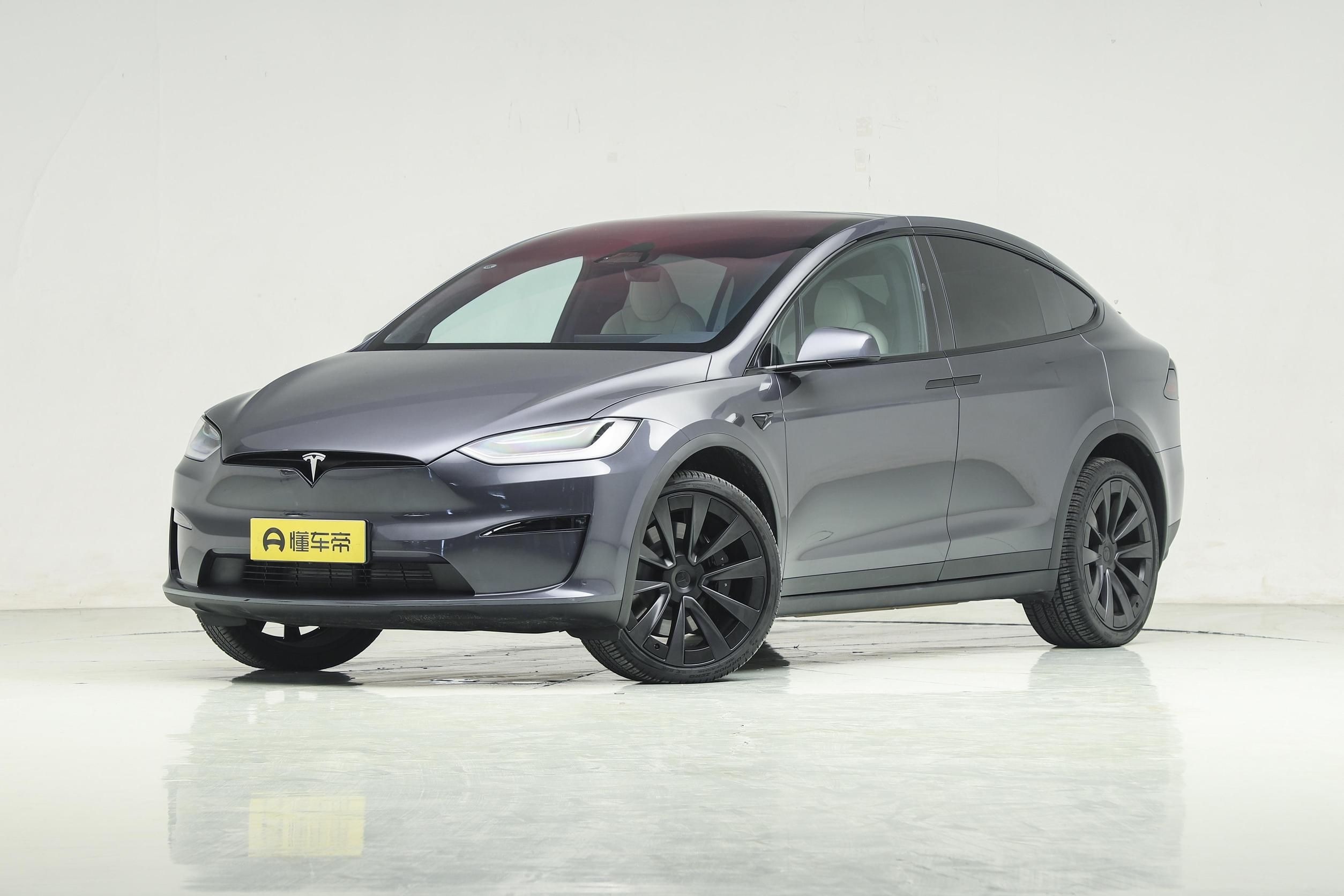
7. Tesla Model X 4WD
The Tesla Model X shows that a high purchase price does not always make a vehicle more attractive to thieves. As one of Tesla’s most expensive models, the electric SUV might seem like an obvious target, yet theft data suggests otherwise.
According to the Highway Loss Data Institute, 2020 through 2022 Model X vehicles had a relative claim frequency of just 8 for whole vehicle theft. That figure is remarkably low for a premium SUV that competes with expensive luxury vehicles.
The Model X also has features such as its distinctive falcon wing doors, which make it easy to recognize on the road. Tesla’s security technology may help explain part of this result.
The Model X benefits from connected features that allow owners to monitor the vehicle and locate it remotely. These capabilities can make stealing the SUV less appealing because tracking and recovery may be easier than with some conventional vehicles.
The vehicle’s unusual appearance may also discourage some thieves. A Model X is not easy to disguise because its shape and doors immediately identify it as a Tesla. Driving a recognizable vehicle after stealing it could attract unwanted attention, especially in busy areas.
For people considering the Model X, theft statistics provide another useful point to consider alongside its interior space, electric range, technology, and performance.
The SUV carries a premium price, but its relatively low theft claim frequency suggests that owners may face less risk of whole vehicle theft than expected. That can provide some extra reassurance for buyers spending a large amount on a luxury electric SUV.
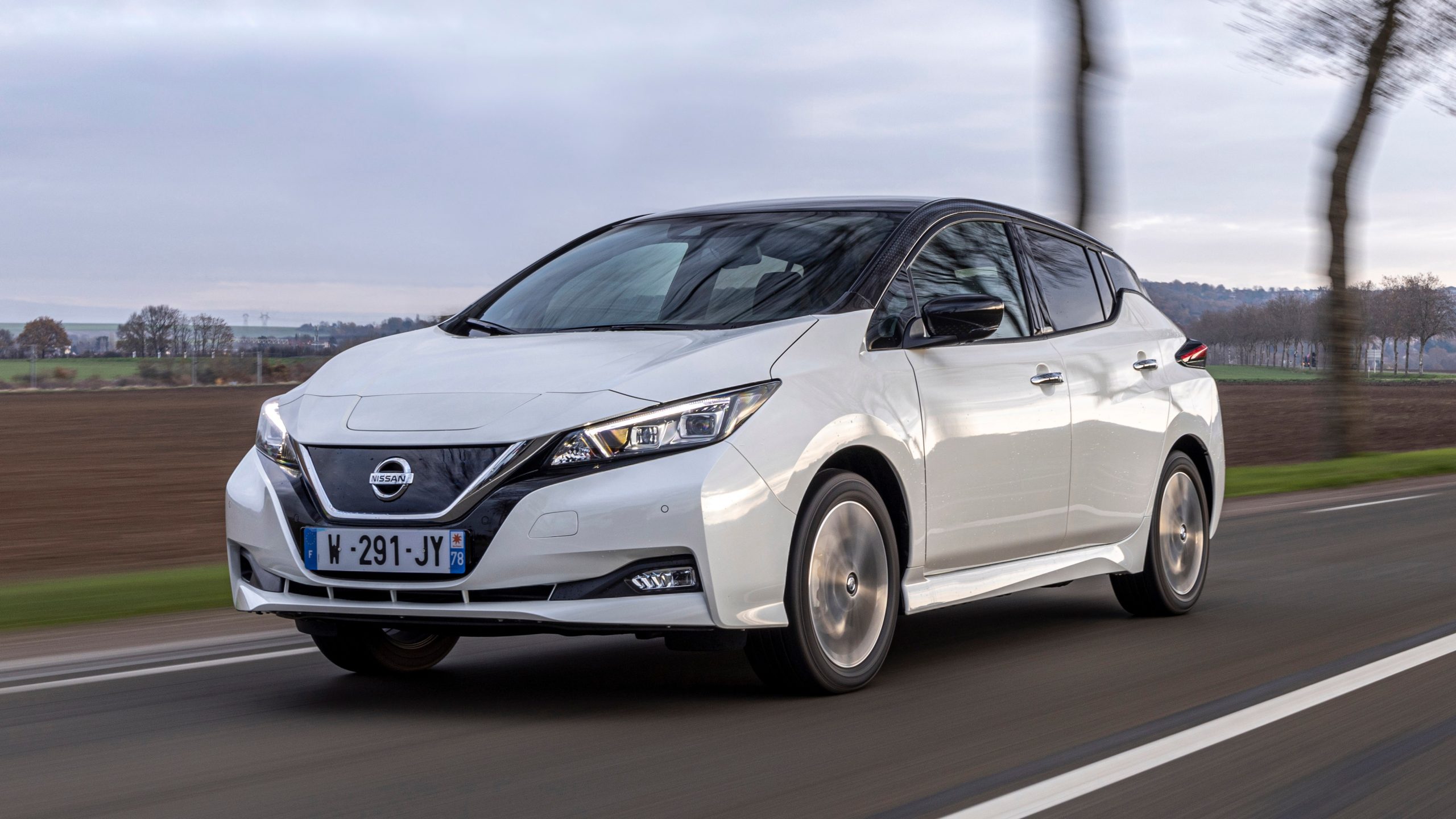
8. Nissan Leaf
Not every low-theft vehicle needs a flashy reputation or cutting-edge security technology to earn its place on this list, and the Nissan Leaf proves that point well. As one of the earliest mass-market electric vehicles available in America, the Leaf has built a quiet, practical reputation, and its theft numbers reflect that same understated character.
HLDI recorded a relative claim frequency of 14 for 2020 through 2022 Leaf models, a figure sitting comfortably below the baseline of 100 used for the average passenger vehicle. That places the Leaf firmly among the more theft-resistant vehicles currently on American roads, gas-powered or otherwise.
A few practical factors likely explain this outcome. The Leaf doesn’t carry the same premium resale appeal or high-value component demand that tends to attract organized theft rings targeting specific makes and models for profit.
Its owner base also tends to skew toward practical, everyday drivers rather than buyers seeking status or performance, which can influence where and how these vehicles typically get parked and secured.
For anyone shopping specifically for an affordable, low-maintenance EV without wanting to worry excessively about theft, the Leaf’s numbers offer real reassurance. Sometimes the most sensible choice on paper turns out to be one of the smartest choices for peace of mind as well.
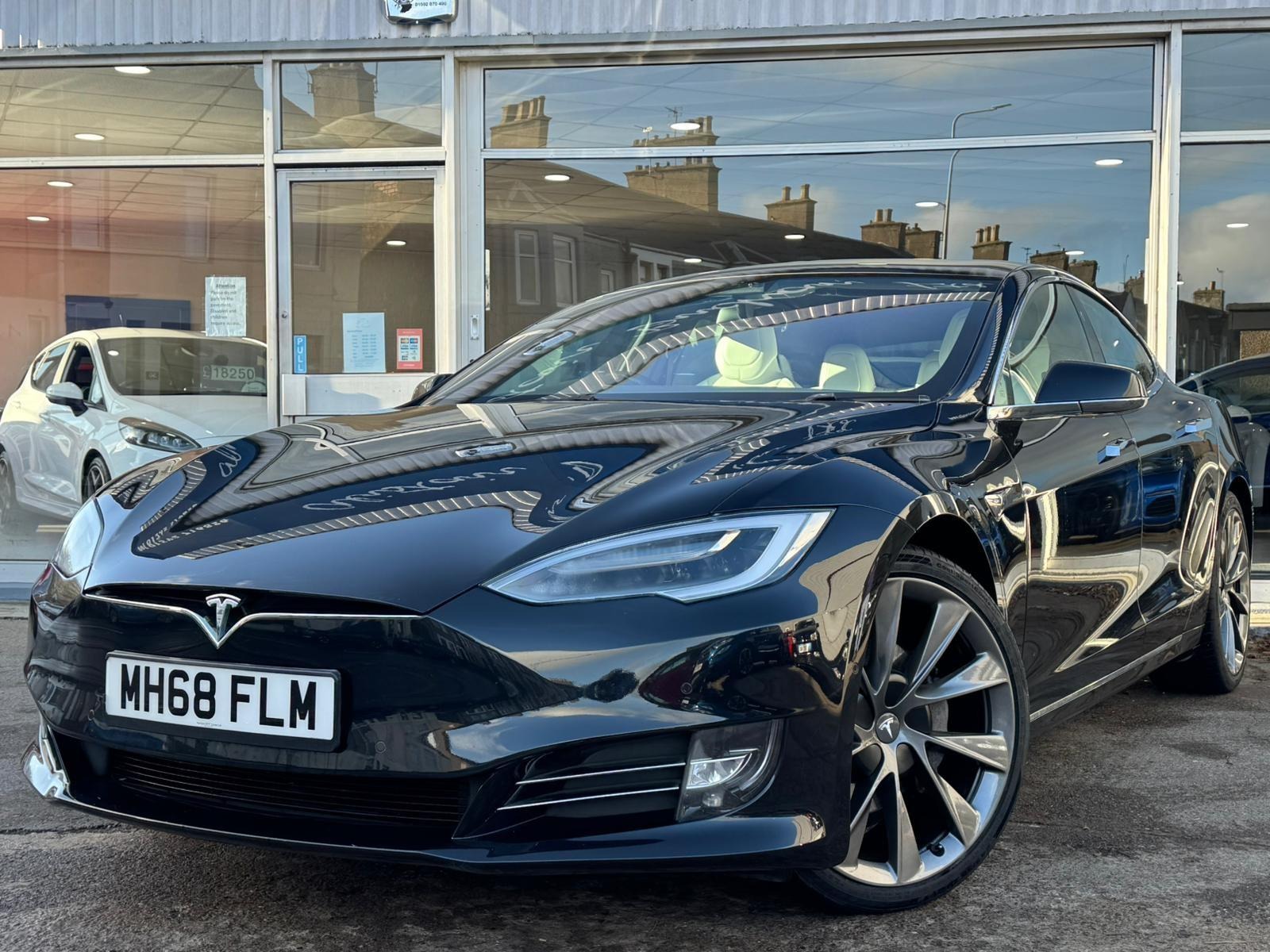
9. Tesla Model S 4WD
Tesla’s Model S shows why an expensive car does not always attract more thieves. As the company’s first flagship sedan, it combines luxury, performance, technology, and a price that places it among high-end electric vehicles.
Data from the Highway Loss Data Institute gives 2020 through 2022 Model S vehicles a relative claim frequency of 15 for whole-vehicle theft. That figure is far below the average for passenger vehicles, despite the sedan competing with costly models from luxury brands.
One reason may be Tesla’s approach to vehicle security. Instead of depending on physical protection, the Model S uses software, connected services, and electronic features designed to make unauthorized use more difficult. These systems can provide a layer of protection that older vehicles may not have.
Vehicle tracking can also make a difference after a theft occurs. A car that can be located remotely may be easier for authorities to recover, giving thieves another reason to avoid targeting it in the first place.
That does not mean the Model S is impossible to steal, but its theft numbers suggest that owners face a lower risk than drivers of many other passenger cars. For shoppers comparing the Model S with luxury sedans from automakers, theft risk is another factor worth considering.
Its long driving range, quick acceleration, technology, and relatively low theft claim rate give buyers more to think about than performance figures alone. For some owners, knowing that the car is less frequently targeted may provide useful peace of mind when choosing a luxury vehicle.
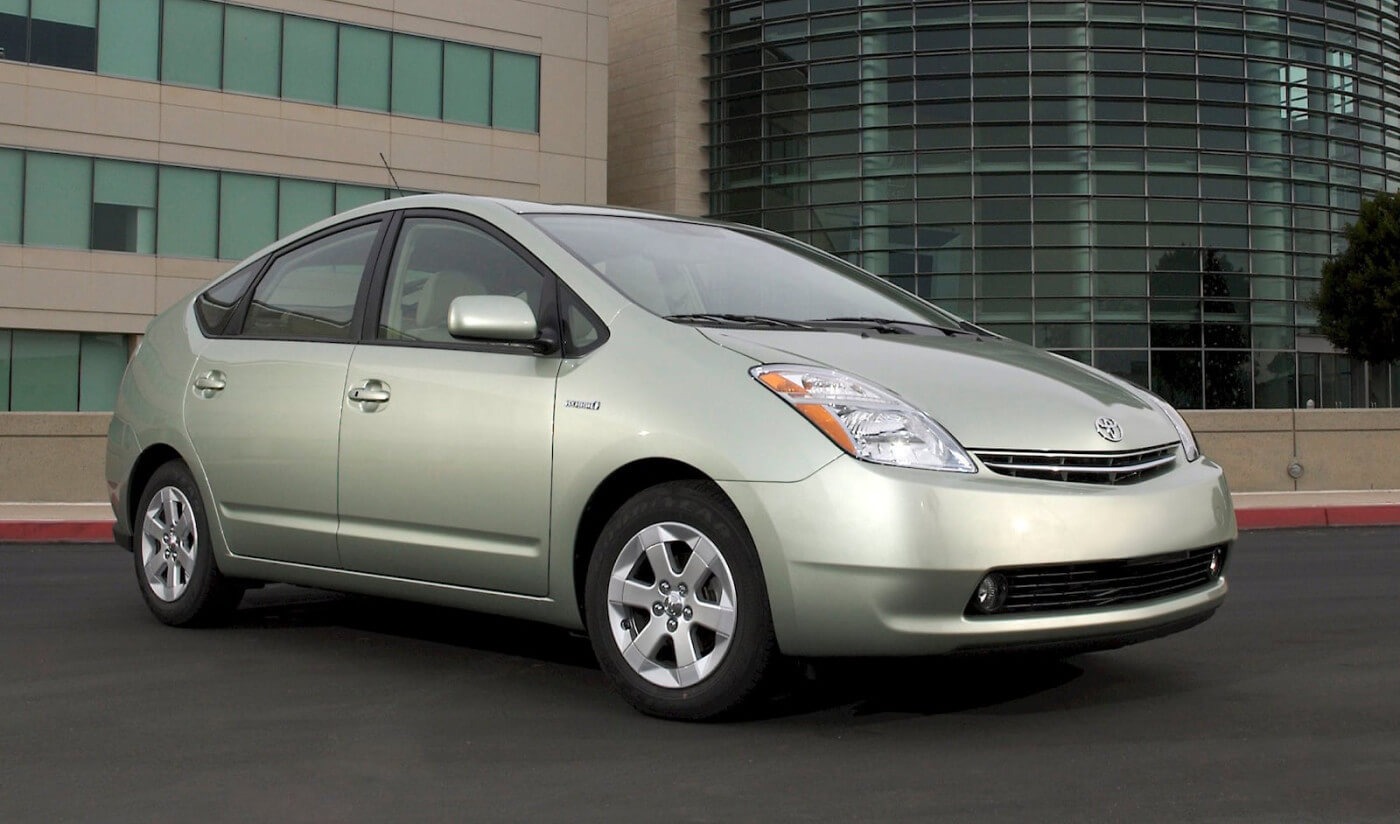
10. Older Toyota Prius
Every list needs an exception that reframes the entire conversation, and the Prius delivers exactly that. Unlike every other vehicle mentioned so far, this entry isn’t really about whole-vehicle theft at all. It’s about something far more specific and, in many ways, far more frustrating for owners.
HLDI has identified a long-standing issue with older Prius models involving catalytic converter theft. In these cases, thieves are not interested in taking the entire vehicle. Instead, they target the catalytic converter underneath the car because it contains valuable precious metals. That makes parked Priuses an appealing target for criminals despite the risks involved in removing the component.
Here’s why this particular vehicle became such an attractive target. Hybrid vehicles like the Prius often contain higher concentrations of precious metals within their catalytic converters compared to purely gas-powered vehicles, since hybrid engines require additional emissions control to compensate for how the engine cycles on and off.
That chemistry translates directly into higher resale value for the stolen part on the black market. This distinction matters enormously for anyone evaluating theft risk. A Prius owner isn’t necessarily worried about their entire car disappearing overnight the way a truck owner might be.
Instead, the real concern involves waking up to a disabled vehicle and an expensive repair bill. Anti-theft shields for catalytic converters have become a popular, worthwhile investment for Prius owners looking to protect against this very specific, very real vulnerability.
