

Car leases look simple on the surface. You see a monthly payment and sign. But underneath that number sits a stack of fees. Some are baked into the contract before you even sit down.
Dealers count on the fact that most people never question these charges. They assume everything on the page is fixed and final. The truth is more complicated. Some fees really are set by the leasing bank and can’t move.
Others exist purely because nobody pushed back. A few are pure profit centers disguised as standard paperwork. Knowing the difference changes how you negotiate. It also changes how much you pay over the life of the lease.
Below are eight charges worth challenging before you sign. Each one comes with the real leverage you have, and where that leverage runs out. Some you can eliminate outright.
Others you can only soften, offset, or avoid through timing. Treating your lease as a single fixed number is a mistake. Every fee on that page is a separate conversation.
1. The Acquisition Fee
This is the fee leasing companies love to call untouchable. It typically runs from about $595 to $1,095, with luxury brands at the top end. Officially, it covers the leasing company’s administrative work in setting up the contract. That includes a credit check, title processing, and related paperwork.
Most sources agree the fee itself is nearly impossible to remove outright. Even people who negotiate leases for a living admit lessors rarely budge on this exact number.
But the fee and the total cost are two different targets. That distinction is where your real leverage lives. Dealers can offset the acquisition fee by lowering the vehicle’s negotiated price instead. The fee technically stays on paper, but the dealer absorbs its impact elsewhere.

Dealers control the price of the car. They don’t control what the bank charges to originate the paperwork. So don’t demand the fee disappear from the contract. Demand the total drive-off cost drop by an equivalent amount somewhere else.
Ask for a full itemized worksheet before agreeing to anything. Request a quote with no add-ons, just the vehicle and the manufacturer’s destination charge.
Some third-party banks and credit unions also structure leases without this exact fee format. If the size of this fee genuinely matters to you, compare lenders before you compare cars. That’s real leverage, even when the line item at your specific dealership won’t move.
2. The Documentation (Doc) Fee
The doc fee covers the cost of processing your lease paperwork. It can range from a couple hundred dollars to several hundred, depending on the dealer.
Unlike the acquisition fee, this one is charged by the dealer, not the bank. That single fact makes it far more negotiable in practice. In many states, doc fees aren’t capped by law at all. The number on your paperwork is often just whatever the dealer decided to charge that day.
Because there’s no regulatory ceiling in many places, this fee is one of the softer targets on your contract. Some dealerships even print the word negotiable directly next to the line item.

One real example showed a $200 documentary service fee explicitly labeled negotiable on the invoice. That’s a strong sign this fee was never as fixed as dealers like to imply.
Ask directly whether the doc fee is negotiable. Ask before you’ve agreed to anything else in the deal. You may not always succeed, but you should always make the attempt. Framing matters here as much as persistence does.
Don’t attack the fee in isolation. Fold it into your total out-the-door price instead. Tell the salesperson your target number includes everything, doc fee included. Let them figure out internally how to hit that number.
3. The Disposition Fee
This charge hits you at lease-end, not at signing. It typically ranges from $300 to $595 and covers reconditioning and remarketing the returned vehicle.
Most experts agree it’s technically fixed by the leasing company itself. The lender sets the amount, and the dealer has no authority to change it at signing. But fixed at signing doesn’t mean unavoidable forever. There are legitimate, well-known paths around this charge.
The cleanest one is buying the car instead of returning it. If you purchase your leased vehicle at lease-end, the company usually skips the disposition fee entirely, since it never has to prepare the car for resale.

The second path is brand loyalty. Most manufacturers will waive the disposition fee if you lease or buy another vehicle from them, even though that waiver often isn’t written into the original contract.
Ask about this before signing your next lease, not after your old one has already ended. Timing here matters more than persistence. Some manufacturers don’t charge this fee at all. A few captive lenders have no disposition fee built into their standard leases.
Ask directly at your original signing anyway. Some lenders will waive the fee in advance if you commit to staying within the same brand family. Get any such promise in writing on your contract. A verbal assurance from a salesperson rarely survives three years of turnover and staff changes.
4. The Security Deposit
Not every lease requires a security deposit, and that alone tells you something. The ones that do require one can sometimes be negotiated away entirely.
The deposit typically equals one monthly payment. It’s collected at signing and refunded later if there are no lease-end charges to deduct from it. Because it’s refundable, many people assume it isn’t worth fighting over. That’s a mistake, since it still ties up your cash for years at a time.
Your leverage here depends heavily on your credit profile. Try negotiating the deposit’s removal, especially with strong credit or a prior relationship with the same leasing company.

Lenders waive deposits for lower-risk customers as a matter of routine practice. If your credit score is strong, this is often one of the easiest fees to eliminate outright.
There’s also a strategic trade worth understanding. Some leasing companies offer a lower money factor if you make multiple security deposits instead of just one.
That trade only makes sense if you have spare cash and plan to keep the lease its full term. If that doesn’t apply to you, just ask for a standard deposit waiver.
Many captive lenders grant waivers automatically above a certain credit tier. You often just have to ask the question out loud. Confirm any waiver in writing on your final contract before you sign it. A verbal yes from the finance office means nothing once the paperwork is finalized.
5. Excess Wear-and-Tear Charges
This fee doesn’t hit until you return the car at the end of the term. It applies whenever wear exceeds the standards written into your specific lease agreement.
The tricky part is that excessive is a subjective word. The lessor sets its own wear-and-tear standards, though those standards are legally required to be reasonable.
This is where most of your negotiating power actually lives. It lives months before turn-in, not on the day you hand back the keys. Waiting until the return date is the single biggest mistake lessees make. Federal guidance recommends getting your lessor’s specific wear standards in writing well before your final inspection.

Request that document early in your lease term, and keep it somewhere safe. Then schedule a pre-inspection well ahead of your actual turn-in date.
Doing this sixty to ninety days before turn-in is typically free and non-binding on your side. It converts a mystery bill into a written checklist while you still have time to fix problems.
From there, fix small issues yourself rather than letting the dealer handle them. A modest independent repair often costs far less than the equivalent charge assessed at lease-end.
If charges still appear after that, dispute specific line items rather than the total bill. Ask for photos, the exact standard that was violated, and an itemized repair estimate for each charge.
Reasonable-standard language in your contract gives you real room to push back on vague or inflated assessments. Many disputed charges get reduced simply because the lessor can’t fully document them when challenged.
6. Excess Mileage Fees
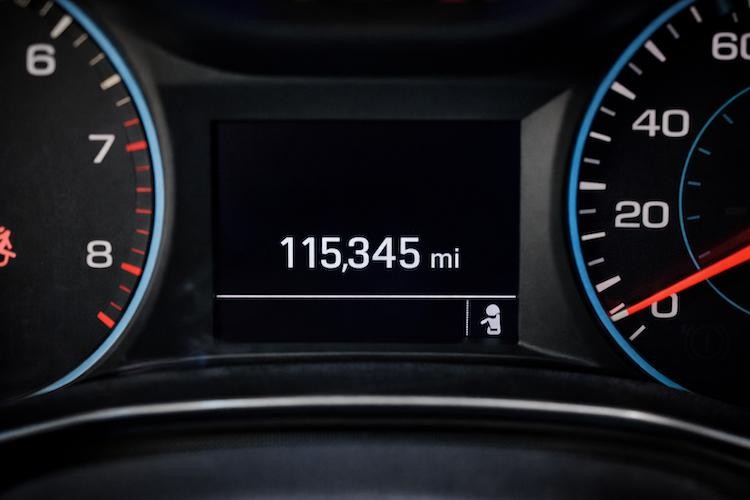
Mileage overage is one of the most predictable lease-end surprises drivers face. Average penalty rates run from about ten to thirty cents per mile over the contracted limit.
High-mileage vehicles make this problem worse. Some models regularly see drivers thousands of miles over their cap, translating into thousands of dollars in penalties.
The real negotiation on mileage doesn’t happen at turn-in. It happens at signing, before the number gets locked in for years. Mileage allowance is negotiable upfront, and it’s almost always cheaper to add miles at signing than to pay the per-mile penalty later. Buying miles in advance is typically priced well below the lease-end penalty rate.
If you’re mid-lease and already tracking toward overage, you still have options available. Compare the projected cost of excess mileage against simply renting a car for a long trip near lease-end.
Sometimes renting genuinely works out cheaper than driving the leased car those extra miles yourself. Run the actual math before assuming you have to absorb the full penalty.
Buying out the lease entirely eliminates mileage penalties as well. Purchasing your leased vehicle wipes out mileage overage charges completely, since there’s no return inspection involved at all.
If you’re already well over your cap, this is often the least expensive exit available. Compare the buyout price directly against your projected overage fees before deciding. Don’t wait for the final odometer reading to think about this fee. By then, your negotiating window has already closed for good.
7. Dealer Add-Ons
This is the category with the most padding, and the most room to fight back. Think paint sealant, fabric protection, VIN etching, and nitrogen-filled tires.
The markups here are aggressive by almost any standard. A paint sealant that costs a dealer around thirty dollars to apply can be sold to customers for well over a thousand.
VIN etching follows a similar pattern. Etching that costs only a few dollars in materials often gets priced at several hundred on the final invoice. You are not obligated to accept these charges just because they appear on your paperwork.
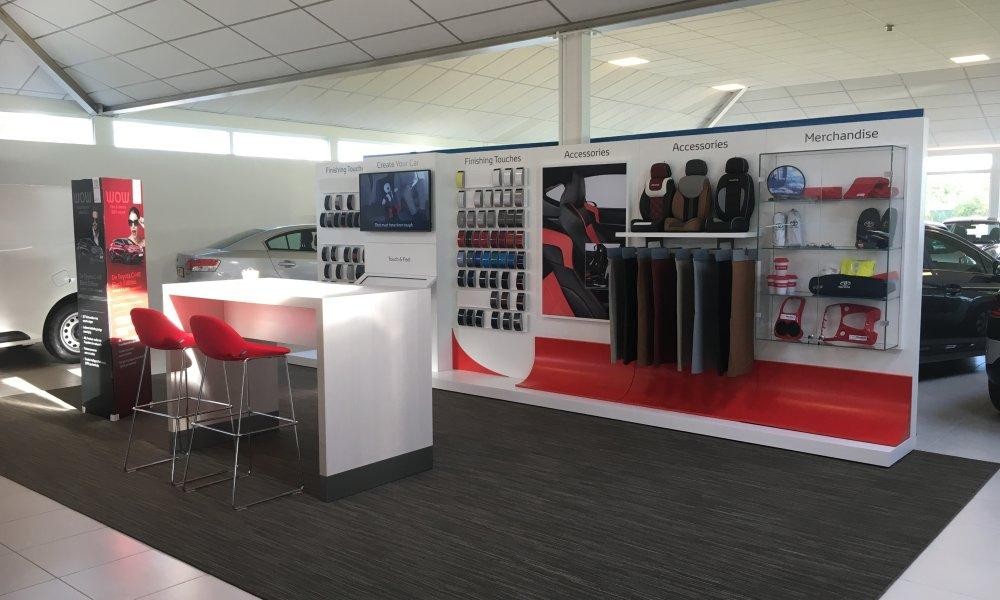
Even when an add-on is already physically installed, you’re not required to pay for something you never explicitly requested. Regulators have taken notice of this pattern too. Federal trade regulators have sent warning letters to dozens of dealership groups over deceptive add-on pricing practices in recent years.
Your best strategy is separation, not direct confrontation over each item. Negotiate the total price down to offset the add-on cost, or find a dealer that doesn’t pre-load vehicles with these accessories at all.
If an item is already installed and genuinely can’t be removed, don’t accept the sticker price silently. Push its value into the price negotiation instead of treating it as a separate charge.
Ask for a second-sticker itemization before you finalize anything with the dealer. Anything appearing only on that addendum, separate from the manufacturer’s original window sticker, is fair game for negotiation or removal.
Treat that addendum as a menu, not a requirement you have to accept. Cross off what you don’t want, and let the dealer justify whatever remains on the list.
8. Dealer-Sold GAP Insurance
GAP coverage genuinely has value on a lease in the right circumstances. It protects you if the car is totaled and you owe more than it’s currently worth.
The problem is where you buy it, not necessarily whether you need it. Dealers often charge many hundreds of dollars for coverage available through your own auto insurer for a fraction of the price.
This is the single biggest markup gap on this entire list. The coverage itself is often nearly identical; only the price tag changes based on who’s selling it to you.
Before agreeing to dealer GAP, call your own insurance company first. The correct move is telling the finance office you’ll purchase GAP separately through your insurer, and asking them to remove it from the deal entirely.
If you’ve already signed and paid for dealer GAP, you’re not permanently stuck with it. You generally have the right to cancel these optional add-on products at any time to reduce your total costs.
Cancellation windows can be fairly generous too. Most GAP policies remain cancelable for a full refund within thirty to sixty days of the original signing date.
If your lease is later refinanced or paid off early, don’t forget about this coverage either. You may be entitled to a partial refund on unused GAP coverage when the underlying contract ends early.
Check your original paperwork, or contact the lender directly if you can’t locate it. A short phone call can sometimes recover money you assumed was already gone for good.
Across all eight of these charges, the pattern repeats itself. Some fees are genuinely fixed by the leasing bank and won’t move no matter how hard you push.
Others exist only because dealers assume nobody will bother asking. Learning which category each fee falls into is worth doing before you ever sit down to sign.
