
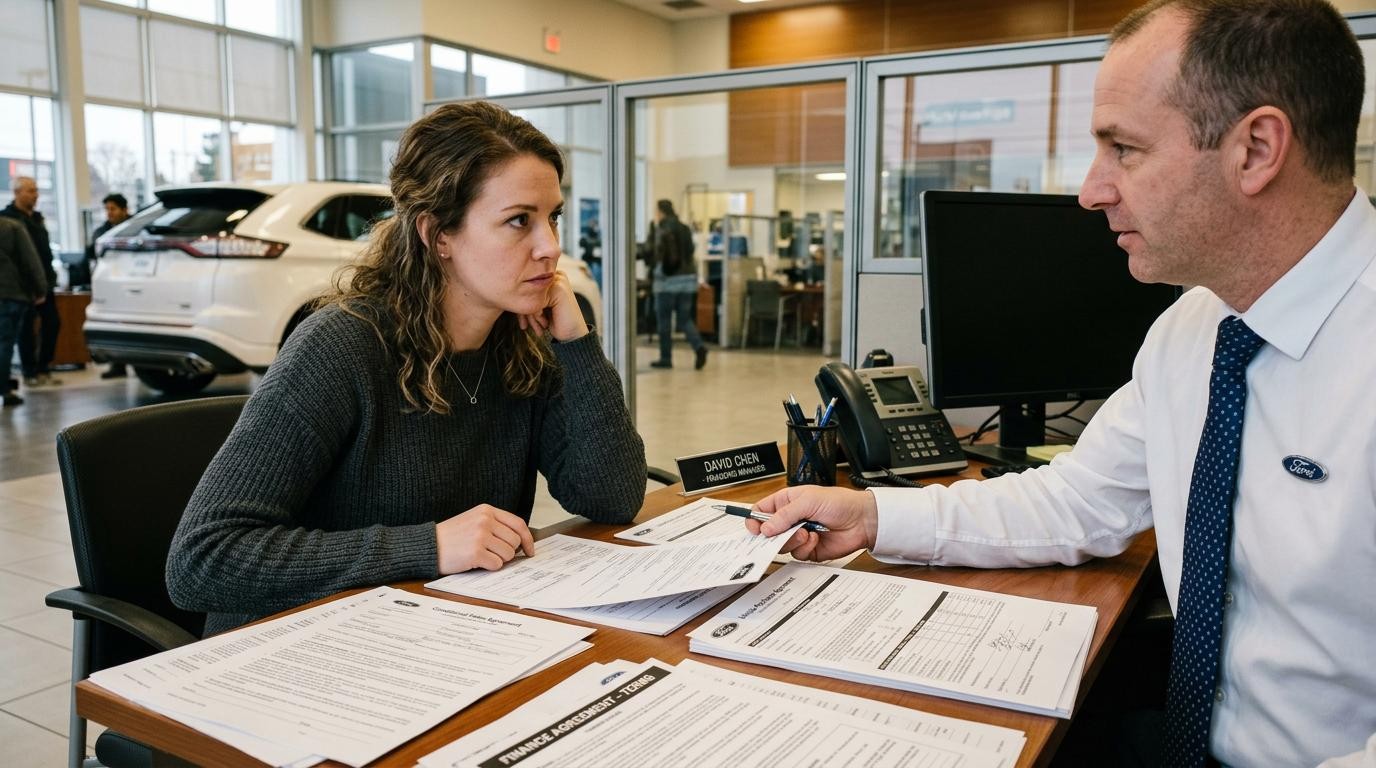
Car buyers routinely leave the dealership having paid for services that were never mandatory. These charges hide inside the “addendum” or the “second sticker.”
They sit next to the federally required Monroney label, but they are not part of it. The FTC has spent 2024 through 2026 pursuing dealer groups over exactly this practice.
A December 2024 case involving Asbury Automotive Group found that 75% of buyer contracts had add-ons stacked on, often without clear consent. Napleton Auto paid $10 million to settle FTC and Illinois claims over junk fees tied to unwanted add-ons.
The pattern repeats across every dealer group under scrutiny. A fee gets invented. It gets bundled into the finance office paperwork. Most buyers never learn they could have said no. This article breaks down eight specific charges that show up on buyers’ orders nationwide.
None of them are required by federal or state law. Each one is either negotiable, refusable, or already covered by a fee you’re paying elsewhere. Knowing the difference is the only real leverage a buyer has once they’re sitting in the finance office chair.
1. The Inflated Documentation Fee
The doc fee covers paperwork processing. That includes title work, contract preparation, and DMV filing. The actual cost of processing sale paperwork is estimated at under $50 in labor and materials. Yet dealers routinely charge far more than that.
The average doc fee nationally in 2026 runs $350 to $500, and dealers in uncapped states routinely charge $700 to $999. The gap between cost and price is almost pure profit.
Where you live determines how badly you get hit. California caps the fee at $85, the lowest in the country, while Florida, Virginia, and North Carolina remain the most expensive uncapped markets, running $700 to $999. At least 15 states have passed laws limiting what dealers can charge for this fee. In the other states, there is no ceiling at all.

Twenty-two states place legal limits on documentation fees, while buyers in states without a cap can often negotiate the charge. Even where a maximum fee is set by law, shoppers should not assume they are required to pay the full amount allowed. The legal limit establishes the ceiling, not necessarily the price a dealer must charge.
A doc fee disclosed for the first time in the finance office, rather than during price negotiation, is a red flag worth pushing back on. Ask for it in writing before you sit down to sign.
2. VIN Etching / Theft Protection Etch
VIN etching engraves the vehicle identification number into the windshield and windows. The idea is to make stolen parts harder to resell. The process is recommended by some police departments and insurers as a genuine theft deterrent, and certain insurers offer discounts for it. That legitimacy is exactly what dealers exploit.
The kit itself costs the dealer roughly $5, but dealers charge $300 to $1,000 for the service, a markup of 10 to 30 times. Some locations do the etching for free, including certain police auto-theft task forces.
One case in Texas involved a dealer attempting to charge $1,500 for a service a local task force offered at no cost. That is not an isolated pricing outlier.
Enforcement has caught dealers charging for etching they never performed. A Nissan dealership in New York was ordered to pay nearly $300,000 in restitution to almost 300 customers after charging for a “Total Loss Protection Guarantee” etch service it frequently never applied.
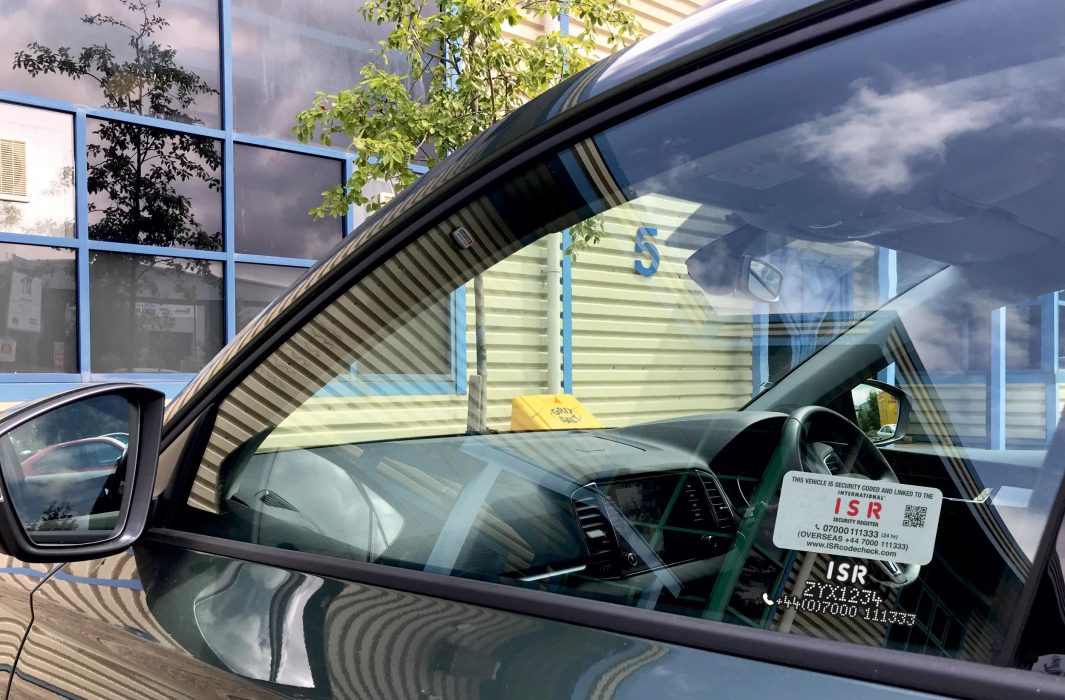
The service is often pre-installed before the buyer even reaches the lot, making it functionally non-negotiable unless the buyer catches it on the contract.
Read the buyer’s order line by line before signing. If you want VIN etching, a home kit runs under $30. Ask your insurer first whether etching would even lower your premium.
3. Nitrogen-Filled Tires
Nitrogen tire fills get pitched as a performance and longevity upgrade. The underlying chemistry doesn’t support the price tag. Compressed air is already roughly 78 percent nitrogen, so extracting purer nitrogen from it costs a dealer close to nothing.
A generous estimate puts dealer cost around $10 including labor, against a $199 charge, a markup near 2,000 percent. Independent testing backs up the skepticism. A controlled comparison found no measurable difference between nitrogen-filled and air-filled tires in fuel economy, tire wear, or pressure retention after six months.
Nitrogen-filled tires still lose pressure over time, just at a marginally slower rate than air, and nitrogen is not widely available for top-offs outside a dealer or specialty shop. That inconvenience often outweighs any theoretical benefit.
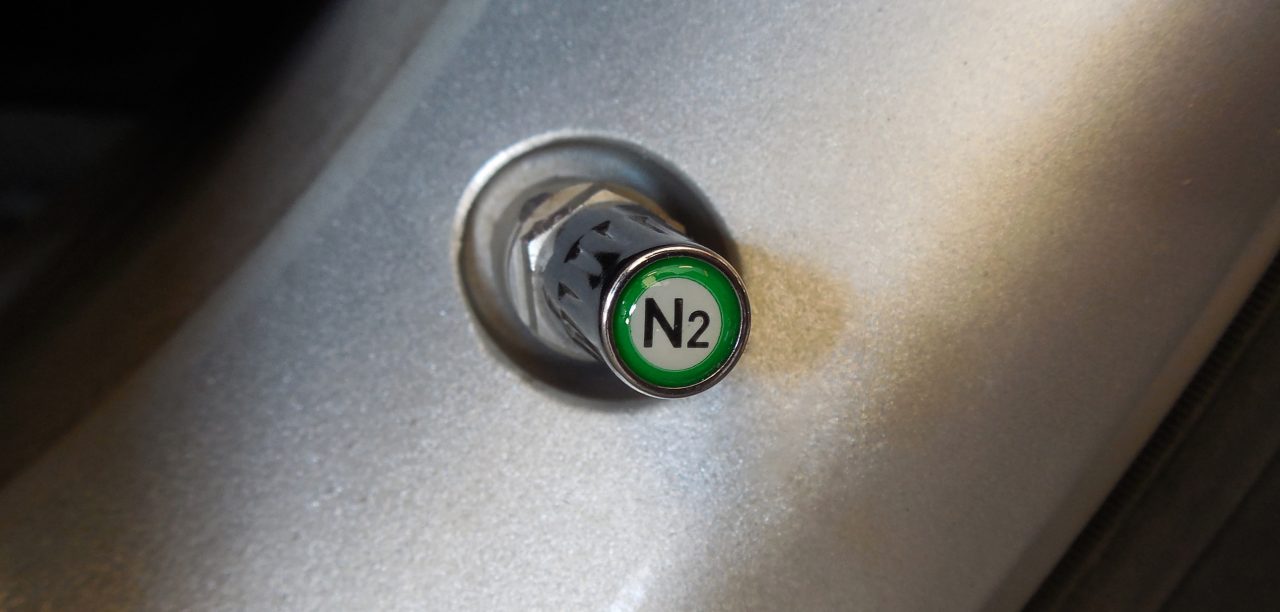
Pricing varies wildly by dealer. Charges range from $100 as a stand-alone line item to more than $700 when bundled with items like window tinting or door edge guards.
On new vehicle tires, the cost typically ranges from $70 to $179, and topping off existing tires can run up to $30 per tire. None of it is mandated by any manufacturer or regulator. If the fill is already done, it’s not worth fighting over. If it’s on the addendum sticker as an unperformed service, decline it and ask for regular air.
4. Paint Sealant, Paint Protection, and Fabric Protection
These add-ons promise long-term protection against fading, staining, and wear. The product behind the pitch is modest. Paint sealant is essentially a glorified wax that costs the dealer about $30 in product and 20 minutes of technician time. The consumer price rarely reflects that.
Paint protection and fabric treatment are explicitly listed among the add-ons buyers can refuse, alongside nitrogen-filled tires, VIN etching, and extended warranties. Dealers sometimes claim these are mandatory. They are not.
Fabric and leather protection spray typically runs $149 to $499 at a dealership, while a comparable retail product costs around $8. The markup dwarfs anything justified by labor or materials.

Fabric protection carries an average estimated cost near $200 for a treatment marketed as keeping car interiors spotless. Most detailers will tell you a quality aftermarket product does the same job for a fraction of that.
If a finance manager insists these treatments are required to complete the sale, that claim is false. You are entitled to decline every one of them without losing the vehicle.
5. Market Adjustment / Additional Dealer Markup (ADM)
A market adjustment is a flat charge or percentage added above MSRP. It shows up on high-demand vehicles when supply is tight. Dealerships are under no obligation to impose these fees, and if they do, they are not required to provide a reason for the amount. The number is chosen purely on what the dealer believes a buyer will pay.
The adjusted price can run anywhere from 5 percent to 50 percent above MSRP, depending on demand for that specific vehicle. There is no formula tying it to actual cost.
This differs fundamentally from legitimate mandatory charges like sales tax, title and registration fees, or the manufacturer’s destination charge, which is a standard fee set for transporting the vehicle from the factory. The ADM has no equivalent basis.
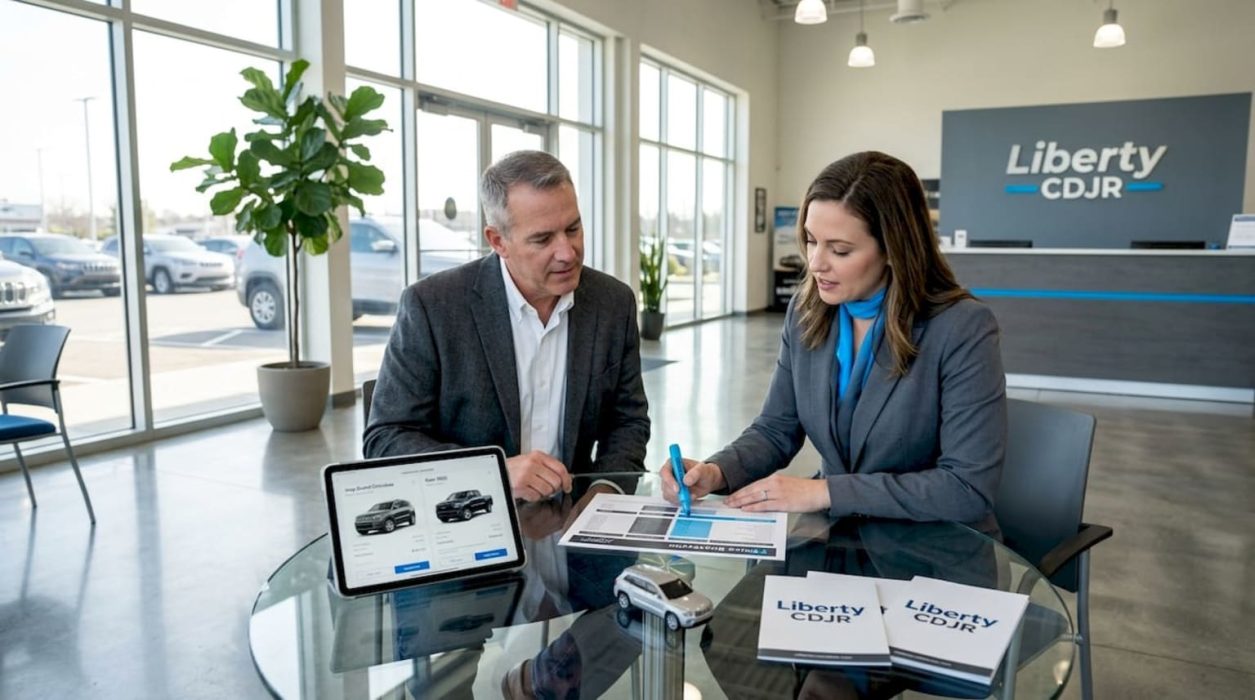
Add-ons and markups listed on the dealer addendum sticker are almost always negotiable, and market adjustments on vehicles with normal inventory levels can often be reduced by presenting competing dealer quotes. Being ready to buy immediately elsewhere is real leverage.
Because the markup is set by one specific dealer, it may be different, or entirely absent, at another location selling the identical model. Shopping around remains the most effective countermeasure.
6. Dealer Prep Fee (Stacked on Top of Destination Charge)
Dealer prep is billed as the cost of readying a new vehicle for delivery. That includes washing, inspecting, and removing shipping materials. These fees usually range from $100 to $500 or more, and buyers should be wary when a dealership charges a prep fee on top of the destination charge.
The destination charge already covers transport-related costs from the manufacturer. The destination charge already includes factory-to-showroom transport costs, which makes a separate prep fee redundant in many cases. Charging both amounts to billing twice for overlapping work.
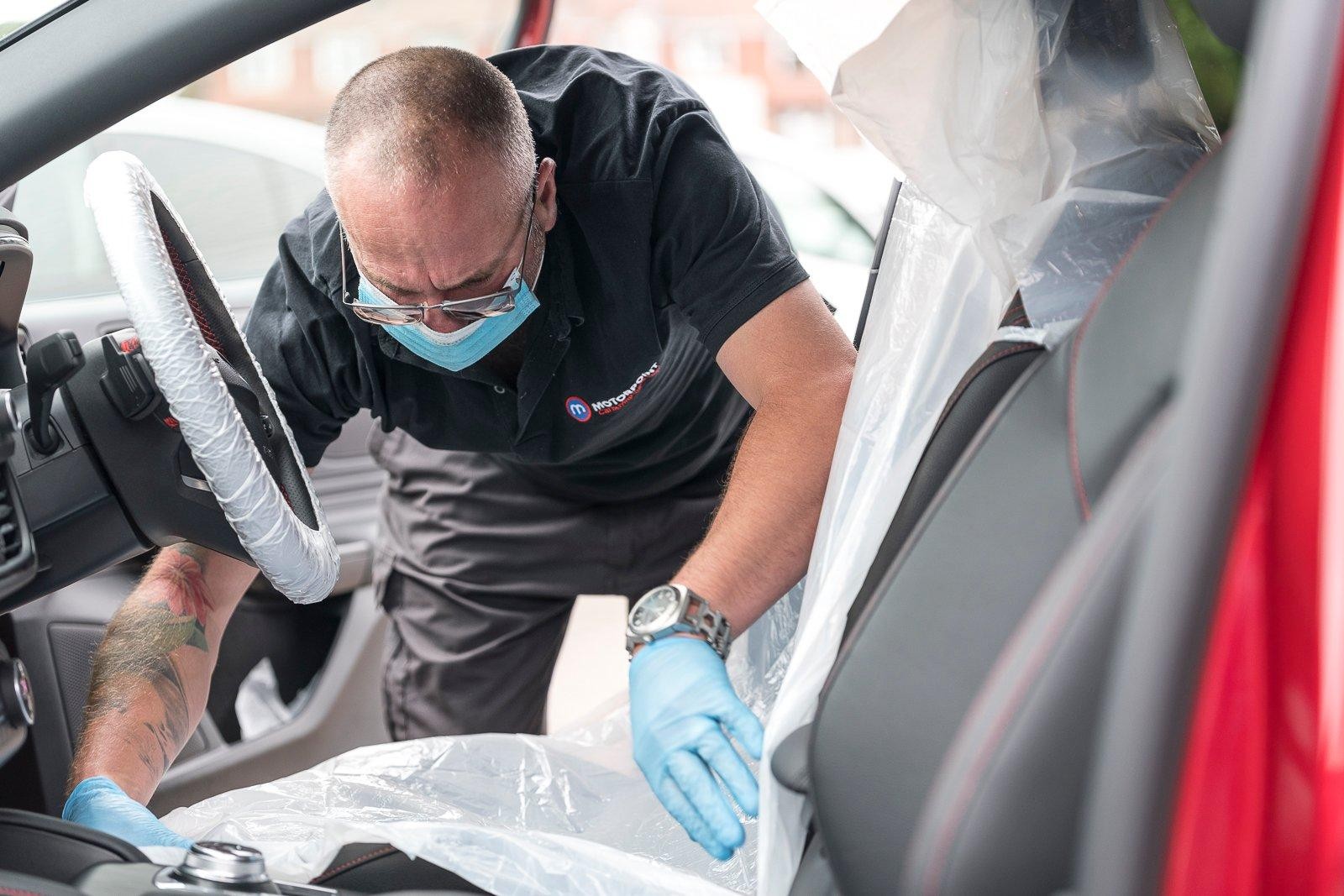
A dealer prep fee running $199 to $599 for basic vehicle preparation is considered part of normal business overhead, not a legitimate separate add-on. Washing and inspecting a car before sale is simply the cost of running a dealership.
This fee is easiest to challenge because it’s rarely itemized in detail. Ask exactly what “prep” included, and ask why it isn’t already covered by the factory destination charge you’re already paying.
7. Key Replacement and Theft-Recovery Subscription Packages
These packages bundle spare-key coverage with GPS or Lojack-style tracking. They’re pitched as protection against theft or lockout costs.
Key replacement programs typically run $299 to $599, while a locksmith usually costs less, and homeowner’s insurance may already cover a lost key. The dealer package rarely beats what you’re already covered for elsewhere.
Lojack and GPS tracking add-ons are subscription-based, rarely used once installed, and carry dealer margins in the 200 to 400 percent range. That’s a steep price for a service most owners never activate.

These packages sit alongside paint protection, nitrogen tires, and wheel protection as add-ons with near-zero consumer value relative to their price. They’re profitable precisely because buyers assume they’re standard.
None of these are required to finance, register, or insure a vehicle. If a finance manager frames them as bundled into the loan automatically, ask for a version of the contract with them stripped out before signing anything.
8. Dealer-Marked-Up GAP Insurance and Extended Warranties
GAP insurance and extended service contracts have legitimate versions. The dealer-sold version usually costs more than buying the same coverage independently.
GAP insurance at dealer markup is explicitly flagged as something buyers should negotiate down or buy through their own insurer instead. Many auto insurers offer GAP coverage as a low-cost policy rider.
Extended warranties follow a similar pattern. Paint protection, fabric treatment, nitrogen tires, VIN etching, and extended warranties are all listed as add-ons a buyer can decline, and dealer claims that they’re mandatory are false.
The regulatory record backs up the skepticism. The FTC has pursued a lifetime industry ban against operators of an extended vehicle warranty scam, underscoring how loosely regulated this add-on category can be.
If financing terms or add-ons change unexpectedly after you’ve taken the car home, known as spot delivery or yo-yo financing, that pressure is often manufactured leverage rather than a legitimate lender requirement. The same skepticism applies to any warranty or GAP product pushed hard at signing.
Before agreeing to either product, get a quote from your own bank or insurer first. Compare that number against whatever the finance office presents, and don’t let the monthly payment framing hide the total cost.
