Your car doesn’t break down overnight. It wears out gradually, one bad habit at a time, often from things that feel completely normal behind the wheel. Riding the brakes down a hill, flooring it before the engine warms up, letting the tank run low week after week. None of these feel dangerous in the moment, yet each one quietly chips away at your engine, transmission, brakes, tires, and suspension.
The good news? Every single habit on this list is fixable, and fixing them costs nothing but a little awareness. Ready to add years to your vehicle’s life without spending a dime on repairs? Let’s get into exactly what’s causing the damage and how to stop it.
1. Shifting into Park or Reverse while the car is still moving
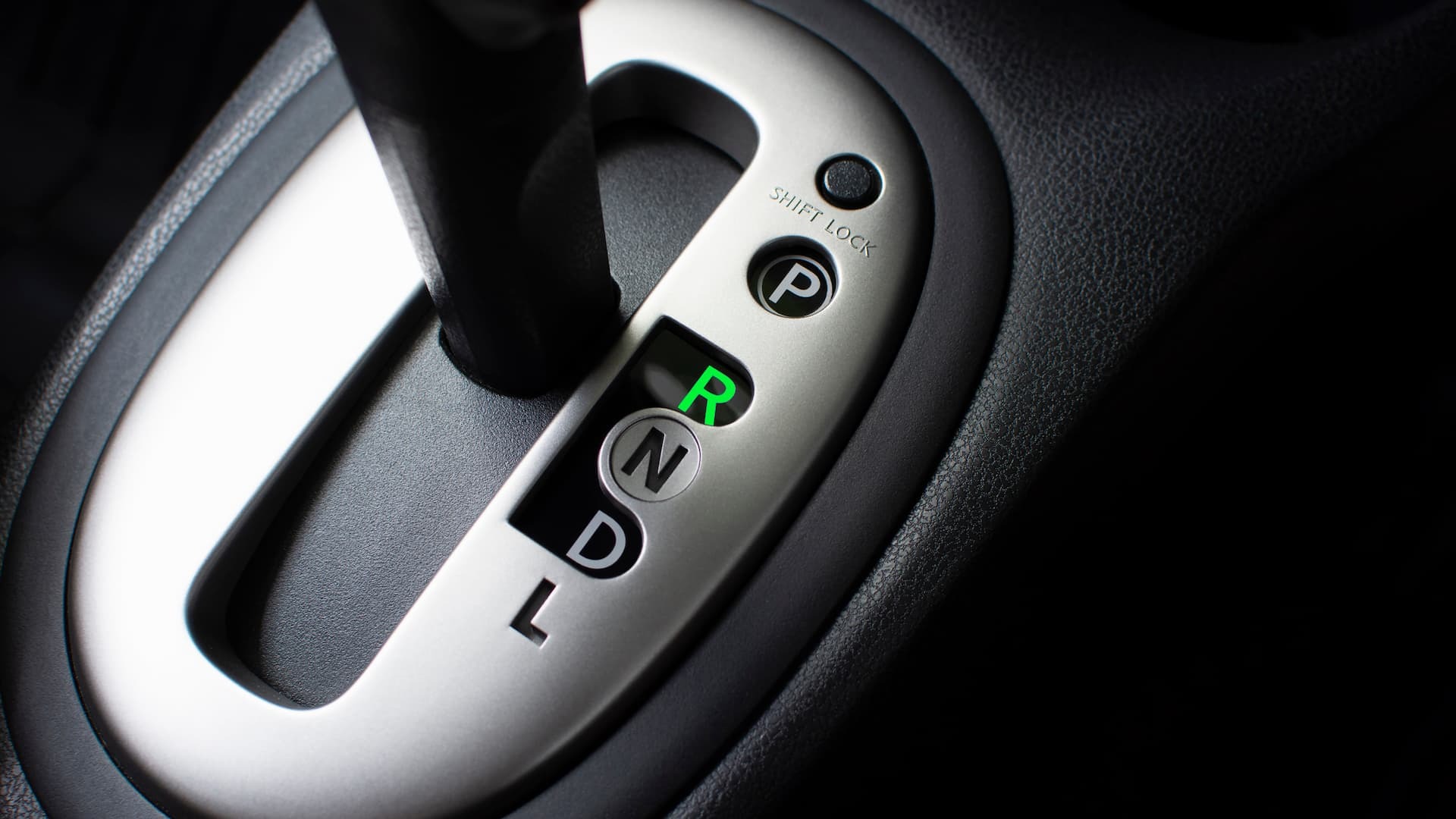
One seemingly minor driving habit can cause unnecessary wear to an automatic transmission. Shifting into Park or Reverse before the vehicle has come to a complete stop can put excessive stress on internal components. Even at very low speeds, making that shift can strain parts that are designed to engage only when the vehicle is stationary.
Inside the transmission, gears, clutches, and a small metal parking pawl work together to keep the vehicle secured when Park is selected. If the car still has forward motion, the pawl can be forced against moving parts before everything has settled. Repeating this habit may cause excessive wear and, eventually, expensive transmission repairs.
Fortunately, preventing this problem requires almost no effort. Before selecting Park or Reverse, press the brake and wait until the vehicle has stopped completely. Give the car a moment to settle, then move the selector. Those extra seconds can help protect parts that are costly to repair or replace.
Drivers should also pay attention to the instructions in their owner’s manual. Automatic transmissions can have specific recommendations for moving between Drive, Reverse, and other settings.
Following those directions can reduce unnecessary strain and help the transmission last longer. A small change in driving habits is much easier and cheaper than dealing with a major repair later.
Taking a brief pause before changing gears is a simple way to protect the vehicle and avoid putting extra pressure on its transmission components. This is especially useful when parking on busy streets, in driveways, or anywhere quick gear changes might feel tempting during daily driving and parking.
2. Flooring it with a cold engine
Mornings are busy. You’re running late, you jump in the car, and the temptation to accelerate hard right out of the driveway feels completely natural when you’re racing against the clock.
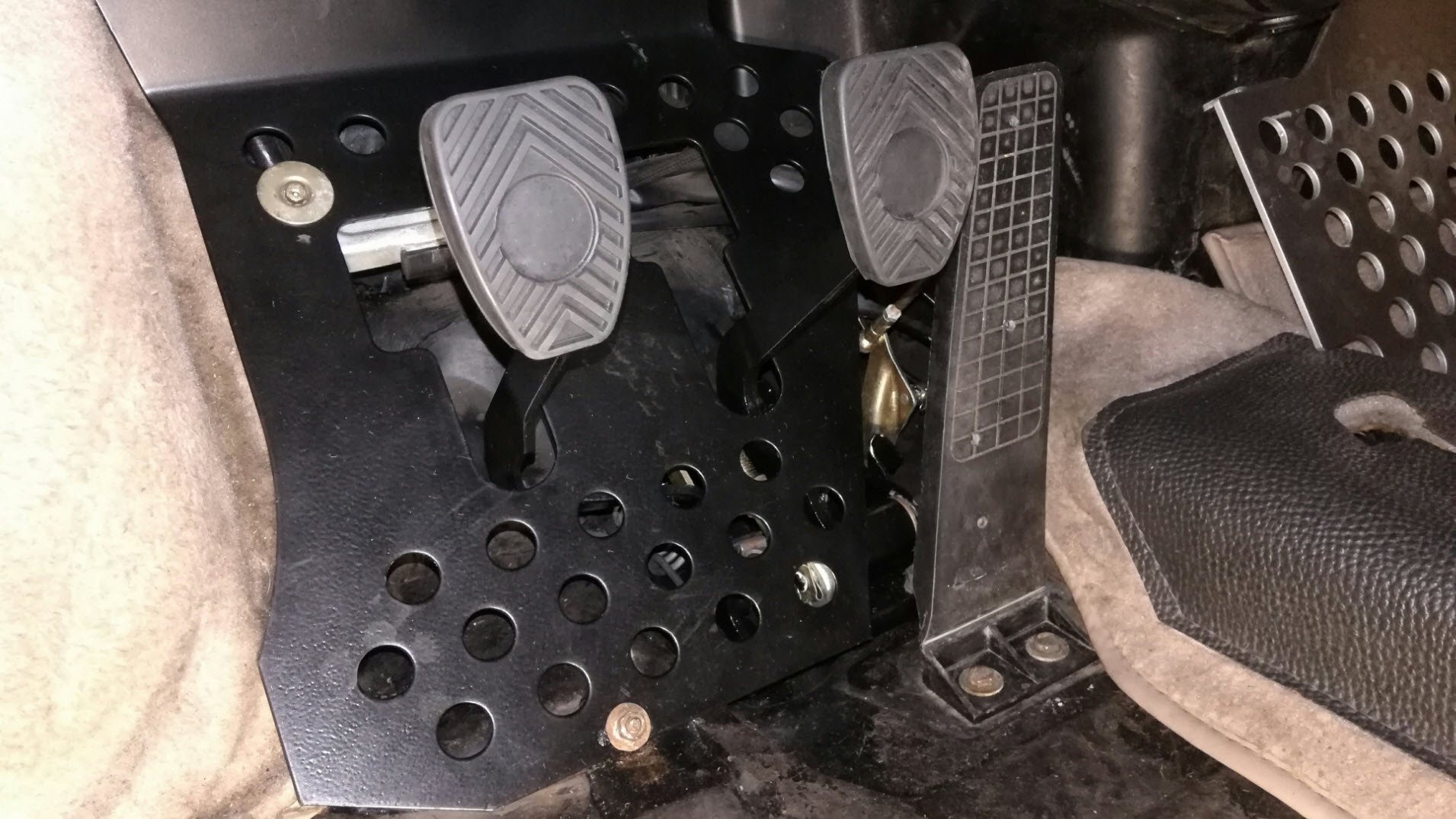
Resist that urge, though, because your engine genuinely isn’t ready for that kind of demand yet, no matter how eager you are to get moving. When an engine sits overnight or for several hours, its oil settles and thickens considerably compared to how it flows once everything reaches normal operating temperature.
That thicker oil doesn’t circulate through tight engine tolerances as efficiently, meaning critical components aren’t getting the full protective lubrication they need during those crucial first few minutes of driving.
Flooring the accelerator during this window forces your engine to work at high demand while running on fluids that haven’t reached their ideal consistency yet. That combination increases friction and mechanical stress precisely when your engine is most vulnerable, contributing to accelerated wear on pistons, bearings, and other internal components over repeated instances.
What should you do instead? Drive gently for the first several minutes after starting your car, easing into acceleration rather than demanding maximum performance immediately. This doesn’t mean crawling along at fifteen miles an hour on the highway.
It simply means giving your engine a reasonable grace period to reach proper operating temperature before you ask it to work hard, protecting components that are far more expensive to replace than the few extra minutes this habit costs you.
3. Frequently driving with a nearly empty fuel tank
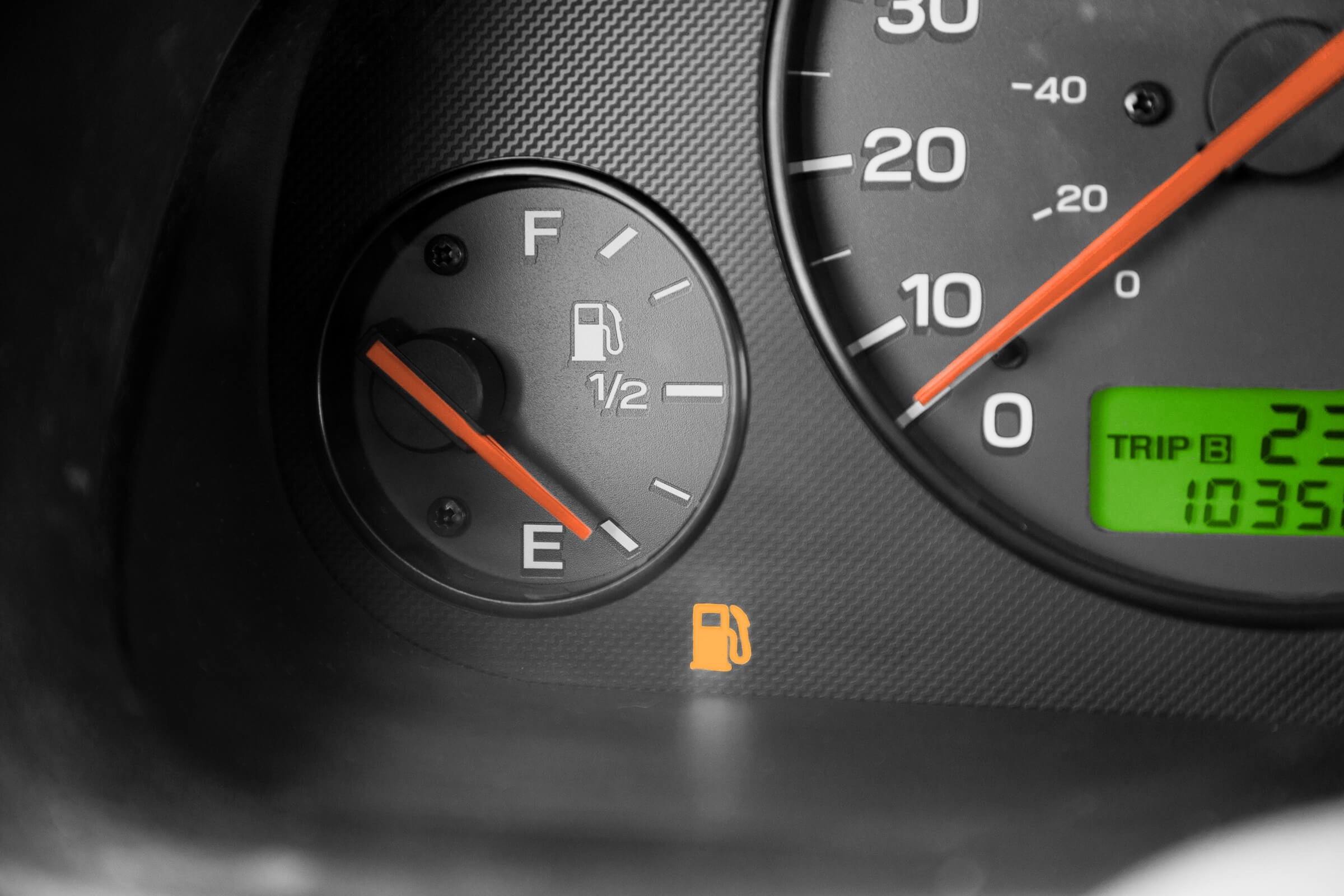
Some drivers like to stretch every tank as far as possible, treating the fuel warning light as a challenge rather than a reminder to refuel. Doing this regularly, however, can put unnecessary strain on a component that is easy to overlook. Your electric fuel pump relies on the fuel surrounding it for cooling and lubrication, so consistently driving with very little gas can contribute to premature wear.
Here’s something most drivers don’t realize. In many vehicles, the fuel surrounding your pump actually serves a cooling purpose, helping dissipate heat generated during normal operation.
When your tank runs consistently low, that cooling buffer disappears, and your pump ends up working in a hotter environment than it was designed for. Do this often enough, and you increase the risk of pump overheating, potentially shortening its lifespan considerably.
There is also a more immediate problem with constantly pushing the fuel gauge toward empty. Eventually, you could run out of gas and end up stranded in an inconvenient or unsafe location. Driving the tank completely dry can also allow sediment or debris to enter the fuel system, potentially creating problems that go beyond damage to the fuel pump.
Making this fix requires basically no effort at all. Simply pay attention to your fuel gauge and refuel before you drop into that last quarter tank consistently. Think of it as giving your fuel pump breathing room rather than constantly pushing it toward its limits.
A fuel pump replacement isn’t cheap, and avoiding that repair bill is as easy as stopping at the gas station a little more often than you currently do.
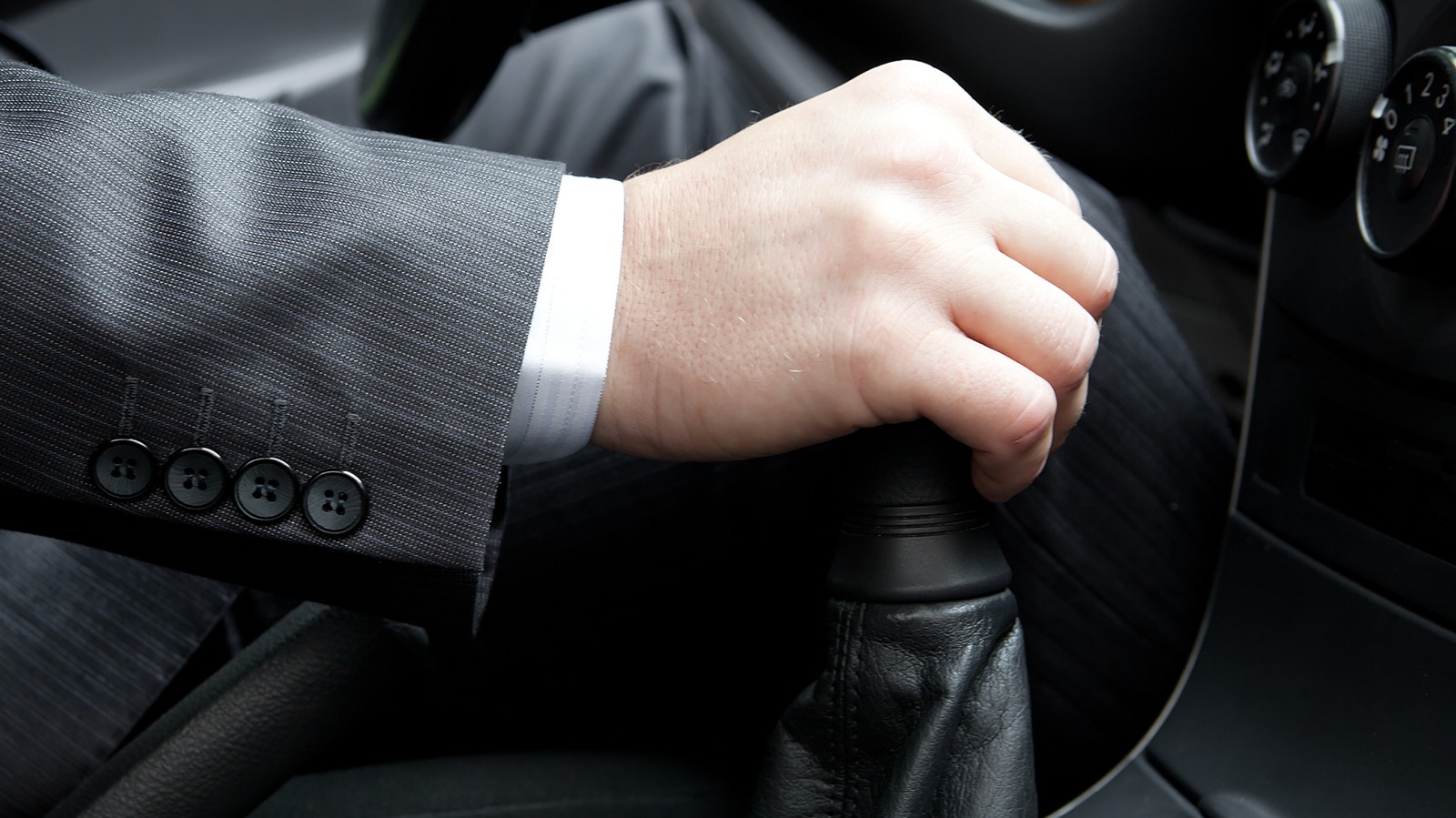
4. Resting your hand on a manual gear shifter
Many people who drive manual cars have a habit of leaving one hand on the gear shifter while driving. It may seem comfortable and harmless, especially during a long journey, but that small habit can gradually cause problems inside the transmission.
A manual gearbox uses selector forks and linkage parts to move the gears into the correct position whenever you change gears. These components are built to handle pressure during normal shifting.
They are not meant to carry constant pressure created when you rest your hand on the shifter throughout a journey. Even though your hand feels light, its weight can transfer force through the shifter and place unnecessary pressure on internal parts.
The problem is that you may not notice anything wrong immediately. Wear develops over time, so the car can continue driving normally for a long time. Eventually, however, the selector forks and related components may become worn. This can lead to loose or inaccurate gear changes and, in some cases, expensive transmission repairs.
The easiest way to avoid this problem is to stop using the gear shifter as a hand rest. Keep both hands on the steering wheel whenever you are not changing gears. It may take some time to get used to this if you have had the habit for years.
However, making that simple change can reduce unnecessary pressure on the transmission and help keep the gearbox working properly for longer. It is a small driving habit, but correcting it can save trouble later.
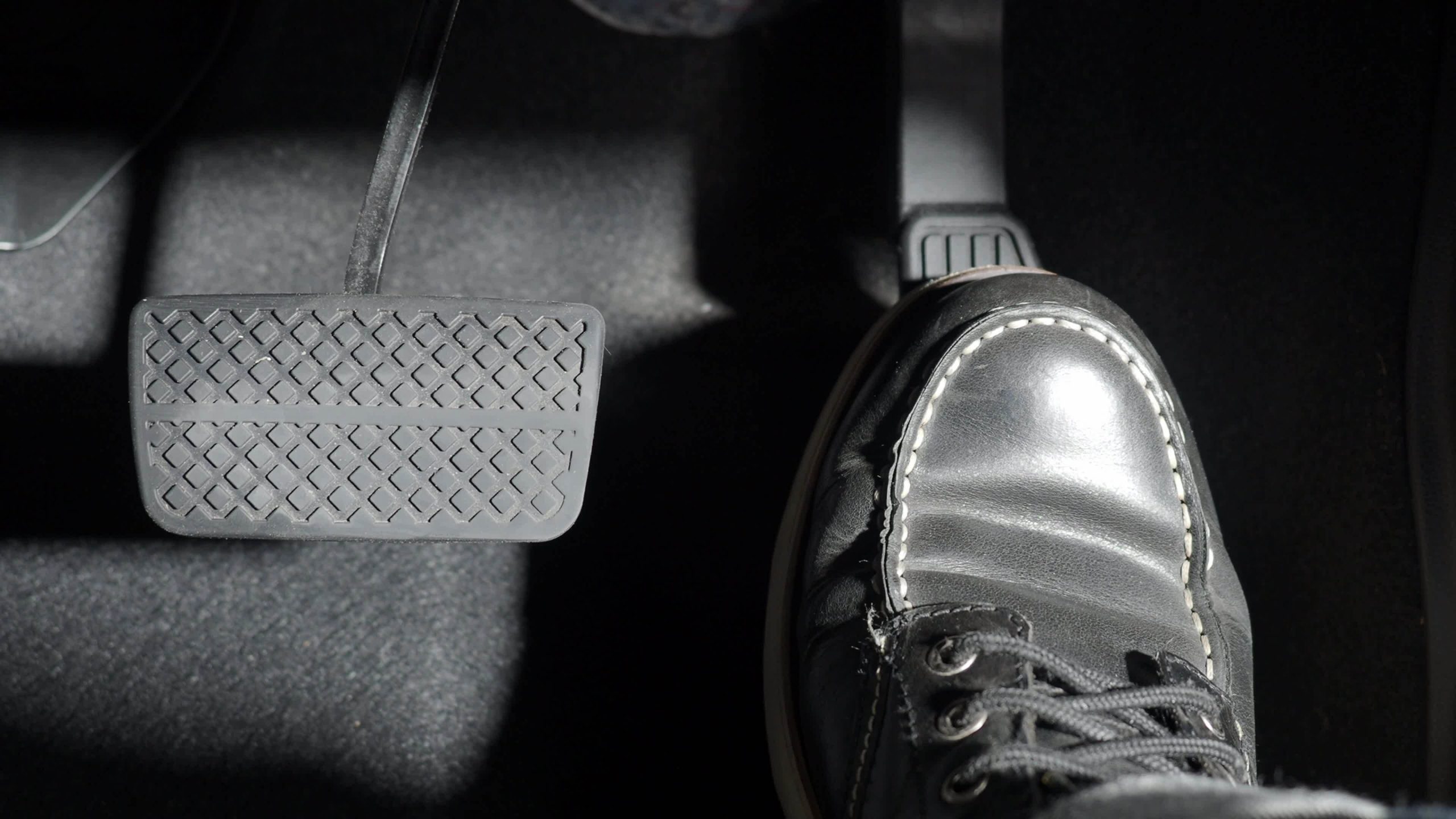
5. Riding the brakes down long hills
Long descents can feel intimidating, especially on steep mountain roads, and plenty of drivers respond by keeping steady, constant pressure on the brake pedal the entire way down. It feels like the cautious choice. Mechanically, though, this habit creates a genuinely serious problem that catches many drivers off guard.
Constant brake pressure generates continuous friction between your pads and rotors, and that friction produces heat- lots of it, building up faster than your brakes can effectively dissipate during a sustained downhill stretch.
This accelerates wear on both pads and rotors considerably faster than normal stop-and-go driving would. Push it far enough, and you risk something called brake fade, where your brakes gradually lose stopping power precisely when you need them most.
Experienced mountain drivers often use engine braking to manage long downhill stretches. By shifting into a lower gear, the engine helps slow the vehicle, reducing the amount of pressure and work placed on the brakes during the descent. This can help limit brake heat buildup and maintain more consistent braking performance.
This technique works in both manual and automatic vehicles, though the specific method for engaging it varies depending on your transmission type. Rather than riding the brake pedal continuously, try applying firm, controlled pressure in shorter bursts when needed, allowing brief recovery periods between applications.
Combined with engine braking where appropriate and safe for road conditions, this approach dramatically reduces heat buildup, protecting your braking system’s performance and longevity for the drives that actually matter.
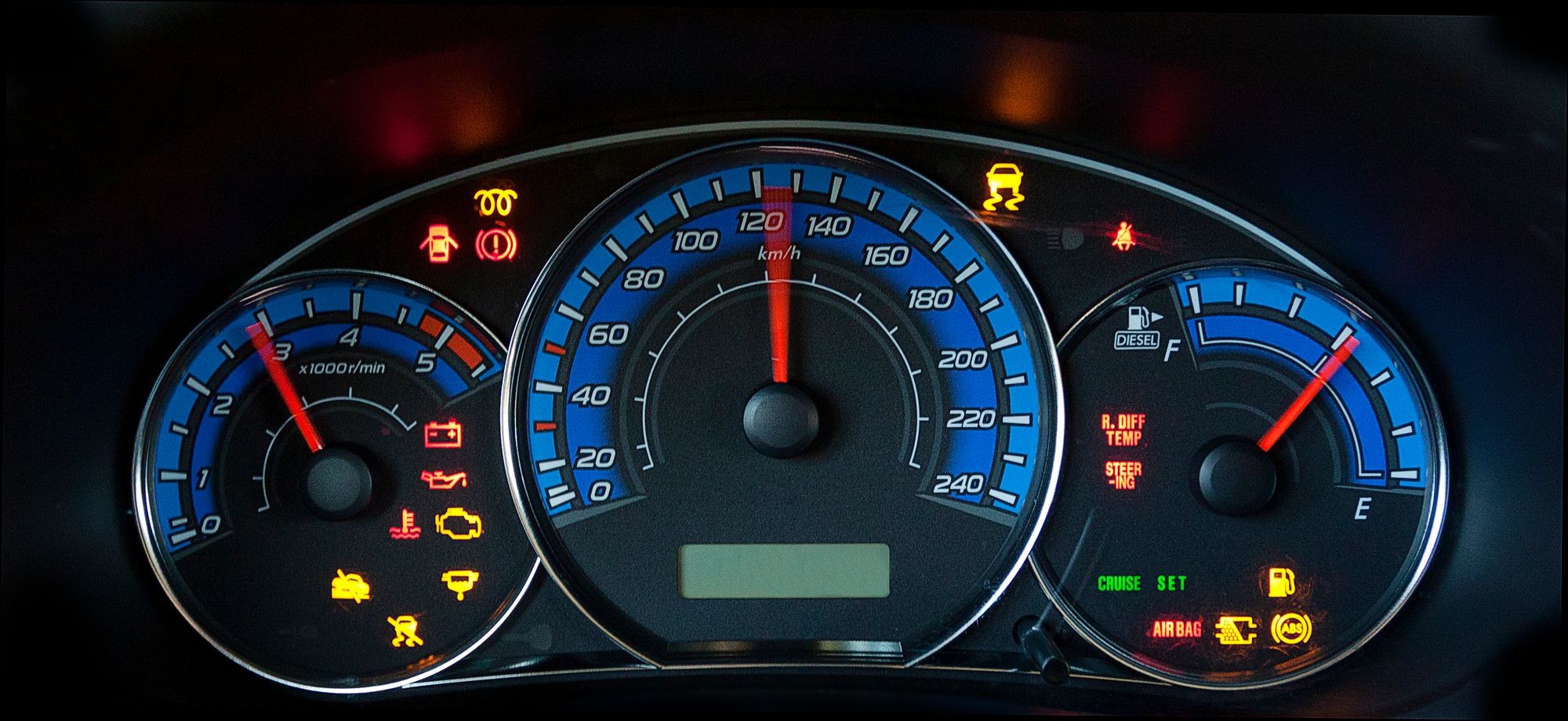
6. Ignoring dashboard warning lights, unusual noises or vibrations
Your car talks to you constantly, through dashboard lights, unusual sounds, and vibrations that weren’t there last week. The question is whether you’re actually listening. Too many drivers develop a habit of tuning these signals out, hoping whatever’s happening will simply resolve itself.
It rarely does. That small vibration you’ve been ignoring for three weeks might indicate a wheel balance issue that’s slowly damaging your suspension components. That subtle grinding noise during braking could mean your pads wore down completely and metal is now grinding against metal, turning what should have been a routine pad replacement into a full rotor replacement instead.
Warning lights exist specifically because your vehicle’s computer systems detected something worth flagging. Some issues are minor and can wait a few days for a service appointment. Others indicate genuinely urgent problems that could leave you stranded or cause expensive collateral damage if you keep driving without addressing them.
A practical rule is to pay attention whenever your vehicle feels, sounds, or looks unusual. Instead of dismissing these changes as harmless, treat them as warning signs worth checking before a small issue develops into a much bigger problem.
A quick trip to a trusted mechanic to diagnose an unfamiliar sound often costs far less than the repair bill that shows up after months of continued driving on an unresolved problem.
Trust your instincts here. If something feels off about your car, it probably is, and addressing it early almost always saves you money compared to waiting until the problem forces itself into an emergency.
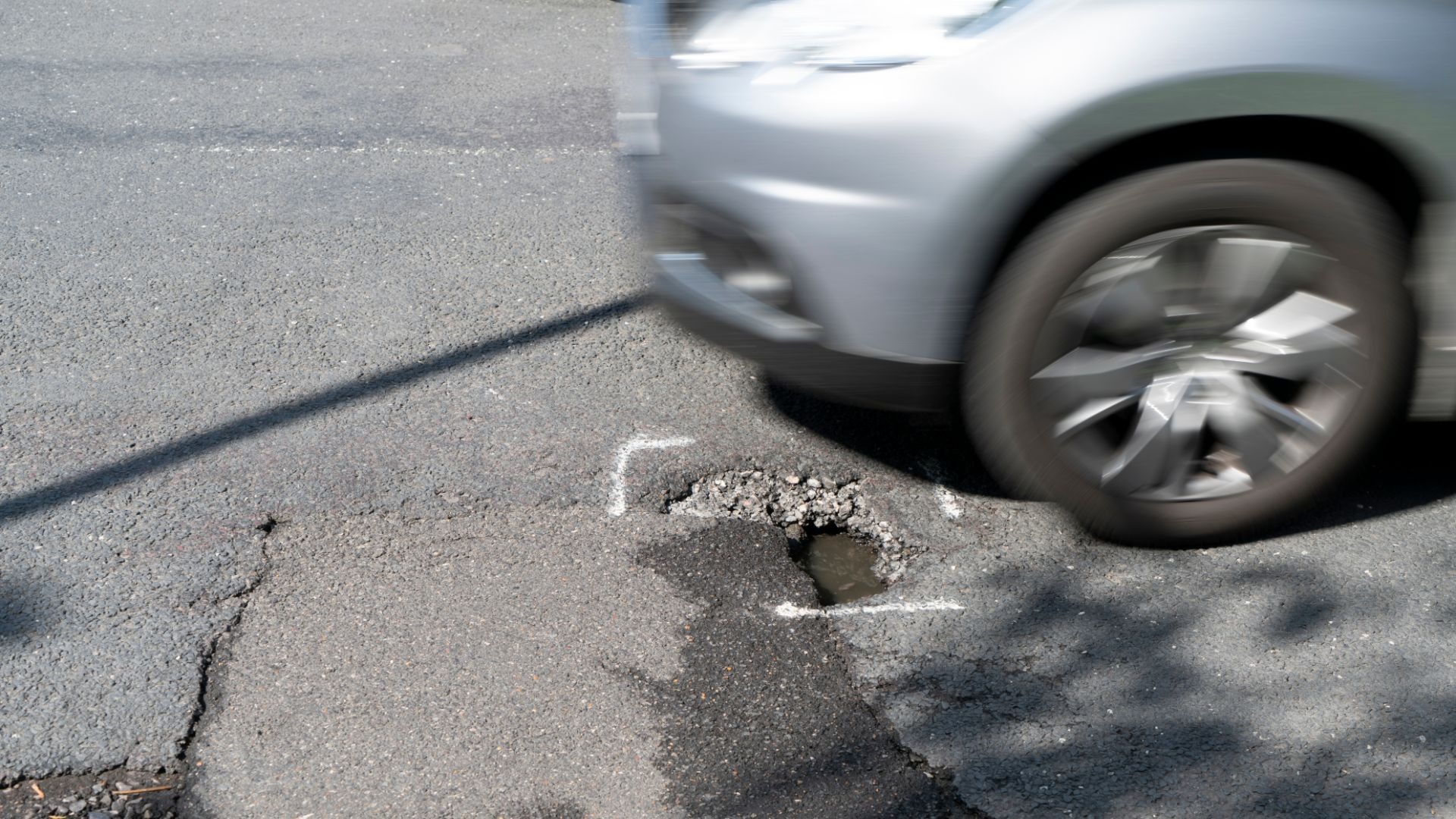
7. Hitting potholes and speed bumps at high speed
Few driving jolts are as unmistakable as the harsh impact that comes from hitting an unexpected pothole or taking a speed bump too quickly. The sudden shock can send vibrations through the entire vehicle and put significant stress on the suspension, wheels, and tires.
Beyond the immediate discomfort, these impacts inflict genuine mechanical damage on several expensive components hidden beneath your vehicle.
Tires and wheels absorb the initial shock, and repeated hard impacts can cause sidewall damage, bent rims, or internal tire structure problems that aren’t always visible from the outside.
Beyond that first line of contact, your shocks, struts, steering components, and suspension bushings all take on additional stress with every hard hit, gradually wearing down parts that are genuinely costly to replace once they fail.
Alignment problems often trace directly back to this exact habit. Hitting a pothole hard, particularly when your suspension is already compressed under braking or cornering, can knock your wheels out of proper alignment almost instantly.
You might not notice immediately, but you’ll eventually see uneven tire wear or your vehicle pulling slightly to one side during normal driving. The fix requires nothing more than slowing down and paying attention to road surfaces ahead of you.
Speed bumps exist for a reason, and creeping over them at a reasonable pace rather than maintaining your cruising speed protects your suspension considerably. For unexpected potholes, easing off the accelerator when you spot rough pavement ahead gives your suspension a fighting chance to absorb impact more gently instead of taking a full-force hit.
8. Neglecting tire pressure
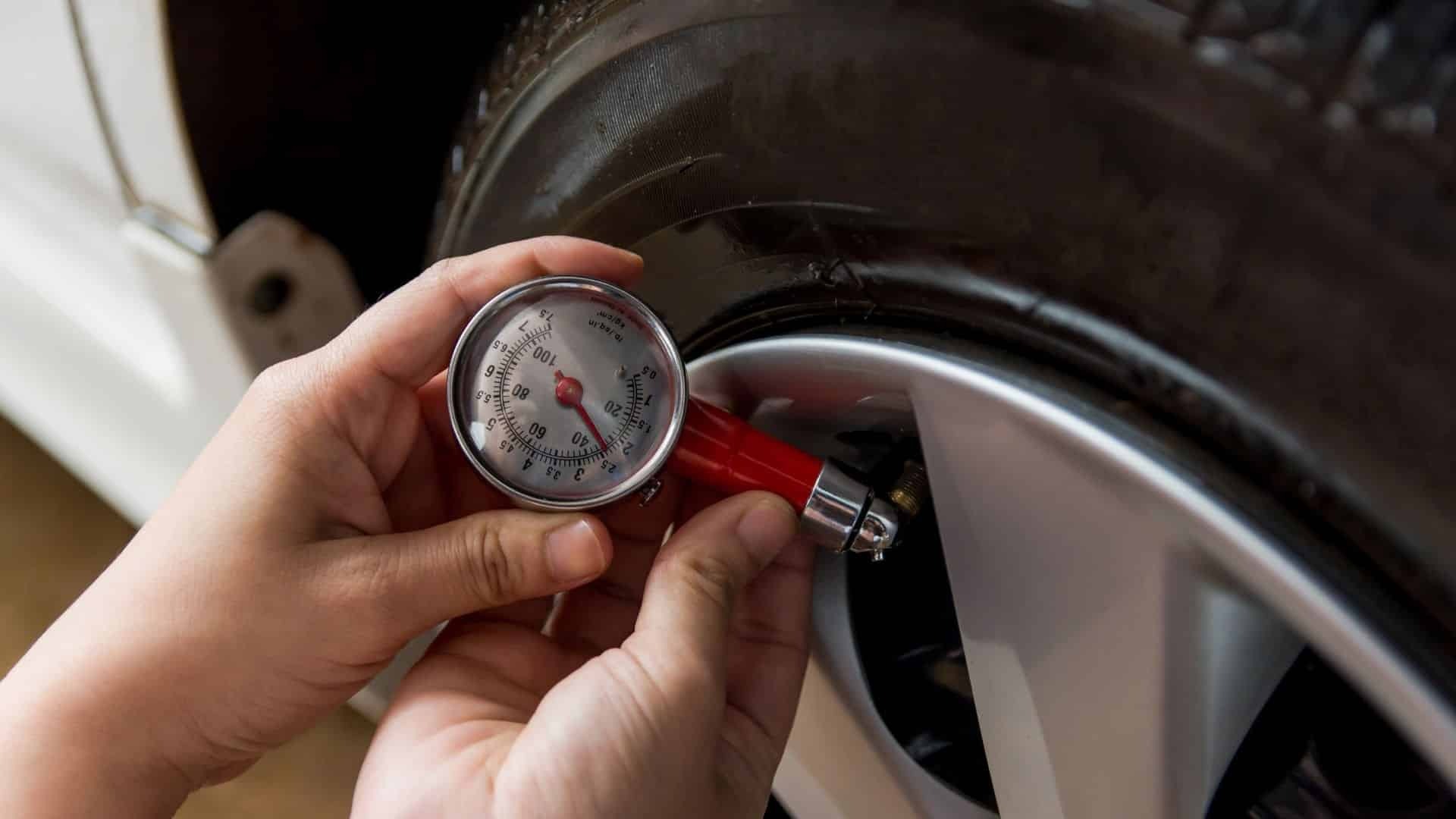
Tire pressure feels like one of those minor details easy to forget about entirely, right up until it becomes a genuinely expensive problem. Driving regularly on underinflated tires creates a cascade of issues that many drivers don’t connect back to this single, easily preventable cause.
When tire pressure drops below manufacturer recommendations, more of the tire’s surface makes contact with the road than intended. That extra contact increases rolling resistance, forcing your engine to work harder just to maintain normal speeds, which directly hurts your fuel economy in ways you might not immediately notice at the pump.
Heat buildup presents an even bigger concern, though. Underinflated tires flex more than they should while rolling, and that additional flexing generates internal heat that properly inflated tires simply don’t experience to the same degree.
Sustained heat buildup can accelerate tread wear unevenly across the tire’s surface and, in more serious cases, contribute to internal tire damage that isn’t visible from a casual glance.
The solution genuinely takes less than five minutes. Check your tire pressure regularly, ideally at least once a month, using a reliable gauge rather than guessing based on how the tires look. Your vehicle manufacturer’s recommended pressure, typically found on a sticker inside your driver’s door frame, reflects careful engineering specific to your exact vehicle.
Maintaining that number consistently protects your tires, improves fuel efficiency, and helps you avoid the kind of premature tire replacement that catches unprepared drivers off guard.
9. Consistently carrying excessive weight
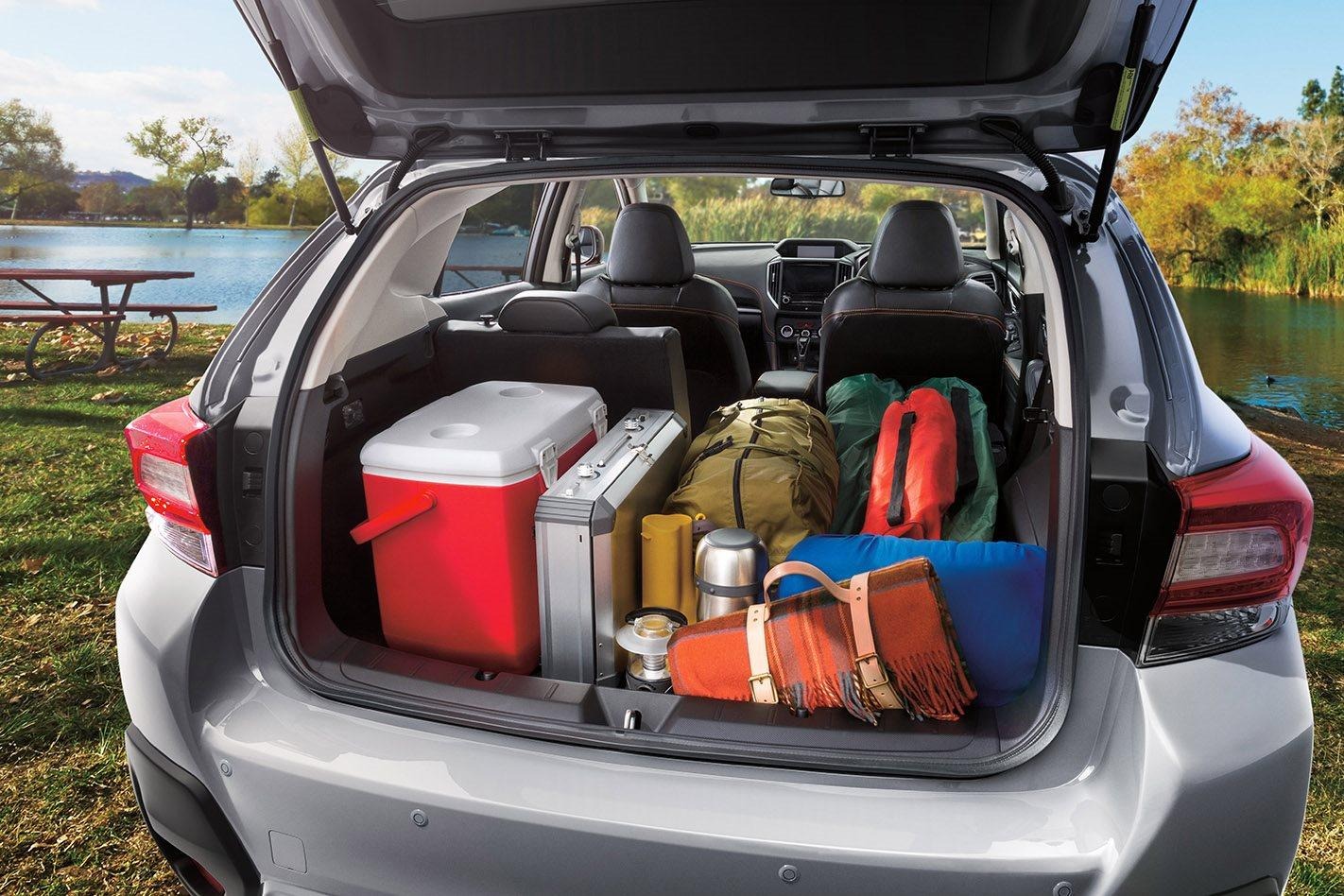
Cars are built to carry an amount of weight, and regularly exceeding that limit can cause problems that may not appear immediately. A pickup carrying too much cargo or a trunk filled with things you rarely use can place extra strain on parts that were designed for lighter loads.
Your tires take a lot of that pressure because heavier loads increase the force placed on the road surface. This can speed up tire wear and raise the chance of a blowout. The suspension also has to work harder whenever you drive over bumps, potholes, or uneven surfaces. Springs, shocks, and struts may wear out sooner when they are constantly carrying extra weight.
The braking system has more work to do when the vehicle is heavily loaded. Extra weight means the brakes must work harder to slow the car, which can wear down pads and rotors faster. The engine and transmission also need more effort to move the added mass, putting extra strain on several mechanical parts.
Carrying unnecessary weight can also increase fuel use and make the vehicle feel less responsive during steering or braking. It is worth checking your owner’s manual to learn the maximum weight your vehicle can safely carry. Make a habit of removing things you do not need from the trunk or truck bed.
Tools, sports equipment, bags, and other forgotten items may seem harmless, but removing them can reduce stress on your tires, suspension, brakes, engine, and transmission while helping your vehicle operate more efficiently.
10. Letting the engine idle for long periods to warm it up
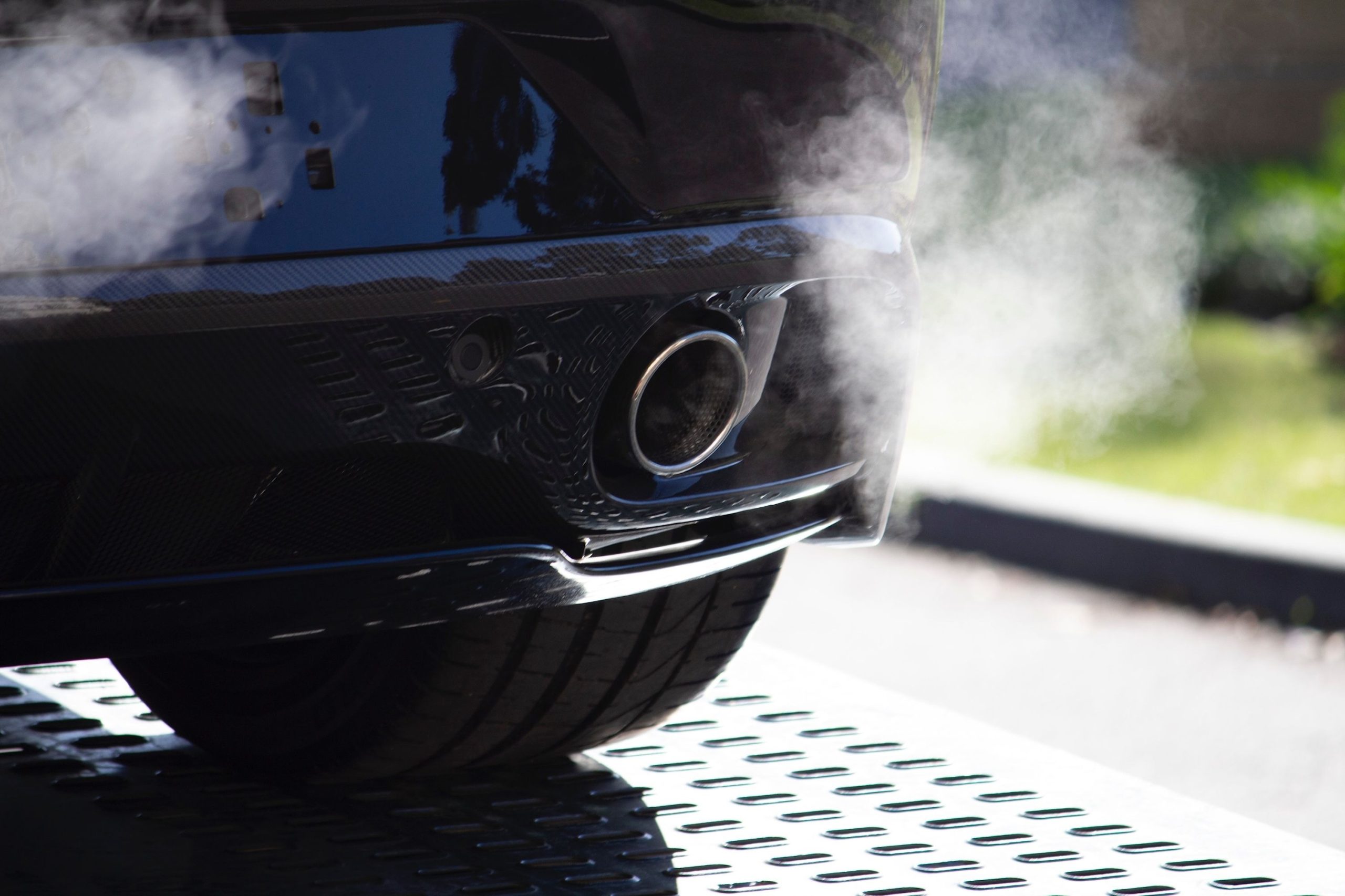
Old habits die hard, and the tradition of letting your car idle for several minutes before driving falls squarely into that category. Plenty of drivers still do this religiously, believing they’re protecting their engine.
Modern vehicles, though, simply don’t need this extended warm-up period the way older engines once did. Today’s fuel-injected engines are engineered to reach proper operating temperature more efficiently through actual driving rather than sitting stationary in a driveway.
Gentle driving circulates fluids throughout the engine more effectively than idling does, meaning you’ll often reach optimal operating temperature faster by easing onto the road than by waiting it out with the car in park.
Extended idling carries its own downsides too. Beyond simply wasting fuel for no genuine mechanical benefit, prolonged idling can actually contribute to unnecessary engine wear as time goes on, particularly in certain engine designs where extended idle periods don’t provide adequate lubrication compared to normal driving conditions.
The better approach involves starting your car, allowing perhaps thirty seconds for oil to begin circulating properly, then pulling out and driving gently for the first several minutes. This gets your engine to proper operating temperature efficiently while avoiding the fuel waste and potential wear associated with lengthy idling sessions.
Breaking this habit might feel unusual if you’ve been idling for years out of routine, but your engine and your fuel budget will both benefit from the change.
11. Riding the clutch pedal in a manual car
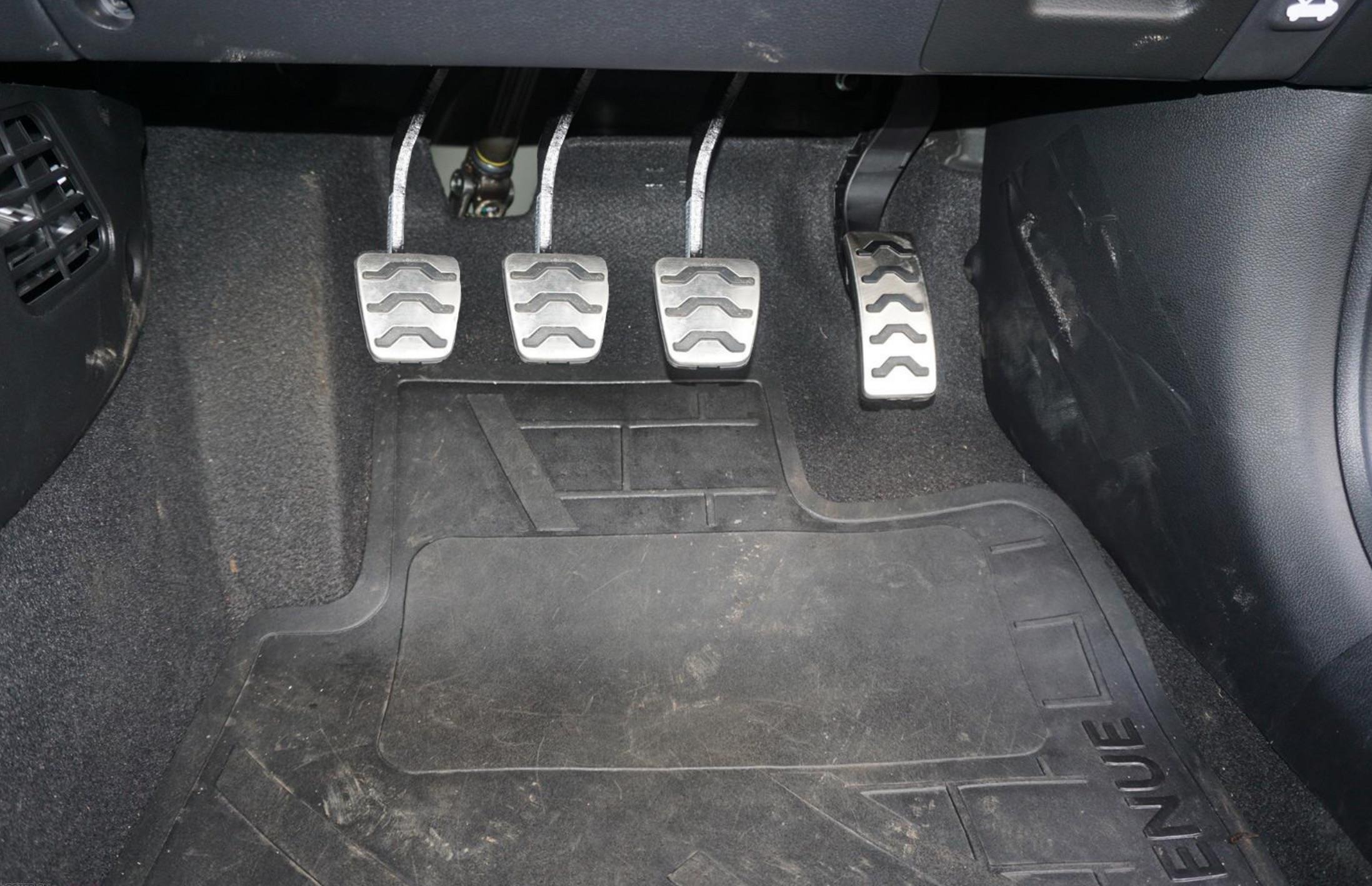
Manual transmission drivers develop all kinds of habits over years behind the wheel, and one particularly damaging one involves keeping a foot lightly resting on the clutch pedal, whether stopped at a light or cruising along at speed.
This partial engagement feels harmless in the moment but creates genuine wear over repeated instances. When your foot rests partially on the clutch pedal, you’re preventing full engagement between the clutch plate and flywheel.
This partial engagement generates friction and heat exactly where you don’t want it, gradually wearing down the clutch assembly faster than normal operation would ever require.
Components designed to last well over 100,000 miles under proper use can wear out considerably sooner when subjected to this kind of habitual partial engagement.
Stop-and-go traffic tends to be where this habit shows up most often, since drivers frequently keep a foot hovering near or lightly touching the clutch while anticipating the next gear change or stop.
Extended traffic jams make this particularly damaging, since that light pressure gets sustained over considerably longer periods than a typical gear change requires.
The better habit involves shifting into neutral and fully releasing the clutch pedal whenever you’re stopped for more than a few seconds, whether at a traffic light or sitting in stalled traffic.
This eliminates unnecessary friction during those stationary periods. Retraining yourself to keep your foot off the clutch except during actual gear changes protects one of the more expensive components to replace in any manual transmission vehicle.