
Most drivers assume their car sips less fuel on the highway than it does crawling through town. That’s true for gas engines, but electric and hybrid vehicles often flip the script entirely. According to EPA data, several 2026 models actually deliver stronger efficiency in stop and go traffic than they do cruising at highway speeds.
Regenerative braking is the secret sauce here, turning every red light and every slowdown into a small recharge opportunity. Below, we’re breaking down the ten vehicles with the biggest split between their city and highway MPGe ratings, starting with the Toyota that tops the chart by a wide margin. Buckle up, these numbers might change how you think about your next commute.
1. 2026 Toyota bZ (200 Ah)
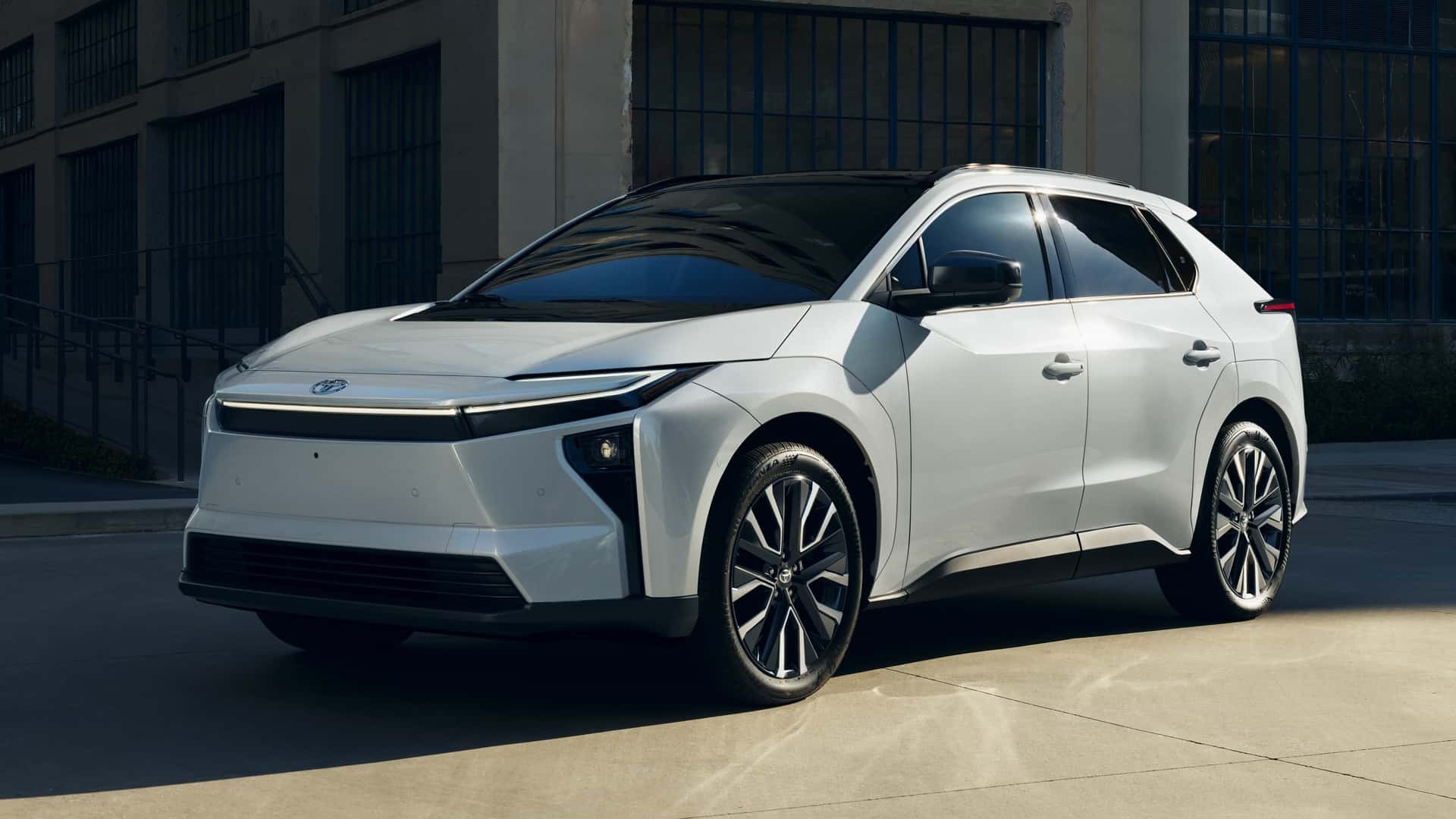
The 2026 Toyota bZ (200 Ah) takes the top spot on this list with a 27-MPGe gap. Its EPA ratings are 144 MPGe in city driving and 117 MPGe on the highway, producing a combined rating of 130 MPGe.
Those figures show just how differently an electric vehicle can perform under city and highway test conditions. At first glance, the city number may seem unusually high compared with the highway figure.
There is a practical reason for that. City driving involves more braking and acceleration, giving an electric powertrain more opportunities to recover energy through regenerative braking.
Highway travel is steadier, but higher speeds demand more energy because aerodynamic resistance rises quickly as speed increases. The bZ is a battery-electric SUV with front-wheel drive, a 74.7-kWh battery, and an EPA-estimated range of 236 miles for this configuration.
For drivers who spend plenty of time in urban traffic, the 144-MPGe city rating is particularly interesting. Someone who spends most of the week moving through streets with frequent stops may experience an efficiency pattern that feels very different from a long highway trip.
The 27-MPGe spread also makes the bZ the clearest example here of why city and highway efficiency should be considered separately rather than relying only on the combined figure.
2. 2026 Tesla Model Y Standard RWD (19-inch Wheels)
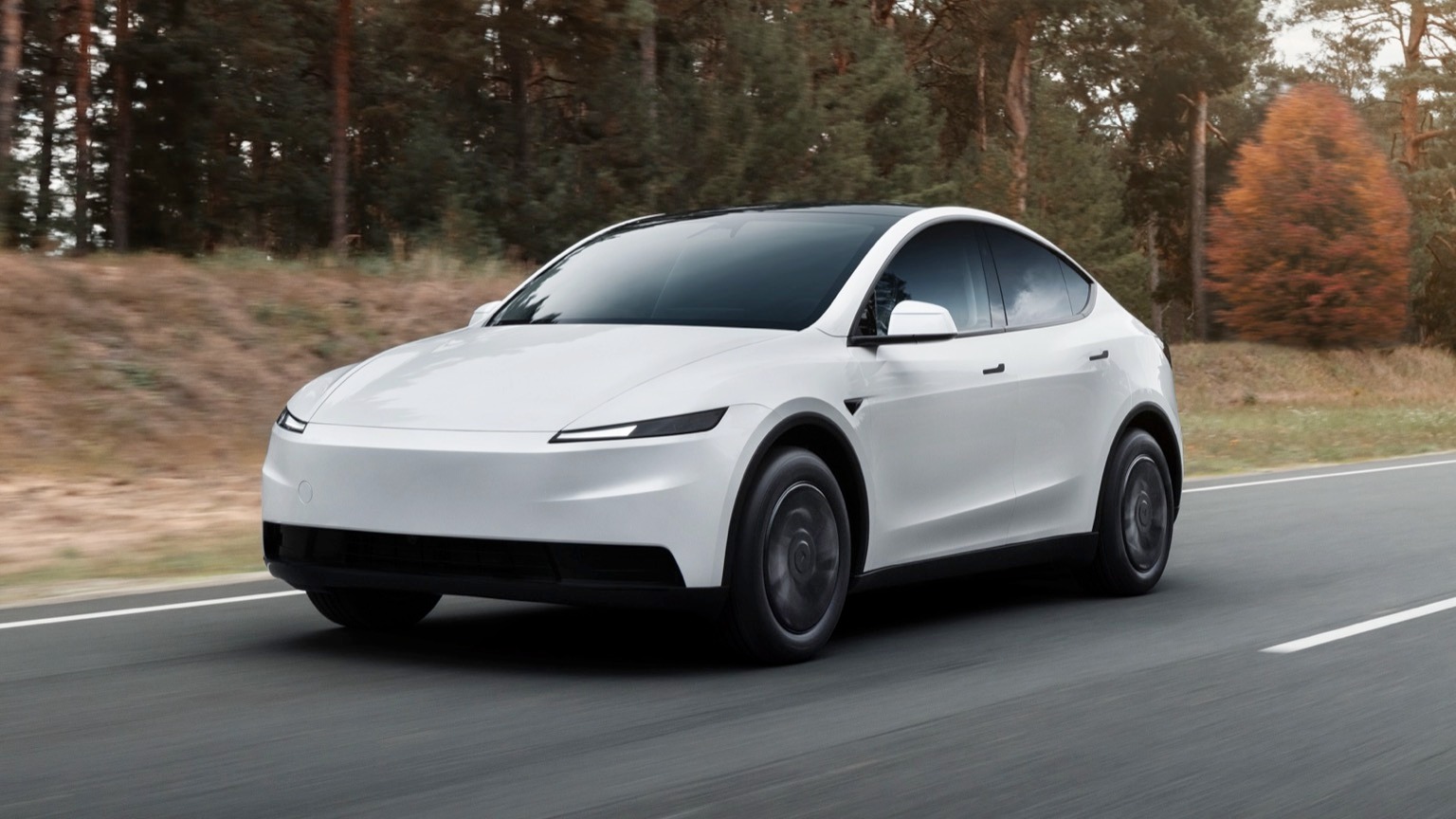
A 22-MPGe difference puts the 2026 Tesla Model Y Standard RWD with 19-inch wheels near the top of the list. The EPA figures are 142 MPGe in the city and 120 MPGe on the highway, with a combined rating of 131 MPGe.
What makes this version especially interesting is the relationship between its wheel size and efficiency. The 19-inch setup records a lower highway figure than the 18-inch version discussed later, even though both use the same basic Model Y formula.
Wheels and tires can affect energy consumption because they influence rolling resistance, weight, and airflow around the vehicle. The Model Y is also shaped like an SUV, which means its body has to push more air than a lower sedan body.
That matters more at highway speeds. Once the vehicle is moving quickly, aerodynamic drag becomes a major energy demand, so the difference between urban and highway efficiency can become easier to see.
In city conditions, regenerative braking can help recover some energy that would otherwise be lost during deceleration. Highway driving offers fewer such opportunities because the vehicle tends to maintain a steadier speed.
The result is a 22-MPGe spread. It does not mean the Model Y suddenly becomes inefficient on the highway. A 120-MPGe highway rating is still extremely high for a production vehicle, but the city figure shows how strongly its electric drivetrain benefits from lower-speed driving and frequent regeneration.
3. 2026 Subaru Uncharted
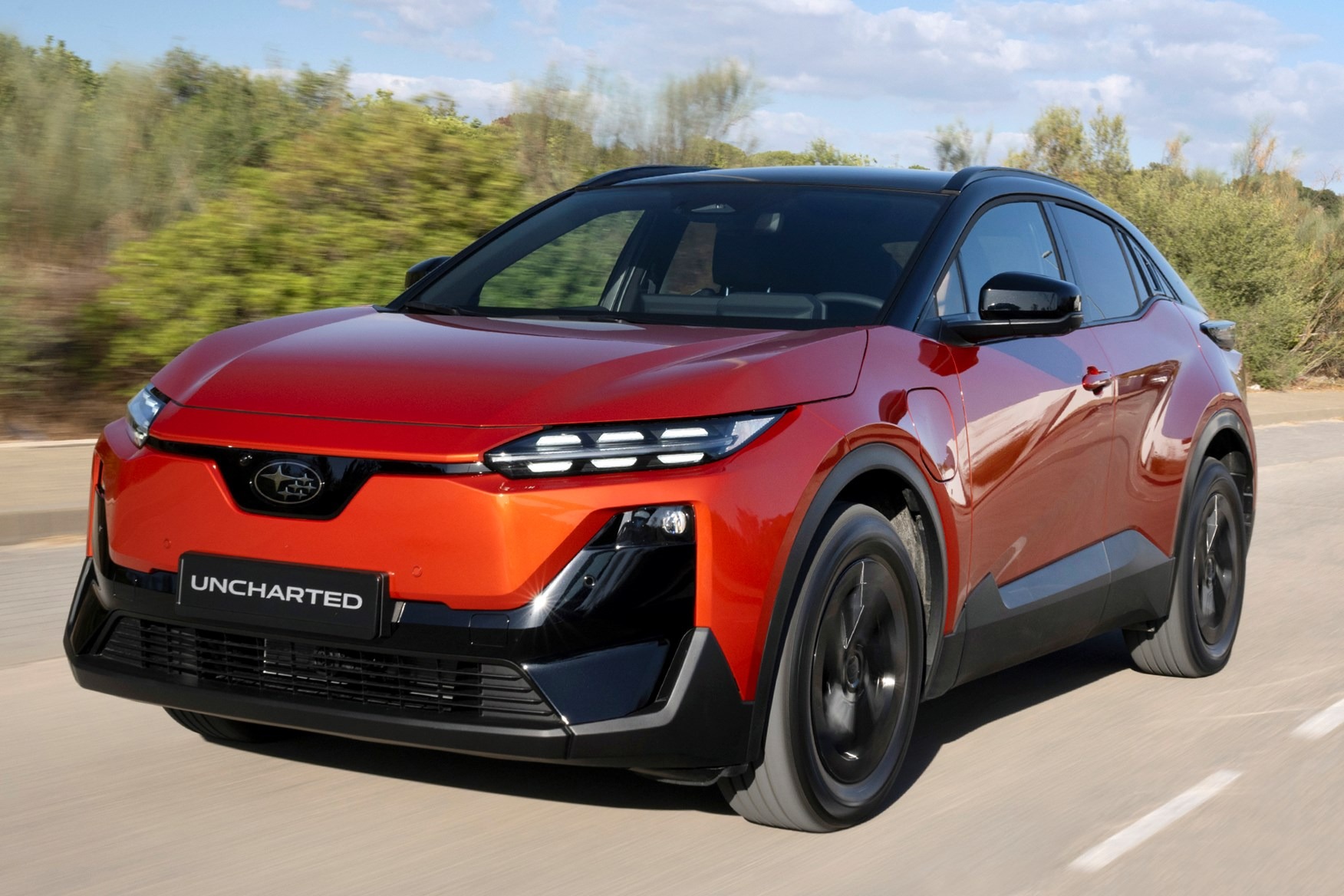
Subaru enters the electric space with the Uncharted, and its numbers tell a story of 140 MPGe in the city against 118 MPGe on the highway, landing it at a 22 MPGe spread.
This model brings something a bit different to the table since Subaru has spent decades building a reputation on All Wheel Drive systems designed for rough weather and uneven ground rather than outright efficiency chasing.
That heritage shows up in these figures. All Wheel Drive systems typically carry a weight and mechanical penalty compared to single-motor rear-drive setups, yet the Uncharted still manages competitive city numbers thanks to aggressive regenerative braking tuning.
The trade-off becomes more apparent during extended highway driving. Maintaining higher speeds requires continuous power from two motors rather than one, which increases energy consumption over longer distances. That added demand can gradually reduce efficiency as the miles accumulate.
Families cross-shopping this vehicle against traditional gas-powered Subaru models will notice something refreshing. Even at its highway rating, 118 MPGe translates to dramatically lower running costs than a comparable gas SUV averaging 28 or 30 mpg.
The gap between city and highway numbers matters for planning purposes, sure, but it shouldn’t overshadow how far ahead this vehicle sits compared to internal combustion alternatives once you look at the bigger picture of annual fuel spending.
Buyers considering long road trips through mountainous regions should pay close attention to this particular gap, since elevation changes and sustained climbing can push real-world numbers below even the official highway figure, especially with cargo loaded and All Wheel Drive engaged.
4. 2026 Tesla Model Y Long Range RWD
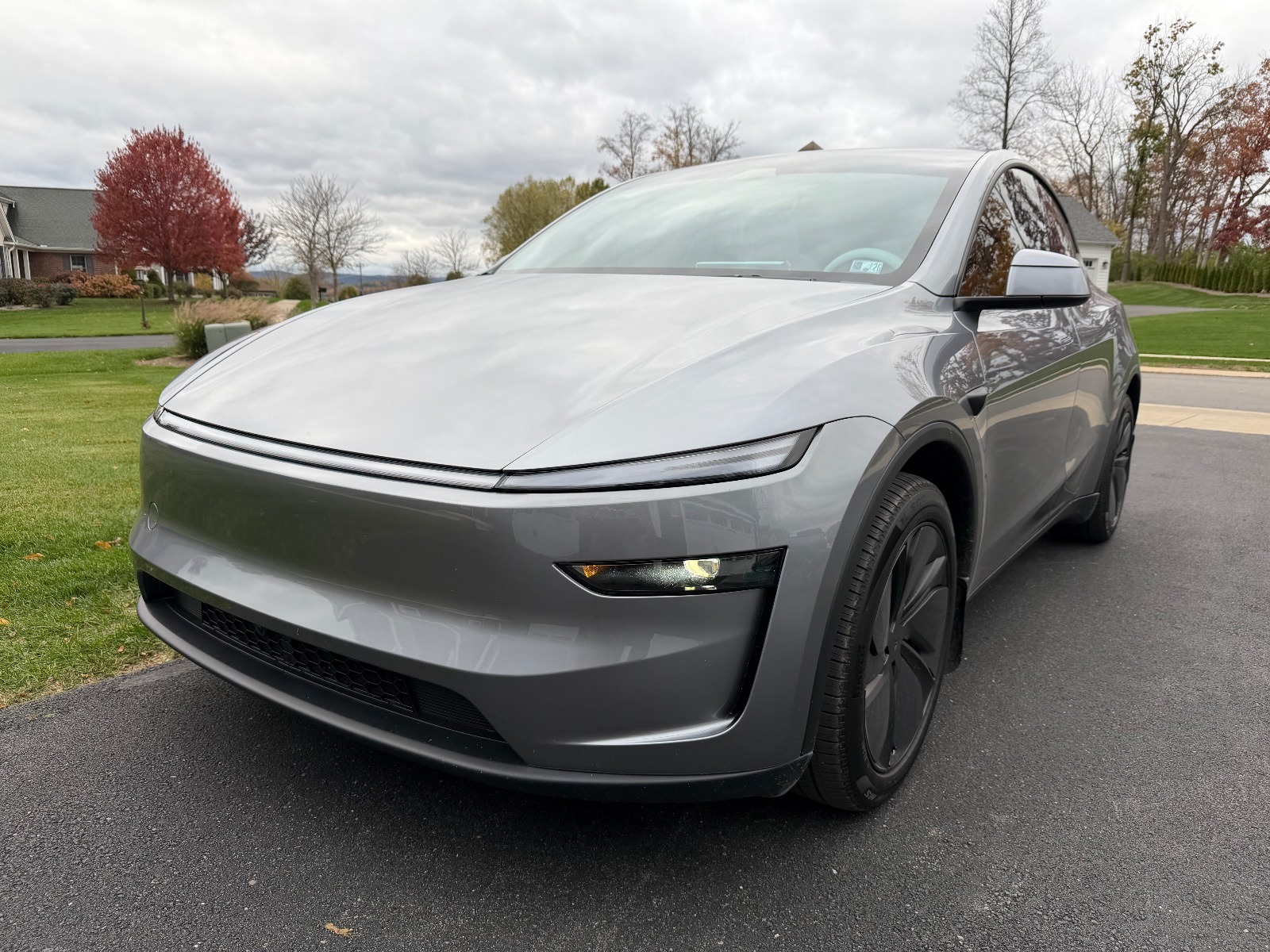
The 2026 Tesla Model Y Long Range RWD posts 144 MPGe in the city and 123 MPGe on the highway. Subtracting those figures gives a 21-MPGe difference, while its combined rating reaches 134 MPGe.
An interesting detail is that the Long Range RWD has a higher city rating than the Standard RWD with 19-inch wheels, and its highway rating is higher as well. That means the difference between its city and highway figures is slightly smaller, even though both ratings are stronger.
The Long Range RWD is designed to cover more distance between charges. The EPA rates this configuration for 357 miles of electric range, and its official energy-use figures are 23.4 kWh per 100 miles in city driving and 27.4 kWh per 100 miles on the highway.
Those energy-use numbers help explain the MPGe difference. Highway travel consumes more electricity per mile, while city driving benefits from lower speeds and regenerative braking. The vehicle is still highly efficient in both settings, but the conditions produce different results.
There is also a useful lesson for shoppers who focus heavily on range. A larger range figure does not automatically mean the city and highway ratings will be nearly identical. Battery capacity, vehicle weight, wheel and tire choices, software, and aerodynamic efficiency all play roles.
The 21-MPGe gap places this Model Y just behind the two vehicles with 22-MPGe differences. Its 134-MPGe combined rating also shows that strong city and highway efficiency can coexist with a long EPA-rated driving range.
5. 2026 Tesla Model Y Standard RWD (18-inch Wheels)
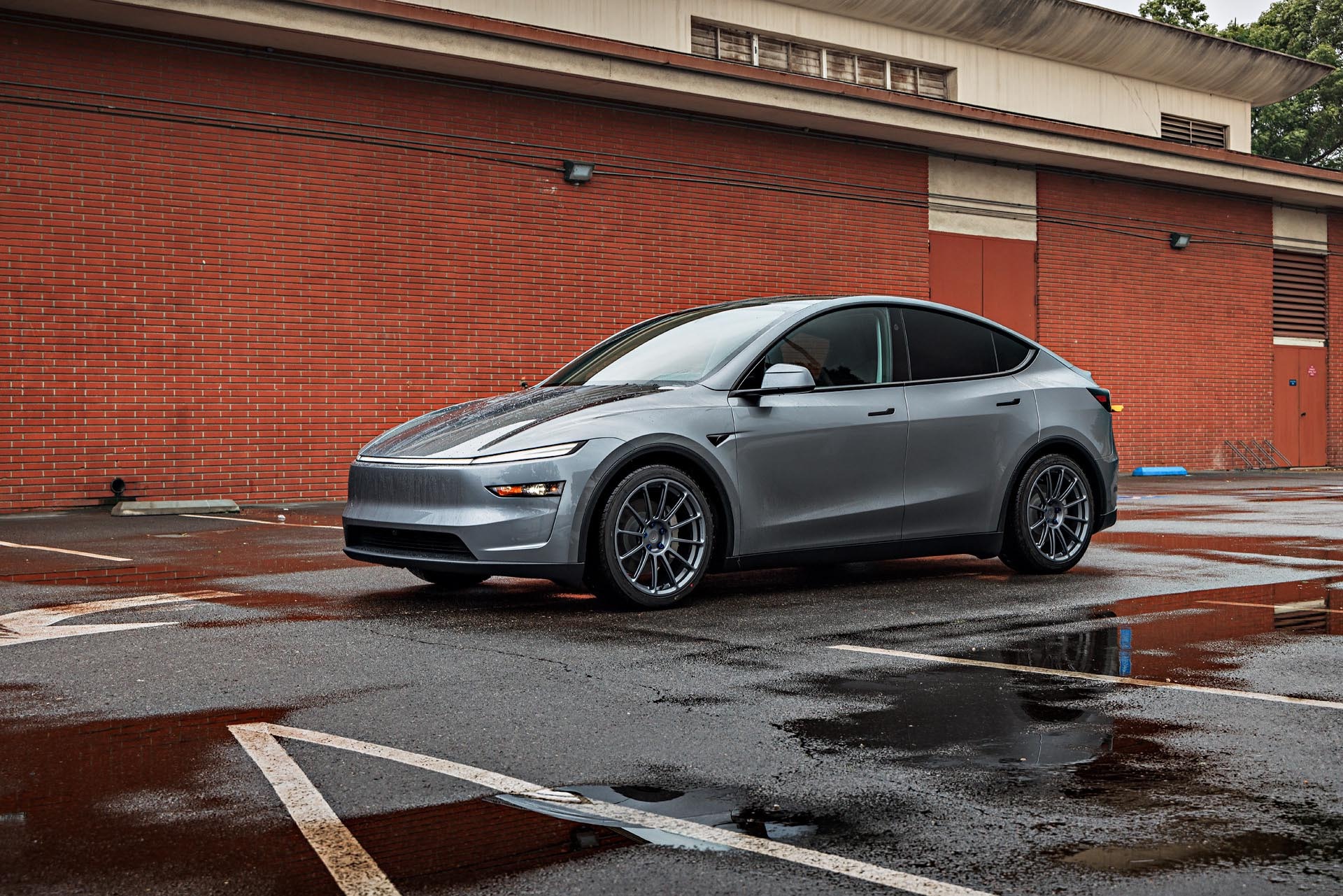
Swap those wheels, and the numbers change. The 18-inch-wheel version of the Standard RWD Model Y delivers 148 MPGe in the city and 129 MPGe on the highway, creating a 19-MPGe gap.
Its combined rating is 138 MPGe, giving this configuration a stronger efficiency showing than the 19-inch version listed earlier. Why does the smaller-wheel setup perform differently? Rolling resistance is one factor.
Tires and wheels that require less energy to keep moving can help reduce electricity use, especially across long distances. Weight can also play a role, since lighter wheel and tire assemblies require less energy during acceleration.
Aerodynamics matter, too. Wheel designs influence airflow around the vehicle, and some smaller wheel configurations are designed with efficiency in mind. These details may seem minor individually, but several small gains can add up across thousands of miles.
The EPA figures make the difference easy to see. The 18-inch version records 148 MPGe in city driving compared with 142 MPGe for the 19-inch version. On the highway, it reaches 129 MPGe versus 120 MPGe.
For buyers who prioritize fuel efficiency, the 18-inch setup is worth a closer look. Its advantage goes beyond a smaller difference between city and highway driving. Both ratings are higher than those achieved by the 19-inch configuration, giving the smaller wheels a measurable efficiency benefit.
6. 2026 Tesla Model 3 Standard RWD
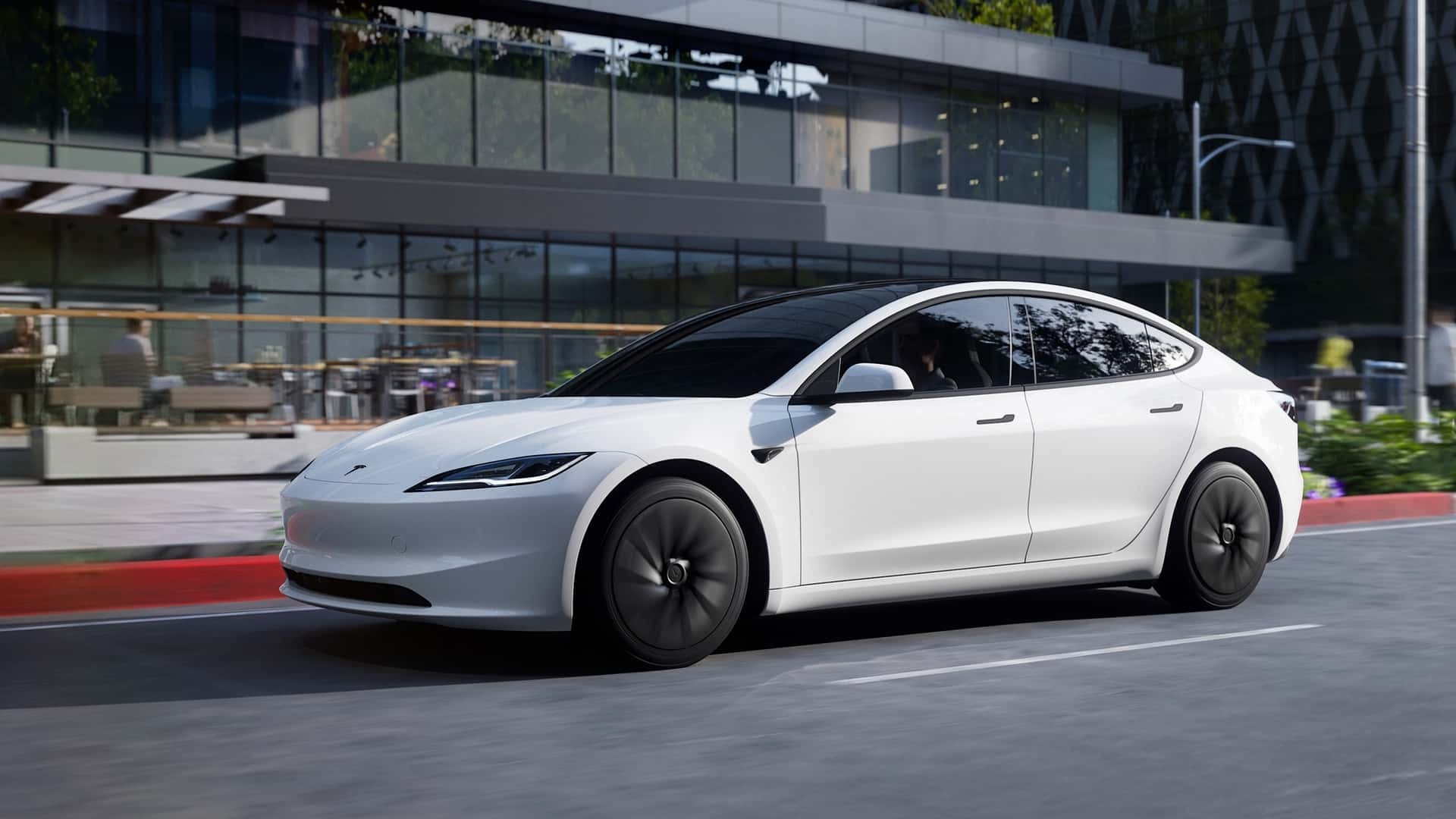
Sedans tend to slip through the air more easily than SUVs, and the numbers here prove exactly that point. This Model 3 posts 147 MPGe in the city and 130 MPGe on the highway, landing at a 17 MPGe gap that’s noticeably tighter than every SUV covered so far on this list.
Lower ride height and a more streamlined silhouette give sedans a natural aerodynamic edge once speeds climb past 60 mph. That edge doesn’t disappear the difference between city and highway efficiency entirely, but it does compress it compared to taller, boxier vehicles fighting more wind resistance at the same speed.
The Model 3’s shape was clearly engineered with efficiency as a top priority from the very beginning of its development. “Efficiency starts with shape,” goes a common saying among automotive engineers, and this trim backs that idea up with hard data straight from the EPA.
Buyers comparing this model with the taller Model Y variants discussed earlier may notice a broader trend. Electric sedans generally have smaller differences between city and highway efficiency ratings than SUVs across many automakers. Tesla’s lineup provides a clear example of that contrast, with its sedan and SUV models showing the same basic pattern.
For a driver splitting time evenly between city streets and highway commuting, this trim offers a nice middle ground. You’re not sacrificing as much efficiency once you merge onto the interstate compared to some SUV options on this list, yet you still get strong around-town numbers that beat plenty of hybrid vehicles outright.
7. 2026 Tesla Model 3 Premium RWD
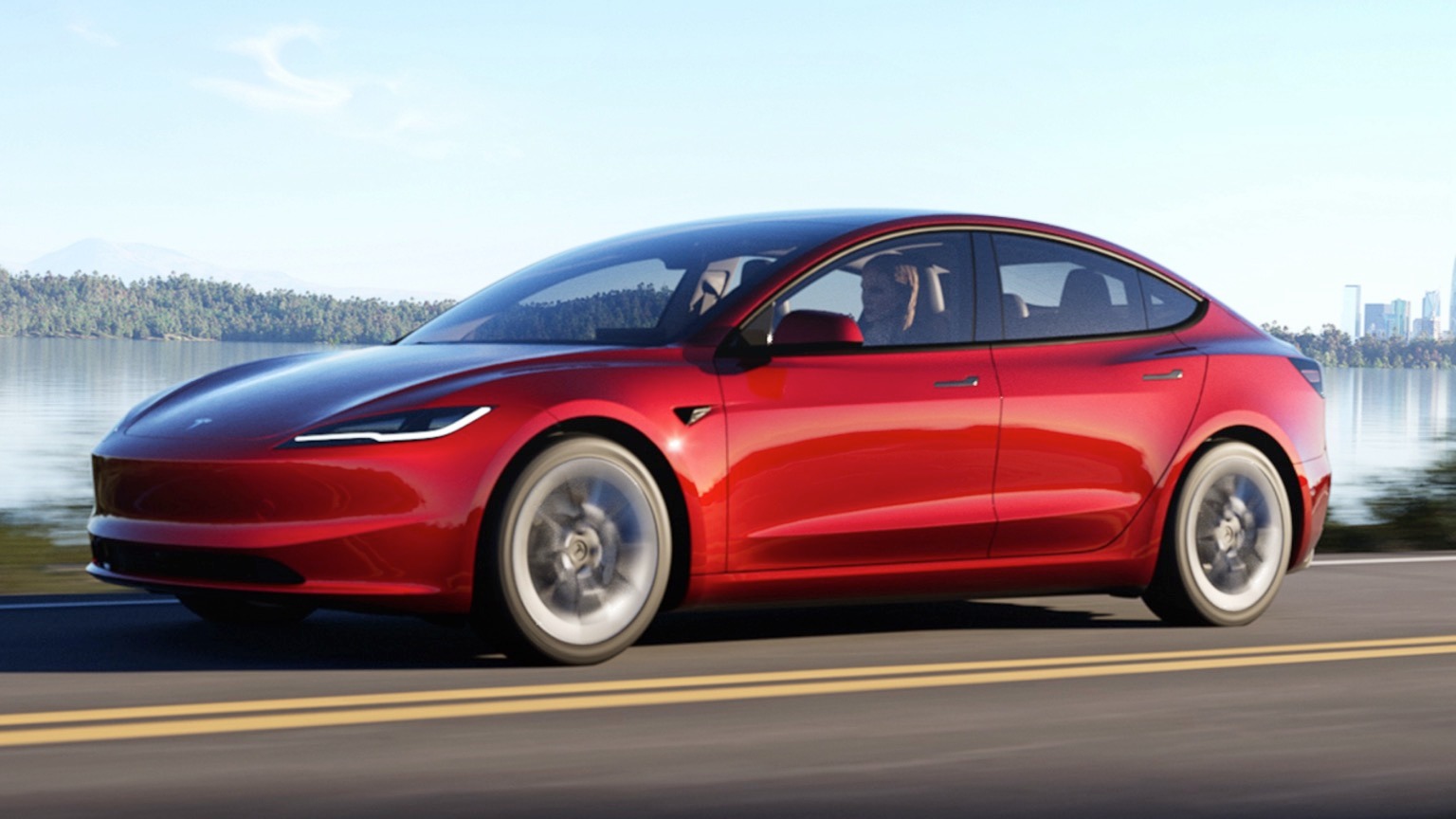
The 2026 Tesla Model 3 Premium RWD follows with 145 MPGe in the city and 128 MPGe on the highway. The resulting difference is 17 MPGe, matching the Model 3 Standard RWD above it. Its combined EPA rating is 137 MPGe.
The matching gap is interesting because the actual efficiency figures are different. The Premium RWD gives up 2 MPGe in the city and 2 MPGe on the highway compared with the Standard RWD. The result is the same 17-MPGe separation between the two test cycles.
Configuration can account for part of these differences. The 2026 Model 3 lineup includes different trims and wheel arrangements, and the EPA ratings vary accordingly. Edmunds lists the Premium RWD at 145/128/137 MPGe for city, highway, and combined driving.
For has the smallest city-to-highway difference on this list. Its EPA ratings are 136 MPGe in the city and 132 MPGe on the highway, a gap of just 4 MPGe.
Its combined rating is 134 MPGe. daily driving, the important point is that the car remains highly efficient in both environments. A 128-MPGe highway rating means the vehicle still uses relatively little energy per mile under the EPA highway test.
The city result tells a slightly different story. At 145 MPGe, the car takes advantage of conditions that favor electric propulsion, including lower average speeds and regenerative braking.
This entry also illustrates why simply comparing combined ratings can hide useful information. The combined number compresses city and highway performance into one figure. Looking at both individual ratings reveals how a vehicle responds to different driving conditions.
With a 17-MPGe gap, the Premium RWD sits comfortably among the vehicles on this list while showing a fairly balanced efficiency profile for an electric sedan.
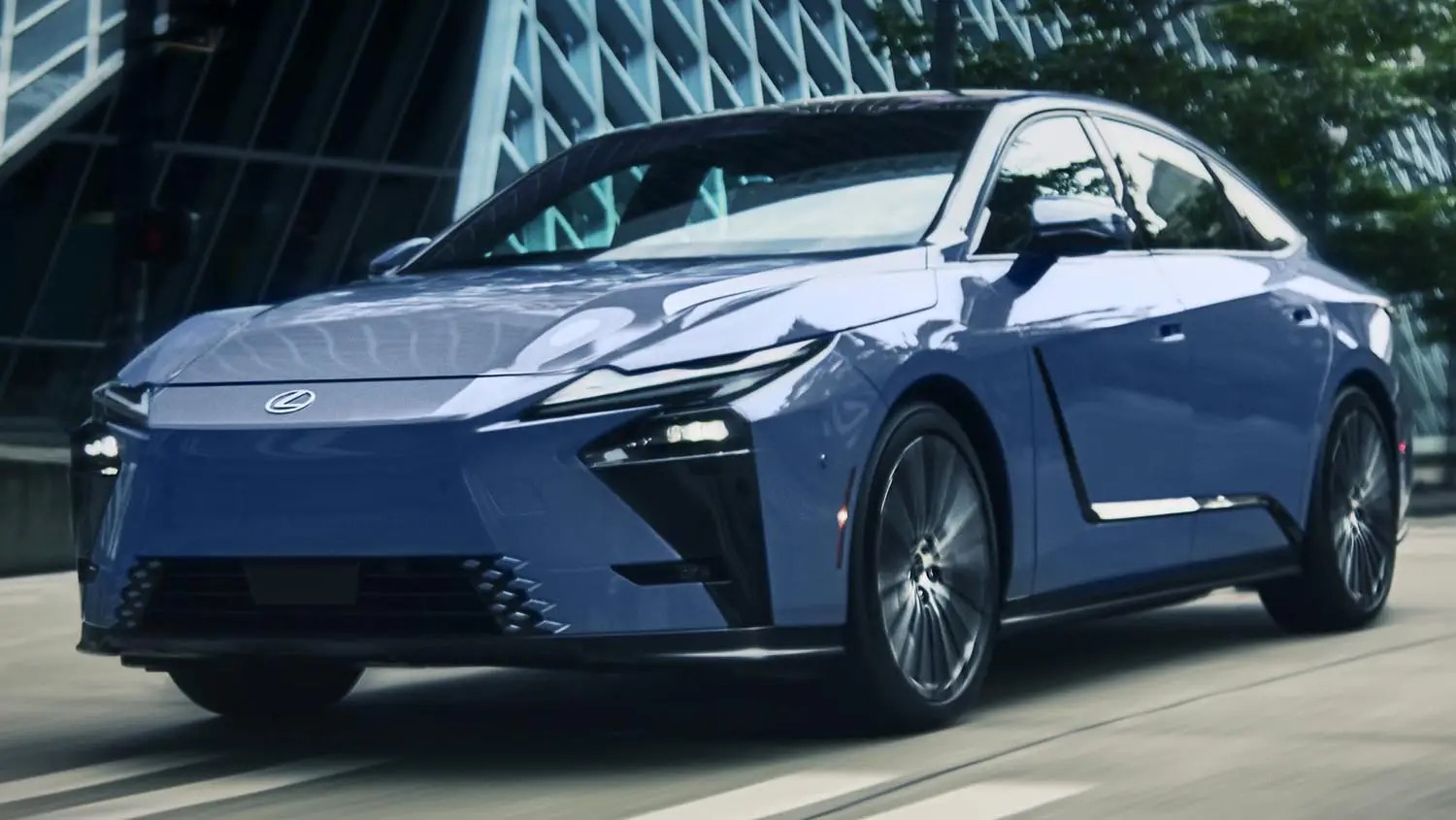
8. 2026 Lexus ES 350e
The 2026 Lexus ES 350e posts 135 MPGe in city driving and 118 MPGe on the highway. That produces a 17-MPGe gap, with a combined rating of 127 MPGe.
Here, the story takes place in a larger luxury sedan rather than a compact electric car or SUV. The ES 350e uses a 74.7-kWh battery and front-wheel drive, while its EPA-estimated electric range is 307 miles.
Its city rating is strong, yet the highway number falls by 17 MPGe. That difference follows the same basic pattern seen throughout this list. City driving gives an electric vehicle more chances to recover energy through regenerative braking, while highway driving places greater demands on the vehicle because of sustained speed and aerodynamic drag.
The ES 350e is also a useful reminder that efficiency does not have to come at the expense of a conventional luxury-car format. The model combines electric propulsion with the familiar proportions and equipment expected from a midsize luxury sedan.
One detail is especially important for shoppers to keep in mind. Lexus offers the ES in more than one electric configuration, and their efficiency ratings are not identical. The ES 500e has lower EPA ratings than the ES 350e, at 119 MPGe in the city and 108 MPGe on the highway.
That makes the exact powertrain worth checking before making a comparison. A vehicle name can cover several configurations with different energy-use results.
For the ES 350e specifically, the 135-to-118 spread shows a clear city advantage while maintaining strong efficiency during highway travel.
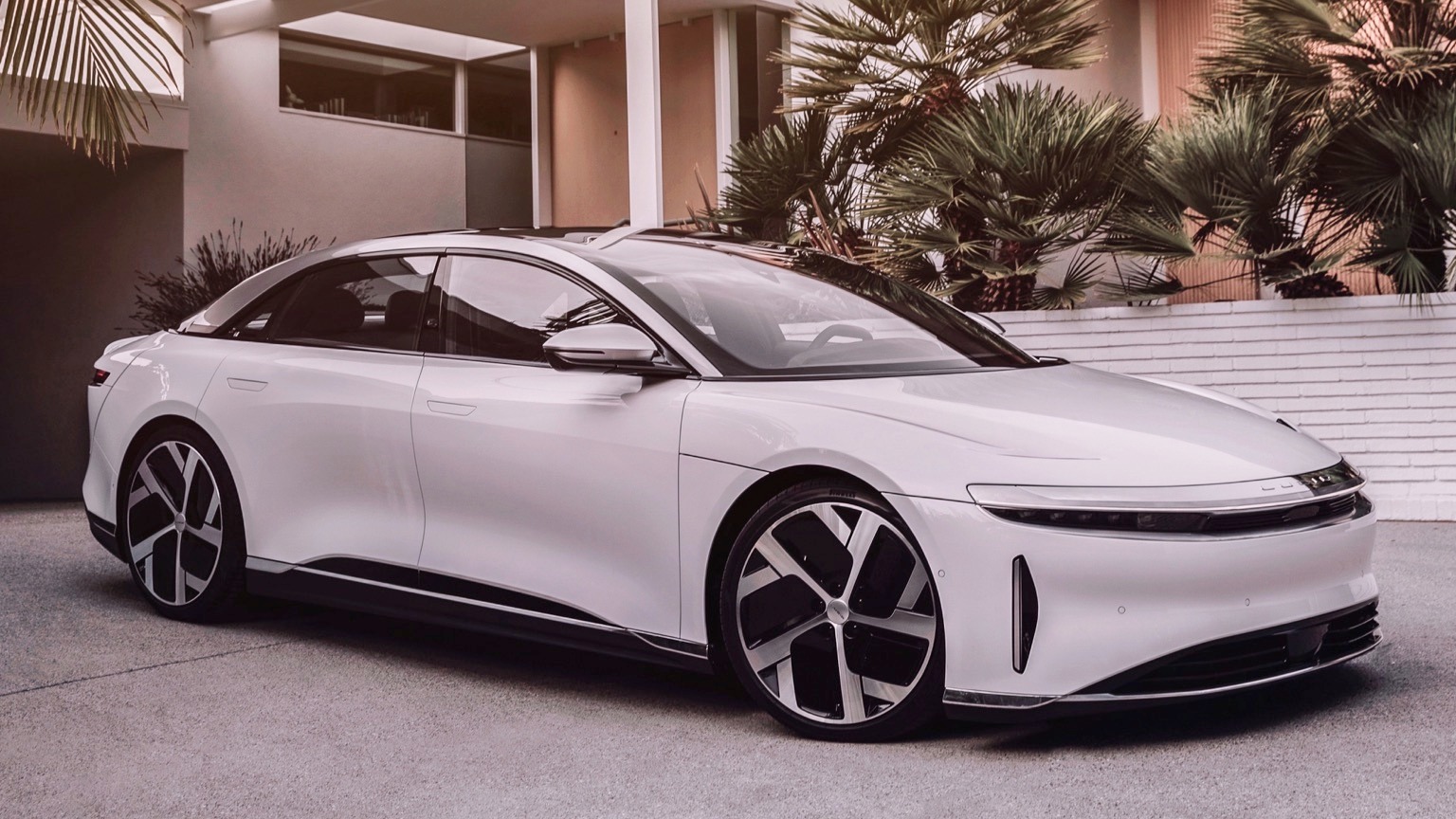
9. 2026 Lucid Air Pure RWD (19-inch Wheels)
The 2026 Lucid Air Pure RWD with 19-inch wheels records one of the smallest city-to-highway gaps on this list. Its EPA ratings are 149 MPGe in the city and 142 MPGe on the highway, creating a difference of just 7 MPGe. The combined rating is 146 MPGe.
That narrow spread shows how consistently the Air Pure performs across different driving conditions. Rather than experiencing a steep drop when moving from city streets to highway speeds, the sedan maintains strong efficiency in both test cycles.
The vehicle also has an EPA-estimated range of 420 miles in this configuration, giving it a useful combination of efficiency and long-distance capability.
Several factors can contribute to the small gap. Its streamlined sedan shape helps limit aerodynamic drag, while the electric powertrain can operate efficiently at different speeds.
The rear-wheel-drive layout and 19-inch wheels are also part of the configuration tested by the EPA. Its 149-MPGe city rating is the highest city figure among these 10 vehicles. The 142-MPGe highway figure is only seven points lower.
For drivers who regularly combine city streets and highways, the Air Pure’s figures indicate a remarkably consistent efficiency pattern.
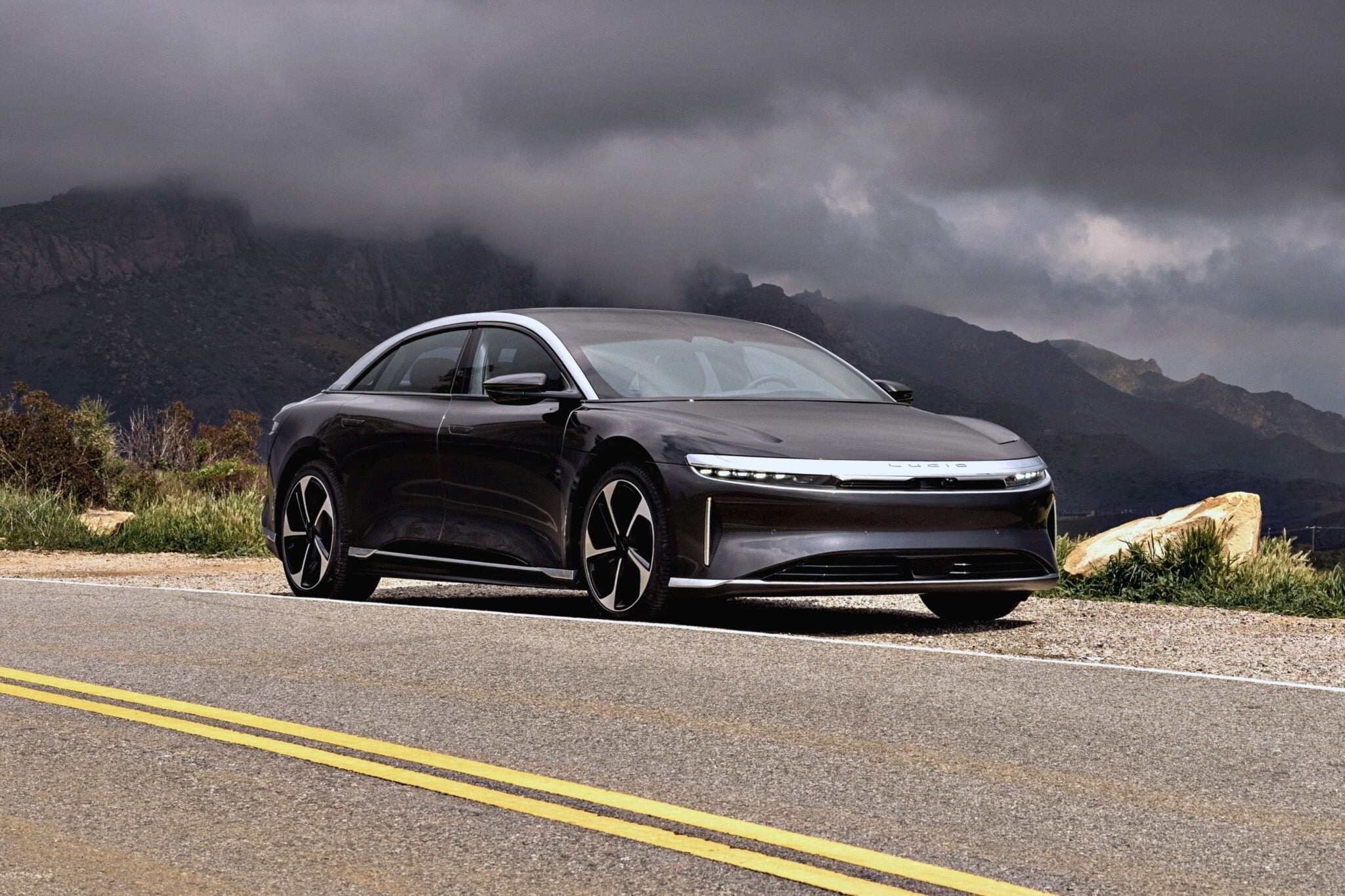
10. 2026 Lucid Air Touring AWD (19-inch Wheels)
Four MPGe. That is the entire difference between the city and highway ratings of the 2026 Lucid Air Touring AWD with 19-inch wheels, making it the smallest gap among all 10 vehicles.
The EPA rates this configuration at 136 MPGe in the city and 132 MPGe on the highway, with a combined rating of 134 MPGe. That small gap shows how closely the sedan’s efficiency remains aligned across different driving conditions.
Highway travel generally requires more energy because maintaining higher speeds increases aerodynamic resistance, yet the Air Touring’s highway figure remains close to its city rating.
The Touring also uses all-wheel drive, which adds another motor compared with a rear-wheel-drive configuration. Even with that additional hardware, its city and highway figures remain only four MPGe apart.
For everyday drivers, this consistency can make efficiency easier to estimate. A typical trip may include neighborhood streets, busy roads, and highway cruising rather than one type of driving alone. A smaller gap means the EPA ratings show less variation between those conditions.
The Air Touring’s figures also place it apart from the other vehicles listed here. While several entries have gaps exceeding 17 MPGe, this Lucid stays within four points, showing unusually similar city and highway efficiency.
