
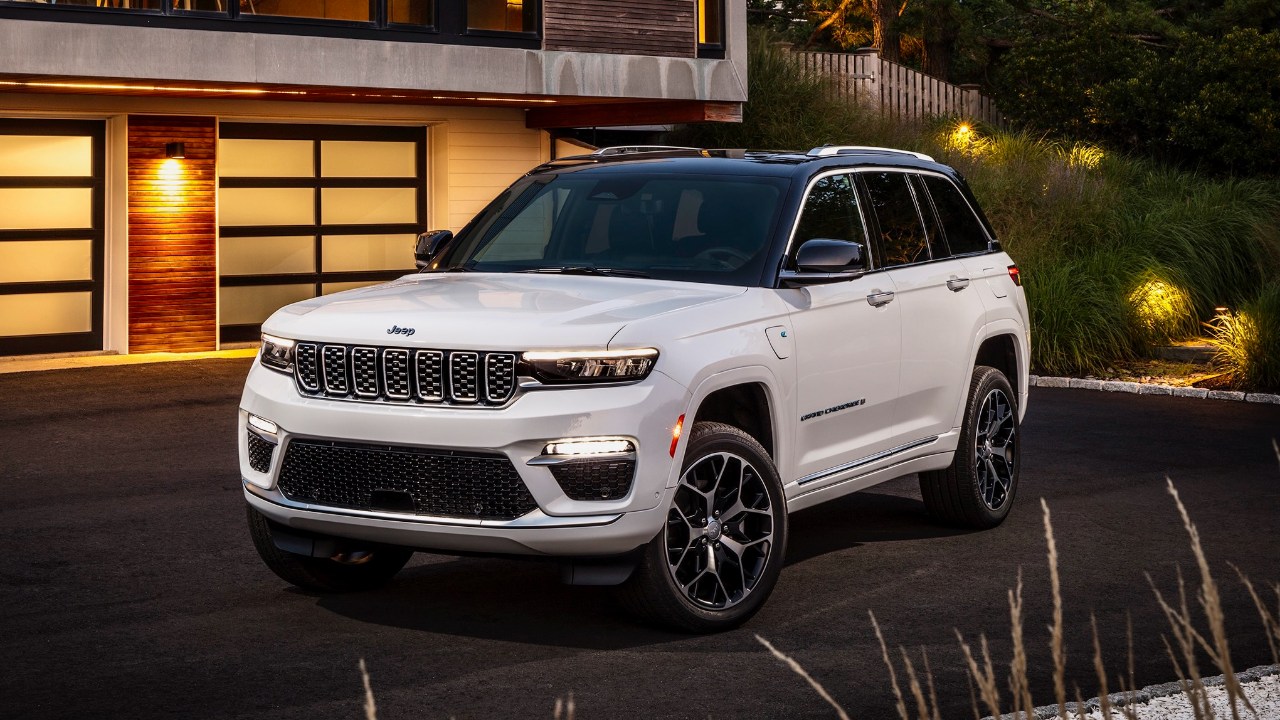
The Jeep Cherokee has gone through several generations, and choosing the right model year can make a substantial difference in used ownership. Some Cherokees have accumulated significantly more complaints and recalls than others, while later examples benefit from years of production experience and mechanical revisions.
The difference is especially noticeable within the KL generation sold from 2014 through 2023. Current reliability data points toward several later model years as stronger choices, while 2014, 2015, and 2019 stand out for greater concern.
This guide separates five Cherokee years worth considering from five that require more caution, while still recognizing that maintenance history and individual vehicle condition matter.
5 Best Jeep Cherokee Years
1. 2020 Jeep Cherokee
The 2020 Jeep Cherokee is one of the strongest choices for buyers who want a relatively modern SUV without moving into the newest price range. Reliability data places this year among the better-performing KL-generation Cherokees, with substantially fewer complaints than several earlier model years.
One current analysis records 2020 with just 258 complaints and three recalls, while another used-Cherokee analysis describes the year as a practical sweet spot.
That improvement matters because the 2020 model came after several years of production experience with the KL platform. Jeep had already had time to address some of the problems associated with the earliest Cherokees.
Buyers could choose between several engines, including the 2.4-liter four-cylinder, 3.2-liter Pentastar V6, and available 2.0-liter turbocharged four-cylinder. The 2.0-liter turbo is particularly interesting because it produces 270 horsepower and 295 lb-ft of torque, giving the relatively compact SUV strong low-end response.
Four-wheel drive was available with multiple systems, allowing shoppers to choose between ordinary all-weather capability and more specialized off-road equipment.
At this age, the transmission remains an important inspection point. The nine-speed automatic should shift smoothly through city traffic and highway speeds. Hesitation, harsh engagement, or unexplained warning lights should be investigated before purchase.
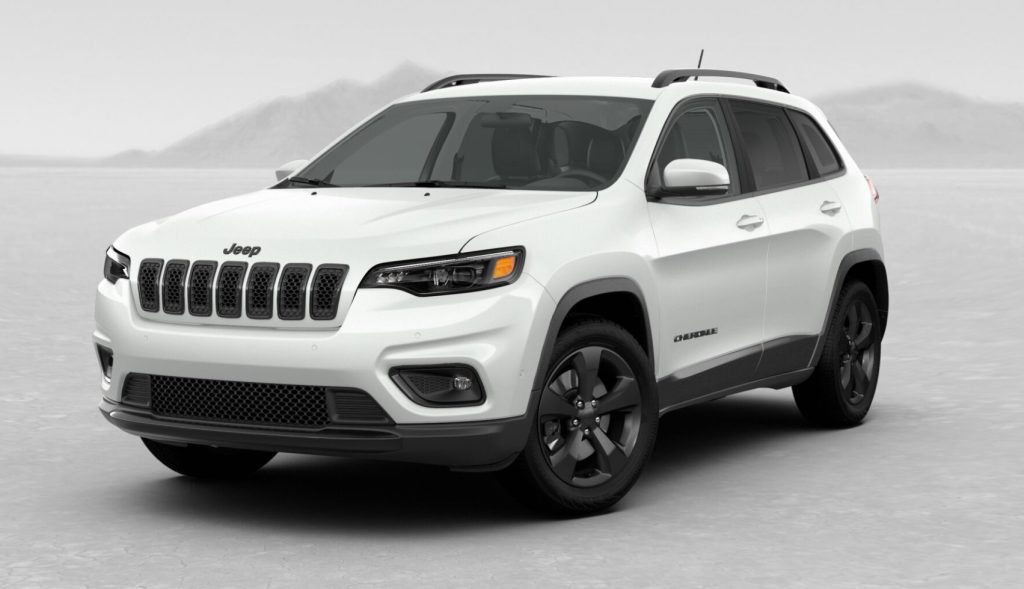
The 2020 Cherokee also provides useful modern equipment, including available Uconnect infotainment, smartphone connectivity, driver-assistance features, and higher-trim comfort equipment.
The combination of lower complaint activity, mature engineering, and modern features makes 2020 a particularly sensible starting point for used buyers.
2. 2021 Jeep Cherokee
The 2021 Jeep Cherokee is another strong candidate because it retains the mature KL-generation platform while offering newer equipment and relatively low complaint activity.
Current data shows substantially fewer complaints for 2021 than for the earlier 2014 through 2019 models. One recent analysis lists only 137 complaints for the 2021 model year, while another classifies it among the generation’s stronger choices.
Age gives this model another advantage. A 2021 Cherokee is now old enough to have established maintenance records but new enough that many examples have accumulated less wear than earlier vehicles.
The available 2.0-liter turbocharged four-cylinder is one of the most attractive configurations. Its 270 horsepower and 295 lb-ft of torque give the Cherokee considerably more low-speed pulling power than the naturally aspirated four-cylinder. The 3.2-liter Pentastar V6 remains an alternative for buyers who prefer naturally aspirated power.
A used 2021 should still receive a thorough mechanical inspection. The nine-speed automatic needs to operate smoothly, while the engine should show no evidence of oil leaks, overheating, or neglected servicing. Four-wheel-drive models should be tested in the appropriate drive modes to confirm that the system functions correctly.
The cabin is another reason this model deserves attention. Depending on trim, the Cherokee can provide a comfortable interior, modern infotainment, smartphone integration, heated seating, and driver-assistance technology.
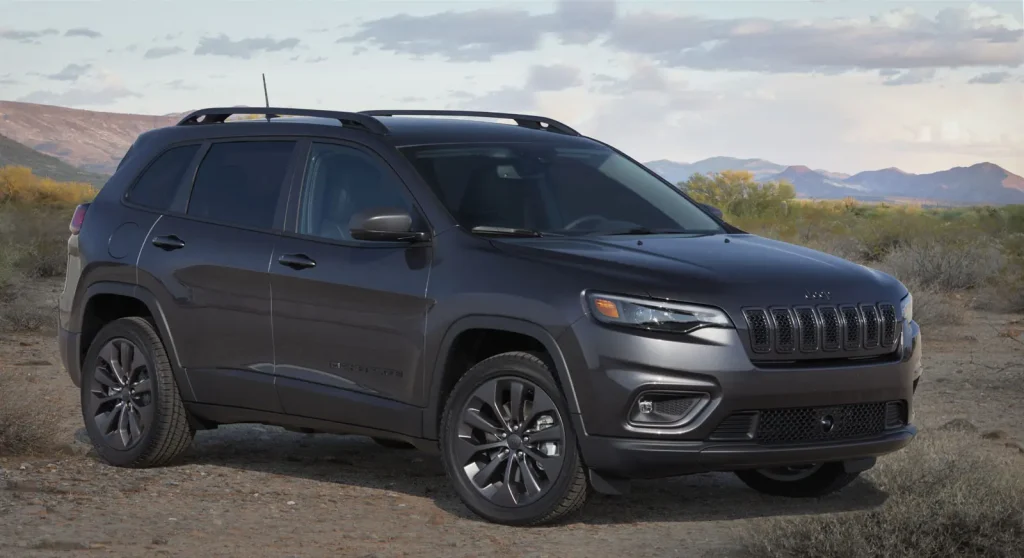
The 2021 model is particularly appealing to buyers who want a Cherokee that feels relatively modern without paying for a newer SUV. Its stronger reliability data also provides a better starting point than the earliest KL models.
It is not maintenance-free, but a well-documented 2021 Cherokee can offer a considerably more attractive ownership proposition than many older examples.
3. 2022 Jeep Cherokee
The 2022 Jeep Cherokee is one of the clearest choices for buyers seeking a later KL-generation model. Consumer Reports rates its reliability better than other vehicles from the same model year, and the vehicle has accumulated only two recalls in that database.
Complaint data also shows a substantially smaller volume than several earlier Cherokee years. CarComplaints currently lists 43 complaints for the 2022 model, compared with the much larger number associated with 2018 and especially 2019.
The 3.2-liter Pentastar V6 remains available, producing 271 horsepower and 239 lb-ft of torque. The engine provides enough strength for normal highway driving and moderate towing, while available four-wheel-drive systems give the Cherokee useful traction in poor weather and on rougher surfaces.
A buyer should still check the vehicle’s recall status by VIN. The 2022 Cherokee has had recalls involving the turn-signal self-canceling function and a small airbag-connector population. More recently, certain 2019 to 2023 Cherokees have also been included in a recall concerning potential power-transfer-unit failure, so a current VIN check is essential before purchase.
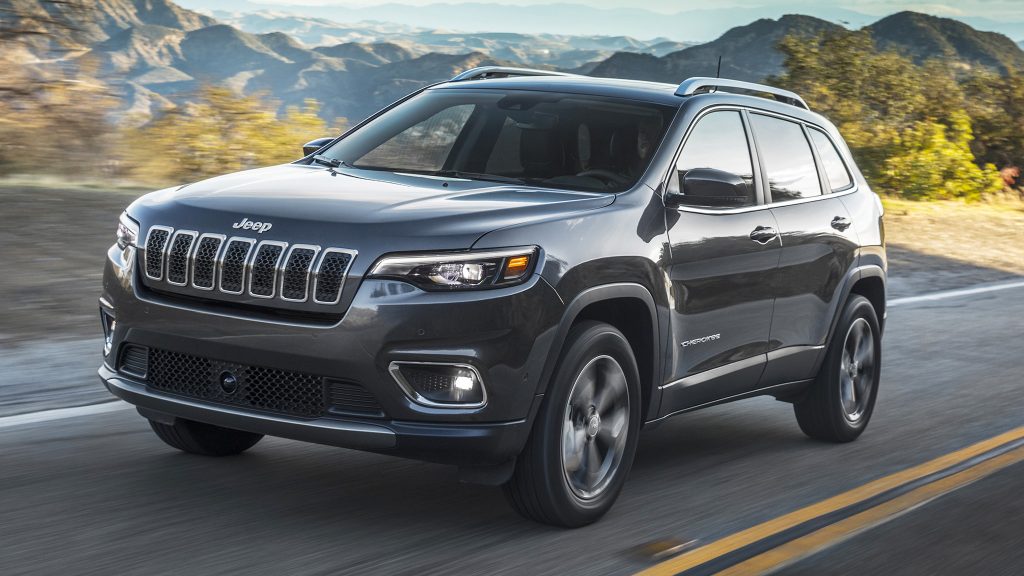
The 2022 model makes sense because it combines relatively low complaint activity with newer equipment and less age-related wear. Its later production position also means buyers can find examples with fewer years of accumulated suspension, electrical, and drivetrain use.
For shoppers who want a Cherokee rather than a newer crossover, this is one of the model years worth placing near the top of the list.
4. 2023 Jeep Cherokee
The 2023 Jeep Cherokee is the final model year of this generation in the United States, making it an appealing choice for buyers who want the newest possible version of the KL Cherokee. Its late-production position is significant because the platform had been on the market for almost a decade by this point.
Complaint volume is extremely low compared with several earlier years. RoadVitals currently records only three owner-reported complaints for the 2023 model, although the limited number is partly explained by the vehicle’s young age and smaller number of years on the road.
That limitation is important. A low complaint count does not prove that a vehicle will remain trouble-free for decades because newer vehicles have had less time to accumulate high-mileage problems. Still, the available data provides considerably less cause for concern than the heavy complaint activity associated with 2019.
The 2023 Cherokee was offered with a 3.2-liter Pentastar V6 producing 271 horsepower and 239 lb-ft of torque. Depending on configuration, Jeep also offered four-wheel-drive systems aimed at different levels of traction and off-road capability.
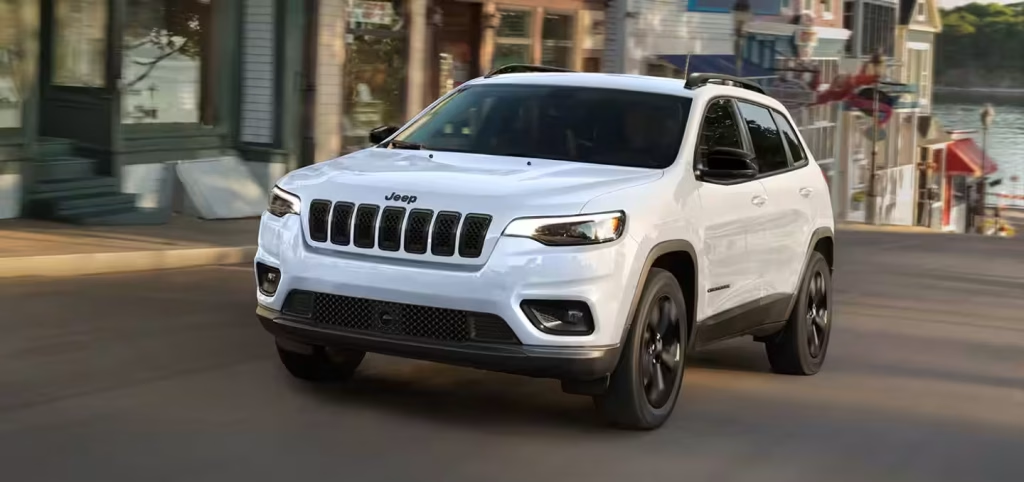
At this age, buyers should concentrate on service records and recall completion. The 2023 model is also included in the later PTU recall affecting certain 2019 to 2023 Cherokees, so the VIN should be checked before purchase.
The biggest advantage is simply that buyers can obtain a very late-production Cherokee with comparatively little age-related wear. A clean 2023 with complete records can provide many of the benefits of a newer SUV while avoiding the first years of the generation.
5. 2018 Jeep Cherokee
The 2018 Jeep Cherokee is the final model year I would include among the stronger choices, although it deserves slightly more scrutiny than the 2020 through 2022 models.
Current complaint data places it well below the problem-heavy 2014, 2015, 2016, 2017, and 2019 years, with 2018 showing 678 complaints in one current NHTSA-based analysis. That same analysis classifies it as a “solid” year rather than an avoid year.
There is an important qualification. Consumer Reports currently rates the 2018 Cherokee as less reliable than other vehicles from the same model year and lists seven recalls. Therefore, this is not a model year to purchase without checking the vehicle’s individual history.
The 2018 Cherokee was available with the 2.4-liter four-cylinder and 3.2-liter Pentastar V6. The V6 produces 271 horsepower and 239 lb-ft of torque, giving the SUV noticeably stronger performance than the four-cylinder. Available four-wheel-drive systems also make it useful for buyers who regularly encounter snow, dirt roads, or rough terrain.
The nine-speed automatic remains the most important mechanical component to evaluate. A test drive should include cold starts, stop-and-go traffic, moderate acceleration, highway cruising, and downhill deceleration. Delayed engagement, hard shifting, or unexplained warning messages should lead to further inspection.
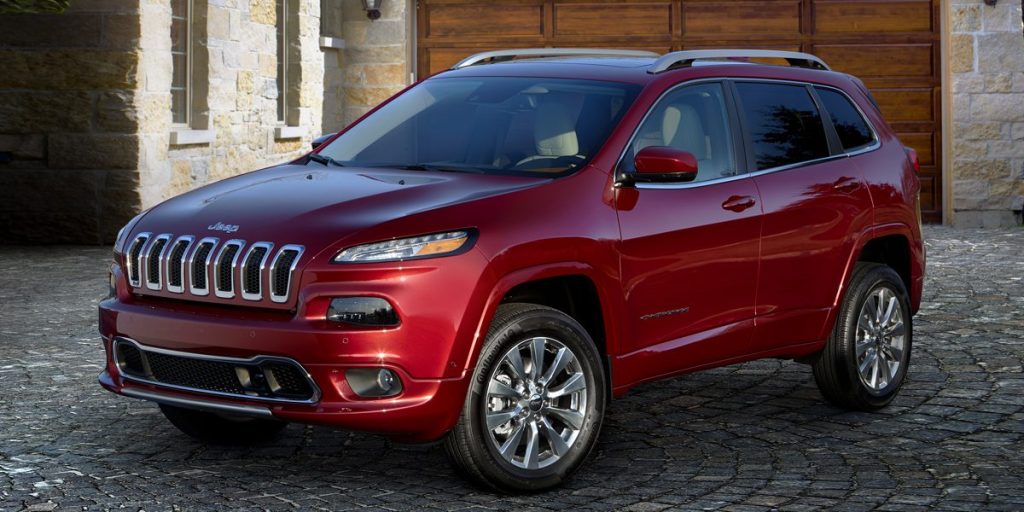
The reason 2018 makes the list is its position between the troubled earlier years and the stronger later models. It can provide a relatively affordable entry into a newer Cherokee without stepping into the highest-risk years.
A clean example with complete maintenance records can therefore make sense, but buyers should not treat the model year as a guarantee of reliability.
5 Jeep Cherokee Years to Avoid
1. 2014 Jeep Cherokee
The 2014 Jeep Cherokee is the first year of the KL-generation redesign and is also the model year with the highest number of complaints in current NHTSA-based data. One current analysis records 2,636 complaints and 13 recalls, placing it firmly in the avoid category.
CarComplaints similarly identifies 2014 as having the most overall complaints among Cherokee model years and lists transmission failure and loss of power while driving among its most serious reported problems.
The nine-speed automatic is the central concern. Early examples of this transmission were associated with reports of rough shifting, hesitation, delayed engagement, and other drivability problems. The fact that this was the first production year for the redesigned Cherokee adds another reason for caution.
The 3.2-liter Pentastar V6 produces 271 horsepower and 239 lb-ft of torque, while the 2.4-liter four-cylinder provides 184 horsepower and 171 lb-ft. Neither engine changes the need to scrutinize the transmission.
A test drive should be extensive. The Cherokee should shift smoothly from a cold start through normal city driving and highway speeds. Buyers should watch for warning lights, unexpected changes in engine speed, delayed response, or harsh engagement.
Recall completion is equally important. The VIN should be checked for open safety campaigns before money changes hands.
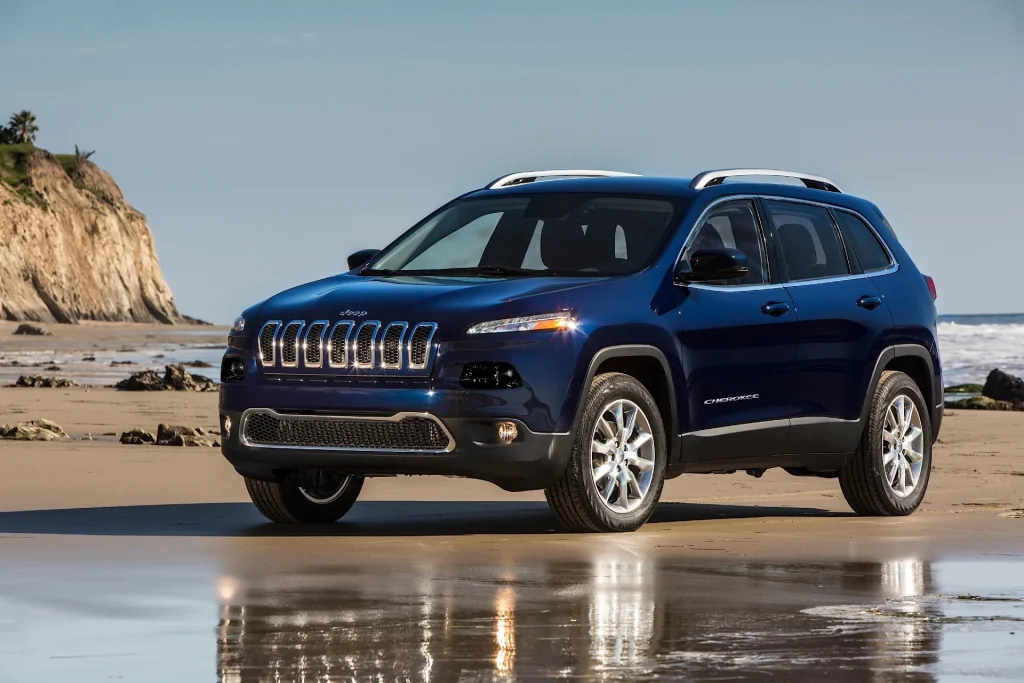
The 2014 Cherokee can look attractive because its used price is often lower than later examples. That discount, however, may reflect the mechanical risk buyers are assuming.
For someone choosing among several Cherokee years, moving to a later model is generally the more sensible strategy.
2. 2015 Jeep Cherokee
The 2015 Jeep Cherokee is one of the clearest years to approach cautiously. Current complaint data shows 1,779 to 1,783 owner complaints, depending on the database and reporting date, along with 11 recalls. Powertrain complaints make up the largest category, with transmission problems appearing repeatedly in owner reports.
The nine-speed automatic is the main reason this year deserves attention. CarComplaints lists 71 reports of delayed shifting during acceleration, 66 reports of rough shifting, 64 reports involving transmission failure with the check engine light illuminated, and 56 reports involving a “Service Transmission” warning.
These are owner complaints, not proof that every vehicle will experience the same failure, but the concentration of reports makes the transmission an important inspection point.
There was also a significant safety recall covering certain 2014 and 2015 Cherokees equipped with the nine-speed automatic. NHTSA campaign 16V529000 involved transmission sensor-cluster wiring that could cause the vehicle to unexpectedly shift into neutral, increasing crash risk.
The prescribed remedy included software reprogramming and, where necessary, replacement of the affected wiring harness.
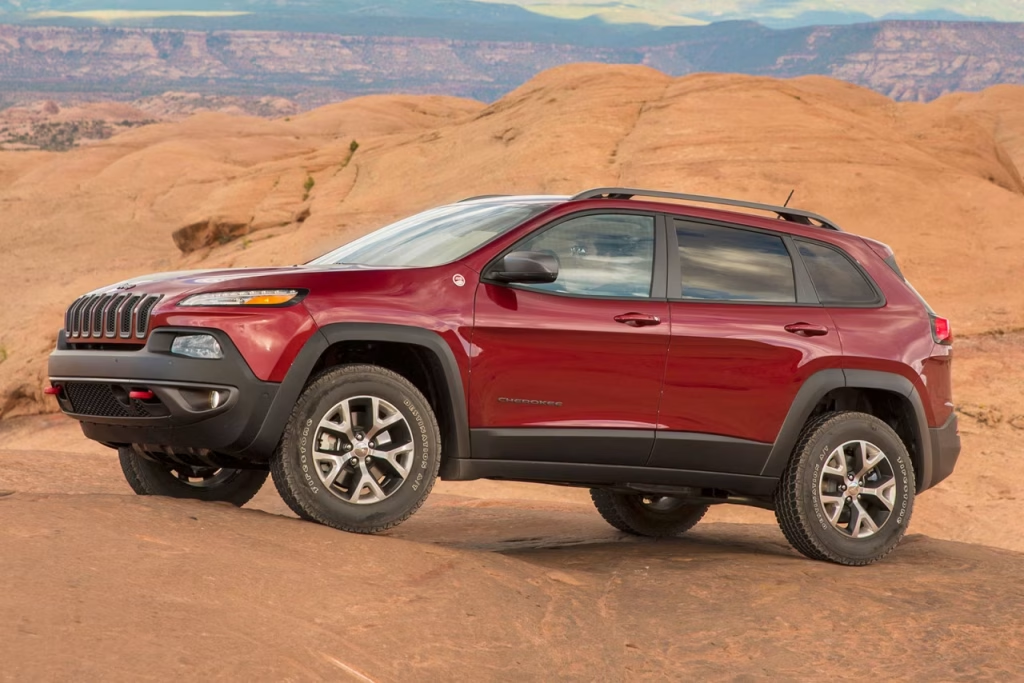
The available 3.2-liter Pentastar V6 produces 271 horsepower and 239 lb-ft of torque, providing respectable performance. Unfortunately, a strong engine does not offset potential transmission expenses.
Anyone considering a 2015 should insist on a long test drive and complete maintenance records. The transmission should shift consistently without hesitation, harsh engagement, slipping, or warning messages.
3. 2016 Jeep Cherokee
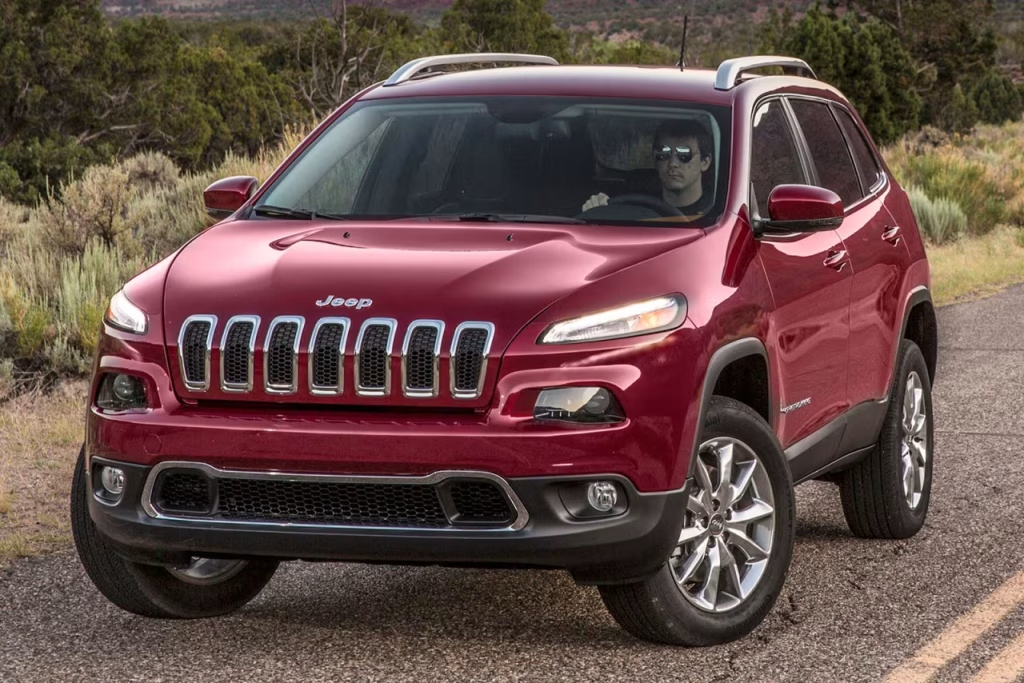
The 2016 Jeep Cherokee is a better-developed vehicle than the earliest KL models, but its complaint history still makes it difficult to recommend when stronger years are available.
Current NHTSA-based data records about 1,400 complaints for this model year, along with nine recalls. Powertrain and transmission concerns account for a substantial portion of the reports.
One particularly notable concern is stalling. Current complaint analysis identifies 144 reports describing engine stalling, with some occurring while the vehicle was being driven.
Again, these are owner-submitted reports and should not be interpreted as confirmation that every 2016 Cherokee has the defect. They do, however, provide a reason for a careful inspection.
The nine-speed automatic remains an important area to investigate. CarComplaints lists transmission-related complaints involving difficulty shifting, rough operation, hesitation, and failures for the Cherokee generation.
Recall history provides another reason to check the VIN before purchasing. Certain 2015 and 2016 Cherokees equipped with the power liftgate were recalled because water could enter the liftgate control module and create a short circuit that increased fire risk.
The 3.2-liter Pentastar V6 remains a strong engine choice, producing 271 horsepower and 239 lb-ft of torque. The issue is less about the engine’s basic output and more about the collection of systems surrounding it.
A 2016 Cherokee with documented repairs and excellent maintenance could still serve its owner well. However, when a buyer can choose a 2020, 2021, or 2022 model instead, the later vehicle generally presents a more attractive risk profile.
4. 2017 Jeep Cherokee
The 2017 Jeep Cherokee sits in an unusual position. Its complaint count is lower than the 2014 through 2016 models, but current data still places it in the caution category rather than among the stronger later years. NHTSA-based databases record roughly 1,325 complaints and six recalls for the model year.
Transmission behavior remains one of the areas buyers should investigate. CarComplaints lists reports involving difficulty shifting, irregular shifting, shifting error codes, transmission failures, and vibration during shifting.
The number of reports is considerably smaller than some earlier years, but the recurring nature of the complaints means a test drive should not be rushed.
The 2017 Cherokee also falls within a later power-transfer-unit recall. Certain 2017 through 2019 Cherokees were recalled because a manufacturing issue could allow the PTU input shaft ring to wear and potentially cause the transmission to disengage. Drivers could experience a “Service 4WD” message, unusual noise, vibration, or changes in vehicle behavior.
That recall is especially relevant for buyers considering a four-wheel-drive Cherokee. A VIN check should confirm whether the particular vehicle is affected and whether all applicable recall work has been completed.
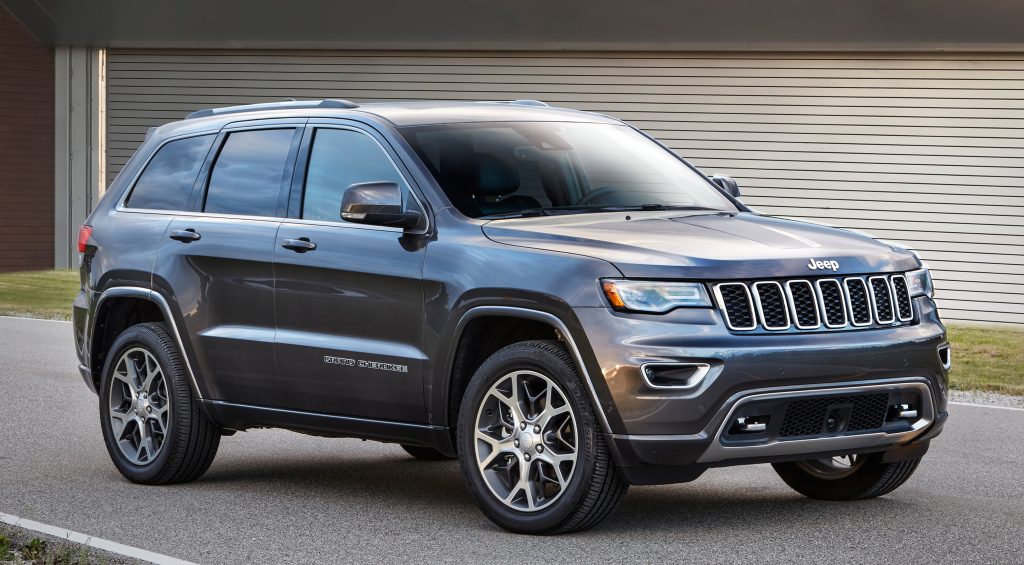
The available 3.2-liter Pentastar V6 produces 271 horsepower and 239 lb-ft of torque, giving the Cherokee adequate performance. But drivetrain condition matters more than the engine’s specification when evaluating a used example.
A clean 2017 with strong service records is not automatically a bad purchase. It simply requires more scrutiny than the later 2020 through 2022 models.
5. 2019 Jeep Cherokee
The 2019 Jeep Cherokee is perhaps the most surprising entry on this list because it received a substantial facelift and introduced useful improvements. Yet its complaint history is considerably worse than the surrounding later years. Current NHTSA-based data records approximately 1,600 complaints and 11 recalls for the 2019 model.
CarComplaints identifies 2019 as one of the Cherokee’s worst model years, with transmission problems representing a particularly significant complaint category.
The recall history adds another layer of concern. Certain 2019 Cherokees equipped with the 2.4-liter engine were recalled because improper transmission calibration could result in a stall. Another recall involved the instrument cluster potentially failing to display warning chimes, messages, and gauges.
More recently, certain 2019 through 2023 Cherokees equipped with a specific two-speed power transfer unit were recalled because an internal PTU failure could result in sudden loss of drive power. Warning signs can include a “Service 4WD” message, unusual noise, vibration, or changes in driving behavior.
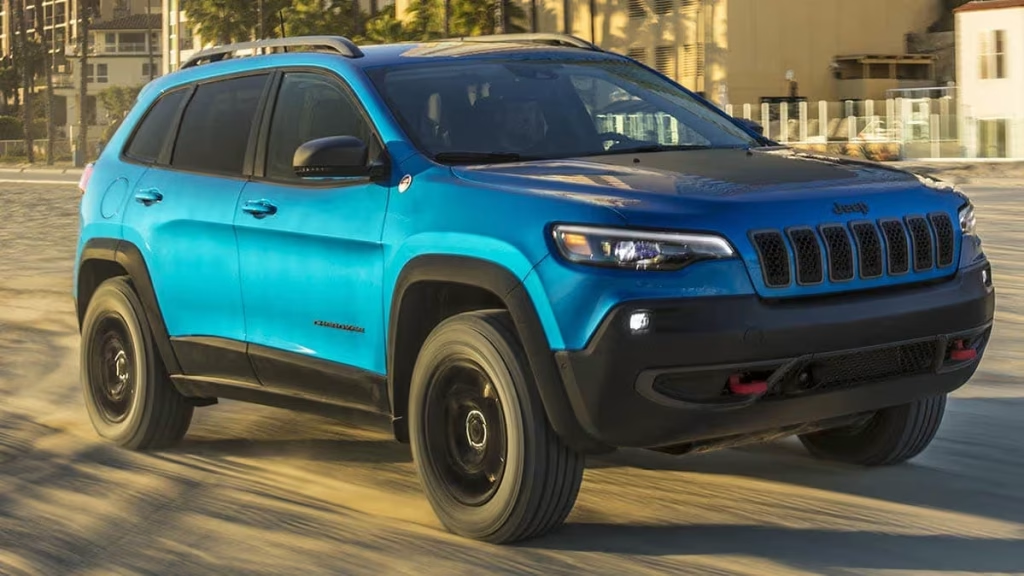
The 2019 Cherokee offered a 2.0-liter turbocharged four-cylinder producing 270 horsepower and 295 lb-ft of torque, along with other engine choices. The turbo engine provides excellent torque, but buyers should focus on the condition of the entire drivetrain.
A well-maintained 2019 with completed recalls can still be usable. However, given the model year’s unusually high complaint count compared with 2020 through 2022, shoppers have good reason to favor a different year when prices and condition are similar.
