
Fuel choice is easy to overlook until the price difference at the pump starts adding up. Yet gasoline requirements vary considerably between vehicles. Some engines are designed to operate properly on regular unleaded fuel, allowing owners to avoid paying extra for higher-octane gasoline.
Others are engineered around premium fuel because their compression, turbocharging, ignition calibration, or performance requirements depend on higher octane to resist knock. Using the correct fuel is important not only for performance but also for protecting the engine and maintaining the characteristics promised by the manufacturer.
The five vehicles below show the difference between engines happy with regular gasoline and those designed around premium fuel.
5 Cars That Take Regular Gas
1. Toyota Corolla
The Toyota Corolla is a straightforward example of a vehicle whose appeal extends beyond its purchase price. Its engine and everyday driving mission are designed around practicality, and the ability to use regular unleaded gasoline helps keep routine running costs manageable.
For commuters, this matters because fuel expenses accumulate through repetition. A driver who fills the tank every week experiences the price of gasoline far more often than someone who drives only occasionally. When a vehicle can operate correctly on regular fuel, there is no need to make premium gasoline part of that recurring expense.
The Corolla’s compact dimensions also complement its fuel-conscious character. It is intended primarily for transportation rather than high-output performance, so its engine does not need the same fuel strategy as a highly boosted performance powertrain.
Another reason this car belongs on the list is its broad ownership appeal. Students, commuters, small families, and urban drivers can all use the same basic formula: economical transportation without requiring premium fuel at every fill-up.
Drivers should still check the requirements for their exact model year and engine because specifications can vary by market and generation. Fuel recommendations should always come from the manufacturer’s documentation rather than assumptions based on the badge alone.

The important point is that choosing a regular-gasoline vehicle can simplify ownership. There is no need to spend extra at every fuel stop simply because premium fuel is available.
For buyers who prioritize predictable operating costs over high-performance output, the Corolla demonstrates why a conventional regular-fuel powertrain remains appealing.
2. Honda CR-V
The Honda CR-V demonstrates that regular gasoline is not limited to small sedans. A compact crossover can provide useful passenger and cargo capacity while still allowing its owner to use the manufacturer’s specified regular unleaded fuel.
That combination is valuable for families because the CR-V’s usefulness comes from versatility rather than outright performance. It can handle commuting, school runs, shopping, road trips, and everyday errands without requiring drivers to budget for premium gasoline at every fill-up.
Honda has offered different engines and powertrains across CR-V generations, so buyers should verify the fuel specification for the exact model under consideration. This is particularly important when comparing conventional and hybrid versions or vehicles from different model years.
The reason this vehicle earns a place here is that fuel requirements can become more important as vehicle size increases. A crossover already uses more fuel than some compact cars simply because of its size and mission. Avoiding an unnecessary premium-fuel requirement can therefore make its running costs easier to manage.
Regular gasoline does not mean the engine is unsophisticated. Modern engines use electronic controls to manage fuel injection, ignition timing, and other operating parameters. The important factor is that the powertrain has been engineered and calibrated around the fuel grade specified by Honda.

For a buyer considering a used CR-V, checking the fuel requirement is one small part of the ownership calculation. Fuel economy, annual mileage, insurance, maintenance, and tire costs all matter too.
Still, the ability to use regular gasoline provides a practical advantage. Drivers can focus on the CR-V’s space and utility without adding premium fuel to the list of recurring ownership expenses.
3. Ford F-150
The Ford F-150 brings the regular-gasoline discussion into the full-size pickup segment, where fuel expenses can become a particularly important part of ownership.
Depending on engine configuration and model year, Ford has specified regular unleaded gasoline for various F-150 powertrains, making it possible for many owners to avoid premium fuel during ordinary use.
A pickup truck can travel substantial distances while carrying passengers, equipment, trailers, or cargo. Because of that workload, the price paid at every fuel stop can have a meaningful impact on operating costs. A regular-fuel requirement gives owners another way to keep those expenses predictable.
Engine choice remains crucial. The F-150 has been offered with multiple engines and configurations, and buyers should consult the specifications for the exact truck rather than applying one fuel recommendation to every version.
This truck is included because it illustrates an important point about fuel grades: vehicle size does not automatically determine whether premium gasoline is required. A large pickup can be engineered around regular fuel even when it offers substantial capability.
Drivers who tow frequently should also pay attention to the manufacturer’s guidance for their specific engine and operating conditions. Heavy loads can place additional demands on the powertrain, but that does not mean owners should automatically substitute premium fuel unless the manufacturer recommends or requires it.

The appeal of regular fuel becomes particularly clear for work-oriented buyers. A truck may already involve significant expenses for tires, maintenance, insurance, and fuel. Avoiding an unnecessary premium requirement can make daily operation more manageable.
The F-150 therefore represents a practical example of how a high-capability vehicle can still be compatible with regular gasoline when equipped with the appropriate powertrain.
4. Chevrolet Tahoe
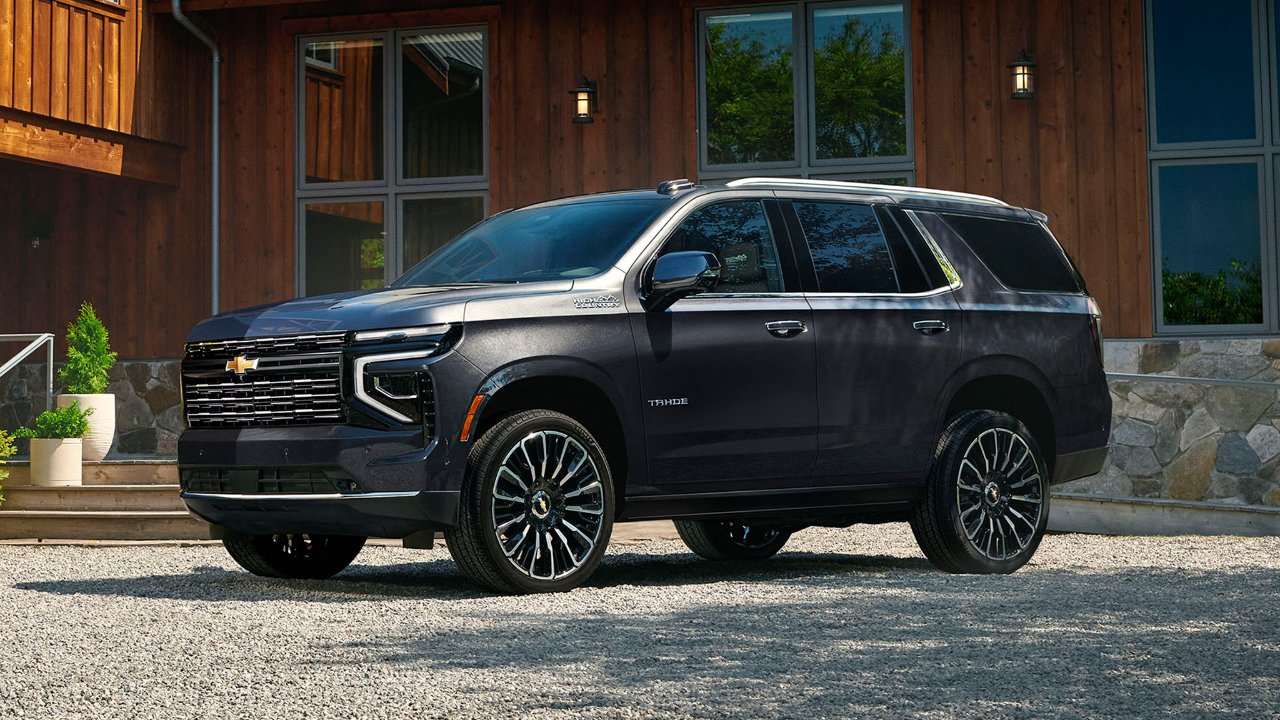
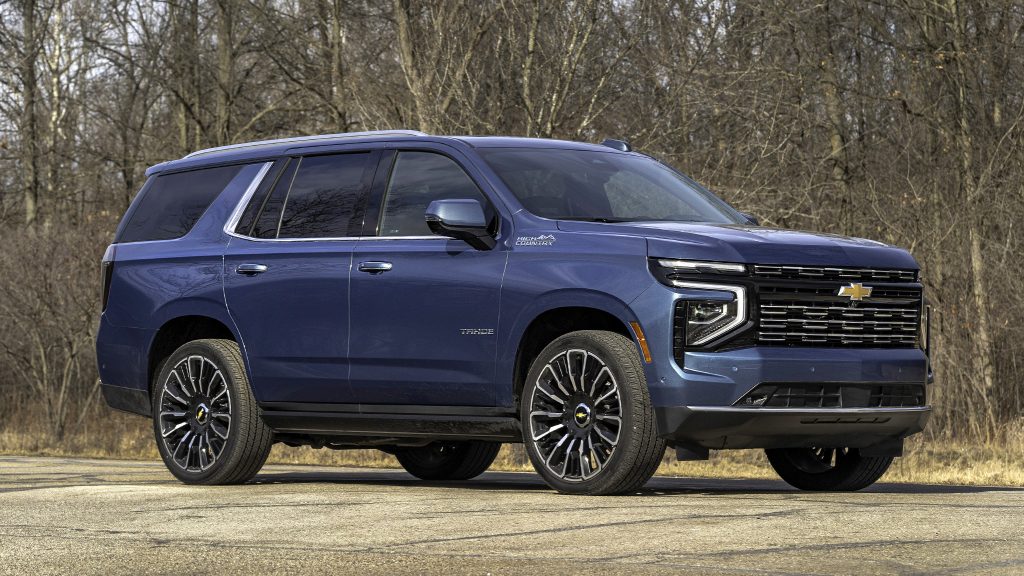
The Chevrolet Tahoe shows that even a large three-row SUV can be designed to operate on regular unleaded gasoline. For families who need substantial passenger and cargo capacity, that fuel requirement can make everyday ownership less expensive than it might initially appear.
The Tahoe’s size means fuel consumption itself can be significant, particularly when carrying passengers or traveling with heavy loads. Because of that, the difference between regular and premium prices can become noticeable over time.
A regular-fuel specification allows owners to use the manufacturer’s recommended grade without paying extra simply to satisfy an engine requirement.
Engine and model-year differences matter here as well. Chevrolet has offered the Tahoe with multiple powertrains, so buyers should confirm the exact fuel requirement before purchasing. It is not safe to assume that every Tahoe configuration has identical specifications.
This vehicle is included because fuel requirements are sometimes misunderstood as a direct reflection of performance or vehicle size. A large SUV can prioritize smooth, practical transportation while using regular fuel, even though its engine produces enough power for family hauling and highway travel.
For owners, the most important rule is to follow the manufacturer’s specified fuel grade. Higher-octane gasoline should not automatically be considered “better” if the engine does not require it.
A Tahoe buyer should also consider annual mileage carefully. Someone who drives a large SUV only occasionally may care less about fuel prices than a family that commutes long distances every week.
Still, regular gasoline provides a straightforward advantage. It gives owners more flexibility at the pump and avoids adding a premium-fuel requirement to an already substantial fuel budget.
That makes the Tahoe a useful example of how practicality and regular-gasoline compatibility can coexist in a large family vehicle.
5. Hyundai Elantra
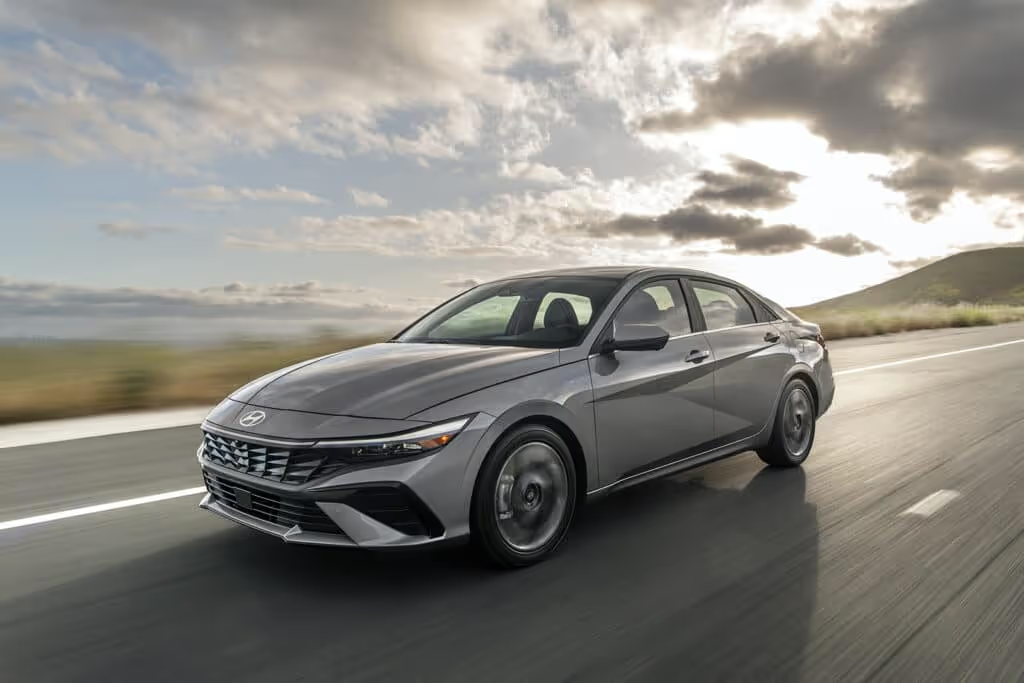
The Hyundai Elantra is another compact sedan that can appeal to buyers who want simple fuel economics. Its everyday-oriented powertrains are designed for regular unleaded gasoline, making premium fuel unnecessary for normal operation when using the appropriate engine and model year.
The financial benefit may seem small each time the vehicle is filled, but repeated savings matter. Someone driving thousands of miles annually can accumulate a meaningful difference between regular and premium gasoline prices, particularly when fuel prices rise.
The Elantra also demonstrates why buyers should consider fuel requirements alongside fuel economy. Two vehicles might use the same gasoline grade while returning different mileage figures. A vehicle that uses regular fuel and consumes less gasoline can be especially attractive to cost-conscious commuters.
Different Elantra variants can have different specifications, so buyers should check the exact version. Performance-oriented models may have different requirements from standard configurations. This is another reason not to rely on general assumptions about an entire model family.
The standard Elantra’s purpose is primarily efficient daily transportation. It does not need a premium-fuel requirement to deliver the characteristics most buyers expect from a compact sedan.
That makes it particularly relevant for people who view their car as a tool for commuting rather than a performance purchase. Regular fuel keeps the refueling routine simple, while the vehicle’s compact size can help control consumption.
A buyer should still follow Hyundai’s official fuel recommendations and avoid assuming that every model year uses identical specifications.
For shoppers comparing several affordable sedans, the Elantra’s regular-gasoline compatibility is one more factor that can make long-term ownership easier to budget.
5. That Demand Premium
1. BMW M3
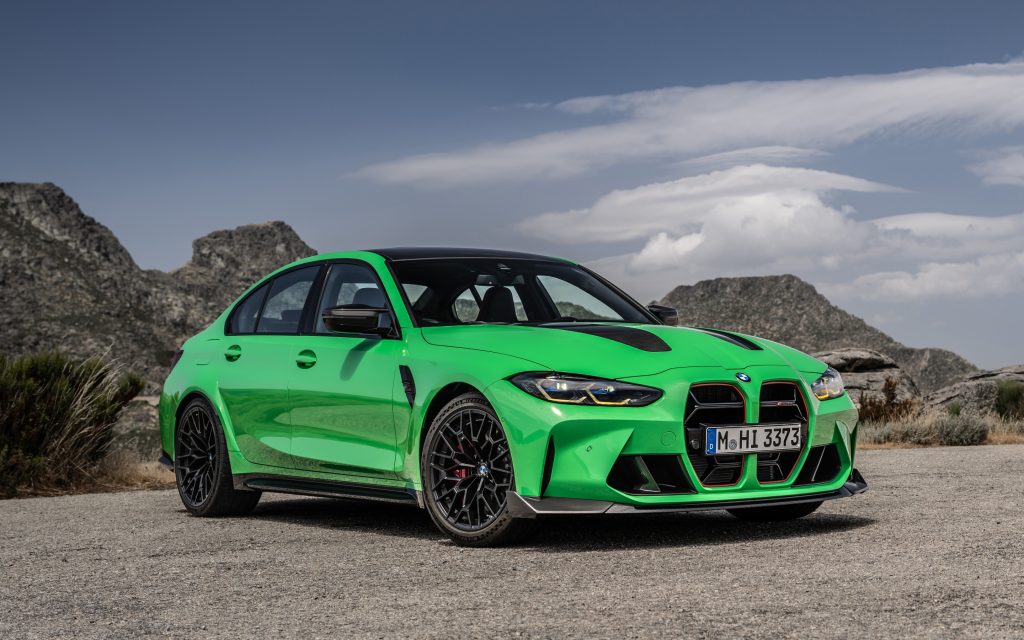
The BMW M3 sits firmly in the performance category, where fuel requirements are closely connected to engine design. Its high-performance powertrain is engineered to produce substantial output, and premium gasoline is an important part of that operating equation.
The reason premium fuel matters in a vehicle like the M3 is not the badge itself. Performance engines operate under demanding conditions, with high cylinder pressures and carefully controlled ignition timing. Higher octane provides greater resistance to knock, giving engineers more freedom to calibrate the engine for its intended output.
For the owner, this means fuel costs should be considered before purchase rather than discovered after the first few visits to the pump. A sports sedan can already carry higher expenses for tires, brakes, insurance, and maintenance. Premium gasoline becomes another recurring cost.
Using the correct fuel also helps the engine operate according to its intended calibration. Drivers should follow BMW’s fuel recommendation for the exact model and market rather than relying on general assumptions about premium gasoline.
The M3 is included because it shows why some engines simply cannot be compared with ordinary commuter powertrains. Its purpose is not just transportation. The engine is designed to deliver a level of performance that requires a more demanding fuel strategy.
Someone shopping for an M3 should therefore calculate fuel expenses as part of the ownership budget. The purchase price may attract most of the attention, but regular fuel stops are where the difference becomes visible over time.
For enthusiasts, that expense may be a reasonable trade for the vehicle’s performance. For someone seeking inexpensive transportation, it is an important warning before signing the purchase paperwork.
2. Chevrolet Corvette
The Chevrolet Corvette represents another type of vehicle where premium gasoline becomes part of the performance equation. Its engines are designed to deliver strong output, and Chevrolet specifies the appropriate fuel grade for each powertrain.
A performance-oriented engine benefits from fuel with sufficient octane because the engine’s operating conditions can create greater susceptibility to knock. The control system can make adjustments when necessary, but the manufacturer’s specified fuel remains the correct starting point for achieving the intended performance.
The Corvette is interesting because it can be driven as a weekend sports car or used for regular transportation. Either way, the fuel requirement does not disappear. A driver covering relatively few miles may not spend much on gasoline compared with someone using the vehicle as a daily commuter, but premium fuel remains part of the ownership equation.
Exact fuel requirements can vary according to engine and model year, so buyers should check Chevrolet’s documentation for the particular Corvette they are considering. This is especially important when comparing different powertrains.
The reason for including the Corvette is that premium gasoline is not merely a luxury-car convention. It is connected to the engineering of high-output engines. When manufacturers specify a particular octane requirement, they are accounting for the engine’s combustion characteristics and intended operating conditions.

For an enthusiast, paying for premium fuel is likely to be a relatively minor consideration compared with the enjoyment of the car itself. But a buyer calculating long-term running costs should still include it.
The Corvette therefore makes a clear case for checking fuel specifications before purchase. The fuel requirement is part of how the vehicle is designed to operate, not an optional upgrade at the gas station.
3. Porsche 911
The Porsche 911 is another vehicle where premium gasoline is an expected part of ownership. Its engines have been developed around performance, precise combustion control, and high specific output, making the correct fuel grade particularly important.
Premium gasoline provides higher resistance to knock than regular gasoline. That matters when an engine operates with high cylinder pressures and demanding combustion conditions. The 911’s performance characteristics are tied closely to how its powertrain manages these conditions.
For drivers, the fuel requirement is easy to underestimate because the 911 can be surprisingly usable as a daily vehicle. It has practical qualities that allow owners to commute or travel in it, but the engine does not become an ordinary economy-car powertrain simply because it can be used every day.
Model variations are important. Porsche has offered numerous 911 configurations across generations, so buyers should verify the manufacturer’s specified fuel for the exact car. Performance differences between variants can also change the operating requirements.
This vehicle belongs in the premium category because it represents the relationship between fuel, engineering, and performance particularly clearly. A high-output engine requires careful control of combustion, and octane is one part of that equation.
The financial impact depends heavily on driving habits. A weekend owner may spend relatively little on gasoline compared with a daily commuter. Someone covering substantial mileage, however, should expect premium fuel to become a regular line in the budget.

That cost is unlikely to deter the typical 911 buyer, since fuel represents only one part of sports-car ownership. Still, understanding it beforehand helps prevent surprises.
The 911 is a reminder that premium fuel is not simply an indulgence. For engines engineered around higher octane, it is part of the formula that allows them to deliver their intended performance.
4. Mercedes-AMG C 63
The Mercedes-AMG C 63 belongs to a category where performance and premium fuel requirements naturally intersect. AMG powertrains are engineered for substantial output and sophisticated performance, making fuel specification an important part of ownership.
Higher-octane gasoline is useful for engines that operate under demanding combustion conditions because it resists knock more effectively than lower-octane fuel. That resistance can support the ignition timing and combustion strategy required for high-performance applications.
The exact technical setup of the C-63 has changed substantially across generations, so buyers should verify the fuel requirement for the specific model year and powertrain. This is particularly important when comparing newer and older examples.
For owners, premium gasoline is only one consideration. Performance vehicles can also require more expensive tires, brakes, insurance, and maintenance. A buyer who looks only at the purchase price may underestimate the cost of keeping the vehicle in the condition expected of a performance machine.
The C 63 is included because it demonstrates how premium fuel can be part of a larger performance-oriented ownership package. The higher fuel cost is not an isolated expense. It accompanies an engine and vehicle engineered to provide capabilities beyond those of an ordinary commuter sedan.
Drivers should not assume that switching to regular gasoline is harmless simply because the engine will continue to run. Modern engine-management systems may adjust operation when lower-octane fuel is detected, but that does not make regular fuel the manufacturer’s preferred choice when premium is required.

For someone seeking AMG performance, the additional fuel expense may be entirely reasonable. The important point is to know about it before purchase.
A premium-fuel requirement should be viewed as a predictable operating expense rather than an unexpected penalty.
5. Audi S5
The Audi S5 rounds out the list with a performance-oriented powertrain that makes fuel specification an important consideration. Its combination of turbocharged performance, sophisticated electronics, and premium positioning means buyers should pay attention to the manufacturer’s fuel requirements for the exact model year.
Turbocharged engines can operate with elevated cylinder pressures, making knock resistance particularly relevant. Higher-octane gasoline can provide the combustion characteristics needed for the engine’s intended calibration.
The S5 also illustrates why fuel costs should be considered alongside depreciation and maintenance when buying a used luxury performance car. A buyer may find a several-year-old example at a significantly lower price than its original cost, but premium fuel remains part of the vehicle’s normal operating requirements.
That can matter for high-mileage drivers. Someone who drives a performance coupe occasionally may barely notice the difference at the pump. A person commuting long distances every week will encounter the premium price far more frequently.
As with every vehicle on this list, buyers should verify the fuel specification in the documentation for the exact version they are considering. Audi has sold the S5 in different configurations and markets, and specifications can change between generations.

The reason this model deserves inclusion is that it provides a good example of how premium fuel fits into the broader character of a performance luxury vehicle. The engine, transmission, chassis, and electronics are designed as a package, and the specified gasoline is part of that package.
A buyer who understands the requirement can budget for it without difficulty. Someone expecting to operate the car on the cheapest available gasoline may instead find that ownership costs are higher than anticipated.
Premium fuel is therefore not merely an optional way to spend more at the pump. When the manufacturer specifies it, using the appropriate octane is part of responsible ownership.
