
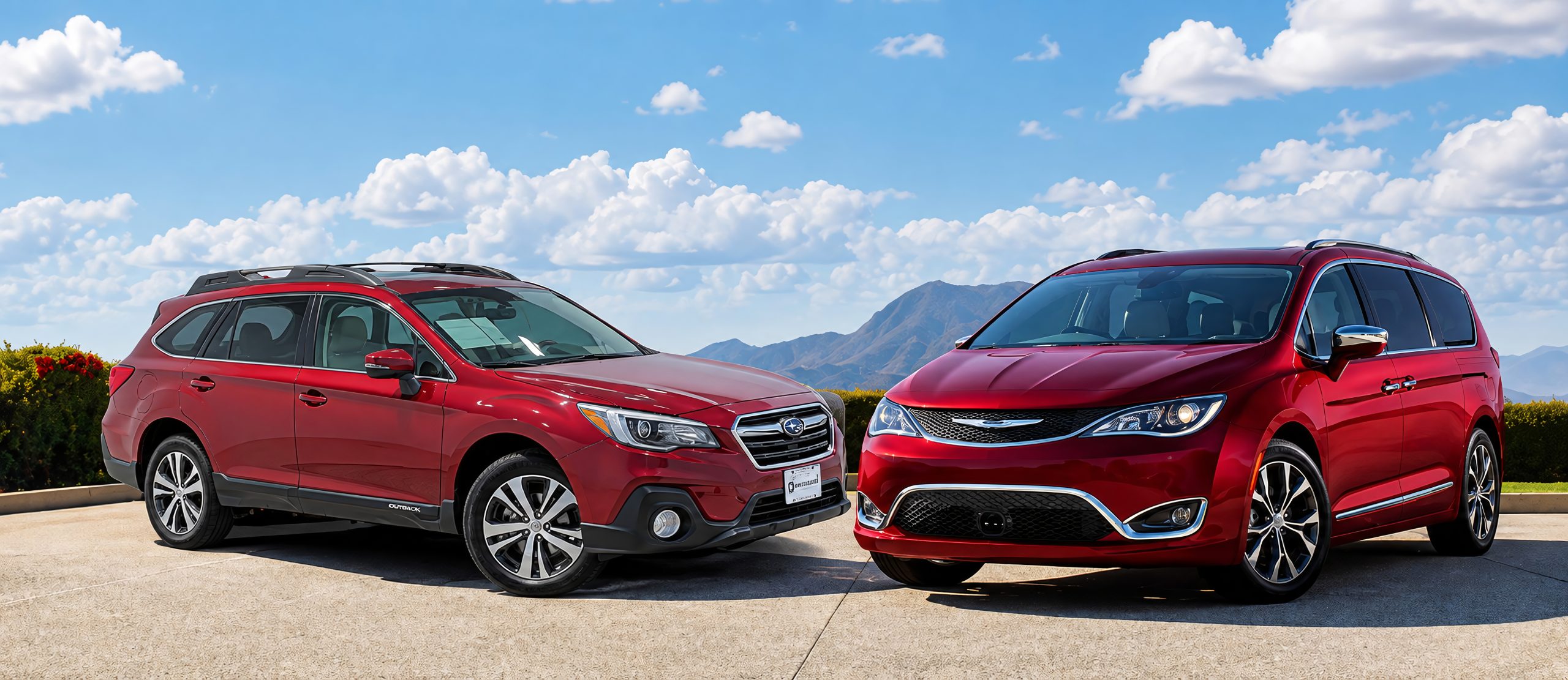
Looking for a practical family vehicle without spending a fortune on an SUV? Minivans can be a surprisingly affordable alternative to popular three-row SUVs. Their lighter unibody construction, Front Wheel Drive layouts, and more efficient engines can help reduce fuel costs, tire wear, and the likelihood of costly drivetrain repairs over time.
Of course, not every minivan beats every SUV automatically. Purchase price, depreciation, insurance rates, and how well a vehicle was cared for all play a part. Still, if you want maximum space for minimum long-term expense, the minivan segment deserves a serious look. Below are ten models that consistently deliver strong value, from brand-new hybrids to budget-friendly used gems. Grab a coffee and let’s get into it.
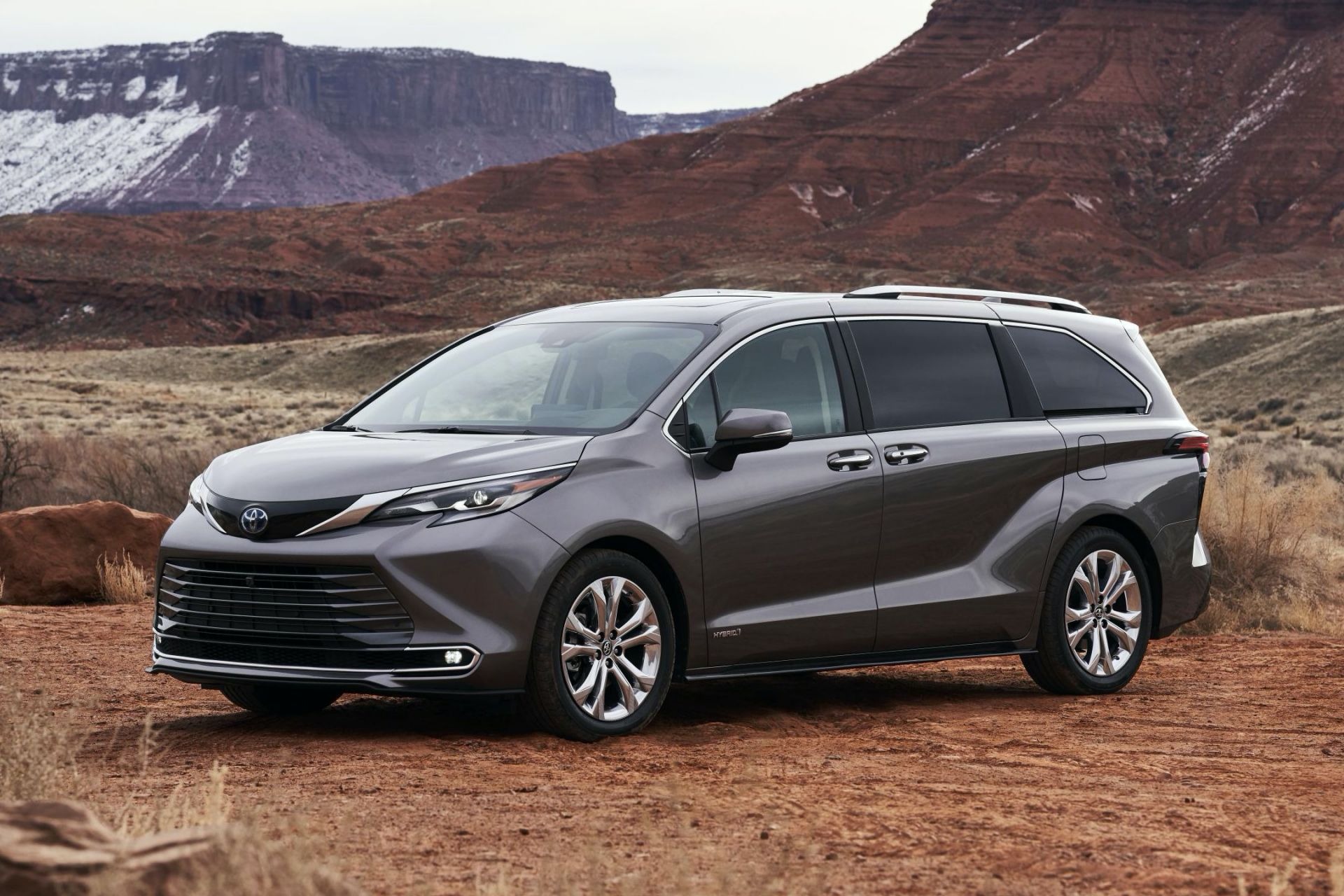
1. Toyota Sienna (2021-Present)
The Toyota Sienna is a strong choice for families who want to keep fuel and ownership costs under control. Its 2.5-liter four-cylinder hybrid system comes standard across the lineup.
Front-wheel-drive models achieve 36 mpg combined, while all-wheel-drive versions still reach 35 mpg combined. Those figures are hard for many three-row SUVs to match.
Fuel savings are only part of the reason this minivan can make financial sense. Families who need all-wheel drive can get it without giving up much fuel efficiency. Toyota designed the system specifically for its hybrid setup, helping the Sienna maintain good mileage without relying on the heavier drivetrain found in many large SUVs.
The van also offers plenty of room for passengers, luggage, groceries, and other family needs. Toyota’s reputation for strong resale values can also help owners recover more money when it is time to sell.
Still, buyers should remember that a hybrid vehicle is not free from repair costs. Certain hybrid parts and electrical components may cost more to replace than parts on a conventional gasoline vehicle.
Regular servicing is therefore important for keeping the van dependable and avoiding expensive repairs. With proper care, the Sienna can be a practical choice for families who want generous space without the fuel bills commonly associated with larger three-row SUVs.
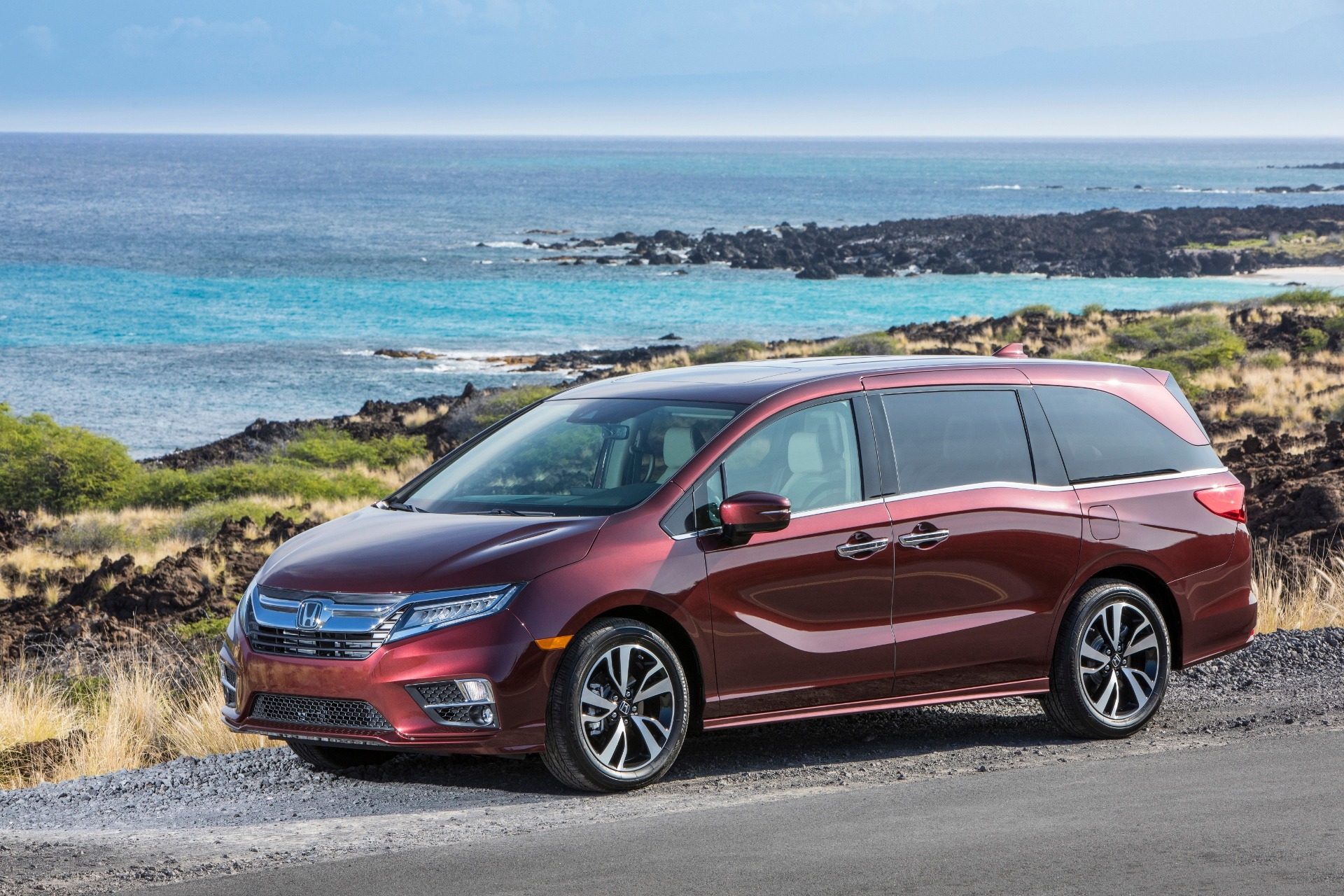
2. Honda Odyssey (2018-Present)
Honda’s current Odyssey takes a different approach than the Sienna, sticking with a traditional 280-horsepower V6 paired to a 10-speed automatic transmission and front-wheel drive. It’s not chasing hybrid-level fuel numbers, but it wins in other ways that matter just as much to a family’s bottom line.
Start with the cabin. Few vehicles at any price point offer this much room for passengers and gear, making it a genuine alternative to SUVs that cost thousands more.
Fuel consumption, while not hybrid-level, still comes in noticeably lower than what you’d get from a large truck-based SUV hauling similar cargo and people. The front-wheel-drive layout also keeps things simpler mechanically compared to many four-wheel-drive SUV systems, meaning fewer components that can eventually fail and need replacing.
Owners also benefit from Honda’s massive service network. Parts are easy to find, technicians know the platform inside and out, and that familiarity tends to keep labor costs reasonable. The used market is flooded with well-kept examples too, giving budget-conscious shoppers plenty of choice.
Since this generation has been around for several years, maintenance history is especially important when buying a used Odyssey. A poorly maintained example can quickly become expensive to own, so make sure to review the service records and confirm that the vehicle has been properly cared for before making a purchase.
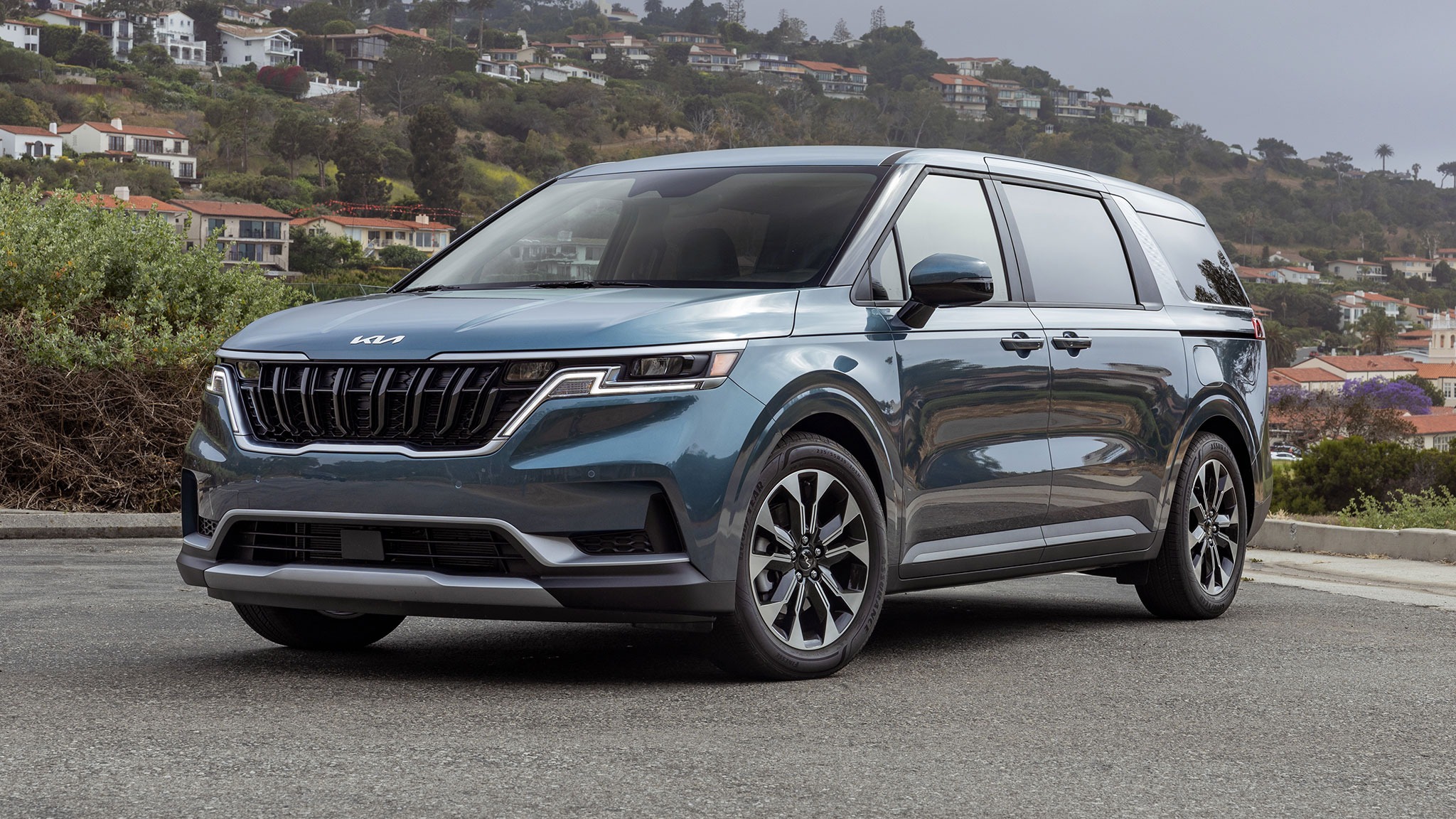
3. Kia Carnival (2022-Present)
Kia gave the Carnival a fresh approach by combining the useful design of a minivan with styling that looks more like an SUV. From the outside, it does not have the traditional minivan appearance, but inside, families still get the space, comfort, and flexibility they expect from this type of vehicle. Recent models also offer a hybrid powertrain, giving buyers another way to reduce fuel expenses.
The Carnival uses a front-wheel-drive platform that helps keep fuel consumption and routine maintenance reasonable. Inside, there is plenty of room for passengers, luggage, groceries, and other family needs.
The seating can also be arranged in different ways, making it useful for both everyday driving and long trips. Its pricing is another strong point because it can cost less than many similarly equipped three-row SUVs.
Families may also like the number of useful features included in many trims. Buyers can get practical equipment for carrying children and cargo without necessarily paying for the most expensive version. Smaller tires and better fuel economy than many larger SUVs can also help reduce running costs as the years go by.
One concern is that the Carnival has not been on the market as long as models such as the Toyota Sienna and Honda Odyssey. Because of that, it does not yet have the same long history of reliability.
This does not mean the Carnival is unreliable, but buyers who plan to keep their vehicle for many years may prefer a model with a longer track record. Early owner experiences have generally been encouraging, making the Carnival a sensible option for families seeking space, comfort, modern features, and reasonable ownership costs.
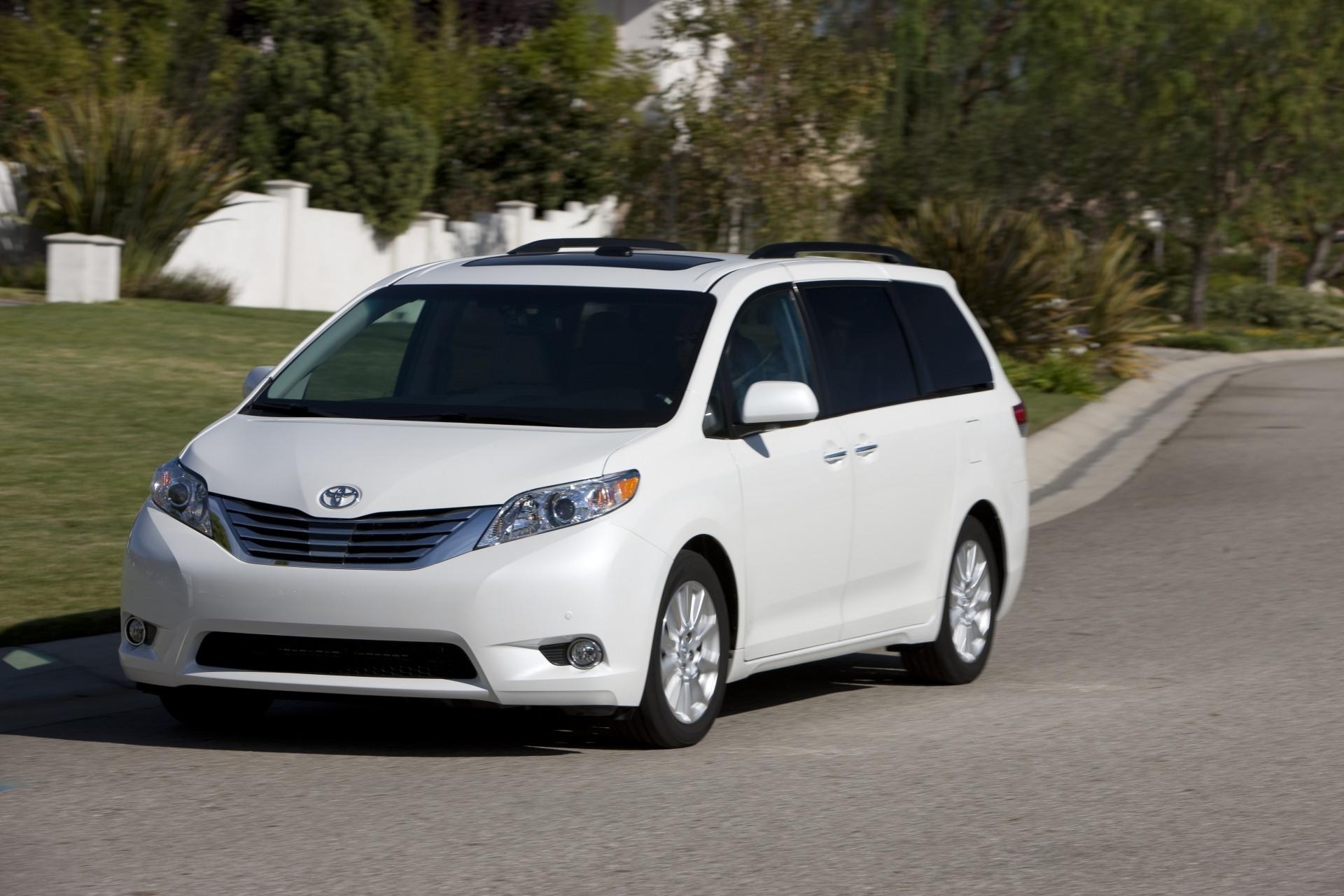
4. Toyota Sienna (2011-2020)
Not everyone needs the latest hybrid technology, and that’s exactly where the third-generation Sienna shines. For buyers who want proven Toyota dependability and genuine family-sized space without paying new-vehicle prices, this used-market workhorse checks nearly every box.
Under the hood sits a relatively efficient V6 that, while not sipping fuel like the current hybrid model, still performs respectably for a vehicle this size. Passenger and cargo room remain excellent throughout the generation, and available all-wheel drive gives buyers in colder climates a real advantage over front-wheel-drive-only rivals.
Because Toyota built so many of these, parts and qualified service are never hard to track down, whether you’re at a dealership or an independent shop.
High-mileage examples that were properly cared for are common finds too, a testament to how well these vans hold up mechanically when owners stay on top of routine service. That durability is a big reason resale values remain relatively strong even a decade or more after production.
Buying one now means paying close attention to age-related wear rather than the badge on the hood. Have a trusted mechanic inspect the suspension, cooling system, and drivetrain, and check carefully for leaks or corrosion before handing over payment. A clean inspection report here is worth far more than a shiny paint job.
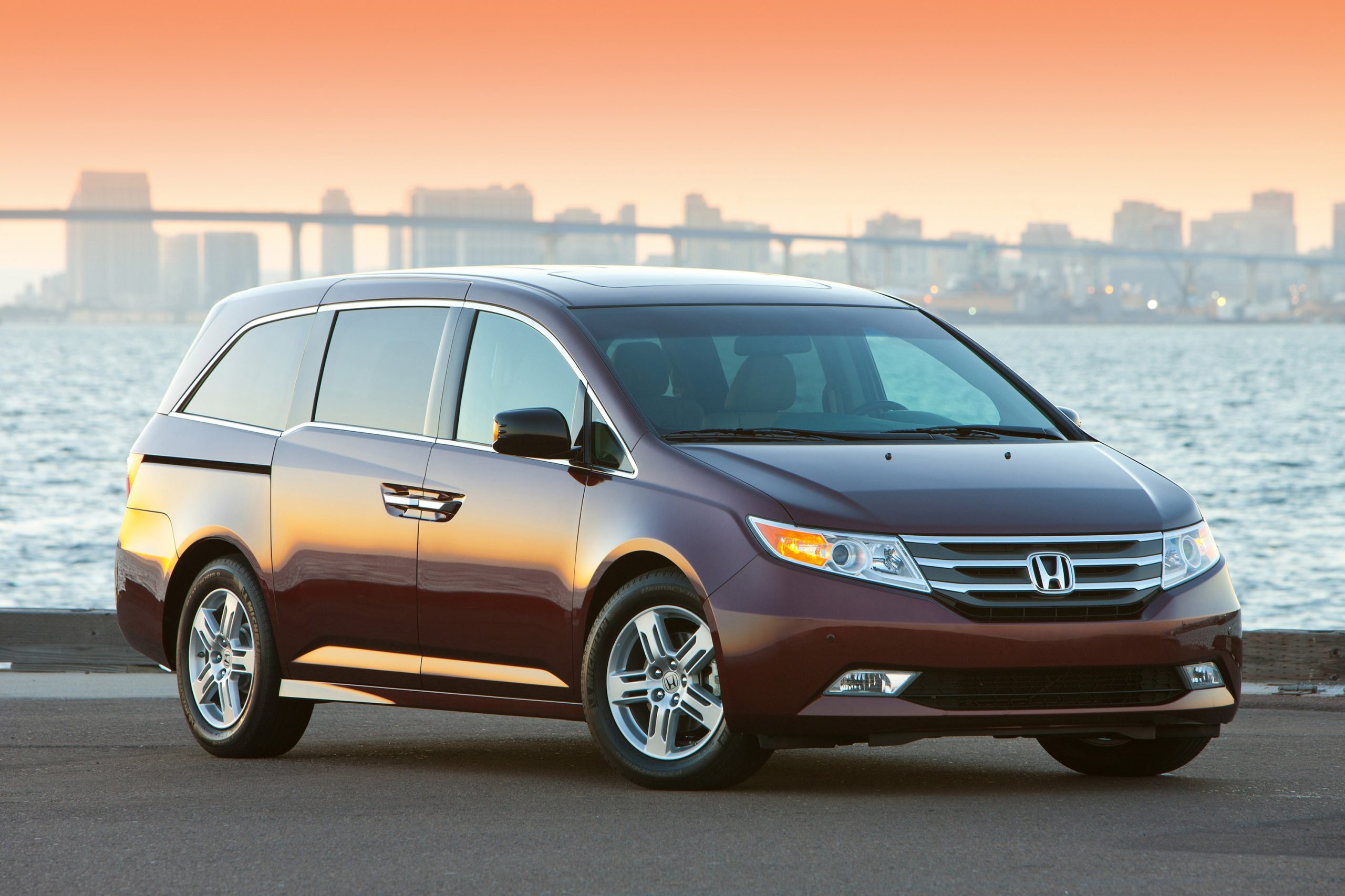
5. Honda Odyssey (2011-2017)
If you are working with a modest budget and want a vehicle that gives you plenty of value for your money, this generation of the Honda Odyssey is worth considering. On the used-car market, it can offer a lot of space and practicality without costing as much as many newer SUVs.
Inside, the Odyssey provides a spacious three-row cabin with enough room for both passengers and luggage. In fact, its cargo space can be more useful than what you will find in many SUVs from the same period.
The lower purchase price is another major advantage. You can often get one for much less than a newer three-row SUV with similar interior space. The money saved can then go towards fuel, servicing and other running costs.
Another benefit is the availability of spare parts. Honda sold many of these vehicles, so replacement parts are generally easy to find and are not usually too expensive. This can make repairs more manageable when compared with less common vehicles.
The Odyssey also makes excellent use of its interior space. Almost every part of the cabin is designed with practicality in mind, giving you more usable room for the money you spend.
However, remember that these vehicles are now getting older. Do not buy one simply because it has a Honda badge. Check its maintenance history carefully, inspect common age-related issues such as suspension parts, seals and electrical faults, and always arrange a proper pre-purchase inspection before paying.
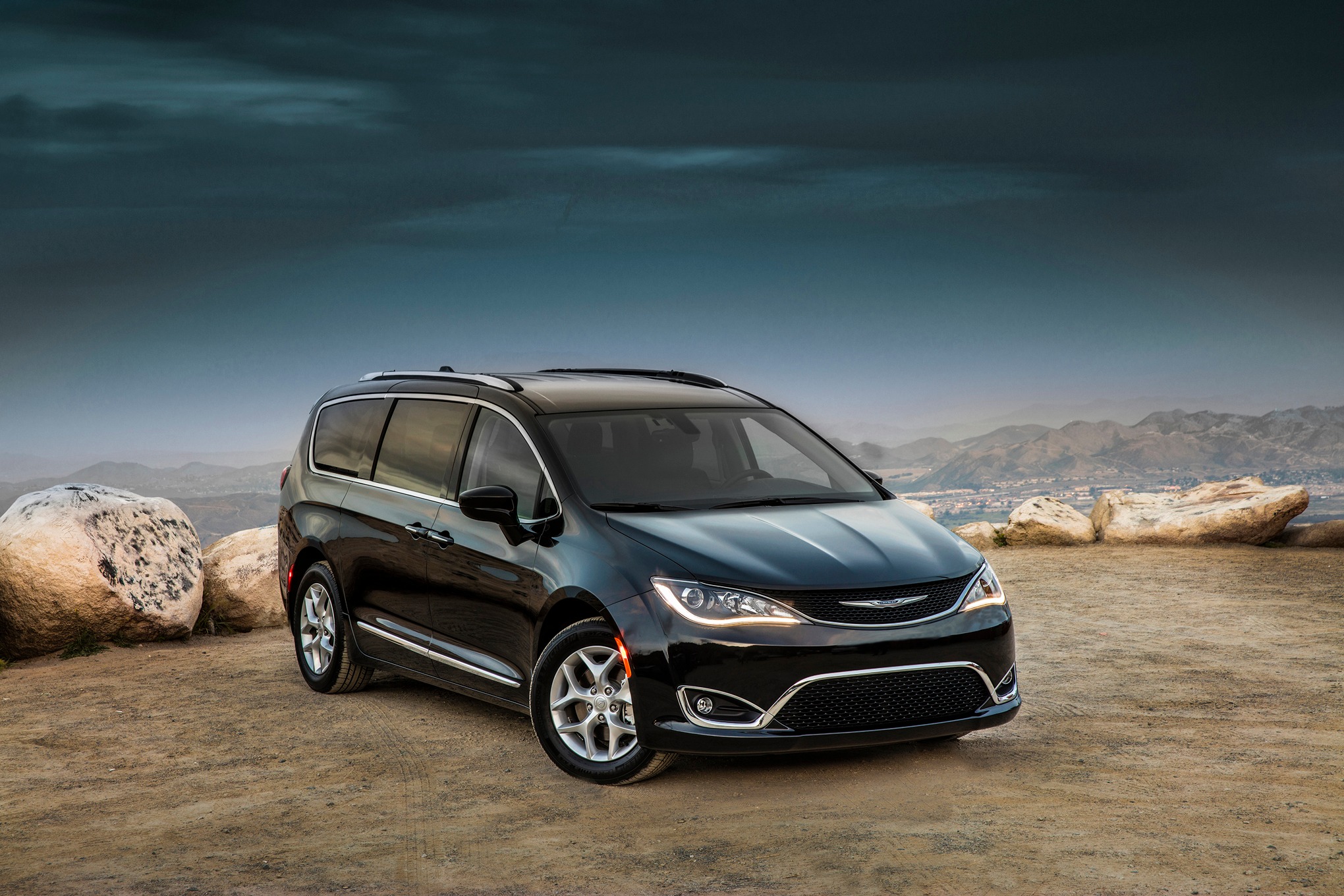
6. Chrysler Pacifica (2017-Present)
Few vehicles in this category match the Pacifica for pure interior flexibility. Chrysler built this van around the idea that families need a cabin that adapts on the fly, and applicable trims deliver that through the clever Stow ‘n Go seating system, which lets second and third-row seats fold flat into the floor without removing anything.
That flexibility alone makes the Pacifica worth cross-shopping against SUVs, but the value case runs deeper. Used prices tend to be quite competitive for the amount of space and equipment you get, and the front-wheel-drive layout keeps the mechanical footprint simpler than many all-wheel-drive SUV competitors.
Passenger and cargo versatility here genuinely rivals or beats vehicles costing considerably more, especially once you factor in how much easier it is to reconfigure the cabin for cargo runs, school pickups, or road trips.
Dollar for dollar, it’s tough to find another vehicle that offers this much usable space for the money, which is precisely why so many families cross-shop the Pacifica against pricier SUV nameplates and come away impressed.
Buyers who rank reliability above every other consideration should still do their homework. Research the specific model year carefully and request full maintenance records before purchasing, since build quality and known issues have varied somewhat across the years this generation has been produced.
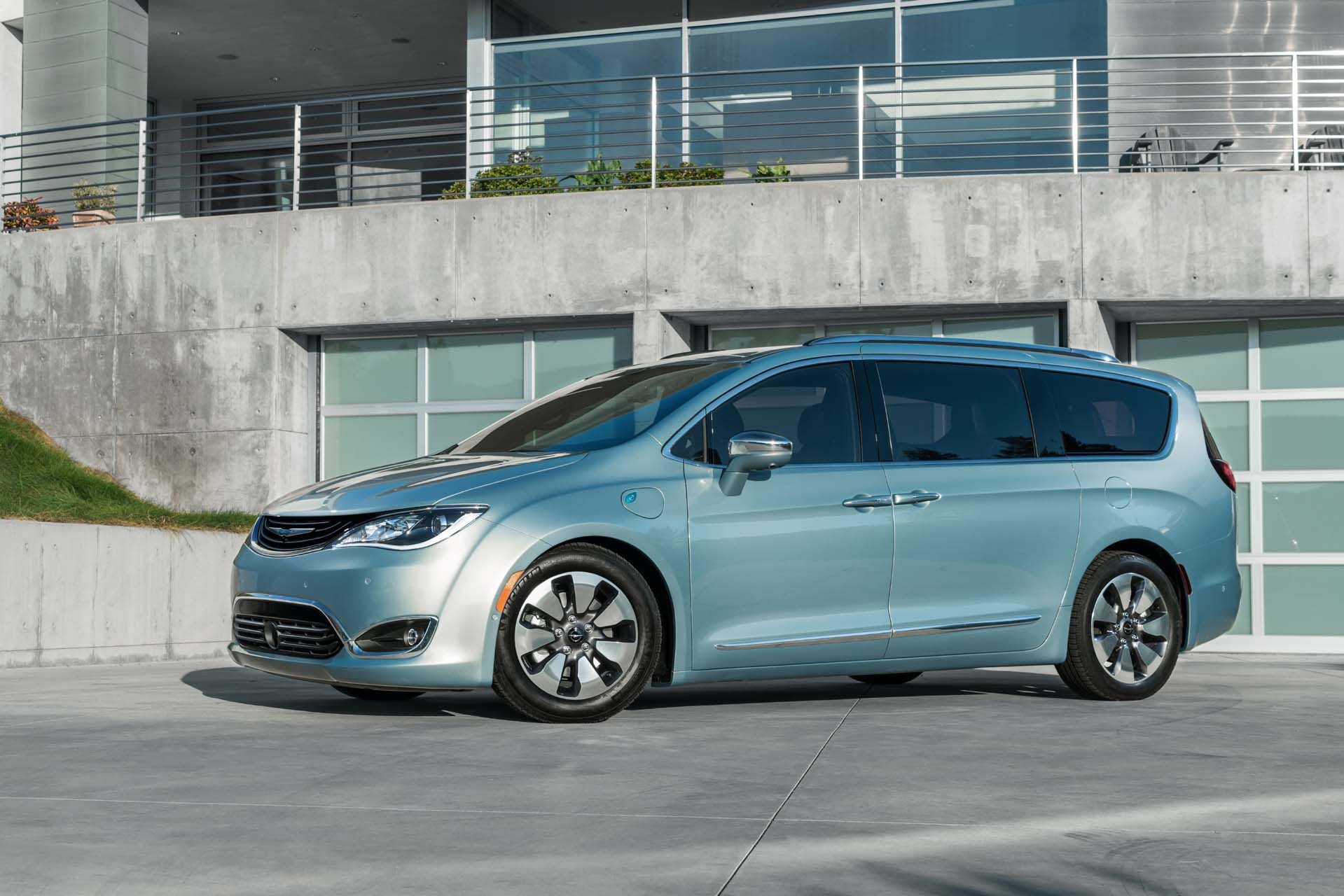
7. Chrysler Pacifica Plug-in Hybrid (2017-2023)
For a specific type of buyer, the Pacifica PHEV might be the smartest financial move on this entire list. If you can charge at home and your daily routine consists mostly of short trips, school runs, and errands, this van lets you complete a large share of that driving on electricity alone.
The savings potential here is substantial. Gasoline costs can drop dramatically for households that stick to a predictable daily radius, since the plug-in system allows for meaningful electric-only range before the gas engine ever needs to kick in.
Fuel efficiency is only part of the Pacifica’s appeal. Buyers also get the qualities that make the regular model a strong family vehicle, including generous three-row space, versatile seating configurations, and a cabin designed around everyday family needs rather than showroom appeal.
Short commutes are where this van truly earns its keep. Families doing daily school drop-offs, quick grocery runs, or short work commutes can rack up plenty of miles without touching the gas pump at all, which adds up to real dollars saved across a year of ownership.
Because this is primarily a used-market vehicle at this point, shoppers need to think carefully about battery health and the added electrical-system complications when calculating total ownership costs. A pre-purchase inspection from a shop familiar with hybrid systems is money well spent.
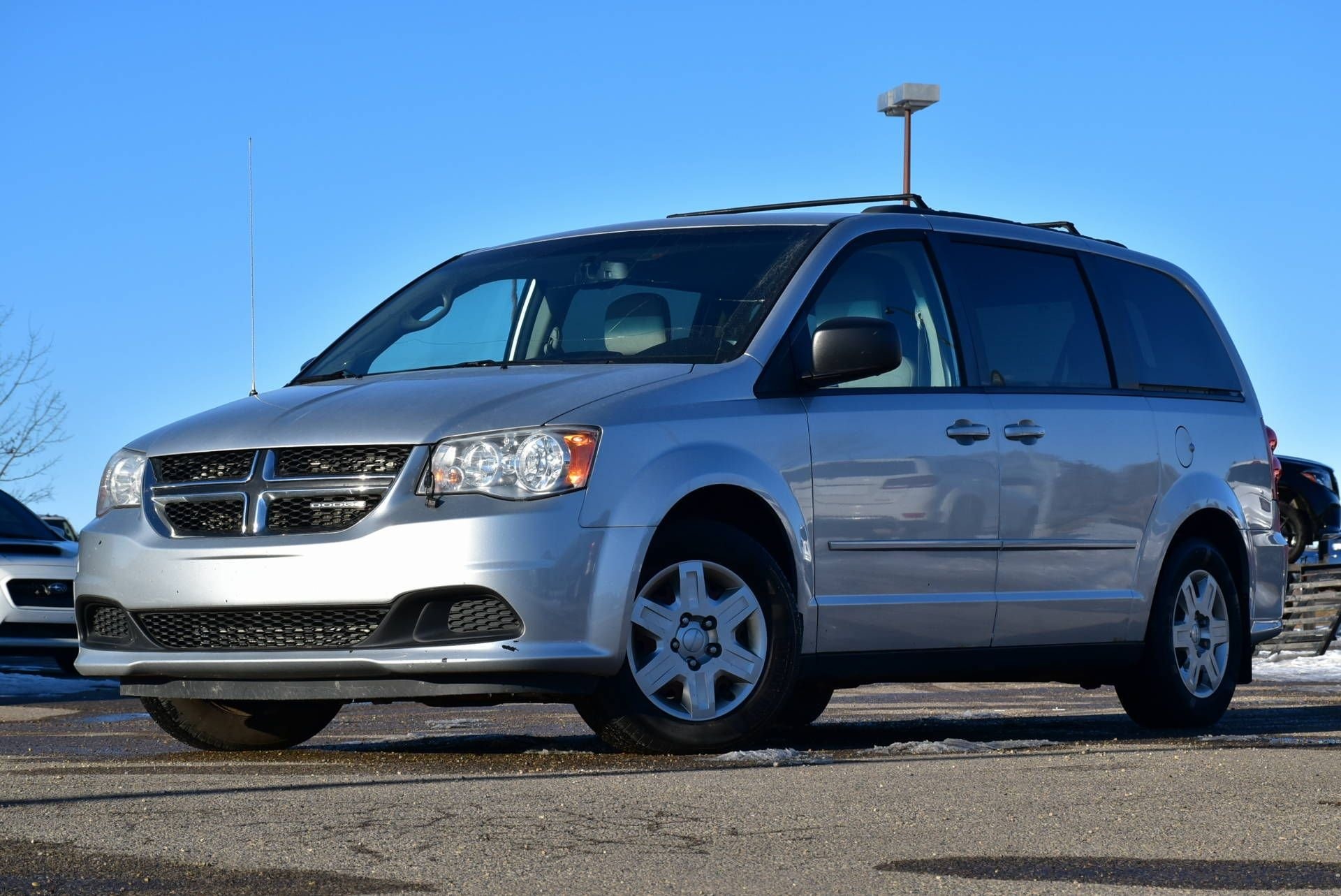
8. Dodge Grand Caravan (2011-2020)
This van is mainly designed for buyers who want to spend as little as possible while still getting plenty of space. If you can find one that has been properly maintained, you can get a vehicle with a spacious passenger area and a large cargo section for much less than you would pay for a similar SUV, whether new or used.
The main attraction is simple. This generation offers good interior space, and because Dodge produced many units, spare parts are generally easy to find. Most mechanics are also familiar with the vehicle, which can make servicing and repairs easier. The mechanical design is not overly complicated, so labour costs may also remain reasonable when repairs are needed.
For someone working with a tight budget, the low purchase price is certainly attractive. It can be a practical option if you need a family vehicle without taking on a large financial commitment at the beginning.
However, it is important to understand that buying cheaply does not always mean the vehicle will be cheap to maintain. This is an older vehicle, and problems can come up, especially on high-mileage examples.
Transmission issues, cooling-system problems, worn suspension components and electrical faults are some of the things you should watch out for. A low buying price can quickly become expensive if you have to carry out major repairs shortly after purchase.
For this reason, keep some extra money aside for unexpected repairs. Most importantly, do not buy the vehicle without first having an independent mechanic inspect it properly. This can save you from serious expenses later.
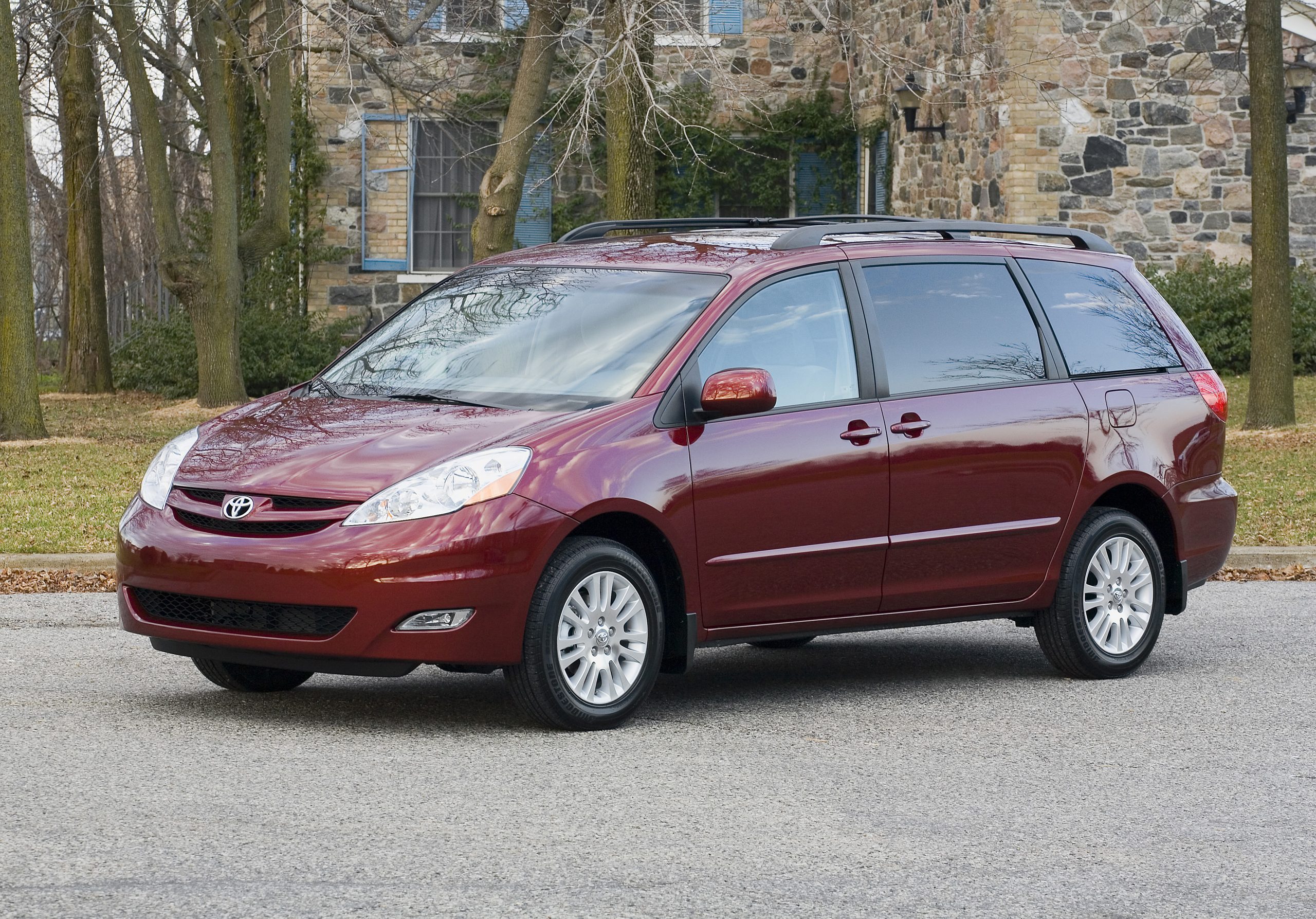
9. Toyota Sienna (2004-2010)
When the budget is truly tight, this older Sienna generation can still put a family in a genuine three-row vehicle for a small fraction of what a newer SUV would cost. It’s not glamorous, but it’s dependable transportation that gets the job done without draining your savings account.
The interior remains impressively roomy for a vehicle this old, and some versions even came equipped with all-wheel drive, a rare find at this price bracket. That combination of low acquisition cost and real family-hauling capability is hard to match elsewhere in the used market.
High-mileage examples that were cared for properly can keep running reliably well past what many buyers would expect, a reflection of how solidly these vans were built during their production run.
That said, buyers need to approach this generation with clear eyes. These vehicles are now quite old by any measure, and age-related deterioration matters more than whatever reputation the model earned when it was new.
Rust along the frame and body, fluid leaks, worn suspension components, and cooling-system problems should all be checked thoroughly before purchase. A vehicle history report combined with a hands-on inspection from a trusted mechanic will tell you far more than the Toyota badge ever could at this point in the van’s life.
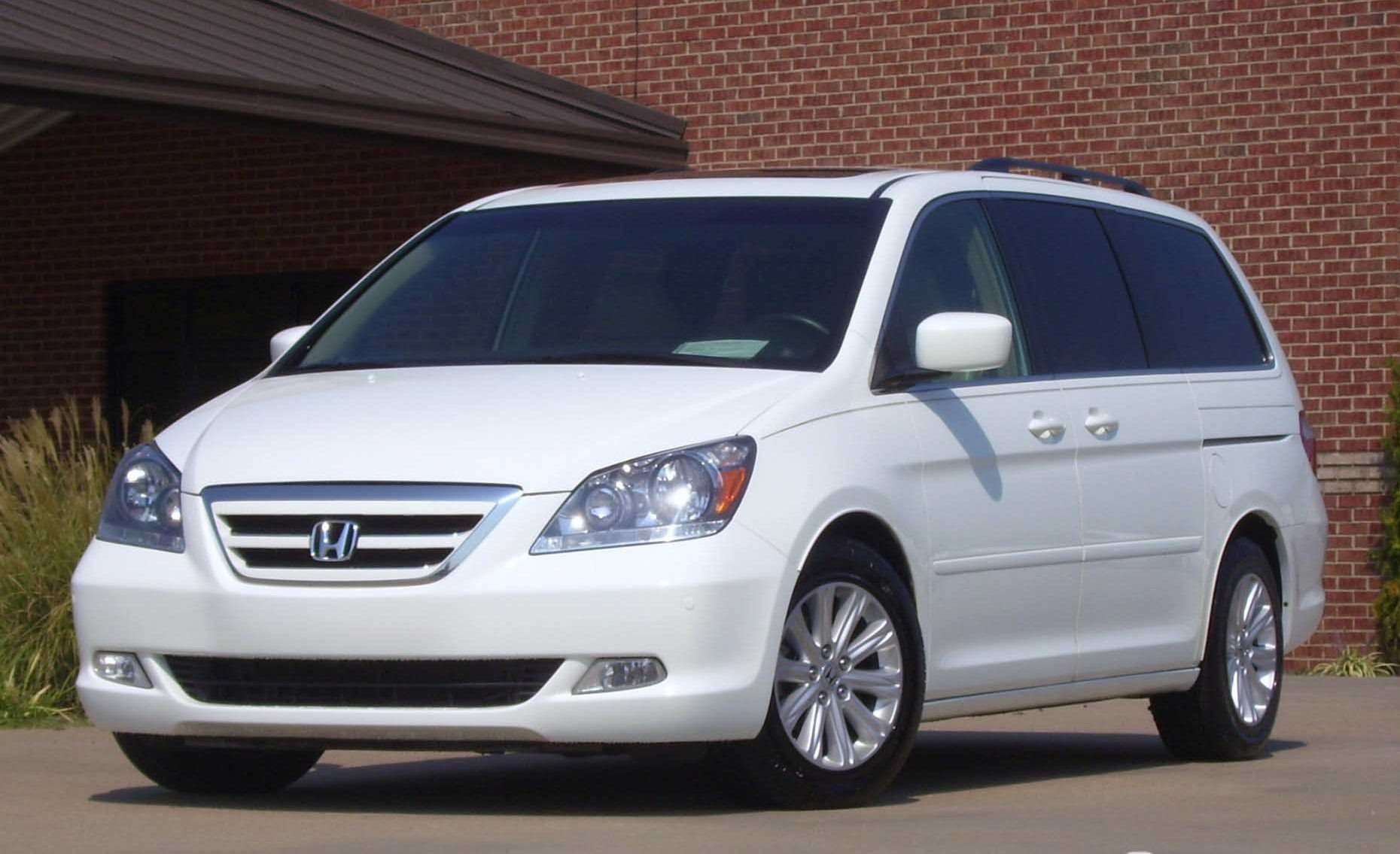
10. Honda Odyssey (2005-2010)
Rounding out this list is a generation of Odyssey that can deliver genuine three-row family transportation at a price that’s hard to beat anywhere else. If your main goal is simply getting a reliable, spacious vehicle without spending much money, this is worth a serious look.
The interior remains a strong selling point even after all these years, offering excellent passenger room alongside cargo capacity that still holds up against much newer competition.
Common replacement parts tend to be relatively inexpensive too, which keeps routine repairs from becoming a financial headache. Compared to the entry cost of a newer three-row SUV, even a well-kept example of this van represents an enormous cost advantage.
When shopping for an older vehicle like this, condition should take priority over most of the numbers on the spec sheet. A neglected Odyssey with a long list of needed repairs can quickly become more expensive than choosing a newer vehicle that has been properly maintained from the beginning.
Before handing over any money, insist on a full inspection covering the transmission, suspension, cooling system, and any signs of rust or previous flood damage. Ask for maintenance records whenever possible, and don’t let a low asking price rush you past the due diligence this purchase truly deserves.
