
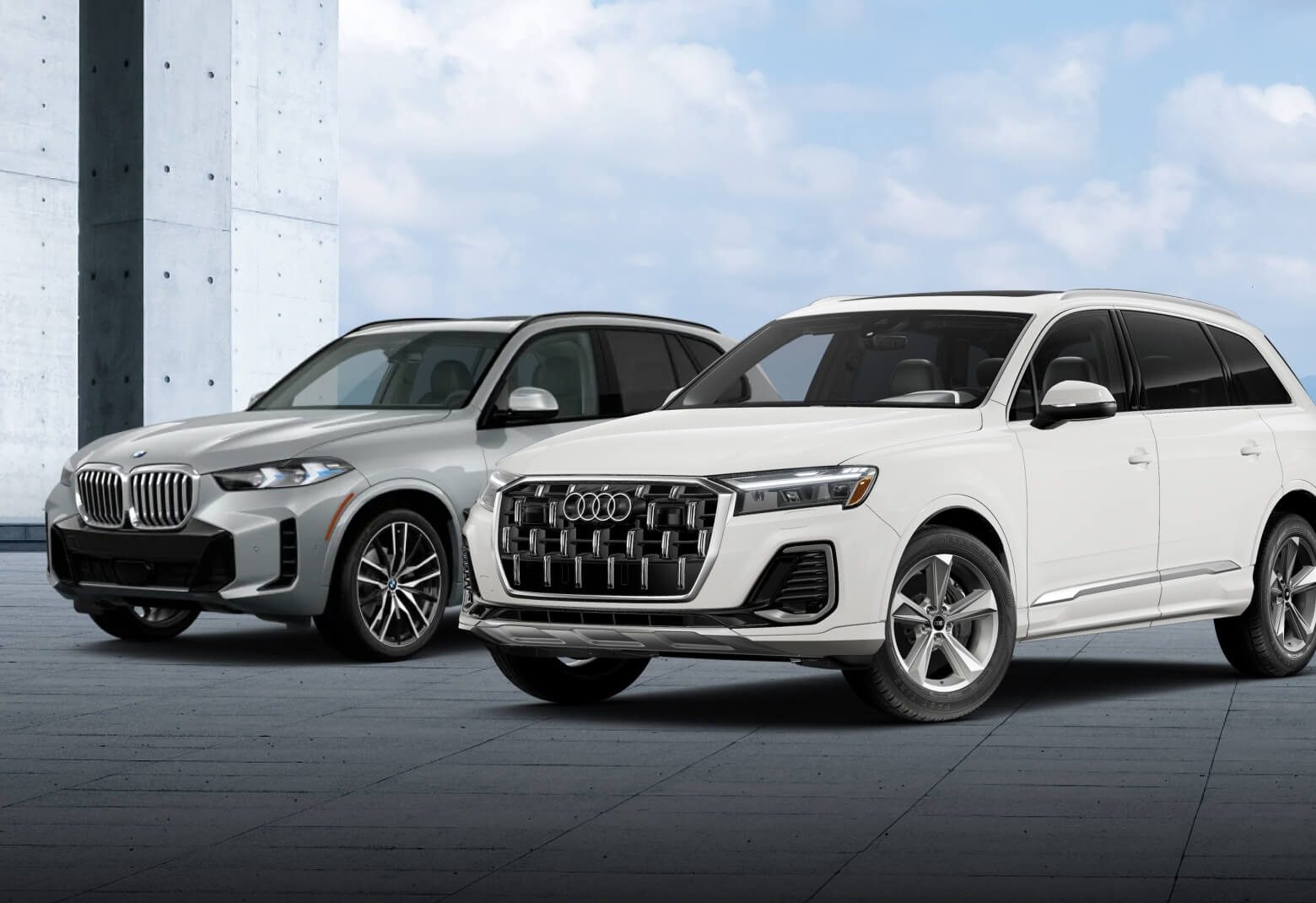
Ever wonder which vehicles actually keep their drivers alive when a crash happens? The Insurance Institute for Highway Safety just answered that question with real numbers, not guesswork.
Their latest study examined fatal crash data collected from 2021 through 2024. It focused on 2023 model year vehicles along with closely related models from previous years. The findings were especially notable, with six vehicles recording zero driver deaths per million registered vehicle years.
Zero. That’s not a typo, and it’s not a fluke either. From luxury SUVs to a full-size pickup, these machines represent the gold standard for protecting the person behind the wheel. Buckle up, because this list might change how you shop for your next vehicle.
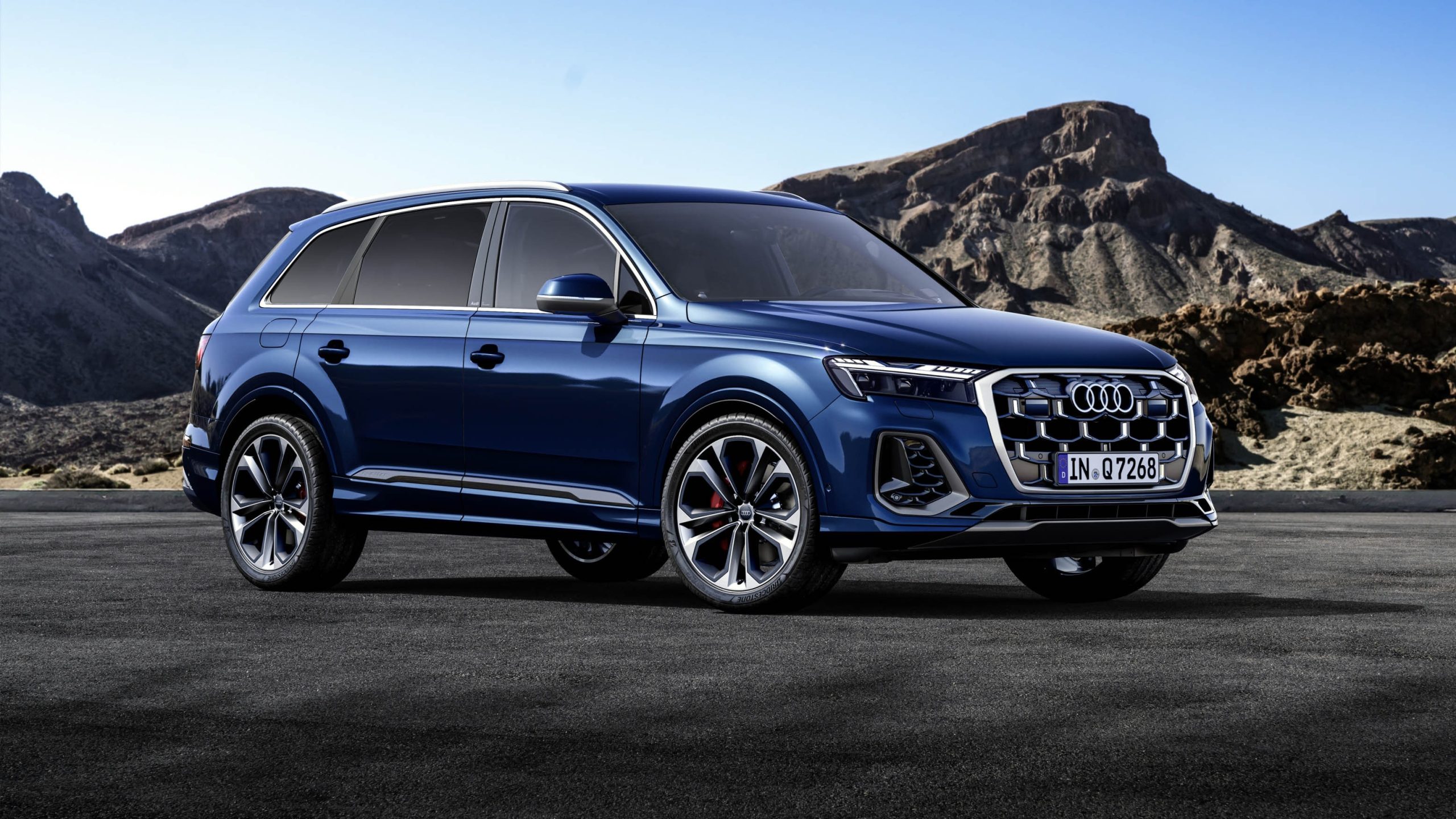
1. Audi Q7 4WD
0 Deaths
Leading the list is the Audi Q7 4WD, which recorded zero driver deaths per million registered vehicle years. This is one of the lowest figures reported in the IIHS study and says a lot about the level of protection built into this three-row luxury SUV.
For families looking for a vehicle that places safety high on the list, the Q7 deserves serious consideration. Part of its strong performance comes from its size and weight. Bigger and heavier vehicles often provide better protection during crashes because of basic physics.
The Q7 also comes with several safety systems designed to help prevent accidents. Depending on the model year, these features include forward collision warning, automatic emergency braking, and different sensors that can alert the driver to possible dangers on the road.
Audi’s quattro all-wheel-drive system adds another layer of confidence, especially when roads become wet, slippery, or difficult to predict. The system helps the vehicle maintain better control when a driver needs to brake suddenly or steer away from danger.
The Q7 also uses a strong unibody structure designed to manage crash forces and provide better protection for people inside the cabin. This combination of solid construction, useful safety technology, and all-wheel drive makes the SUV more than just a luxury vehicle.
For families comparing large premium SUVs, safety figures like these should matter when making a buying decision. Features such as comfortable seats and impressive audio systems are attractive, but protecting everyone inside the vehicle should come first.
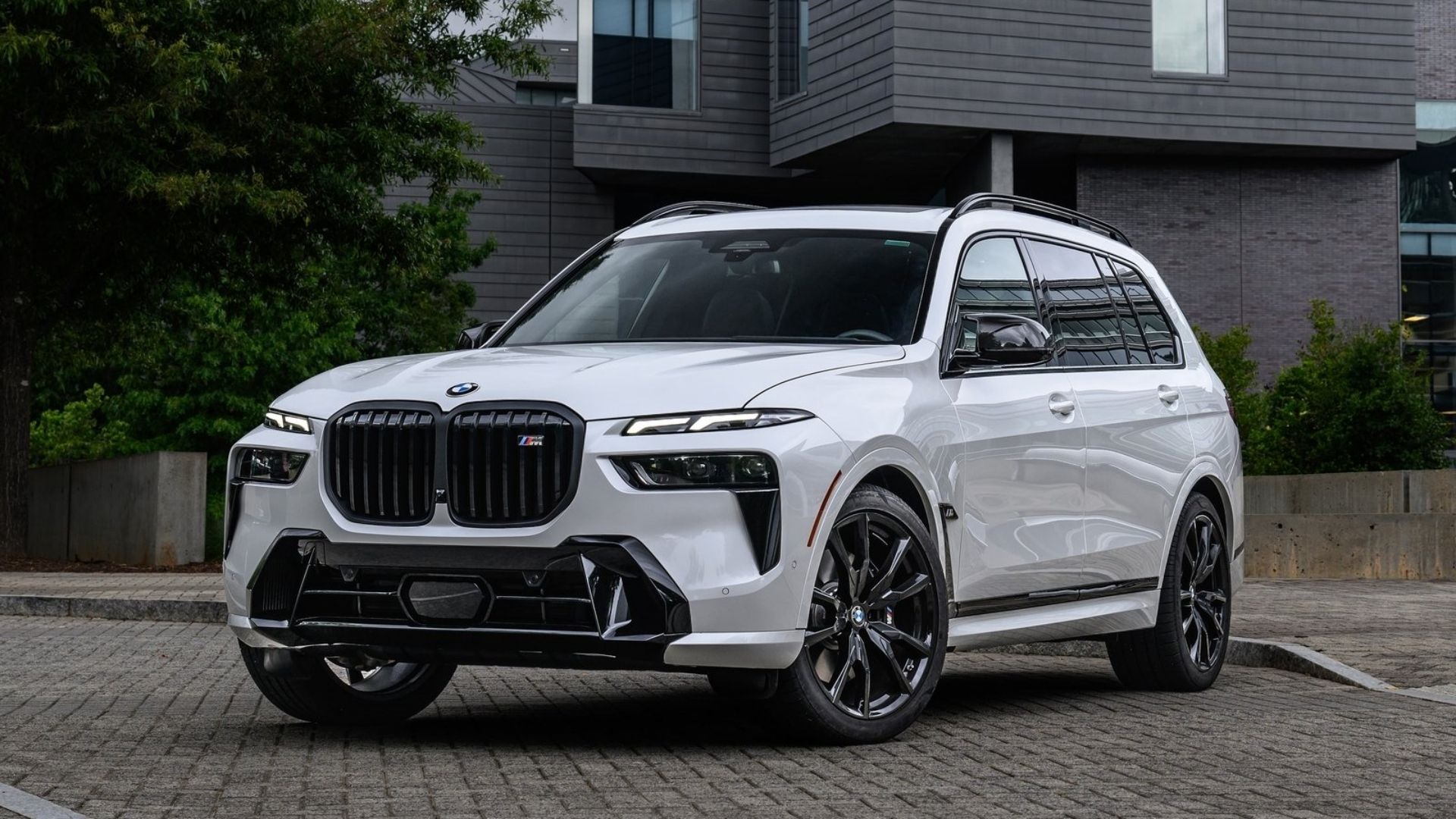
2. BMW X7 4WD
0 Deaths
Right alongside the Audi sits BMW’s flagship, the X7 4WD, another vehicle that recorded zero driver deaths per million registered vehicle years. Two German luxury SUVs, two identical outcomes, and neither result appears to be a coincidence.
This is a genuinely massive vehicle. The X7 stretches well over 200 inches in length and offers three rows of seating wrapped in a body built on a stiff, reinforced platform. That size advantage alone helps in a crash, but BMW didn’t stop there.
Every X7 comes loaded with active safety technology, including collision warning systems, automatic braking, and lane-departure alerts that work quietly in the background until the moment they’re needed most.
Weight distribution also deserves credit. Because the X7 carries its mass low and centered, it resists rollover tendencies better than many taller, narrower SUVs on the road today. That matters enormously, since rollovers remain one of the deadlier crash types drivers face on highways.
Buyers often assume luxury badges mean style over substance, but this data tells a different story entirely. The X7 backs up its price tag with genuine engineering that protects the person in the driver’s seat, not just cushy leather and ambient lighting. That combination of comfort and protection is difficult to find anywhere else in this segment.
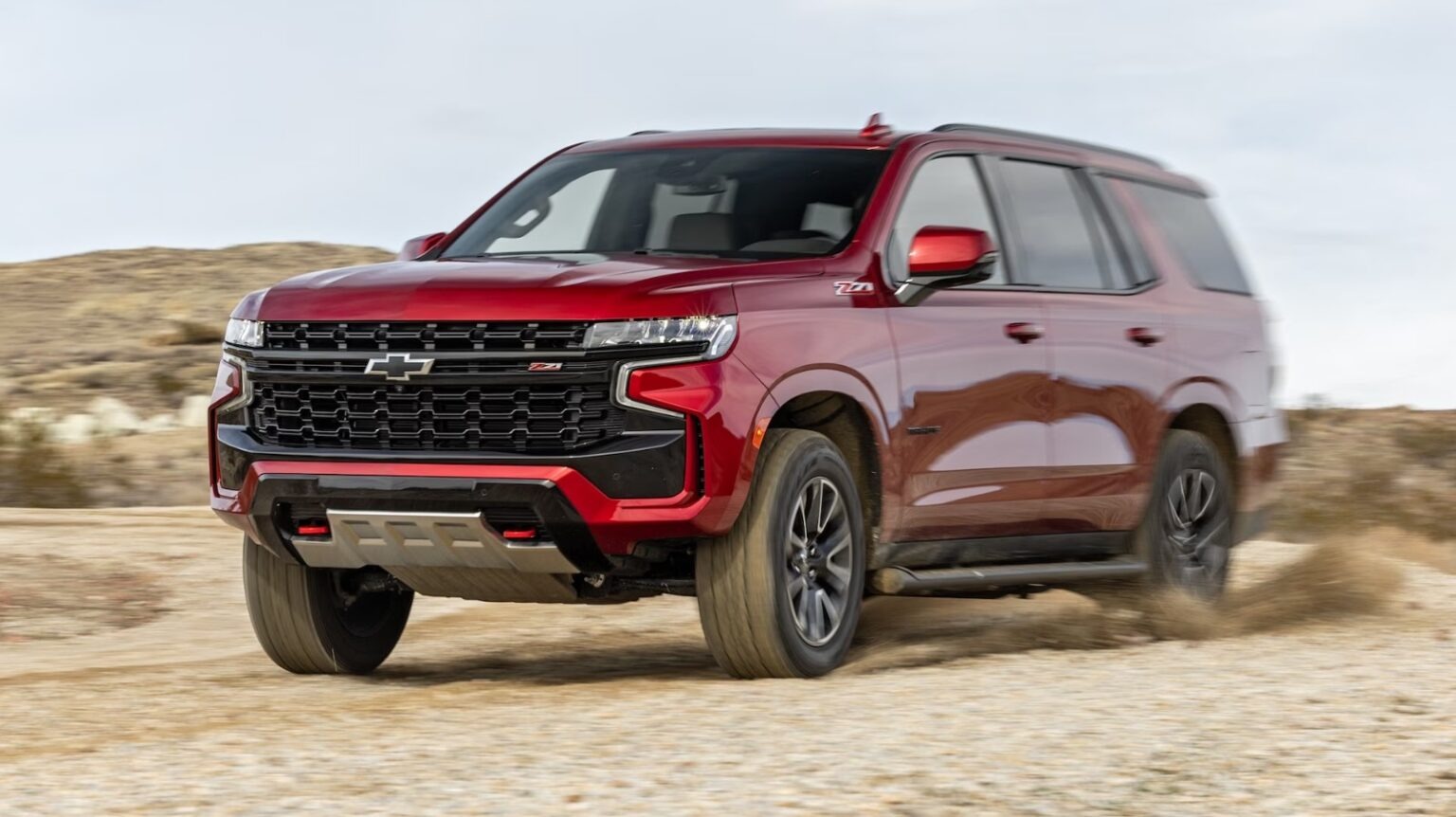
3. Chevrolet Tahoe 4WD
0 Deaths
The Chevrolet Tahoe 4WD delivers an impressive result alongside two European luxury SUVs. It recorded zero driver deaths per million registered vehicle years, showing that exceptional safety performance is not exclusive to imported luxury brands or vehicles with six-figure prices.
Built on a body-on-frame platform originally designed for hauling and towing, the Tahoe brings substantial mass to every interaction on the road. That sheer size works in the driver’s favor during a collision, especially against smaller passenger cars.
Chevrolet backs up that structural advantage with a full suite of driver-assistance features across recent trims, including forward collision alerts, automatic emergency braking, and available night vision that helps spot pedestrians or animals before headlights would normally reveal them.
Families comparing a large SUV with a smaller vehicle often focus on cargo capacity and towing ability. The Tahoe adds another important advantage to that decision with its strong safety record for drivers.
Fleet buyers, law enforcement agencies, and everyday families have relied on this nameplate for decades, and these numbers suggest that trust is well placed. It’s a reminder that domestic engineering can absolutely stand toe to toe with anything built overseas.
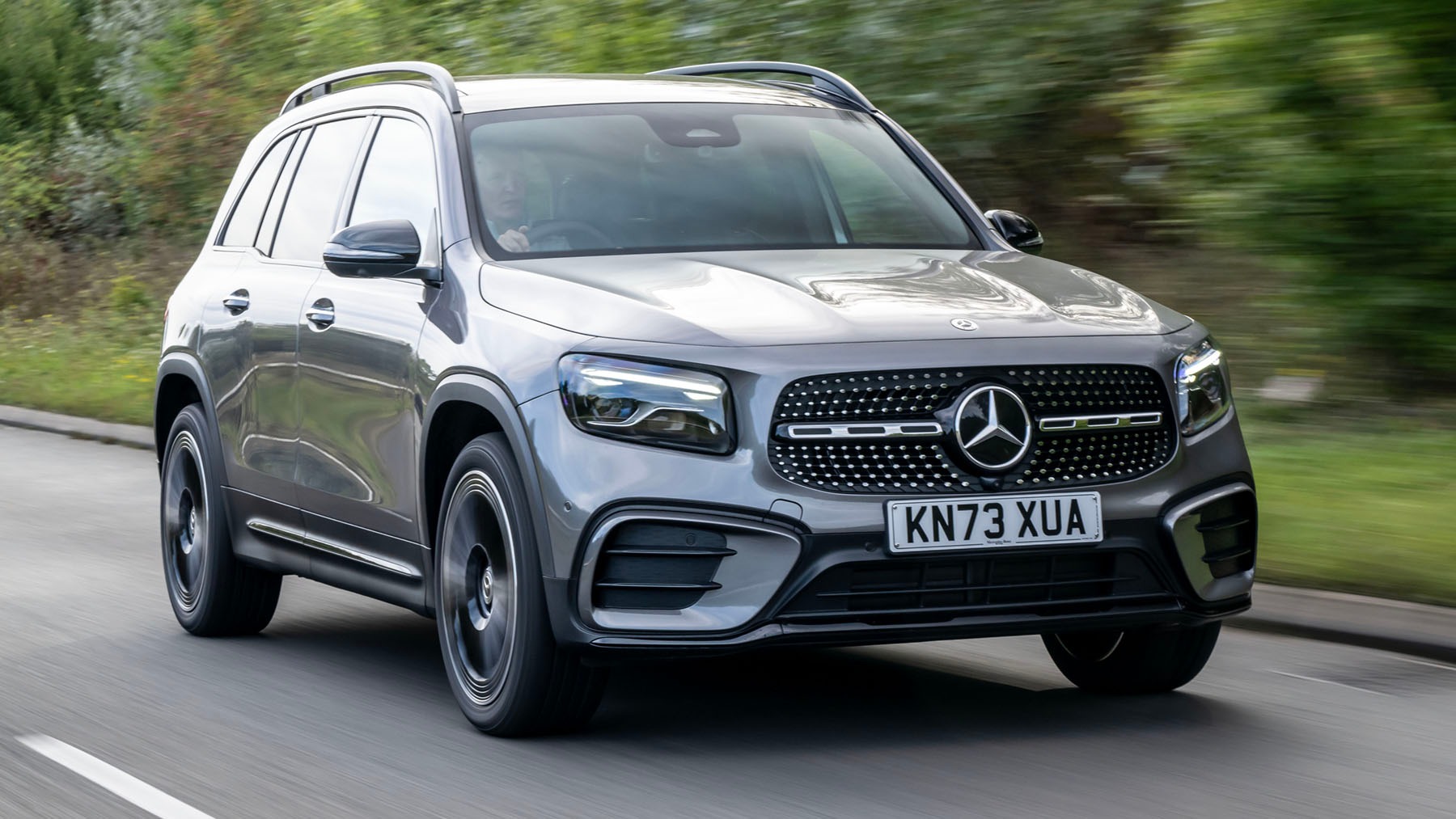
4. Mercedes-Benz GLB-Class 4WD
0 Deaths
Don’t let the smaller footprint fool you. The GLB-Class 4WD, Mercedes-Benz’s compact three-row crossover, also recorded zero driver deaths per million registered vehicle years, right alongside SUVs nearly twice its size.
Size clearly isn’t everything when it comes to keeping drivers safe. What the GLB lacks in bulk, it makes up for with smart engineering and a comprehensive safety package borrowed from larger, pricier Mercedes models.
Standard equipment across recent years includes automatic emergency braking, active brake assist, and attention-monitoring systems designed to catch a drowsy or distracted driver before a small mistake becomes a disaster. The GLB’s tall, boxy shape also happens to improve outward visibility, giving drivers a clearer view of pedestrians, cyclists, and other vehicles around them.
This result should reassure buyers who assume that only massive, expensive SUVs can deliver strong protection. A well-engineered smaller vehicle, built with a rigid safety cage and modern electronic aids, can match the outcomes of something three times its price.
For young families or first-time SUV buyers working with a tighter budget, this is genuinely encouraging news. It proves that responsible engineering, not just raw size and weight, plays a massive role in determining whether a driver walks away from a serious crash.
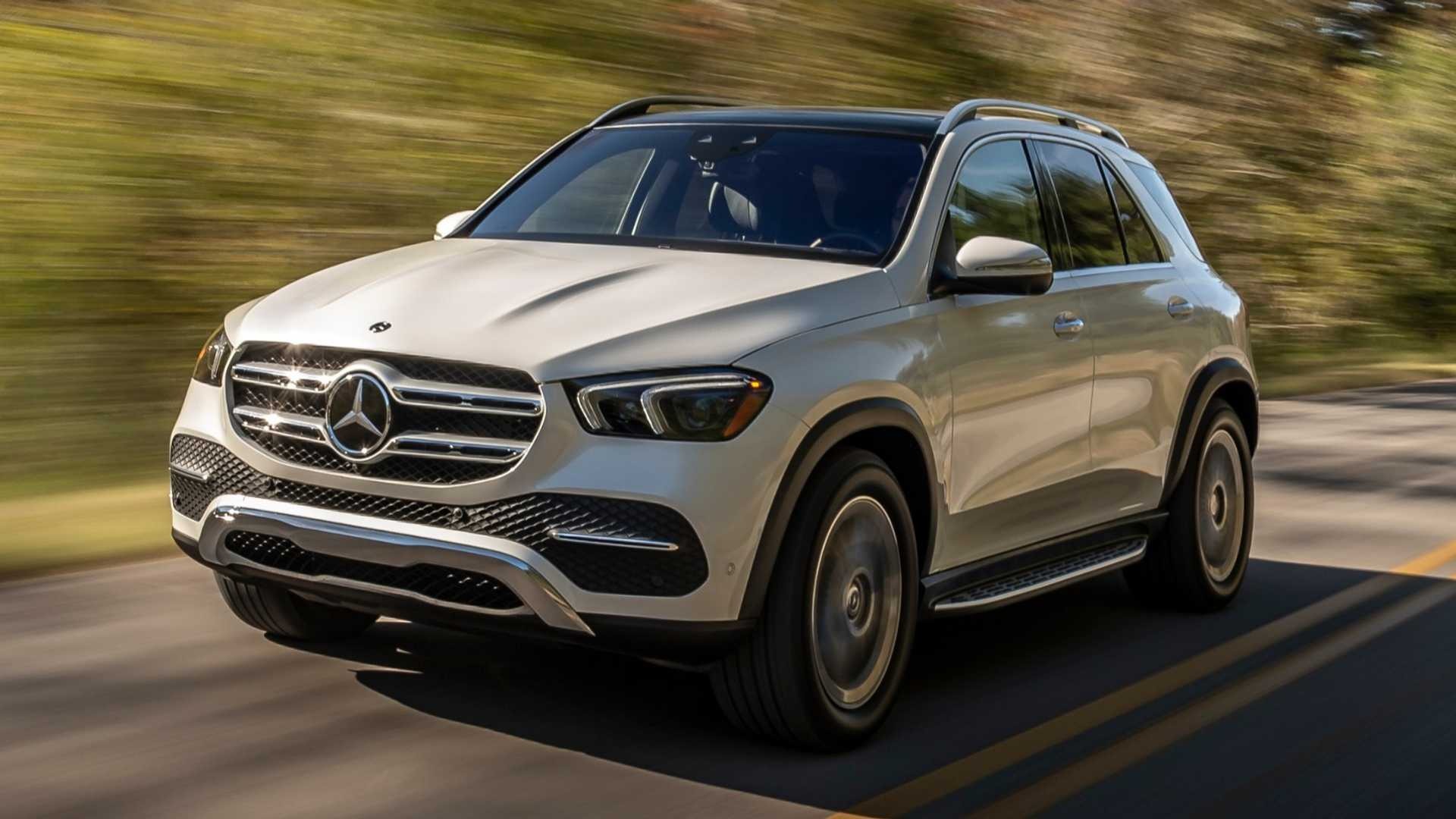
5. Mercedes-Benz GLE-Class 2WD
0 Deaths
Another Mercedes model has made the list, this time the mid-size GLE-Class with two-wheel drive. With zero driver deaths per million registered vehicle years, the SUV ranks among the safest vehicles included in the study.
For families and individuals who place safety high on their buying list, this is an encouraging result. The repeated appearance of Mercedes vehicles in the rankings may come down to the company’s approach to vehicle design and safety.
Mercedes uses advanced sensors, reinforced body structures, and strict crash-testing procedures when developing its SUVs. The GLE also offers several protective features, depending on the trim and model year.
These can include multiple airbags, adaptive cruise control, and steering assistance that helps the vehicle remain properly positioned within its lane when the driver becomes distracted.
What makes this result more interesting is that the model tested was the two-wheel-drive version. This means its strong safety performance cannot simply be linked to the extra grip provided by all-wheel drive. Instead, the figures point more towards the vehicle’s body structure, safety equipment, and ability to protect the driver during a crash.
For people considering a mid-size luxury SUV, information like this can make the buying process easier. Rather than depending only on the reputation of a car brand or what a salesperson says at the dealership, buyers can look at safety records and make a better-informed choice.
The GLE-Class combines luxury, comfort, useful technology, and a strong safety record, making it a worthy option for daily driving, family use, and longer journeys.
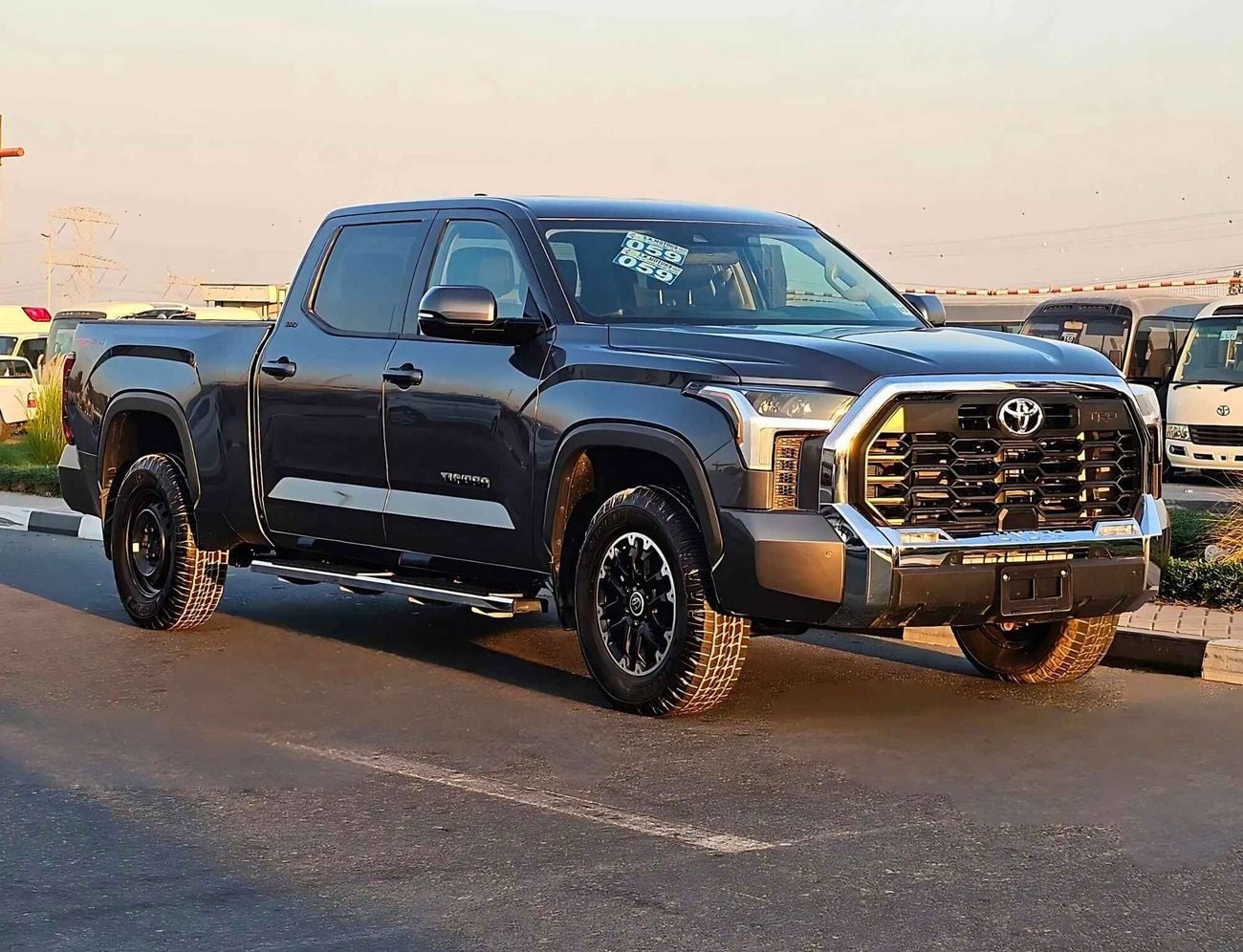
6. Toyota Tundra CrewMax 4WD
0 Deaths
Pickup trucks rarely get credit for occupant protection, yet the Toyota Tundra CrewMax 4WD broke that pattern entirely, becoming the lone truck among six vehicles with zero driver deaths per million registered vehicle years. That’s a genuinely rare accomplishment worth celebrating.
Trucks face unique physics challenges compared to SUVs and sedans. Higher ground clearance and a longer wheelbase can sometimes work against stability in certain crash scenarios, yet Toyota’s CrewMax configuration manages to sidestep those concerns through smart cabin design and reinforced framing around the driver’s seat.
The CrewMax cab specifically offers a roomier, more structurally protected interior compared to smaller cab configurations, giving occupants additional buffer space during impact.
Toyota Safety Sense comes standard across recent Tundra model years, bundling automatic emergency braking, lane-departure alerts, and adaptive cruise control into a package that doesn’t require buyers to hunt through expensive option packages.
That accessibility likely contributes to these results, since safety technology only helps when it’s actually equipped on the vehicle rolling off the lot. For truck buyers who assumed a bigger cab or higher towing capacity meant sacrificing protection, this data offers genuine reassurance.
Capability and driver safety aren’t mutually exclusive here, and Toyota deserves real credit for proving that a work-ready truck can also rank among the safest vehicles on American roads today.
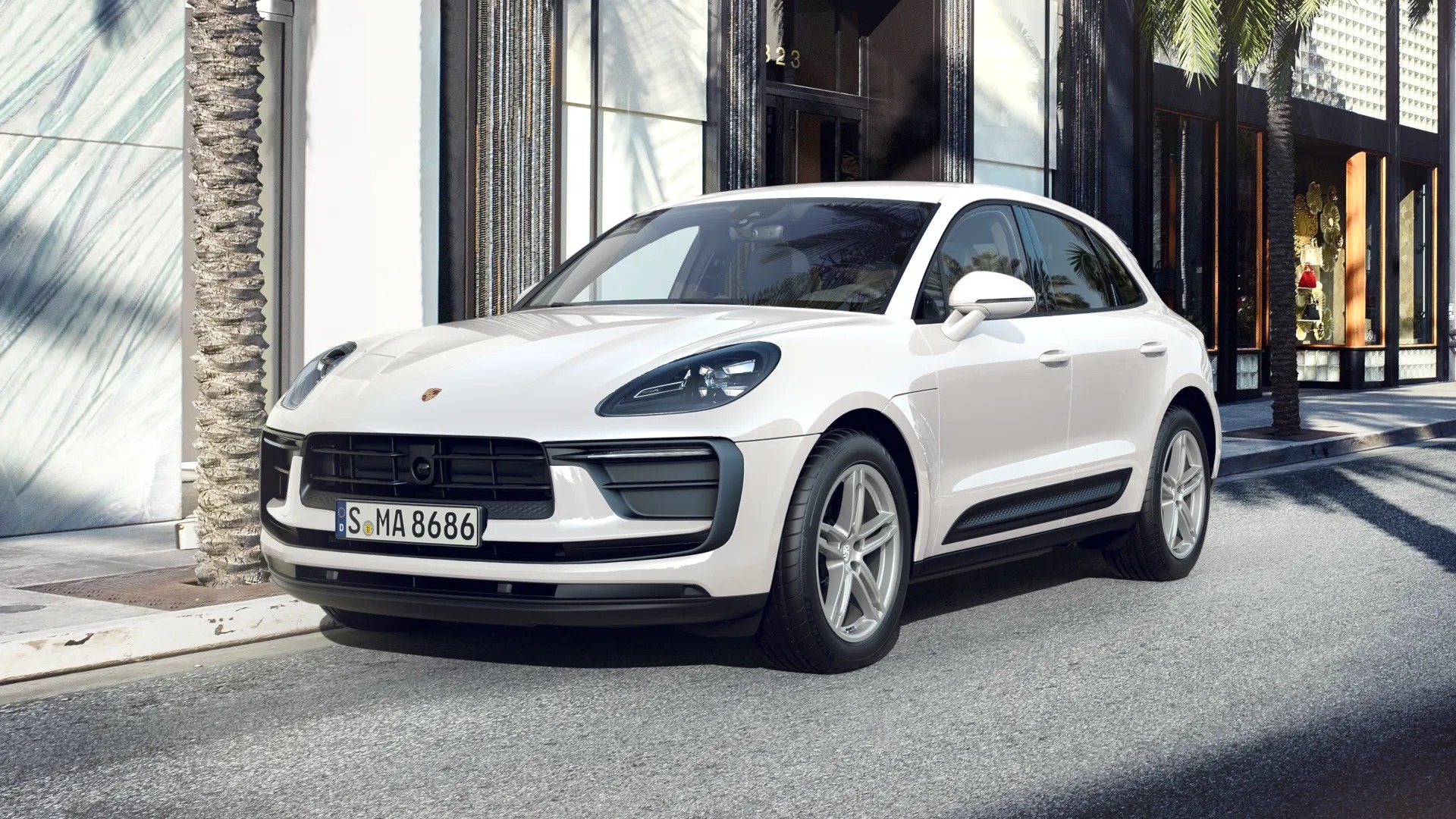
7. Porsche Macan 4WD
4 Deaths
Six vehicles managed a perfect zero, and then comes the Porsche Macan 4WD, sitting just behind that group with 4 driver deaths per million registered vehicle years. Still an excellent result, though it marks a clear line between this compact performance SUV and the vehicles ranked above it.
Sports-oriented SUVs like the Macan present an interesting case. Buyers choose this vehicle specifically for its athletic handling and quick acceleration, characteristics that don’t always align neatly with the cautious, defensive driving style associated with the safest vehicles on any list.
Speed-capable vehicles sometimes attract drivers who push performance limits more aggressively, which can influence real-world crash statistics regardless of how well-engineered the vehicle itself might be.
That said, four deaths per million registered vehicle years remains an impressive figure by any reasonable standard. Porsche builds the Macan around a rigid platform shared with other Volkswagen Group vehicles, and standard safety technology includes automatic braking, collision warning, and a suite of stability controls tuned specifically for spirited driving without sacrificing occupant protection.
Buyers drawn to the Macan’s performance credentials can take comfort knowing they’re not sacrificing meaningful safety margin for that driving excitement. It’s a genuinely well-rounded vehicle that happens to reward enthusiasts without punishing them statistically.
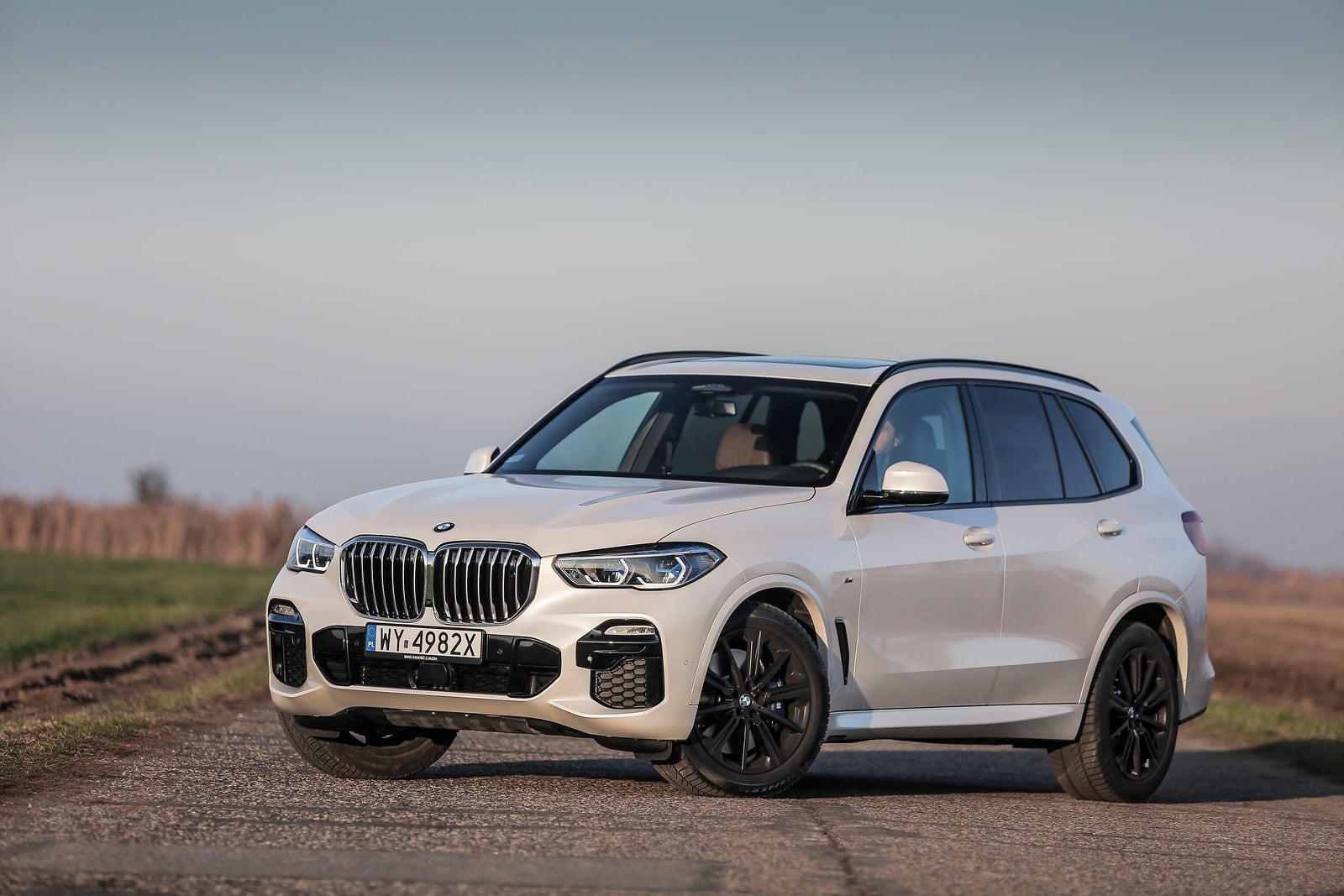
8. BMW X5 4WD
5 Deaths
The BMW X5 4WD recorded five driver deaths per million registered vehicle years, placing it just below the highest-rated vehicles in the study. While this is a strong result, it falls behind the larger BMW X7, which performed better according to the same data.
For a mid-size luxury SUV, the X5 faces certain limitations because it is smaller and lighter than bigger models such as the X7. In some types of crashes, a heavier vehicle may provide an advantage.
Even so, BMW has fitted the X5 with several safety features that can help protect occupants and reduce the chances of a serious accident. These include forward collision warning, automatic emergency braking, and an available night-vision system that helps drivers identify people, animals, or other hazards when visibility is poor.
It is also worth putting the five-death figure into proper perspective. Compared with many vehicles on the road, this remains a very low number. The result shows that the X5 offers a strong combination of protection and driving ability, even though it did not achieve the zero-death figure recorded by some other vehicles in the study.
For families considering the X5 and X7, the small difference in safety results should not be the only thing they consider. The X5 may be more suitable for people who do not require as much cabin or cargo space.
Those who need a third row and additional room may find the X7 more practical. Both SUVs provide impressive safety equipment, strong performance, and the quality expected from BMW, making either model a dependable choice for daily use and family trips alike.
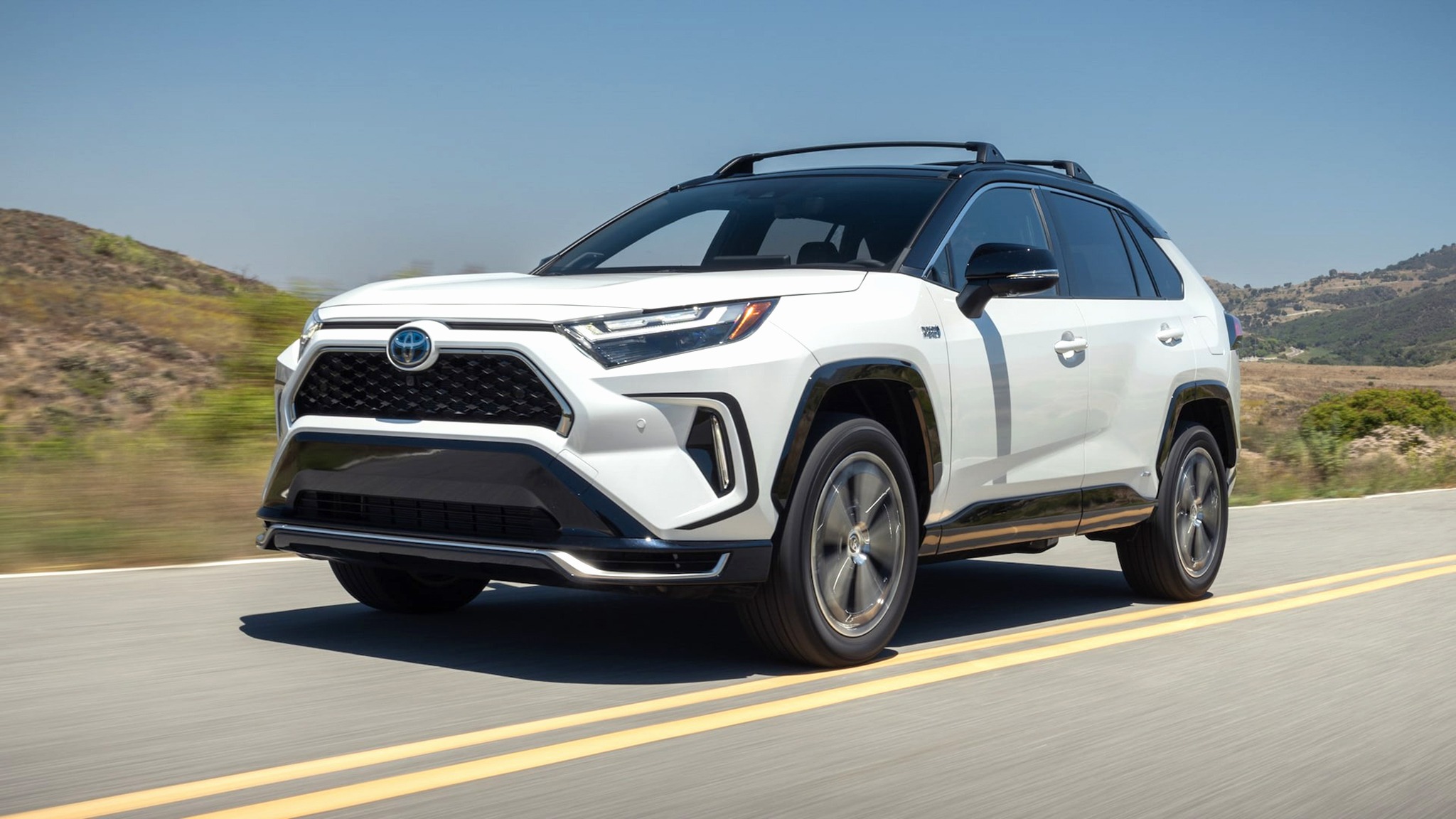
9. Toyota RAV4 Prime 4WD
5 Deaths
Small crossovers do not usually receive as much attention in safety discussions as larger SUVs, but the Toyota RAV4 Prime 4WD has earned recognition for its strong safety record. It recorded five driver deaths per million registered vehicle years, matching the figure reported for the much larger BMW X5.
What makes the RAV4 Prime appealing is how it combines fuel savings with protection for the driver. The plug-in hybrid uses Toyota’s TNGA-K platform, which is also found in several Toyota and Lexus models.
It comes with Toyota Safety Sense as standard, offering features such as automatic emergency braking, lane-keeping assistance, and adaptive cruise control. Its two electric motors also provide strong acceleration, giving drivers extra confidence when joining traffic or overtaking.
Another advantage comes from the battery pack, which sits low within the chassis. This placement helps lower the vehicle’s centre of gravity compared with a petrol-only RAV4.
As a result, the vehicle can remain more stable during sudden steering movements or emergency manoeuvres. This is a practical benefit created by the hybrid design. For buyers who want a smaller and more affordable option than a large luxury SUV, the RAV4 Prime presents a sensible choice.
Its safety performance shows that drivers do not need to spend hundreds of thousands of dollars or buy an extremely large vehicle to get strong protection and useful performance. The combination of efficiency, safety technology, stability, and responsive acceleration makes it a practical option for everyday driving.
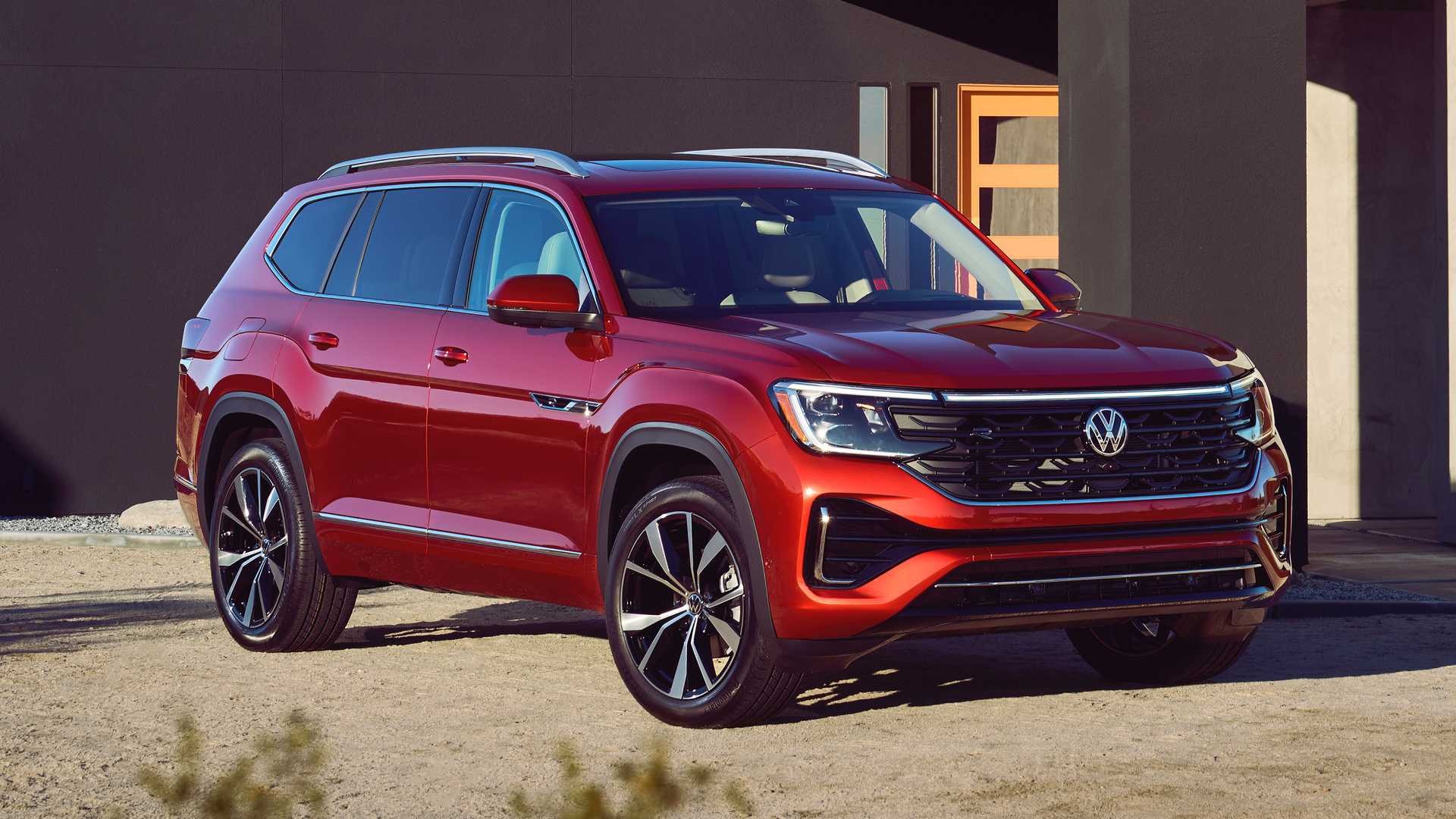
10. Volkswagen Atlas 2WD
5 Deaths
Closing out this list is the Volkswagen Atlas 2WD, rounding out the top ten with 5 driver deaths per million registered vehicle years. It’s a fitting finish for a three-row family SUV built with everyday practicality in mind rather than performance bragging rights.
Volkswagen designed the Atlas around European crash-safety standards, which tend to be exceptionally rigorous, then adapted the vehicle specifically for American roads and driving habits.
That heritage shows up in the details: a reinforced steel safety cage, standard automatic emergency braking, and a driver-assistance suite that includes blind-spot monitoring and rear cross-traffic alerts across most trim levels.
Families cross-shopping three-row SUVs often focus heavily on cargo space and seating configurations, sometimes overlooking safety data entirely until a decision has already been made.
The Atlas offers a compelling reason to slow down and check those numbers first, especially for buyers working with a budget that doesn’t stretch to luxury nameplates further up this list.
Five deaths per million registered vehicle years places the Atlas in genuinely elite company, a reminder that mainstream, family-focused vehicles can deliver protection on par with vehicles costing tens of thousands of dollars more. For value-conscious shoppers, that’s about as reassuring as data gets.
