
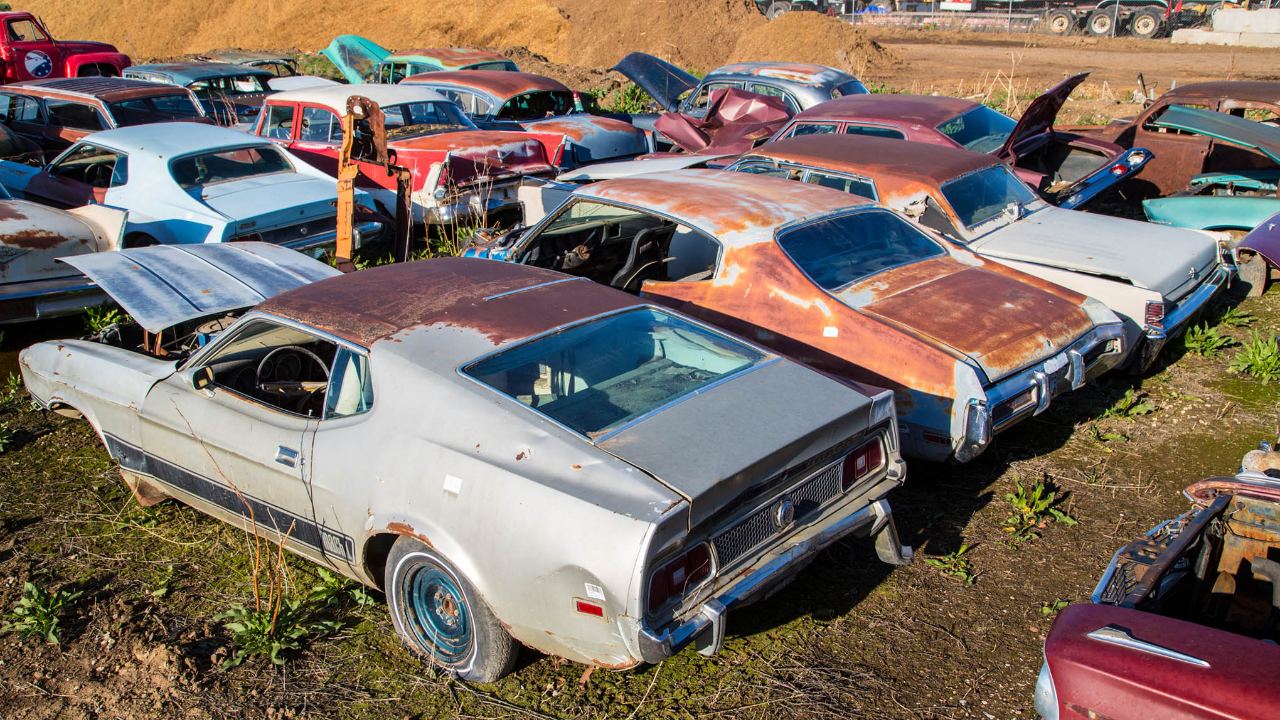
Buying a salvage car can look like a shortcut to a cheap vehicle, but the title can create a much bigger obstacle than the purchase price suggests.
Across the United States, a vehicle carrying a salvage designation generally cannot simply be insured, titled, and registered for normal road use without meeting additional state requirements.
Those requirements vary widely. Some states require inspections, repair documentation, parts receipts, or rebuilt-title applications, while others impose especially strict examination procedures.
This guide focuses on states where a salvage vehicle cannot move directly into ordinary registration and explains what owners must accomplish before getting back on the road.
1. California
California makes an important distinction between a vehicle carrying a salvage designation and one that has been successfully restored. A salvage vehicle is not simply ready for normal road use after repairs.
Before it can be re-registered, the California Department of Motor Vehicles requires the vehicle to go through the appropriate revived-salvage process. Depending on the circumstances, this can involve a vehicle verification or California Highway Patrol inspection, proof of ownership, applicable certificates, fees, and other documentation.
The state’s requirements become particularly serious when the vehicle has been classified as nonrepairable. California DMV states that a nonrepairable vehicle cannot be titled or reregistered for use on California roads or highways.
That category is different from an ordinary salvage vehicle because it generally covers vehicles intended only for parts or scrap, completely stripped vehicles, and certain severely burned vehicles.
For a repairable salvage vehicle, however, California does provide a path back to registration. The DMV describes a revived salvage vehicle as one that was previously reported as a total loss but has been restored to operational condition.
The application can require a REG 343, proof of ownership, vehicle verification or CHP certification, and additional documents depending on the vehicle. California also requires the appropriate safety-related certifications and may require smog documentation.
That means a buyer should never assume that a repaired salvage car automatically becomes road legal. California records the salvage history, and future title and registration documents can continue to show that history. The state also warns that improperly repaired vehicles or vehicles containing stolen parts can create additional problems.
2. New York
New York takes a particularly formal approach to salvage vehicles. If a salvage vehicle has been rebuilt for roadway use, the New York Department of Motor Vehicles requires a salvage vehicle examination before issuing a new title certificate or registration.
The examination is part of the state’s Auto Theft Prevention Program and is designed to help determine whether the vehicle or its replacement parts are stolen.
The rule has a direct consequence for buyers. Possessing a salvage title does not mean the vehicle can immediately receive ordinary registration. The vehicle must first satisfy the state’s salvage process.
New York DMV explains that a vehicle identified as having qualifying damage cannot simply be registered and must undergo the required examination before the state issues the appropriate documentation.
New York also pays close attention to documentation surrounding the repairs. During the salvage examination, owners must be prepared to explain the repair work and provide original receipts for replacement parts. The DMV can also require specific safety-related repairs.
For example, its salvage examination instructions state that an activated or removed airbag must be replaced with a new vehicle-specific inflatable restraint system, rather than a used airbag taken from another vehicle.

Once the vehicle completes the process, New York does not erase its history. A title issued for a rebuilt salvage vehicle carries the “REBUILT SALVAGE” brand. The branding is designed to alert future buyers that the vehicle previously had serious damage or another qualifying salvage history.
Anyone looking to buy a salvage vehicle in New York should understand that completing the repairs is only part of the process. The vehicle must also pass the required examination and complete the title process before it can be registered normally.
3. Nevada
Nevada is one of the clearest states on this list because its DMV explicitly states that a vehicle carrying an orange salvage title cannot be registered or operated on a public street until it has been rebuilt and inspected. That makes the distinction between buying a damaged vehicle and obtaining a road-legal rebuilt vehicle especially important.
Nevada’s process begins before the vehicle reaches the registration counter. For vehicles five model years old or newer, the owner must obtain authorization from the DMV before repairs begin. The state uses an Authorization for Vehicle Restoration, and the vehicle cannot simply be repaired first and brought in later for approval.
The repair itself must meet applicable safety standards. Nevada requires records showing the work performed and identifying information for parts used. Airbags and seat belts must be repaired according to federal safety requirements.
After reconstruction, a Nevada-registered garage, licensed body shop, or licensed rebuilder must complete the applicable inspection documentation. The vehicle then goes to a DMV inspection station for another inspection before it can receive registration.

Nevada has another restriction that buyers need to understand. According to the DMV, a vehicle with an orange salvage title cannot be sold directly to a private buyer in Nevada until it has been rebuilt and inspected. Transfers can instead take place through authorized businesses such as licensed rebuilders, wreckers, or dealers.
Once the process is completed, the vehicle receives a Nevada title branded “Rebuilt” or another appropriate designation. That brand cannot be removed from the title.
4. Texas
Texas does not allow a vehicle with an active salvage title to simply move into normal registration.
The Texas Department of Motor Vehicles separates salvage vehicles from rebuilt vehicles and requires a salvage vehicle that has been repaired for road use to complete the appropriate title process before it can be legally operated as an ordinary registered vehicle.
The distinction begins with the title itself. A salvage vehicle is generally one that has been damaged to the point that the repair cost exceeds the applicable percentage of its pre-damage value or one that falls within other statutory salvage categories.
While the exact circumstances can vary, the important point for a buyer is that a salvage designation signals that the vehicle has not yet completed the process required for normal road use.
Once repairs are completed, Texas provides a route toward a rebuilt salvage title. The vehicle’s history does not disappear simply because damaged components have been replaced. The rebuilt designation remains part of the vehicle’s title history, giving future buyers information about its previous salvage status.
Texas also makes documentation especially important. A person attempting to title a rebuilt vehicle should be prepared to provide evidence supporting ownership and the repair process. Depending on the vehicle and circumstances, the state can require inspection and additional documentation before issuing the appropriate title.
This is where bargain hunters can make an expensive mistake. A salvage vehicle advertised for a fraction of the price of a comparable clean-title car may still require transportation, parts, labor, inspections, title fees, and potentially additional repairs before it becomes usable on public roads.

Texas, therefore, should not be viewed as a state where a salvage car is permanently useless. The key issue is that the salvage title itself does not provide the normal registration pathway. The vehicle must first satisfy Texas requirements for a rebuilt vehicle.
For buyers, the smartest question is not simply, “Can I buy this salvage car?” It is, “Can this particular vehicle qualify for a rebuilt title, and do I have the documents and repair evidence needed to prove it?”
5. Florida
Florida does not allow a vehicle carrying a salvage title to move directly into ordinary road registration. The Florida Department of Highway Safety and Motor Vehicles requires a salvage vehicle that has been rebuilt for road use to go through the state’s rebuilt-title process before it can receive a title suitable for registration.
The distinction is important for buyers because a salvage certificate is not equivalent to a normal vehicle title. Florida law requires vehicles that have been declared salvage to be appropriately branded, and the state maintains procedures for inspecting rebuilt vehicles before they return to the road.
A major part of the process is documentation. Owners may need evidence showing where replacement parts came from, proof of ownership, and the paperwork associated with the vehicle’s previous salvage status.
Florida also uses inspections to verify the vehicle identification number and examine rebuilt vehicles for compliance with state requirements.
The process can become especially demanding when major components have been replaced. A vehicle that looks excellent after bodywork can still face title complications if its documentation does not establish how the reconstruction was performed.
Florida’s system therefore rewards preparation rather than simply finding the cheapest damaged vehicle. Buyers should verify the title brand before paying for a salvage car and determine whether the vehicle qualifies for the state’s rebuilt process.

The crucial point is that Florida does provide a route for eligible salvage vehicles to return to the road. The salvage designation itself is not the final registration status. The vehicle must satisfy the required inspection, documentation, and title procedures first.
That can turn a seemingly inexpensive auction purchase into a much larger project once towing, repairs, inspection fees, and title work are included.
6. Pennsylvania
Pennsylvania treats salvage vehicles differently from ordinary used vehicles, and a vehicle with a salvage title cannot simply receive normal registration because repairs have been completed.
The Pennsylvania Department of Transportation requires a qualifying reconstructed vehicle to complete the state’s enhanced inspection process before it can receive the appropriate reconstructed title.
This is an important safeguard because the state wants evidence that the repaired vehicle is properly identified and that major components used during reconstruction were obtained legally.
The inspection process is more than a basic safety check. Pennsylvania’s enhanced inspection system can involve verification of the vehicle identification number, examination of documentation, and inspection of the reconstructed vehicle itself.
Owners may need receipts, photographs, and other evidence demonstrating the vehicle’s condition before and after reconstruction.
That documentation can become the difference between a straightforward title conversion and a prolonged administrative problem. A salvage vehicle purchased without repair records can be much harder to process than one accompanied by detailed invoices and legitimate parts documentation.
Once approved, the vehicle can receive a “RECONSTRUCTED” title rather than returning to a clean-title status. The branding preserves the vehicle’s history for future owners.
Pennsylvania, therefore, does not permanently ban every salvage vehicle from the road. Instead, the state requires the vehicle to cross a regulatory checkpoint before ordinary registration becomes possible. The vehicle has to demonstrate that it has been properly reconstructed and has satisfied the state’s inspection requirements.

For buyers, that means the salvage title should be treated as the beginning of the process, not the end. A low purchase price can be misleading if the vehicle lacks the paperwork needed for Pennsylvania’s reconstructed-title procedure.
Checking the title, repair records, and inspection requirements before purchasing can prevent a damaged vehicle from becoming an expensive vehicle that cannot be registered.
7. New Jersey
New Jersey does not treat a salvage title as an ordinary title that can immediately be used for normal registration.
When a salvage vehicle has been repaired and is intended to return to public roads, the New Jersey Motor Vehicle Commission requires the vehicle to go through the state’s salvage inspection process before the rebuilt vehicle can receive the appropriate title and registration.
The inspection is designed to verify the vehicle identification number and establish that the major components used during reconstruction were legitimately obtained. That makes paperwork particularly important for anyone buying a damaged vehicle from an auction or private seller.
New Jersey’s process can require documentation showing ownership, repair work, and the sources of replacement parts. A vehicle that has been beautifully repaired but lacks sufficient documentation can still encounter problems during the inspection process.
The state also maintains a distinction between vehicles that can be rebuilt and those that are considered unsuitable for normal road use. Buyers should therefore examine the exact title brand before assuming that every salvage vehicle is eligible for reconstruction.
Once a qualifying vehicle passes the required process, the title reflects its rebuilt or salvage history rather than becoming a clean title. That permanent history matters when the vehicle is later sold because the next buyer can see that it previously carried a salvage designation.

For someone searching for a bargain, New Jersey’s system creates an important financial calculation. The purchase price is only one part of the equation. Transportation, replacement parts, labor, inspection, title fees, and potential documentation problems can significantly increase the final cost.
The safest approach is to verify the vehicle’s title status before purchasing it and determine exactly which documents will be required for the inspection. A salvage car may eventually become fully registrable, but the salvage title itself is not enough to put it legally back on the road.
8. Michigan
Michigan requires additional steps before a salvage vehicle can become a normal road-going vehicle. A vehicle with a salvage title cannot simply be registered for ordinary use as though it had never suffered major damage. Instead, Michigan provides a process for vehicles that have been rebuilt and need to receive a rebuilt title.
The Michigan Secretary of State explains that a salvage vehicle must be repaired before it can be retitled for road use. Once the reconstruction is complete, the owner must take the vehicle through the required inspection process.
The inspection helps establish the vehicle’s identity and verifies that the rebuilt vehicle meets the applicable requirements.
Documentation plays an important role. Michigan can require receipts for major components and other evidence showing how the vehicle was reconstructed. This is especially relevant for vehicles purchased from salvage auctions because replacement parts may have come from multiple sources.
A successful inspection does not erase the vehicle’s history. Instead, the resulting title carries the appropriate rebuilt branding, warning future owners that the vehicle previously had a salvage designation.
There is also a major difference between a repairable salvage vehicle and one that has been designated as scrap or nonrepairable. Buyers should not assume that every damaged vehicle can eventually be converted into a road-legal automobile. The exact title brand determines what options remain.
For Michigan buyers, the smartest move is to investigate the title before purchasing rather than discovering the restrictions after spending thousands of dollars on repairs. Confirming the vehicle identification number, title status, repair requirements, and documentation can prevent major problems.
A salvage vehicle can potentially return to legal road use in Michigan, but the process requires more than repairing the visible damage. Until the vehicle satisfies the state’s requirements and receives the appropriate rebuilt documentation, the original salvage status prevents ordinary registration.
9. Minnesota
Minnesota does not treat a salvage vehicle like an ordinary used car when it comes to returning it to public roads. A vehicle that has been issued a salvage title must go through the state’s required salvage inspection and title process before it can receive the documentation needed for normal registration.
The Minnesota Department of Public Safety explains that salvage vehicles that have been rebuilt must be inspected before a rebuilt title can be issued. The inspection helps verify the vehicle identification number and confirms that the vehicle was reconstructed using legitimate components.
This is particularly important for buyers purchasing damaged vehicles from auctions. A car may look completely repaired while still lacking the paperwork needed to establish ownership of major replacement components. Minnesota can require documentation such as receipts and other evidence connected with the reconstruction.
The resulting title does not simply become clean. A vehicle that has been rebuilt after carrying a salvage designation retains a branded title history. That disclosure can affect future resale value and may also influence insurance availability.
The distinction between a repairable salvage vehicle and a vehicle that cannot legally return to the road is also critical. Buyers should verify the exact title brand before investing in repairs because not every damaged vehicle has the same path back to registration.

Minnesota therefore does not impose a permanent ban on every salvage vehicle. Instead, a salvage title by itself is insufficient for ordinary registration. The owner must complete the required reconstruction, inspection, and retitling process first.
For anyone considering a salvage purchase, checking the title before paying is essential. The cheapest auction vehicle can become an expensive mistake if its title category, parts documentation, or condition prevents it from qualifying for a rebuilt title.
10. Massachusetts
Massachusetts places significant restrictions on vehicles carrying salvage titles. A salvage vehicle cannot simply be repaired and registered like a clean-title automobile. Before it can return to normal road use, it must satisfy the state’s requirements for a rebuilt salvage vehicle and pass the applicable examination process.
The Massachusetts Registry of Motor Vehicles uses salvage inspections to verify important information about reconstructed vehicles, including the vehicle identification number and documentation connected with major replacement components. The process is designed partly to combat vehicle theft and the illegal use of stolen parts.
Documentation can therefore become just as important as mechanical repairs. Owners may need receipts and other evidence showing where major components came from. A vehicle without adequate paperwork can face complications even when its physical repairs appear complete.
Massachusetts also maintains title branding after a salvage vehicle is successfully rebuilt. That means the vehicle’s history is not erased when it becomes eligible for road use. Future purchasers can still see that the automobile previously carried a salvage designation.
The state’s system is consequently not a simple prohibition on all rebuilt salvage vehicles. Instead, the original salvage title cannot be used as a normal registration document without completing the required process.

Anyone buying such a vehicle should calculate the entire project before committing money. Parts, labor, transportation, inspection costs, and title fees can quickly push the final investment far beyond the auction price.
Massachusetts buyers should also verify the exact title brand because not every severely damaged vehicle is necessarily eligible for reconstruction. Checking the vehicle identification number and title records before purchase can prevent an expensive surprise.
For a salvage vehicle to become a usable registered automobile, repairing the body is only one part of the job. The paperwork, inspection, and rebuilt-title requirements must also be satisfied.
