
The 2027 model year is shaping up to bring meaningful changes to new cars, from smarter driver assistance and faster electric charging to larger displays, improved parking technology, and more connected vehicle systems. Some features will arrive on specific models rather than across the entire market, so people should distinguish confirmed equipment from industry predictions.
Automakers are also putting greater emphasis on software, battery efficiency, hands-free driving, and passenger comfort. Based on currently announced 2027 vehicles and confirmed technology plans, these ten features represent some of the most credible developments expected to reach showrooms, though availability will vary by brand, model, trim, and region.
1. More Advanced Hands-Free Highway Driving
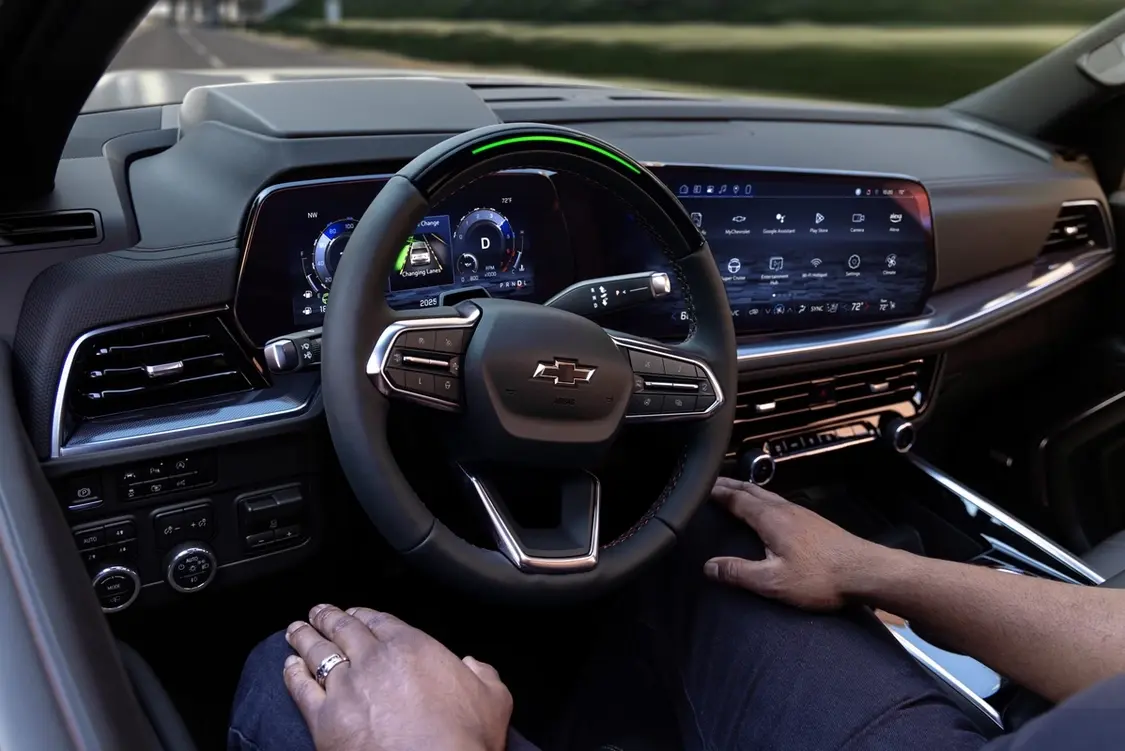
Hands-free highway driving is expected to become more common in 2027 vehicles. The technology combines cameras, radar, mapping information, and software to help a vehicle maintain its lane, control speed, and manage certain highway driving situations.
Ford, for example, is expanding its BlueCruise hands-free driving system, with the technology confirmed as standard equipment on every 2027 Lincoln Corsair Hybrid.
Systems in this category are designed to reduce the workload during long highway journeys. A driver can allow the vehicle to handle steering and speed within supported conditions while remaining responsible for monitoring the road.
This distinction matters because current consumer systems generally provide driver assistance rather than full autonomous driving. NHTSA states that current consumer vehicles with advanced assistance still require the driver’s full attention.
The technology is also becoming more sophisticated. Newer systems can combine adaptive cruise control with lane centering and other functions. The 2027 Audi A3, for example, is being offered with Adaptive Cruise Assist Plus, which combines adaptive cruise control, lane guidance, and automatic highway lane changes. The system can also respond to traffic signals in supported situations.
This means 2027 cars could make highway travel feel considerably less demanding. Drivers may spend less time making constant small steering corrections or adjusting cruise-control settings.
The benefit is particularly noticeable during extended motorway trips, where repetitive tasks can contribute to fatigue. Still, these systems should not be treated as substitutes for an attentive driver.
The important point for buyers is that “hands-free” does not automatically mean “self-driving.” NHTSA currently classifies systems that continuously control both steering and acceleration or braking while requiring driver attention as Level 2 assistance. Higher automation levels are not currently available for consumer purchase in the United States.
2. Smarter Automatic Emergency Braking
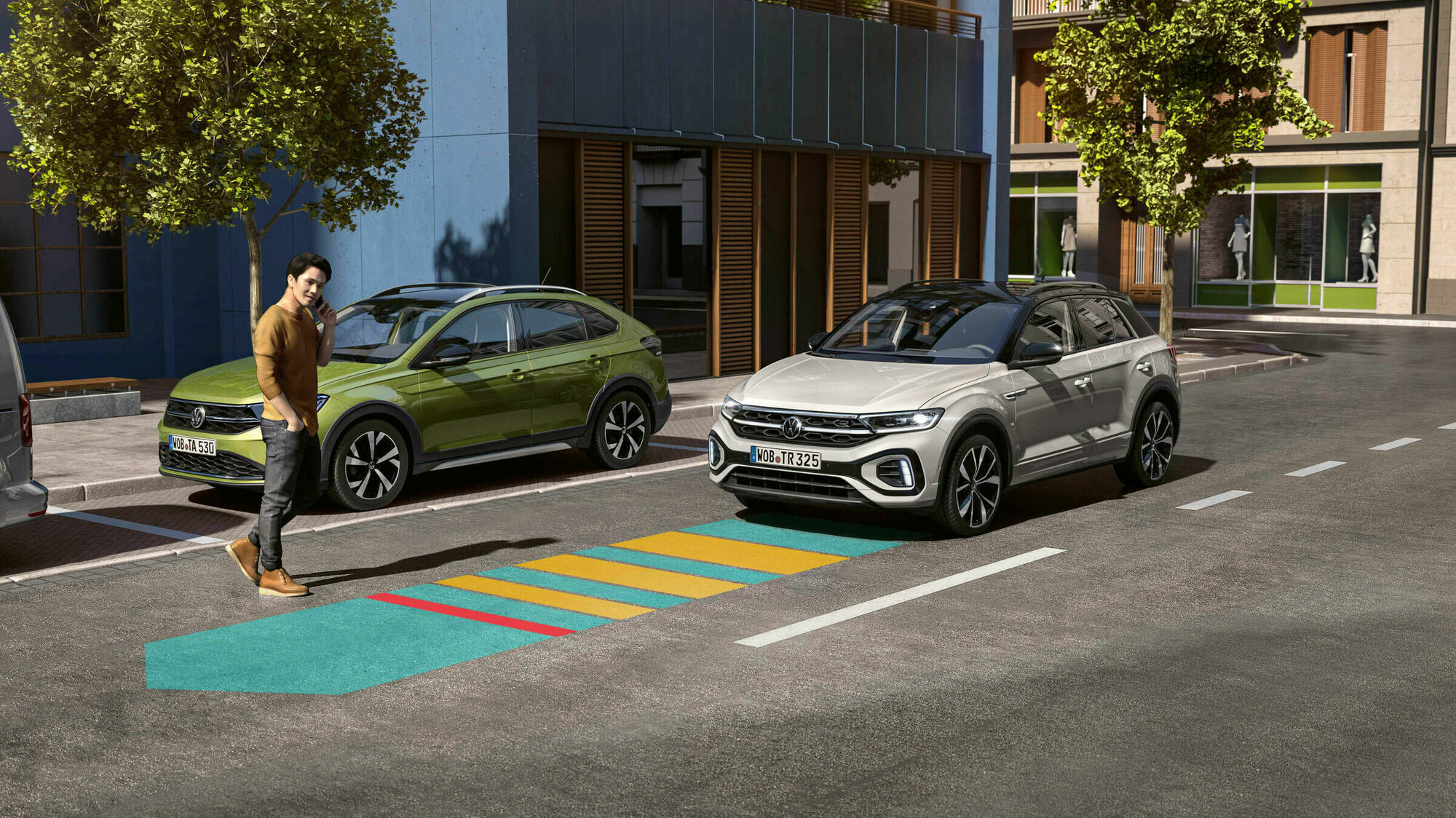
Automatic emergency braking is already available on many modern vehicles, but its capabilities are becoming more advanced. The system uses sensors to detect an impending collision and can automatically apply the brakes when the driver does not react quickly enough. Pedestrian detection can also allow the vehicle to respond when a person is in its path.
Future systems are expected to become more capable at detecting different road users and responding at higher speeds. This development is particularly important because automatic emergency braking is moving from being an optional driver-assistance feature toward becoming a standard safety technology in more markets and vehicles.
In the United States, NHTSA finalized a rule in 2024 requiring automatic emergency braking, including pedestrian AEB, to become standard on new passenger cars and light trucks by September 2029.
The rule requires systems to meet specific performance standards, including the ability to avoid or reduce collisions with vehicles and detect pedestrians in daylight and darkness.
That 2029 deadline does not mean manufacturers will wait until then to introduce better braking technology. Many current vehicles already include AEB, and automakers can introduce systems that exceed existing requirements before regulatory deadlines arrive.
The 2027 model year is therefore likely to see more capable implementations across different vehicle categories.
Buyers should also understand that AEB has limitations. Weather, road conditions, sensor obstructions, vehicle speed, unusual obstacles, and other factors can affect system performance. It remains a safety backup rather than a replacement for attentive driving. Even as automated braking becomes more sophisticated, responsible driving remains essential.

3. Automatic Highway Lane Changes
Automatic lane changes are becoming a more visible part of advanced driver assistance. Instead of requiring the driver to manually steer into a neighboring lane, compatible systems can determine when a lane change is appropriate and execute the maneuver under specific conditions. Audi’s 2027 A3 is an example of a vehicle bringing this capability to the market.
The process normally involves several technologies working together. Cameras and other sensors monitor nearby traffic, while software evaluates the vehicle’s position and surrounding conditions.
When the system determines that a maneuver is permitted, it can steer into an adjacent lane while controlling acceleration and braking.
Automatic lane changes could make long highway drives more convenient, particularly when passing slower traffic. Rather than repeatedly adjusting steering and speed manually, the assistance system can handle parts of the maneuver. The driver must still monitor the road and remain prepared to intervene.
The technology also shows how driver assistance is shifting from individual functions toward integrated systems. Adaptive cruise control, lane centering, collision detection, navigation information, and lane-change assistance can work together rather than operating as isolated features.
However, availability will vary significantly. A feature offered on a premium trim in one market may not appear on a similarly named model elsewhere. Buyers should check the exact specifications for their country and trim rather than assuming every 2027 vehicle will include automatic lane changes.
4. Larger, More Advanced Digital Displays
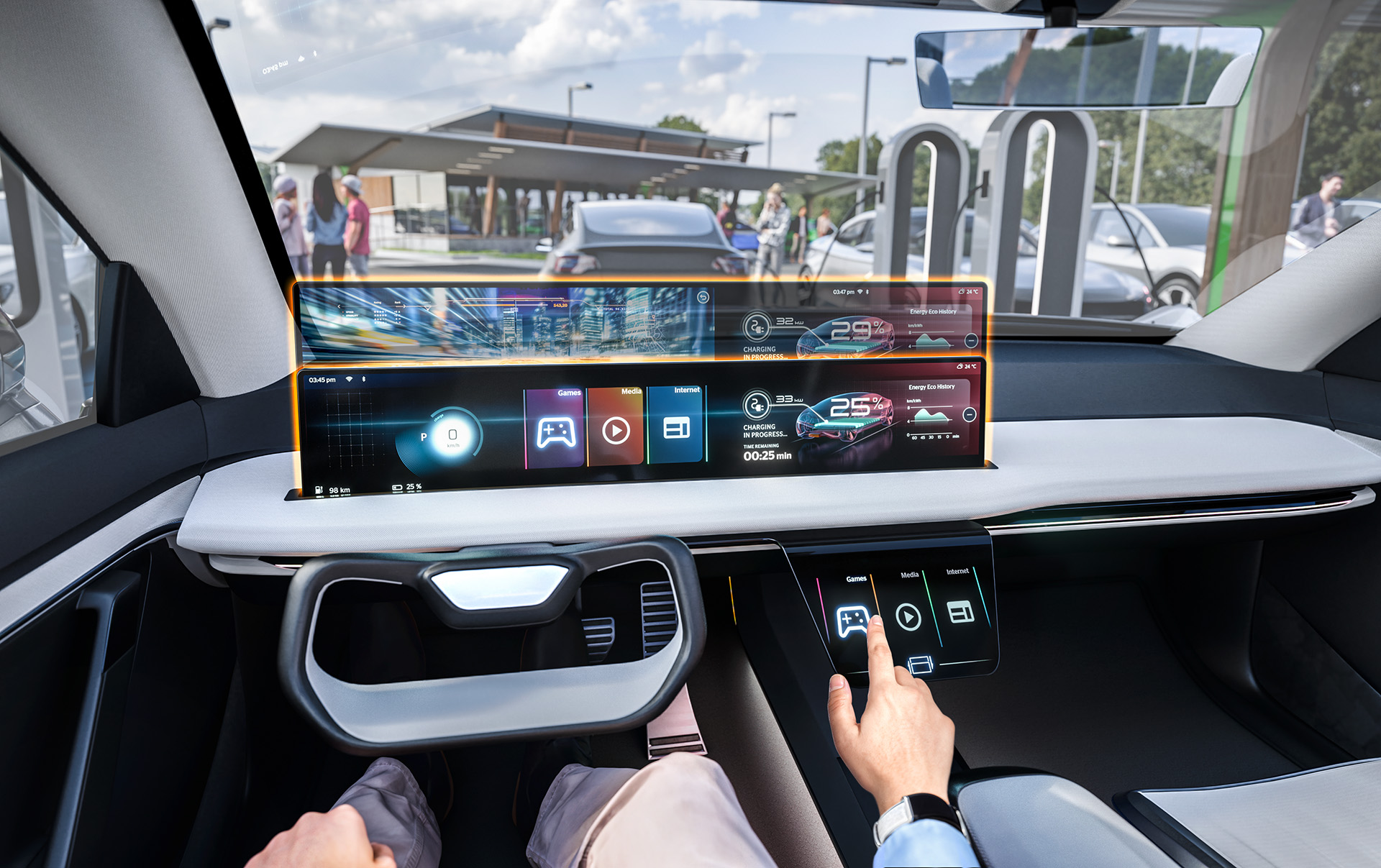
Large screens are becoming a major feature of modern vehicle interiors, and 2027 models are expected to continue this trend. Automakers are replacing traditional instrument layouts with digital displays that combine navigation, vehicle information, entertainment, settings, and driver-assistance information.
The 2027 Audi A3 provides a clear example. Its redesigned interior features a 12.8-inch central touchscreen and an 11.9-inch digital instrument display. The screens are mounted prominently on the dashboard, while the number of physical controls has been reduced.
Large displays provide manufacturers with greater flexibility because software can change what information appears on screen. A driver can view navigation information in one situation and vehicle settings or media controls in another.
Software updates can also change the interface without requiring a completely new dashboard.
Luxury vehicles are pushing screen technology even further. The 2027 Genesis GV90 features a 23.6-inch OLED central display running the company’s Pleos Connect infotainment system. The vehicle also combines digital interfaces with premium cabin technology and extensive passenger-focused equipment.
There is still an important balance to maintain. Bigger screens can provide more information, but they can also create distractions if poorly designed.
The best 2027 interiors will likely combine large displays with voice commands, steering-wheel controls, clear menus, and sensible interfaces that allow drivers to access essential functions without staring at a screen for extended periods.
5. Faster EV Charging and Better Battery Technology
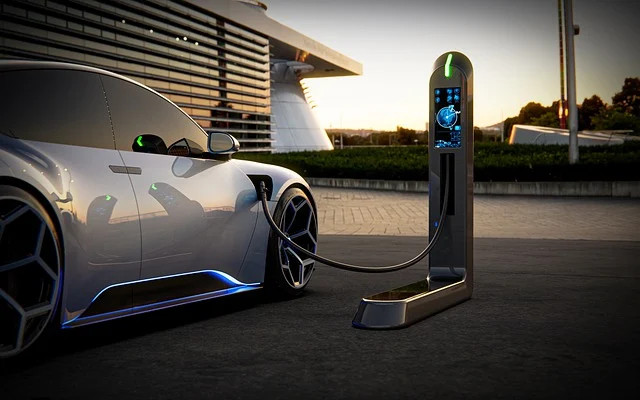
Electric vehicles are likely to receive substantial attention during the 2027 model year. Faster charging is particularly important because charging time remains a major consideration for buyers who regularly travel long distances. New electric models are being developed with larger batteries, higher charging rates, and more efficient electrical systems.
The 2027 Genesis GV90 demonstrates what premium electric vehicles are targeting. Its large battery is designed to support fast DC charging, with Genesis quoting a 10 to 80 percent charging time of about 22 minutes when using a 350-kW charger.
Charging performance depends on more than the charger itself. The vehicle’s battery chemistry, thermal management system, charging architecture, battery temperature, and state of charge all influence how quickly energy can be added.
A car advertised as supporting high charging power may not maintain its maximum rate throughout an entire charging session.
Battery efficiency is also becoming increasingly important. Rather than simply adding larger batteries, automakers are working to improve the amount of usable driving range produced from available battery capacity. Better software, aerodynamics, electric motors, and thermal management can all contribute to improved efficiency.
The 2027 market should therefore offer EV consumers more choices in charging performance. Still, buyers need to check the actual charging specifications for each model and consider local charging infrastructure.
A vehicle’s maximum charging capability only provides its full benefit when compatible high-power charging equipment is available.

6. More Intelligent Parking Assistance
Parking technology is moving beyond simple rear cameras and parking sensors. New systems can assist with steering, remember parking maneuvers, and in some vehicles allow the driver to control parking remotely. These features are particularly useful in narrow garages, crowded parking areas, and difficult spaces.
The 2027 Audi A3 is expected to offer parking assistance with a remote function and the ability to memorize parking maneuvers. This allows the vehicle to automate certain repeated parking situations rather than requiring the driver to perform the entire process manually each time.
Remote parking can be especially practical when a driver cannot comfortably open a door after parking. A vehicle may be able to move into or out of a suitable space while the driver controls the operation from nearby, depending on the system and local regulations.
Memory-based parking takes the idea further. If a car repeatedly travels through the same driveway or garage route, software can potentially remember the maneuver and reproduce it under appropriate conditions. This could make difficult parking locations much easier to manage.
These systems will still have limitations. They depend on sensors and software correctly understanding their surroundings, and drivers must follow manufacturer instructions. Parking assistance should be regarded as a convenience and safety aid, not as permission to stop paying attention around pedestrians, vehicles, walls, or other obstacles.
7. More Connected and Data-Driven Vehicle Systems
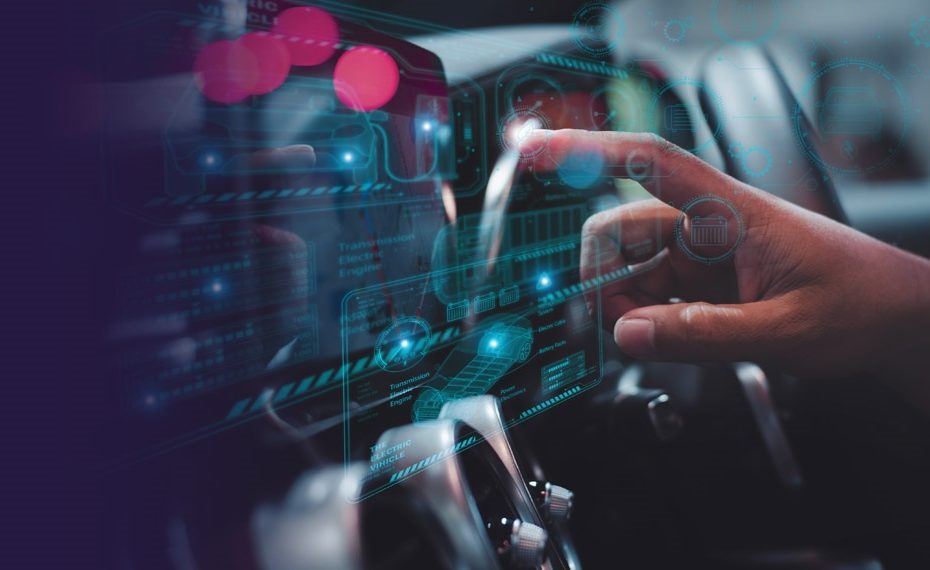
Cars are increasingly becoming software-driven products. Modern vehicles can collect information from cameras, sensors, navigation systems, and other cars, then use that data to improve assistance features. This trend is likely to become more visible in 2027 models.
The 2027 Audi A3 illustrates this direction through its use of what Audi describes as “swarm data.” Information from other vehicles can help the system determine appropriate speeds and positioning, including situations where road markings may not be clearly visible.
Connected systems can potentially provide benefits beyond entertainment. Vehicles can exchange information about traffic conditions, road layouts, hazards, and other driving circumstances. When processed correctly, this information can help driver-assistance systems make better decisions.
Software also gives automakers more opportunities to improve vehicles after they leave the factory. Certain functions can potentially be updated through software rather than requiring a traditional mechanical modification. This can allow manufacturers to address problems, introduce interface improvements, and refine existing features.
Privacy and reliability remain important considerations. Connected vehicles can involve large amounts of data, and consumers should understand what information is collected and how it is used.
The strongest systems will need to combine useful connectivity with strong security, transparent policies, and dependable operation.

8. Advanced Driver Monitoring
As driver assistance becomes more capable, monitoring the person behind the wheel becomes increasingly important. Driver-monitoring technology can use cameras or other sensors to determine whether the driver is paying attention when an assistance system is active.
This technology addresses a basic problem with advanced assistance. When a vehicle handles steering and speed for an extended period, a driver may become less engaged. A monitoring system can therefore provide warnings if it detects signs that the person behind the wheel is not watching the road.
NHTSA emphasizes that drivers remain responsible for supervising current driver-assistance systems. Even Level 2 systems, which can control steering and acceleration or braking simultaneously, still require an attentive driver.
Future vehicles are likely to integrate driver monitoring more closely with assistance functions. The system may determine whether the driver is ready to take control before allowing certain capabilities to operate. This creates a safety layer between automated assistance and human supervision.
Consumers should not view driver monitoring as intrusive technology without considering its purpose. When implemented properly, it can help prevent misuse of advanced assistance systems. The challenge for automakers is to make monitoring accurate, unobtrusive, and understandable without creating excessive warnings or distractions.
9. More Premium Passenger Comfort Technology
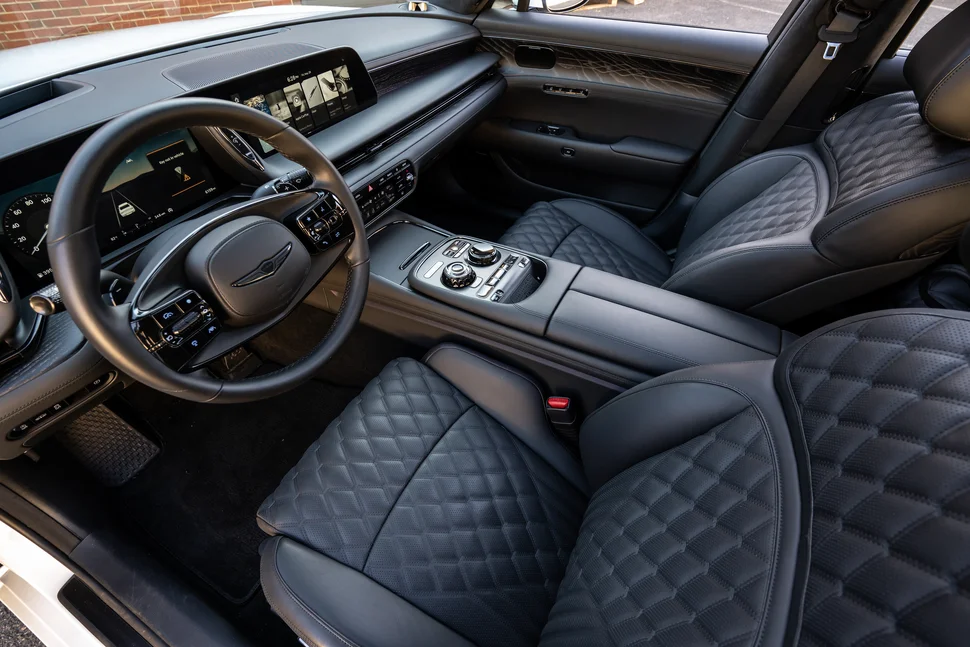
Luxury vehicles launching for 2027 are also bringing technology designed around passengers rather than just the driver. The Genesis GV90 provides a strong example, combining adjustable seating, premium audio, advanced displays, air suspension, rear-wheel steering, and other comfort-focused equipment.
The GV90’s high-end Neolun version takes passenger comfort further with a four-seat layout and front seats capable of rotating 180 degrees. Genesis has also highlighted features such as heated floors and massage functions, creating a cabin designed more like a luxury lounge than a conventional car interior.
This trend reflects changing expectations about what a vehicle should provide. As cars become more connected and automated, manufacturers have more freedom to focus attention on the passenger experience. Seating, lighting, climate control, sound quality, and interior space are becoming important technology selling points.
Large SUVs and premium electric vehicles are particularly suitable for these features because their packaging allows manufacturers to create spacious cabins.
Battery-electric platforms can also offer designers greater flexibility in arranging the interior because the powertrain occupies less traditional space than a conventional engine and transmission layout.
Massage seats, rotating seats, heated floors, premium displays, and advanced climate systems are likely to remain concentrated in expensive models. Still, technologies often introduced in luxury vehicles can gradually become more affordable as manufacturing scales and consumer demand grows.
10. More Vehicle Functions Controlled Through Software
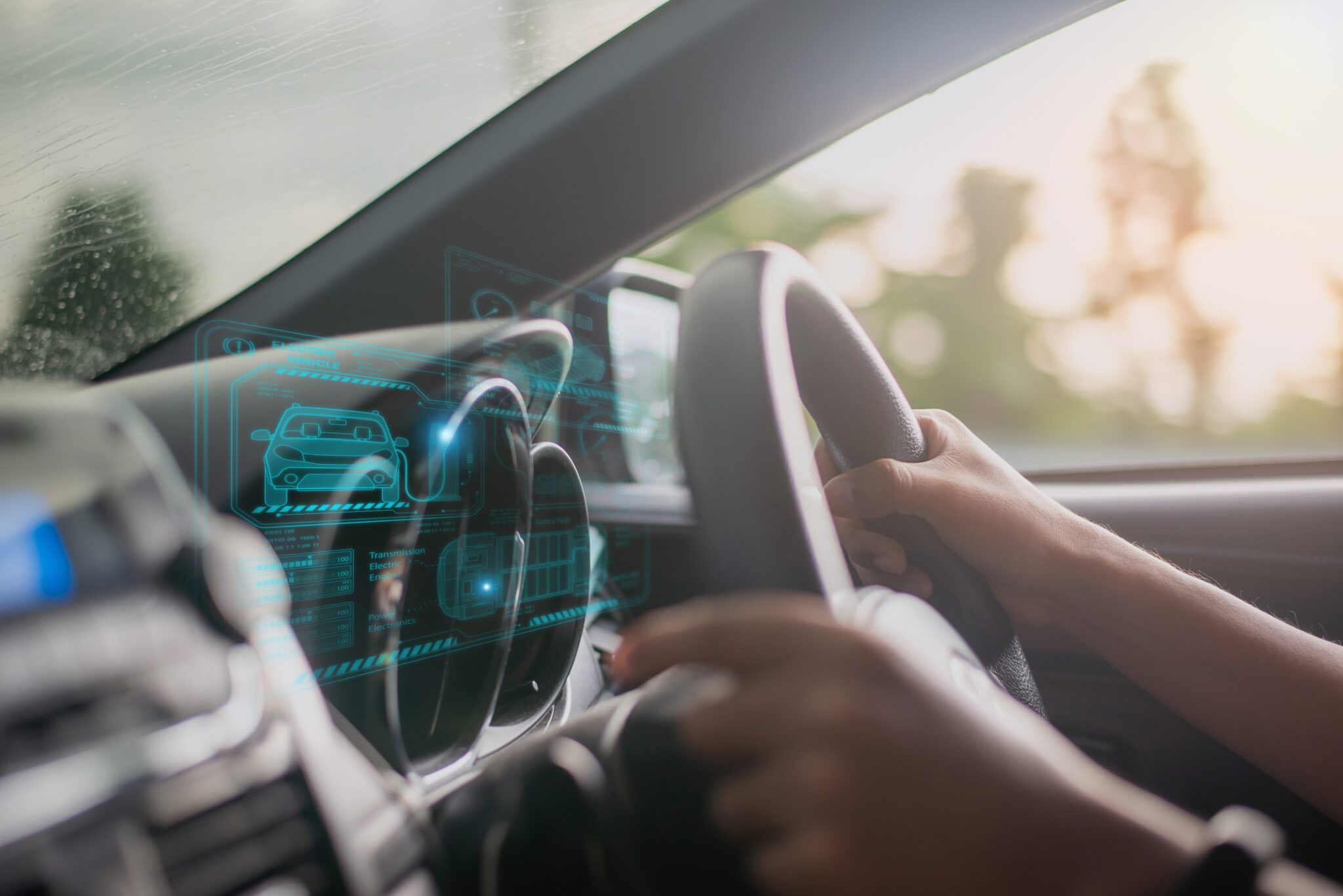
Software is becoming central to how vehicles operate, and 2027 models are expected to expand the number of functions controlled electronically. Infotainment is only part of the picture.
Driver assistance, charging management, climate control, navigation, lighting, parking, and vehicle settings increasingly depend on software.
The 2027 Audi A3 demonstrates this transition with its expanded digital interface and integrated driver-assistance functions. The Genesis GV90 provides a more premium example through its Pleos Connect infotainment platform and large OLED display.
Software-controlled vehicles can potentially receive improvements after purchase. Automakers can use updates to address bugs, improve system performance, change interfaces, or add selected capabilities. This creates a vehicle ownership experience that resembles modern consumer electronics more closely than traditional automobiles.
There are benefits for manufacturers too. Software allows companies to develop common digital platforms that can be adapted across several models. That can reduce development duplication and make it easier to introduce new functions across a vehicle lineup.
The shift also creates new responsibilities. Software failures can affect important vehicle functions, while cybersecurity becomes increasingly important as cars become more connected. Drivers will need reliable update systems, clear explanations of new features, and confidence that essential functions will continue working correctly.
