
Every car segment eventually gets crowded. New models launch, chase trends, then vanish within a decade. But a handful of nameplates refused to die. They kept rolling long after their original rivals disappeared from showrooms.
This list looks at twelve vehicles that outlasted every direct competitor in their class. Some did it through relentless reinvention. Others barely changed at all, and that stubbornness became the point. Either way, longevity itself became their defining feature.
We’re not just talking about old designs. We’re talking about nameplates still in active production today, decades after launch. From the Chevrolet Suburban’s Depression-era origins to the Porsche 911’s unbroken bloodline since 1963, these cars share one trait.
They adapted just enough to survive, without ever losing what made them distinct. Their rivals couldn’t say the same. Below, we break down each vehicle’s production history, why it outlasted the competition, and current specifications. No filler, no generic praise. Just the real story of why these twelve machines are still here, while everything built to beat them is long gone.
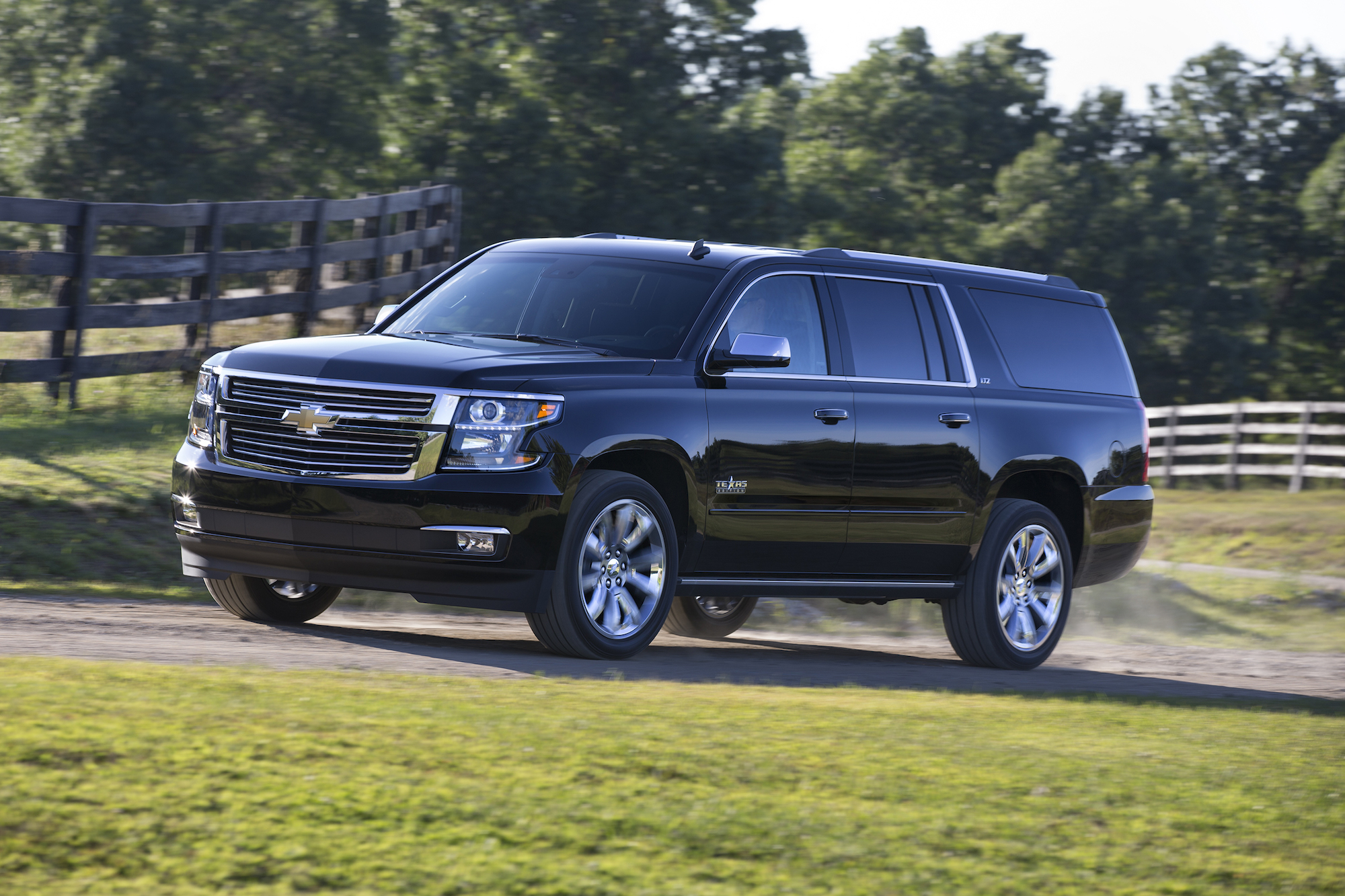
1. Chevrolet Suburban
The Suburban is the oldest continuously produced nameplate. Production began in 1935. That’s ninety years and counting. No other car, of any type, can claim that streak.
It has outlasted rivals like the International Harvester Travelall, the Jeep Wagoneer, and the Ford Excursion. All three of those competitors are gone.
The original 1935 Suburban Carryall used a steel wagon body on a half-ton truck chassis. It seated eight people. Today’s version still does the same basic job. It just does it with modern materials and technology.
The first generation ran a Stovebolt inline-six making 60 horsepower. Power has grown massively since then. The Suburban survived by staying useful to everyone. Families, police departments, and film productions have all relied on it.
That broad appeal is rare. Most vehicles pick one audience and stick to it. The Suburban never had to. It simply kept being the biggest, most practical wagon on the market.
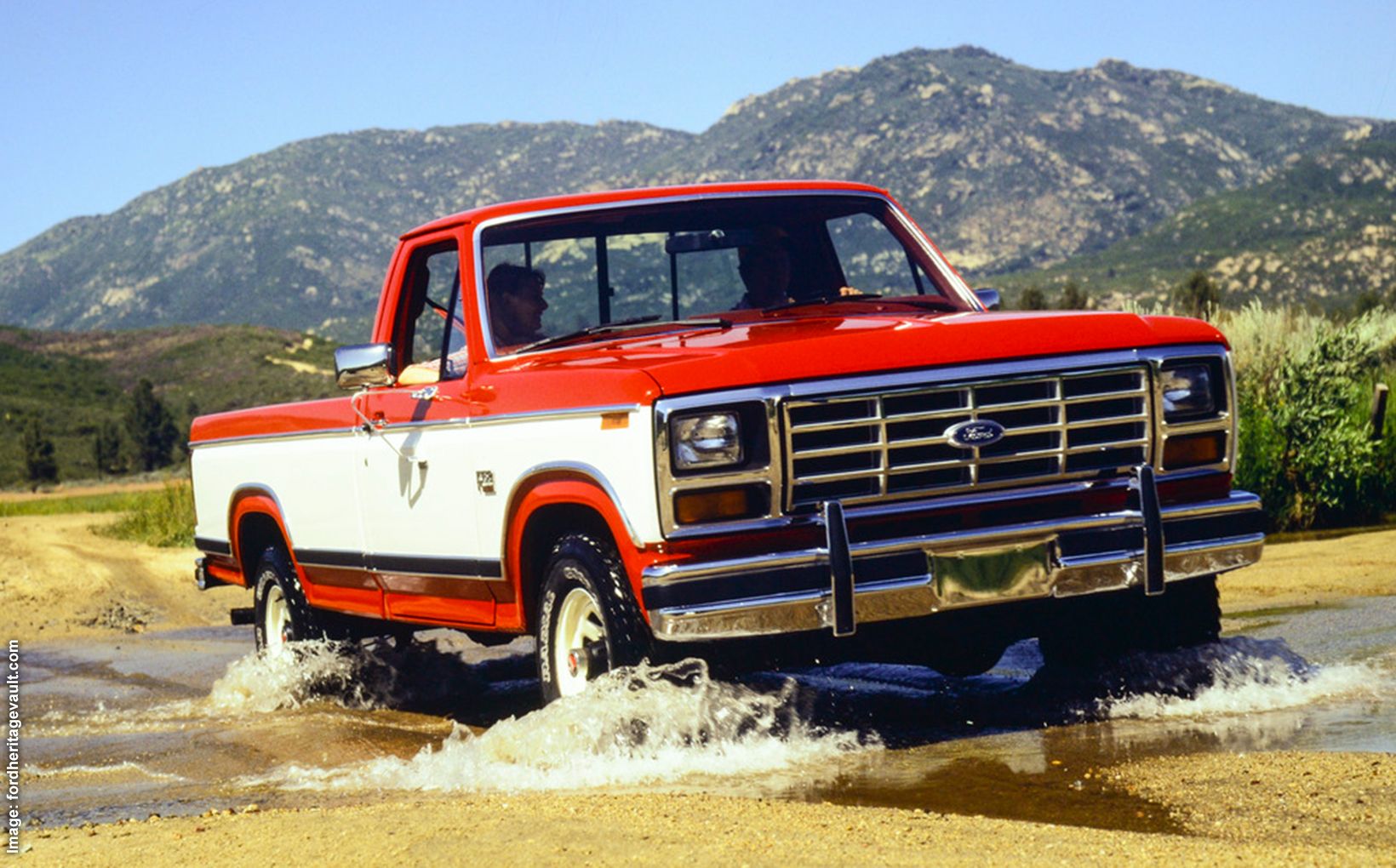
2. Ford F-Series
The F-Series has been Ford’s truck lineup since 1948. That’s 78 years of unbroken production. Since 1977, the F-Series has remained the best-selling pickup truck line in the United States. It has held that title for decades.
Its early rivals didn’t survive that streak. Many disappeared or got absorbed into other brands entirely. The 1948 model was a ground-up redesign, marketed as the F-Series Bonus Built trucks.
That name stuck around briefly, then dropped away. The original F-1 pickup rode on a 114-inch wheelbase and offered more headroom than earlier trucks. It set the tone for everything after it.
The F-Series survived by constantly modernizing its powertrains and materials. Aluminum bodies arrived years before most competitors dared try it. Ford has sold over 43 million F-Series units worldwide, making it the second best-selling automobile of all time. That scale is hard to overstate.
No domestic rival has matched that combination of volume and continuity. Chevrolet’s Silverado and Ram’s pickups are strong, but younger nameplates. The F-Series simply never stopped selling. That alone separates it from everything else on the lot.
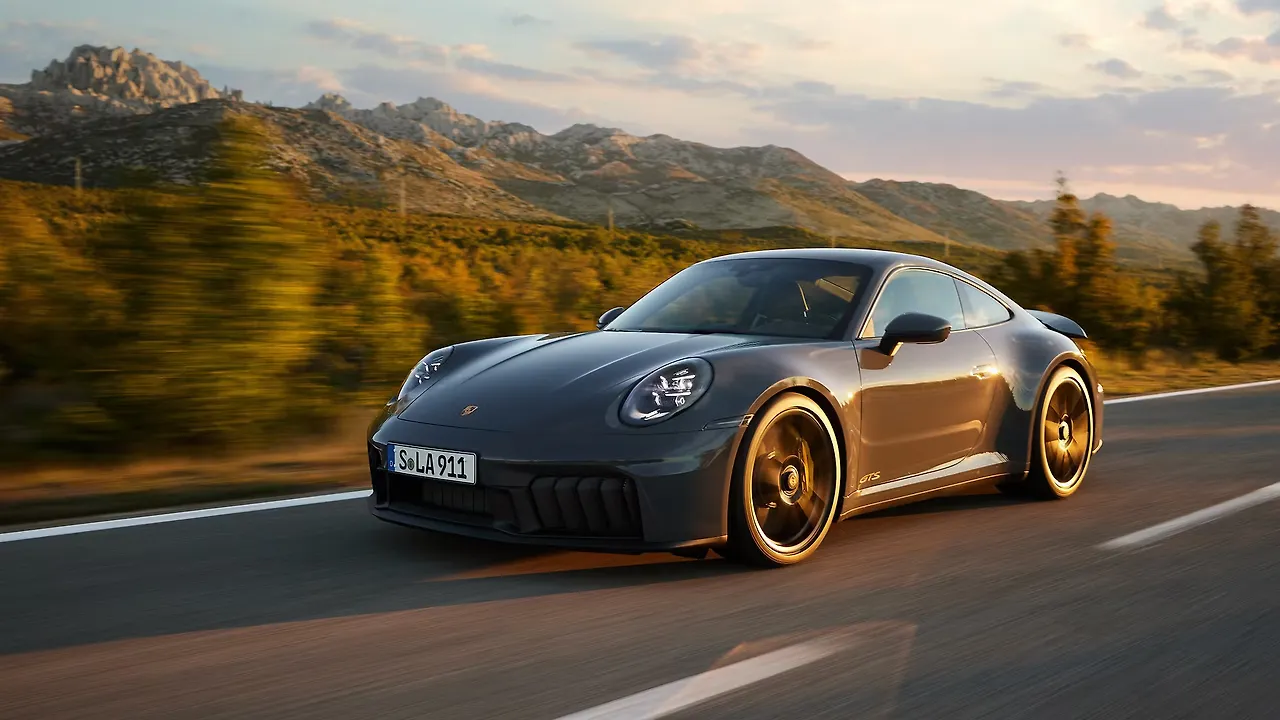
3. Porsche 911
The 911 has been in continuous production since 1963. Porsche presented it at the Frankfurt Motor Show that year, originally badged as the 901. It has remained in continuous production for nearly sixty years, with the design staying remarkably consistent throughout. Few cars can say that.
There have been eight generations of the 911 since 1963. Each one kept the same rear-engine layout. Competitors from the same era mostly vanished. The Datsun 240Z’s lineage splintered, and many European rivals folded entirely.
Every 911 has used a rear-mounted flat-six engine paired with all-round independent suspension. That formula never changed, even as everything around it did.
The 2026 model year brought the first-ever hybrid 911 powertrains, along with a fully digital cockpit. Even now, Porsche keeps evolving the formula. Over 1.2 million 911s have been built since 1963, making it the most successful sports car in history. That’s not a small number.
The 911 survived by treating change as evolution, not reinvention. Each generation improved without abandoning the last one’s identity. That discipline is why it outlived every direct rival. Nobody else managed both continuity and constant refinement at once.
4. Toyota Land Cruiser
The Land Cruiser has been produced since 1951 and is Toyota’s longest-running series of models. Total sales exceed ten million units. It has been through over 70 years of continuous production and 14 model lines.
That’s an enormous span of history. It was created to compete with vehicles like the Land Rover and the Jeep, and eventually pushed many rivals out of certain markets entirely.
The International Travelall, one of its early full-size SUV rivals, only lasted from 1953 to 1975. The Land Cruiser simply kept going. Its reputation rests on reliability rather than styling. That’s a harder thing to fake over seven decades.
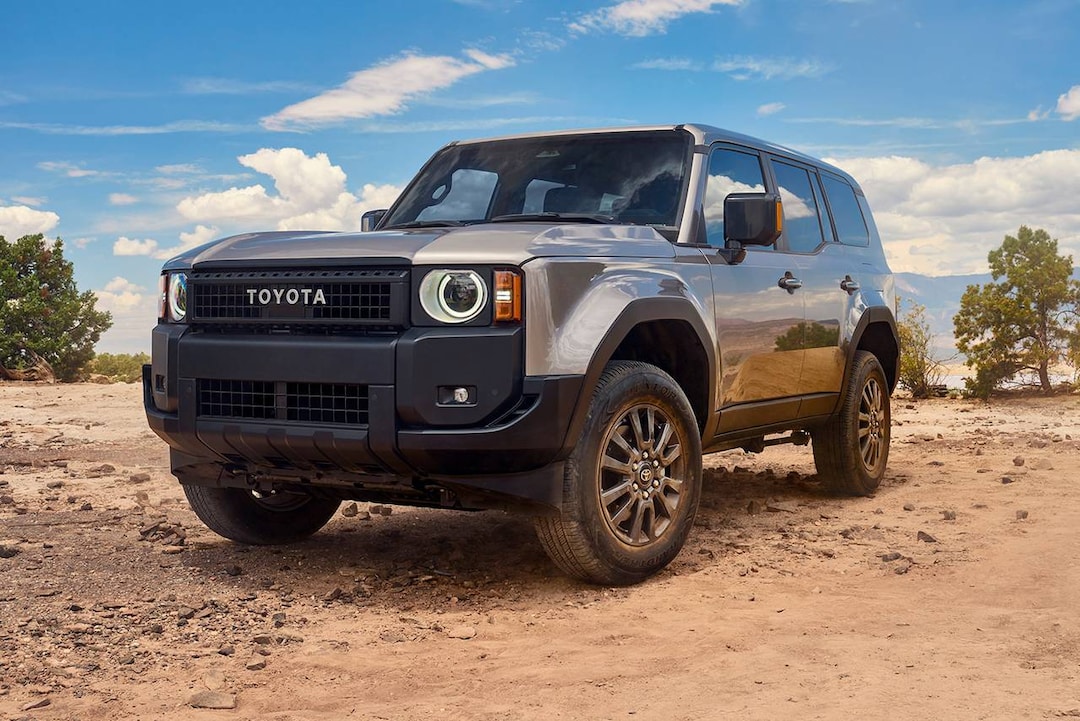
In 1954, after modifications, the vehicle was officially renamed the Land Cruiser as a direct rival to the Land Rover. The rivalry never really stopped.
Toyota extensively tests the Land Cruiser in the Australian outback, considered one of the toughest environments for both heat and terrain. That torture-testing shaped its DNA.
Few off-roaders survive decades of harsh-climate testing without major failures. The Land Cruiser built its legend on doing exactly that. Competing nameplates from Britain and America mostly folded by the 1980s. The Land Cruiser just kept adding generations.
5. Jeep Wrangler
The Jeep CJ line ran from 1945 through 1986, tracing its roots directly to the WWII Willys MB. That’s the true starting point of this bloodline. The Wrangler owes much of its existence to the CJ, even though the Wrangler name itself didn’t appear until 1986.
The lineage never actually broke. The CJ-5 had the longest production run of any Jeep model, lasting from 1955 into the early 1980s in special trims. Its shape became iconic.
Rival off-roaders like the International Scout and early Land Rover Series vehicles eventually disappeared from the U.S. market. The Jeep kept its identity intact. Both the CJ Jeeps and the Wrangler have been called as central to Jeep’s brand identity as the 911 is to Porsche. That comparison is fitting.
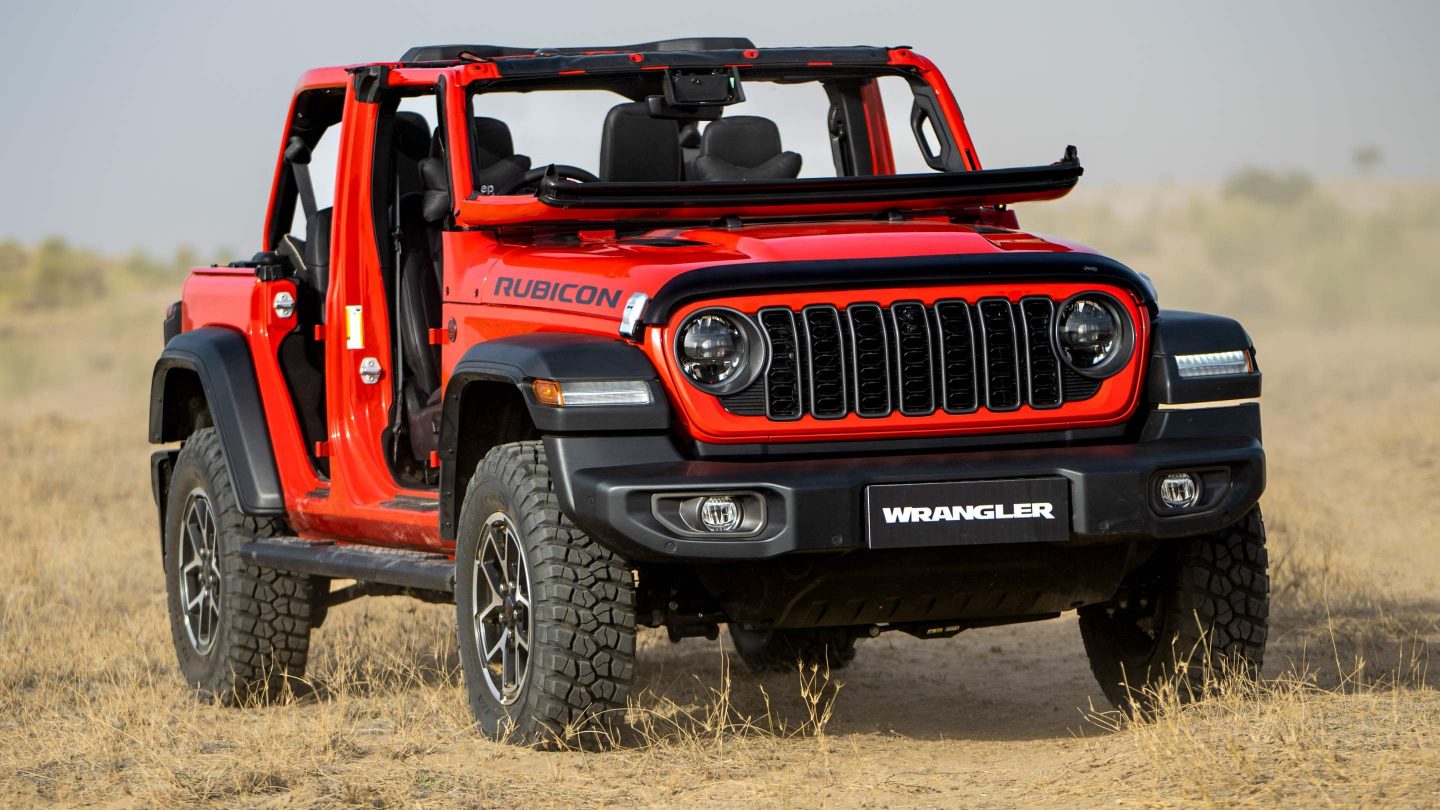
The Wrangler still uses solid axles and a removable top today. That stubbornness is exactly why fans stay loyal. Modern competitors chase comfort and refinement instead.
The Wrangler mostly refuses, and that refusal is its whole appeal. Eighty years after the first civilian Jeep, the formula barely changed. Few vehicles can claim that kind of consistency.
6. Mercedes-Benz G-Class
The G-Class has been in production since 1979, originally developed as a military off-roader. It later added more luxurious civilian versions. Its boxy shape has barely changed in over four decades. That’s almost unheard of in the luxury SUV world.
In the 1990s, the G-Wagon split into two versions, the W461 for military and business use and the more comfortable W463 for consumers. Both kept the same core shape.
Rivals like the original Range Rover Classic eventually got replaced by completely new designs. The G-Class simply refused to. That refusal became a selling point rather than a weakness. Buyers pay a premium specifically for the unchanged silhouette.
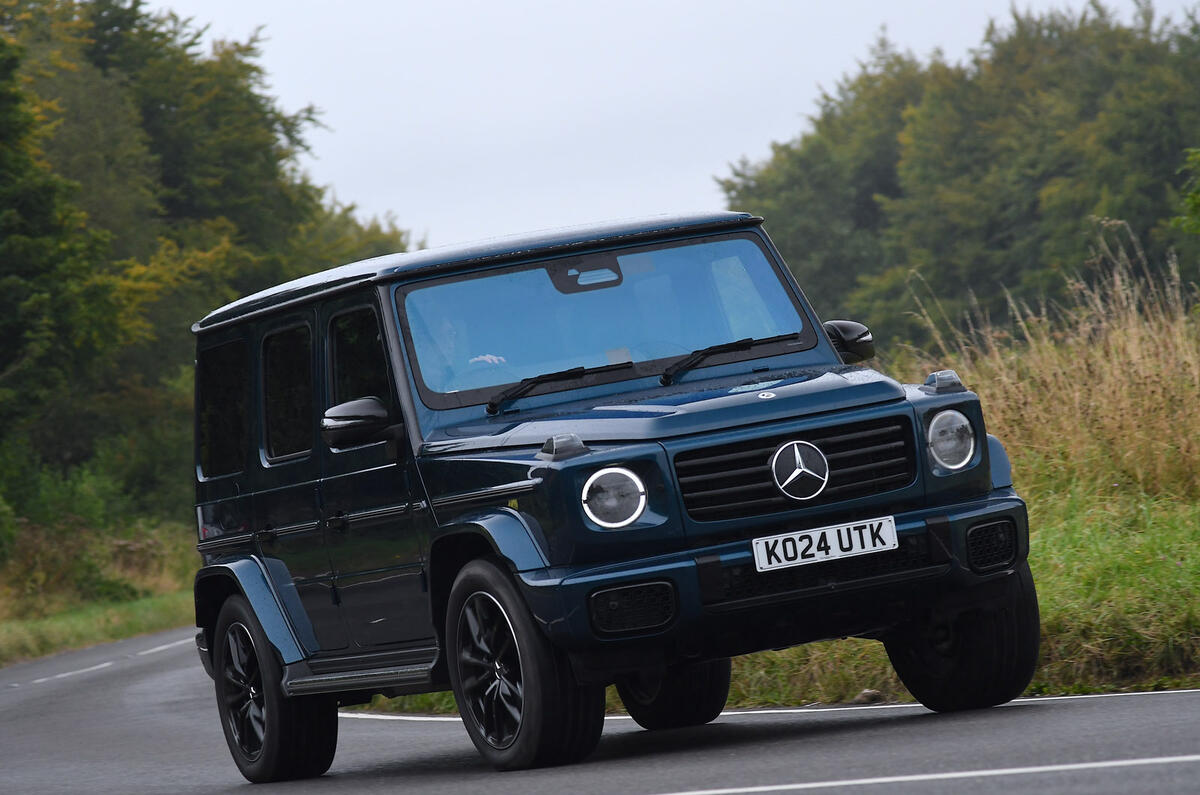
Underneath, the engineering has moved on dramatically. Modern G-Class models use independent front suspension and electric powertrains. But the visual identity stayed frozen in time on purpose.
Mercedes understood that changing the shape would break the appeal. Forty-six years later, it remains the only true continuation of that original military-derived boxy off-roader format.
7. Toyota Corolla
The Corolla debuted in 1966 and by 1974 had already become the best-selling car worldwide. Few nameplates reach that scale so fast. More than 50 million units have been produced since 1966, with one Corolla sold roughly every 15 seconds. That pace hasn’t slowed much.
The original was a small two-door coupe with a 1.1-liter engine producing 60 horsepower. It was intentionally simple. That simplicity turned into a strength. Fewer parts meant fewer things that could break down over time. Countless compact rivals came and went across five decades. Many chased trends the Corolla never bothered to follow.
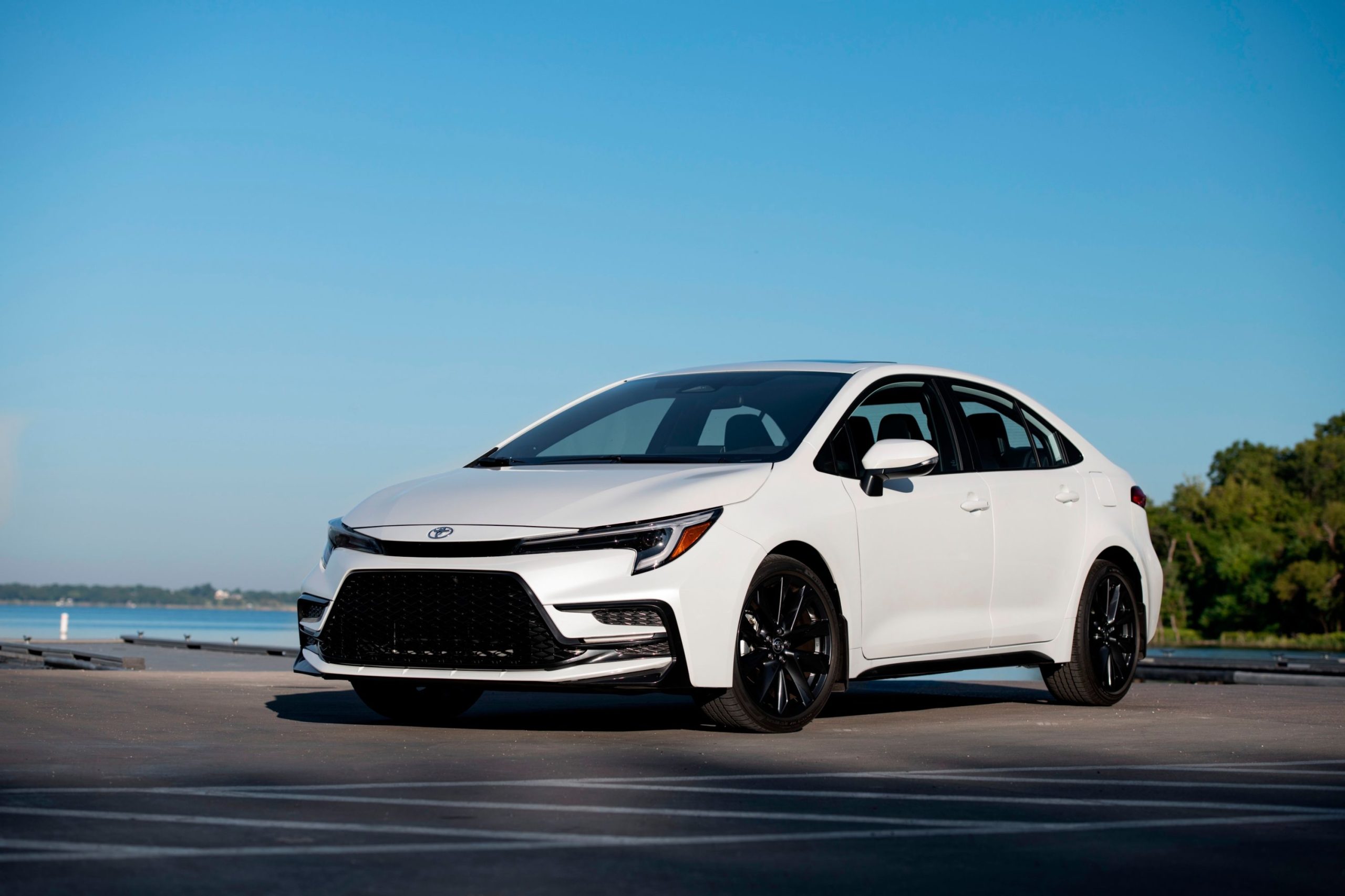
In its fifth generation, the car switched from rear- to front-wheel drive, adopting a four-speed automatic for the first time. That was a rare major shift.
Today it holds the title of the most-produced car in history. No other compact car comes close to that volume. The Corolla survived by being unremarkable in the best possible sense. It just kept working, generation after generation.
8. Volkswagen Beetle
The Beetle was produced from 1938 to 2003, a run of 65 years, the longest for any single generation of automobile. That record still stands. Over 21.5 million units were built across twenty manufacturing locations worldwide.
It became a genuine global vehicle. U.S. sales ended in 1979, yet production continued in Mexico and Brazil all the way until 2003. The car simply outlived its home market.
Very little about the design changed over the decades, with the first major redesign not arriving until 1998. That’s remarkable restraint. Its era’s rivals, small economy cars from dozens of manufacturers, mostly vanished by the 1970s. The Beetle kept selling regardless.
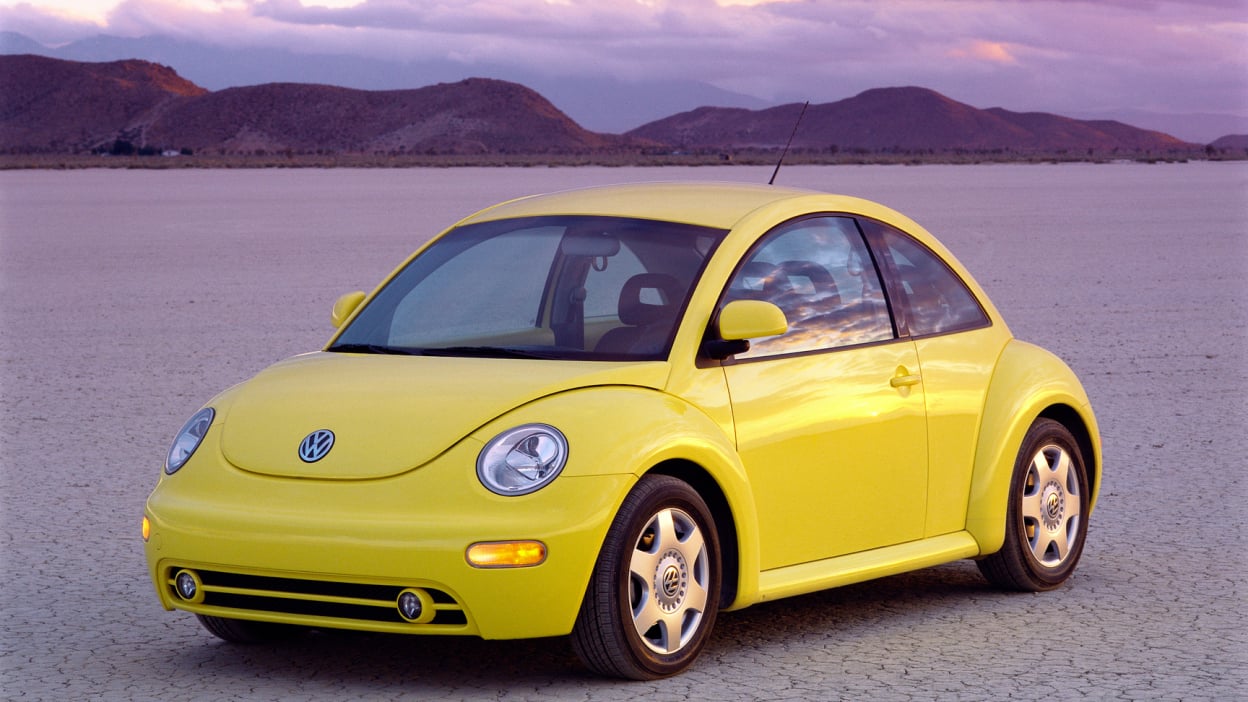
The original Beetle’s design came from Ferdinand Porsche in the 1930s, and it later became a counterculture symbol in America. Few cars carry that kind of dual history.
It proved a cheap, simple design could outlast far more advanced competitors. Reliability and low cost mattered more than innovation. Even after its 2003 farewell, the Beetle nameplate got revived twice more. Few discontinued cars earn that kind of second life.
9. Chevrolet Corvette
The Corvette has been manufactured since 1953 and is the only continuously produced two-seat sports car from a United States automaker. That distinction matters.
American competitors from AMC, Ford, and Chrysler all attempted similar two-seaters, but none stayed in continuous production. The Corvette simply outlasted them all.
Across its lifespan it has moved through eight distinct generations, each marking a real step forward in design or engineering. That pace of change kept it relevant.
The original 1953 model used a 3.9-liter Blue Flame inline-six, not the V8 most people associate with the nameplate. The V8 came just two years later. The C8, introduced in 2020, transitioned the car to a mid-engine layout, redefining the whole nameplate. That was its biggest shift yet.
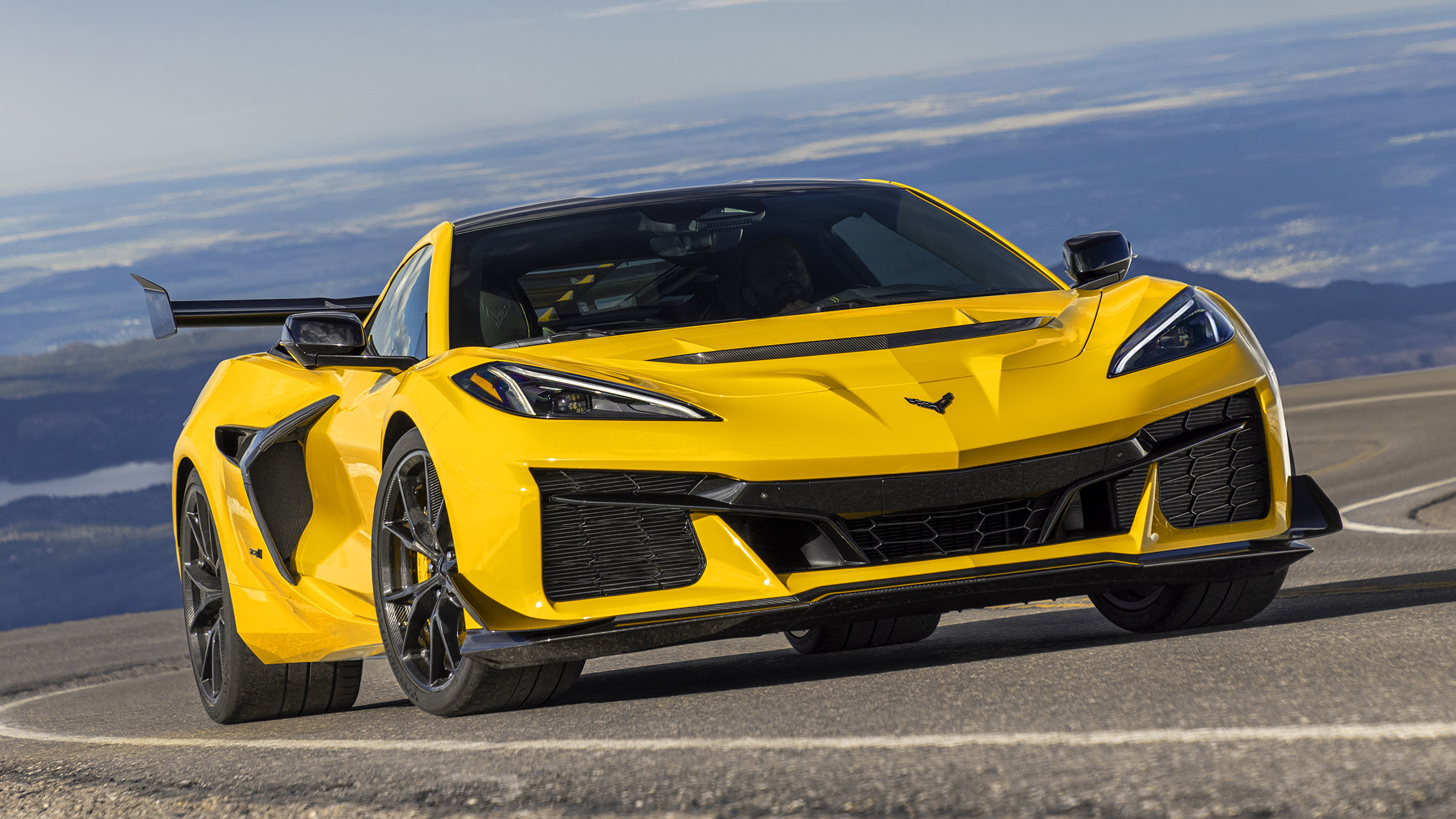
Unlike the Porsche 911, which stayed rear-engined throughout, Chevrolet reinvented the Corvette’s layout while keeping the price accessible. That balance is unusual.
Rival American sports cars either got discontinued or turned into badge-engineered clones. The Corvette kept its own engineering team and identity. After 72 years, no other American sports car has managed a continuous production run like this. That gap isn’t close.
10. Nissan Patrol
The Patrol has been manufactured since 1951 and is Nissan’s longest running series of models. Few Nissan nameplates come close to that age. It began in 1951 as the 4W60, based partly on the Willys CJ-3 chassis. That heritage links it directly to wartime off-roaders.
Overseas markets have carried the Patrol name since that first 1951 generation, making it one of the longest-lasting nameplates Nissan has ever produced.
It has traditionally competed head-to-head with the Toyota Land Cruiser across most world markets. That rivalry has run for over seventy years. The Patrol has run across six generations, including leaf-sprung early models and the modern independent-suspension Y62. Each shift kept it competitive against newer SUVs.
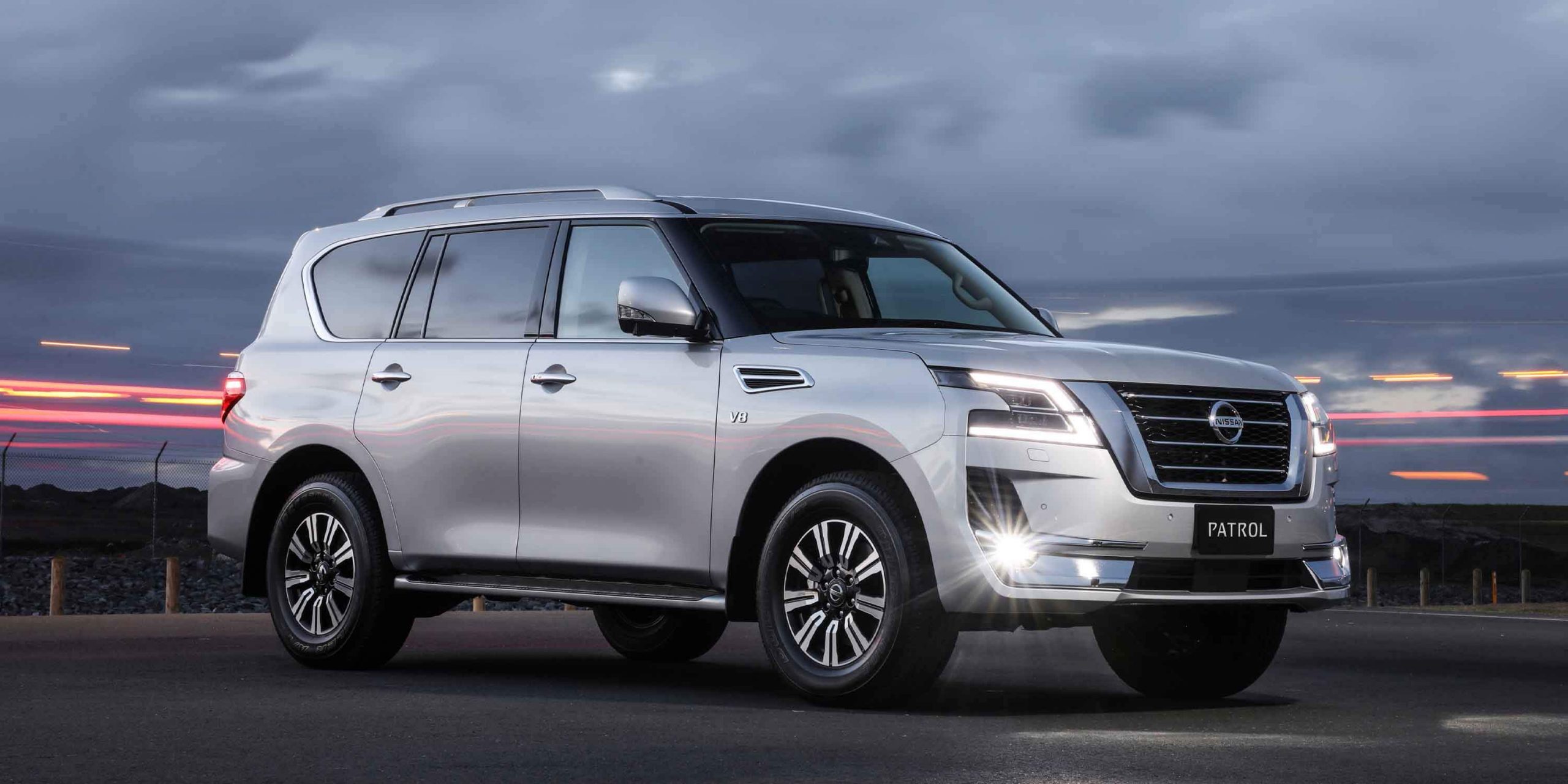
The second-generation Patrol 60 remained a long-selling product from 1960 to 1980, passing down a robust ladder-frame design. That toughness defined its reputation.
Many mid-century off-road rivals from Britain and the U.S. quietly disappeared. The Patrol kept adapting instead of folding. Today it survives as a full-size luxury SUV, sharing bones with the Infiniti QX80. That’s a long way from its military-adjacent origins.
11. Lada Niva
The Niva has been in continuous production since 1977, designed and built by AvtoVAZ in Russia. It’s one of the longest-running compact off-roaders anywhere.
The model remained virtually unchanged during its production years, with the 1600cc engine only replaced by a fuel-injected 1700cc unit in 1995. That’s a slow pace of change.
It broke new ground with a self-supporting body, independent front suspension, and permanent all-wheel drive, unusual for an off-roader at the time. Most rivals used rigid axles instead.
Even after more than four decades, the car looked almost identical to the original version. Few manufacturers would risk that kind of stagnation deliberately.
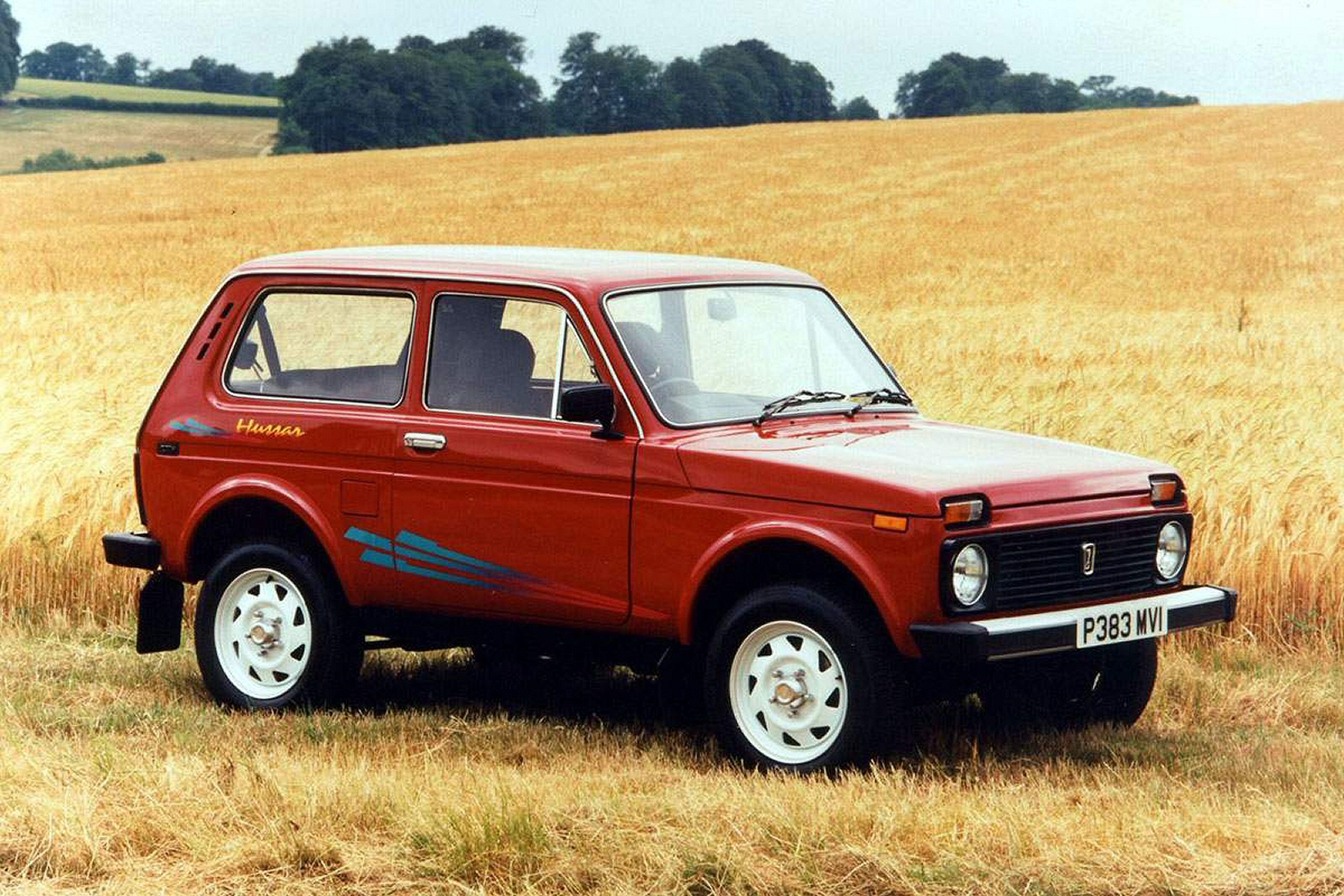
There have been changes, mostly to the powertrain through fuel injection and better transmissions, but the basic design stayed the same. That consistency became part of its charm.
Over 530,000 units were exported abroad at various points, with fan clubs forming internationally around the small 4×4. That’s an unusual following for a budget vehicle.
Western compact off-roaders from the same era, like early Suzuki Jimny rivals, mostly cycled through several redesigns. The Niva simply didn’t bother. That refusal to modernize became its identity. Buyers wanted the exact same rugged simplicity decade after decade.
12. Volkswagen Transporter
The Transporter, better known as the VW Bus or Kombi, has been produced since 1950. That’s 76 years of continuous manufacturing. It grew out of the same platform as the Beetle. Both nameplates share deep engineering roots from Wolfsburg.
Rival vans from the same postwar period, like early Ford and Dodge panel wagons, mostly cycled through multiple redesigns and name changes. The Transporter kept its identity.
Across seven generations, it evolved from an air-cooled cargo hauler into a modern electric van. Few commercial vehicles manage that kind of leap.
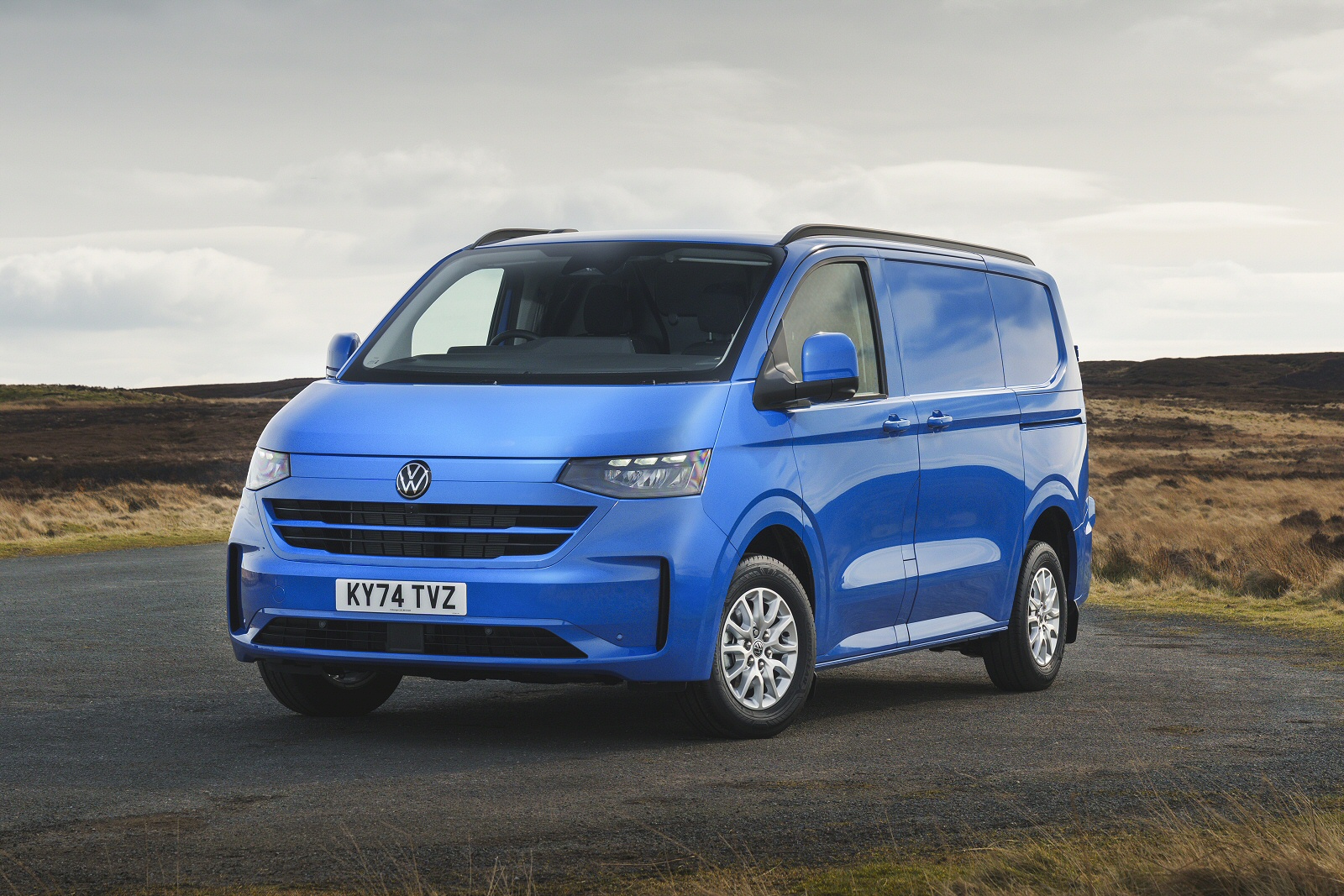
Its cultural footprint helped it survive purely commercial competition. The Bus became a counterculture symbol, much like the Beetle did. That crossover appeal gave it staying power beyond fleet buyers. Private owners kept the nameplate relevant long after rivals faded.
Modern versions now compete as multi-purpose people carriers rather than delivery vans. The badge adapted to whatever the market needed next.
Few nameplates manage seven decades while shifting categories that dramatically. The Transporter’s willingness to change is exactly why it never disappeared.
