
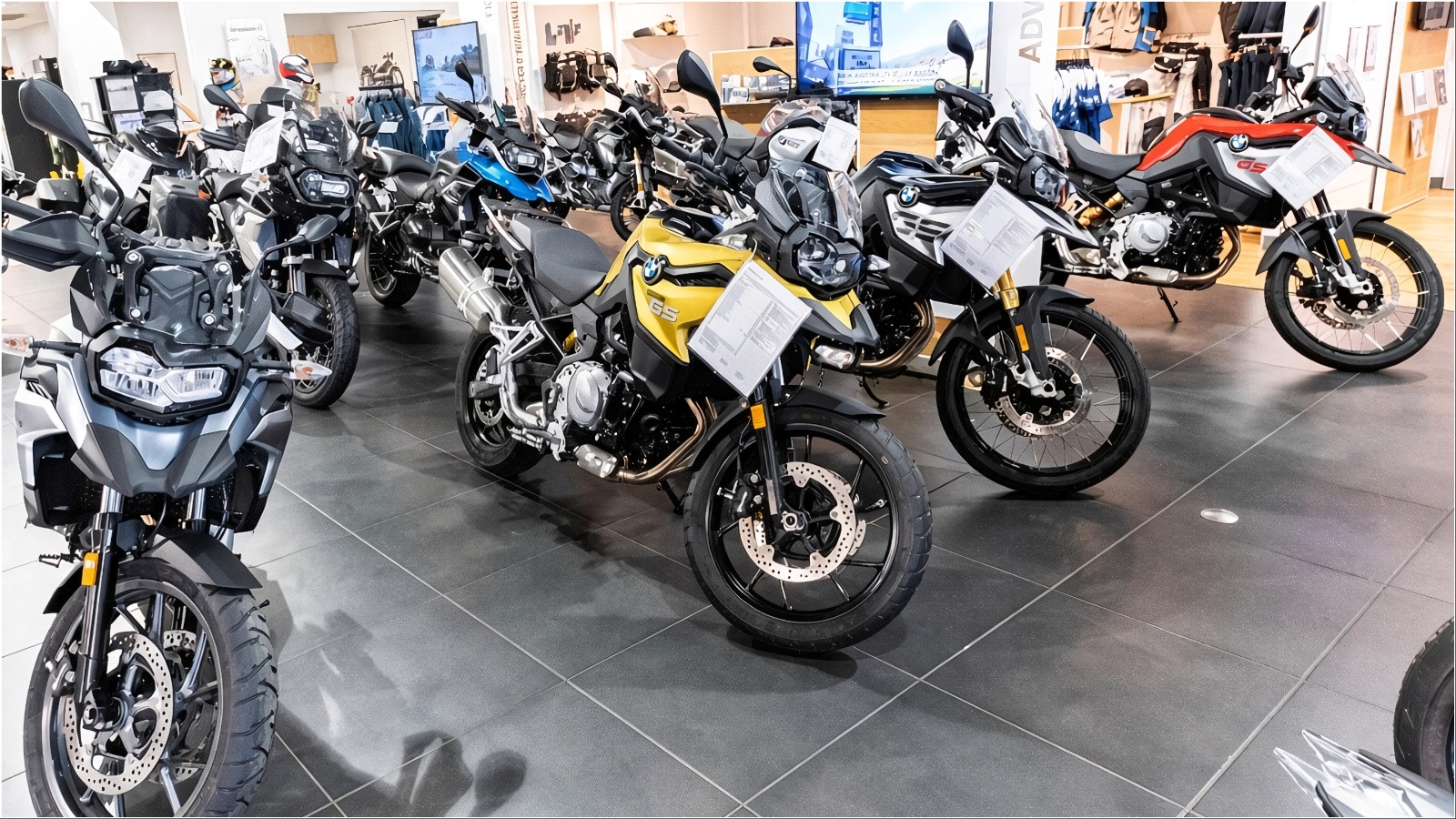
Buying a new motorcycle is a big investment, and warranty coverage plays a huge role in your peace of mind. Not every manufacturer offers the same level of protection.
Some brands stick to the industry-standard one or two years. Others go well beyond that, covering riders for three or even four years. A longer warranty often signals confidence in build quality and engineering. It also means fewer out-of-pocket repair costs during the years you’ll ride the bike most.
Warranty length can vary by model, engine type, and region too. Premium or flagship models often get better coverage than entry-level bikes. Mileage limits also matter just as much as the number of years. Some brands offer unlimited mileage, while others cap coverage at a set distance.
Understanding these details before you buy can save you real money later. It can also help you choose between two similarly priced bikes. In this guide, we look at eight motorcycle brands known for offering some of the longest warranties on the market. We’ll break down what each brand covers, for how long, and any conditions.
Whether you’re eyeing an adventure-ready bike, a cruiser, or a classic roadster, warranty length should factor into your decision. It protects your wallet and gives you confidence on every ride.
We’ll also touch on extended warranty options where available. These programs can push total coverage well beyond the factory terms. Let’s look into the brands doing warranty coverage right in 2026.
1. KTM
KTM currently leads the pack with its Premium Manufacturer’s Warranty. This coverage stretches up to four years on many of its street-legal models.
The four-year coverage applies broadly across KTM’s street segment for 2025-and-newer motorcycles. This includes popular models built on the LC8 and LC8c platforms.
Bikes like the KTM 790 Duke and the flagship 1390 Super Duke R EVO fall under this extended plan. These models represent some of KTM’s most technologically advanced machines. Not every KTM gets the full four years, though. EXC-F models, for instance, only receive one year of coverage under this premium plan.
Electric models like the FREERIDE E get a different structure entirely. The motorcycle itself gets two years, while the powerpack and charger also carry two years.
The E Mini lineup is more limited. It gets just one year on the motorcycle, with two years on the powerpack and charger. This tiered structure reflects the different technology and expected lifespan of each component. Battery packs, in particular, often require separate warranty consideration.
To keep the warranty valid, KTM requires strict adherence to its service schedule. Owners must also use an authorized dealer for all maintenance work.
Skipping scheduled services or using unauthorized mechanics can void this premium coverage. It’s a strict requirement compared to some competitors.
There are exclusions worth noting too. Track-only and closed-course competition models don’t qualify for the Premium Manufacturer’s Warranty at all.
This makes sense given the extreme stress those bikes endure. Racing conditions go far beyond normal wear expectations. Still, for street riders, KTM’s offering is hard to beat. Few brands come close to matching four years of standard coverage.
This makes KTM an appealing choice for buyers who want long-term protection. It’s especially attractive for those keeping their bike for several years. KTM’s warranty policy reflects genuine confidence in its engineering. It’s a compelling reason to consider the brand seriously.
2. BMW
BMW motorcycles come with a solid three-year standard warranty. This applies across most of the brand’s lineup, not just select premium models. There is a mileage cap attached to this coverage. BMW limits its three-year warranty to 36,000 miles during that period.
This mileage limit is fairly generous for most riders. Average annual mileage rarely comes close to exhausting that allowance within three years. Even enthusiastic riders covering 5,000 to 8,000 miles annually stay comfortably within this limit. It’s a practical cap rather than a restrictive one.
BMW’s warranty covers defects in materials and workmanship. It reflects the brand’s reputation for engineering precision and reliability. This coverage spans BMW’s diverse lineup, from adventure bikes to sport-touring machines. Buyers don’t need to chase a specific trim level for better terms.
Unlike KTM, BMW doesn’t reserve its longer warranty for pricier models only. The three-year term applies consistently across the range. This consistency makes BMW a strong contender for buyers wanting predictable coverage. You know exactly what you’re getting regardless of which model you choose.
BMW’s warranty terms are often highlighted alongside Honda’s in review comparisons. Both brands are frequently cited as offering some of the best coverage available.
For touring and adventure riders especially, BMW’s balance of mileage and duration works well. Long-distance riders benefit from both the time and mileage allowance.
BMW also offers extended protection plans through many dealerships. These can add further years of coverage for buyers planning long-term ownership.
Riders considering BMW’s GS series or heritage roadsters get equal warranty treatment. This uniformity is rare among premium motorcycle manufacturers.
BMW stands as one of the most reliable choices for warranty peace of mind. It pairs well with the brand’s premium positioning and engineering reputation.
3. Honda
Honda’s warranty structure varies depending on the model you choose. Most bikes get a shorter base warranty, while select models receive extended coverage.
According to recent data, Honda offers a two-year warranty on the majority of its bikes. Select models step up to a three-year term instead. Importantly, both warranty tiers come with unlimited mileage. This is a significant advantage over brands that cap coverage by distance traveled.
Unlimited mileage matters a lot for commuters and long-distance tourers alike. High-mileage riders don’t have to worry about losing coverage prematurely.
Honda’s NT1100 Police Motorcycles, for example, get three years or 36,000 miles. The standard NT1100 DCT models are limited to two years instead.
This difference shows how fleet and specialty models sometimes receive different terms than consumer versions. It’s worth checking the exact variant before assuming coverage length.
Most other street motorcycles from Honda fall under a shorter one-year warranty. This shows how much variation exists even within a single brand’s lineup.
Some niche models, like the NSR50R, come with no warranty at all. It’s worth checking model-specific terms before making a purchase decision. Honda’s warranty policy states that maintenance lapses alone won’t void a claim. The company won’t deny coverage solely due to missing service records.
This buyer-friendly approach adds confidence for owners who might miss a service date. It’s a small but meaningful protection for everyday riders juggling busy schedules.
Given Honda’s reputation for reliability, the warranty terms feel like a bonus. Many owners rarely need to use the coverage at all. Honda also backs its powertrain separately in some markets, extending certain component coverage further.
This layered approach adds extra reassurance for engine-related concerns. Honda balances practical warranty terms with a strong track record for durability. Few brands match this combination of trust and flexibility.
4. Royal Enfield
Royal Enfield has significantly upgraded its warranty offering in recent years. Euro 5 models now come with a three-year warranty as standard. This coverage includes unlimited mileage, which is a major selling point. Riders don’t need to worry about distance limits affecting their claim eligibility.
This shift represents a notable improvement from the brand’s earlier two-year standard terms. It signals Royal Enfield’s push toward competing more directly with global manufacturers. The warranty covers defects in material and workmanship only. It begins from the date of the retail sales invoice to the first owner.
If a motorcycle is registered as a demo unit, that registration date counts as the start instead. This detail matters for buyers considering demo or showroom units.
Once the warranty period starts, it cannot be paused or interrupted. This is standard practice across most motorcycle warranty programs worldwide.
Royal Enfield also excludes certain types of damage from coverage. Normal wear and tear, rusting, and unauthorized modifications are not included.
Damage from external factors like accidents or misuse also voids coverage. Owners must use genuine parts and authorized service centers to stay eligible.
Electrical components damaged by unauthorized repairs, like external welding, are specifically excluded too. This shows how detailed the exclusion list can get. For markets like the UK and South Africa, this three-year term applies consistently. It reflects Royal Enfield’s broader global standardization effort.
Royal Enfield also offers extended warranty packages beyond the factory term. These options can push total coverage to four or five years combined.
Buyers opting into these packages within six months of purchase often get better pricing. Waiting longer typically increases the extended warranty cost.
This is a good option for owners planning long-term ownership of models like the Classic 350 or Himalayan. Extended plans add real value over time. Royal Enfield now competes well with larger, more established manufacturers on warranty terms alone.
5. Kawasaki
Kawasaki’s warranty length depends heavily on which model you’re buying. Most of the lineup carries a standard one- or two-year warranty. However, the brand’s range-topping Vulcan 1700 stands out. This flagship cruiser comes with a three-year warranty, matching brands like BMW and Honda.
This tiered approach means budget-conscious buyers get shorter coverage. Premium buyers, meanwhile, benefit from extended protection on higher-end models.
Kawasaki’s decision to extend coverage on flagship models mirrors an industry trend. Manufacturers often reserve their best warranty terms for top-tier bikes.

This strategy makes sense from a business perspective. Premium models typically cost more to repair, so extended warranties add real value there.
It also reflects buyer expectations at higher price points. Someone spending significantly more on a flagship cruiser expects stronger after-sales support.
For riders considering the Vulcan 1700, this warranty adds meaningful peace of mind. Cruiser buyers often keep bikes longer, making extended coverage more valuable.
Kawasaki’s sportbike and naked bike lineups, by contrast, typically stick to shorter terms. This includes popular models like the Ninja series and Z-series machines.
Kawasaki hasn’t publicly announced plans to extend warranties across its full lineup. Buyers should check current model-year specifics before purchasing.
Warranty terms can shift between model years and regions too. It’s always worth confirming directly with a dealer before finalizing a purchase decision.
Extended service contracts are also available through many Kawasaki dealerships. These can help bridge the gap for models with shorter factory coverage.
Still, Kawasaki’s willingness to offer three years on select models is a positive sign. It shows the brand is competitive with rivals offering longer terms. Kawasaki rewards flagship buyers with genuinely strong warranty protection.
6. Triumph
Triumph offers a straightforward 24-month, or two-year, warranty across its entire motorcycle lineup. This applies with unlimited mileage, which is a solid benefit. The warranty begins from the date of first registration. If the bike remains unregistered, coverage starts from the date of sale instead.
Triumph’s warranty covers defects in materials and workmanship at the time of manufacture. This is fairly standard language used across most motorcycle brands. One interesting exception applies to the TF-X series. These models only receive a one-month unlimited mileage warranty from first registration.
This shorter term likely reflects the specialized, competition-oriented nature of the TF-X lineup. It’s a notable outlier within Triumph’s otherwise uniform policy.
Genuine Triumph parts also carry their own 24-month warranty. This applies when purchased through an authorized dealer, matching the motorcycle’s own coverage term.
Genuine accessories receive similar treatment, also covered for 24 months from purchase. Clothing items, however, carry a shorter 12-month warranty instead.
Triumph also offers a Factory Extended Warranty option for additional peace of mind. This adds one or two more years beyond the standard term. Riders must purchase this extension within 18 months of first registration. It offers the same level of protection as the original factory warranty.
This flexibility lets owners tailor their coverage based on how long they plan to keep the bike. It’s a useful option for long-term owners across Europe.
The extended plan is valid throughout Europe and stays attached to the bike itself. This means coverage transfers with ownership rather than the original buyer.
Triumph’s battery coverage is more limited, lasting only twelve months. After that period, batteries fall outside the warranty terms entirely. Triumph’s base coverage is solid, and its extension program adds real value for dedicated owners.
7. Indian Motorcycle
Indian Motorcycle offers a two-year standard warranty across its lineup. This puts it on par with brands like Harley-Davidson and Triumph. As an American heritage brand, Indian focuses heavily on cruiser and touring models. These bikes tend to be larger investments, making warranty coverage important.
The two-year term is consistent with typical industry standards for this bike category. It reflects a middle-ground approach compared to KTM or BMW’s longer terms.
Indian’s warranty generally covers defects in materials and workmanship. Owners are expected to follow scheduled maintenance to keep coverage valid throughout the term.

Given the premium pricing of many Indian models, some buyers might expect longer coverage. Still, two years remains competitive within the cruiser segment specifically.
Models like the Chieftain and Roadmaster carry significant price tags. Buyers investing at that level often look closely at available extended protection plans.
Extended warranty options are often available through dealers for additional cost. These can push total coverage well beyond the standard two-year term.
Some extended plans stretch protection to five years or more. This gives long-term owners added confidence against major mechanical repair costs.
For touring riders covering long distances, checking mileage limitations is important. Some cruiser warranties include caps that riders should verify before buying.
Indian’s focus on classic American styling and V-twin engines appeals to a specific rider base. Warranty terms here align with expectations for that market segment.
Dealer network quality also plays a role in how smoothly warranty claims get processed. It’s worth researching local service reputation before buying. Indian offers dependable, if not class-leading, warranty protection. It remains a solid choice within the heritage cruiser space.
8. Harley-Davidson
Harley-Davidson rounds out this list with a standard two-year warranty. This matches Indian Motorcycle’s coverage and reflects typical cruiser segment norms.
As one of the most recognized motorcycle brands globally, Harley-Davidson’s warranty terms are closely watched. Many buyers compare it directly against Indian’s offering.
The two-year warranty typically covers defects in materials and workmanship. Standard maintenance requirements apply to keep the coverage active and valid throughout ownership.
Harley-Davidson has built its brand on heritage, styling, and community rather than warranty length. Even so, two years remains respectable for the segment
The brand’s massive dealer network also supports warranty service well. Finding an authorized shop for repairs is rarely difficult, even while traveling.
Buyers seeking extended protection often turn to Harley-Davidson’s optional extended service plans. These plans can add multiple years beyond the factory term.
Some Harley extended plans offer coverage up to seven years total. This appeals strongly to owners planning to keep their bike for the long haul.
Given the resale value and long ownership cycles common among Harley owners, warranty length matters less to some buyers. Reliability reputation plays a bigger role.
Still, for new buyers comparing brands strictly on warranty terms, Harley-Davidson sits mid-pack. It trails behind KTM, BMW, Honda, and Royal Enfield’s newer terms.
For riders drawn to the brand’s iconic status, warranty coverage is just one factor. Community, customization options, and styling often weigh more heavily in the decision.
Harley’s warranty also generally excludes damage from unauthorized modifications. This is fairly standard practice across the entire motorcycle industry. Harley-Davidson offers dependable coverage that aligns with its cruiser competitors. It remains a strong choice for loyal brand enthusiasts.
