
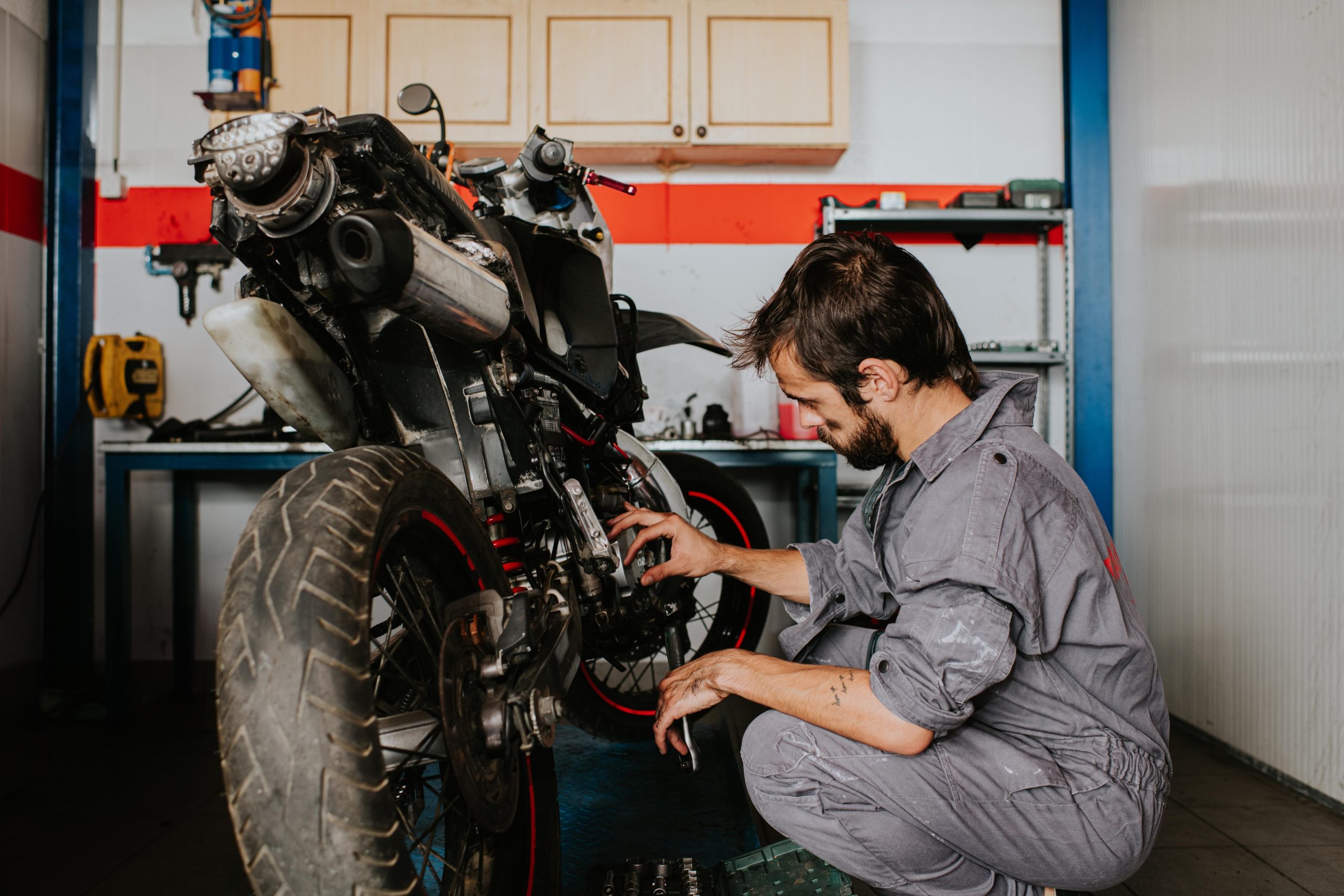
Every motorcycle brand promises adventure, freedom, and reliability. But not every brand delivers on that promise equally well. Some riders spend years dealing with recurring issues. Others face poor dealer support and slow parts delivery.
This list looks at ten well-known motorcycle brands. These brands often receive higher-than-average complaints from riders worldwide. The complaints range from electrical faults to weak customer service. Some brands struggle with expensive repairs and rare spare parts.
Others face criticism for inconsistent quality control. A bike that feels perfect in one unit may feel completely different in another. This ranking is based on common patterns. These patterns come from owner forums, service records, and long-term ownership reviews.
Keep in mind that no brand is perfect. Even top-rated brands receive some complaints from unhappy customers. However, some brands appear far more often in complaint discussions.
This list ranks them from least to most frequently mentioned. Read on to understand what riders commonly experience. This can help you make a smarter buying decision.
10. Suzuki
Suzuki is generally seen as a dependable brand. Still, some models have drawn steady criticism over the years. Older Suzuki motorcycles often had electrical issues. Riders reported faulty wiring harnesses and inconsistent charging systems.
These problems were more common in older sport models. Newer bikes have improved significantly in this area. Some owners still mention starter motor failures. This issue tends to appear after high mileage use.
Another common complaint involves fuel injection sensors. A few riders faced stalling issues at low speeds. Suzuki dealerships sometimes receive criticism too. Parts availability can be slow in smaller markets.
Customer service response times vary widely by region. Some riders wait weeks for warranty approvals. Despite this, Suzuki remains a trusted name. Its performance bikes are praised for power and handling.
The complaints are usually about specific models, not the whole lineup. This keeps Suzuki lower on this list. Riders who choose newer Suzuki models usually report fewer issues. Most problems stem from bikes built over a decade ago.
Suzuki’s customer support has improved with digital tracking tools. Many regions now offer faster diagnostics. Suzuki complaints are moderate compared to other brands. It ranks here mainly due to legacy issues.
New buyers should check maintenance history carefully. This helps avoid inheriting old electrical faults. Suzuki continues investing in better build quality. Future models are expected to reduce these complaints further. For now, it sits at the bottom of this ranked list.
9. Triumph
Triumph carries a strong reputation for classic design. But it hasn’t been free from customer complaints. Many owners report issues with clutch systems. Some clutches wear out faster than expected.
Electrical glitches also appear in owner reviews. Dashboard errors and sensor faults are common mentions. A number of riders complain about oil leaks. These leaks often appear after moderate mileage.
Some models have had gearbox notchiness. Riders describe difficulty shifting smoothly at low speeds. Parts pricing is another frequent concern. Triumph parts can be costly compared to Japanese competitors.
Dealer network size is smaller in some countries. This makes servicing harder for riders in remote areas. Wait times for repairs can stretch for weeks. This frustrates owners who rely on their bikes daily.
Quality control inconsistencies have also been noted. Some units arrive with minor cosmetic defects. Despite these issues, Triumph riders remain loyal. The brand’s heritage and styling keep customers coming back.
Newer models have addressed several older complaints. Triumph has invested heavily in modern engineering. Still, some inconsistency remains across different production batches. This affects customer satisfaction scores. Triumph’s customer service has mixed reviews online. Some riders praise it, others find it slow.
This mixed experience places Triumph here on the list. It’s not the worst, but not trouble-free either. Buyers should test-ride before purchasing. This helps identify any noticeable mechanical issues early.
8. Indian Motorcycle
Indian Motorcycle has grown popular for cruiser-style bikes. However, complaints have followed its rapid expansion. Many owners report engine overheating issues. This is especially common during slow city traffic.
Riders also mention infotainment system glitches. Touchscreen displays sometimes freeze or lag. Some models have had charging port failures. This affects USB and accessory power outlets. Seat comfort complaints appear frequently too. Long rides can become uncomfortable on certain models.

Smaller riders may also find the weight distribution challenging, especially when maneuvering at low speeds. Dealer support can vary as well, with some dealerships providing excellent customer service while others offer a less consistent experience.
Warranty claims sometimes take longer than expected. This frustrates riders needing urgent repairs. Parts availability can be limited outside North America. International buyers face longer shipping times.
Build quality has improved in recent years. Still, some early production issues remain widely discussed online. Suspension components have also drawn complaints. A few riders noted premature wear in shock absorbers.
Indian Motorcycle continues refining its lineup. New models show better reliability than earlier releases. However, the brand still ranks above average in complaint volume. This keeps it firmly on this list.
Buyers interested in Indian bikes should check recent model years. Reliability tends to improve with each release. The brand balances strong styling with occasional mechanical setbacks.
7. Can-Am (BRP)
Can-Am, known for its three-wheeled Spyder models, faces unique complaints. Its unconventional design brings unconventional problems. Many riders report transmission issues. Automated manual transmissions sometimes hesitate or jerk during shifts.
Electrical system faults are also common. Riders mention dashboard warning lights appearing without clear cause. Belt drive systems have drawn criticism too. Some belts wear out faster than expected. Brake system complaints appear frequently. A few owners noted inconsistent braking performance.
Cost of repairs is another major concern. Can-Am parts and labor tend to be expensive. Dealer networks are limited in many regions. This makes finding qualified service technicians difficult.
Software updates sometimes cause new issues. Riders report system errors after firmware updates. Customer service wait times can be long. Some owners wait months for parts availability.
Despite these challenges, Can-Am has a devoted fan base. Its unique design appeals to niche riders. The brand continues improving technology and reliability. Newer Spyder models show fewer reported issues.
However, complaint volume remains higher than mainstream motorcycle brands. This places it firmly mid-list here. Buyers should factor in higher maintenance costs. This is a known trade-off with Can-Am ownership. The brand offers innovation but with added risk. This balance affects its ranking.
6. Aprilia
Aprilia is respected for its racing heritage. Yet it consistently appears in complaint discussions. Electrical faults are the most common issue. Riders report sensor errors and dashboard malfunctions.
Dealer coverage is another major concern. Aprilia has fewer service centers than mainstream brands. Parts availability can be extremely slow. Some riders wait months for replacement components. Cooling system issues have also been reported. A few owners experienced overheating during hot weather.

Suspension calibration complaints appear occasionally too. Some riders find factory settings too stiff. Clutch performance has drawn mixed reviews. A few models show early wear patterns.
Software glitches affect newer, tech-heavy models. Riders mention screen freezes and connectivity issues. Customer service response time varies by country. Some regions offer excellent support, others struggle.
Despite these issues, Aprilia remains beloved by performance riders. Its engineering quality is often praised. The brand’s Italian craftsmanship stands out. However, this comes with higher maintenance demands.
Owners often need specialized mechanics for repairs. This adds cost and inconvenience. These factors combine to push Aprilia higher on this list. The love for performance comes with trade-offs.
New buyers should research local dealer support carefully. This helps avoid long repair delays. Aprilia rewards enthusiasts but tests their patience with logistics.
5. Royal Enfield
Royal Enfield has grown massively popular worldwide. Its retro styling attracts riders everywhere. However, complaint volume has grown alongside its popularity. Many owners report vibration issues at high speeds.
Engine reliability concerns appear frequently. Some riders mention oil leaks after moderate mileage. Electrical system faults are commonly discussed. Battery drain issues appear in several owner reviews. Build quality inconsistency is another concern. Some units show panel gaps or paint defects.
Brake performance complaints have also surfaced. A few riders noted delayed response in wet conditions. Vibration through handlebars and footpegs bothers many riders. Long rides can become uncomfortable as a result.
Customer service varies significantly by country. Some markets report excellent support, others do not. Parts availability outside India can be limited. International riders sometimes face long shipping delays.
Despite these issues, Royal Enfield remains hugely popular. Its affordable pricing attracts many new riders. The brand has invested in modern platforms recently. Newer engines show improved reliability.
Still, legacy complaints continue circulating online. This affects the brand’s reputation. Royal Enfield’s rapid global expansion adds pressure too. Scaling quality control across markets is challenging.
These combined factors place it firmly in the upper half. Buyers should inspect units carefully before purchase. Royal Enfield balances charm with inconsistent execution.
4. Ducati
Ducati is famous for stunning design and racing pedigree. But it also draws frequent reliability complaints. Many owners report expensive maintenance costs. Ducati service intervals can be costly compared to competitors.
Electrical system glitches are commonly mentioned. Riders describe dashboard errors and sensor malfunctions. Valve service requirements add to ownership costs.
Desmodromic valve systems need specialized, expensive servicing. Clutch issues have also been widely discussed. Some models show early wear in clutch baskets.
Cooling system problems appear in certain models. A few riders experienced overheating in traffic conditions. Dealer network size remains limited globally. This makes finding qualified technicians harder in some regions.
Parts costs are notably high across the lineup. This adds significant expense to long-term ownership. Software and electronics issues affect newer models. Riders report occasional system freezes or resets.
Despite these concerns, Ducati remains a dream bike for many. Its performance and styling are widely admired. The brand’s exclusivity comes with real trade-offs. Higher costs and complexity affect everyday usability.
Customer service experiences vary by dealership quality. Some riders report excellent support, others frustration. These factors keep Ducati high on this complaint list. Passion for the brand doesn’t erase real issues.
Buyers should budget carefully for maintenance costs. This helps avoid unexpected financial surprises later. Ducati thrills but demands serious commitment from owners.
3. KTM
KTM is known for aggressive, performance-focused engineering. This focus brings notable reliability trade-offs. Many riders report frequent maintenance requirements. KTM bikes often need shorter service intervals than competitors.
Electrical faults are commonly discussed online. Riders mention sensor errors and wiring harness issues. Engine reliability concerns appear in various forums. Some owners report premature wear in key components. Cost of replacement parts is another major issue. KTM parts tend to be more expensive.
Suspension components sometimes need early replacement. This adds unexpected costs for regular riders. Dealer support quality varies significantly by region. Some markets report excellent service, others do not.
Build quality inconsistency has also been noted. Some units show cosmetic defects at delivery. Older KTM models faced more severe reliability issues. Newer models show noticeable improvement in quality.
Despite this progress, complaint volume remains relatively high. Riders continue reporting recurring maintenance needs. KTM’s off-road focus adds extra strain on components. Aggressive riding naturally increases wear and tear.
This context explains some, but not all, complaints. Riders expect better durability for the price paid. These combined factors push KTM near the top of this list. Enthusiasts accept the trade-offs willingly.
New buyers should understand the higher maintenance demands. This helps set realistic ownership expectations. KTM delivers thrilling performance with real ongoing costs.
2. BMW Motorrad
BMW motorcycles carry a premium reputation. Yet complaint volume remains surprisingly high for the brand. Many owners report high repair costs. BMW parts and labor are notably expensive.
Electrical system issues appear frequently in reviews. Riders describe dashboard errors and sensor malfunctions. Engine and transmission faults have also been reported.
Some owners faced unexpected repairs within warranty periods. Reliability studies often place BMW motorcycles lower than expected. Failure rates during early ownership years seem notable.
Cooling system problems appear occasionally too. A few riders experienced overheating during long rides. Dealer service quality varies significantly by location. Some riders report excellent support, others long delays.
Software glitches affect newer, tech-heavy models. Riders mention navigation and connectivity system failures. Despite these issues, BMW remains popular among touring riders. Its comfort and technology features are widely praised.
The brand’s premium positioning raises customer expectations further. Riders expect flawless performance for the price paid. When issues arise, disappointment tends to be stronger. This amplifies complaint visibility online.
Customer satisfaction surveys still rate BMW fairly well. However, reliability scores tell a different story. This gap between satisfaction and reliability is notable. It places BMW high on this complaint ranking.
Buyers should weigh comfort against maintenance costs carefully. Extended warranties can help offset repair expenses. BMW offers luxury and technology with real reliability trade-offs.
1. Harley-Davidson
Harley-Davidson tops this list despite its iconic status. Complaint volume remains consistently high across many models. Engine reliability concerns appear frequently in reviews. Some riders report oil leaks after moderate mileage.
Electrical system faults are widely discussed online. Riders mention charging system failures and sensor errors. Vibration issues bother many long-term owners.
Extended rides can cause noticeable hand and arm fatigue. Maintenance costs are another major concern. Harley parts and labor tend to be expensive.
Dealer service quality varies significantly by location. Some riders report excellent support, others long wait times. Fuel system issues have also been reported. A few owners experienced stalling at idle speeds.
Weight and handling complaints appear occasionally too. Some riders find certain models difficult at low speeds. Warranty claim processing can be slow. Riders sometimes wait weeks for approval and parts.
Despite these issues, Harley-Davidson maintains a passionate fan base. Its brand loyalty remains among the strongest anywhere. Riders often overlook mechanical issues due to emotional attachment. This loyalty doesn’t erase real complaint patterns, though.
Consumer reliability studies consistently place Harley near the bottom. High failure rates appear across various data sources. The brand has made efforts to improve quality control. Newer models show some improvement over older ones.
Still, complaint volume remains the highest among major brands. This secures its position at the top of this list. Buyers should research specific model reliability carefully. This helps set realistic expectations before purchasing. Harley-Davidson combines legendary status with real ownership challenges.
